Child Support For Tax Purposes
Description
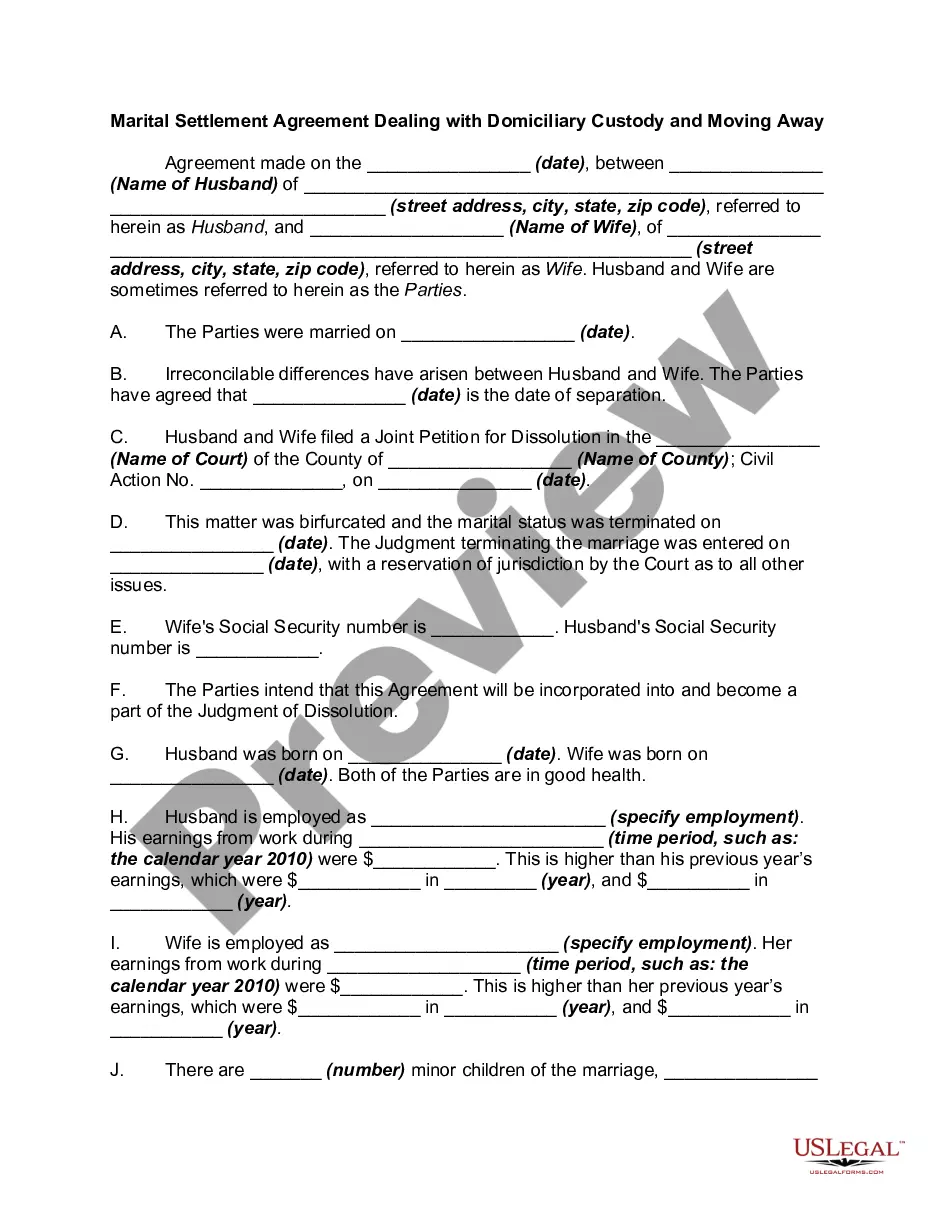
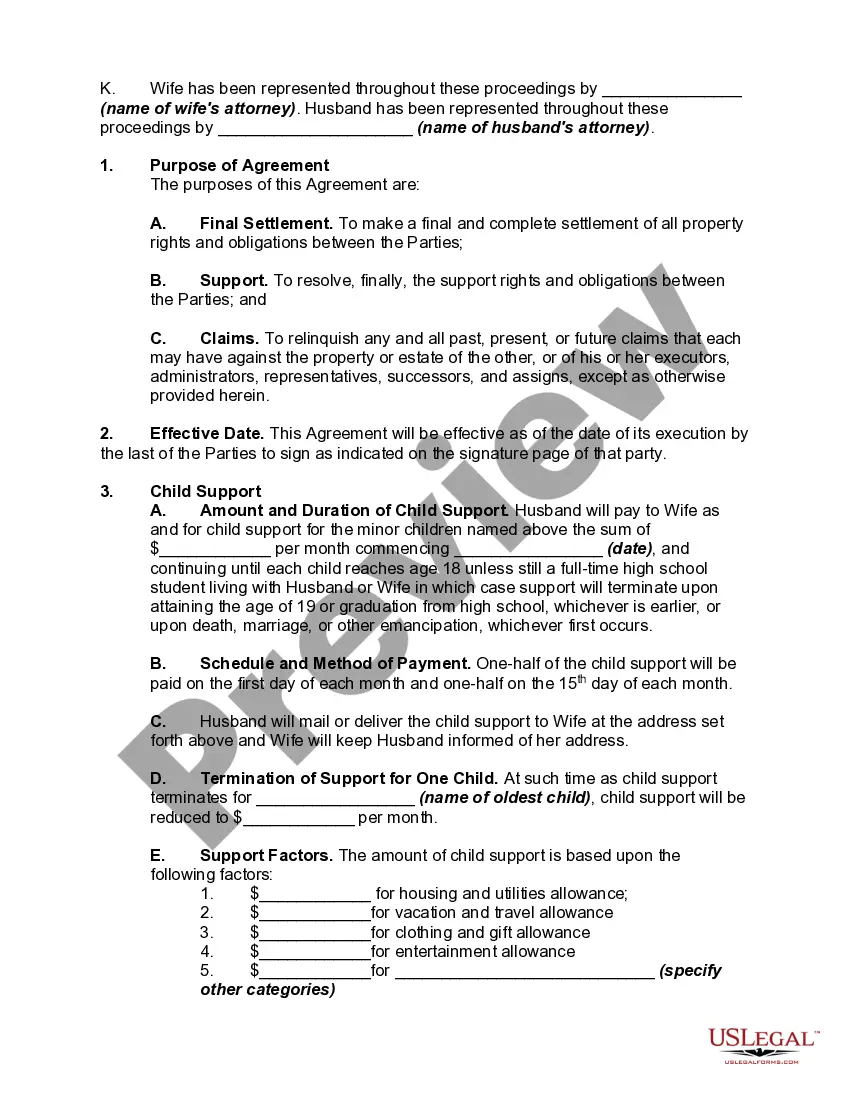
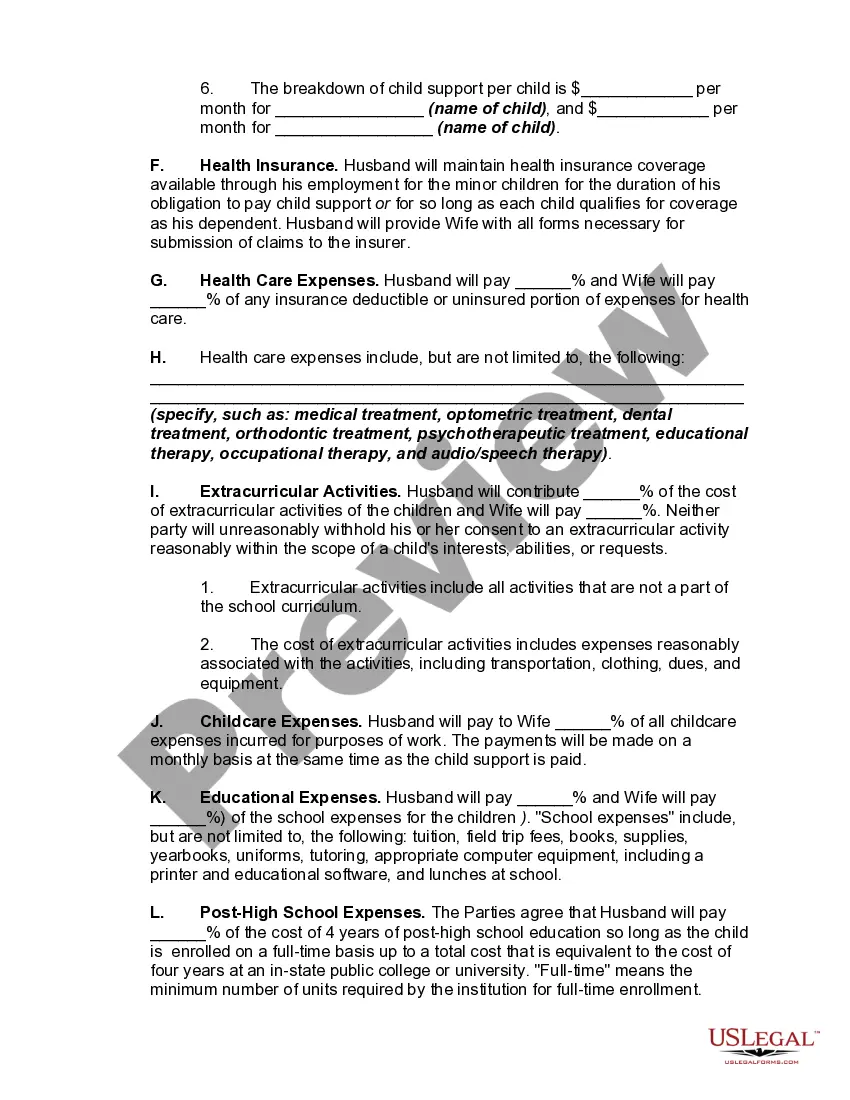
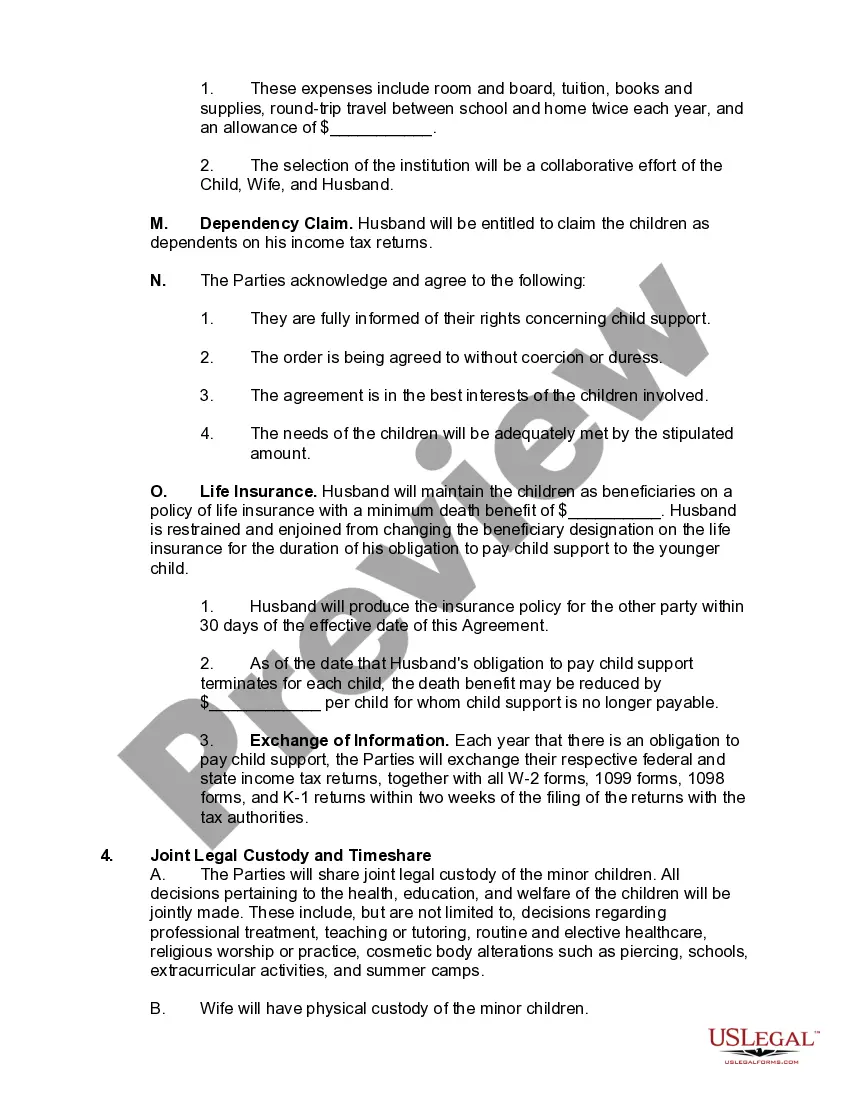
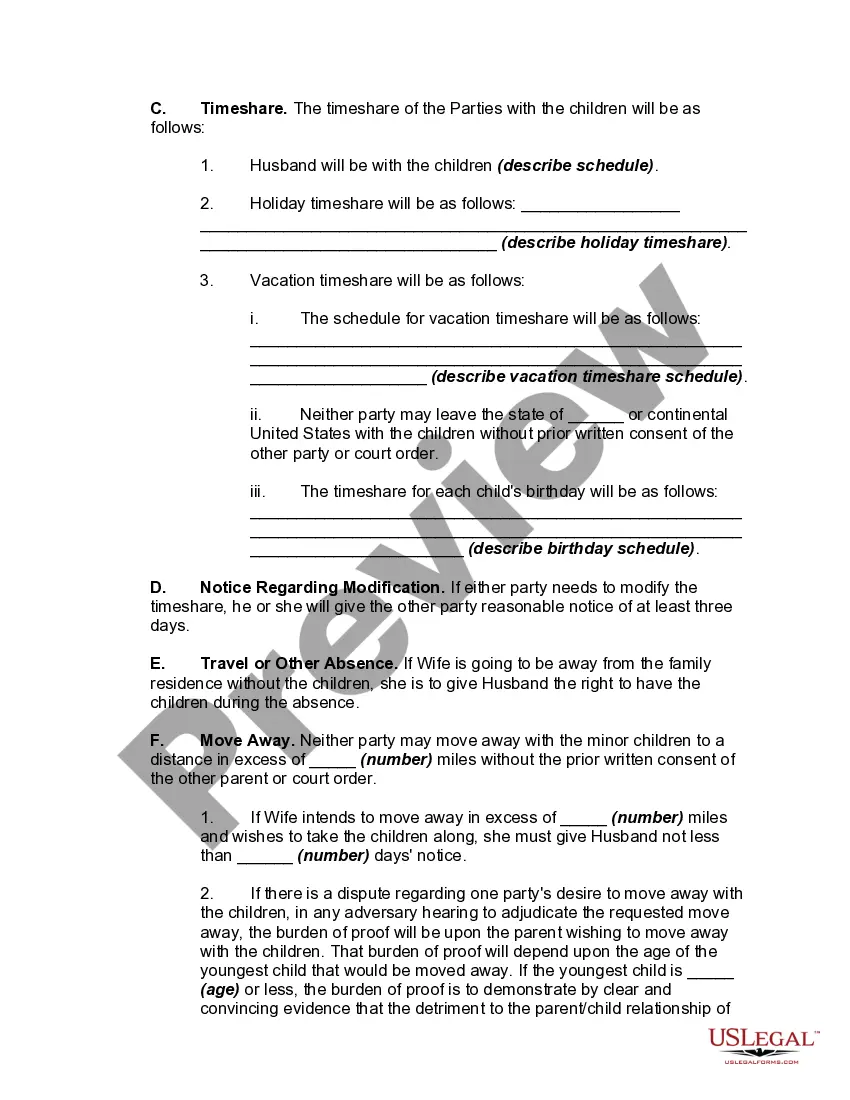
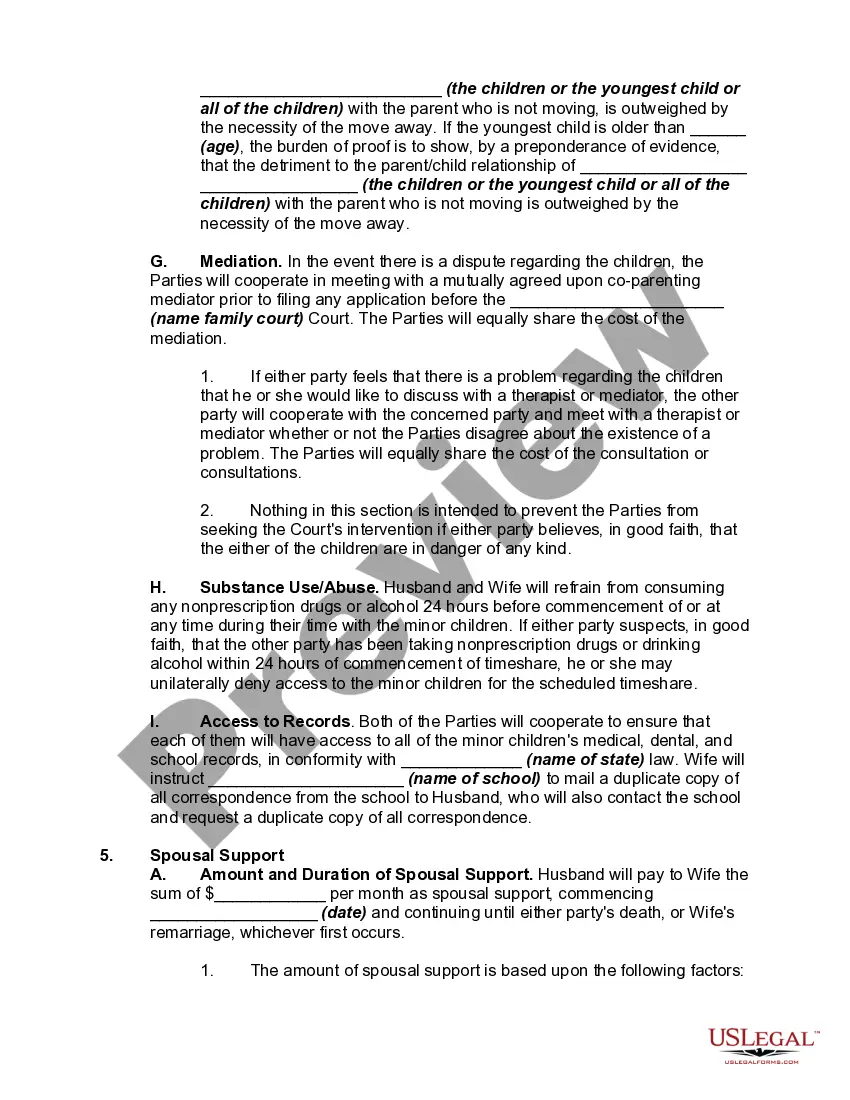
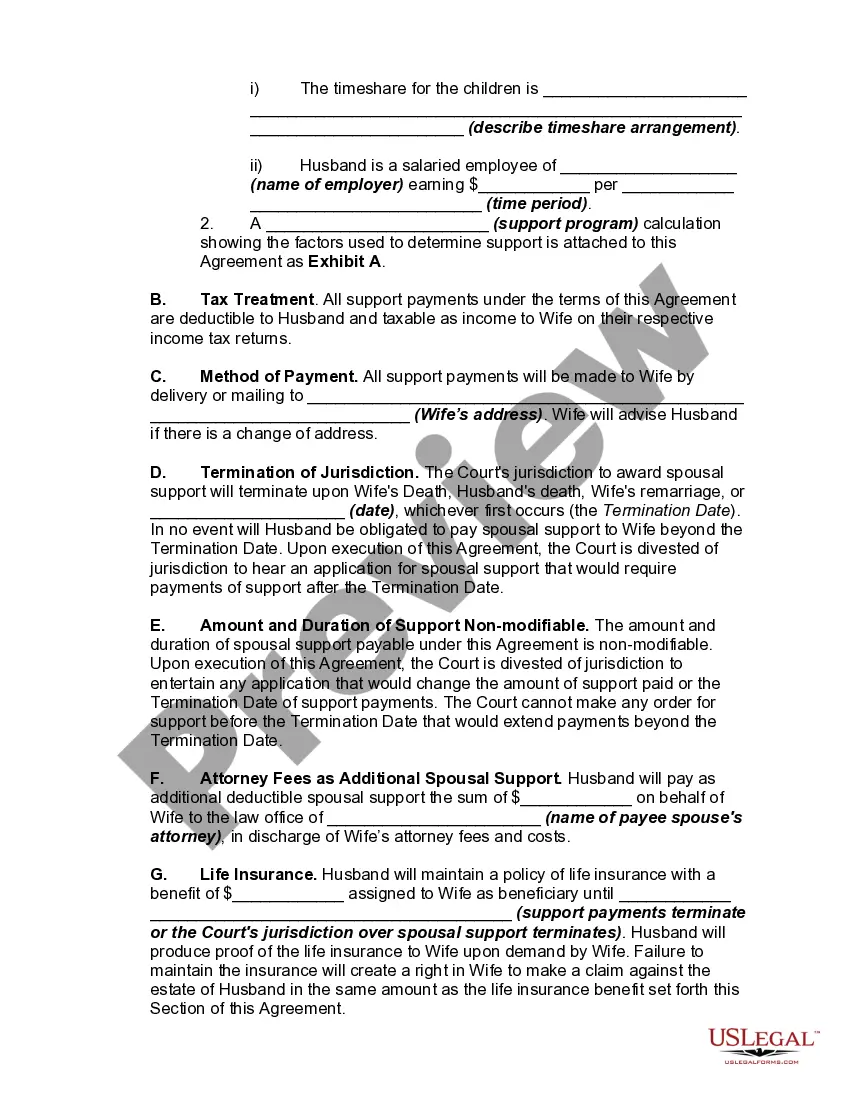
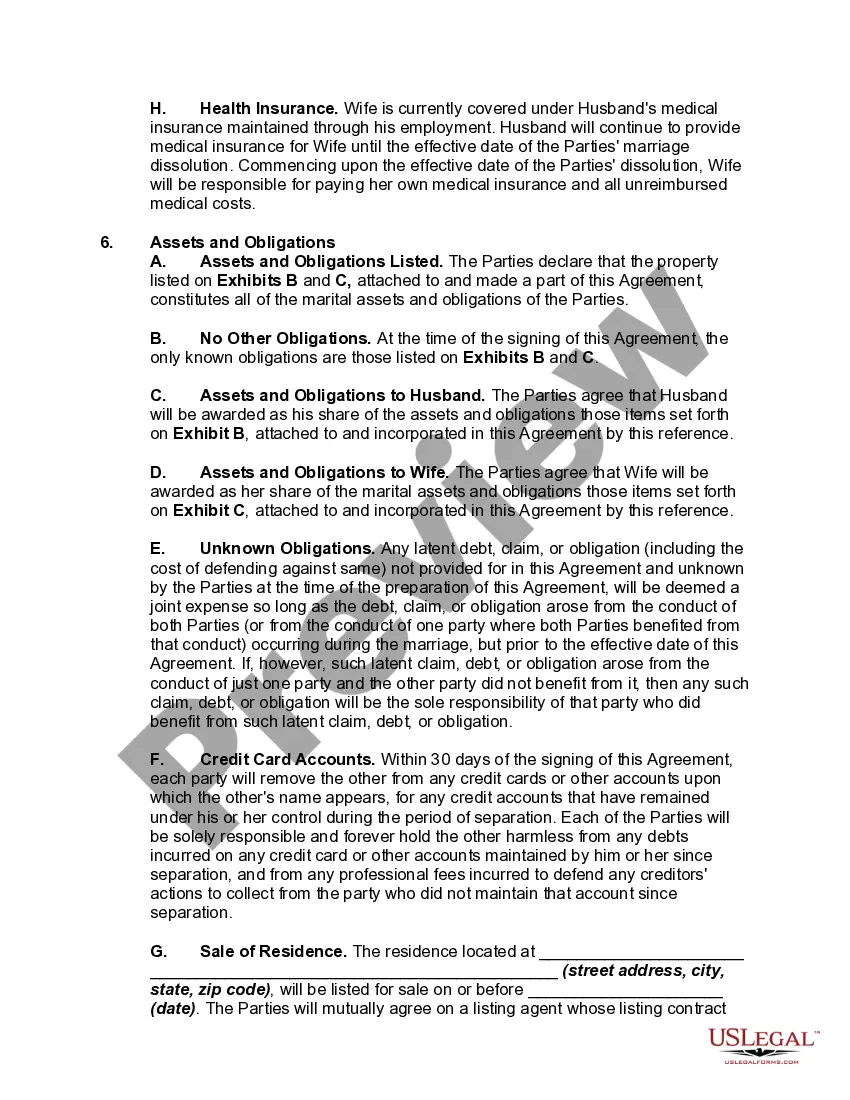






How to fill out Marital Settlement Agreement Dealing With Domiciliary Custody And Moving Away?
- If you're an existing user, log in to your account and check that your subscription is active. Download the child support form you need by clicking the Download button.
- For first-time users, begin by previewing the available forms. Check the descriptions to find one that meets your requirements and complies with local laws.
- If your needs aren't met, utilize the Search tab to locate additional templates suitable for your situation.
- After selecting the right document, click on the Buy Now button and choose an appropriate subscription plan. You will need to create an account to access the full range of resources.
- Complete your purchase by entering your payment details using credit card or PayPal.
- Finally, download the form and save it on your device. You can access it later from the My Forms section of your profile.
US Legal Forms empowers both individuals and attorneys by providing an extensive collection of legal documents, making the process of acquiring forms fast and efficient.
Explore the benefits of having over 85,000 editable legal forms at your fingertips. Get started today!
Form popularity
FAQ
The parent who claims the child as a dependent on their tax return is typically eligible for the child tax credit. This is usually the custodial parent, but non-custodial parents can claim the credit if they have an agreement allowing them to claim the child. Familiarizing yourself with child support for tax purposes gives you clarity on who benefits from the credits.
Child support is typically not listed on your tax return since it is not taxable or deductible. You should focus on including any other relevant income or deductions when filing. Knowing how to handle child support for tax purposes helps you stay organized and compliant.
Yes, a non-custodial parent can claim a child on their taxes if they have the right to do so under a written agreement with the custodial parent. This often involves completing IRS Form 8332 to give the non-custodial parent the necessary consent. Always review the guidelines surrounding child support for tax purposes to ensure eligibility.
The IRS usually identifies the custodial parent based on the child’s living arrangements and the information provided in the tax returns. If there is an agreement in place about who claims the child, the IRS respects that as long as the appropriate forms are submitted. Keep in mind that clear documentation is crucial for child support for tax purposes.
The parent who has physical custody of the child for the greater part of the year generally claims the child on their tax return. However, parents can agree to alternate claiming the child or can use a form to allow the non-custodial parent to claim the child as long as the applicable criteria are met. Understanding the nuances of child support for tax purposes helps in making the right decision.
You do not need to report your child's income on your tax return unless they have earned enough to file their own return. Generally, for child support for tax purposes, only the income the child receives from sources such as investments needs attention. Check the IRS guidelines regarding dependency exemptions and your child's filing requirements to ensure compliance.
When filing taxes, you don’t need to report child support as income, but you should keep thorough records for both your sake and the IRS. If you face any complications, using resources like US Legal Forms can guide you through the process of ensuring compliance with child support obligations for tax purposes.
The IRS may intercept tax refunds if you are behind on child support payments. However, this action depends on several factors including jurisdiction and specific agreements in place, so it is not automatic. Make sure to stay informed regarding your obligations to prevent this situation.
After reporting someone for child support issues to the IRS, they follow their protocol to investigate. This process may include reviewing financial records and compliance with tax obligations. It is crucial to remember that the IRS takes such matters seriously, which could impact the individual’s tax situation.
In TurboTax, you typically do not enter child support payments as income, as they are not taxable. However, if you receive child support, ensure that you follow the proper steps in the software to claim any related deductions if applicable. It's beneficial to keep records handy while using TurboTax for any queries that may arise.