Motion Release Evidence With Example
Description
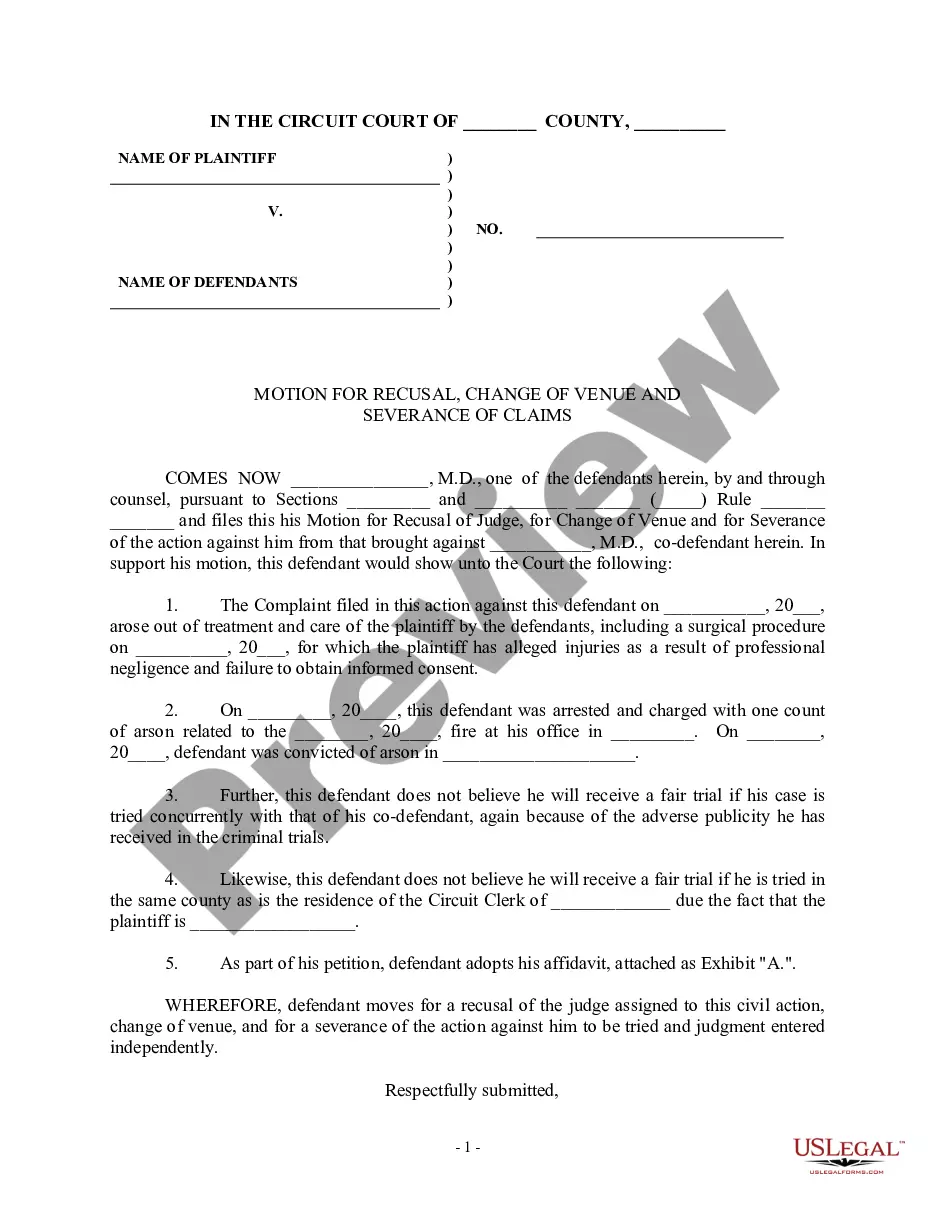
Get your form ready online
Our built-in tools help you complete, sign, share, and store your documents in one place.
Make edits, fill in missing information, and update formatting in US Legal Forms—just like you would in MS Word.
Download a copy, print it, send it by email, or mail it via USPS—whatever works best for your next step.
Sign and collect signatures with our SignNow integration. Send to multiple recipients, set reminders, and more. Go Premium to unlock E-Sign.
If this form requires notarization, complete it online through a secure video call—no need to meet a notary in person or wait for an appointment.
We protect your documents and personal data by following strict security and privacy standards.

Make edits, fill in missing information, and update formatting in US Legal Forms—just like you would in MS Word.

Download a copy, print it, send it by email, or mail it via USPS—whatever works best for your next step.

Sign and collect signatures with our SignNow integration. Send to multiple recipients, set reminders, and more. Go Premium to unlock E-Sign.

If this form requires notarization, complete it online through a secure video call—no need to meet a notary in person or wait for an appointment.

We protect your documents and personal data by following strict security and privacy standards.
Looking for another form?
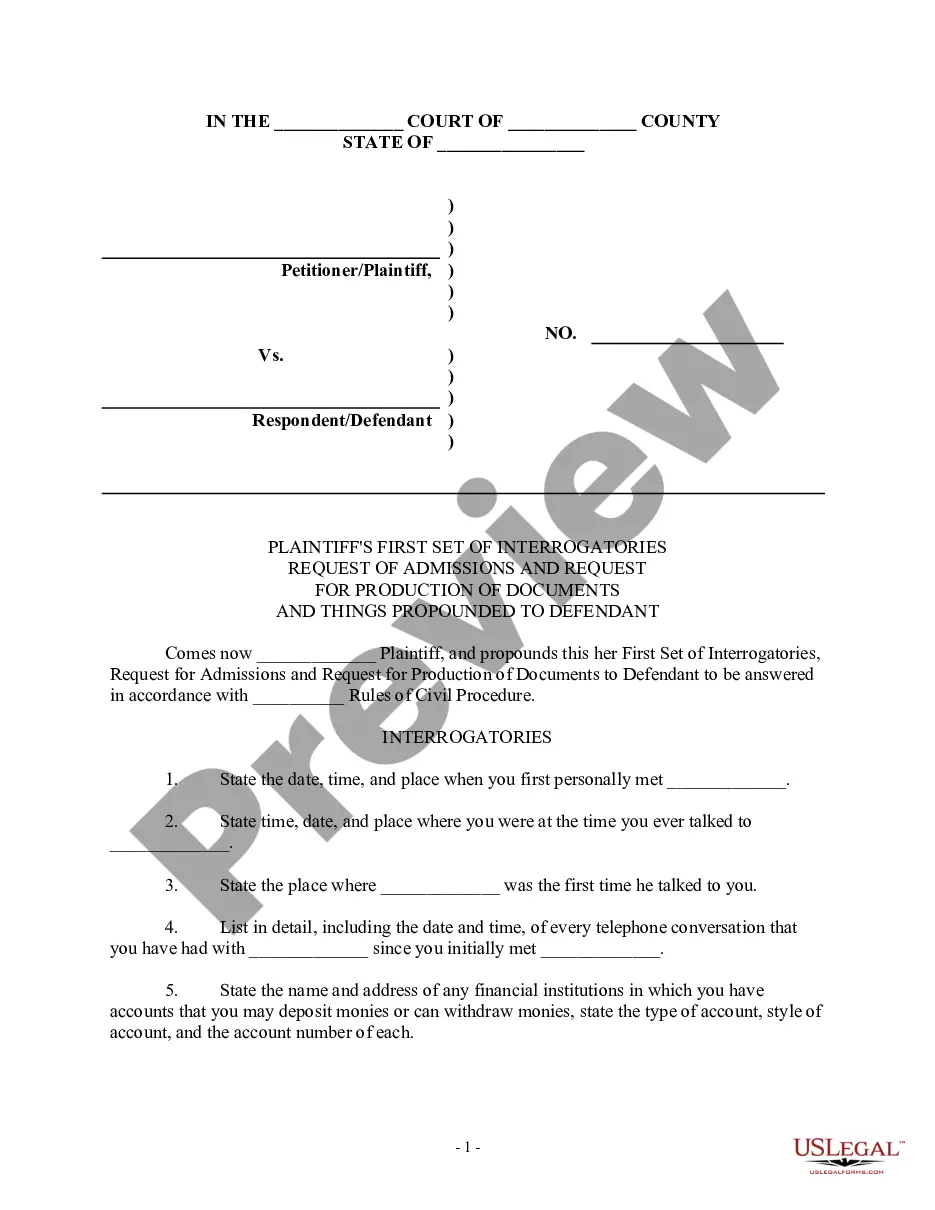



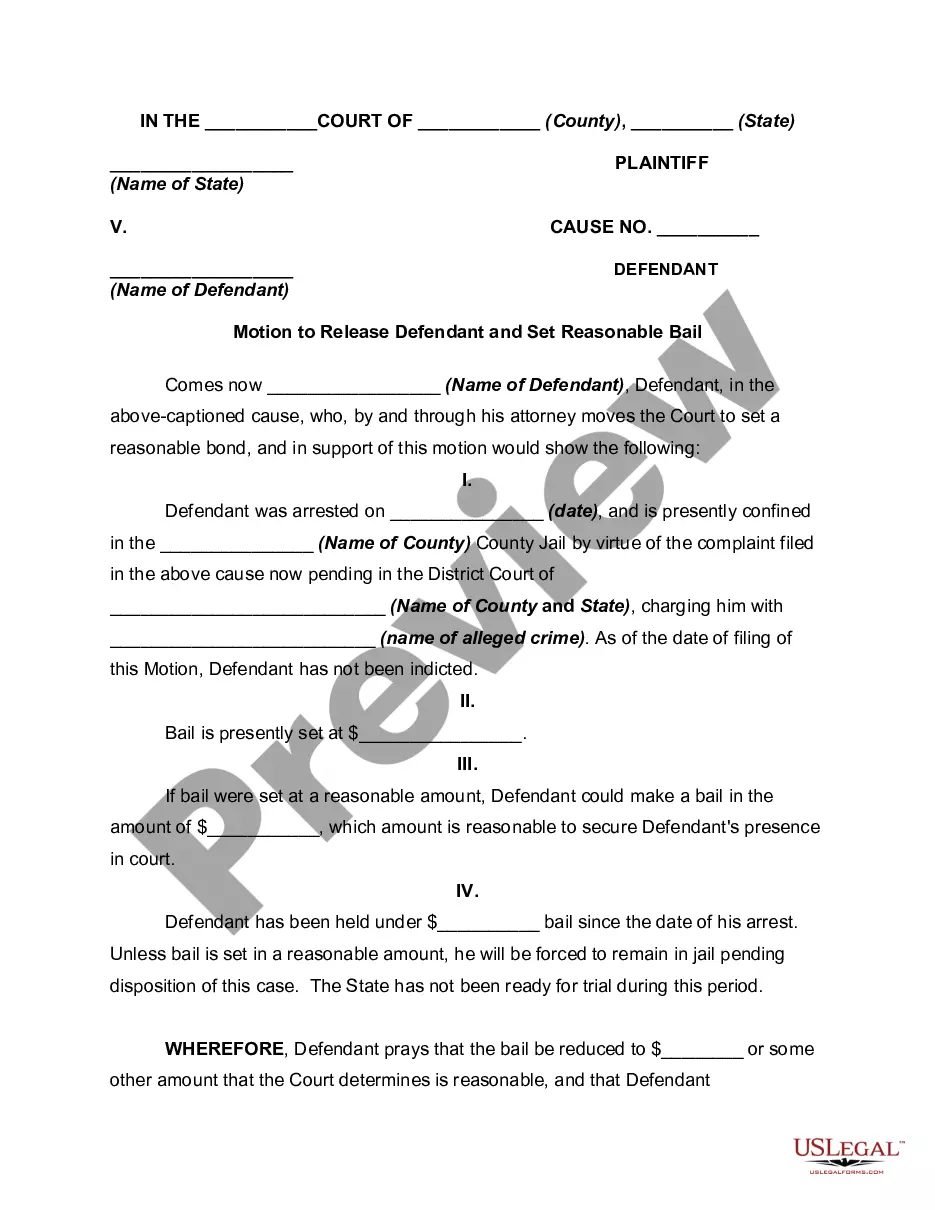
How to fill out Motion To Release Defendant And Set Reasonable Bail?
Securing a reliable location to obtain the most up-to-date and suitable legal templates is half the battle of navigating bureaucracy.
Locating the correct legal documents requires precision and meticulousness, which is why it is crucial to acquire samples of Motion Release Evidence With Example exclusively from reputable sources, such as US Legal Forms.
Eliminate the hassles associated with your legal paperwork. Explore the comprehensive US Legal Forms catalog where you can discover legal samples, verify their relevance to your needs, and download them immediately.
- Utilize the catalog navigation or search bar to locate your template.
- Review the form’s details to ensure it satisfies the criteria for your state and county.
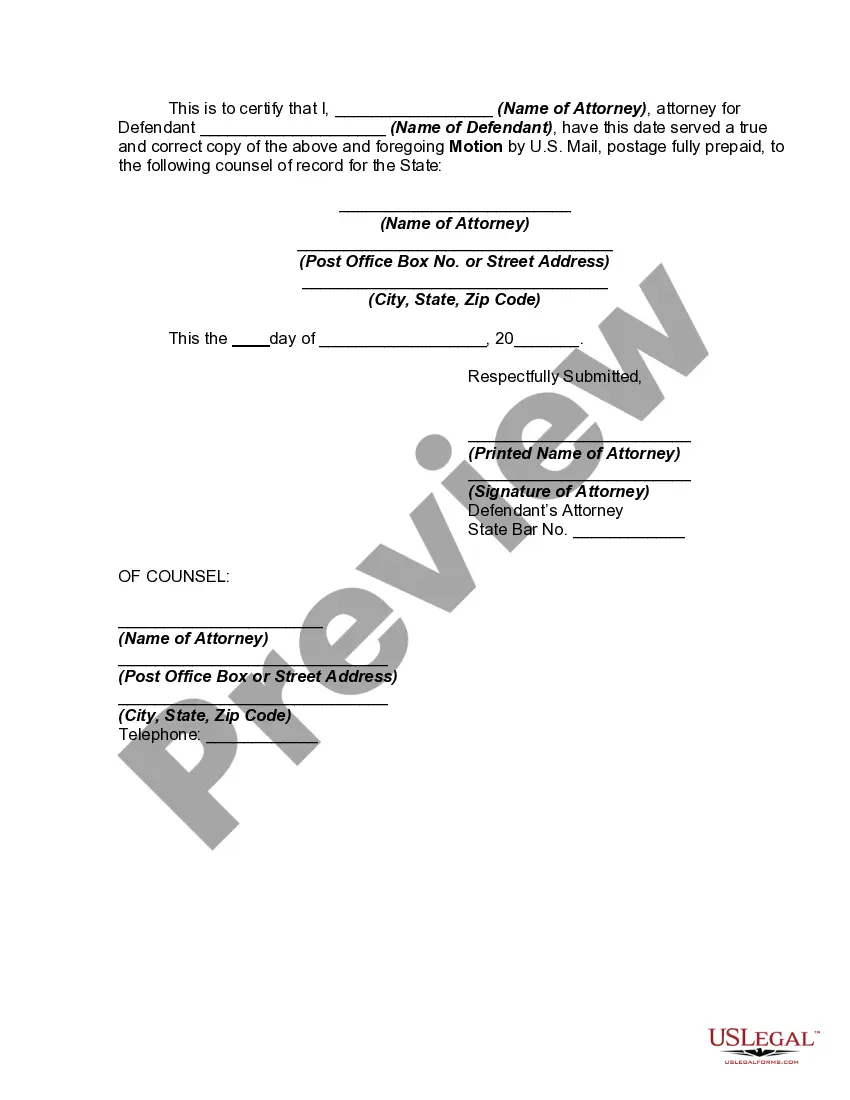
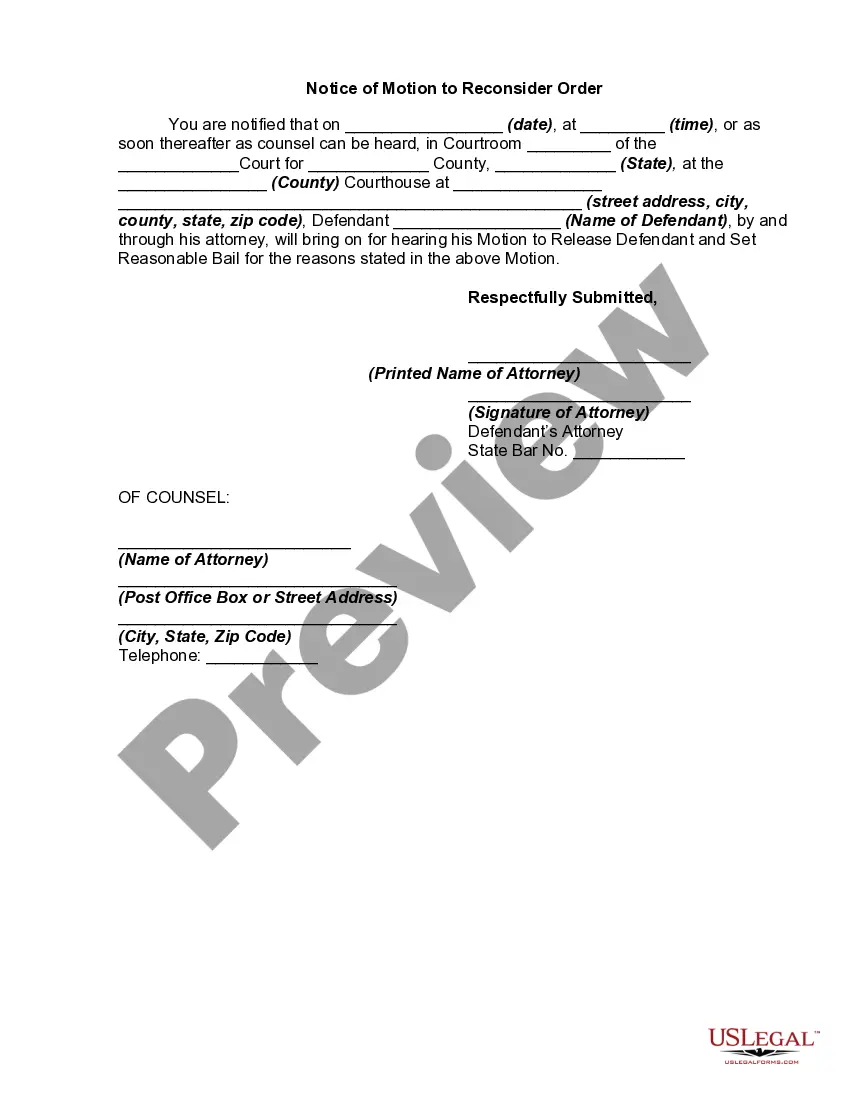
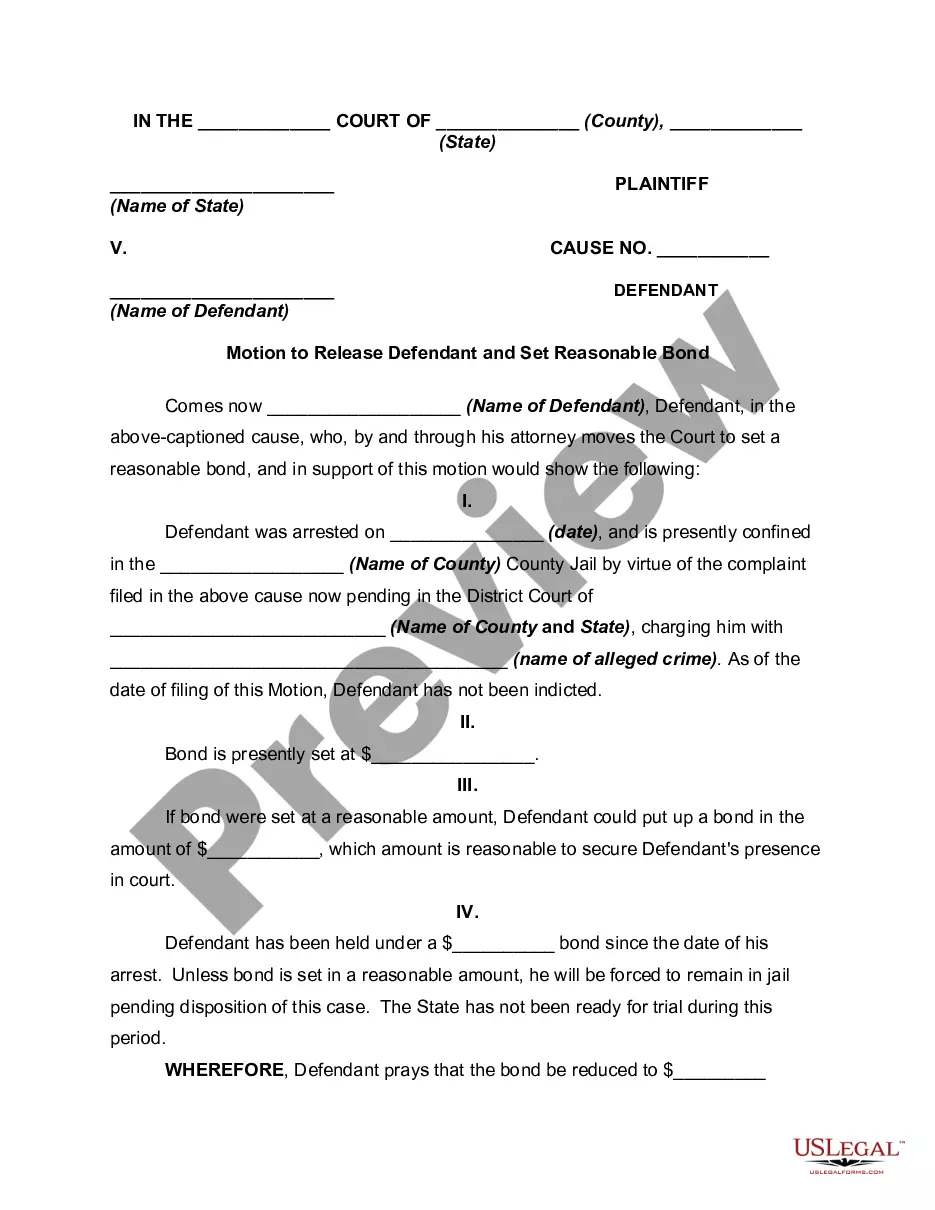
- Check the form preview, if available, to confirm that the form is indeed the one you seek.
- If the Motion Release Evidence With Example does not meet your needs, continue searching for the appropriate document.
- If you are confident about the form’s suitability, download it.
- If you are an authorized user, click Log in to verify and access your chosen templates in My documents.
- If you do not possess an account yet, click Buy now to purchase the template.
- Choose the pricing option that aligns with your needs.
- Proceed to the registration to complete your transaction.
- Finalize your purchase by selecting a payment method (credit card or PayPal).
- Select the document format for downloading Motion Release Evidence With Example.
- After obtaining the form on your device, you can modify it using the editor or print it and complete it manually.
Form popularity
FAQ
The answer is clear: The defense. Since it is up to the prosecution to prove that the defendant committed the crime alleged, if the prosecution does not provide any proof (in the form of evidence), the case must be dismissed.
A motion hearing is a hearing that is held in front of the judge after one of the lawyers in the case has filed a written request for the judge to do something. At the hearing, the lawyers will orally argue for or against the request, and in some cases, testimony will be taken regarding the issue.
Most evidence is presented through the oral testimony of witnesses who speak under oath. The lawyer who has called a particular witness asks a series of questions referred to as the direct examination, and the opposing lawyer follows with the cross-examination.
Select the evidence that proves what you need to show. Review the information you identified and pick out the evidence that will convince the judge of the points you need to explain. Choose evidence that relates directly (is ?relevant?) to what you need to show (?prove?).
Term: NO EVIDENCE. Definition: No evidence means that there is not enough proof to support a claim or argument. It is when someone cannot show enough evidence to convince a judge or jury that their side is true. This can happen in a court case when one party cannot prove an important part of their case.