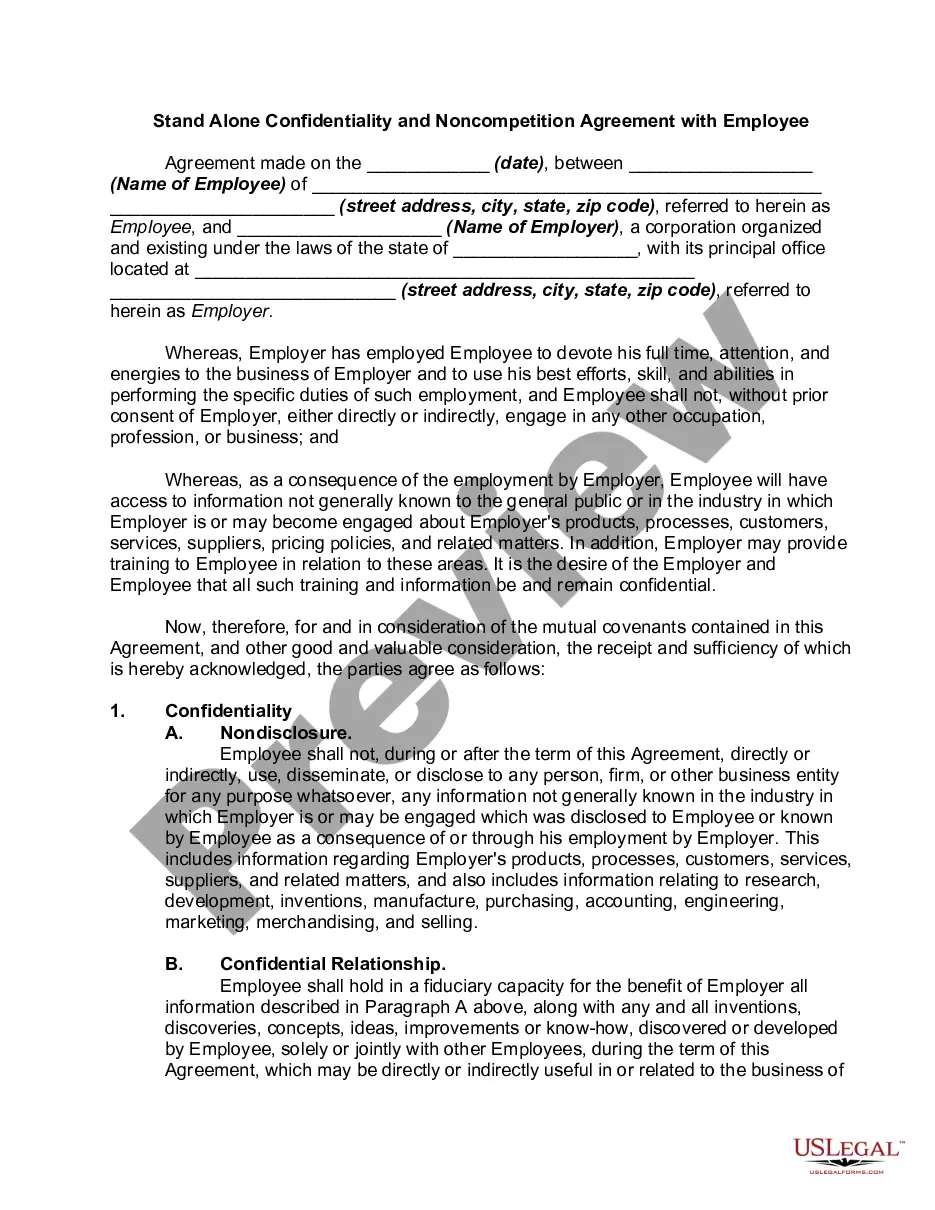
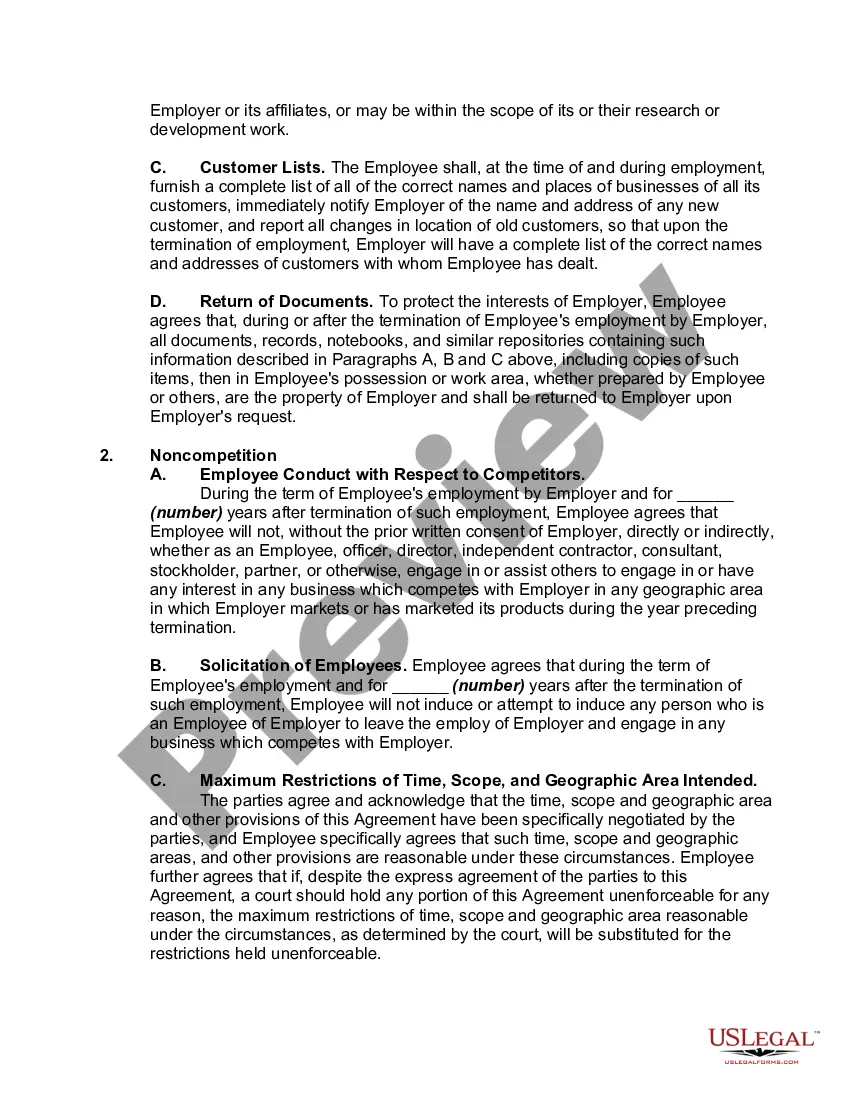
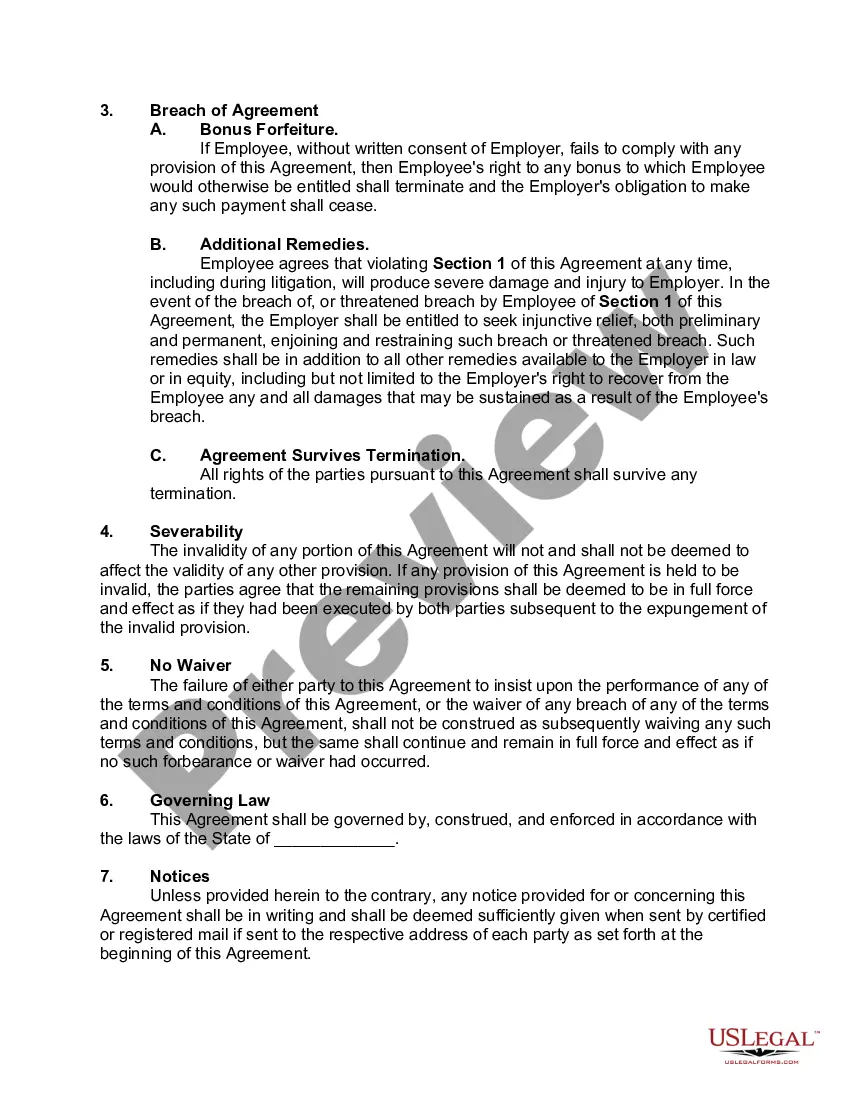
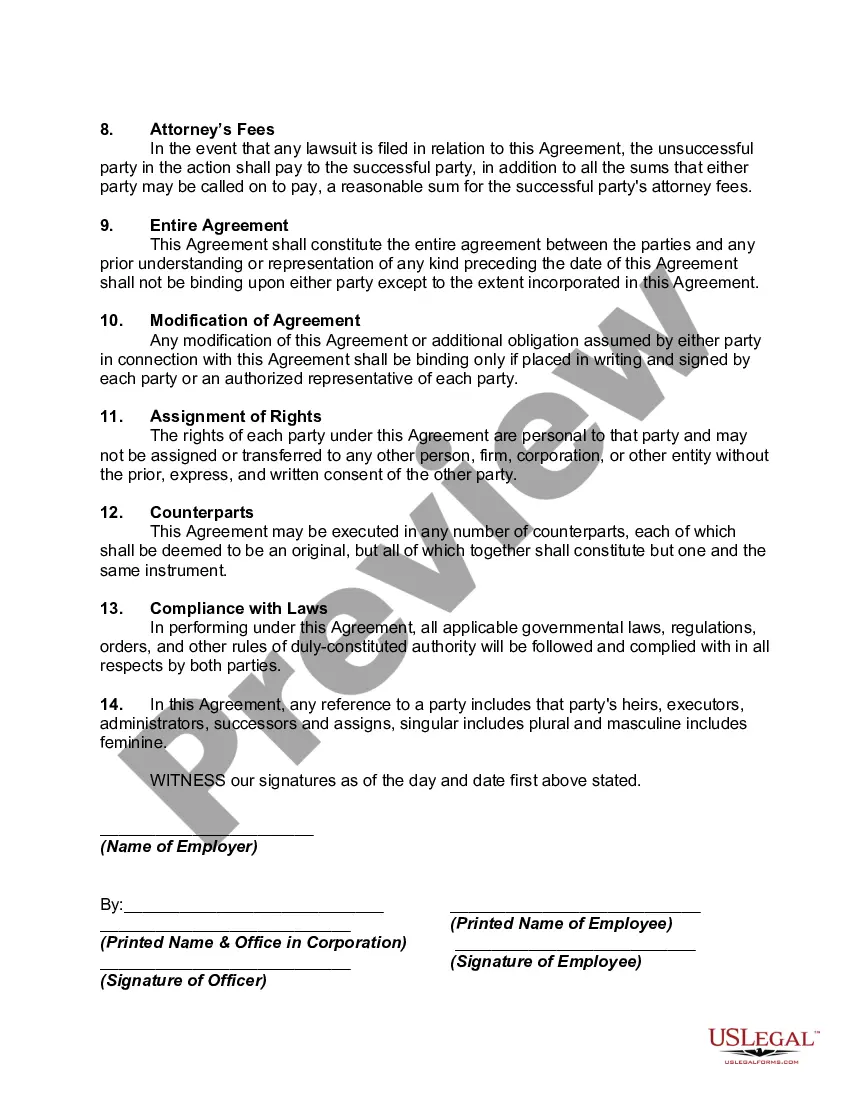
Confidentiality With Former Employees
Description
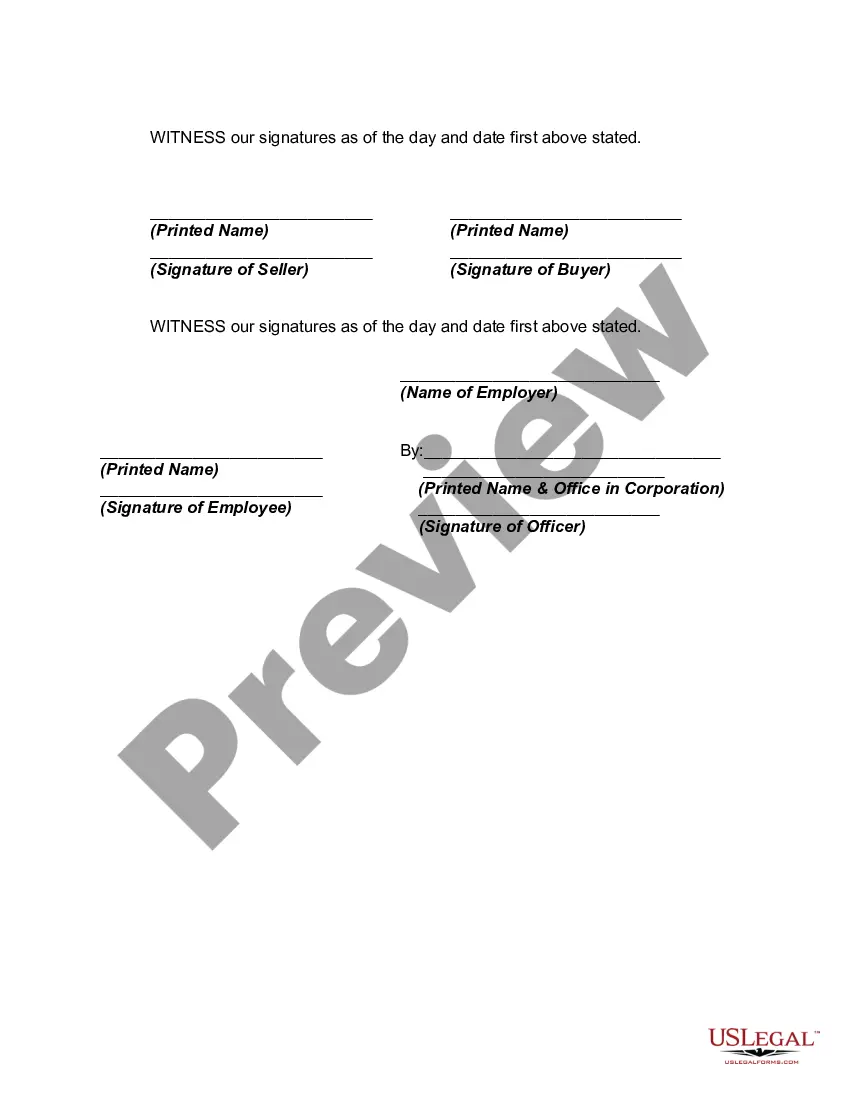
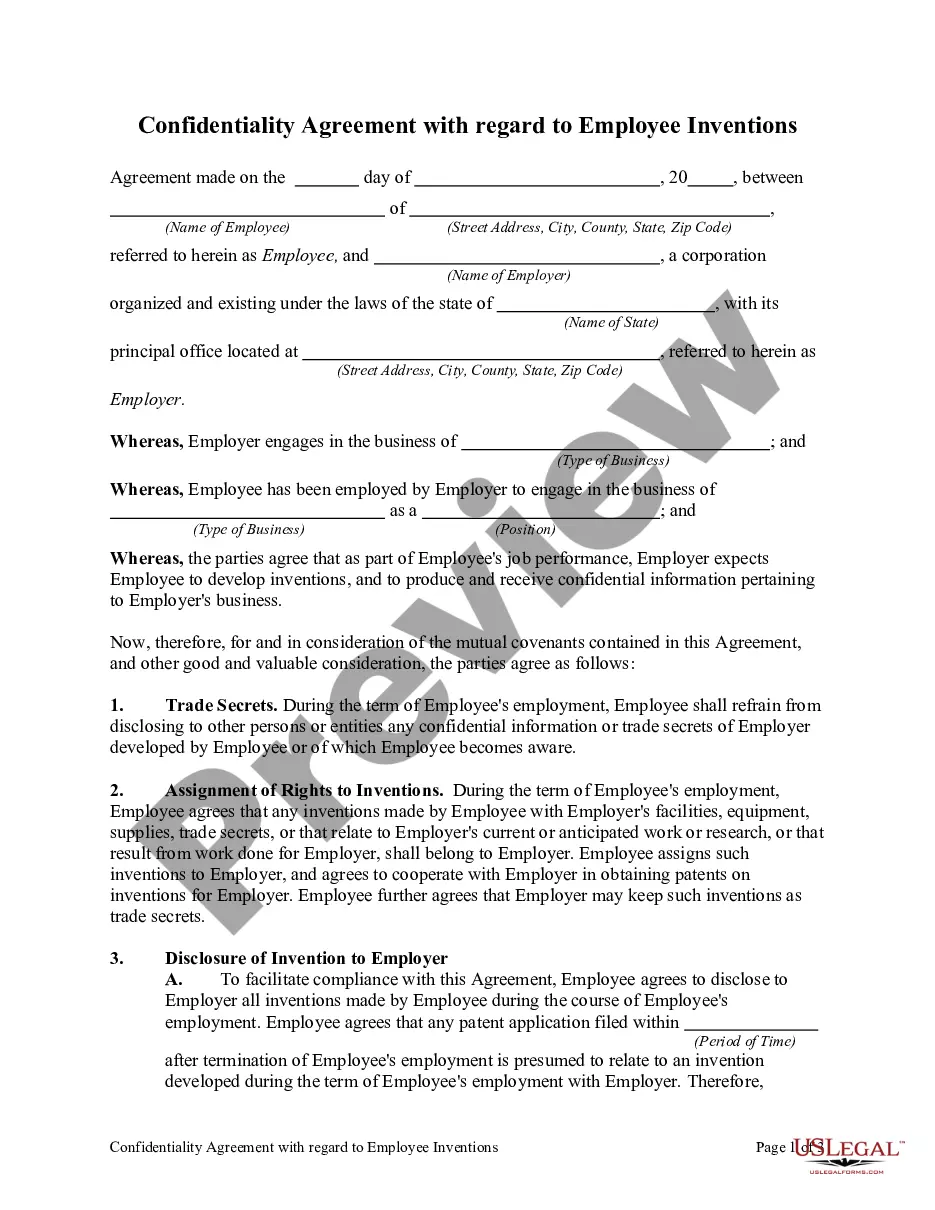
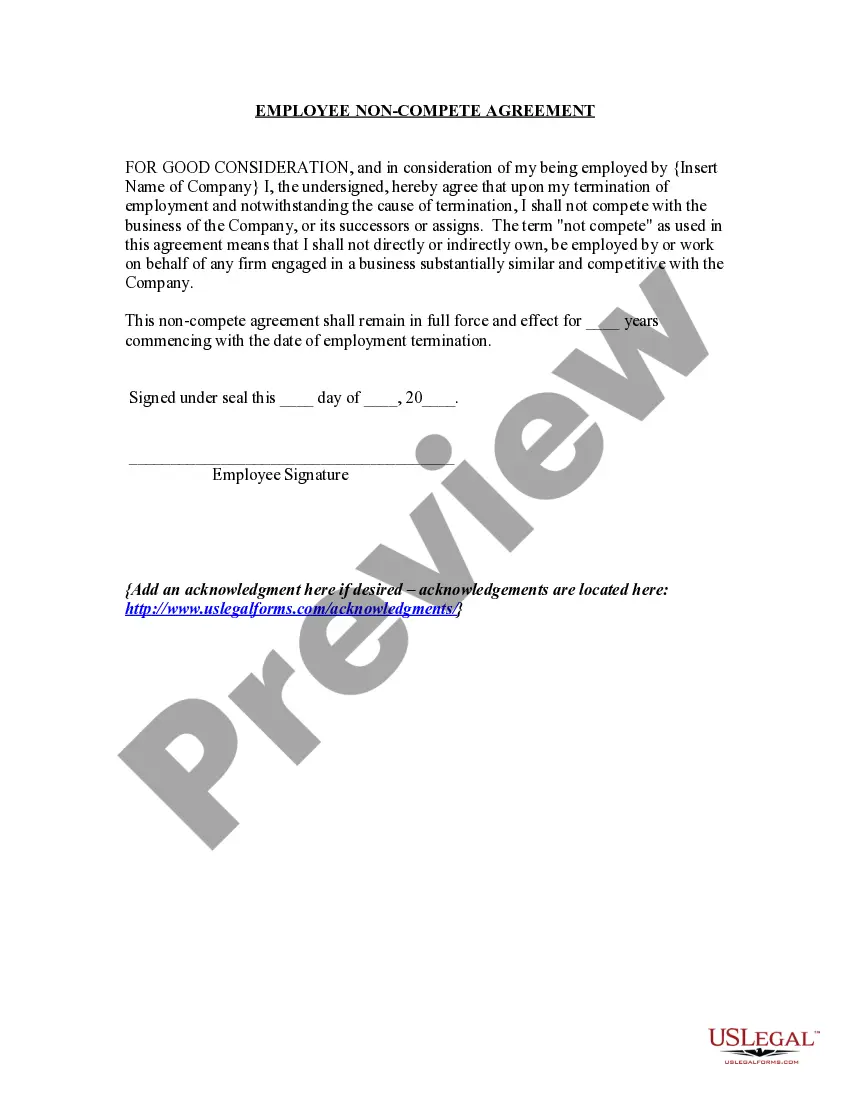
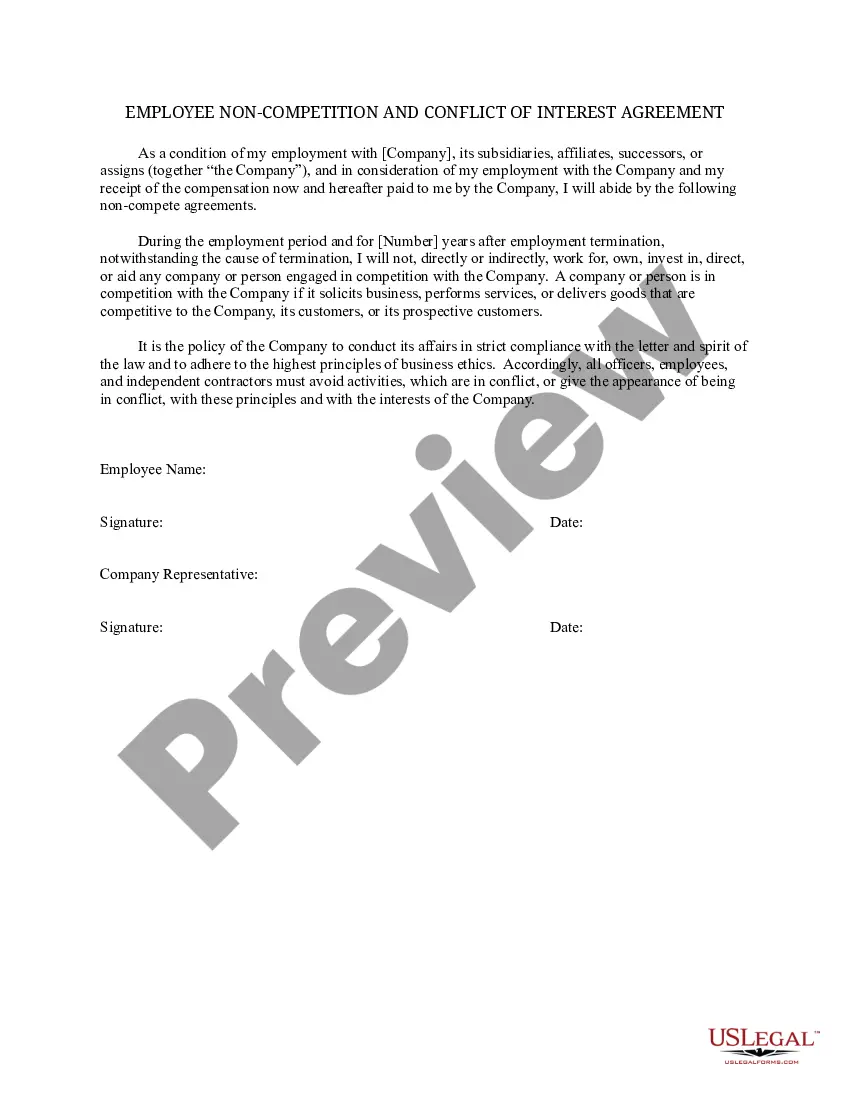
Get your form ready online
Our built-in tools help you complete, sign, share, and store your documents in one place.
Make edits, fill in missing information, and update formatting in US Legal Forms—just like you would in MS Word.
Download a copy, print it, send it by email, or mail it via USPS—whatever works best for your next step.
Sign and collect signatures with our SignNow integration. Send to multiple recipients, set reminders, and more. Go Premium to unlock E-Sign.
If this form requires notarization, complete it online through a secure video call—no need to meet a notary in person or wait for an appointment.
We protect your documents and personal data by following strict security and privacy standards.

Make edits, fill in missing information, and update formatting in US Legal Forms—just like you would in MS Word.

Download a copy, print it, send it by email, or mail it via USPS—whatever works best for your next step.

Sign and collect signatures with our SignNow integration. Send to multiple recipients, set reminders, and more. Go Premium to unlock E-Sign.

If this form requires notarization, complete it online through a secure video call—no need to meet a notary in person or wait for an appointment.

We protect your documents and personal data by following strict security and privacy standards.
Looking for another form?







How to fill out Stand Alone Confidentiality And Noncompetition Agreement With Employee?
Managing legal paperwork and processes can be a lengthy addition to your daily routine.
Confidentiality With Former Employees and forms of that nature generally require you to look for them and determine the optimal way to fill them out correctly.
Consequently, if you are handling financial, legal, or personal issues, having a thorough and accessible online collection of forms readily available will be greatly beneficial.
US Legal Forms stands out as the premier online service for legal documents, offering over 85,000 state-specific templates along with various tools to help you fill out your forms efficiently.
Is this your first experience with US Legal Forms? Register and create a free account in a matter of minutes to gain access to the form library and Confidentiality With Former Employees. Then, follow the guidelines provided below to fill out your form.
- Explore the library of pertinent documents available to you with just one click.
- US Legal Forms provides you state- and county-specific documents that can be downloaded anytime.
- Enhance your document management processes with a high-quality service that allows you to create any form in minutes without additional or hidden fees.
- Simply Log In to your account, locate Confidentiality With Former Employees, and download it instantly from the My documents section.
- You can also retrieve forms that you have saved previously.
Form popularity
FAQ
When answering 'How do you ensure confidentiality,' it’s crucial to outline specific measures taken, such as implementing policies and training staff. Discussing the regular review of confidentiality agreements also reassures stakeholders. Ultimately, emphasizing a proactive approach is vital in maintaining confidentiality with former employees.
Employees should be prohibited from downloading confidential information onto their personal phones, computers, or other devices, unless necessary to perform their duties. At separation, employees should be required to delete all copies of confidential information from their personal devices.
A confidentiality agreement should include a clear definition of the confidential information, scope of the agreement, obligations of the receiving party, the duration of the contract, any exceptions to confidentiality, and the consequences of a breach of the contract.
The Employee agrees that he or she will not disclose to any person or entity, either directly or indirectly, the Confidential Information or Proprietary Data. Any use or disclosure of Confidential Information or Proprietary Data is cause for an action by the court of the State of [State] or a federal court.
Under the CFAA, both the former employee and the new employer can be sued if, either separately or together, they seek to gain a competitive advantage through unauthorized and improper use of, theft of or deletion of information from the former employer's computer system.