Timeshare
Description
Get your form ready online
Our built-in tools help you complete, sign, share, and store your documents in one place.
Make edits, fill in missing information, and update formatting in US Legal Forms—just like you would in MS Word.
Download a copy, print it, send it by email, or mail it via USPS—whatever works best for your next step.
Sign and collect signatures with our SignNow integration. Send to multiple recipients, set reminders, and more. Go Premium to unlock E-Sign.
If this form requires notarization, complete it online through a secure video call—no need to meet a notary in person or wait for an appointment.
We protect your documents and personal data by following strict security and privacy standards.

Make edits, fill in missing information, and update formatting in US Legal Forms—just like you would in MS Word.

Download a copy, print it, send it by email, or mail it via USPS—whatever works best for your next step.

Sign and collect signatures with our SignNow integration. Send to multiple recipients, set reminders, and more. Go Premium to unlock E-Sign.

If this form requires notarization, complete it online through a secure video call—no need to meet a notary in person or wait for an appointment.

We protect your documents and personal data by following strict security and privacy standards.
Looking for another form?

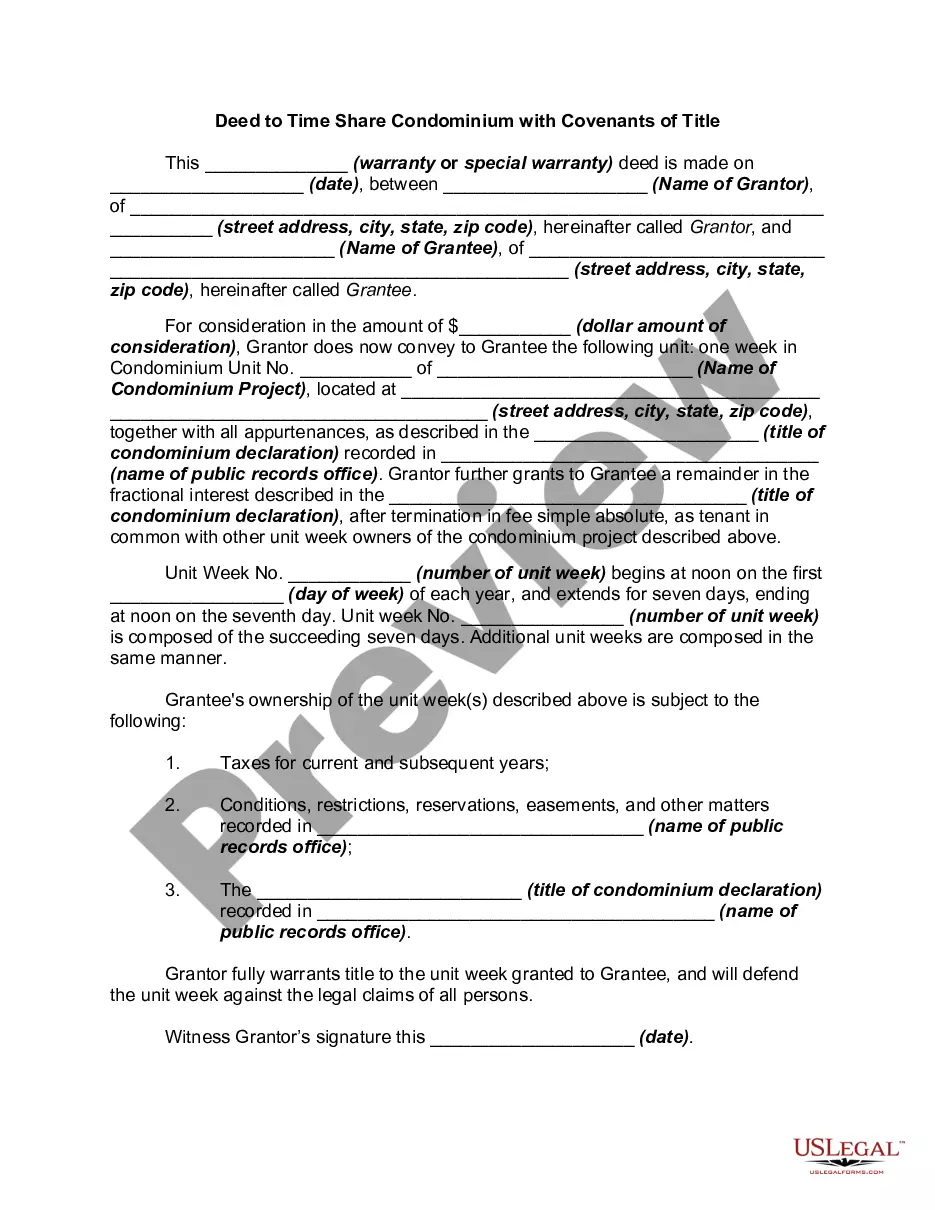
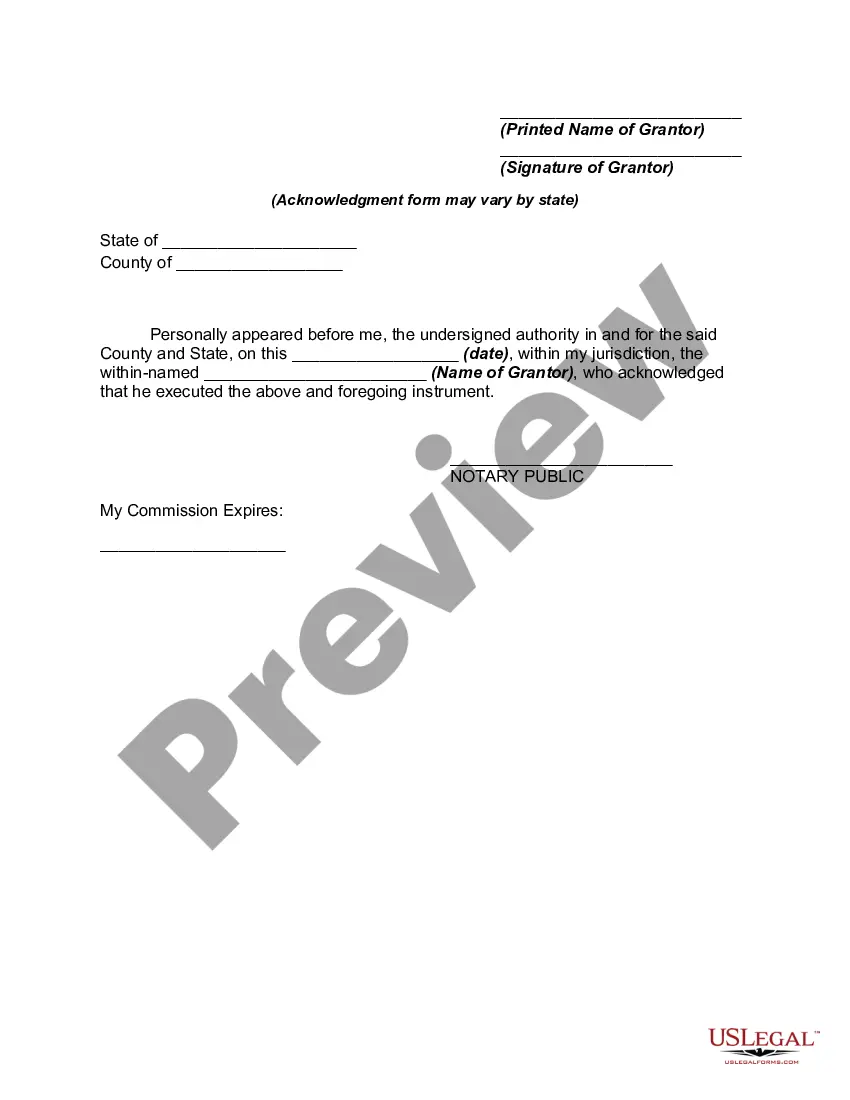
How to fill out Deed To Time Share Condominium With Covenants Of Title?
- Log into your US Legal Forms account or create a new one if you are a first-time user.
- Browse through the extensive library and check the preview mode of the timeshare document you need.
- If you don’t find the right form or notice discrepancies, use the Search tab to refine your results and locate the correct template.
- Select your desired subscription plan by clicking on the Buy Now button and complete the registration process.
- Proceed to payment by entering your credit card details or using your PayPal account.
- Download the completed form template to your device and access it anytime through the My Forms menu in your profile.
US Legal Forms empowers users by providing an extensive library of over 85,000 editable legal forms, ensuring that you find what you need quickly and accurately. Plus, premium experts are available to assist you in completing your documents correctly, keeping your legal interests protected.
In conclusion, using US Legal Forms can significantly streamline the process of obtaining and managing timeshare documents. Take advantage of their extensive resources today and secure your legal peace of mind!
Form popularity
FAQ
Deciding whether a timeshare is worth it depends on your vacation habits and financial situation. Many find that a timeshare provides a consistent vacation experience at a set location, which can lead to significant savings in the long run. However, it’s essential to evaluate the costs, such as maintenance fees and usage restrictions, against the benefits of ownership. US Legal Forms offers tools and resources to help you make an informed decision about purchasing a timeshare.
The 1 in 4 rule generally refers to a policy that allows timeshare owners to use their property for one week every four months. This rule is designed to ensure that all owners have equal access to their timeshare, promoting fairness among users. By following this guideline, owners can plan their vacations accordingly while considering the availability of others. It’s a great way to enjoy shared ownership responsibly.
Yes, many companies specialize in helping individuals exit their timeshare agreements. These companies often provide legal assistance, negotiation services, or various solutions tailored to your situation. However, it is crucial to do your research before engaging any service; not all companies have your best interests in mind. US Legal Forms can offer resources and information to navigate this process more effectively.
The 1 in 4 rule for timeshares refers to a guideline that suggests a timeshare owner can use their timeshare property for up to one week every four months. This rule helps ensure that owners share the time with others, allowing for better availability and enjoyment of the property. By adhering to this rule, timeshare owners can maximize their experience while still respecting the rights of fellow owners. Understanding this rule can help you make the most out of your timeshare ownership.
While you can walk away from your timeshare, it is not the best option. This action can lead to financial liabilities, such as unpaid fees and potential legal action from the timeshare company. Exploring legal options or seeking professional help can provide better paths to exiting your timeshare responsibly.
To legally exit a timeshare, you can consider options like selling, transferring ownership, or employing cancellation services. Document all communications with the timeshare company and review your contract for exit clauses. Consulting a legal expert can also guide you through the process and help you avoid potential pitfalls.
Yes, you generally need to report your timeshare on your taxes if you gain from the sale or rental. If you use your timeshare personally and do not rent it out, you likely won’t need to report it. However, understanding the specific tax implications of owning a timeshare is beneficial, so consulting a tax advisor can provide clarity.
The negatives of a timeshare include ongoing fees, such as maintenance and special assessments, that can add up over time. Additionally, if your travel plans change, you may find it difficult to sell your timeshare or exchange it for another property. Therefore, due diligence is essential before committing to a timeshare contract.
Timeshares are generally not viewed as traditional investments because they don’t usually appreciate in value. They serve more as a prepaid vacation option rather than a financial asset. If you prioritize enjoyment over potential profit, a timeshare may still be considered worthwhile.
Whether a timeshare is a good idea depends on your personal vacation habits and financial situation. If you travel consistently to the same destination, a timeshare can provide value and convenience. However, it is crucial to evaluate your long-term commitment and consider alternatives before making a decision.