Quiet Title Action Template Form Arizona

Description
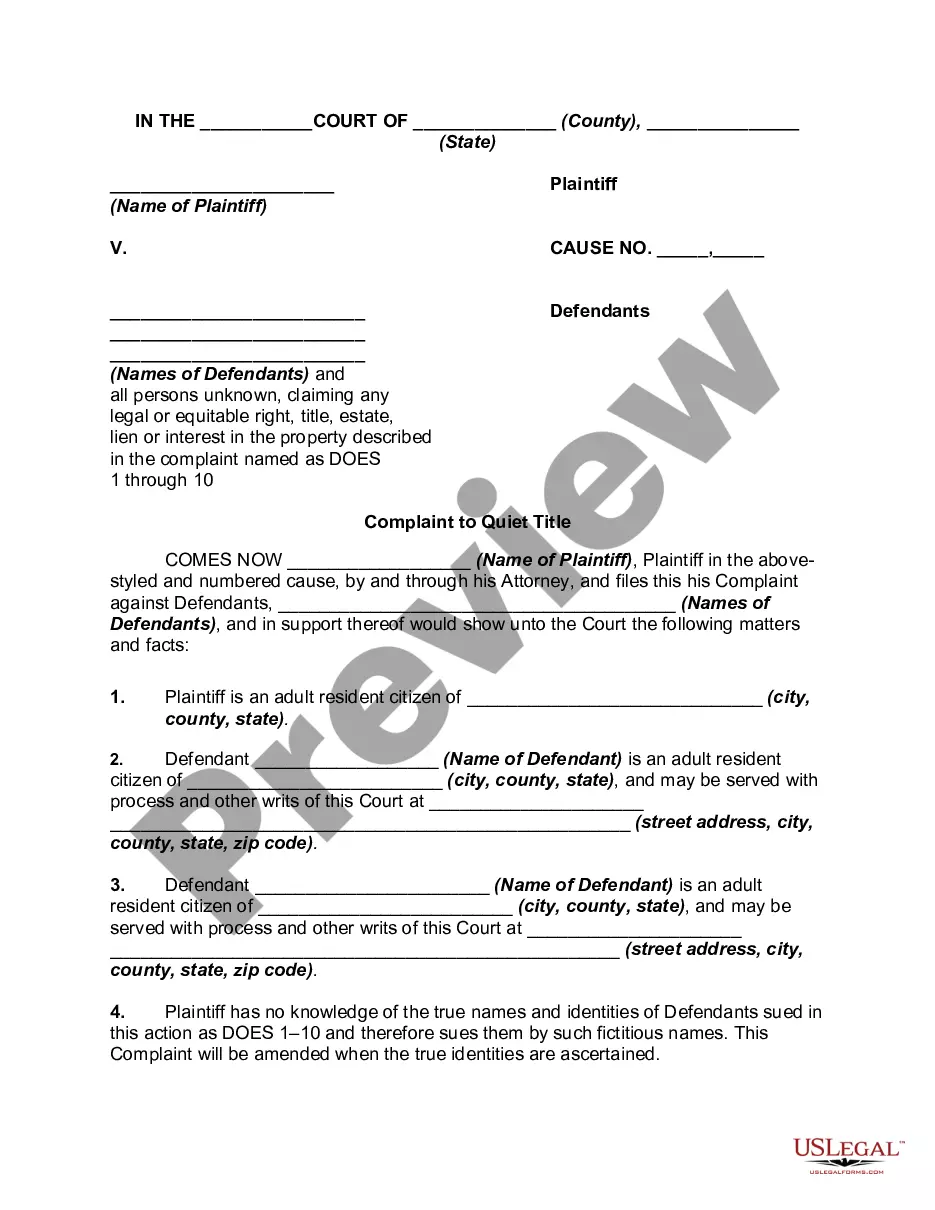
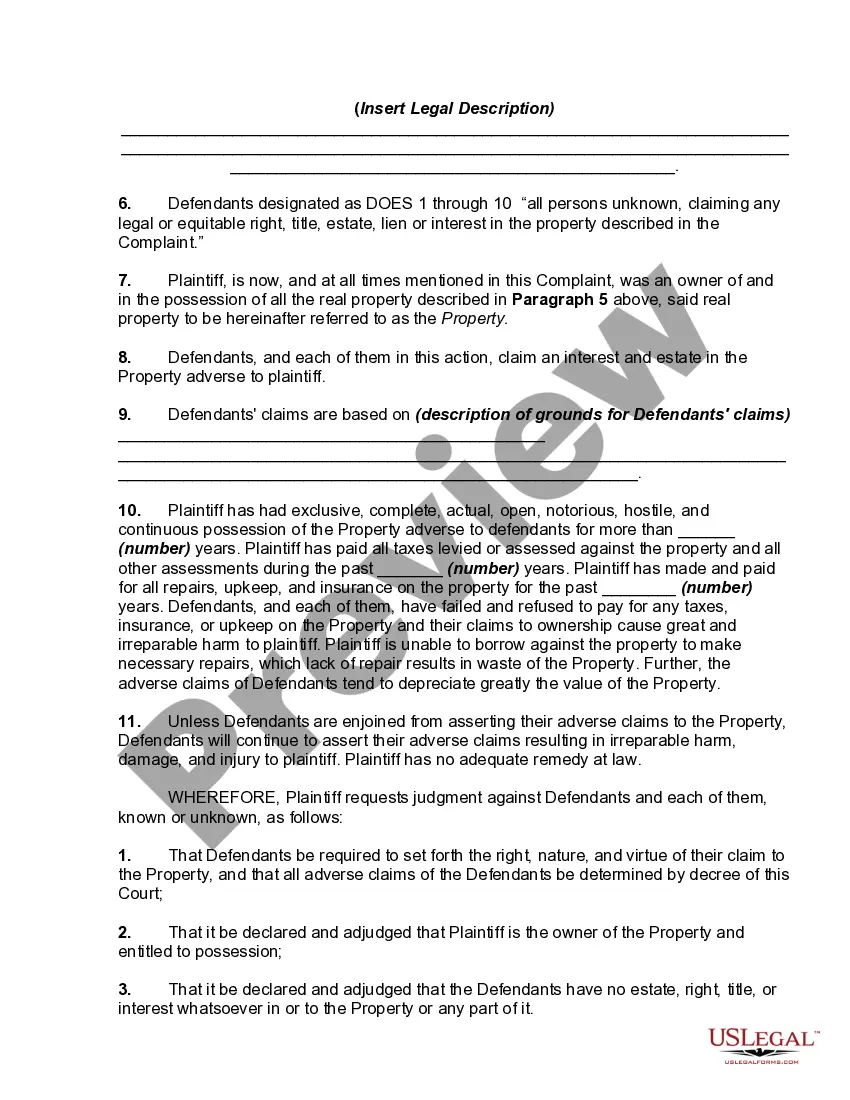
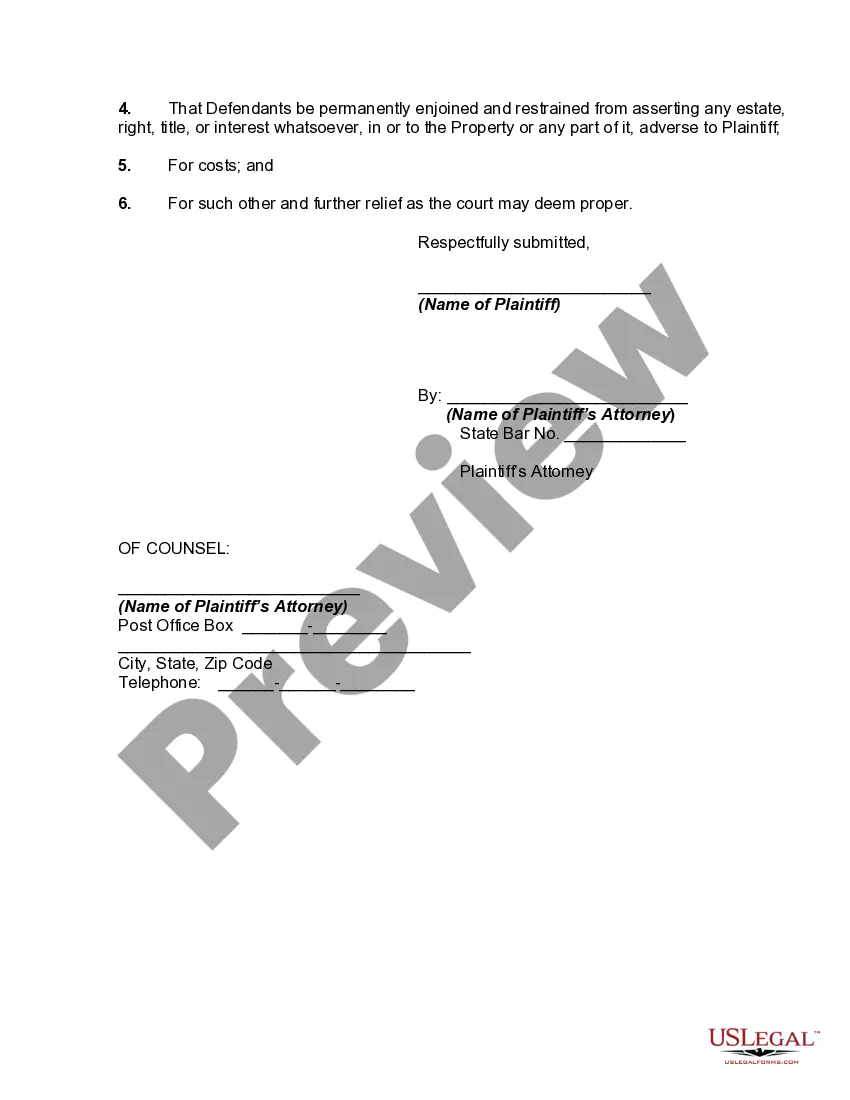
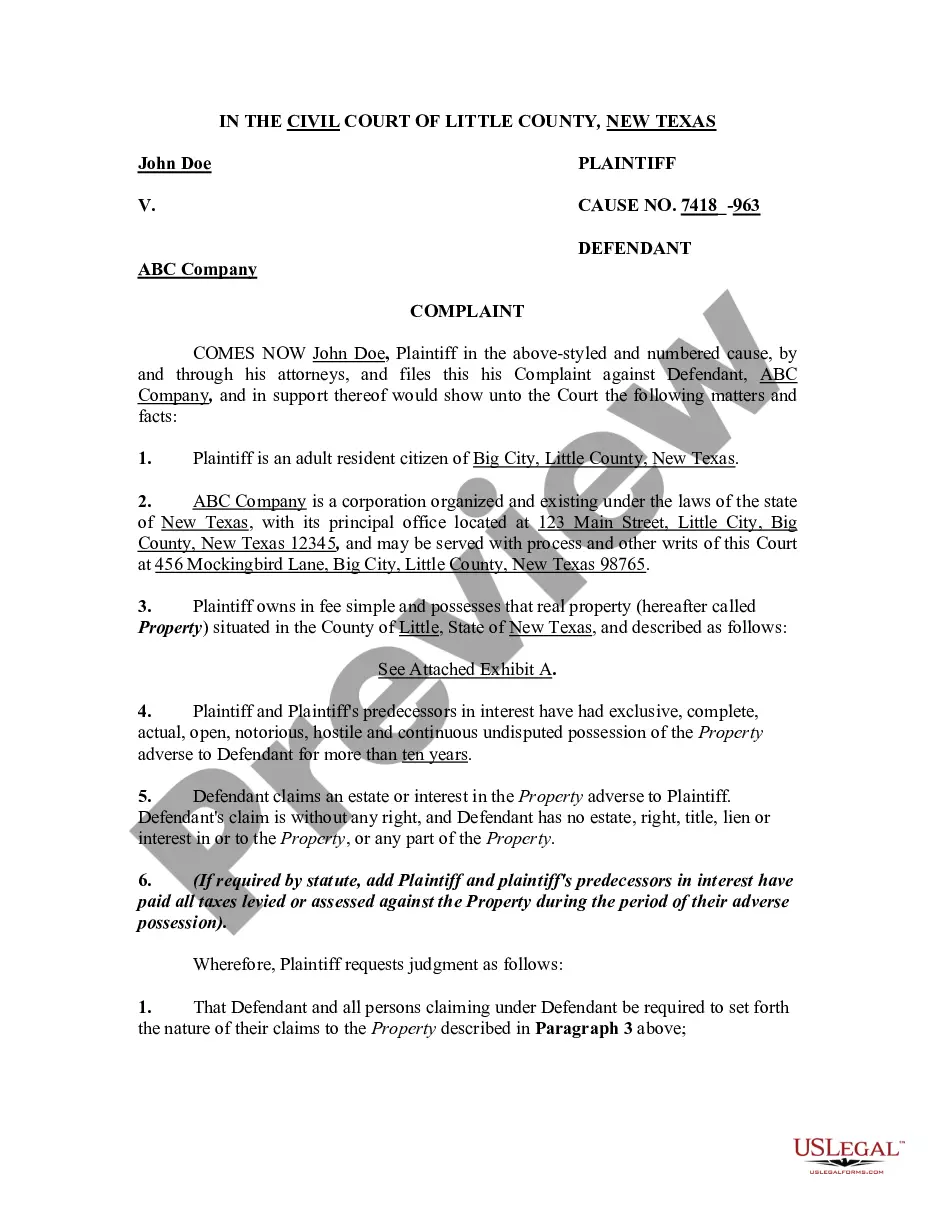
Get your form ready online
Our built-in tools help you complete, sign, share, and store your documents in one place.
Make edits, fill in missing information, and update formatting in US Legal Forms—just like you would in MS Word.
Download a copy, print it, send it by email, or mail it via USPS—whatever works best for your next step.
Sign and collect signatures with our SignNow integration. Send to multiple recipients, set reminders, and more. Go Premium to unlock E-Sign.
If this form requires notarization, complete it online through a secure video call—no need to meet a notary in person or wait for an appointment.
We protect your documents and personal data by following strict security and privacy standards.
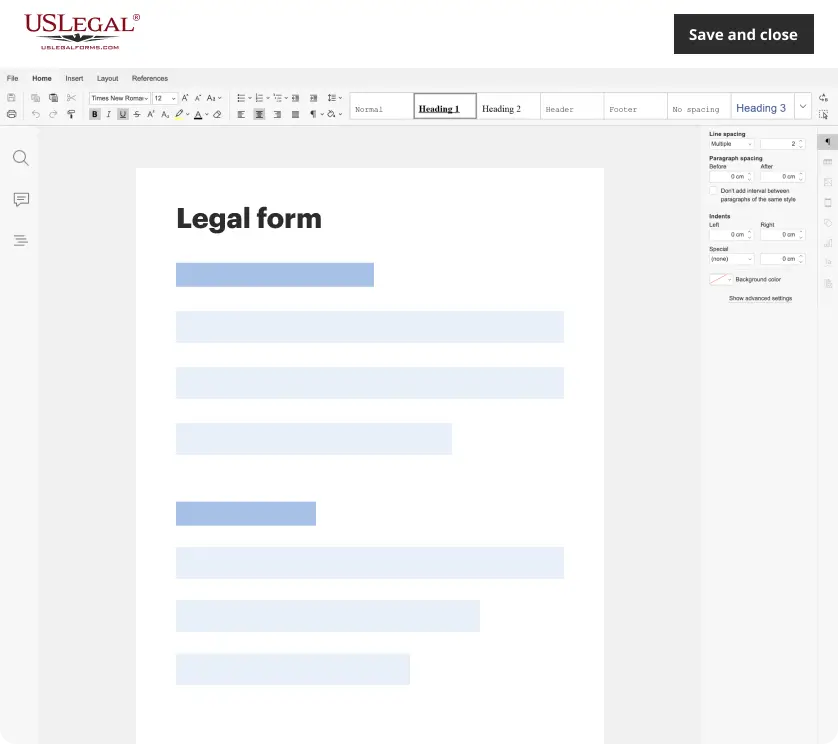
Make edits, fill in missing information, and update formatting in US Legal Forms—just like you would in MS Word.
Download a copy, print it, send it by email, or mail it via USPS—whatever works best for your next step.
Sign and collect signatures with our SignNow integration. Send to multiple recipients, set reminders, and more. Go Premium to unlock E-Sign.

If this form requires notarization, complete it online through a secure video call—no need to meet a notary in person or wait for an appointment.
We protect your documents and personal data by following strict security and privacy standards.
Looking for another form?
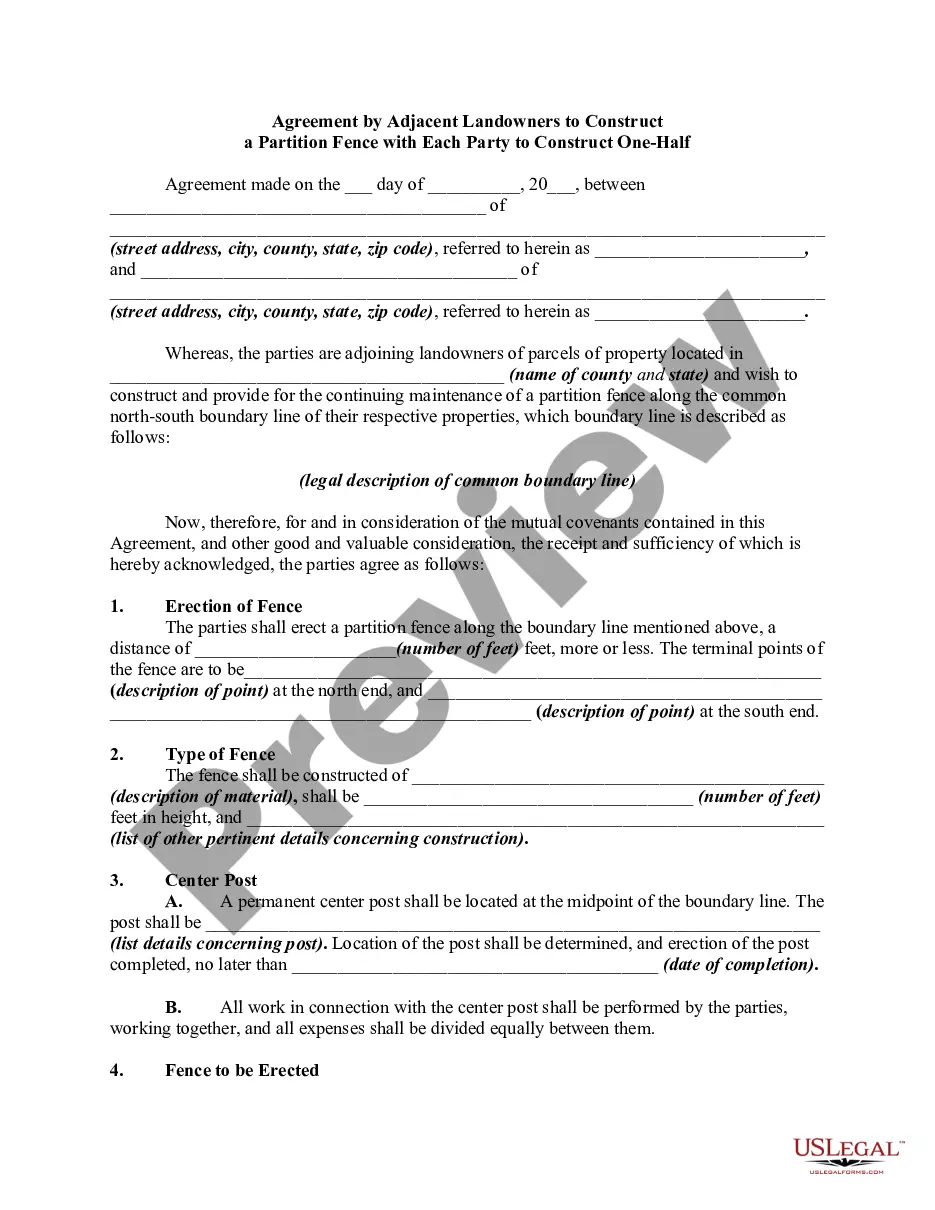

How to fill out Complaint To Quiet Title By Adverse Possessor With Unknown Defendants?
Locating a reliable source for obtaining the most up-to-date and suitable legal templates is a significant part of navigating bureaucracy.
Acquiring the correct legal documents requires accuracy and carefulness, which is why it is essential to obtain examples of the Quiet Title Action Template Form Arizona solely from reputable sources, such as US Legal Forms.
Once you have the form on your device, you can edit it using the editor or print it to complete it manually. Eliminate the stress associated with your legal documentation by exploring the extensive US Legal Forms collection to discover legal templates, evaluate their applicability to your situation, and download them instantly.
- Utilize the catalog navigation or search bar to discover your template.
- Access the form’s information to verify if it meets the necessities of your state and locality.
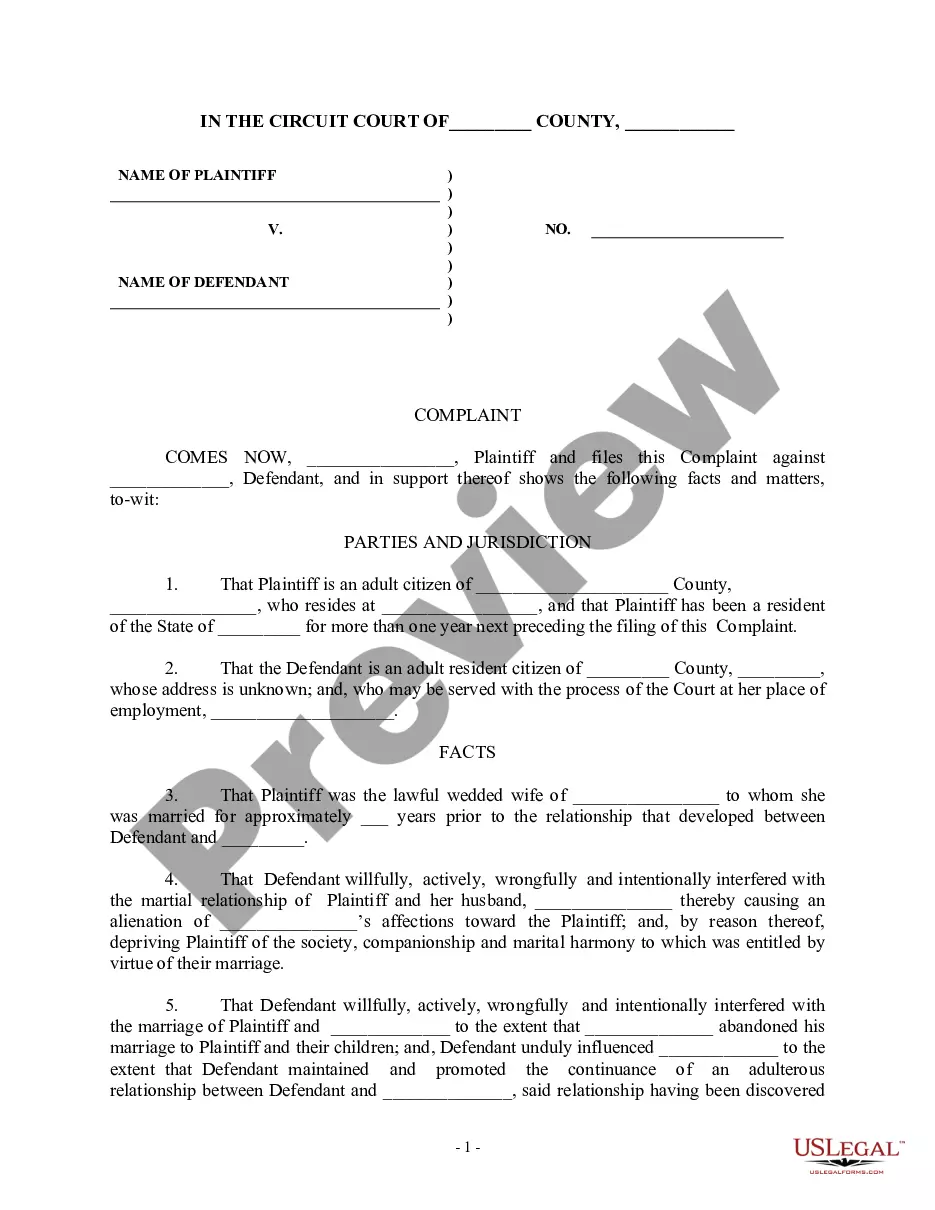
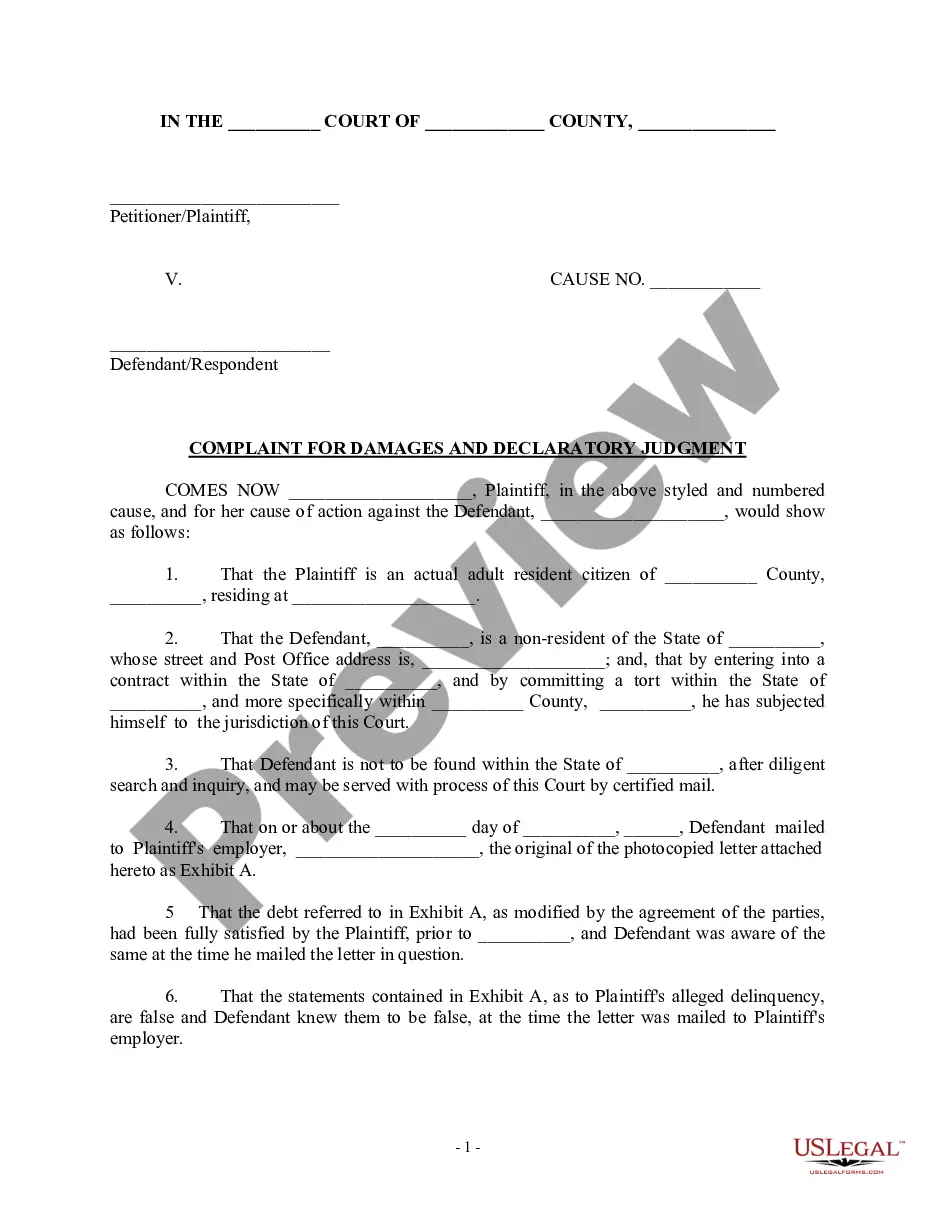
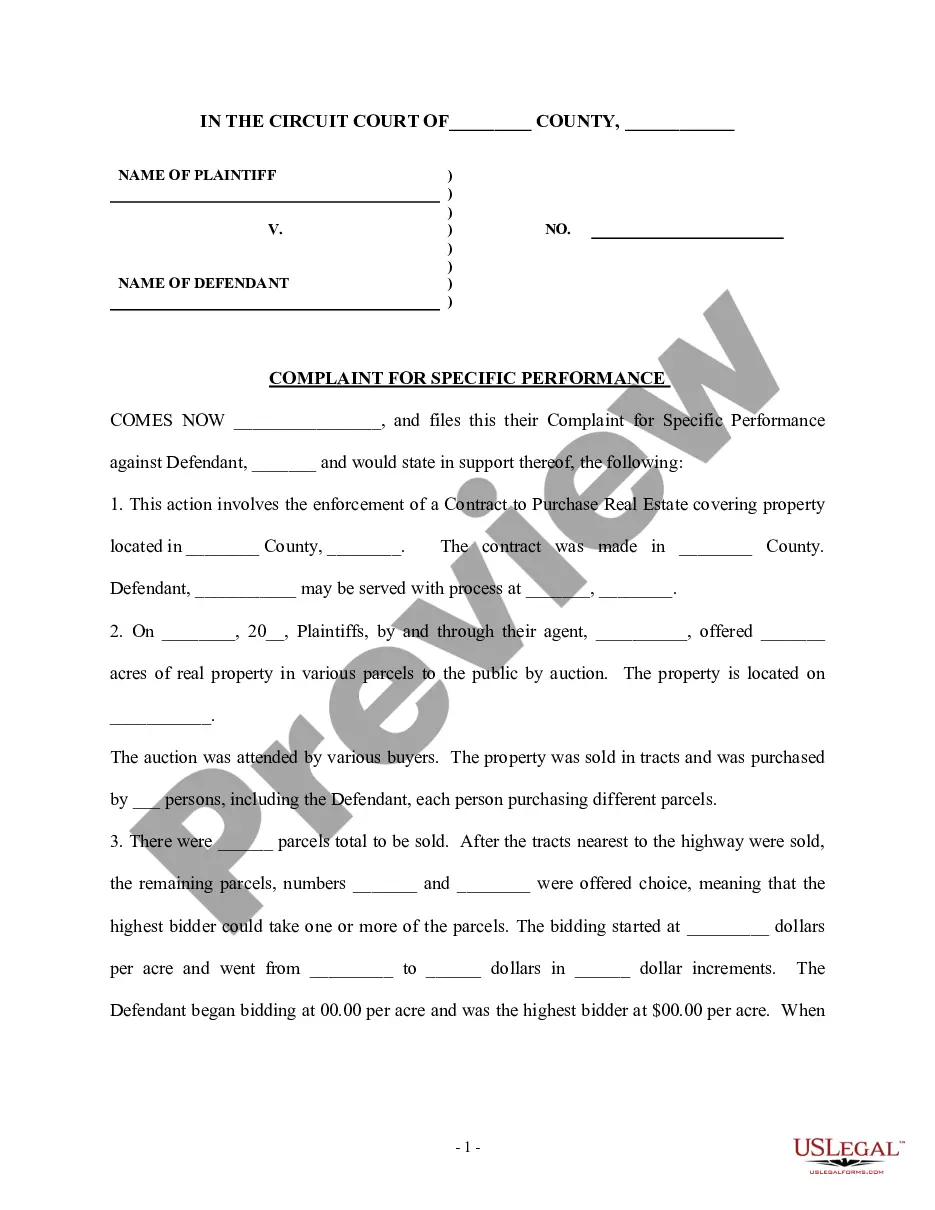
- View the form preview, if available, to ensure the form suits your requirements.
- Continue searching to find the appropriate template if the Quiet Title Action Template Form Arizona does not align with your needs.
- Once you are confident about the form’s applicability, proceed to download it.
- If you are an existing user, click Log in to verify and access your selected templates in My documents.
- If you are not yet registered, click Buy now to purchase the form.
- Choose the pricing option that best fits your requirements.
- Continue with the registration process to finalize your purchase.
- Complete your transaction by selecting a payment method (credit card or PayPal).
- Pick the file format for downloading the Quiet Title Action Template Form Arizona.
Form popularity
FAQ
To succeed in a quiet title action, you need a strong understanding of property law and a clear presentation of your evidence. Start by gathering all documentation that supports your claim, such as previous titles and legal agreements. A quiet title action template form Arizona offers a comprehensive framework that can guide you through the details, helping you to effectively argue your case. Moreover, seeking professional legal advice may enhance your chances of a favorable outcome.
An example of a quiet title action complaint can include a situation where a property owner challenges the claim of another party on their title. The complaint would outline your ownership, any conflicting claims, and request the court to declare your title clear. Using a quiet title action template form Arizona can simplify this process, providing a structured way to present your case effectively. This ensures that you cover all critical points in your complaint.
To petition a quiet title in Arizona, you must complete the necessary legal forms, including the quiet title action template form Arizona. Begin by gathering relevant documents such as property deeds and surveys. Next, file your petition in the appropriate court and serve notice to all interested parties. Utilizing a well-structured template can streamline the process and help ensure that you meet all legal requirements.
An affirmative defense in a quiet title action is a legal argument that asserts a legitimate reason why the opposing party's claim should be dismissed. This may include proving that the opposing party has no legal interest in the property or demonstrating your superior rights to the title. A Quiet title action template form Arizona can direct you in developing a robust affirmative defense, ensuring you adequately address potential challenges.
To establish a quiet title cause of action in Arizona, you must demonstrate ownership of the property and show that others have no valid claim to it. Additionally, you will need to provide documentation supporting your claim, which may include deeds or previous titles. Utilizing a Quiet title action template form Arizona can help you gather and organize the necessary elements for a compelling case.
Yes, you can contest a quiet title action if you believe you have a valid claim to the property in question. Constructing a solid case involves providing evidence that supports your rights to the title. A Quiet title action template form Arizona can guide you in presenting your facts effectively, enhancing the chances of a favorable outcome.
In Arizona, the statute of limitations for a quiet title action typically falls under the category of real property. Generally, you have a time frame of 12 years to file a quiet title action. This timeframe begins when you first become aware of the claim against your property. Using a Quiet title action template form Arizona can help you streamline this legal process and ensure your rights are protected.
A quiet title action typically involves legal proceedings aimed at resolving disputes over property ownership. Scenarios such as contesting an unpaid lien, or removing a claim from a prior owner, qualify as quiet title actions. These legal actions clear any competing interests, securing rightful ownership. Utilizing a quiet title action template form Arizona provides a comprehensive approach to addressing these matters efficiently.
An example of a quiet title occurs when a homeowner seeks to eliminate any unknown claims to their property. For instance, if a co-owner disputes ownership after a property sale, the current owner may file a quiet title action to establish their exclusive rights. This legal step clarifies ownership and helps avoid future disputes. Using a quiet title action template form Arizona can simplify this process, making it easier to resolve such issues.
To file a quiet title action in Arizona, start by preparing your legal documents detailing your claim to the property. Complete a quiet title action template form Arizona, which provides a structured way to present your case in court. After filing with the appropriate court, you must serve notice to all interested parties. Following these steps carefully increases your chances of a successful resolution.