Sample Motion To Dismiss For Lack Of Personal Jurisdiction
Description
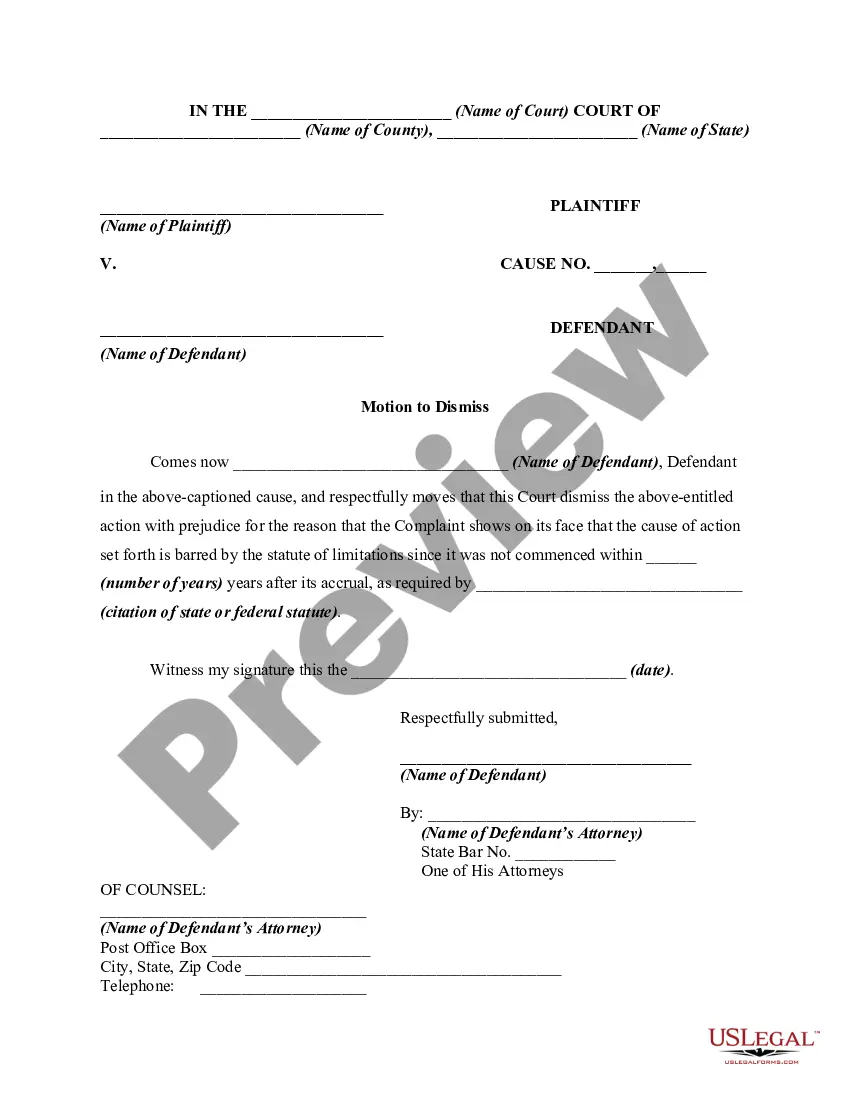
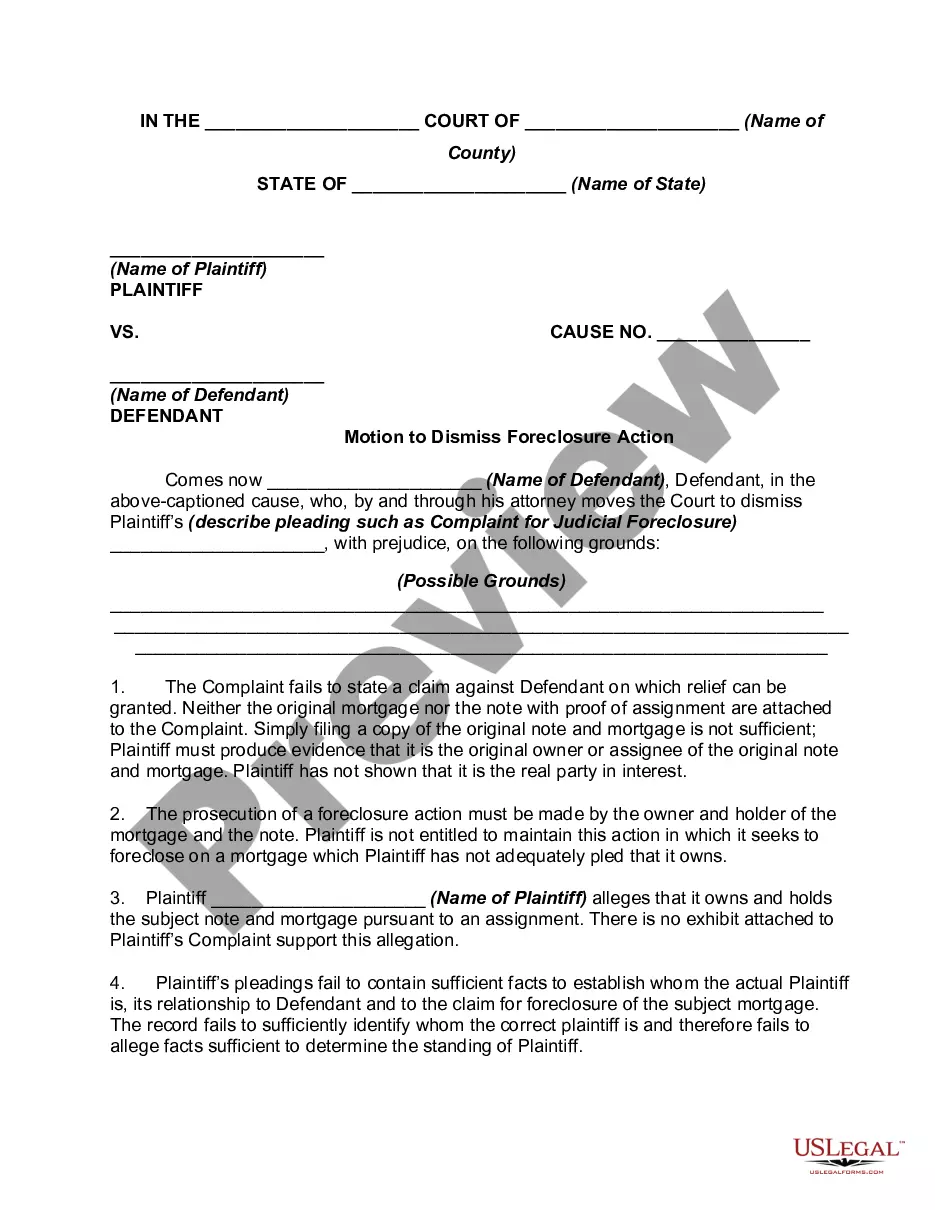
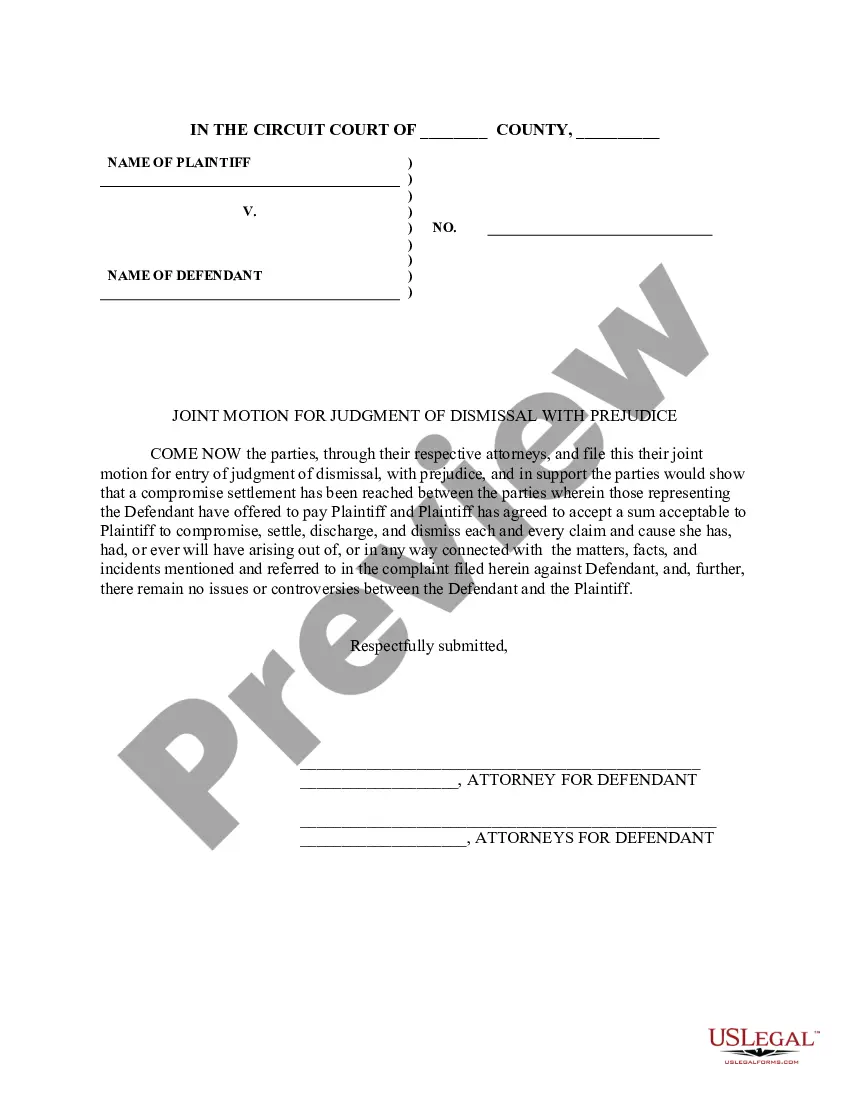
Get your form ready online
Our built-in tools help you complete, sign, share, and store your documents in one place.
Make edits, fill in missing information, and update formatting in US Legal Forms—just like you would in MS Word.
Download a copy, print it, send it by email, or mail it via USPS—whatever works best for your next step.
Sign and collect signatures with our SignNow integration. Send to multiple recipients, set reminders, and more. Go Premium to unlock E-Sign.
If this form requires notarization, complete it online through a secure video call—no need to meet a notary in person or wait for an appointment.
We protect your documents and personal data by following strict security and privacy standards.

Make edits, fill in missing information, and update formatting in US Legal Forms—just like you would in MS Word.

Download a copy, print it, send it by email, or mail it via USPS—whatever works best for your next step.

Sign and collect signatures with our SignNow integration. Send to multiple recipients, set reminders, and more. Go Premium to unlock E-Sign.

If this form requires notarization, complete it online through a secure video call—no need to meet a notary in person or wait for an appointment.

We protect your documents and personal data by following strict security and privacy standards.
Looking for another form?
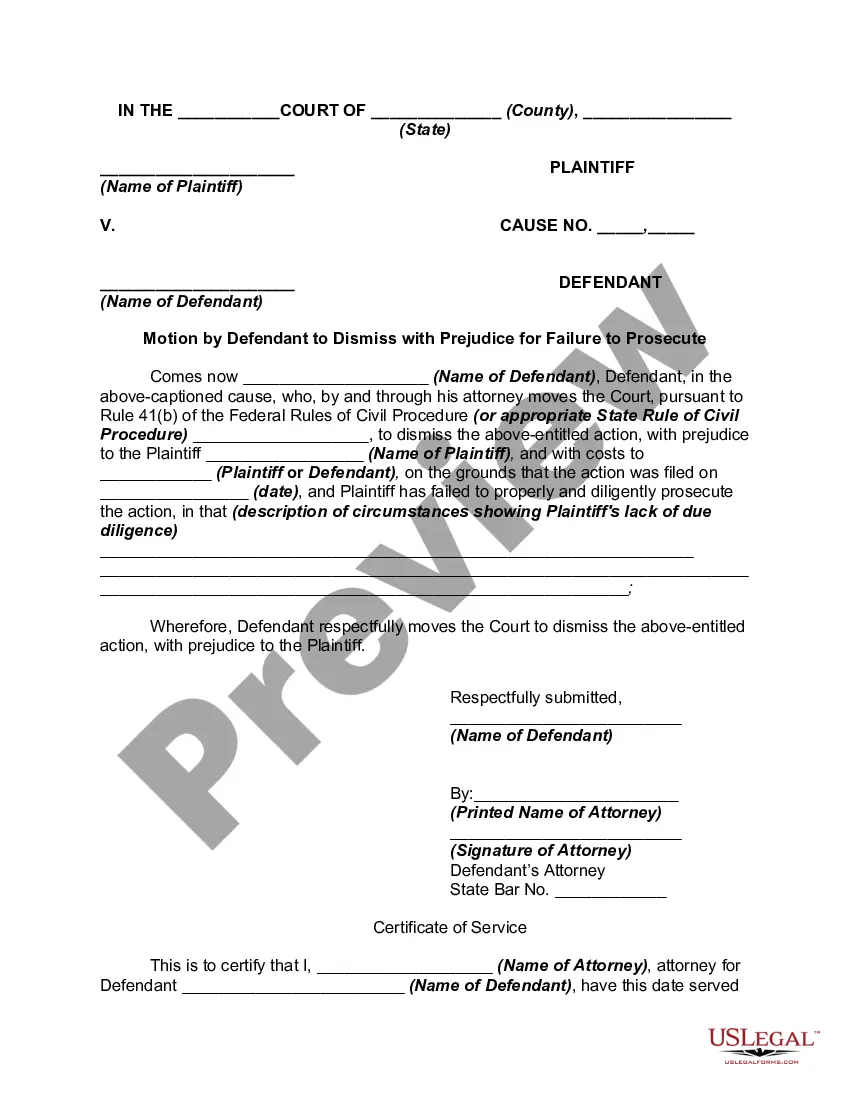
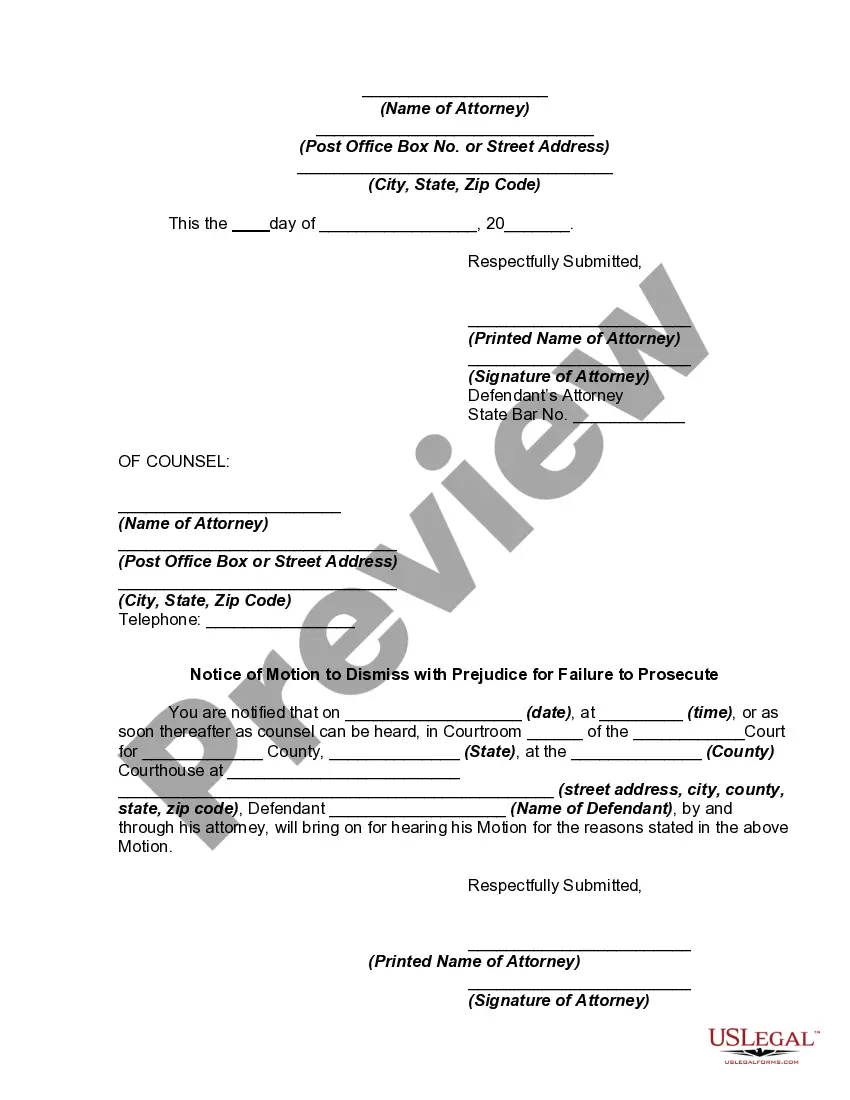
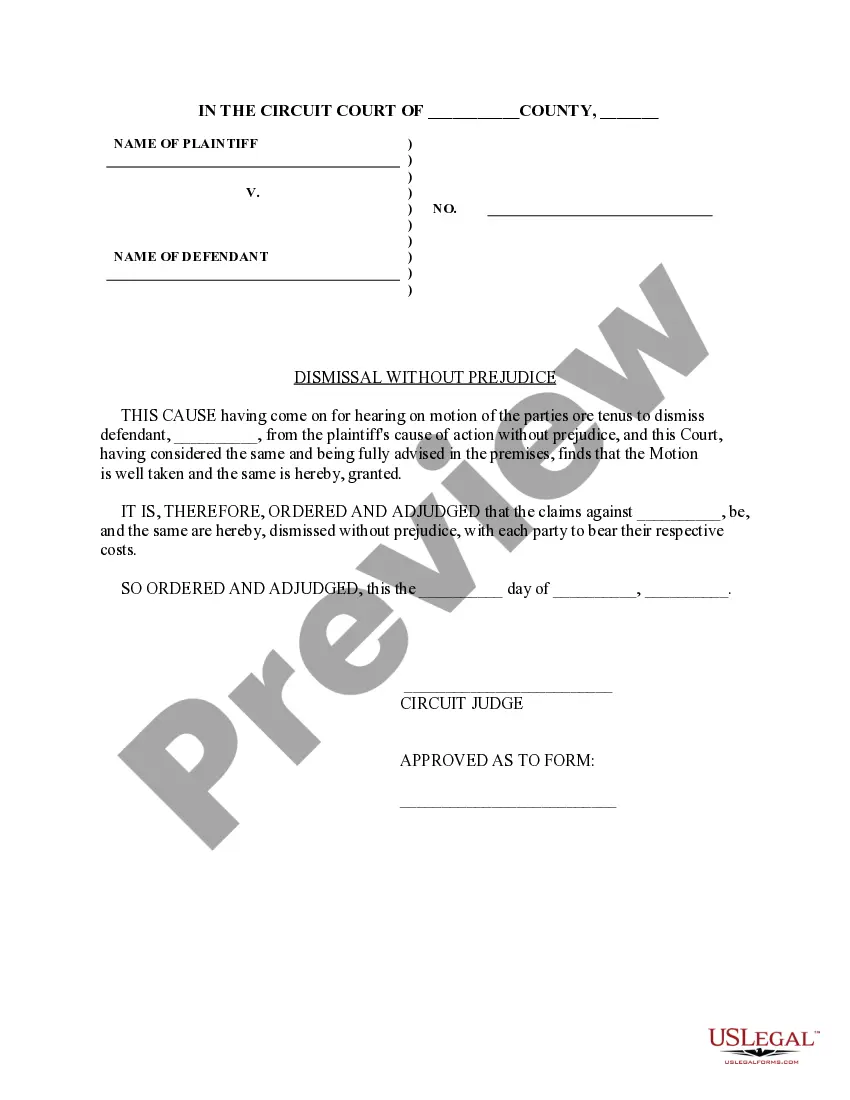
How to fill out Motion By Defendant To Dismiss With Prejudice For Failure To Prosecute?
- Begin by logging into your US Legal Forms account to access your document library. Ensure your subscription is active to download the necessary templates.
- If you're new to US Legal Forms, start by previewing the sample motion. Review its details to confirm it's appropriate for your jurisdiction.
- If you need a different template, utilize the search feature to explore additional options that align with your legal needs.
- Make the purchase by selecting the desired subscription plan and register your account for full access.
- Complete your transaction by entering your payment details, either through credit card or PayPal.
- Once the purchase is confirmed, download the document directly to your device. You can also find it later in your account's 'My Forms' section for easy access.
In conclusion, US Legal Forms simplifies the process of obtaining legal documents, allowing you to focus on what matters. With a comprehensive library that meets various legal needs and expert support to assist you, it empowers users to navigate legal matters confidently. Don't hesitate; visit US Legal Forms today to get started.
Explore the extensive resources available at US Legal Forms and ensure your legal documents are completed accurately and efficiently.
Form popularity
FAQ
Certainly, a denied motion to dismiss can be appealed, but the timing and procedure matter significantly. Typically, you must follow specific guidelines to ensure your appeal is accepted. Your appeal will challenge the court’s refusal to dismiss your case, and articulating clear arguments based on legal standards is crucial. Moreover, using a sample motion to dismiss for lack of personal jurisdiction can help you understand how to approach your appeal effectively.
Yes, you can appeal a denial of a motion to dismiss for lack of personal jurisdiction. This type of appeal usually happens after a trial court makes its ruling. It is important to grasp the procedural rules governing such appeals in your jurisdiction. Consulting a sample motion to dismiss for lack of personal jurisdiction can provide clarity on how to structure your appeal.
Yes, personal jurisdiction is appealable, but the process can be nuanced. If a court rules that it lacks personal jurisdiction, you may have grounds to appeal that decision. However, you should act promptly, as deadlines for filing appeals are typically strict. Understanding the implications of your jurisdictional arguments is essential when considering the appeal of personal jurisdiction matters.
To respond to a motion to dismiss for lack of jurisdiction, you should carefully analyze the claims made by the defendant. You can present evidence that establishes your connection to the jurisdiction in question. Additionally, crafting a well-structured response that highlights legal precedents can strengthen your position. Utilizing a sample motion to dismiss for lack of personal jurisdiction from a reputable source can also guide you in formulating an effective response.
To write a strong motion to dismiss, start by outlining your arguments based on established legal principles. Clearly state the basis for your claim, focusing on lack of personal jurisdiction, and back it up with supporting evidence. A well-prepared sample motion to dismiss for lack of personal jurisdiction will show you how to structure your document effectively and the type of language that resonates with the court.
A good motion to dismiss clearly articulates the reasons for dismissal based on legal grounds, such as lack of personal jurisdiction. It should be concise, well-organized, and supported by relevant case law or statutes. To create an effective motion, reviewing a sample motion to dismiss for lack of personal jurisdiction can offer examples of strong arguments and proper legal terminology.
Formatting a motion to dismiss involves following specific court rules, which may vary by jurisdiction. Generally, you should include a caption, title, body, and signature block. Referencing a sample motion to dismiss for lack of personal jurisdiction can provide insight into proper headings, spacing, and any additional documents needed for submission.
To remove yourself from jurisdiction, you must demonstrate that the court does not have the authority over you or the case. This often involves filing a motion to dismiss, highlighting the lack of personal jurisdiction based on established legal standards. Utilizing a sample motion to dismiss for lack of personal jurisdiction can guide you in crafting persuasive legal arguments that support your position.
The opening paragraph of a motion to dismiss typically states the purpose of the motion, which is to request that the court dismiss the case due to a lack of personal jurisdiction. It essentializes the grounds for dismissal clearly and concisely, setting the stage for further arguments. For instance, a well-crafted sample motion to dismiss for lack of personal jurisdiction will mention the plaintiff's failure to establish sufficient contacts with the state.
Filling out a motion to dismiss form requires careful attention to detail. Start by clearly stating your reasons for the dismissal, focusing on personal jurisdiction issues. Use a sample motion to dismiss for lack of personal jurisdiction as a reference to ensure your arguments are well-structured. The US Legal Forms platform provides templates that guide you through the process, making it easier to submit a legally sound form.