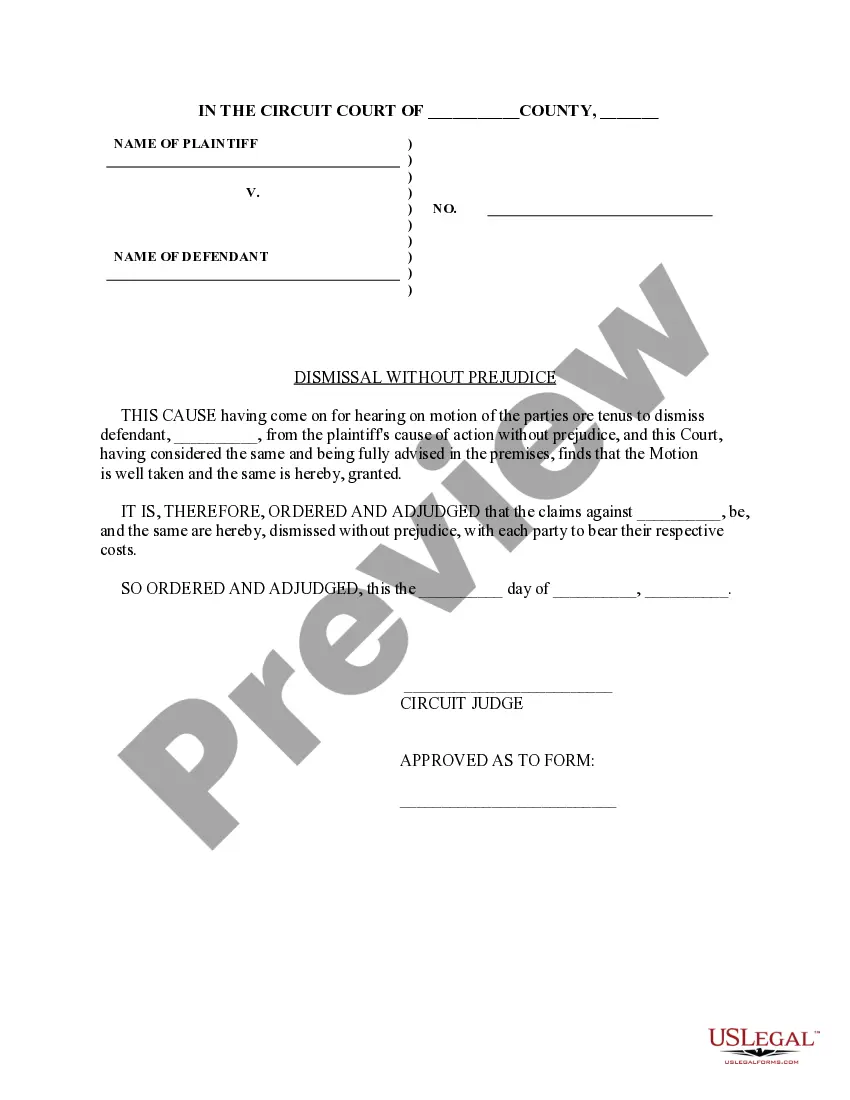
Joint Motion For Dismissal With Prejudice
Description
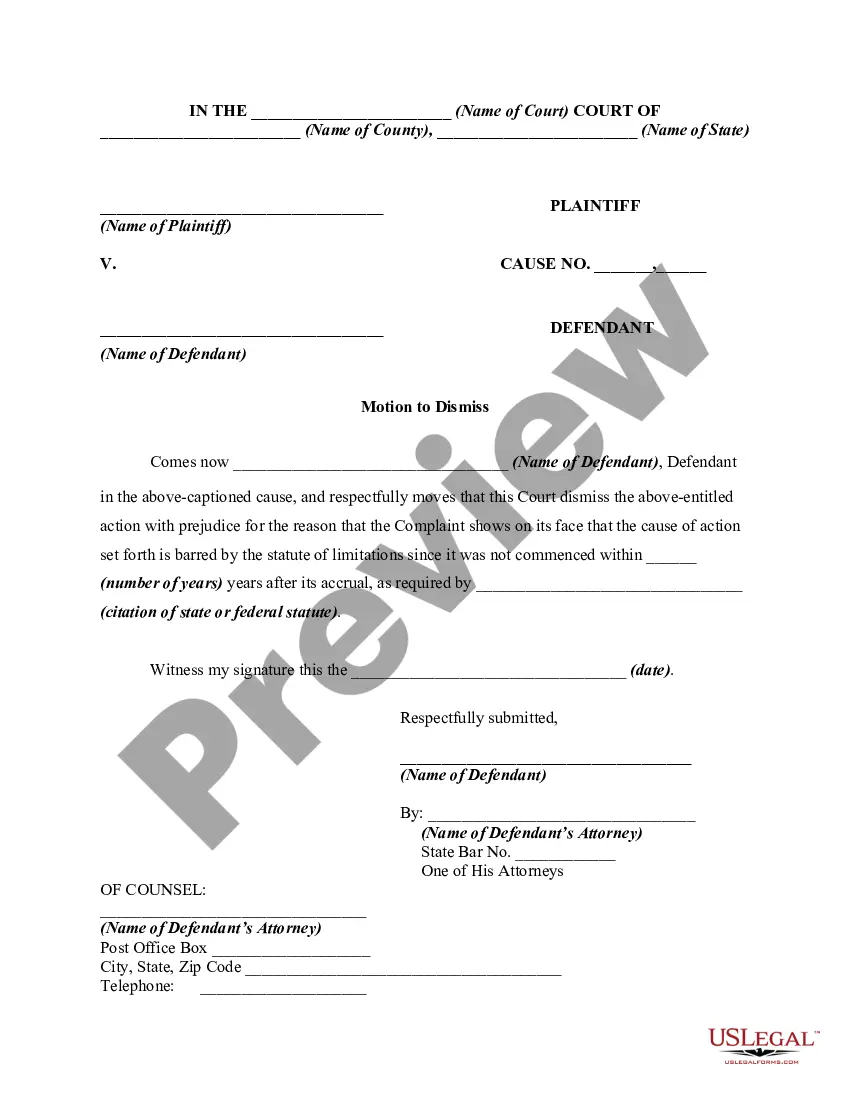
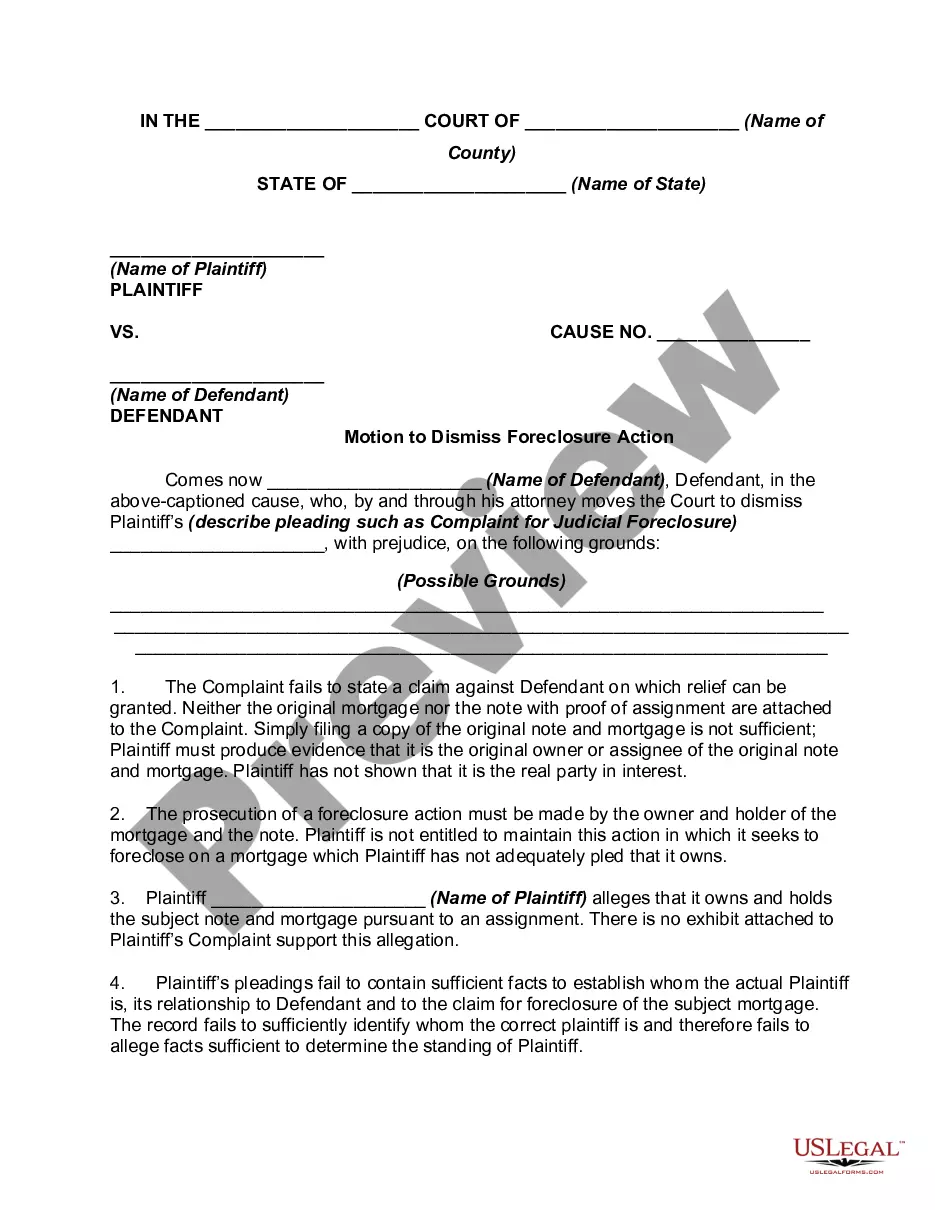
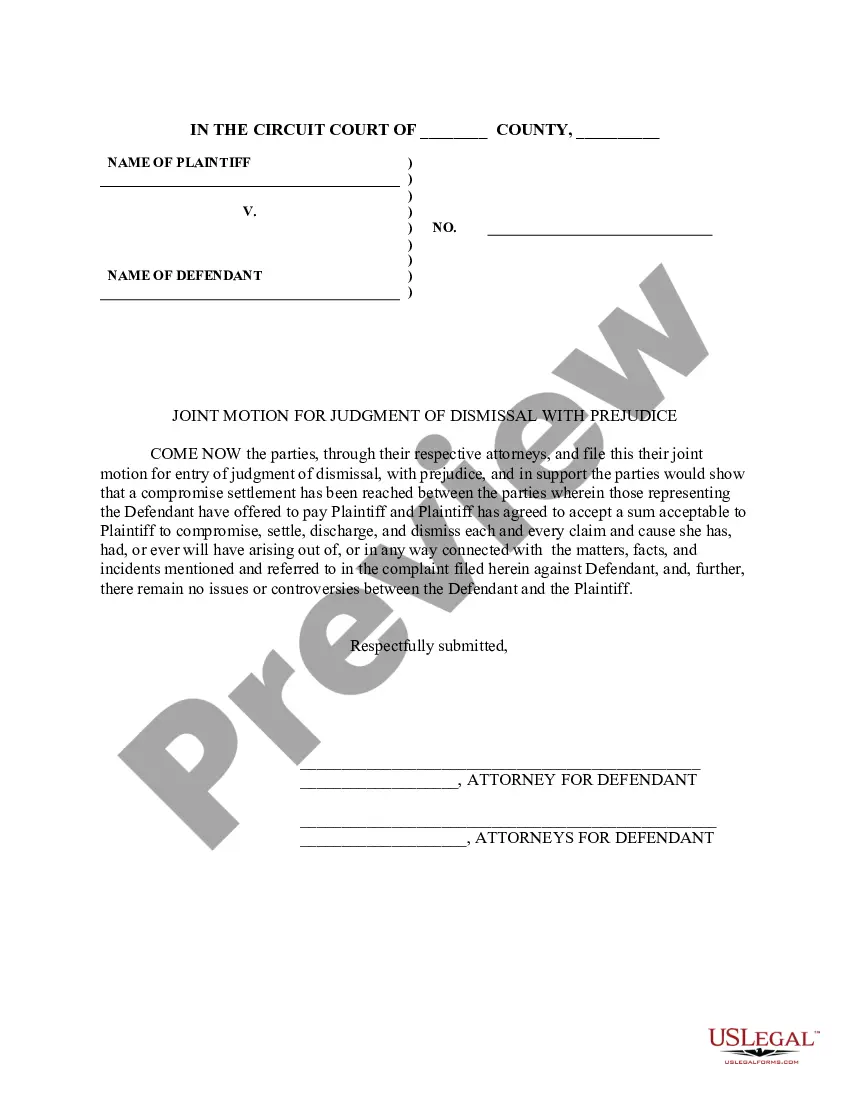
Get your form ready online
Our built-in tools help you complete, sign, share, and store your documents in one place.
Make edits, fill in missing information, and update formatting in US Legal Forms—just like you would in MS Word.
Download a copy, print it, send it by email, or mail it via USPS—whatever works best for your next step.
Sign and collect signatures with our SignNow integration. Send to multiple recipients, set reminders, and more. Go Premium to unlock E-Sign.
If this form requires notarization, complete it online through a secure video call—no need to meet a notary in person or wait for an appointment.
We protect your documents and personal data by following strict security and privacy standards.

Make edits, fill in missing information, and update formatting in US Legal Forms—just like you would in MS Word.

Download a copy, print it, send it by email, or mail it via USPS—whatever works best for your next step.

Sign and collect signatures with our SignNow integration. Send to multiple recipients, set reminders, and more. Go Premium to unlock E-Sign.

If this form requires notarization, complete it online through a secure video call—no need to meet a notary in person or wait for an appointment.

We protect your documents and personal data by following strict security and privacy standards.
Looking for another form?
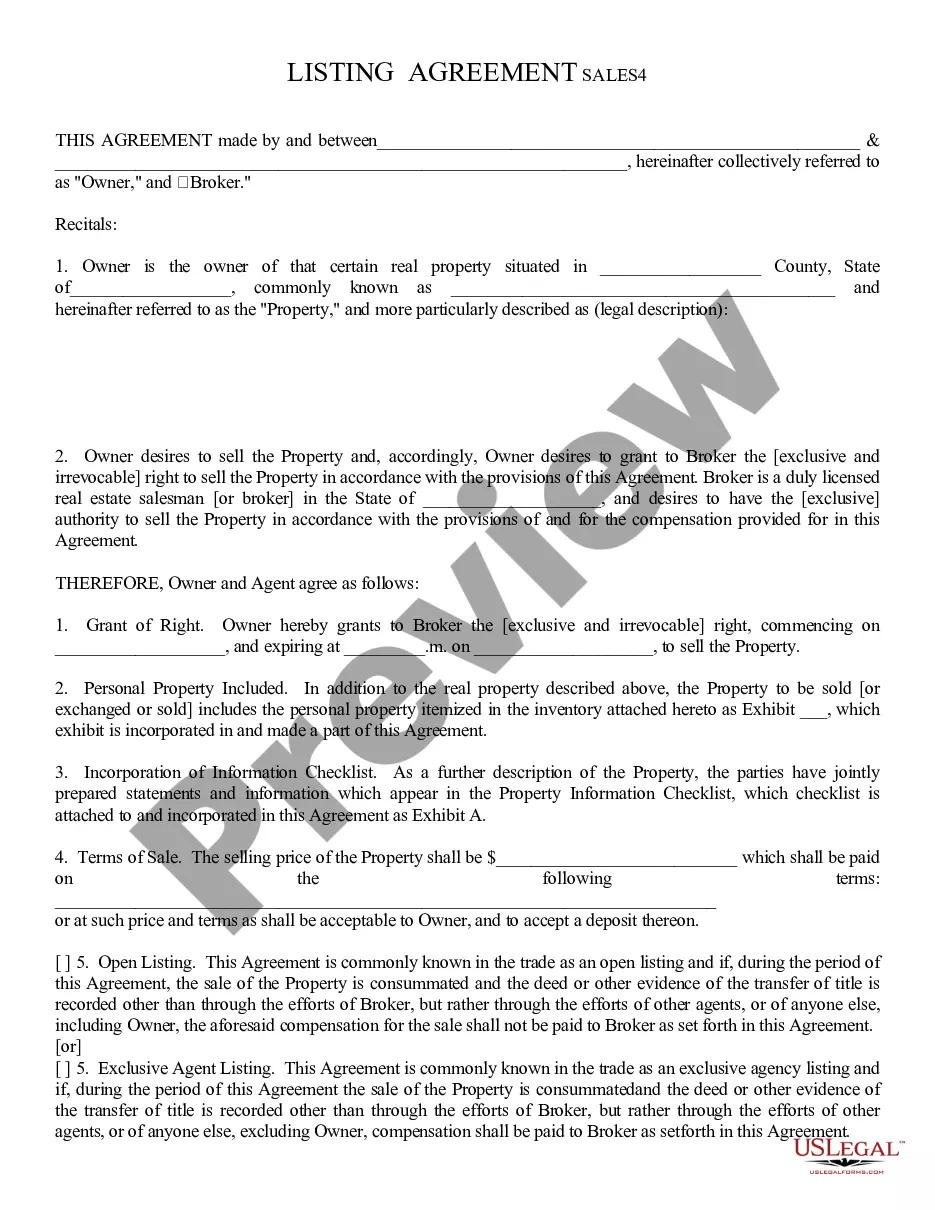





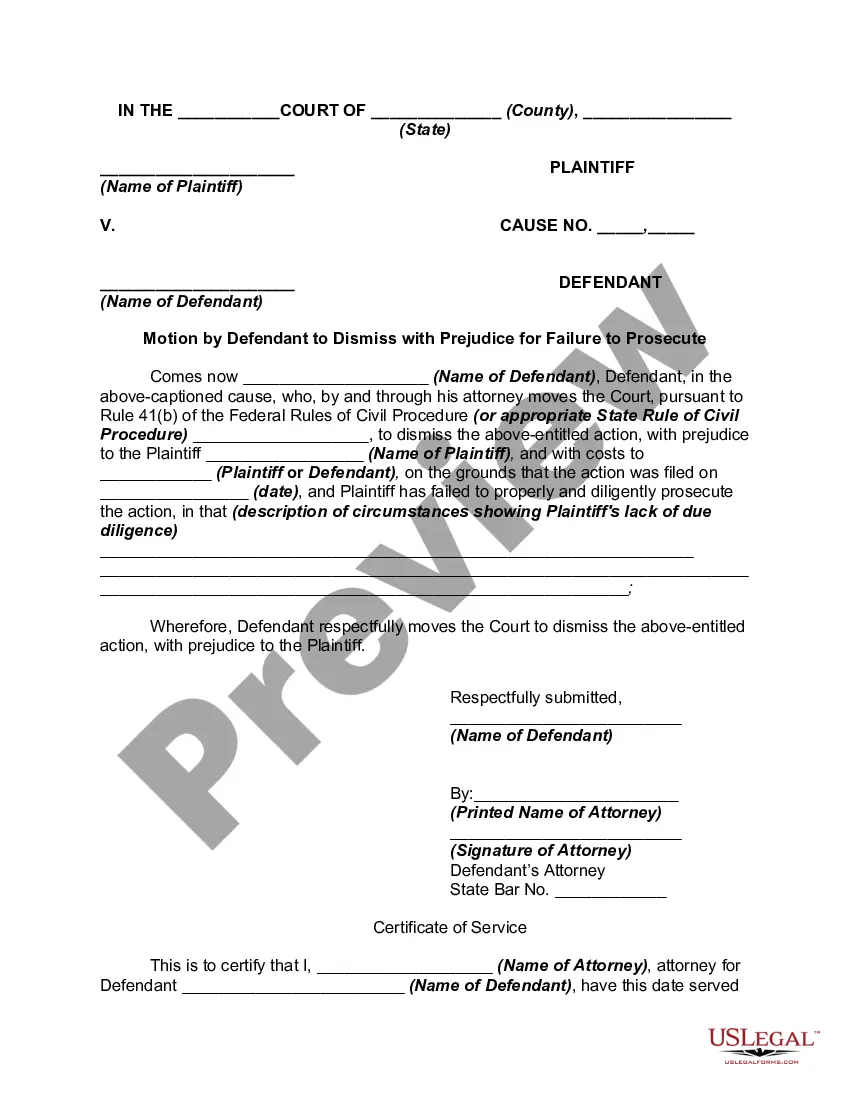
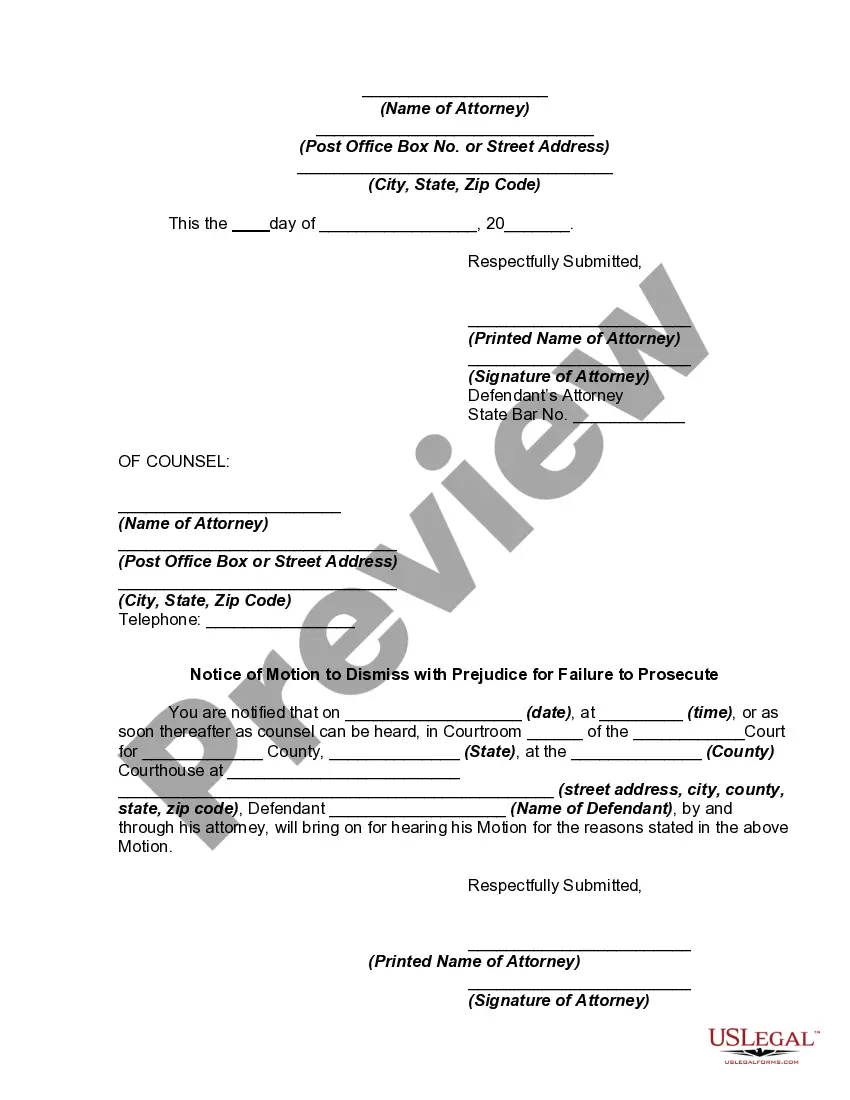
How to fill out Motion By Defendant To Dismiss With Prejudice For Failure To Prosecute?
- If you have previously registered with US Legal Forms, simply log in to your account and click the Download button to save your necessary form template on your device. Ensure your subscription remains active, renewing if necessary.
- For first-time users, start by exploring the Preview mode and form details to verify you've selected the appropriate template that aligns with your jurisdiction's requirements.
- Should you need to adjust your selection, utilize the search feature to find a more suitable template.
- Once you find the correct document, click on the 'Buy Now' button. Choose your desired subscription plan and create an account to access their extensive library.
- Proceed with your purchase by entering your payment details for utmost convenience.
- Finally, download your completed form. You can access it anytime via the My Forms section in your profile.
With US Legal Forms, not only do you gain access to over 85,000 editable legal forms, but you also benefit from expert assistance in form completion, ensuring your documents are accurate and legally sound.
Start your journey toward legal clarity today by visiting US Legal Forms and experience the ease of preparing essential documentation!
Form popularity
FAQ
You typically cannot appeal a case that was dismissed with prejudice, as this dismissal is designed to be conclusive. Once a court issues a decision of this nature, it closes the matter and prevents further litigation on the same grounds. For those facing these circumstances, awareness of a joint motion for dismissal with prejudice may provide insight into navigating legal outcomes effectively. Engaging legal counsel can offer further clarification and options.
In most cases, the government cannot appeal a case dismissed with prejudice once the court makes its ruling, as it is intended to be a final decision. This means that any further action on the same claim is barred, limiting the government's ability to seek recourse. If you're dealing with such a situation, grasping the concept of a joint motion for dismissal with prejudice is key to understanding potential outcomes. Legal experts can help navigate these complexities.
Generally, you cannot appeal a case dismissed with prejudice, as this decision is final and bars any further action on that claim. Dismissals of this nature effectively close the door on future litigation regarding the same issue. However, understanding your legal options is important if you find yourself in this situation, and exploring a joint motion for dismissal with prejudice could offer an alternative resolution. Consulting with legal professionals can clarify your choices.
A motion to dismiss with prejudice is a formal request to the court to terminate a case permanently, preventing the plaintiff from pursuing the same claim again. This motion may be filed by the defendant if they believe the case lacks standing or is legally insufficient. The process often involves a joint motion for dismissal with prejudice, showcasing collaboration between both parties. Engaging with an experienced attorney can greatly enhance this process.
A joint stipulation of dismissal with prejudice means that both parties have agreed to terminate the lawsuit, preventing the plaintiff from re-filing the same claim. This agreement indicates mutual consent and usually occurs when both sides find a resolution or settlement. Utilizing a joint motion for dismissal with prejudice can expedite the legal process and offer closure. Legal platforms like US Legal Forms can help facilitate this agreement effectively.
A case dismissed with prejudice generally cannot be reopened or appealed, as this type of dismissal is meant to be final. Once a court issues this ruling, it bars the plaintiff from filing a similar lawsuit again. If you face this situation, understanding the implications of a joint motion for dismissal with prejudice is crucial in deciding your next steps. Consultation with legal experts may provide clarity on your options.
Several factors can lead to a dismissal with prejudice, such as a plaintiff's failure to comply with court orders or lack of evidence to support their claims. Additionally, a defendant may seek this dismissal if they show that the case is groundless. This dismissal can occur through a joint motion for dismissal with prejudice, highlighting the importance of effective legal representation. A knowledgeable legal team can guide you through this process.
A lawsuit may be dismissed with prejudice when the court determines that the case lacks merit or has been improperly filed. This type of dismissal prevents the plaintiff from bringing the same claim again in the future. It often occurs through a joint motion for dismissal with prejudice, where both parties agree to end the case conclusively. Understanding this process can help you make informed decisions about your legal strategy.
Several factors can lead to a case being dismissed with prejudice, including procedural errors, lack of evidence, or settlement agreements. In many cases, if the court rules the claim is without merit after a thorough review, a joint motion for dismissal with prejudice may be submitted. This finalizes the case and bars the plaintiff from re-filing the same claim, protecting defendants from being re-litigated.
To get dismissed with prejudice, parties involved in the case can file a joint motion for dismissal with prejudice which typically must be approved by the court. This action requests that the judge closes the case permanently, preventing further claims related to the same matter. Always ensure the motion includes valid reasons and supporting evidence to maximize the chances of approval.