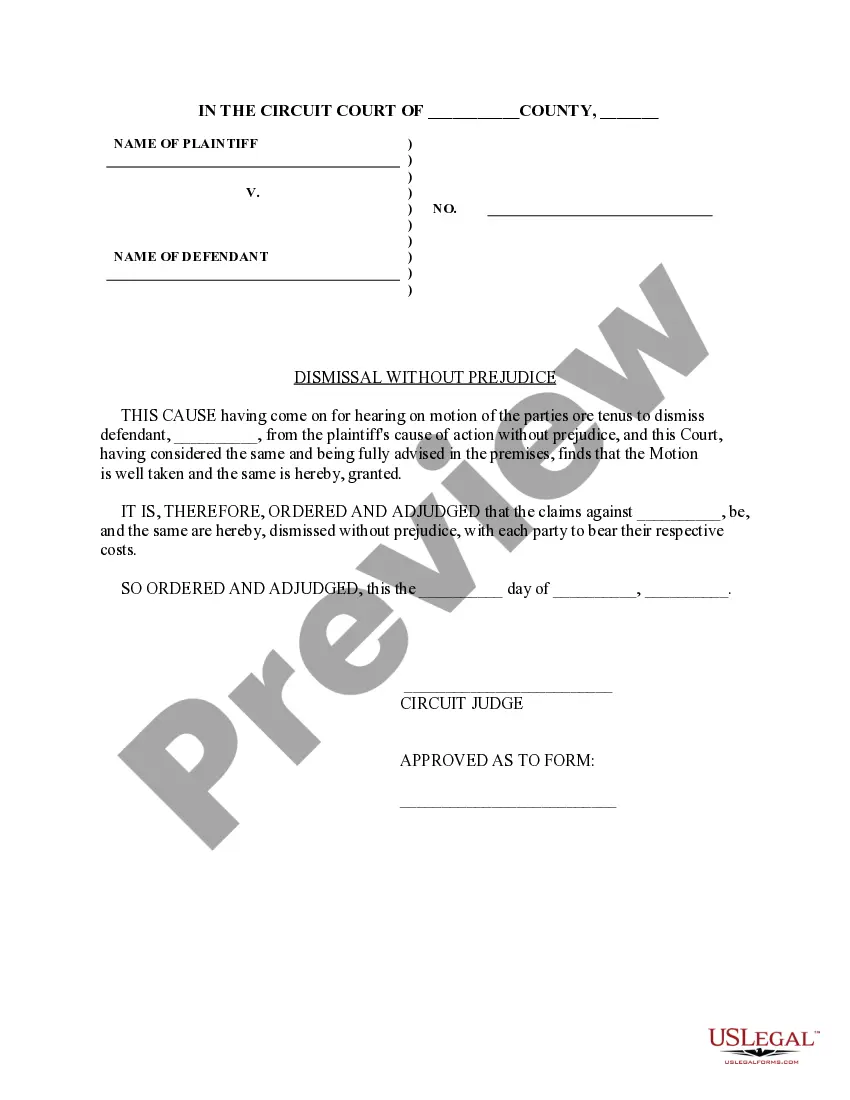
Defendant Is Dismissed Without Prejudice
Description
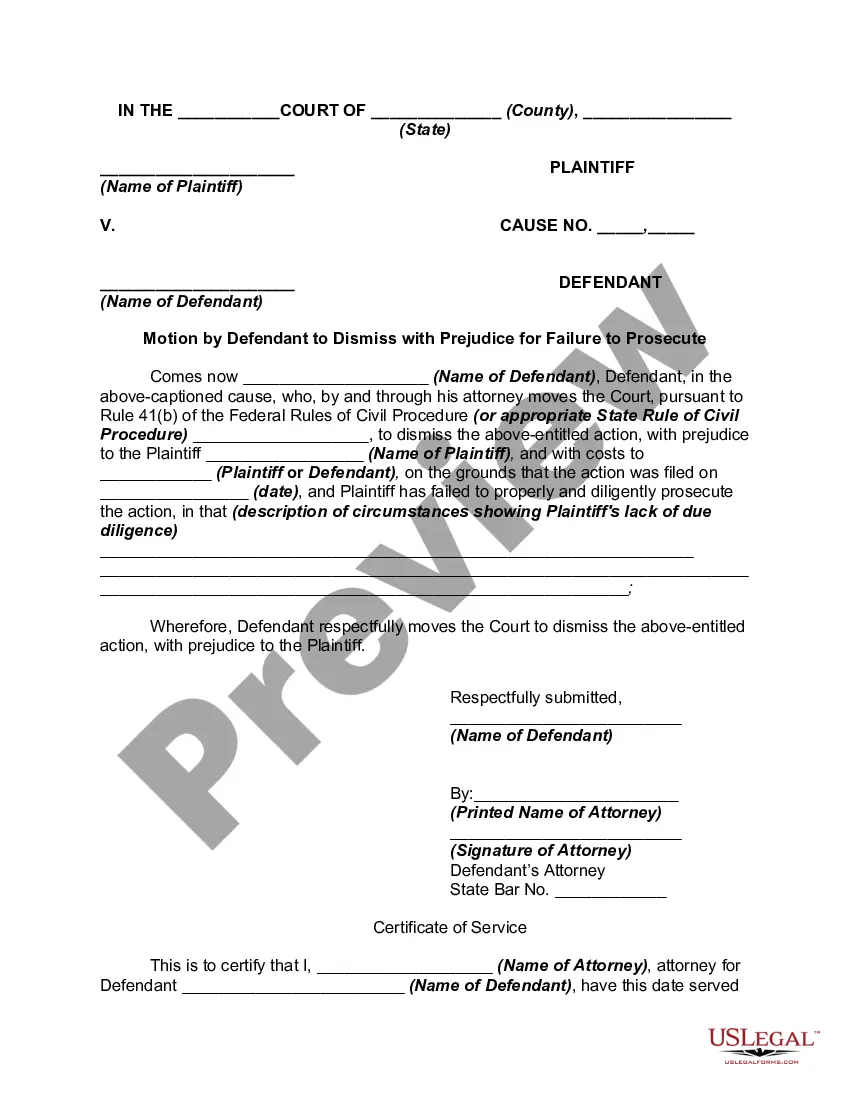
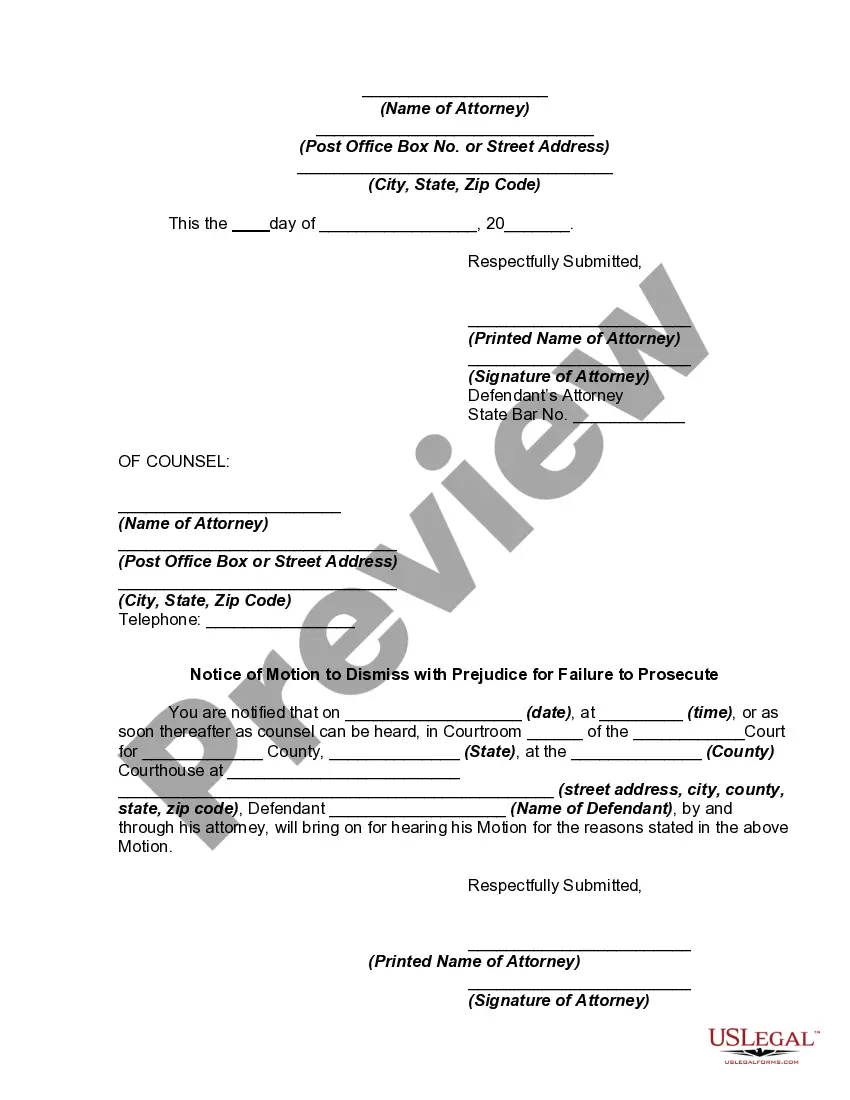
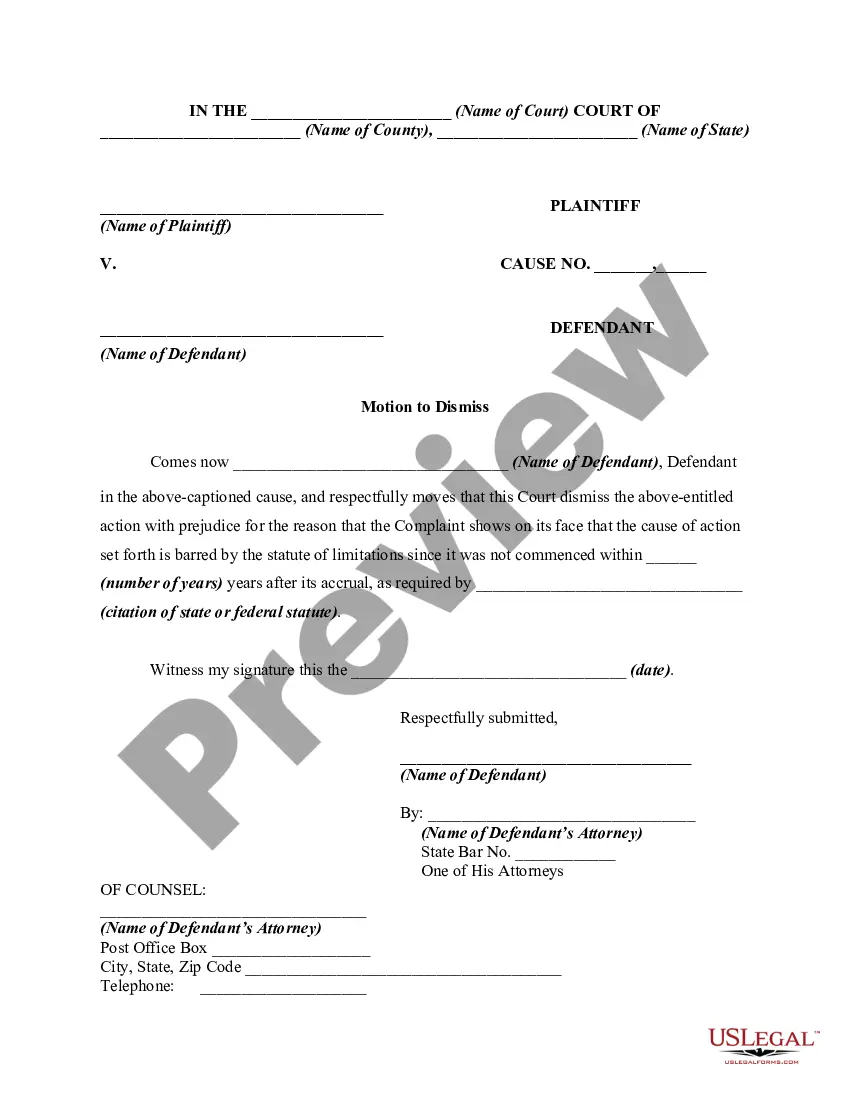
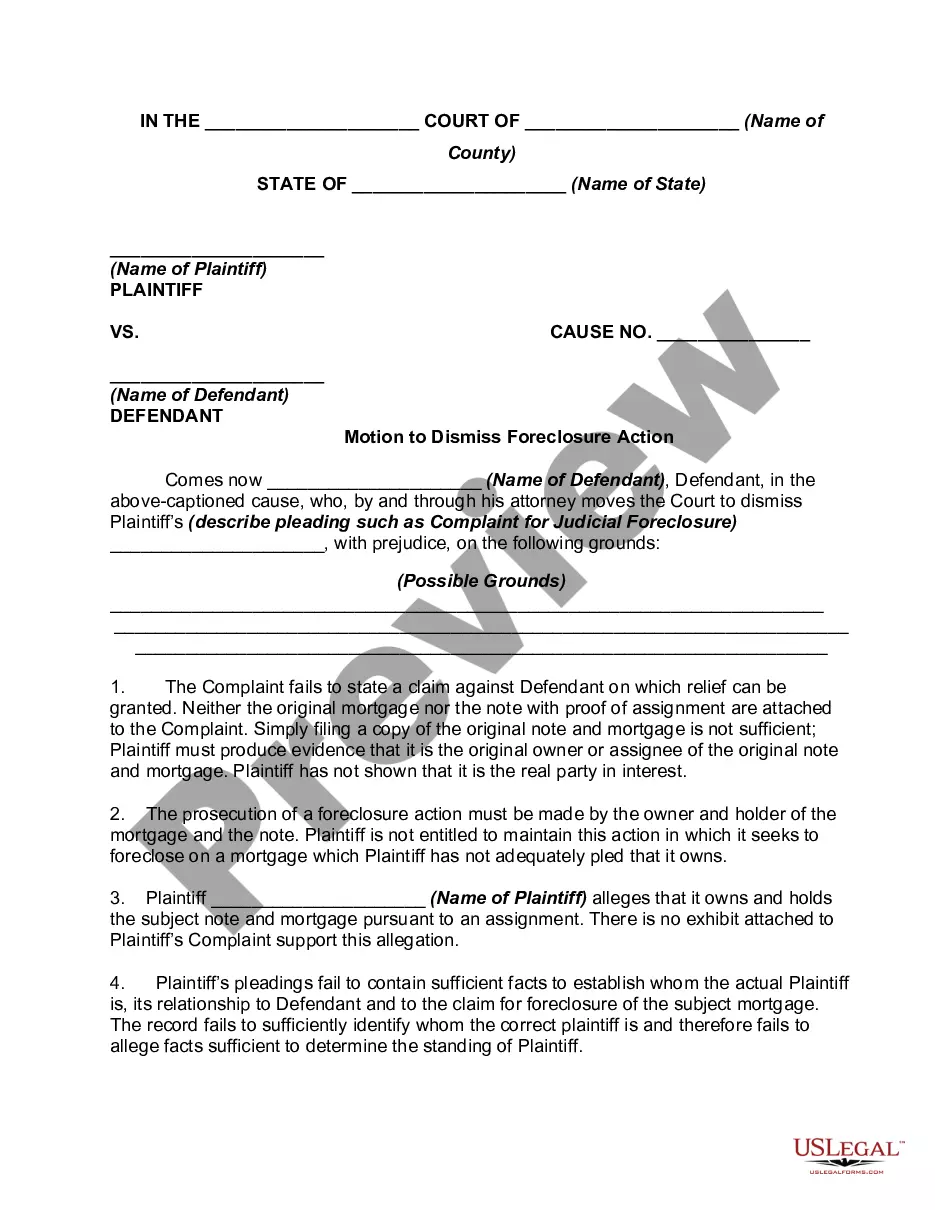
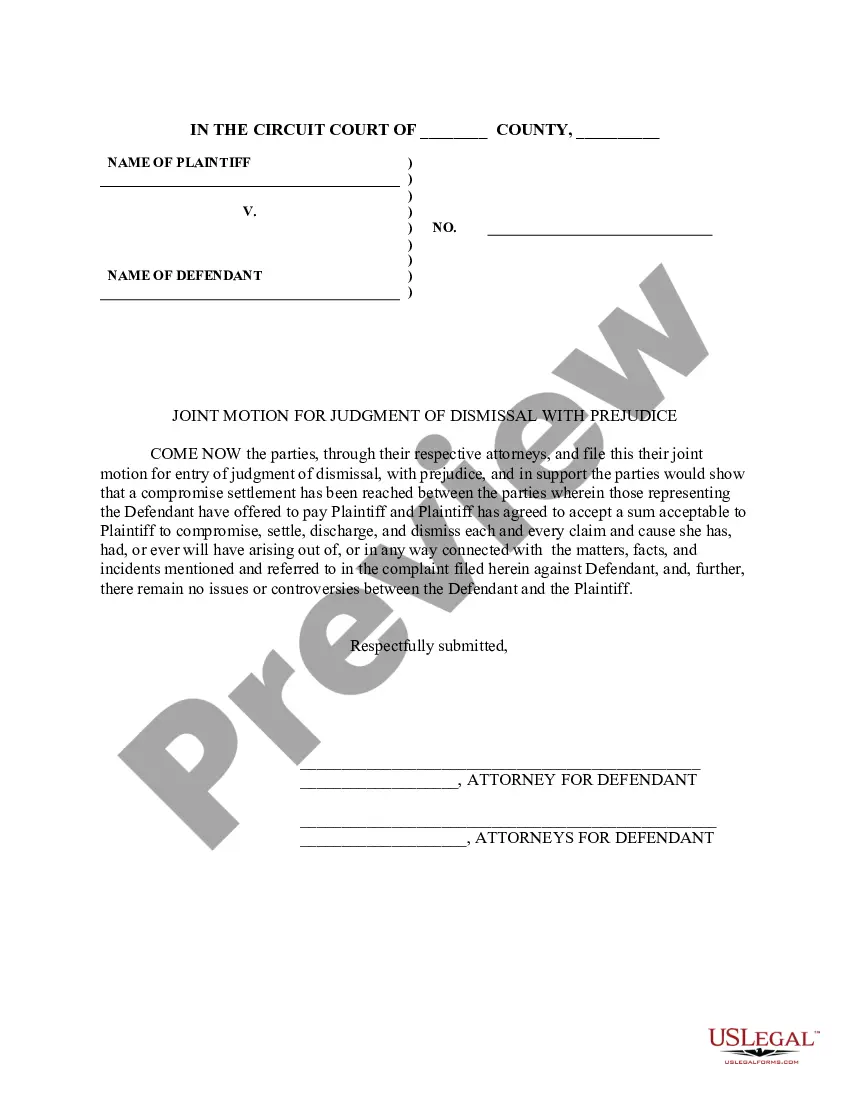
Get your form ready online
Our built-in tools help you complete, sign, share, and store your documents in one place.
Make edits, fill in missing information, and update formatting in US Legal Forms—just like you would in MS Word.
Download a copy, print it, send it by email, or mail it via USPS—whatever works best for your next step.
Sign and collect signatures with our SignNow integration. Send to multiple recipients, set reminders, and more. Go Premium to unlock E-Sign.
If this form requires notarization, complete it online through a secure video call—no need to meet a notary in person or wait for an appointment.
We protect your documents and personal data by following strict security and privacy standards.

Make edits, fill in missing information, and update formatting in US Legal Forms—just like you would in MS Word.

Download a copy, print it, send it by email, or mail it via USPS—whatever works best for your next step.

Sign and collect signatures with our SignNow integration. Send to multiple recipients, set reminders, and more. Go Premium to unlock E-Sign.

If this form requires notarization, complete it online through a secure video call—no need to meet a notary in person or wait for an appointment.

We protect your documents and personal data by following strict security and privacy standards.
Looking for another form?







How to fill out Motion By Defendant To Dismiss With Prejudice For Failure To Prosecute?
The Accused Is Cleared Without Prejudice you see on this page is a reusable legal document created by expert attorneys in accordance with federal and local statutes and guidelines.
For over 25 years, US Legal Forms has supplied individuals, companies, and legal experts with more than 85,000 validated, state-specific forms for any business and personal situation. It’s the quickest, most direct, and most dependable way to acquire the documents you need, as the service ensures bank-level data security and anti-malware defenses.
Subscribe to US Legal Forms to have verified legal templates for all of life's situations readily available.
- Search for the document you require and verify it. Explore the file you searched and preview it or review the form description to confirm it meets your needs. If it doesn't, use the search option to find the correct one. Click Buy Now when you have found the template you need.
- Sign up and Log In. Choose the pricing plan that fits you and create an account. Use PayPal or a credit card to make a swift payment. If you already possess an account, Log In and check your subscription to continue.
- Acquire the editable template. Select the format you prefer for your Defendant Is Dismissed Without Prejudice (PDF, Word, RTF) and download the sample onto your device.
- Fill out and sign the document. Print the template to complete it by hand. Alternatively, use an online multi-functional PDF editor to swiftly and accurately fill out and sign your form with a legally-binding electronic signature.
- Redownload your documents as needed. Access the same document again whenever required. Open the My documents tab in your profile to redownload any previously acquired forms.
Form popularity
FAQ
An order dismissing a complaint without prejudice is an appealable final order when no amendment could save the plaintiff's action. Always, always ask for leave to amend after a dismissal without prejudice.
Unlike the procedure in New York state courts, under the federal rules of civil procedure, the denial of a motion to dismiss does not qualify as a ?final decision? and thus there is no appeal as of right, and discretionary appeals almost always fall outside the scope of 28 U.S.C. §1292(b).
A case dismissed with prejudice is considered a final ruling on the merits of that case. A case dismissed without prejudice is not considered a ruling on the merits and the plaintiff is free to file a new lawsuit on the same grounds if they wish to do so.
For example, if someone was subject to an illegal search or arrested without probable cause, that could be considered a violation of the defendant's constitutional rights. Another situation that can lead to dismissal with prejudice is if the person charged with the crime successfully completes a diversion program.
Dismissal without prejudice means that the judge dismissed the plaintiff's or prosecutor's case without damaging their right to have their matter heard in court later. A prosecutor may ask to withdraw the case against a person to have more time to make a case stronger, find more evidence or question other witnesses.