Subpoena And Writ Difference
Description
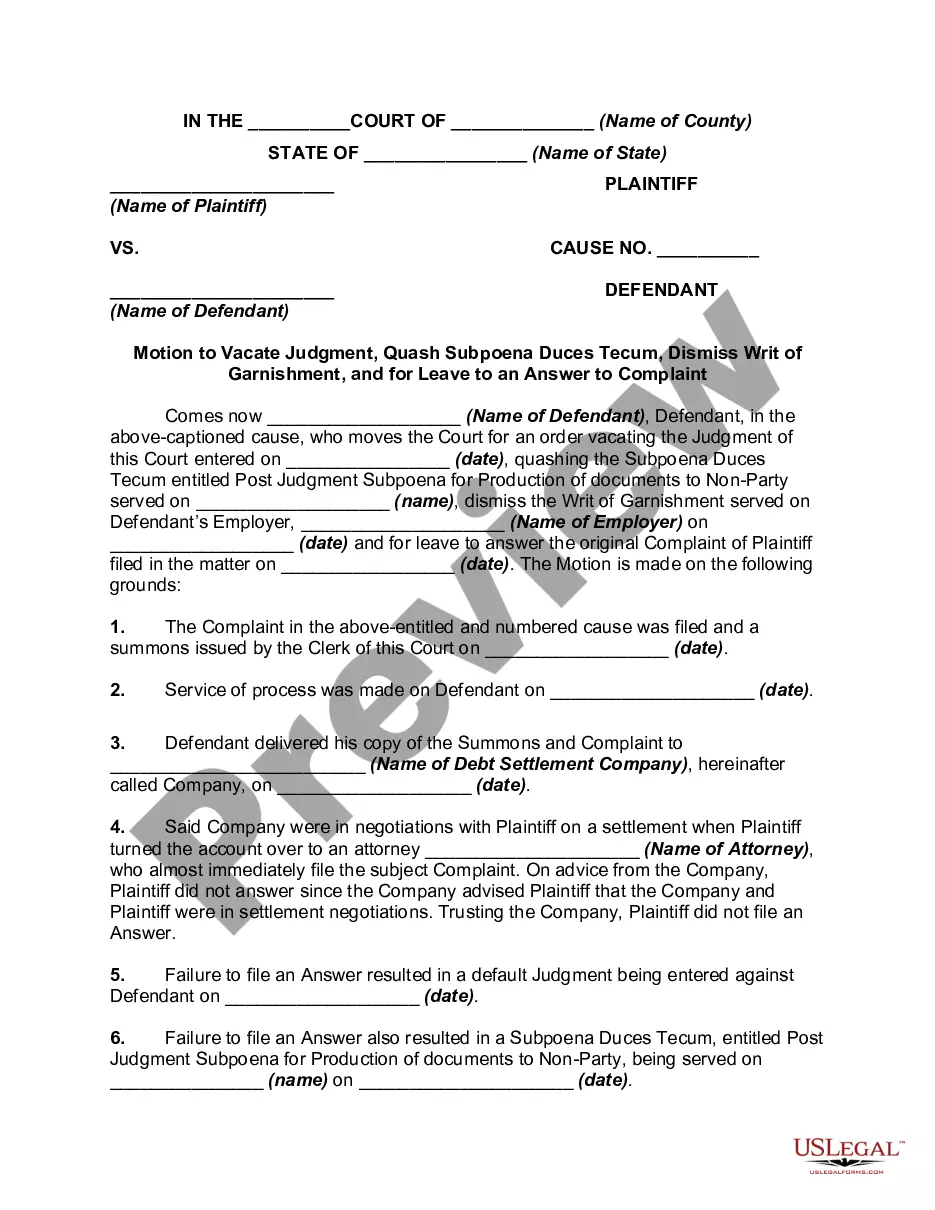
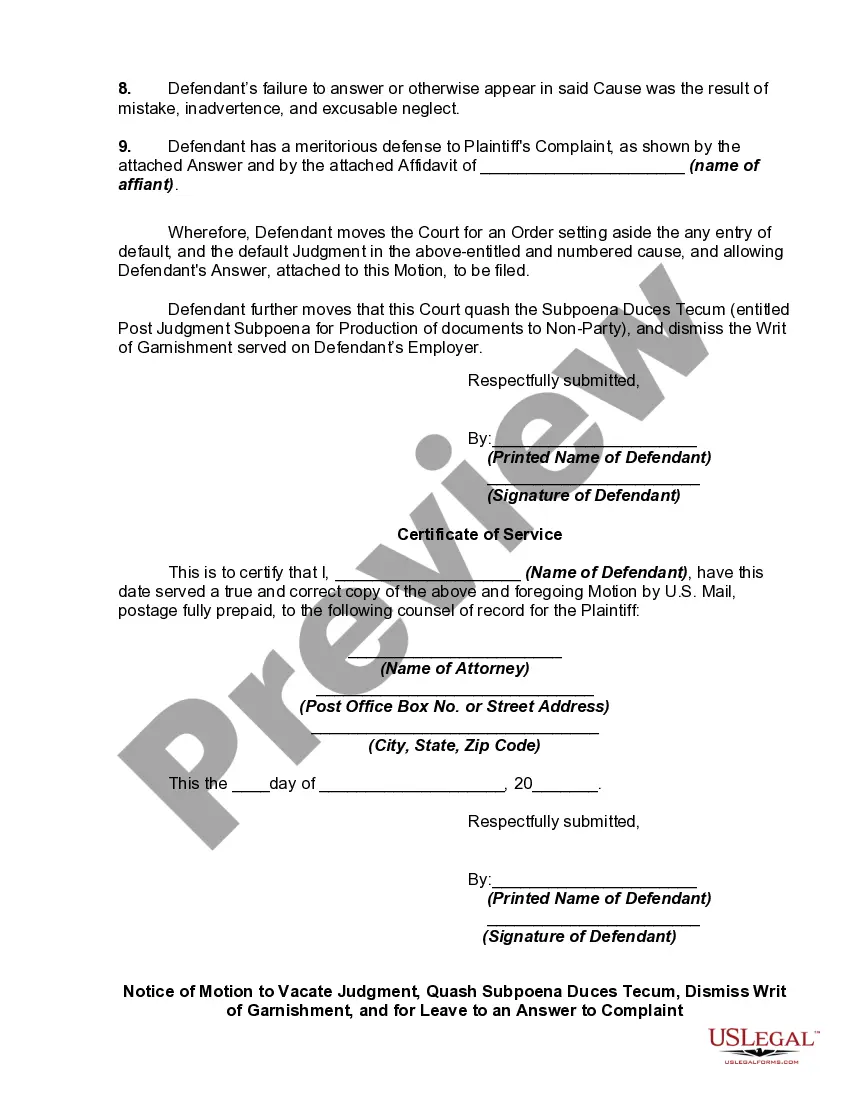
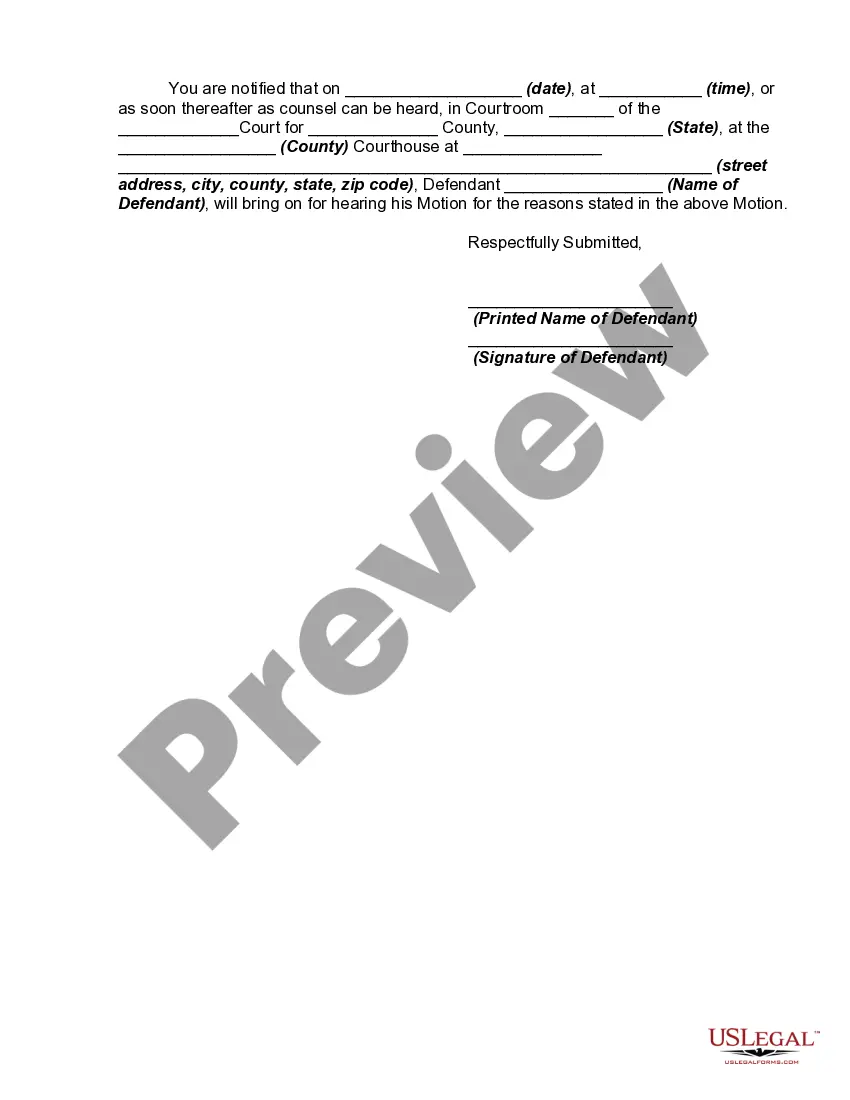
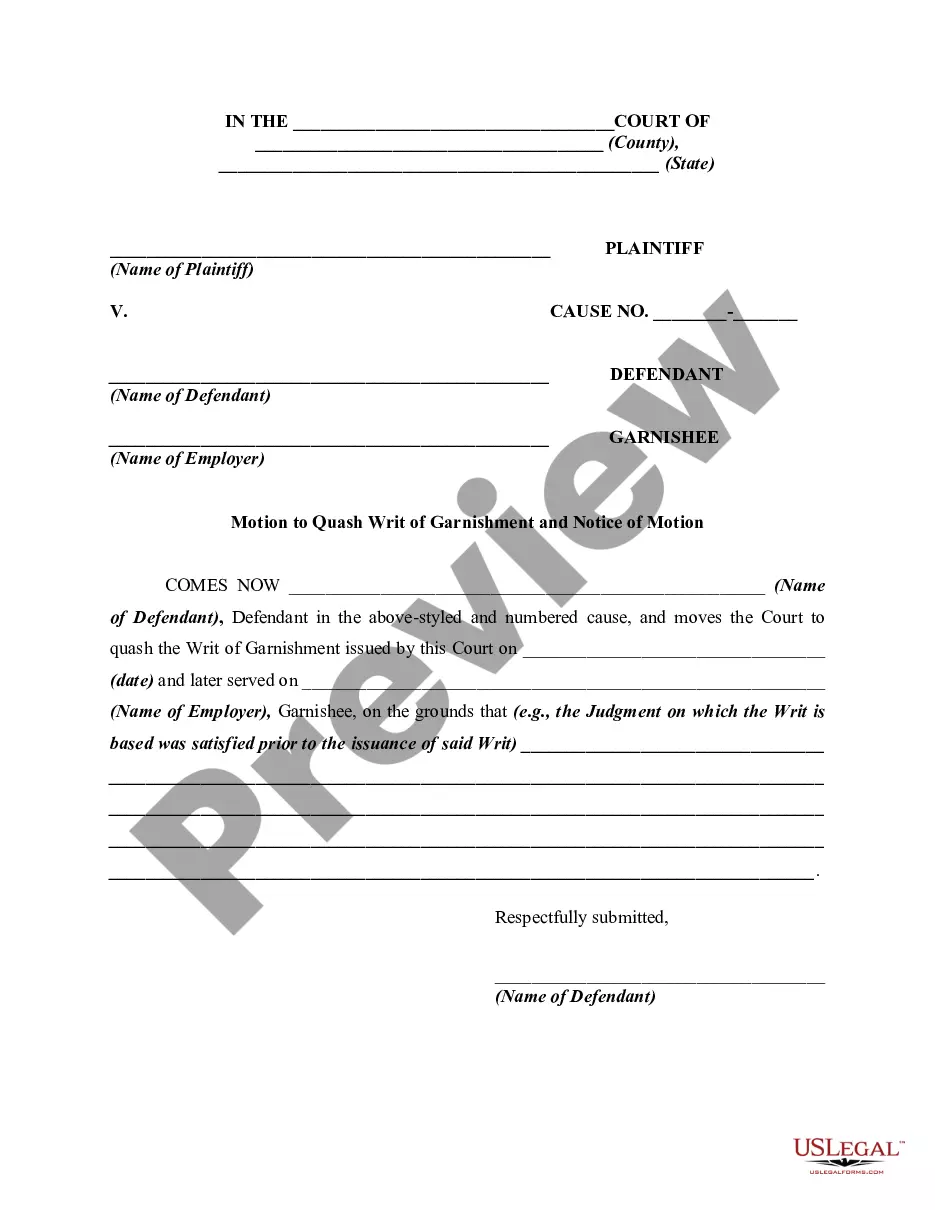
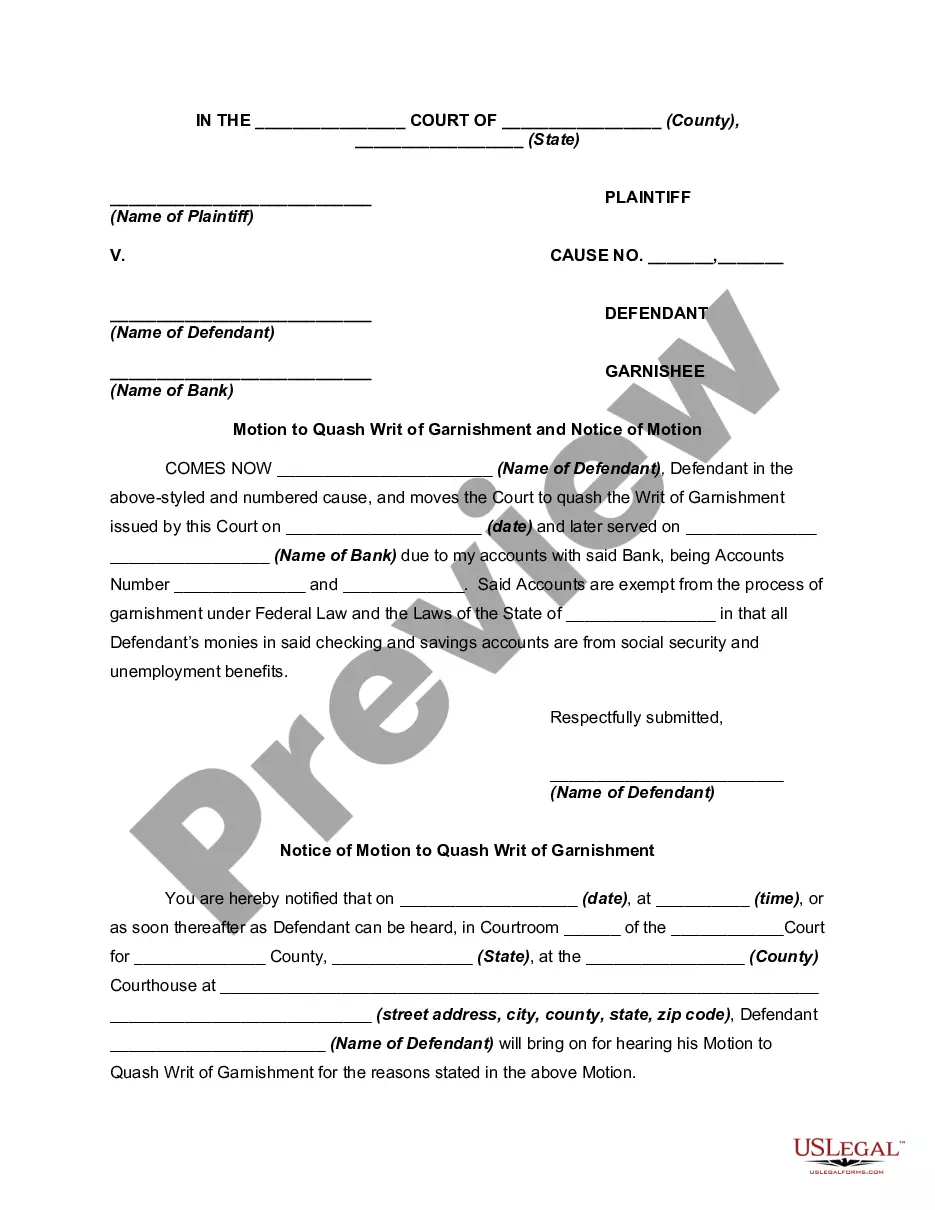
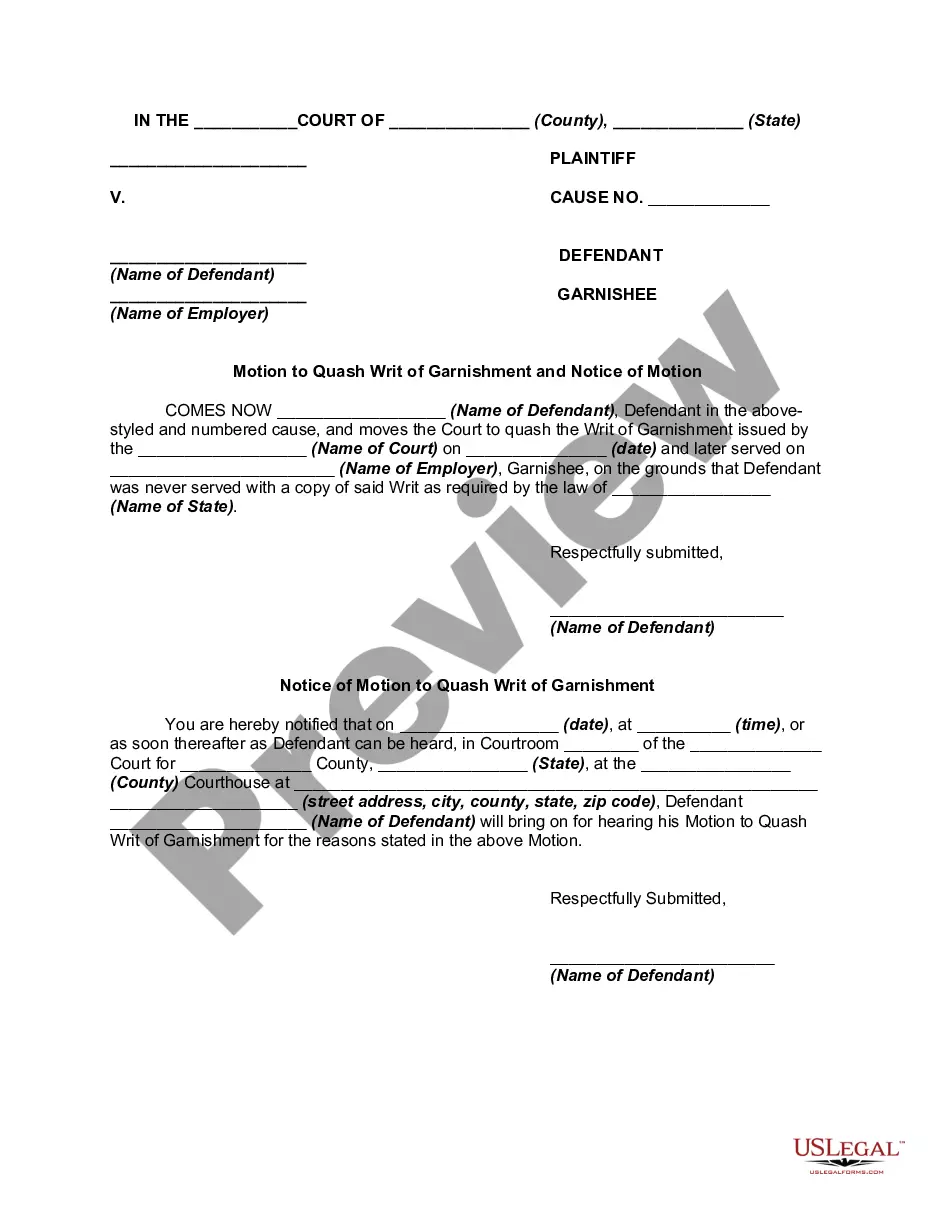
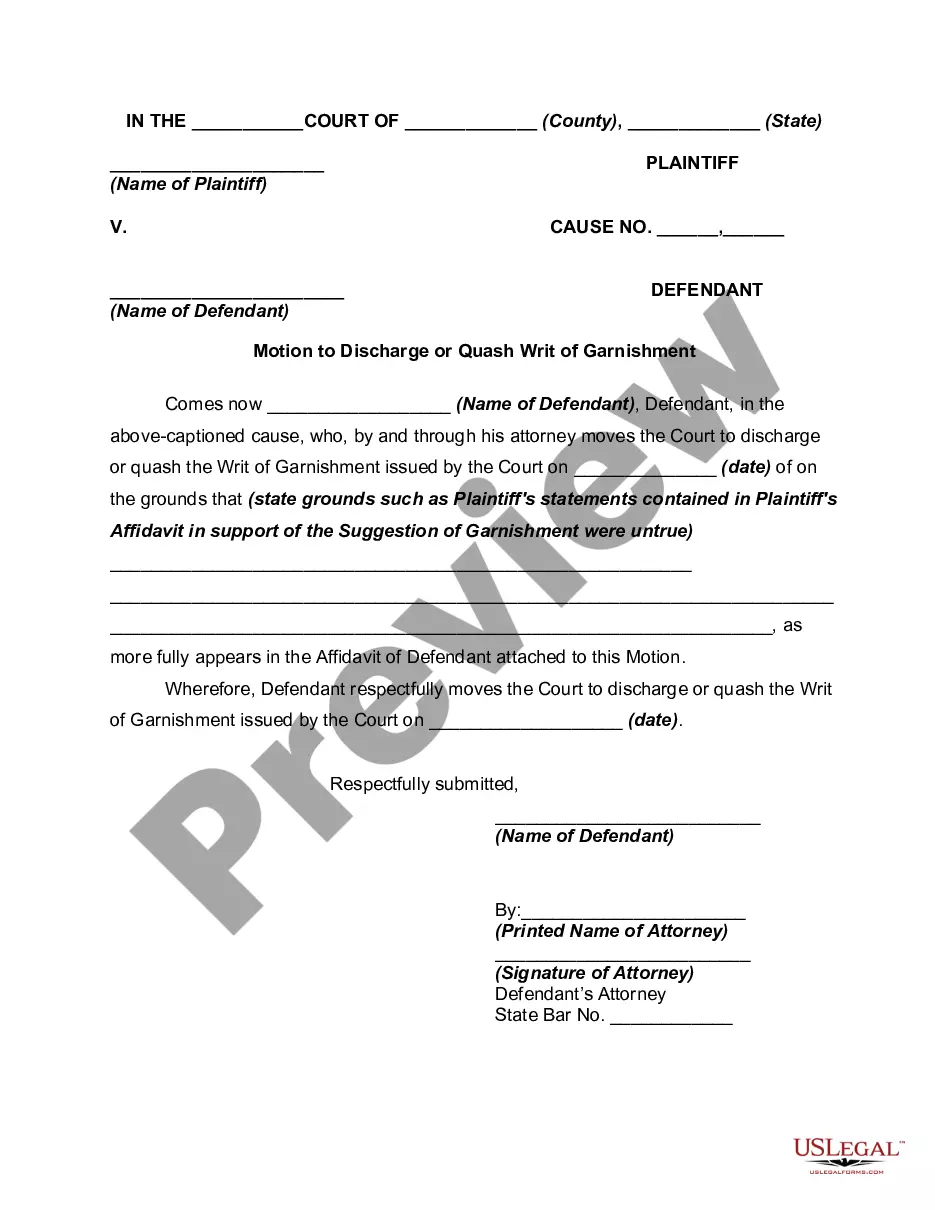
Get your form ready online
Our built-in tools help you complete, sign, share, and store your documents in one place.
Make edits, fill in missing information, and update formatting in US Legal Forms—just like you would in MS Word.
Download a copy, print it, send it by email, or mail it via USPS—whatever works best for your next step.
Sign and collect signatures with our SignNow integration. Send to multiple recipients, set reminders, and more. Go Premium to unlock E-Sign.
If this form requires notarization, complete it online through a secure video call—no need to meet a notary in person or wait for an appointment.
We protect your documents and personal data by following strict security and privacy standards.

Make edits, fill in missing information, and update formatting in US Legal Forms—just like you would in MS Word.

Download a copy, print it, send it by email, or mail it via USPS—whatever works best for your next step.

Sign and collect signatures with our SignNow integration. Send to multiple recipients, set reminders, and more. Go Premium to unlock E-Sign.

If this form requires notarization, complete it online through a secure video call—no need to meet a notary in person or wait for an appointment.

We protect your documents and personal data by following strict security and privacy standards.
Looking for another form?





How to fill out Motion To Vacate Judgment, Quash Subpoena Duces Tecum, Dismiss Writ Of Garnishment, And For Leave To File An Answer To Complaint?
Creating legal documents from the ground up can frequently feel somewhat daunting.
Certain situations may require extensive research and significant financial investment.
If you are looking for a more straightforward and economical method of producing Subpoena And Writ Difference or any other forms without excessive complications, US Legal Forms is readily available to assist you.
Our online repository of over 85,000 current legal documents covers nearly every aspect of your financial, legal, and personal matters.
Before proceeding to download Subpoena And Writ Difference, consider these suggestions: Review the form preview and descriptions to ensure you have located the document you need. Verify that the template you select meets the specifications of your state and county. Choose the appropriate subscription option to purchase the Subpoena And Writ Difference. Download the form, then fill it out, sign it, and print it. US Legal Forms has a strong reputation and over 25 years of experience. Join us today and make form completion easy and efficient!
- With a few clicks, you can immediately obtain state- and county-specific forms carefully prepared for you by our legal professionals.
- Use our platform whenever you need a dependable service through which you can rapidly find and download the Subpoena And Writ Difference.
- If you're not new to our site and have previously registered with us, simply Log In to your account, select the template and download it or retrieve it again later in the My documents section.
- Not signed up yet? No problem. Setting up an account takes just a few minutes, allowing you to explore the library.
Form popularity
FAQ
Generally, there are two main types of summons: civil and criminal. Civil summons focus on disputes between individuals or entities, while criminal summons are related to criminal cases. Recognizing the subpoena and writ difference helps in distinguishing these types and understanding their purposes.
After giving a Notice to Quit, the landlord may file suit for an eviction. If a suit for eviction is filed and the landlord wins his case, he may be granted a Judgment for Possession. A Judgment for Possession ends the tenancy and allows the landlord to have the tenant evicted from the rental premises.
A landlord must allow the tenant to renew the lease unless the landlord has good cause for an eviction under the Anti-Eviction Act. (This does not apply to two or three-family owner occupied dwellings, motels, hotels, transients or seasonal tenants).
No, the state of New Jersey does not provide a limit to rent increases. However the local municipalities do and the rent increase limits can range anywhere between 2 - 6% per year. Many cities in New Jersey follows the Consumer Price Index (CPI) to set that range.
The landlord cannot deduct any money from a tenant's security deposit until after the tenant moves out of the home. If the landlord wants to use the security deposit to pay for damage or for unpaid rent, they must notify the tenant in writing within 30 days after eviction or after the tenant moves out of the home.
Technically, New Jersey residential leases can automatically renew on a month-to-month basis without a renewal clause if a landlord accepts payment of rent after the expiration of the lease. Leases can also automatically renew for the stated term of a lease (ie.
As long as the tenant does not violate any rules, they can stay until their rental period ends. But if they stay in the property even a day after their lease/rental agreement ends and have not arranged for renewal, landlords can issue a written notice to the tenant to move.
Understanding the Good Cause Test Know the reasons Failing to pay rent when due or owed. Disorderly conduct that disturbs the peace and quiet of neighbors. Tenant's gross negligence which has caused damage or destruction to the premises. Continued violation or breach of landlord's reasonable rules.
The landlord registration requirement applies to all rental premises or units used for dwelling purposes except owner-occupied premises with not more than two rental units.