Garnishment Leave For Federal Employees
Description
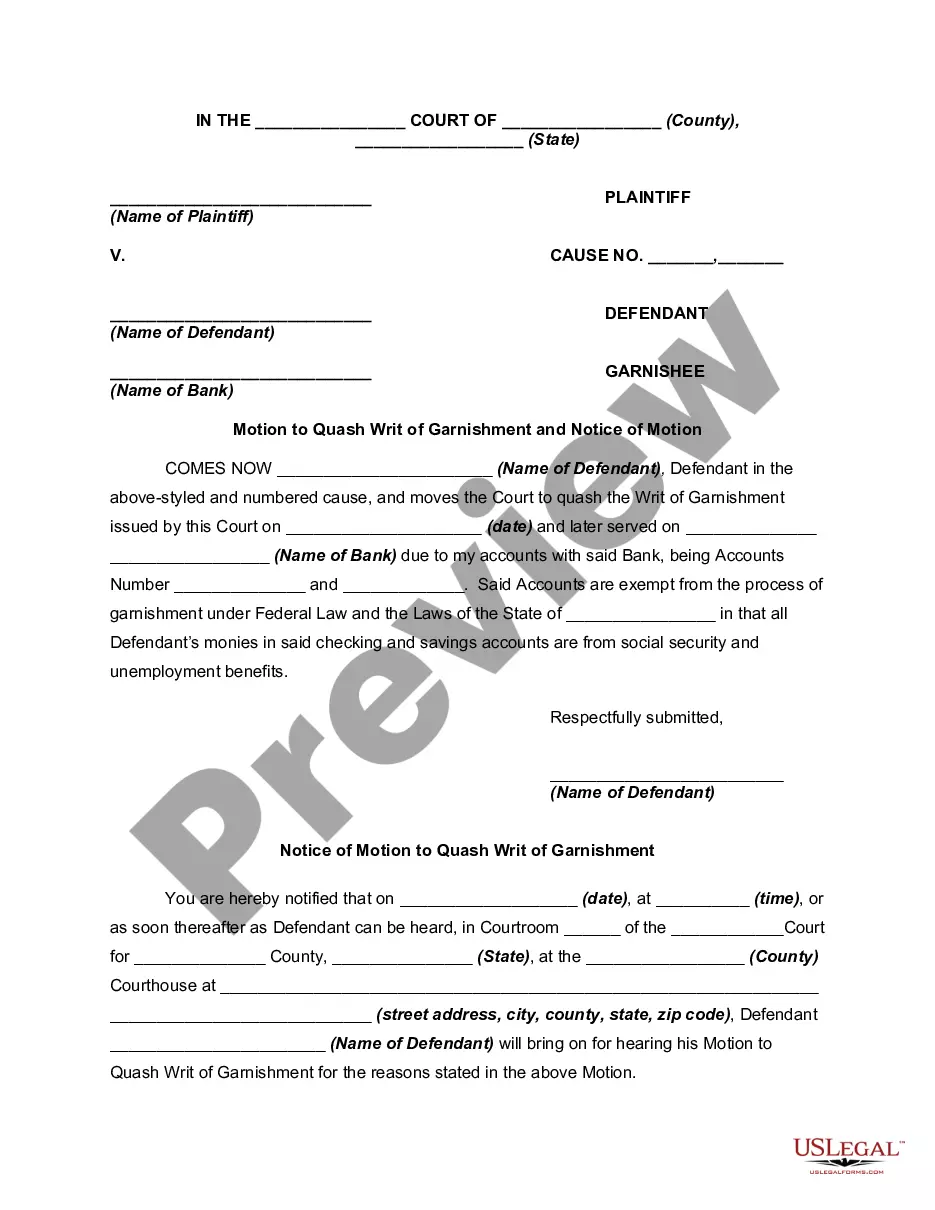
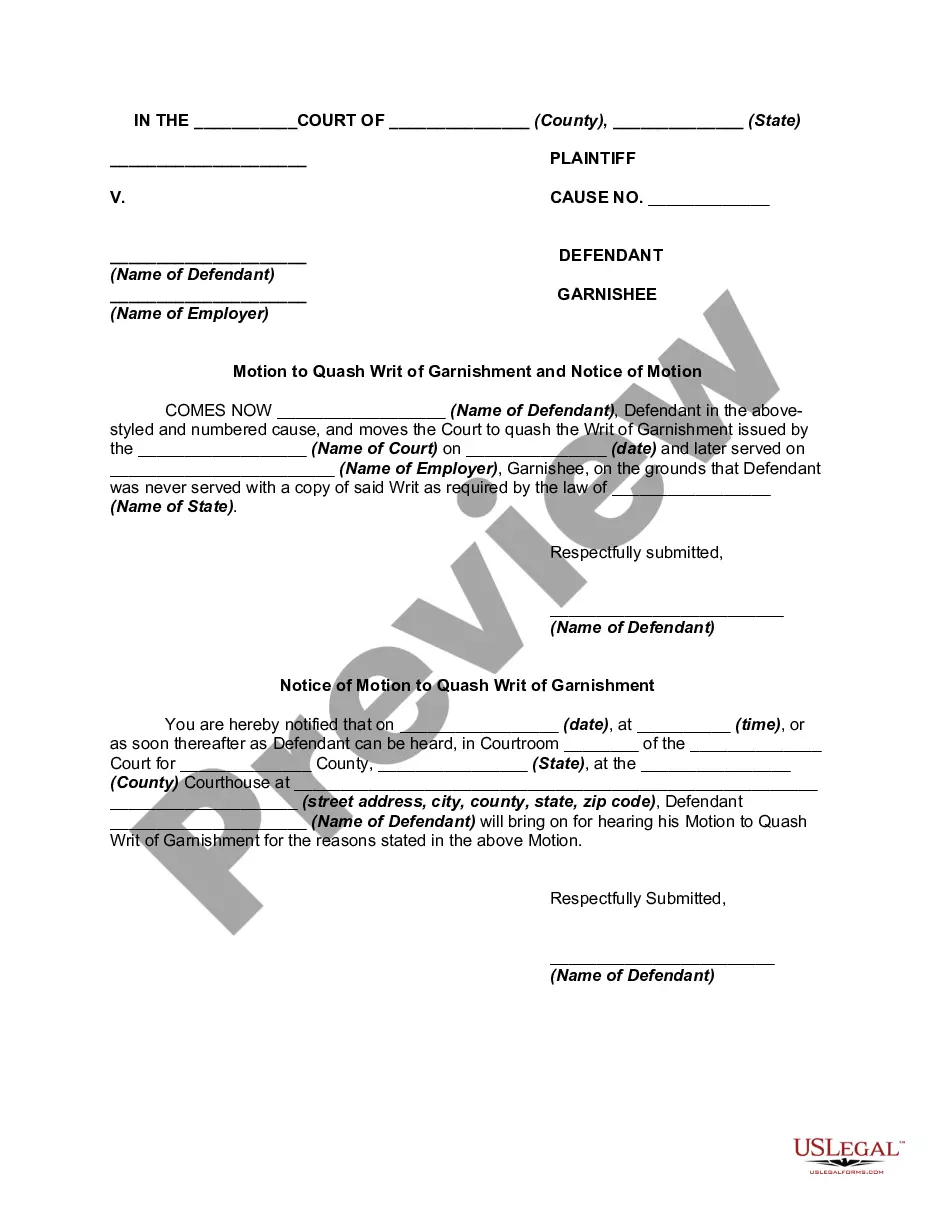
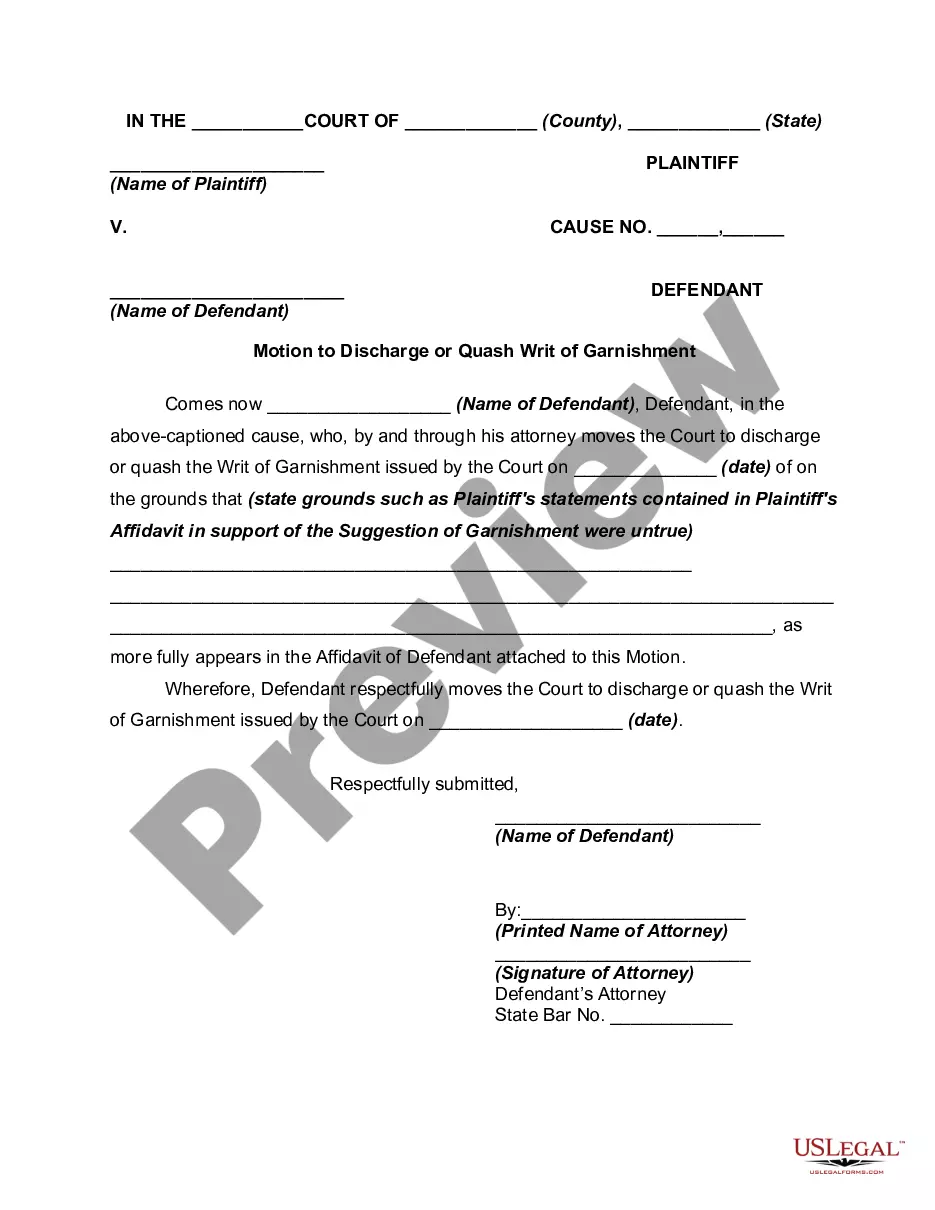
Get your form ready online
Our built-in tools help you complete, sign, share, and store your documents in one place.
Make edits, fill in missing information, and update formatting in US Legal Forms—just like you would in MS Word.
Download a copy, print it, send it by email, or mail it via USPS—whatever works best for your next step.
Sign and collect signatures with our SignNow integration. Send to multiple recipients, set reminders, and more. Go Premium to unlock E-Sign.
If this form requires notarization, complete it online through a secure video call—no need to meet a notary in person or wait for an appointment.
We protect your documents and personal data by following strict security and privacy standards.

Make edits, fill in missing information, and update formatting in US Legal Forms—just like you would in MS Word.

Download a copy, print it, send it by email, or mail it via USPS—whatever works best for your next step.

Sign and collect signatures with our SignNow integration. Send to multiple recipients, set reminders, and more. Go Premium to unlock E-Sign.

If this form requires notarization, complete it online through a secure video call—no need to meet a notary in person or wait for an appointment.

We protect your documents and personal data by following strict security and privacy standards.
Looking for another form?
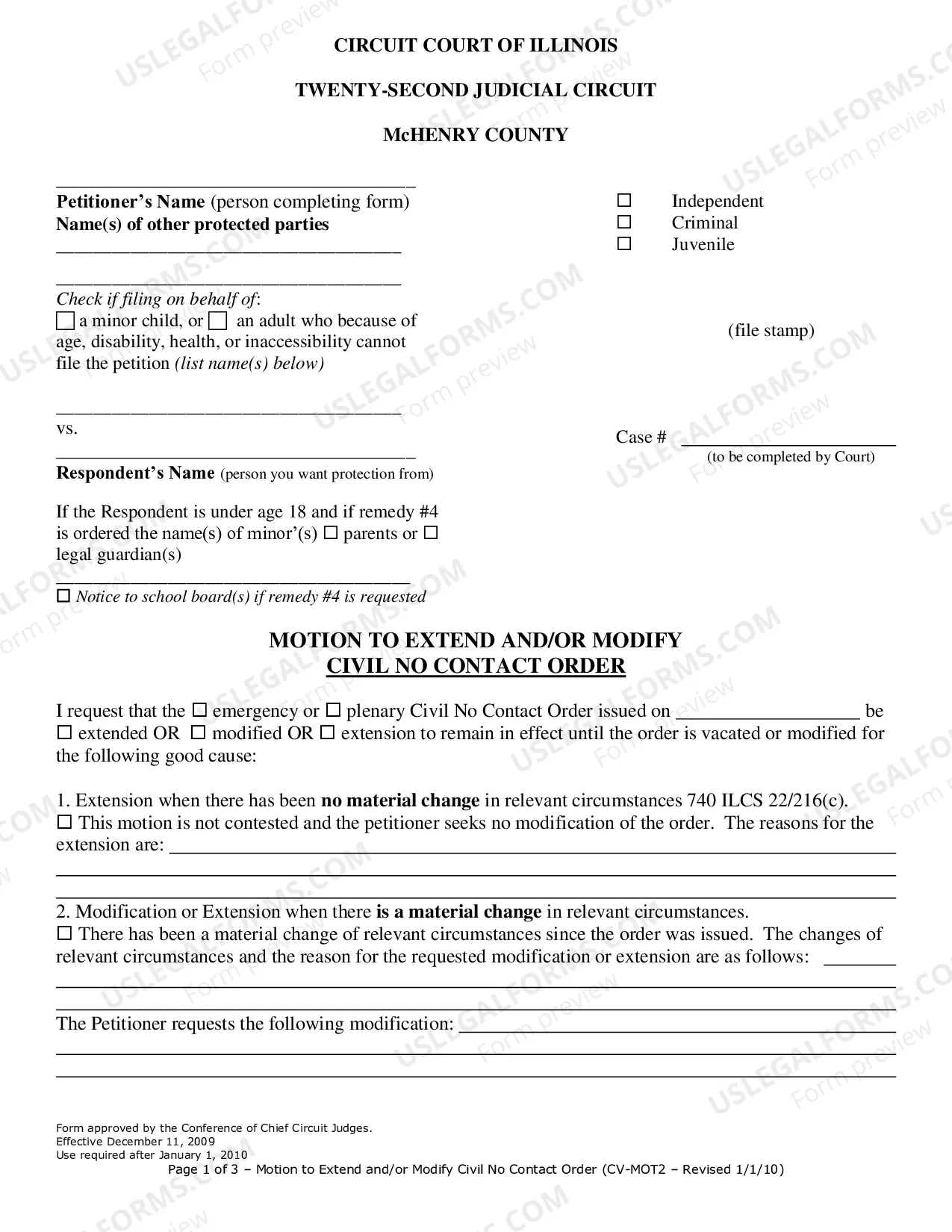
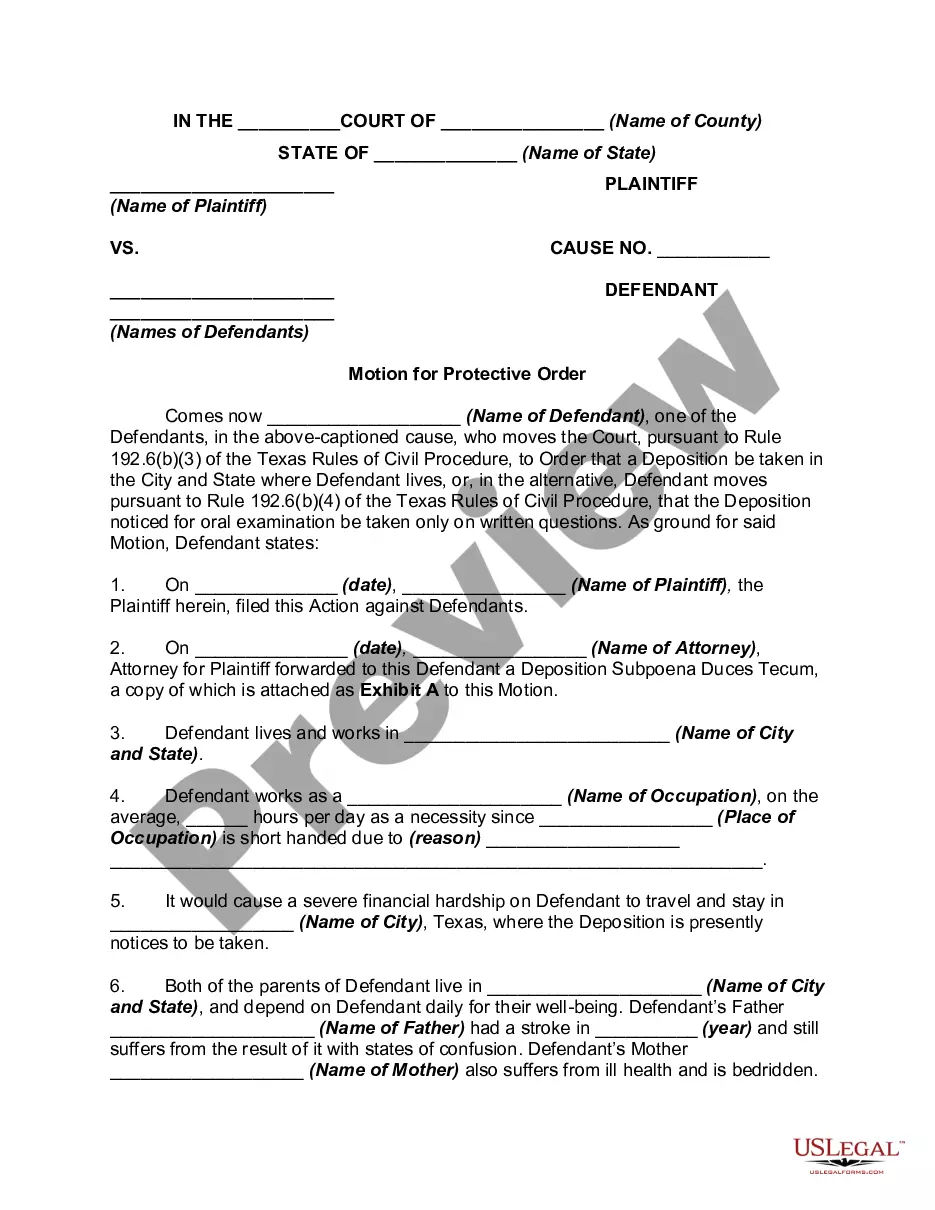
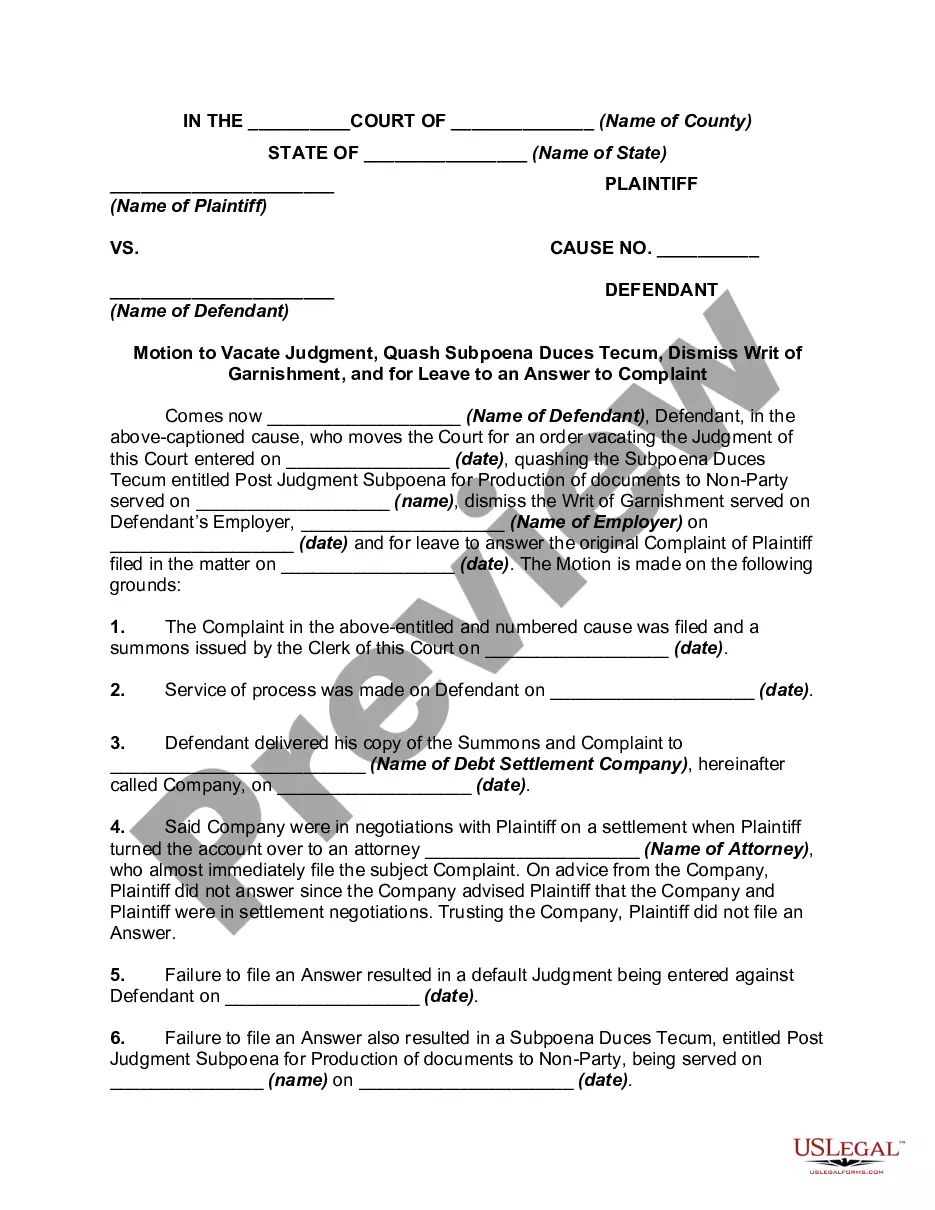
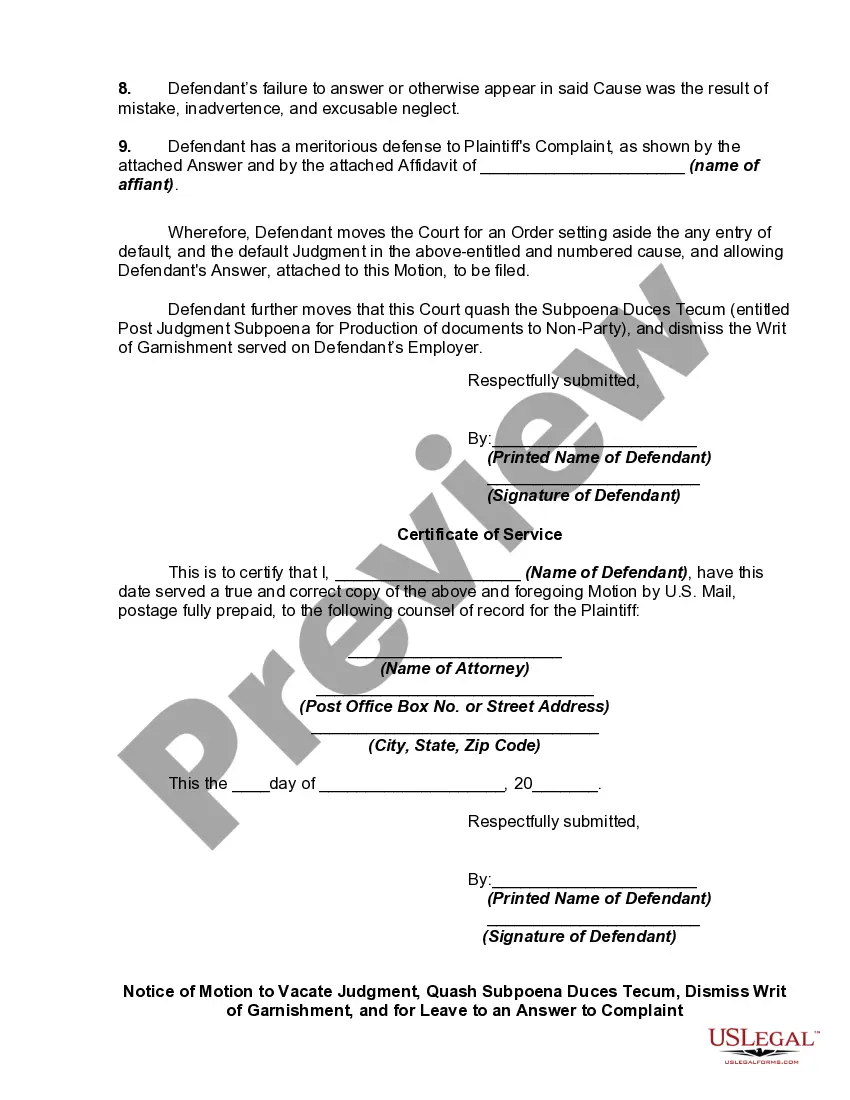
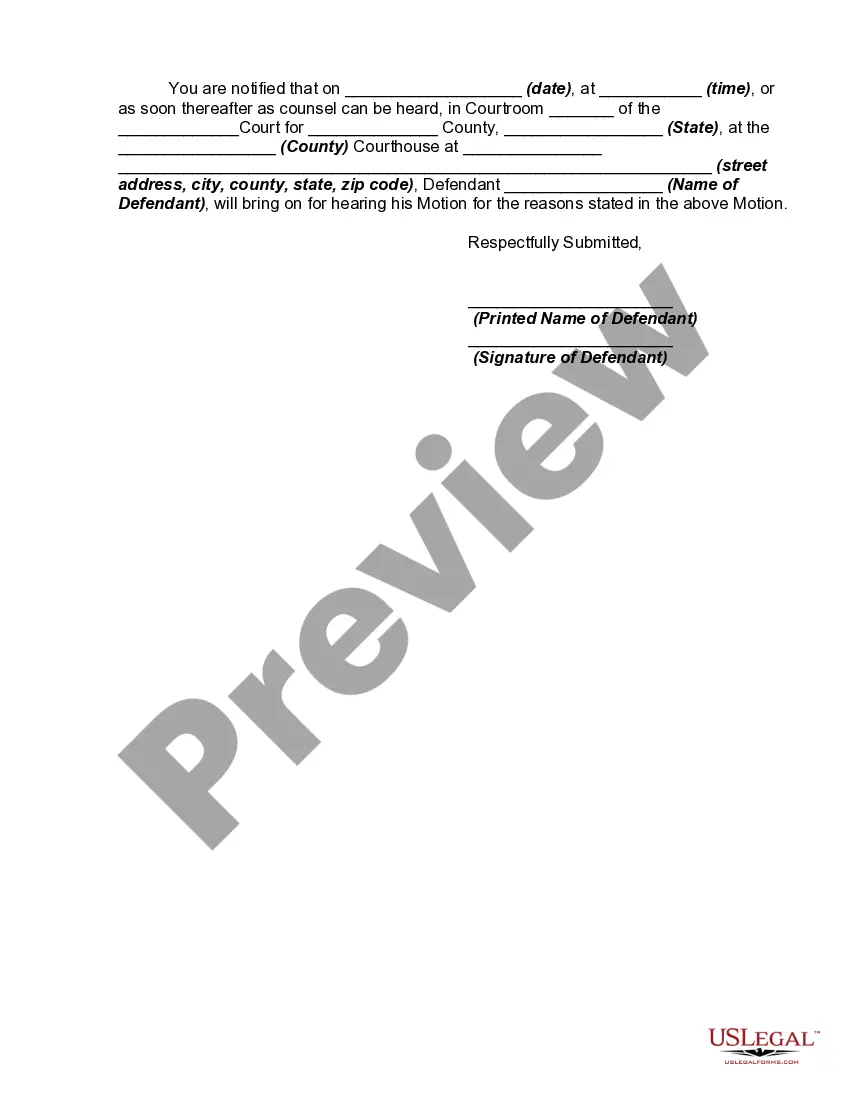
How to fill out Motion To Vacate Judgment, Quash Subpoena Duces Tecum, Dismiss Writ Of Garnishment, And For Leave To File An Answer To Complaint?
Dealing with legal papers and processes can be a lengthy addition to your whole day.
Garnishment Leave For Federal Workers and similar documents often require you to search for them and figure out the most efficient way to fill them out.
As a result, if you are managing financial, legal, or personal issues, utilizing a comprehensive and user-friendly online library of forms will significantly help.
US Legal Forms is the premier online platform for legal templates, boasting over 85,000 state-specific documents and a variety of tools to help you complete your forms swiftly.
Is this your first time using US Legal Forms? Sign up and create your account in a matter of minutes and you will have access to the document library and Garnishment Leave For Federal Employees. Then, follow the steps below to finalize your form: Ensure you have located the correct document using the Review feature and reading the document details. Click Buy Now when prepared, and choose the monthly subscription plan that suits you best. Click Download then complete, sign, and print the document. US Legal Forms has 25 years of experience helping clients manage their legal documents. Obtain the form you need today and simplify any process effortlessly.
- Browse the collection of relevant documents available to you with just one click.
- US Legal Forms provides state- and county-specific documents available at any time for downloading.
- Safeguard your document management processes with a high-quality service that lets you prepare any form in minutes without any extra or concealed charges.
- Simply Log In to your account, search for Garnishment Leave For Federal Employees, and obtain it instantly from the My documents section.
- You can also access previously downloaded documents.
Form popularity
FAQ
Yes, federal employees' wages can be garnished, but there are specific regulations that govern the process. Generally, federal law limits the amount that can be garnished from an employee’s wages to ensure they can maintain a reasonable standard of living. If you are a federal employee dealing with garnishment, utilizing platforms like US Legal Forms can help you understand your rights and navigate the complexities of garnishment leave for federal employees.
The federal rule for writ of garnishment is outlined in the Federal Rules of Civil Procedure, specifically Rule 69. This rule allows a creditor to seek a legal order to garnish wages or bank accounts after winning a judgment. Understanding these rules can be crucial for federal employees facing garnishment issues, and resources like US Legal Forms can provide the necessary templates and information to help you effectively manage your situation.
To get a garnishee order, you typically need to file a request with the court after obtaining a judgment against the debtor. The court will review your request and, if approved, issue the order to the garnishee, which is usually the debtor's employer or bank. Leveraging US Legal Forms can help you navigate the necessary paperwork and ensure you meet all legal standards, making the process smoother for those seeking garnishment leave for federal employees.
The process of a writ of garnishment begins when a creditor files a request with the court to collect a debt by seizing an employee's wages. The court issues a writ that directs the employer to withhold a portion of the employee's earnings. For federal employees, navigating this process can be complex, and utilizing resources like USLegalForms can provide clarity on legal requirements and employee rights.
Yes, certain federal benefits are protected from garnishment. This includes social security benefits, veterans' benefits, and federal retirement benefits. However, it is important for federal employees to understand the specifics, as some benefits may be subject to garnishment under certain conditions.
Federal Rule 69 A outlines the procedures for enforcing a judgment, including the processes for garnishment leave for federal employees. It provides details on how a judgment creditor can seek to enforce a monetary judgment through garnishment. Understanding this rule can help federal employees anticipate the legal steps involved in wage garnishment.
Generally, federal employees cannot be fired solely for having their wages garnished. The law protects employees from discriminatory actions based on garnishment. However, repeated failures to comply with garnishment orders may lead to disciplinary actions, so it is crucial to address these situations promptly.
Federal Rule 64 pertains to the process of obtaining pre-judgment remedies, including garnishment leave for federal employees. It allows a creditor to secure a court order to seize property or funds before a judgment is made. This rule ensures that creditors can protect their interests while also providing federal employees a clear understanding of their rights.
When an employee has their wages garnished, it is crucial to handle the situation with sensitivity and confidentiality. Start by reviewing the legal documents related to the garnishment to ensure compliance. Communicate openly with the employee, providing them with information on their rights and options, including potential garnishment leave for federal employees. Utilizing services like uslegalforms can simplify the process and ensure that you manage the situation appropriately.
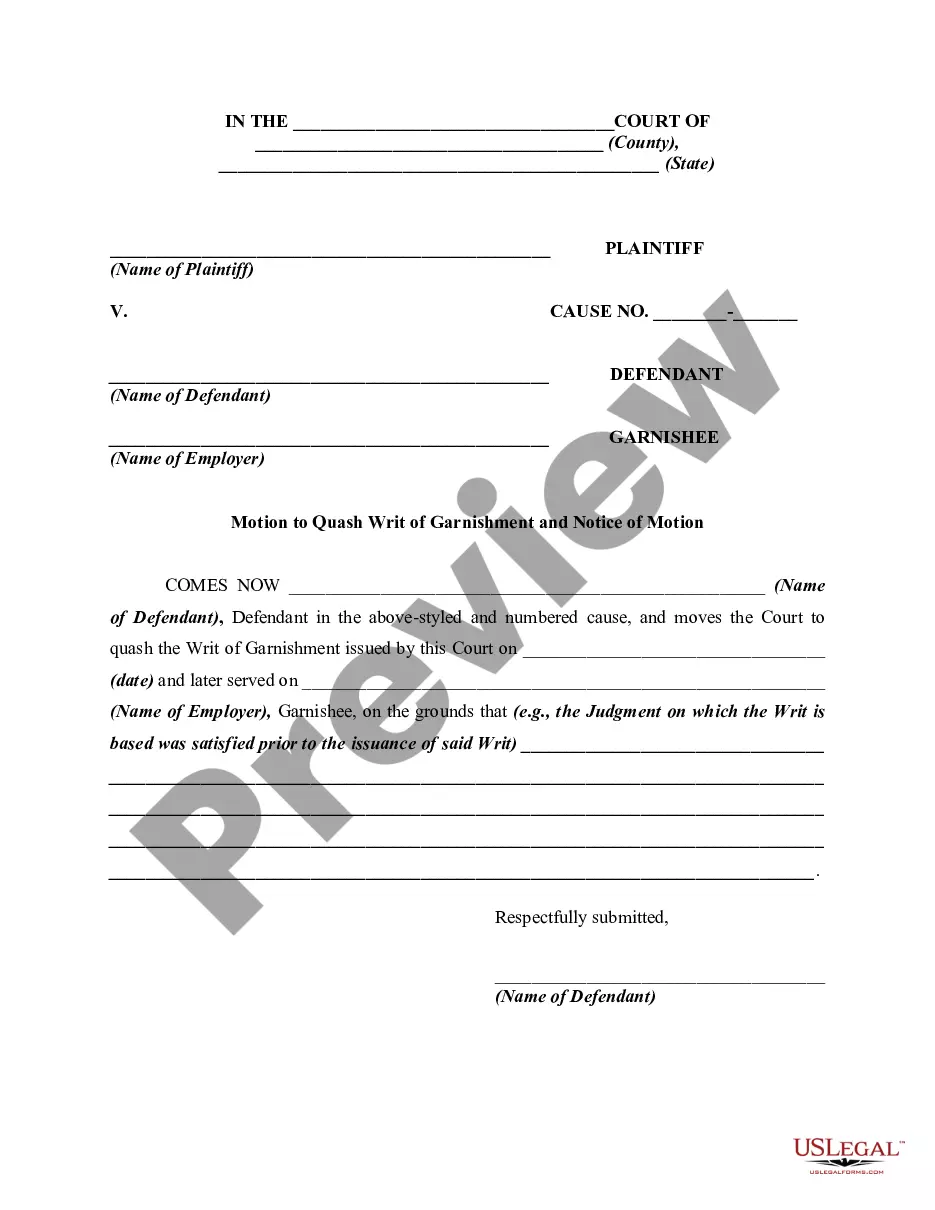
To write a letter to stop wage garnishment, start by clearly stating your intention to contest the garnishment. Include your personal information, such as your name and address, as well as details about the garnishment, like the creditor’s name and the amount. Be sure to mention any relevant laws or regulations that support your request. For assistance, consider using resources from uslegalforms, which can help you draft a professional and effective letter.