Court Judgment File For Debt (68a)
Description
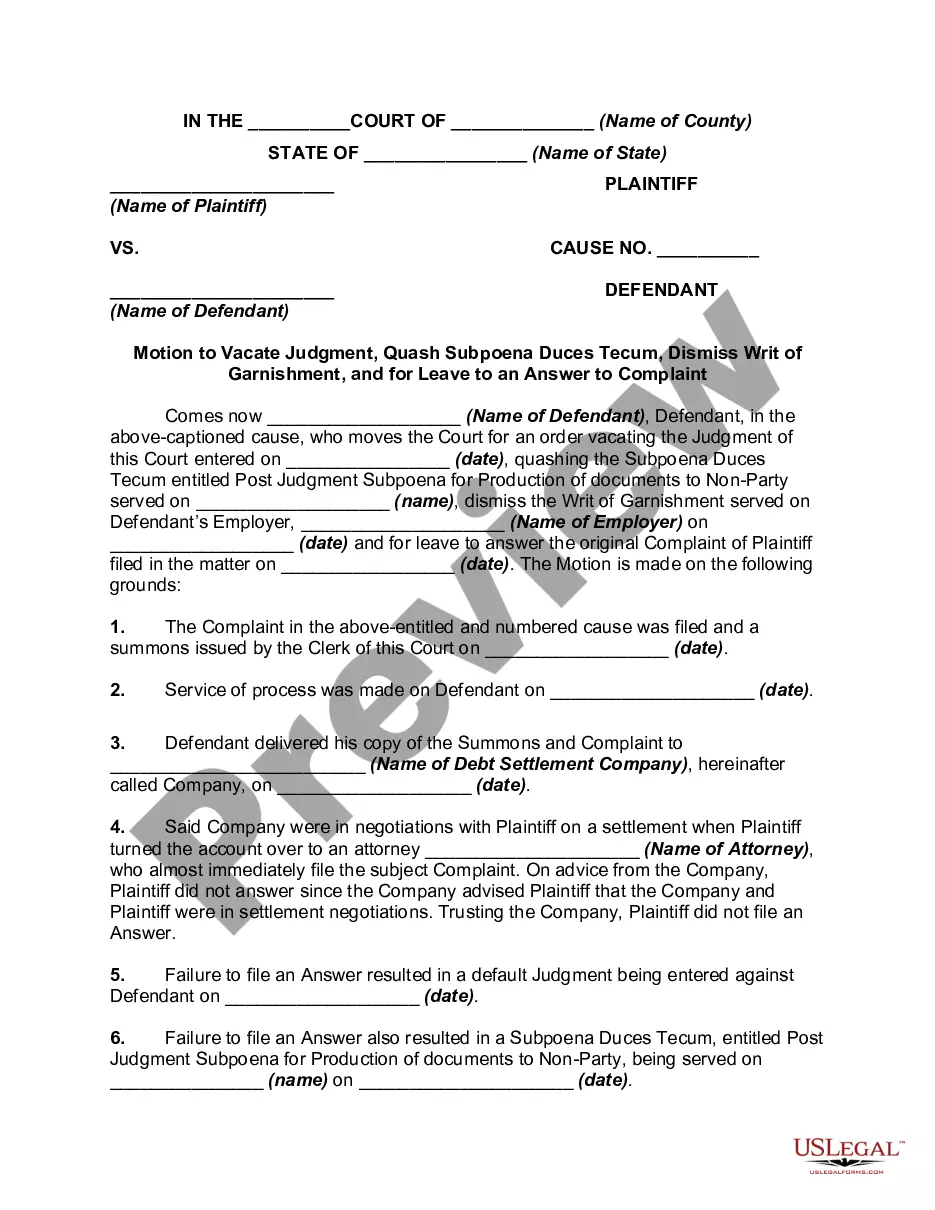
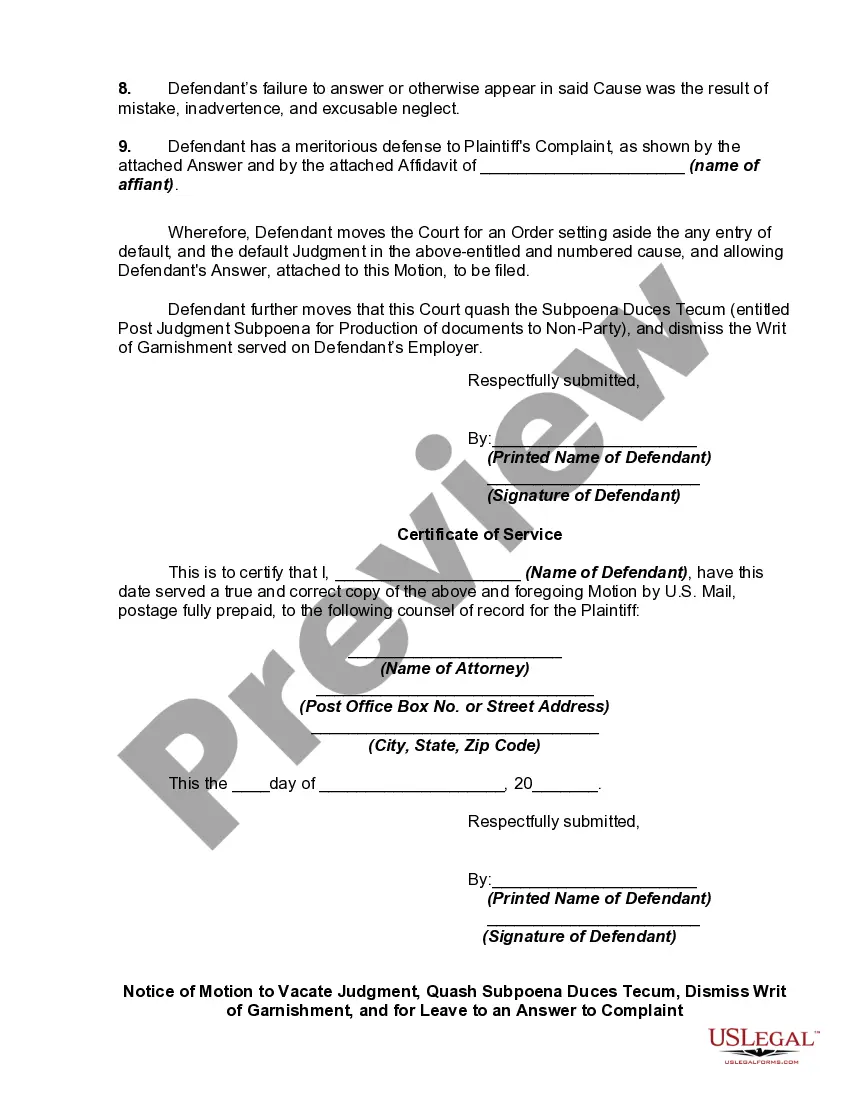
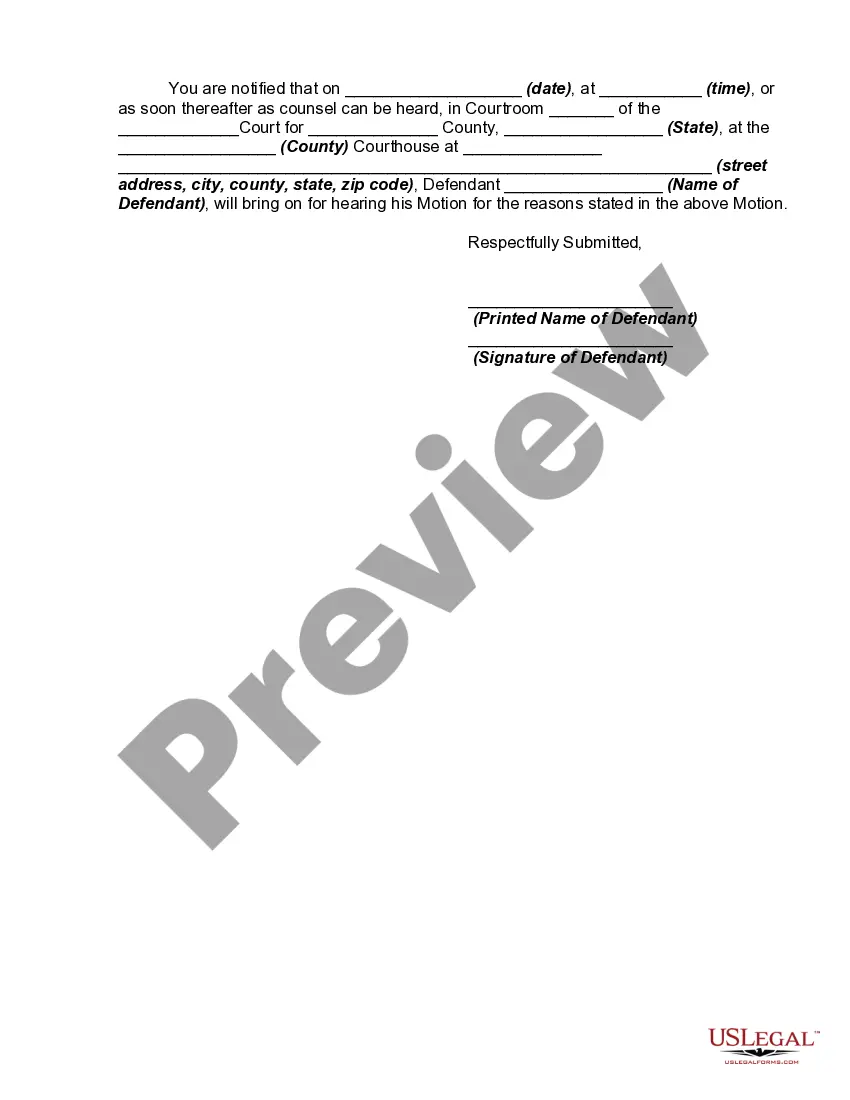
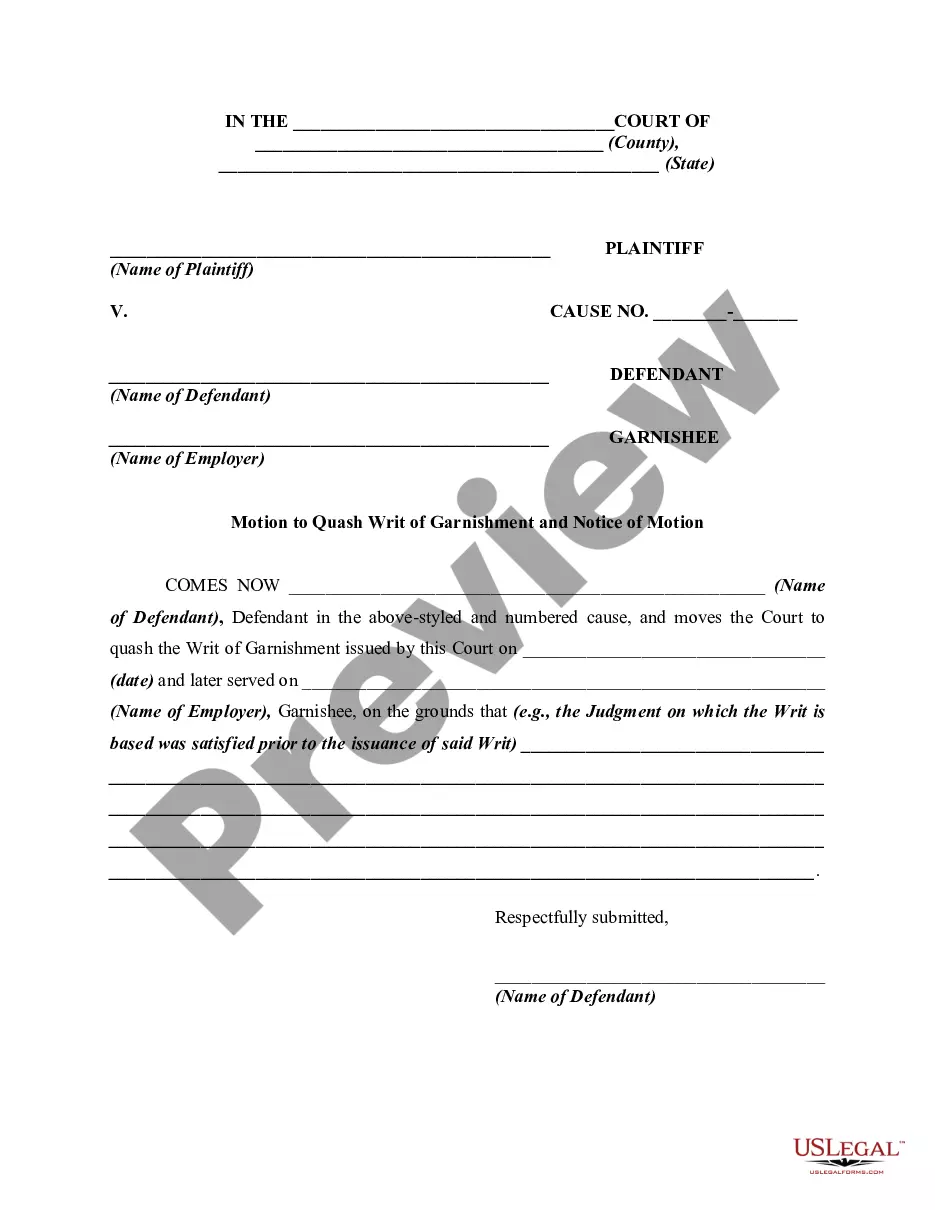
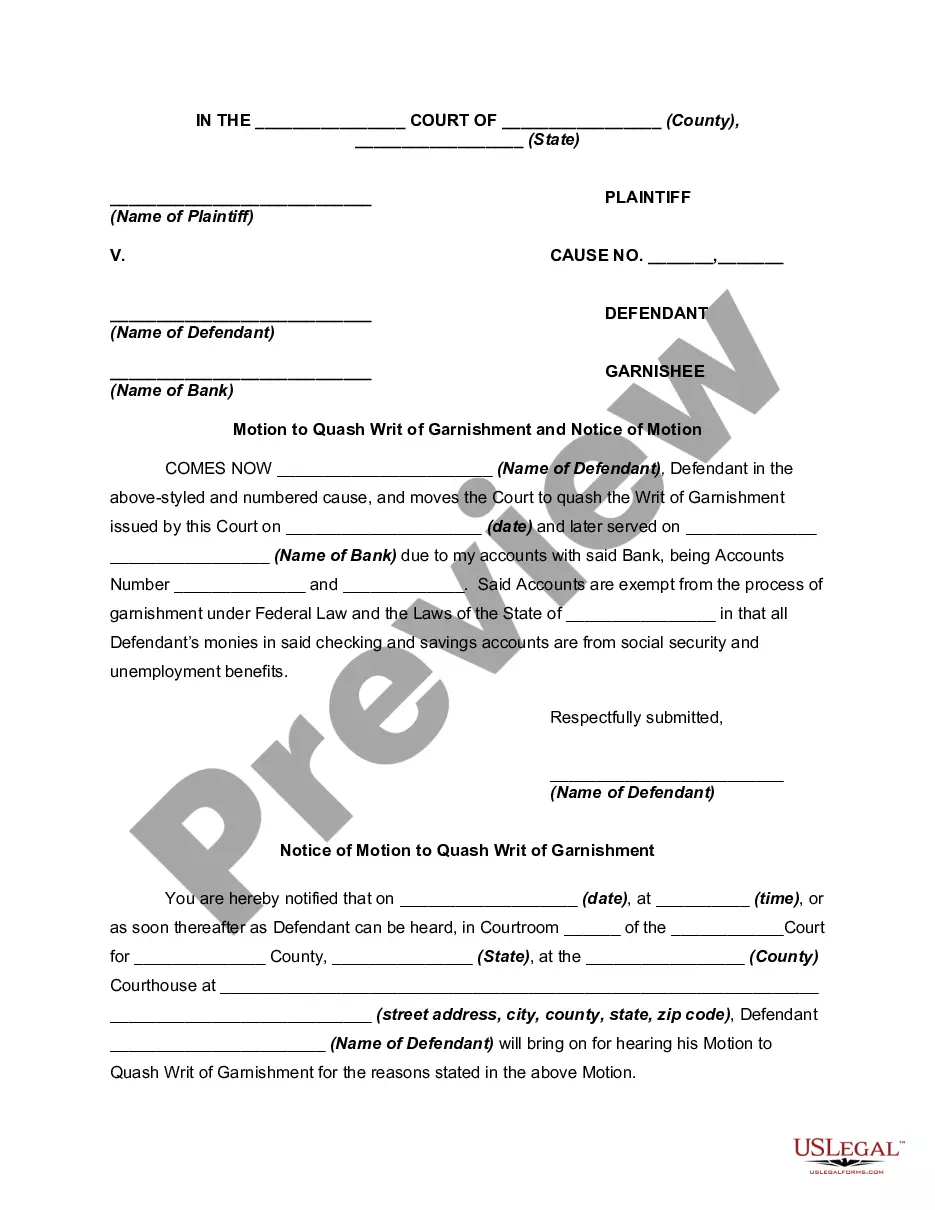
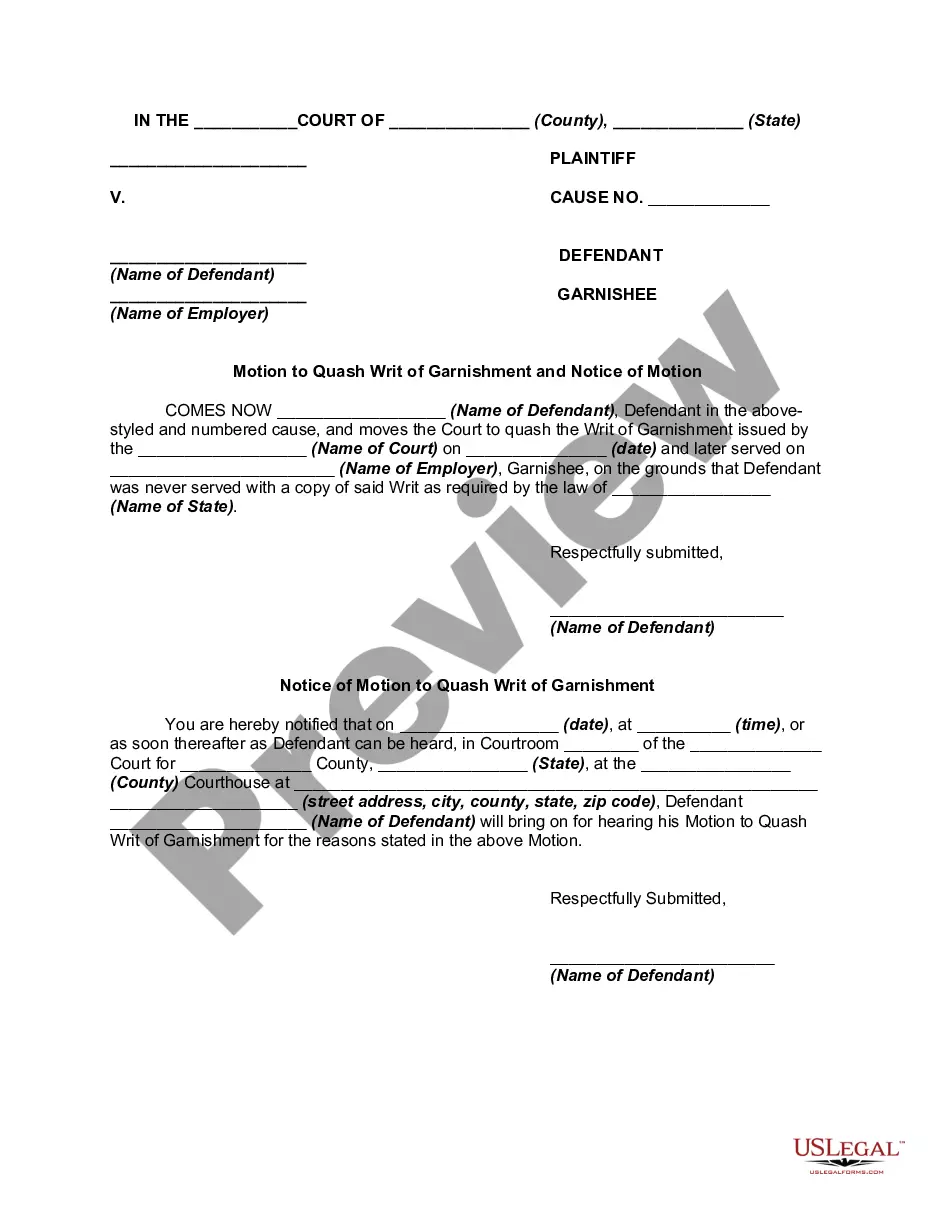
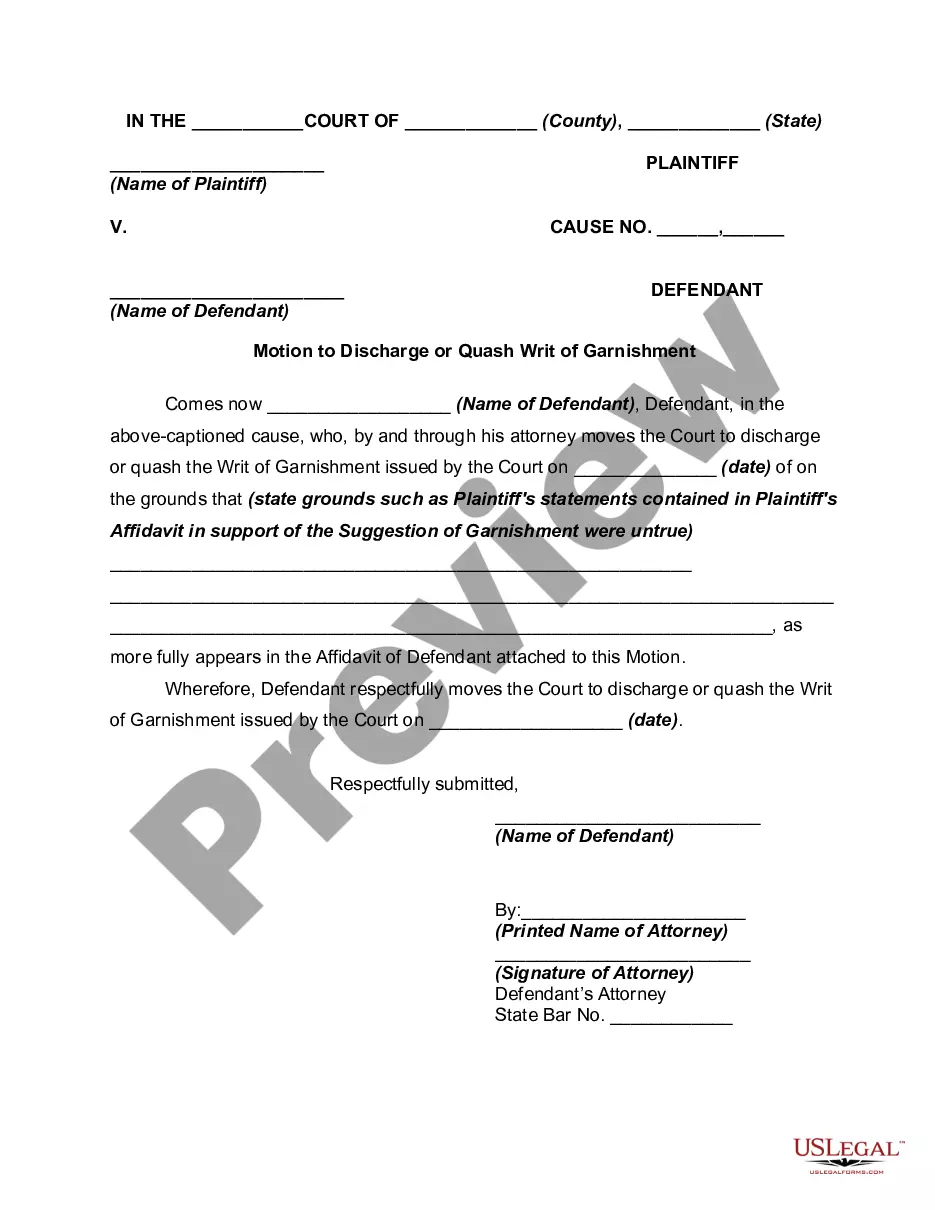
Get your form ready online
Our built-in tools help you complete, sign, share, and store your documents in one place.
Make edits, fill in missing information, and update formatting in US Legal Forms—just like you would in MS Word.
Download a copy, print it, send it by email, or mail it via USPS—whatever works best for your next step.
Sign and collect signatures with our SignNow integration. Send to multiple recipients, set reminders, and more. Go Premium to unlock E-Sign.
If this form requires notarization, complete it online through a secure video call—no need to meet a notary in person or wait for an appointment.
We protect your documents and personal data by following strict security and privacy standards.

Make edits, fill in missing information, and update formatting in US Legal Forms—just like you would in MS Word.

Download a copy, print it, send it by email, or mail it via USPS—whatever works best for your next step.

Sign and collect signatures with our SignNow integration. Send to multiple recipients, set reminders, and more. Go Premium to unlock E-Sign.

If this form requires notarization, complete it online through a secure video call—no need to meet a notary in person or wait for an appointment.

We protect your documents and personal data by following strict security and privacy standards.
Looking for another form?



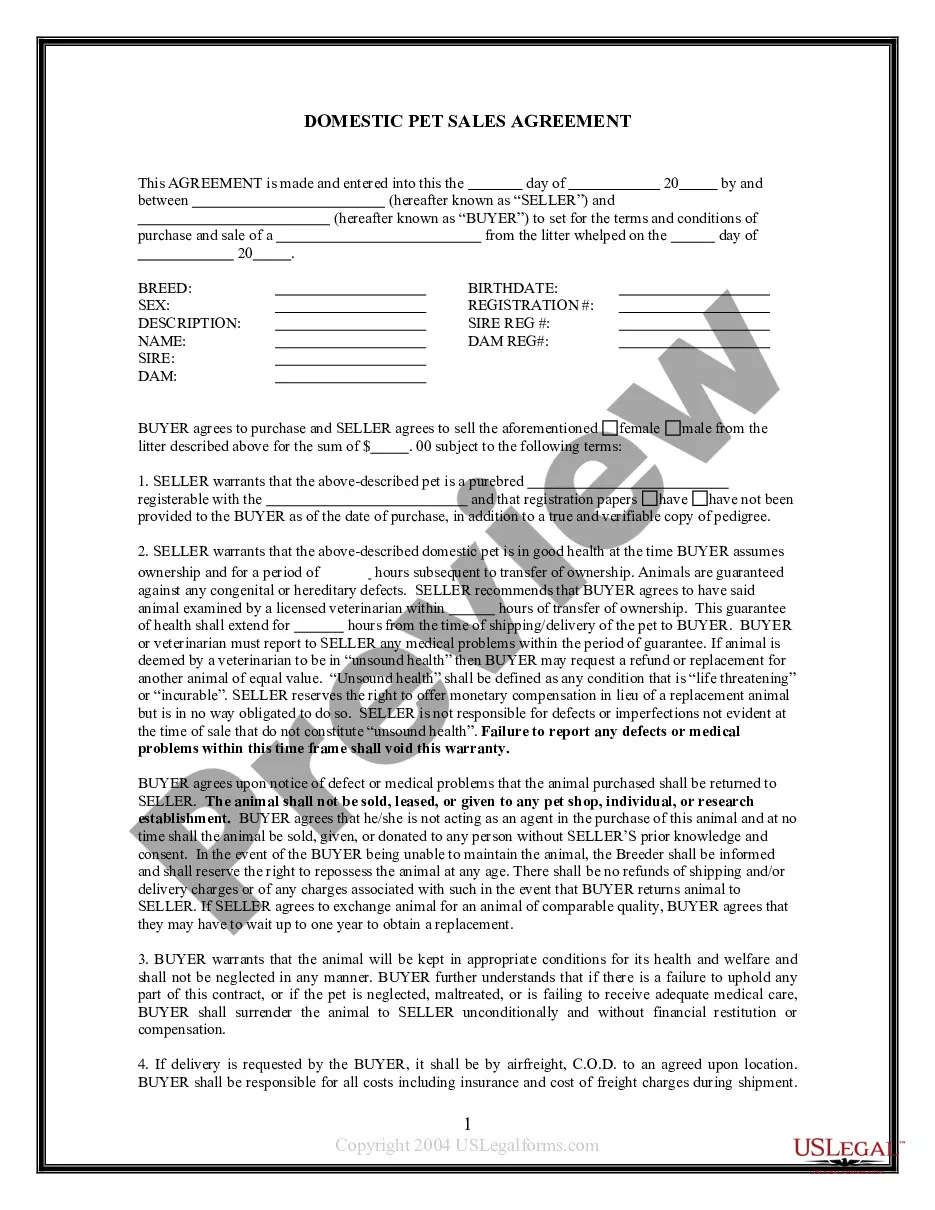

How to fill out Motion To Vacate Judgment, Quash Subpoena Duces Tecum, Dismiss Writ Of Garnishment, And For Leave To File An Answer To Complaint?
Whether for commercial intentions or for private affairs, everyone has to manage legal situations at some point in their lifetime.
Filling out legal documents requires meticulous care, beginning with choosing the accurate form sample.
With an extensive US Legal Forms library available, you never have to waste time searching for the right template online. Take advantage of the library’s user-friendly navigation to find the appropriate template for any occasion.
- Locate the template you require by using the search bar or catalog browsing.
- Review the details of the form to verify it aligns with your circumstances, state, and county.
- Click on the form’s preview to view it.
- If it is the incorrect form, return to the search feature to find the Court Judgment File For Debt (68a) sample you require.
- Download the template if it fulfills your needs.
- If you have a US Legal Forms account, simply click Log in to access previously stored files in My documents.
- If you don’t yet have an account, you may obtain the form by clicking Buy now.
- Choose the suitable pricing option.
- Fill out the profile registration form.
- Select your payment method: use a credit card or PayPal account.
- Pick the file format you prefer and download the Court Judgment File For Debt (68a).
- Once saved, you can complete the form using editing software or print it and finish it manually.
Form popularity
FAQ
In Victoria, enforcing a judgment debt requires specific actions such as applying for a warrant for property seizure or seeking garnishments from the debtor's income. It's essential to adhere to all legal guidelines when taking these actions. The process might seem complicated, which is why using resources like US Legal Forms can simplify your understanding of the enforcement process related to a Court judgment file for debt (68a).
Enforcing a judgment debt involves several legal steps the creditor can take to recover the owed funds. This process may include garnishing wages or seizing assets to fulfill the judgment. Creditors must follow the correct legal procedures to enforce the judgment effectively. If you need guidance on preparing a Court judgment file for debt (68a), US Legal Forms offers tools to help streamline the process.
A: A levy is the process of seizing or collecting property under a writ of execution. The Sheriff (levying officer) will seize/collect the property at the request of the plaintiff/creditor to satisfy a money judgment.
A 'writ for levy of property' (a writ) is an order that the court makes for a person who is owed money ing to a court judgment. It enables you to seize and sell property that belongs to the debtor. The writ is valid for 12 months after the court issues it.
Warrant of Possession (Order 70): to enforce a judgment for possession and directs the Sheriff to cause the plaintiff to have possession of the subject land.
A warrant to seize property allows the sheriff to go to your home or business (if you own the business) and take non-secured items to sell. A warrant to seize property is valid for one year. Non-secured items are valuable things that you own outright, for example, your car.
A statement of claim usually accompanies a writ or could be otherwise needed during the course of a proceeding. The Statement of Claim states the nature and cause of the claim, and the relief or remedy sought in the proceeding.