Answer Court Motion For Protective Order
Description
Get your form ready online
Our built-in tools help you complete, sign, share, and store your documents in one place.
Make edits, fill in missing information, and update formatting in US Legal Forms—just like you would in MS Word.
Download a copy, print it, send it by email, or mail it via USPS—whatever works best for your next step.
Sign and collect signatures with our SignNow integration. Send to multiple recipients, set reminders, and more. Go Premium to unlock E-Sign.
If this form requires notarization, complete it online through a secure video call—no need to meet a notary in person or wait for an appointment.
We protect your documents and personal data by following strict security and privacy standards.

Make edits, fill in missing information, and update formatting in US Legal Forms—just like you would in MS Word.

Download a copy, print it, send it by email, or mail it via USPS—whatever works best for your next step.

Sign and collect signatures with our SignNow integration. Send to multiple recipients, set reminders, and more. Go Premium to unlock E-Sign.

If this form requires notarization, complete it online through a secure video call—no need to meet a notary in person or wait for an appointment.

We protect your documents and personal data by following strict security and privacy standards.
Looking for another form?




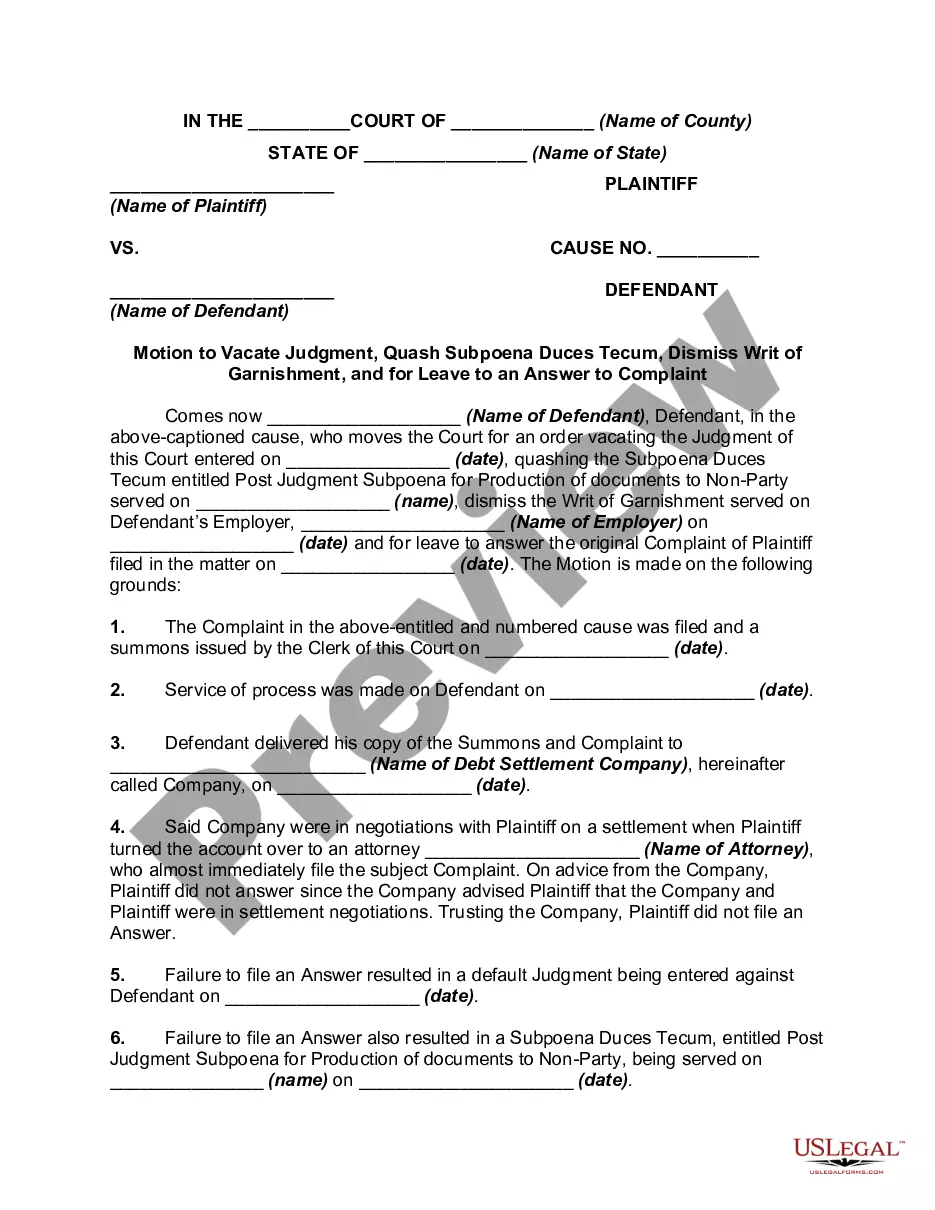
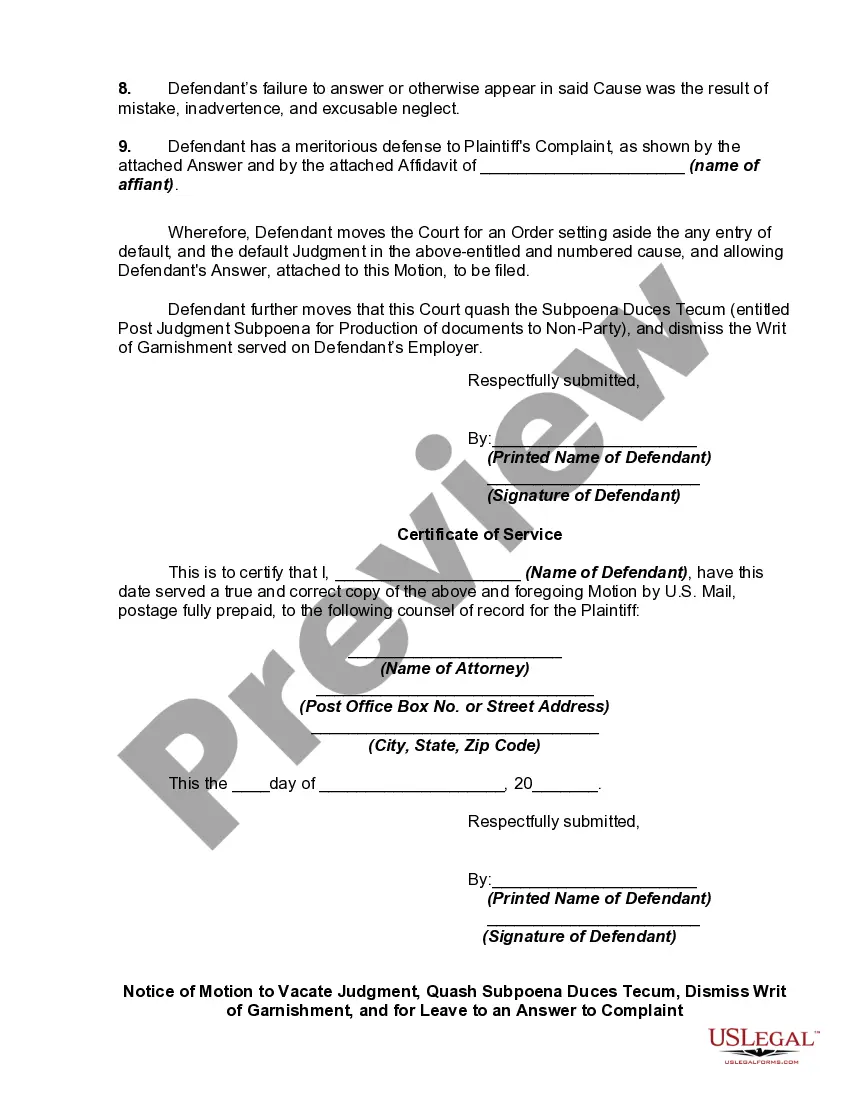
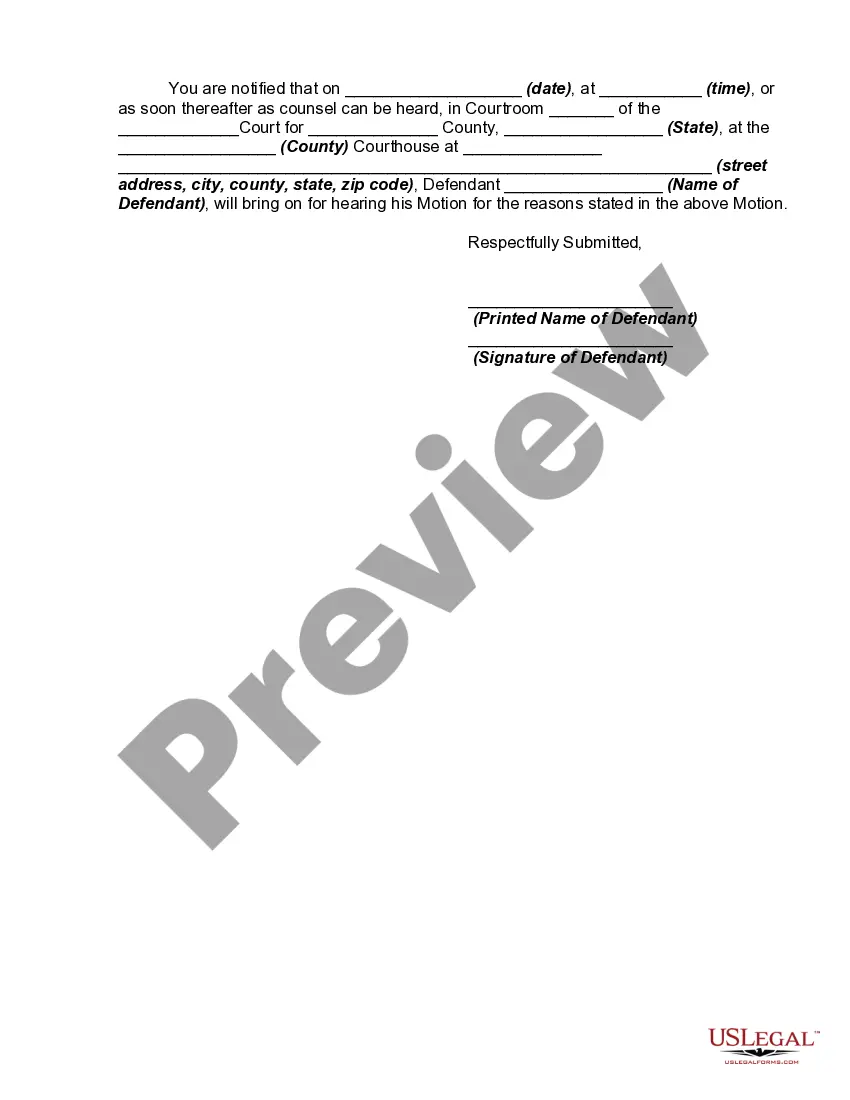
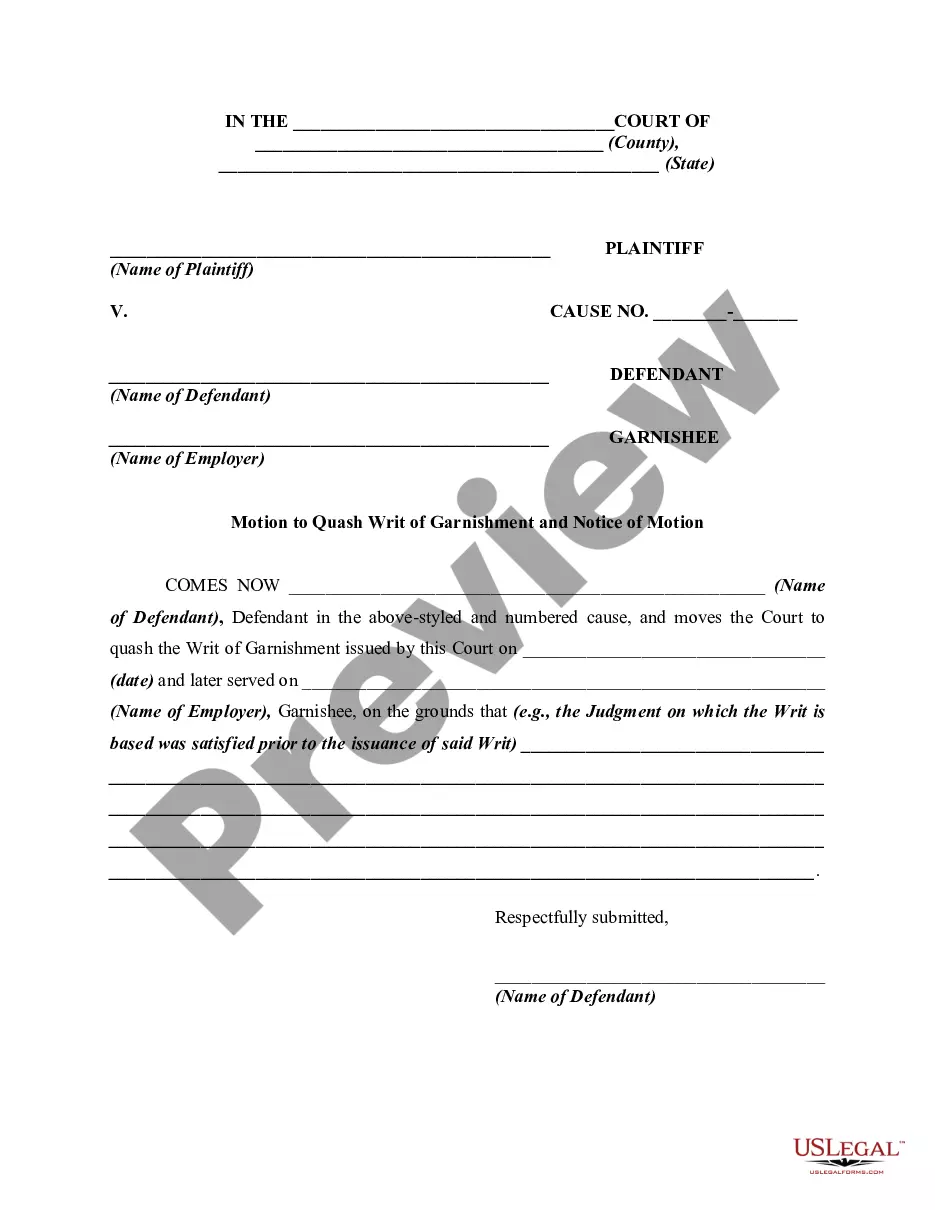
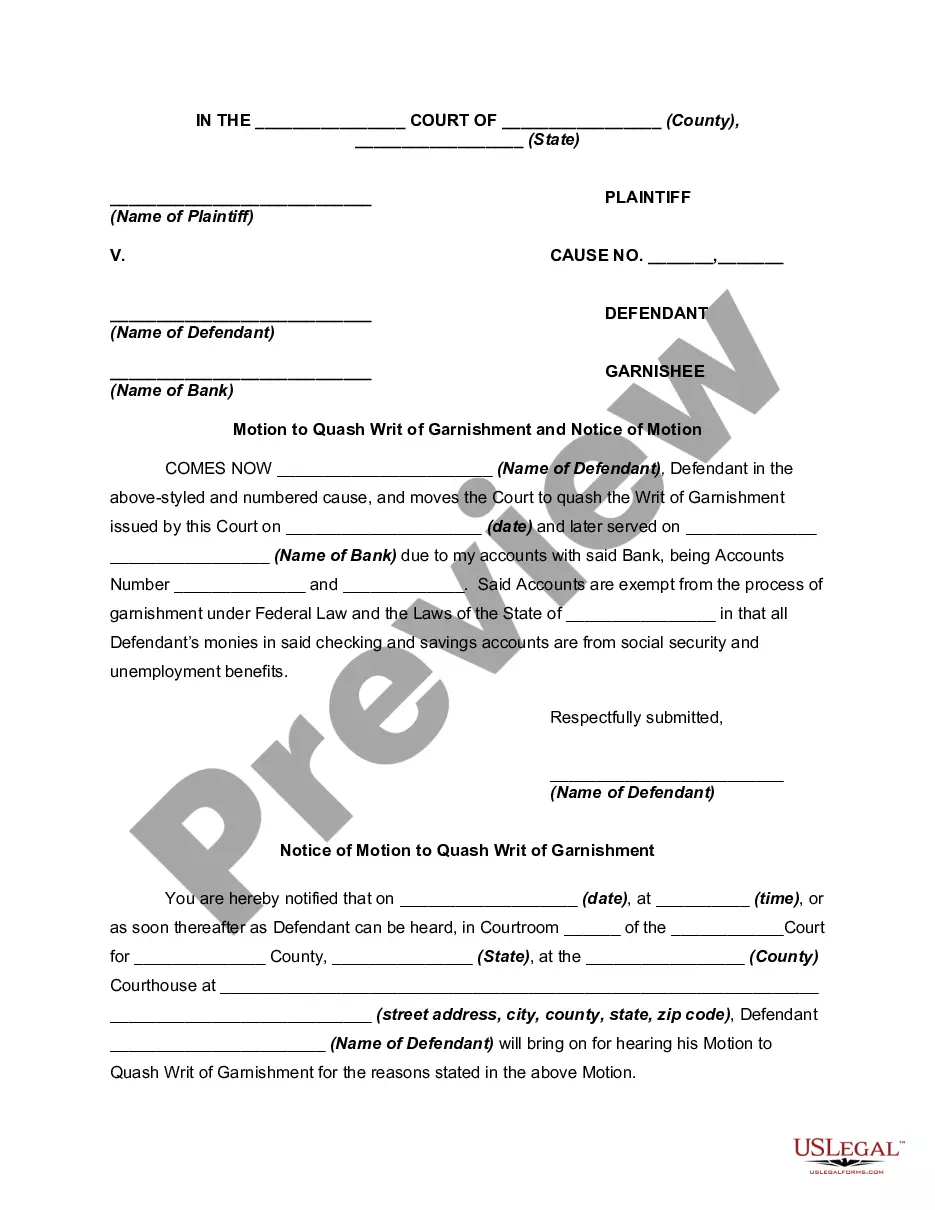
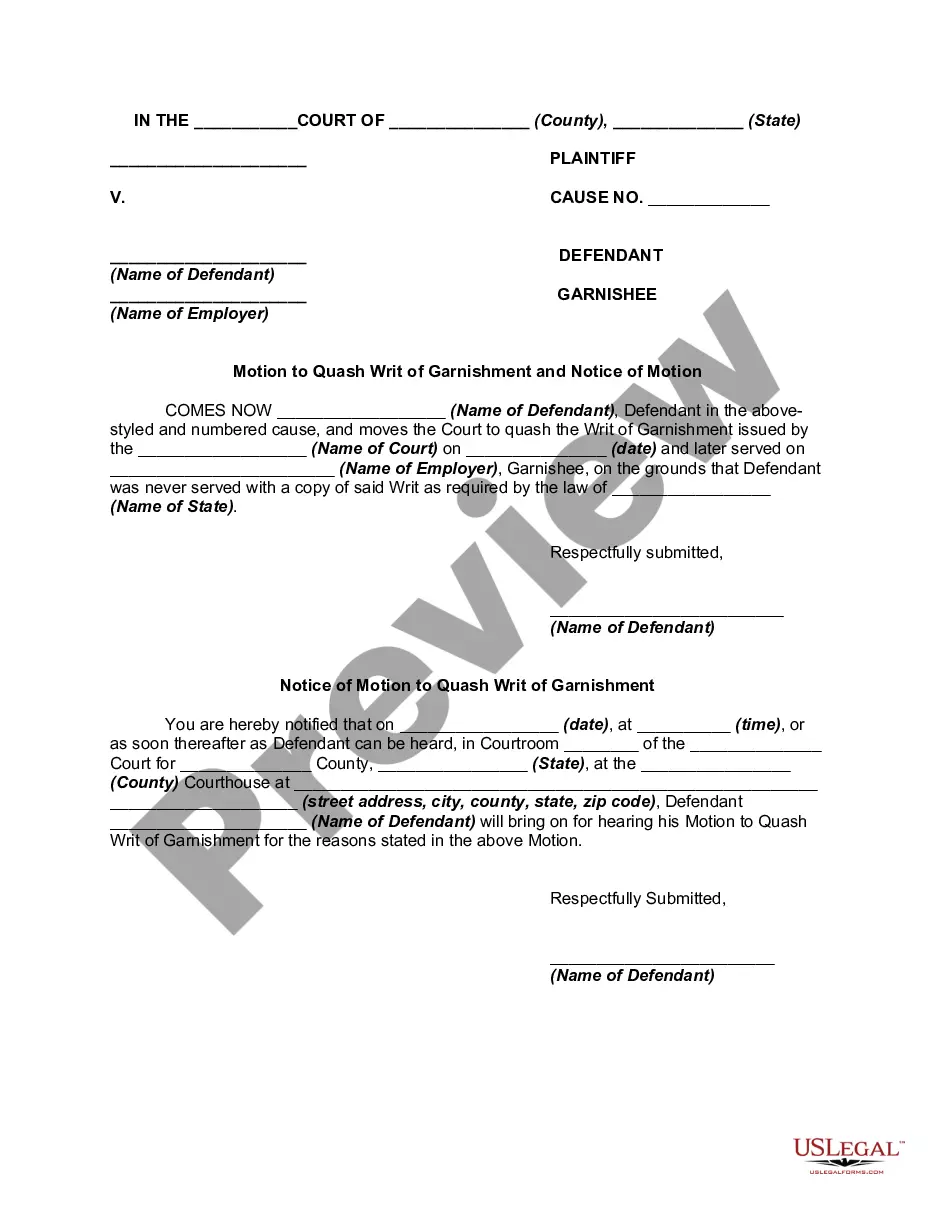
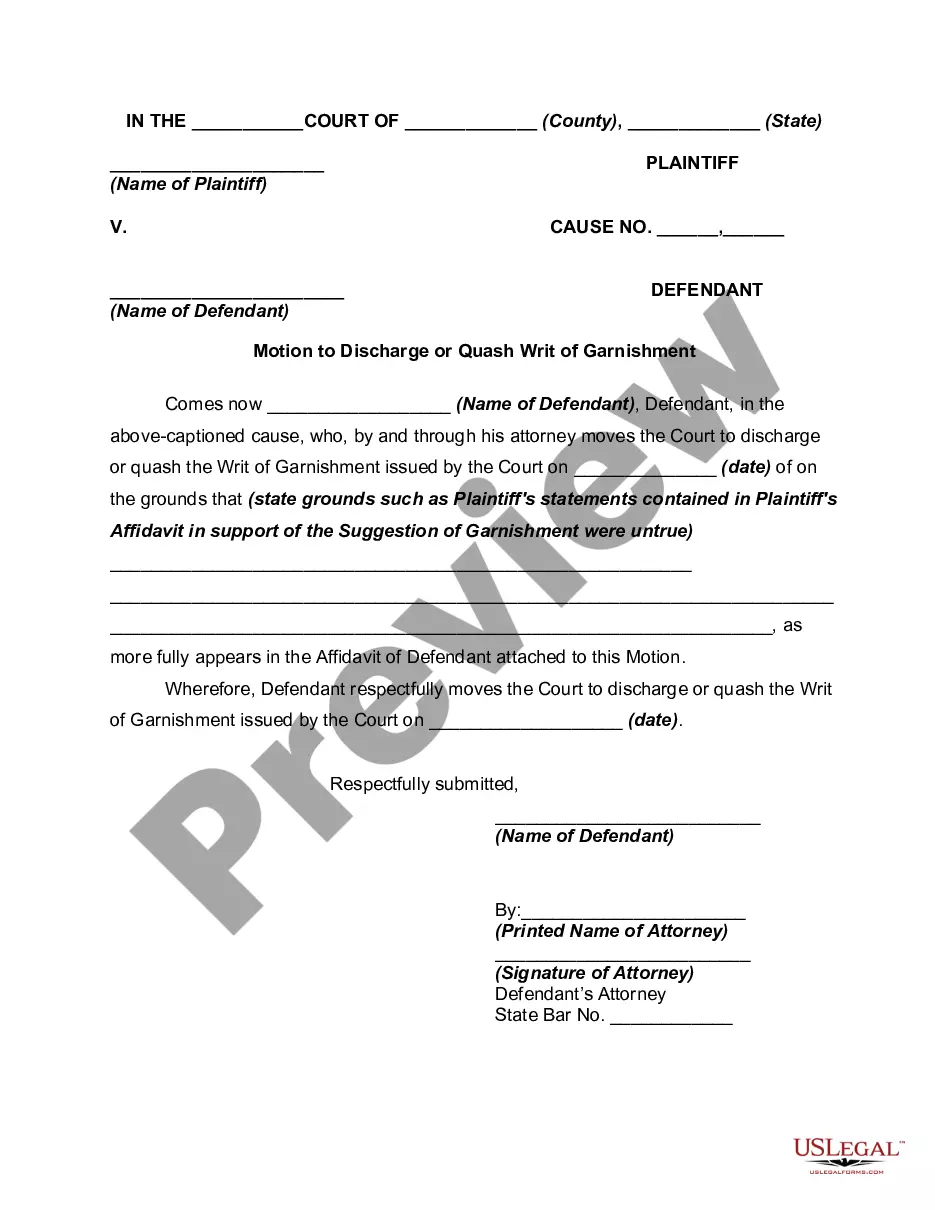
How to fill out Motion To Vacate Judgment, Quash Subpoena Duces Tecum, Dismiss Writ Of Garnishment, And For Leave To File An Answer To Complaint?
The Response Court Motion For Protective Order displayed on this page is a versatile 공식 template created by skilled attorneys in compliance with federal and local laws.
For over 25 years, US Legal Forms has offered individuals, entities, and legal experts with over 85,000 authorized, state-specific documents suitable for any business and personal situation. It’s the fastest, easiest, and most dependable method to acquire the records you require, as the service ensures the utmost level of data protection and anti-malware security.
Use the same document again whenever required. Access the My documents tab in your profile to redownload any forms previously acquired.
- Search for the document you require and examine it.
- Browse through the file you sought and preview it or check the document description to confirm it meets your needs. If not, utilize the search bar to locate the correct one. Click Buy Now when you have found the template you need.
- Choose a subscription and Log In.
- Select the pricing option that fits you and create an account. Use PayPal or a credit card for a swift payment. If you already possess an account, Log In and review your subscription to proceed.
- Obtain the editable template.
Form popularity
FAQ
Protective order discovery refers to the process during which parties gather information relevant to a protective order case. This could involve obtaining documents, testimony, or other evidence necessary to establish context or counterclaims. Being informed about this process can enhance your ability to answer a court motion for a protective order successfully.
We don't like Motions to Compel. Judges don't like them, and neither do the opposing parties we bring them against. But they are, sometimes, required to be brought in cases where you need information to make sure you know what facts, witnesses and documents are in a case prior to going to going to trial.
A motion for protective order is a request made by one party to the court to protect them from potentially harmful actions by the other party, usually in regards to sharing information during the legal process. This can happen when one party wants to access the other party's trade secrets.
Courts enforce their orders by imposing sanctions on a party who fails to comply. Sanctions can be monetary, such as requiring one party to pay the other parties attorneys' fees and/or imposing a monetary fine, or they can hamper a party's ability to put on their case.
(A) Upon motion of any party or person from whom discovery is sought, the board or the administrative law judge may issue any order which is necessary to protect a party or person from annoyance, embarrassment, oppression, or undue burden or expense.
A protective order is a court order issued to prevent continuing acts of family violence, human trafficking, or stalking. There are three types of protective orders in Texas: Emergency Protective Orders. Temporary Ex Parte Protective Orders.