Redemption Period Foreclosure
Description
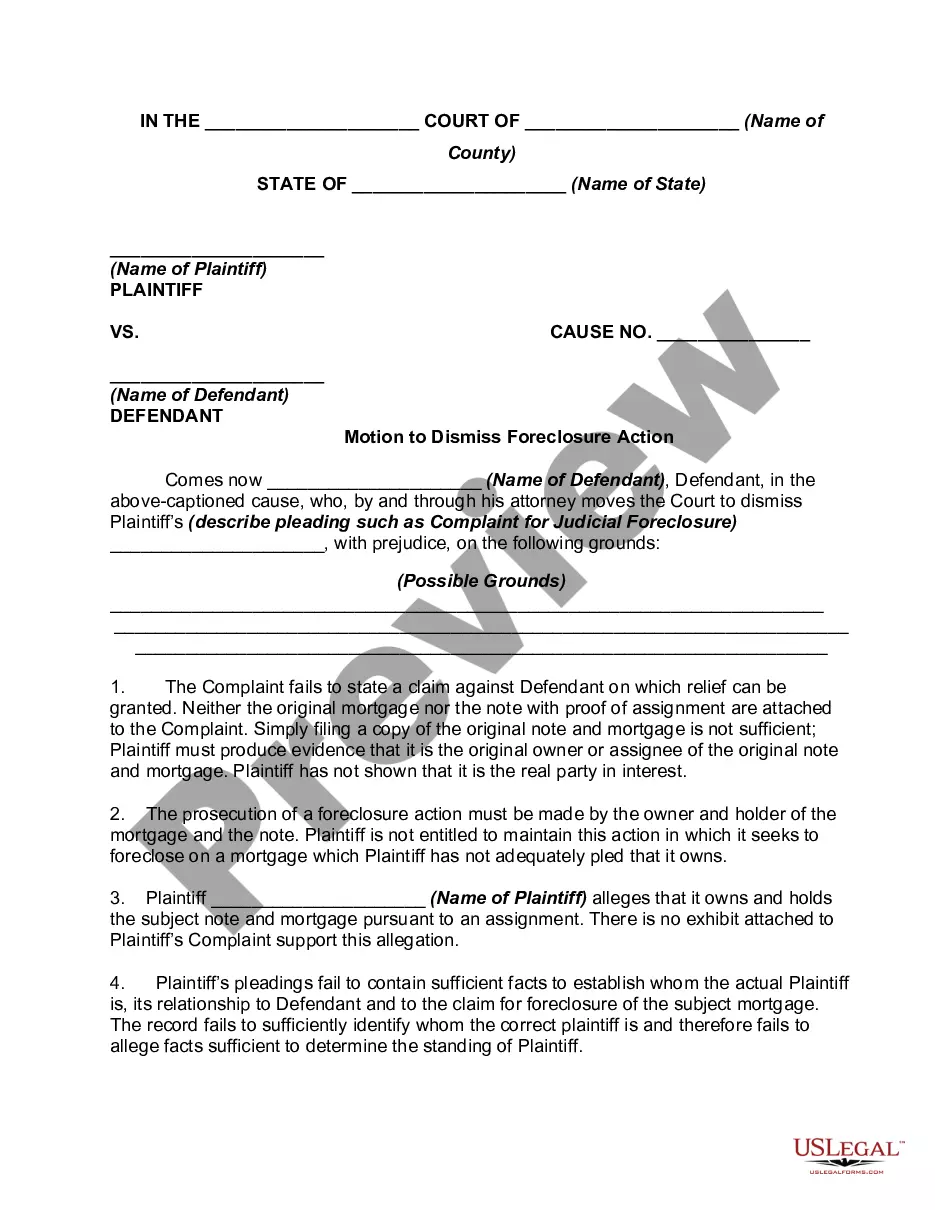
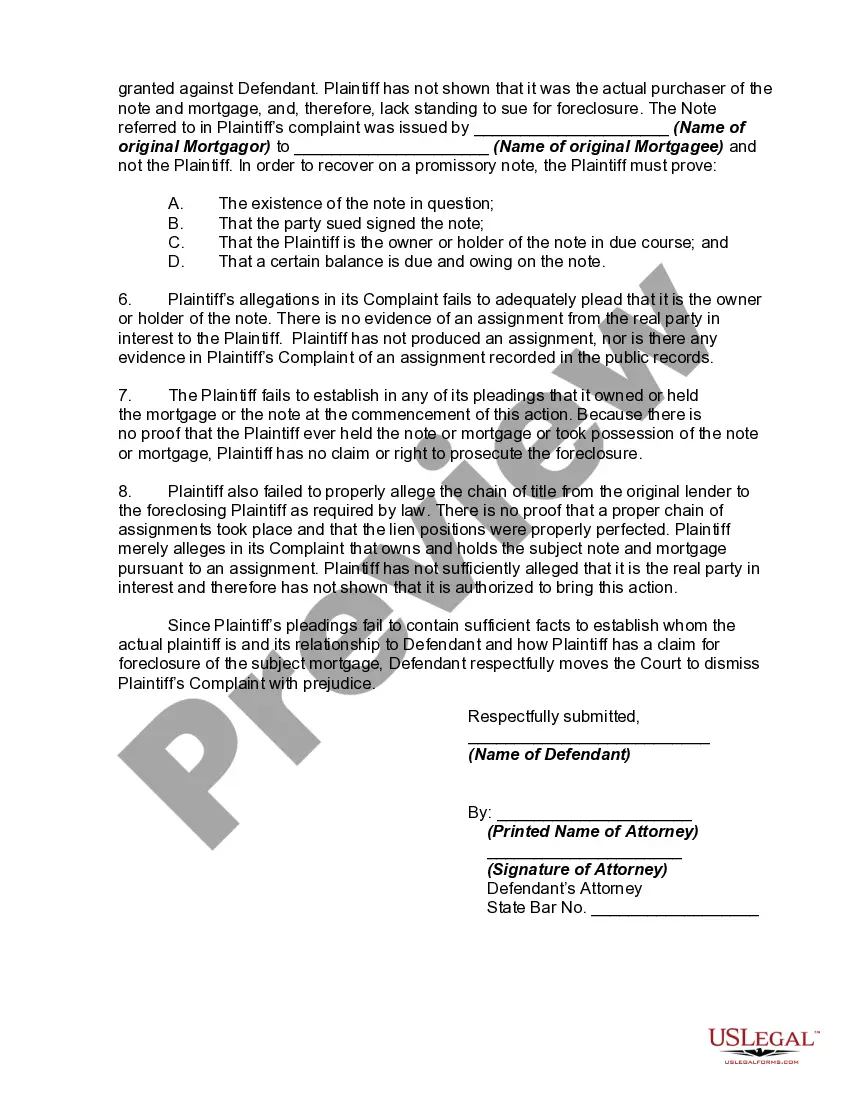
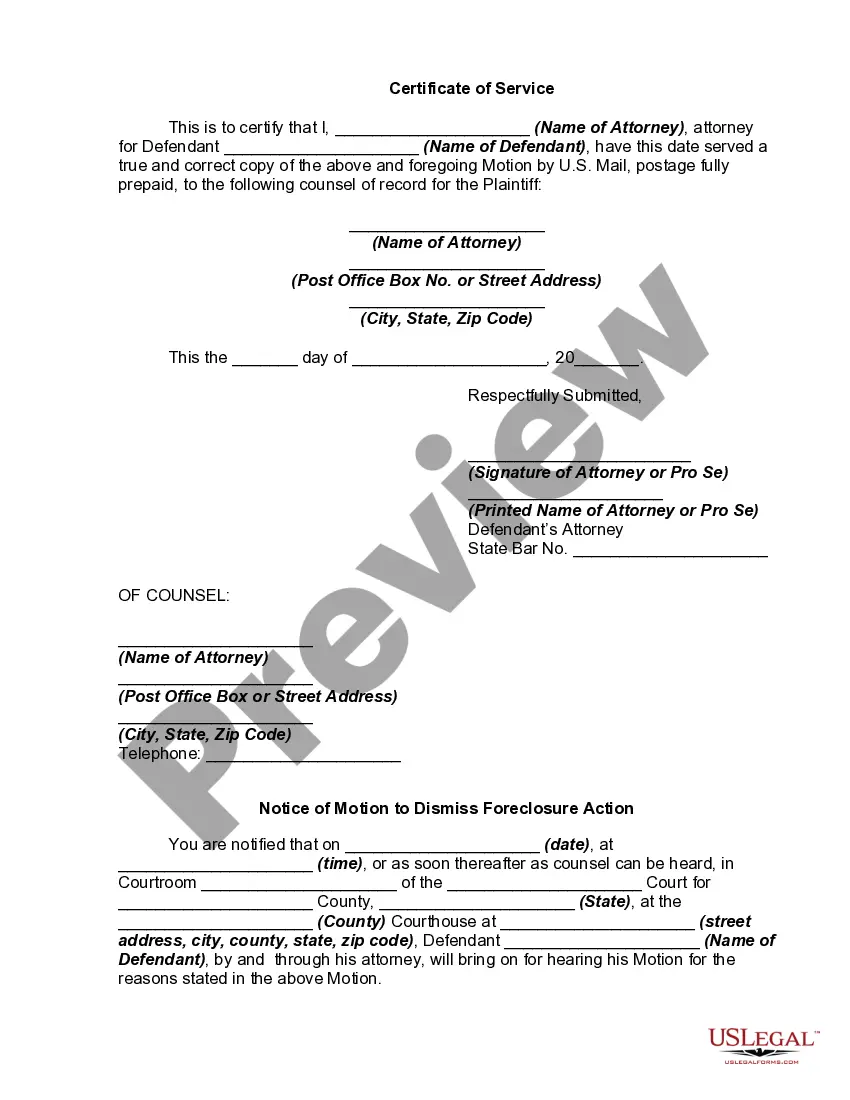
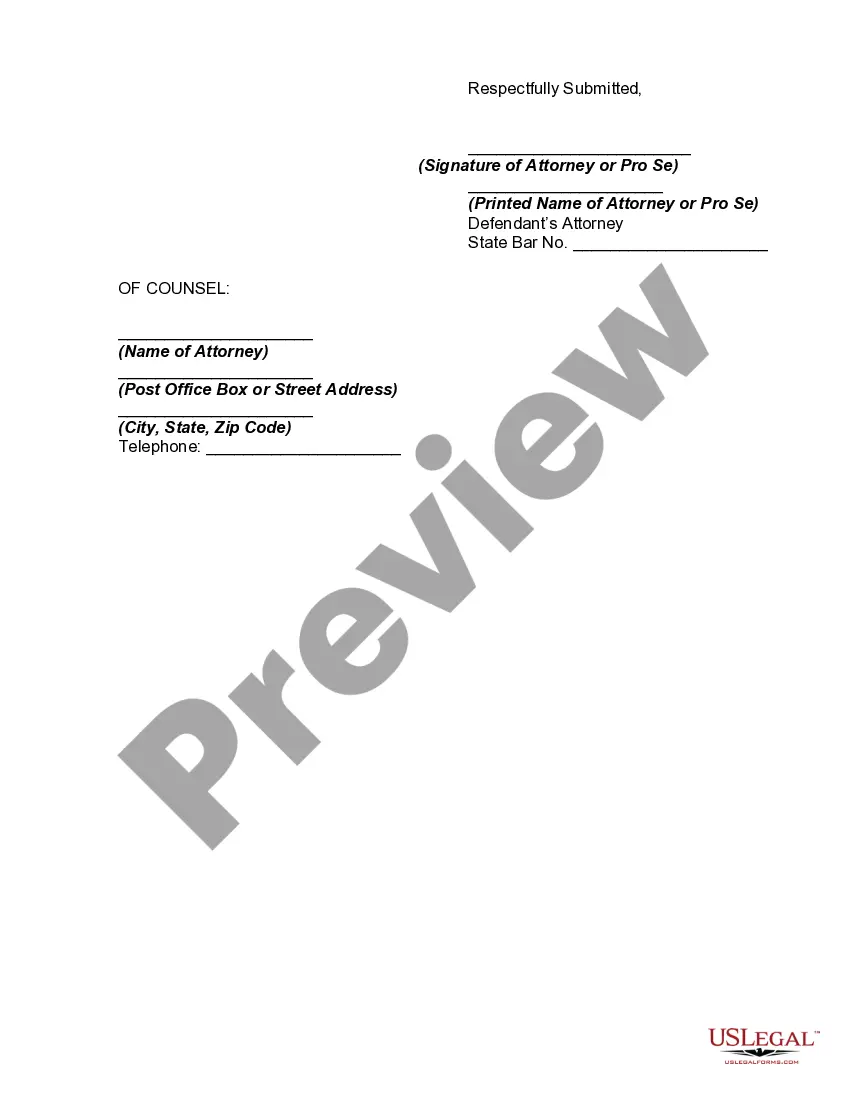
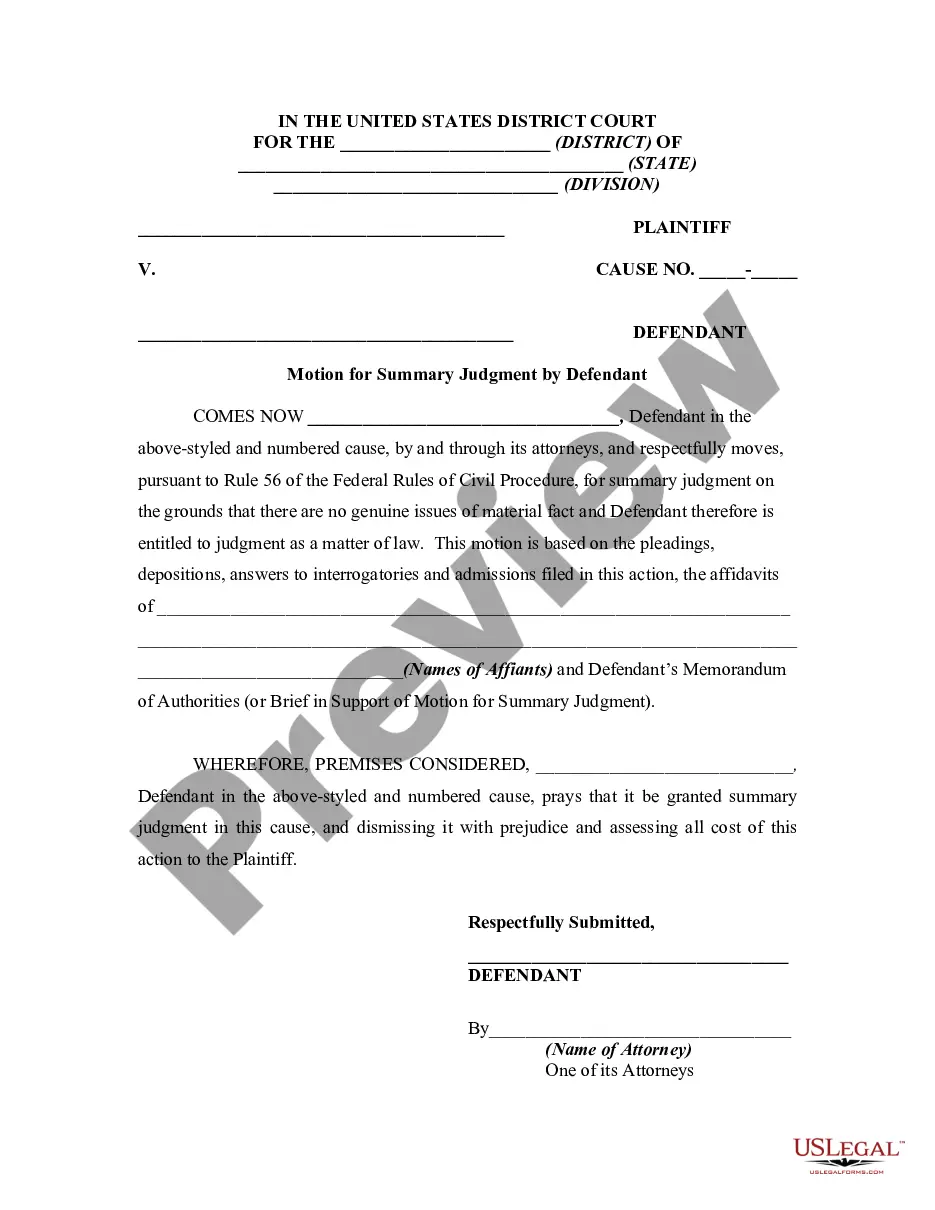
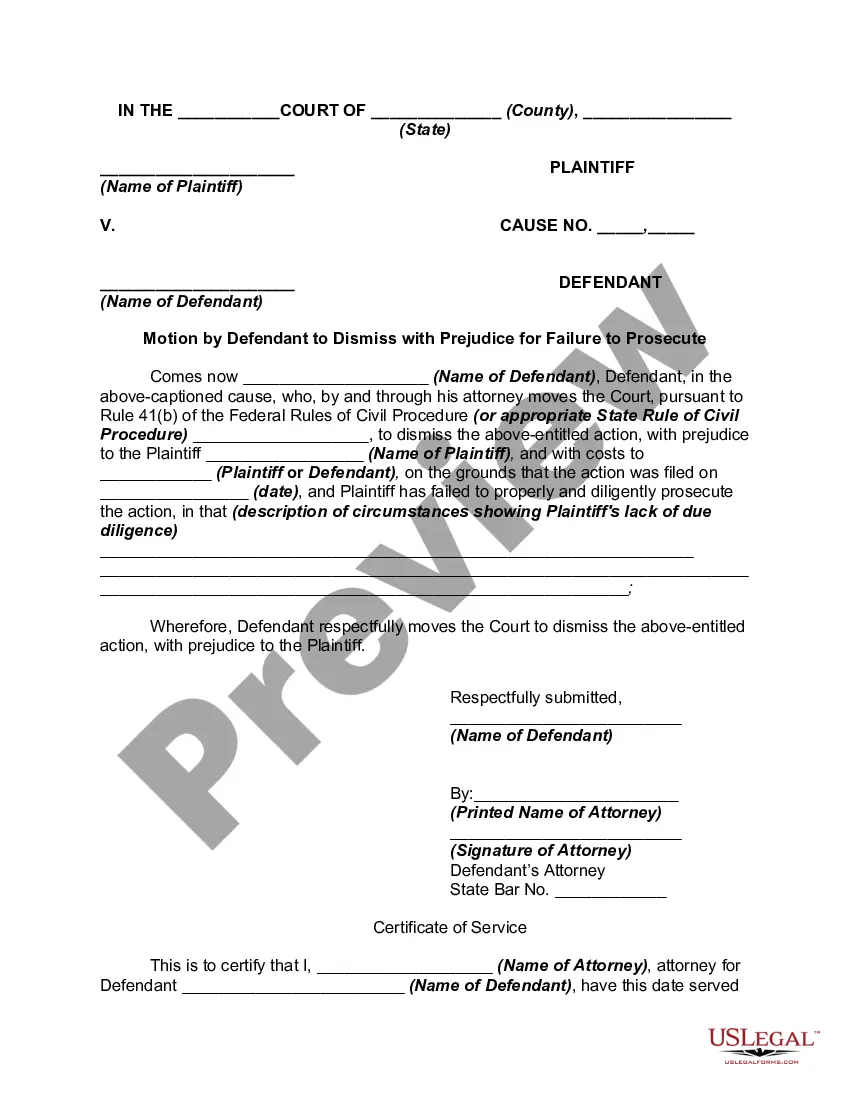
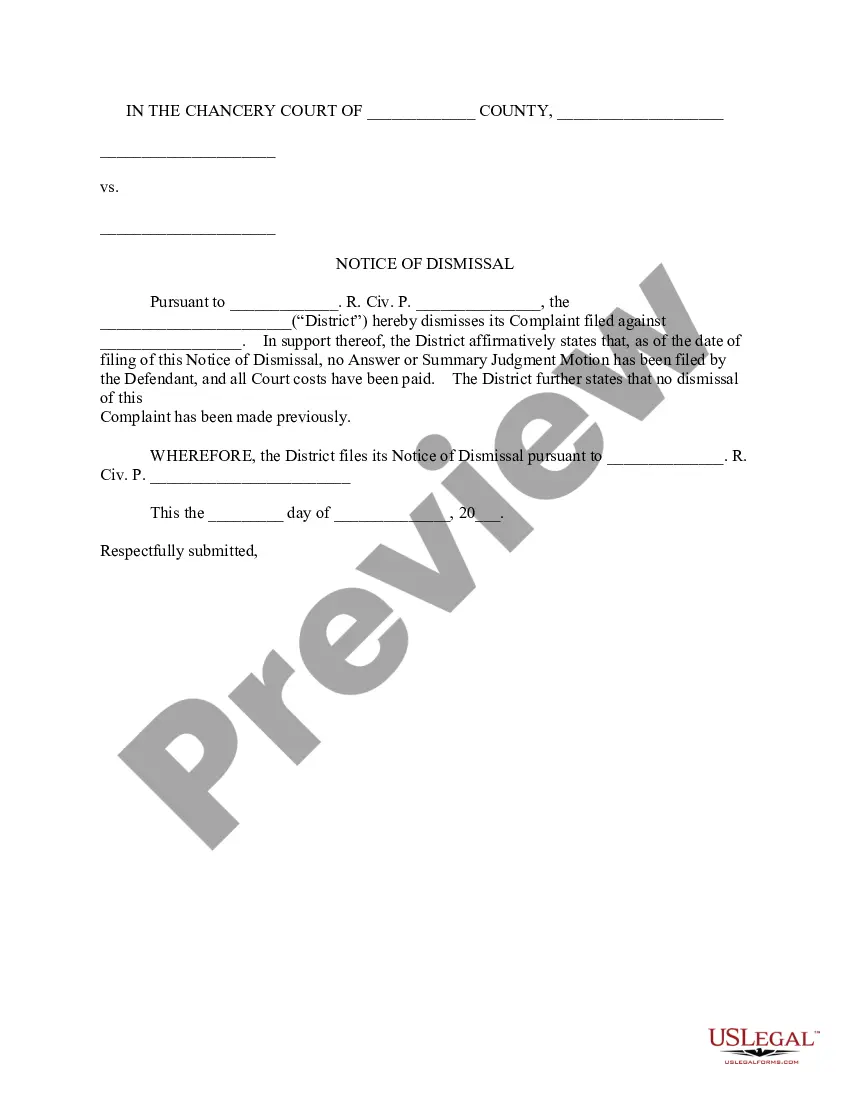
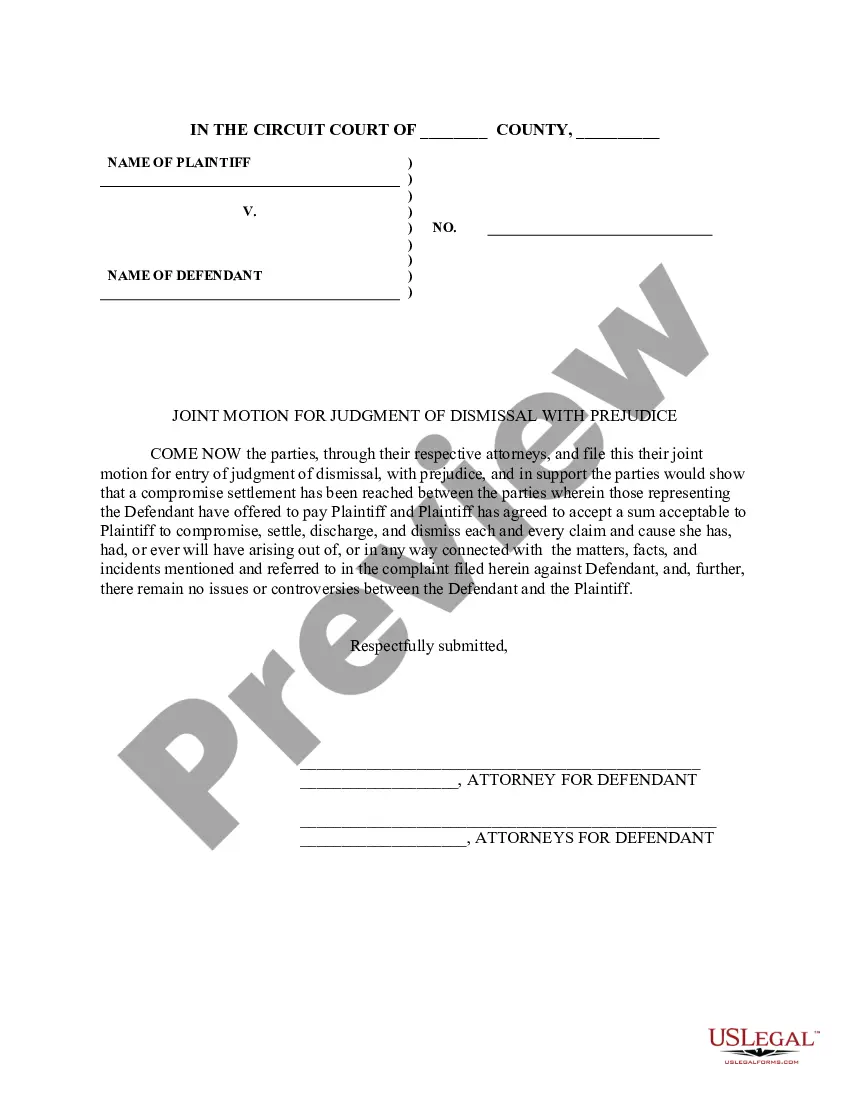
Get your form ready online
Our built-in tools help you complete, sign, share, and store your documents in one place.
Make edits, fill in missing information, and update formatting in US Legal Forms—just like you would in MS Word.
Download a copy, print it, send it by email, or mail it via USPS—whatever works best for your next step.
Sign and collect signatures with our SignNow integration. Send to multiple recipients, set reminders, and more. Go Premium to unlock E-Sign.
If this form requires notarization, complete it online through a secure video call—no need to meet a notary in person or wait for an appointment.
We protect your documents and personal data by following strict security and privacy standards.

Make edits, fill in missing information, and update formatting in US Legal Forms—just like you would in MS Word.

Download a copy, print it, send it by email, or mail it via USPS—whatever works best for your next step.

Sign and collect signatures with our SignNow integration. Send to multiple recipients, set reminders, and more. Go Premium to unlock E-Sign.

If this form requires notarization, complete it online through a secure video call—no need to meet a notary in person or wait for an appointment.

We protect your documents and personal data by following strict security and privacy standards.
Looking for another form?





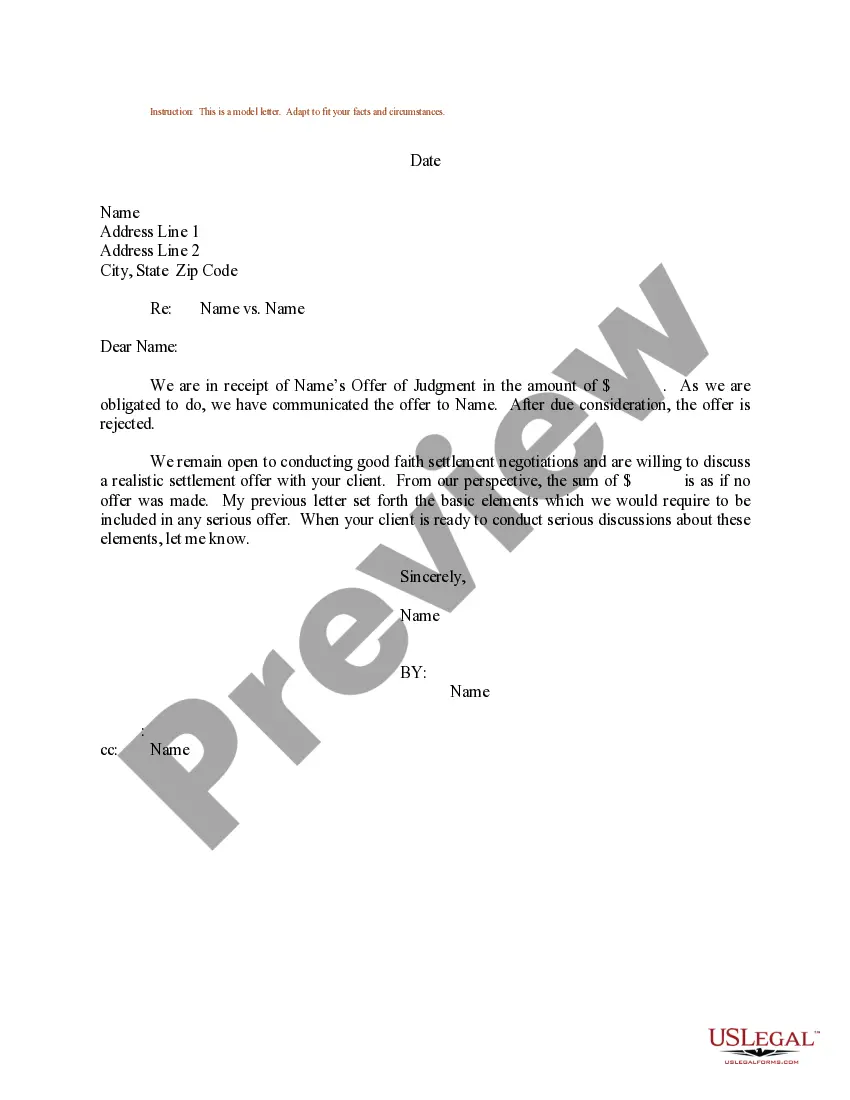


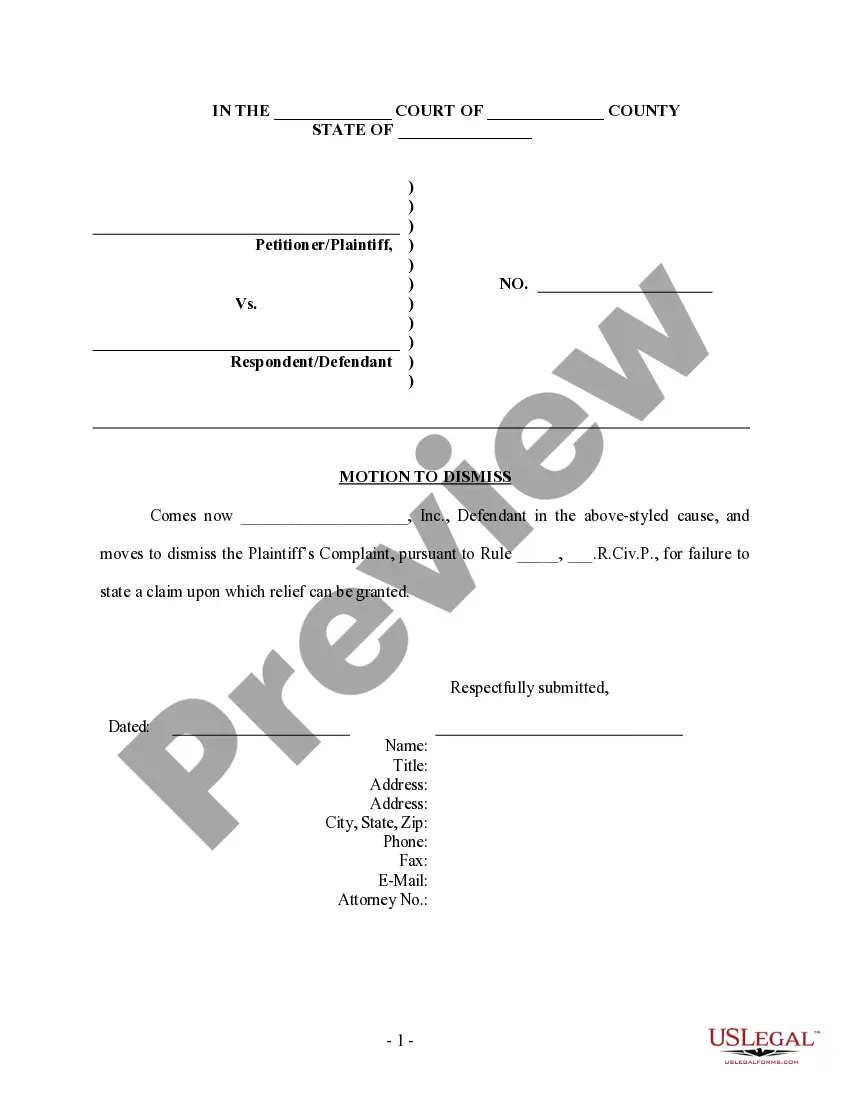
How to fill out Motion To Dismiss Foreclosure Action And Notice Of Motion?
- If you have previously registered with US Legal Forms, simply log in to your account and locate the desired form template. Ensure your subscription is active, or renew it according to your payment plan.
- For first-time users, begin by reviewing the form preview and description to identify the document that aligns with your requirements and complies with local regulations.
- Use the Search tab if you need a different template; find the right one to ensure your documents meet all necessary standards.
- Proceed to purchase by clicking 'Buy Now' and selecting your preferred subscription plan. You will need to register for an account to unlock full access.
- Complete the purchase by entering your credit card information or choosing to use your PayPal account.
- Finally, download the template to your device and access it at any time via the My Forms section of your profile.
In conclusion, utilizing US Legal Forms allows you to efficiently navigate the redemption period foreclosure with confidence. Their extensive library and expert assistance empower users to quickly create precise legal documents suited to their needs.
Start your journey today and experience the ease of obtaining legal forms by visiting US Legal Forms.
Form popularity
FAQ
The 37 day foreclosure rule refers to a specific time frame related to foreclosure proceedings in certain jurisdictions. Generally, lenders must provide borrowers with at least 37 days' notice before initiating foreclosure actions, ensuring borrowers have time to address their situation. This period is part of the redemption period foreclosure process, allowing borrowers to explore their options for saving their property. Always consult resources like US Legal Forms for complete information on your rights and responsibilities during foreclosure.
Not every state grants the right to redeem property before the foreclosure sale. The redemption period foreclosure laws vary significantly across states. Some states allow borrowers to reclaim their homes during a specific time frame, while others may not offer this opportunity at all. Therefore, it is crucial to understand your state's unique laws regarding foreclosure and redemption.
In Minnesota, the redemption period generally extends for six months to one year, contingent on the type of foreclosure. For most homeowners, it provides crucial time to negotiate with lenders, explore refinance options, or gather necessary funds. If you find yourself in this situation, using resources like USLegalForms can guide you through the redemption period foreclosure process. Being informed and proactive can make a significant difference in your ability to reclaim your property.
Historically, the redemption period varied by state and jurisdiction, often ranging from a few weeks to several months. It provided homeowners a chance to recover their property after defaulting on their mortgage. Understanding the redemption period foreclosure is vital for homeowners facing financial difficulties, as it can directly impact their options. Knowing your rights during this time may aid in making informed financial decisions.
Exceptions to the 120-day foreclosure rule include specific types of properties, such as those that are not the primary residence. Additionally, properties involved in tax liens or government-held mortgages may not benefit from this rule. Understanding these exceptions can be critical when navigating the redemption period foreclosure. It's beneficial to consult with real estate experts to clarify your rights and options.
In Tennessee, foreclosures can occur through a non-judicial process or judicial route. The non-judicial process allows lenders to sell properties without court intervention, often after a redemption period foreclosure. During the foreclosure process, homeowners receive notices and have specific rights, including the right to redeem their homes. Engaging with legal professionals or platforms like US Legal Forms can guide homeowners through this complex situation effectively.
The 120-day rule typically applies to deeds of trust and mortgages in foreclosure situations. This rule states that homeowners can reclaim their property within 120 days following a foreclosure sale, ensuring they have the opportunity to address outstanding debts. Additionally, this assists in stabilizing property markets by allowing for a redemption period foreclosure. Understanding the implications of this rule is vital for homeowners seeking to protect their investments.
Yes, homeowners can sell a property during the redemption period foreclosure; however, they must first satisfy any existing debts associated with the mortgage. Selling during this time can provide financial relief and help clear outstanding debts. However, it is crucial to understand the implications of the transaction and consult with legal experts or platforms like US Legal Forms for proper guidance and documentation.
The IRS right to redeem in foreclosure enables the government to reclaim property after a tax foreclosure sale. This right grants the IRS a limited timeframe during which they can reclaim the property by paying the amount due, ensuring that tax obligations are fulfilled. Homeowners should be aware of this potential situation, as the IRS right impacts the overall redemption period foreclosure and any financial decisions they may need to make.
Redemption in foreclosure allows homeowners to regain their property by paying off the total outstanding mortgage balance, including any fees and costs, before the redemption period foreclosure expires. This process gives borrowers a chance to save their home and regain ownership despite falling behind on payments. Homeowners should consult relevant resources to understand the specific requirements and timeframes necessary for effective redemption.