Redemption Period Extrajudicial Foreclosure
Description
Get your form ready online
Our built-in tools help you complete, sign, share, and store your documents in one place.
Make edits, fill in missing information, and update formatting in US Legal Forms—just like you would in MS Word.
Download a copy, print it, send it by email, or mail it via USPS—whatever works best for your next step.
Sign and collect signatures with our SignNow integration. Send to multiple recipients, set reminders, and more. Go Premium to unlock E-Sign.
If this form requires notarization, complete it online through a secure video call—no need to meet a notary in person or wait for an appointment.
We protect your documents and personal data by following strict security and privacy standards.

Make edits, fill in missing information, and update formatting in US Legal Forms—just like you would in MS Word.

Download a copy, print it, send it by email, or mail it via USPS—whatever works best for your next step.

Sign and collect signatures with our SignNow integration. Send to multiple recipients, set reminders, and more. Go Premium to unlock E-Sign.

If this form requires notarization, complete it online through a secure video call—no need to meet a notary in person or wait for an appointment.

We protect your documents and personal data by following strict security and privacy standards.
Looking for another form?



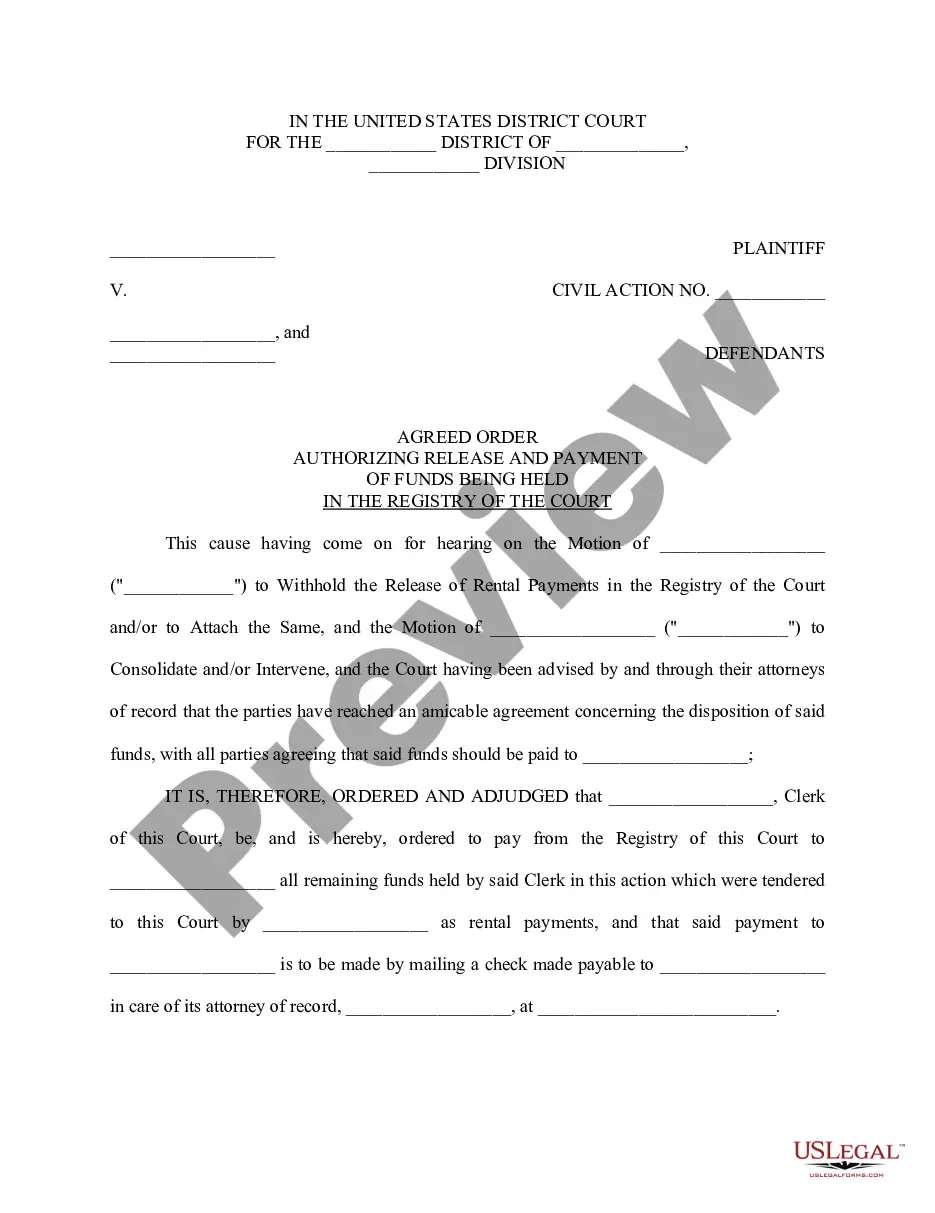




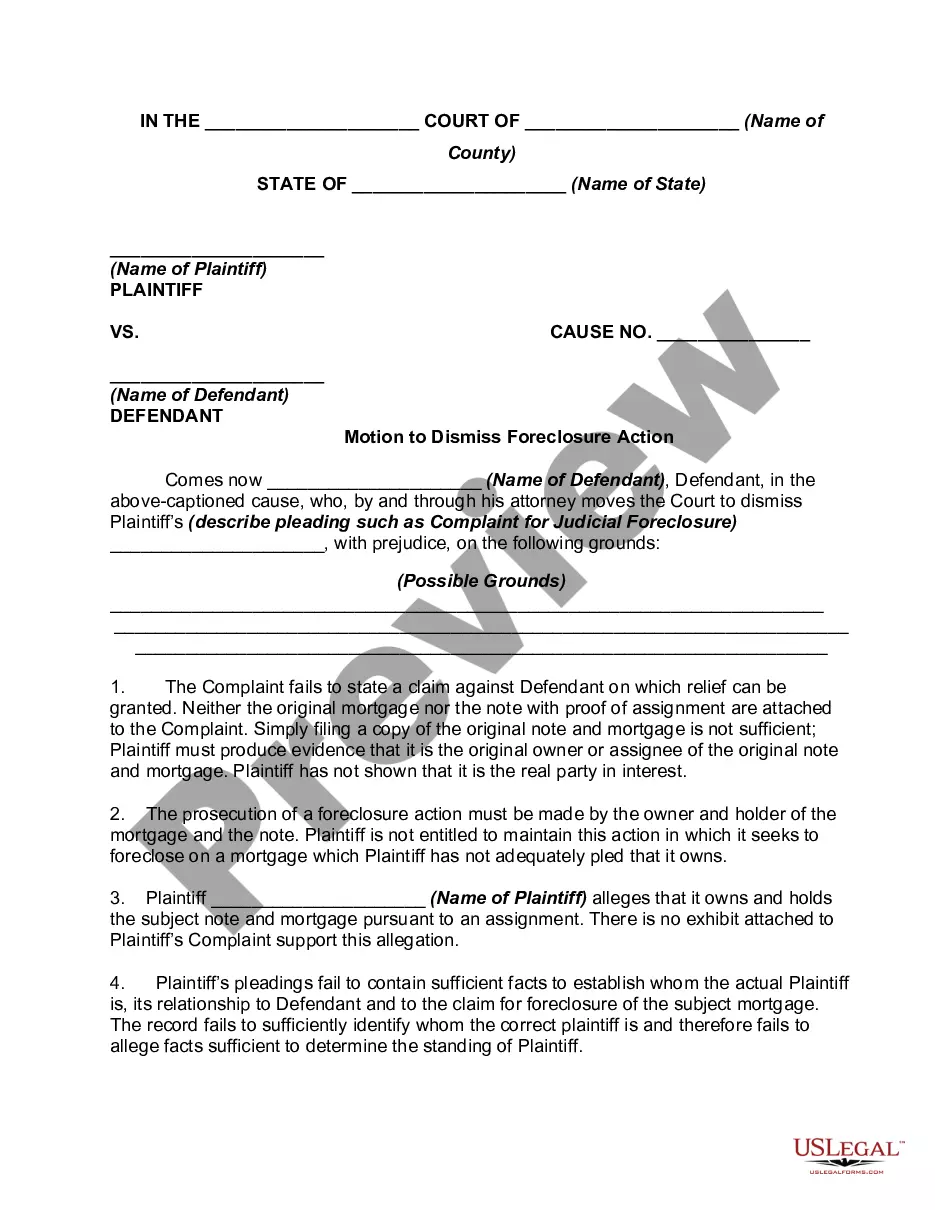
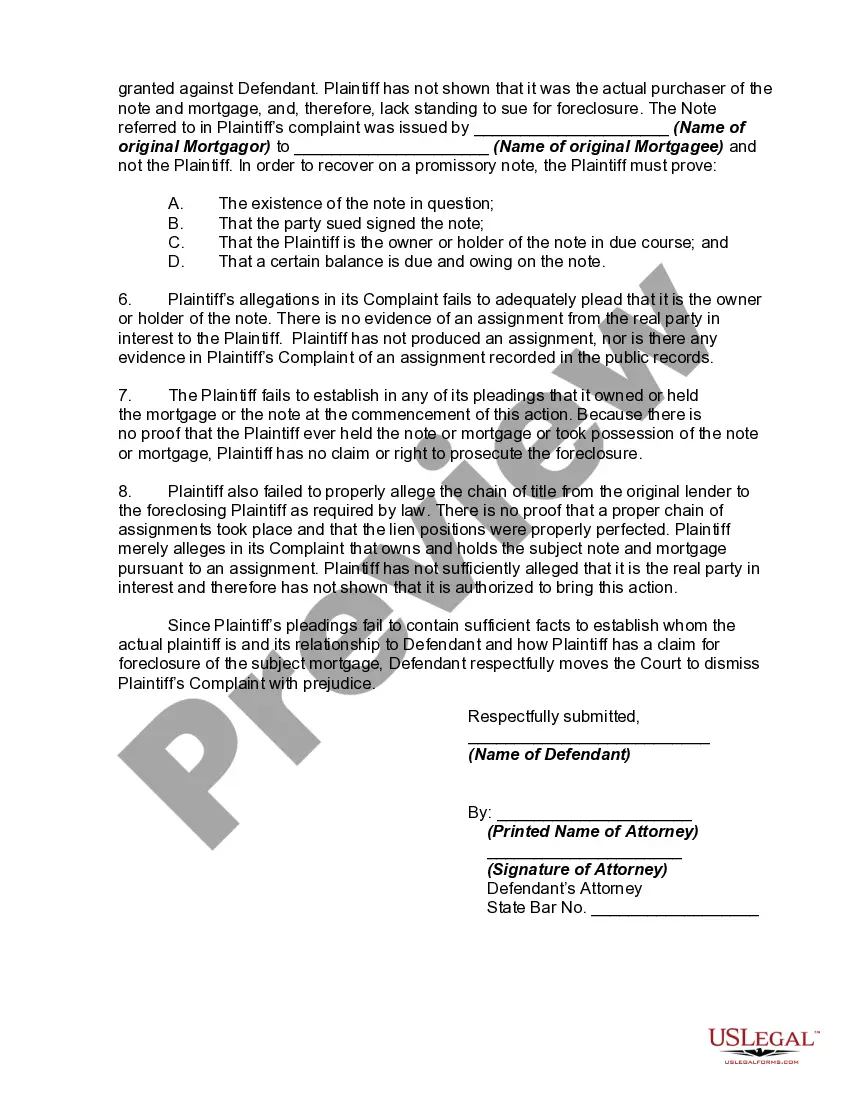
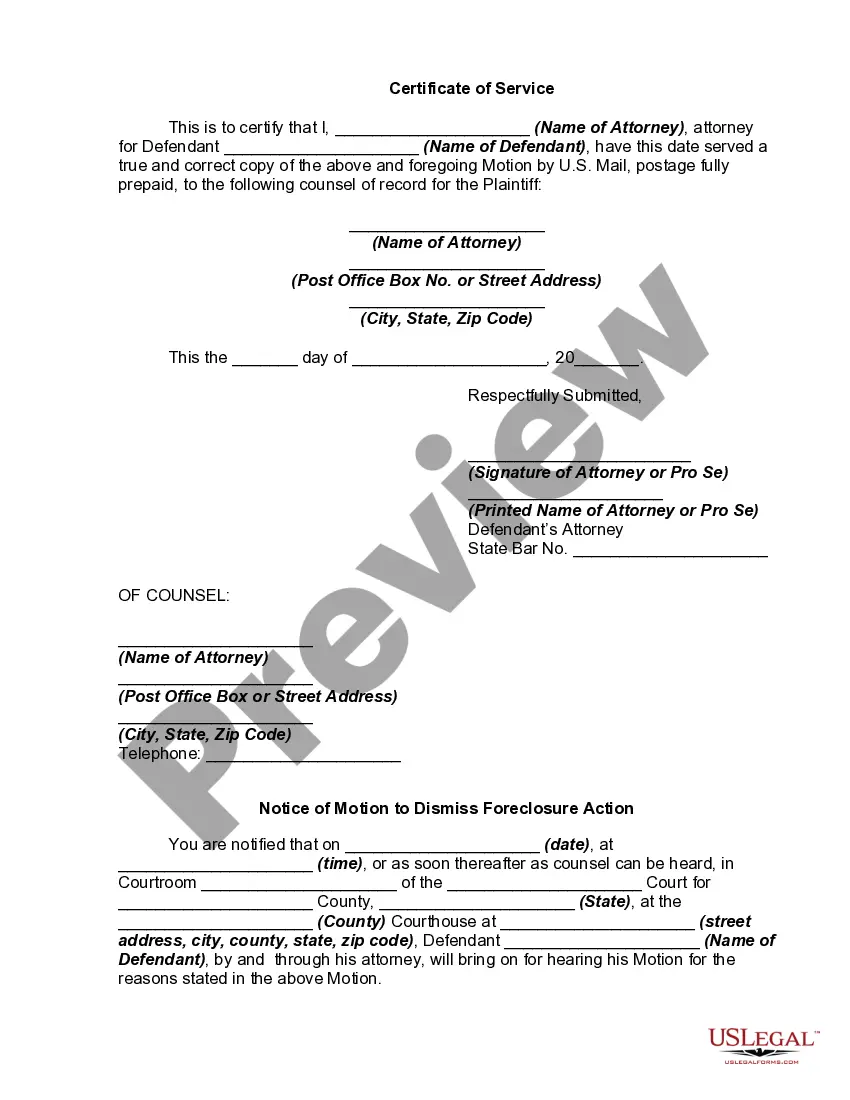
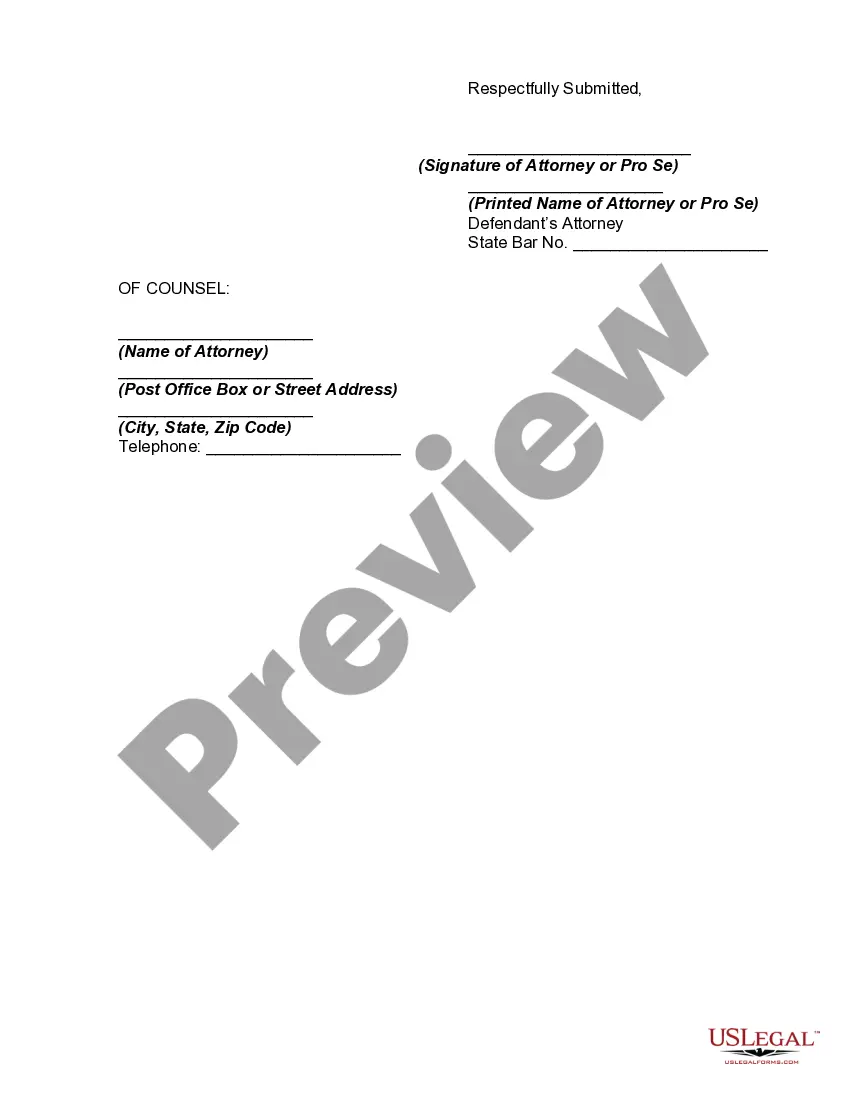
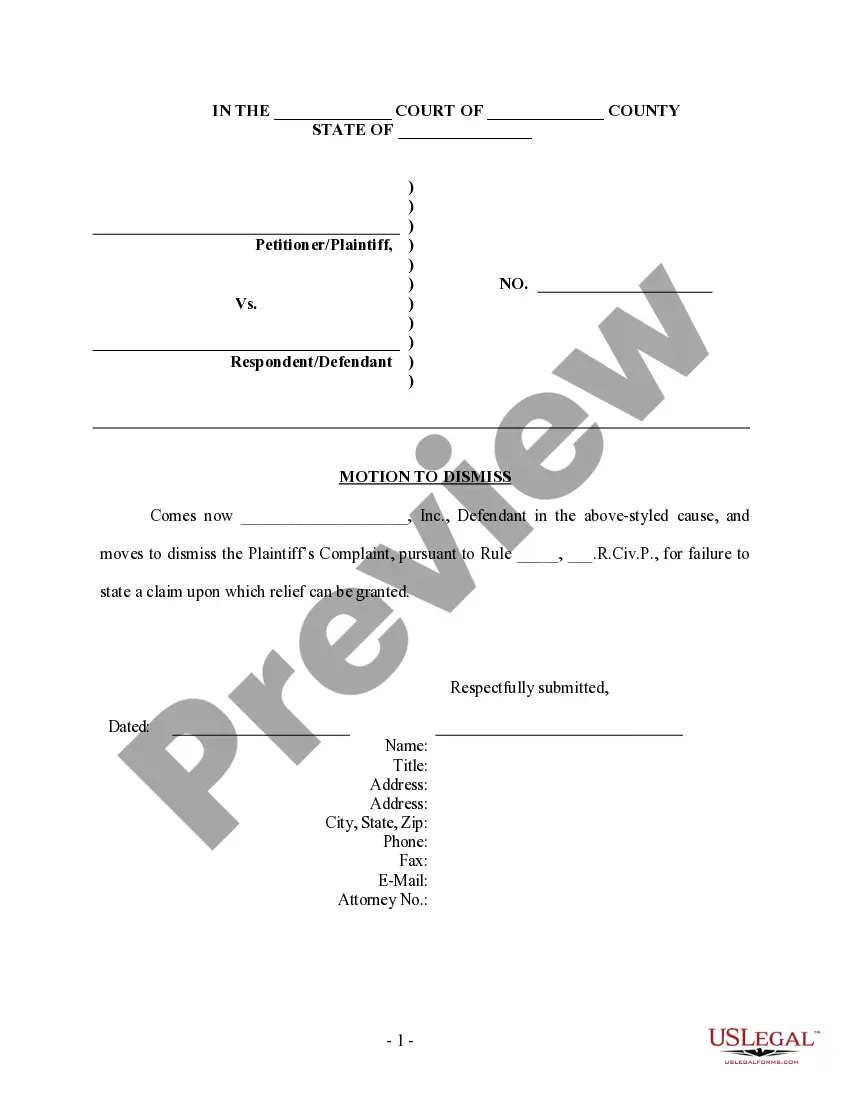
How to fill out Motion To Dismiss Foreclosure Action And Notice Of Motion?
- If you are a returning user, log in to your account and locate the necessary form template by clicking the Download button. Ensure your subscription is active; if not, renew per your payment plan.
- For first-time users, start by previewing the suitable form and reading its description. Confirm it meets your requirements and aligns with your local jurisdiction.
- Should you need another template, utilize the Search tab to find alternative forms. Make sure it fits your needs before proceeding.
- Once you've found the appropriate document, click on the Buy Now button and select your preferred subscription plan. Registration for an account will grant you access to additional resources.
- Finalize your purchase by entering your credit card information or using your PayPal account for payment.
- Download your completed form and save it to your device. You can access it later via the My Forms section of your profile.
By leveraging US Legal Forms, you can ensure your legal needs are met efficiently and effectively. With expert support available, you can create precise and legally sound documents with ease.
Start your journey today by visiting US Legal Forms and streamline your legal document process!
Form popularity
FAQ
The 37-day rule refers to a legal requirement in some jurisdictions that relates to the notice period before initiating foreclosure procedures. Understanding this rule is essential, especially in relation to the redemption period extrajudicial foreclosure, as it sets the stage for homeowners to respond to impending auctions. This timeframe allows individuals to seek assistance and avoid losing their property. Consulting legal services can provide clarity on your rights and options.
California introduced new foreclosure laws that impact the redemption period extrajudicial foreclosure. These regulations aim to provide greater protections for homeowners, including mandatory outreach requirements and extended timelines for mortgage assistance. Being aware of these changes can empower homeowners to address their financial challenges proactively. Local resources can further help navigate these updates effectively.
In New Jersey, homeowners typically enjoy the right of redemption even after a foreclosure sale, as per the redemption period extrajudicial foreclosure. They can redeem their property by paying the outstanding debt within a specific timeframe, usually within three months post-sale. This law offers a vital safety net for homeowners facing foreclosure. It is essential to understand the process and requirements to take full advantage of this right.
Certain exceptions exist within the 120-day timeline established for foreclosures, influencing the redemption period extrajudicial foreclosure. For example, some states allow expedited procedures in cases of vacant properties or severe delinquency. Homeowners must be aware of their specific situation and consult legal guidance to navigate exceptions effectively. Understanding these nuances can help in managing financial obligations.
The timeline for foreclosure can indeed vary greatly based on state laws and the type of foreclosure, including the redemption period extrajudicial foreclosure. In general, a foreclosure can be completed within a few months if the process is streamlined. However, factors like legal challenges or borrower negotiations can extend this timeline. Staying informed can help homeowners prepare for such outcomes.
The redemption period extrajudicial foreclosure typically lasts for a specified duration, which can vary by state. In many places, homeowners often have a window of days to redeem their property after a foreclosure sale. During this time, borrowers can settle their debts and reclaim ownership. It is crucial to act promptly to ensure your rights are protected.
Generally, during the redemption period extrajudicial foreclosure, the property cannot be sold to a new buyer until the period has expired. Homeowners retain the right to reclaim their property, which prevents the final transfer of ownership. However, in certain cases, individuals may still be able to negotiate options with potential buyers if they are clear about the redemption timeline. For detailed insights on how to manage these situations, consider exploring US Legal Forms to ensure you’re well-informed.
Yes, Texas has specific regulations regarding the foreclosure redemption period. Under Texas law, there is typically no redemption period after a judicial foreclosure; however, in extrajudicial foreclosures, homeowners may have some periods defined by local regulations. It’s essential to consult a legal expert or utilize resources from US Legal Forms to navigate these complexities regarding your particular situation. Knowing your rights can make a significant difference in securing your home.
Redemption in foreclosure allows homeowners to reclaim their property by paying the full amount owed. In California, during the redemption period extrajudicial foreclosure, this can include not only the mortgage balance but also related fees and costs. Understanding how redemption works empowers you to take action, keeping your options open and aiding your efforts to retain ownership.
In California, after a foreclosure auction, you typically have 5 days to vacate the premises. This timeline can add urgency to your actions, especially during the redemption period extrajudicial foreclosure. Knowing this timeframe helps you prepare and coordinate your next steps effectively.