Foreclosure Surplus Funds With No Tax
Description
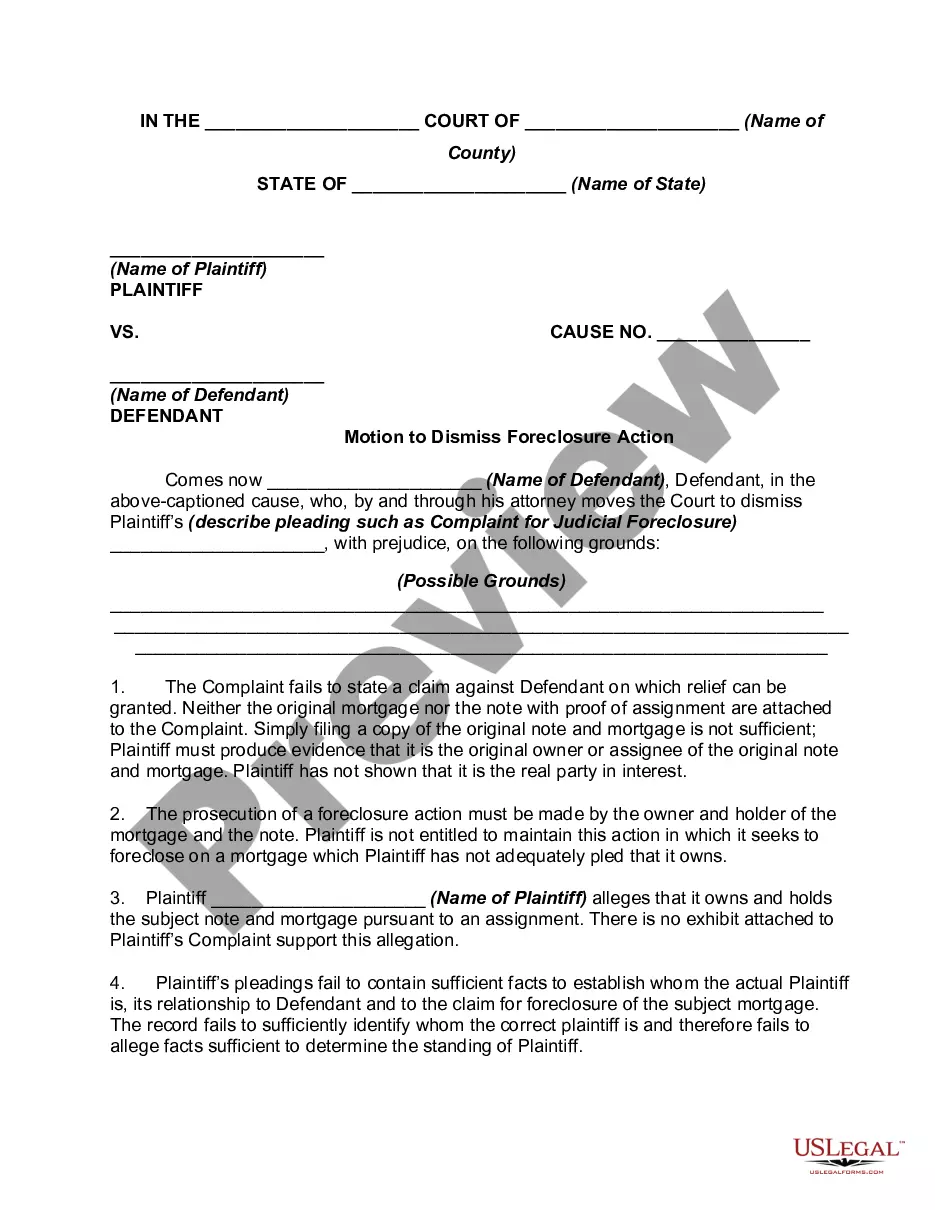
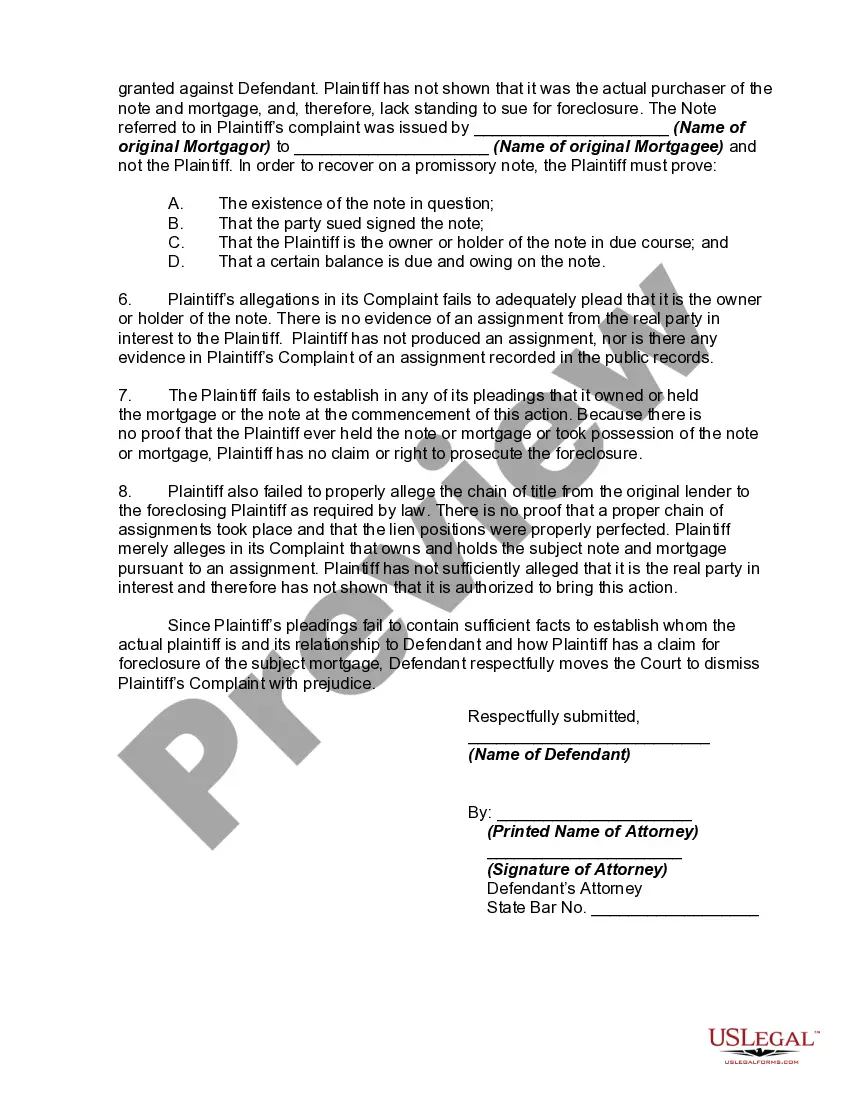
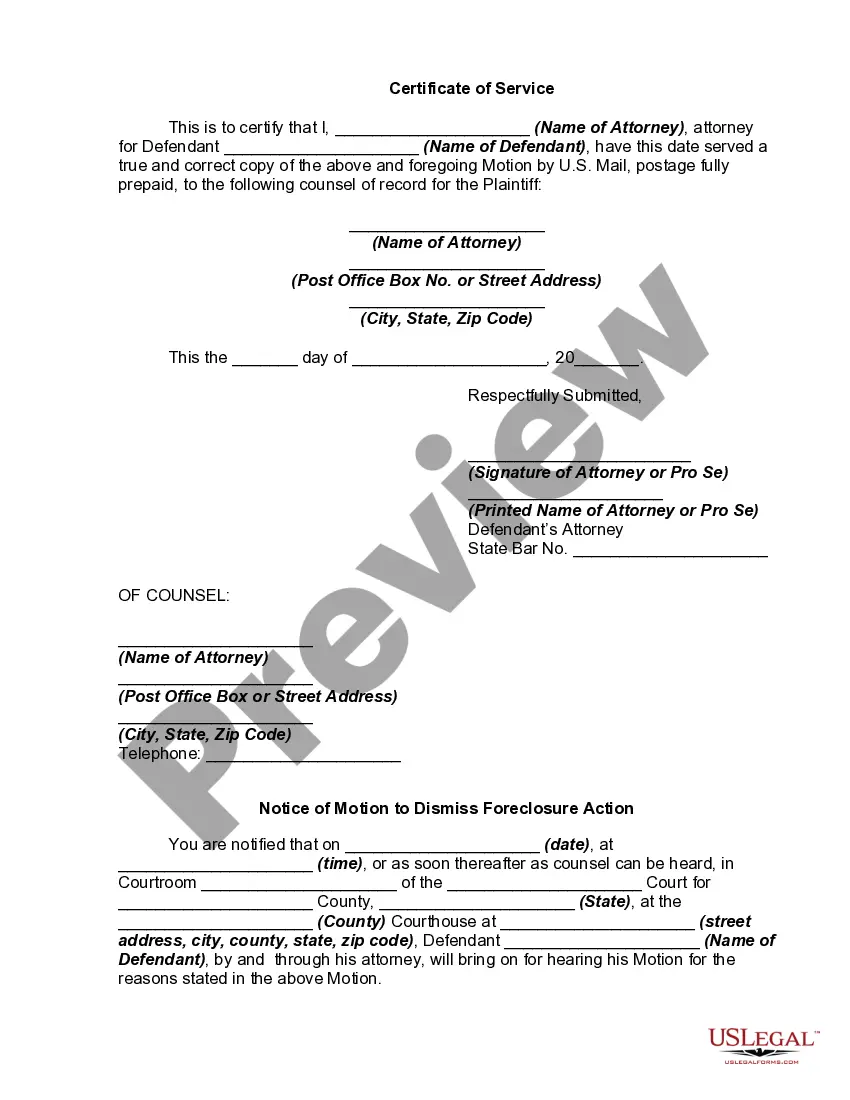
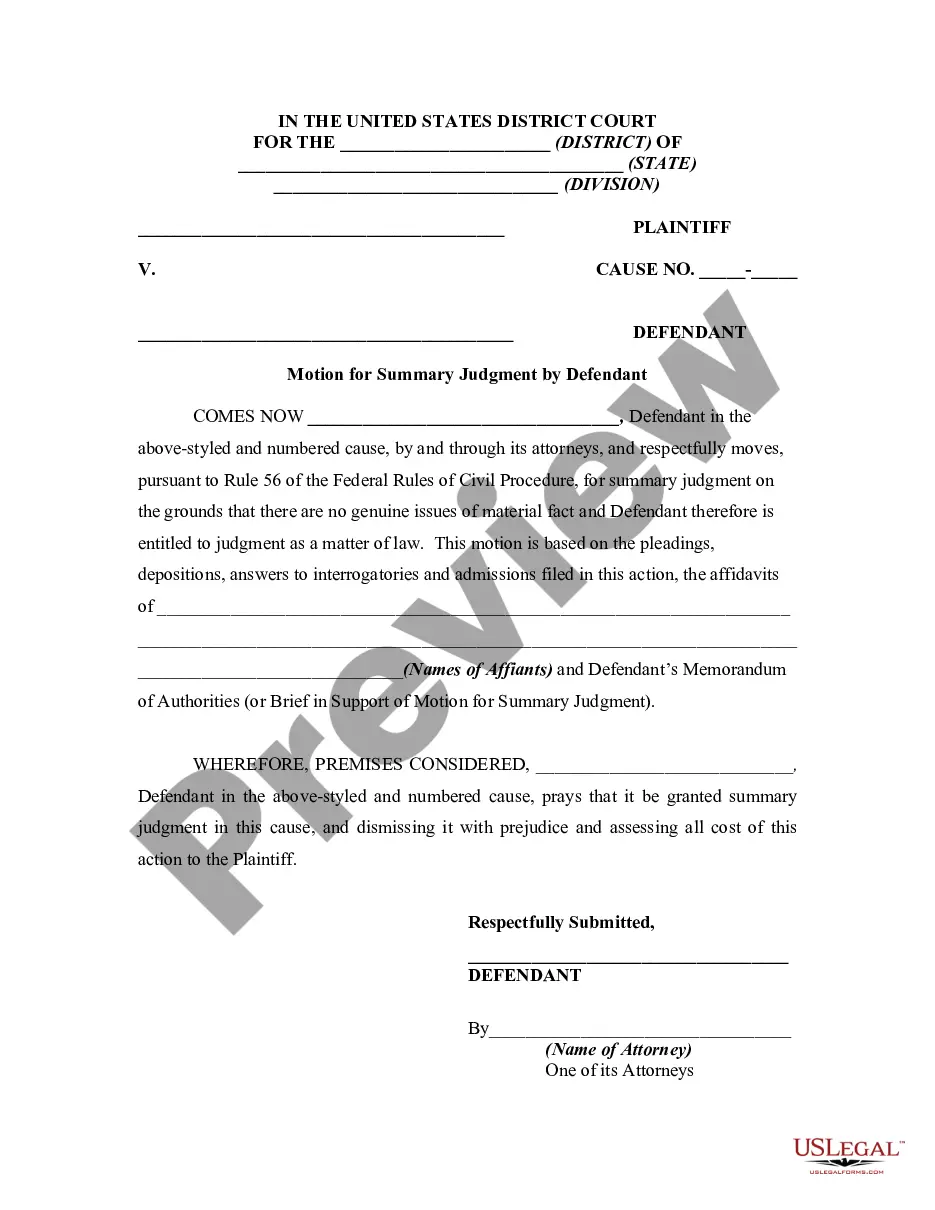
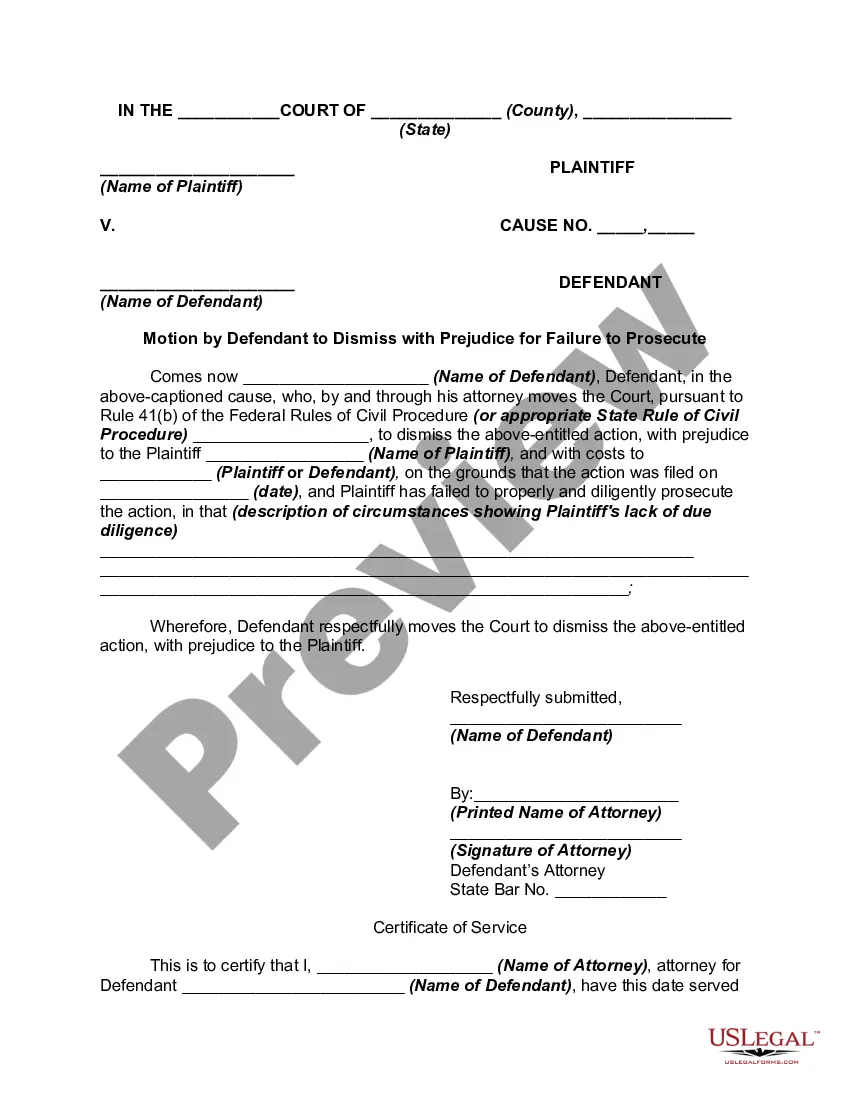
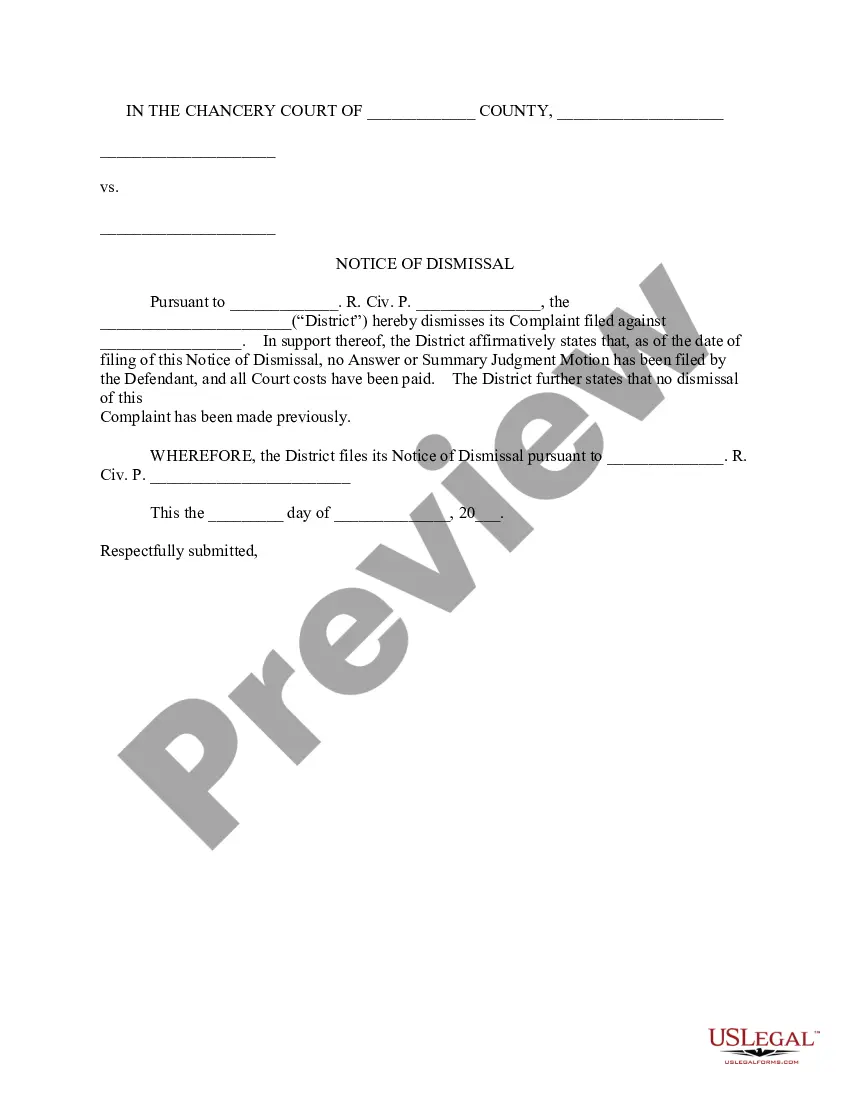
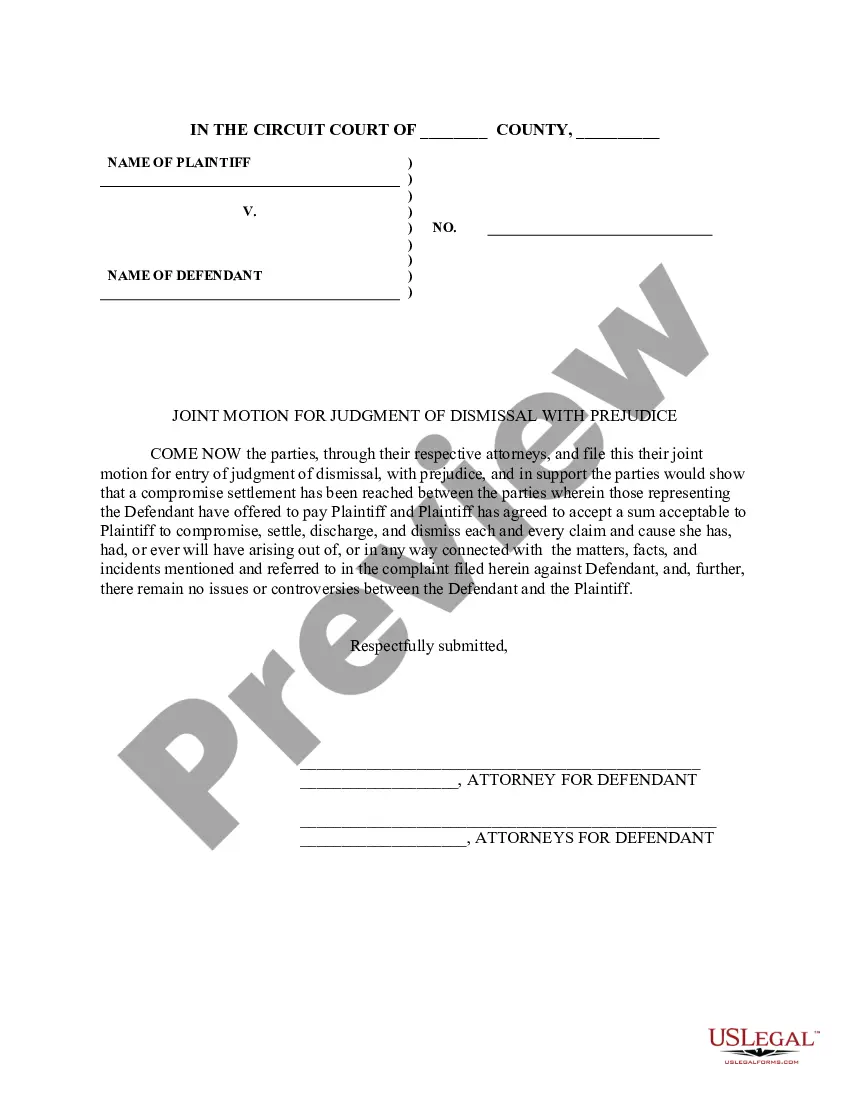
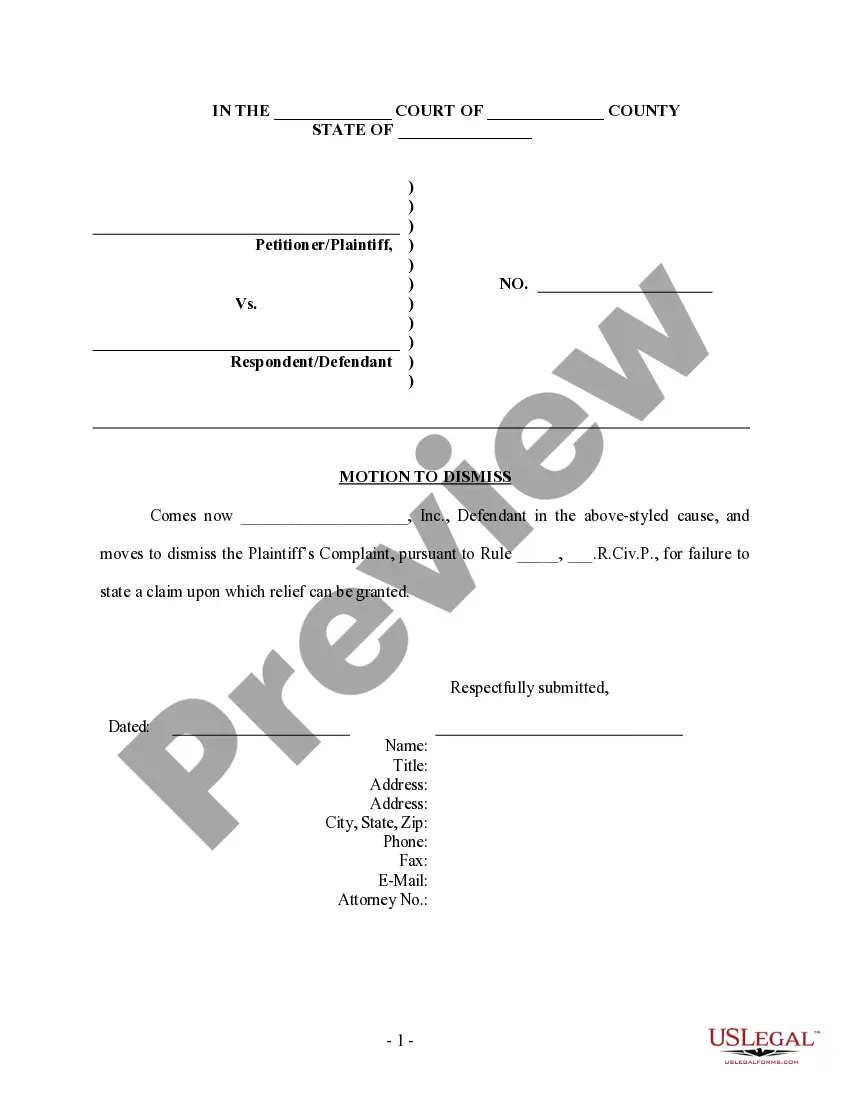

How to fill out Motion To Dismiss Foreclosure Action And Notice Of Motion?
- Log in to your account on US Legal Forms if you are a returning user, ensuring your subscription is current. If your subscription has lapsed, renew it according to your payment plan.
- For first-time users, begin by reviewing the form descriptions and preview modes to confirm that the chosen document meets your specific needs and complies with local jurisdiction requirements.
- If you encounter any discrepancies, utilize the Search feature to locate an alternative template that fits your criteria.
- Once you've found the correct document, proceed to purchase it by clicking the Buy Now button and selecting your desired subscription plan. You will need to create an account to access the form library.
- Complete your purchase by providing payment details through credit card or PayPal, and ensure your transaction is successful.
- Finally, download the form to your device, and you can access it anytime through the My Forms section of your profile.
By utilizing US Legal Forms, you gain access to an extensive collection of over 85,000 legal documents. This platform empowers both individuals and attorneys to navigate legal requirements effectively, ensuring your documents are not only accurate but also legally sound.
Don't hesitate to start your journey towards obtaining foreclosure surplus funds today. Visit US Legal Forms and make the process seamless!
Form popularity
FAQ
The excess funds resulting from a foreclosure sale typically belong to the previous owner of the property. This is a crucial aspect that allows the former homeowner to recover some financial resources after losing the property. By understanding this right, individuals can effectively pursue foreclosure surplus funds with no tax implications. Platforms such as uslegalforms can assist in navigating these legal waters to ensure you claim what is rightfully yours.
To claim foreclosure surplus funds in New York, start by locating the appropriate court that processed your foreclosure. You will need to provide evidence, such as your identification and proof of property ownership, to support your claim. Remember, these funds are typically available to former homeowners, and accessing them can provide financial relief with no tax liability. Consider uslegalforms for streamlined access to necessary forms and expert guidance.
Claiming surplus funds from a foreclosure in Ohio involves filing a claim in the local court where the foreclosure was processed. You'll need to gather documentation that supports your eligibility, such as proof of ownership and identity. Successfully claiming these funds can yield benefits without facing tax implications. Utilizing resources like uslegalforms can help you navigate this complex process smoothly.
In Ohio, the redemption period after foreclosure is generally one year. During this period, the homeowner has the right to reclaim the property by paying the total debt owed, which may also include added costs. It's crucial to understand this timeframe if you are considering pursuing foreclosure surplus funds with no tax. Keeping informed may benefit you in optimizing your financial outcomes.
To claim foreclosure surplus funds in Ohio, you must file a claim with the court that handled the foreclosure. This process often requires submitting proper documentation to prove your identity and your interest in the property. Remember, these surplus funds come with no tax liability, making it worthwhile to pursue them. Using uslegalforms can simplify this process by providing the necessary forms and guidance.
The 120-day rule for foreclosure refers to the time frame within which a homeowner can recover their property before the sale occurs. This period allows homeowners to explore options, including paying off the mortgage or negotiating alternatives. It's important to act within this window to secure any foreclosure surplus funds with no tax repercussions. Utilizing services like US Legal Forms can help you navigate and understand the intricacies of this rule effectively.
Surplus funds from foreclosure are typically not taxable, making them a valuable resource for homeowners. After a foreclosure sale, any excess funds may be classified as abandoned property, which generally means you can keep these funds without worrying about taxes. Understanding the specifics can help you maximize your financial recovery. You can rely on platforms like US Legal Forms for guidance on managing these surplus funds with no tax obligations.
Yes, a person can recover from foreclosure. The process often begins with regaining financial stability and understanding available options. Many homeowners can reclaim foreclosure surplus funds with no tax implications through legal channels. By accessing resources like US Legal Forms, individuals can simplify the recovery process and navigate their options effectively.
Generally, foreclosure is not considered taxable income. When a property undergoes foreclosure and the sale yields surplus funds, you typically do not owe taxes on these amounts. Still, it remains beneficial to discuss your individual circumstances with a tax expert. Remember, exploring foreclosure surplus funds with no tax keeps your financial well-being intact.
Unfortunately, you cannot write off foreclosure losses on your taxes. The IRS considers these losses personal in nature, which means they don't qualify for tax deductions. Instead, focus on leveraging surplus funds as a financial opportunity. By exploring options related to foreclosure surplus funds with no tax, you might find a more favorable financial position.