Foreclosure
Description
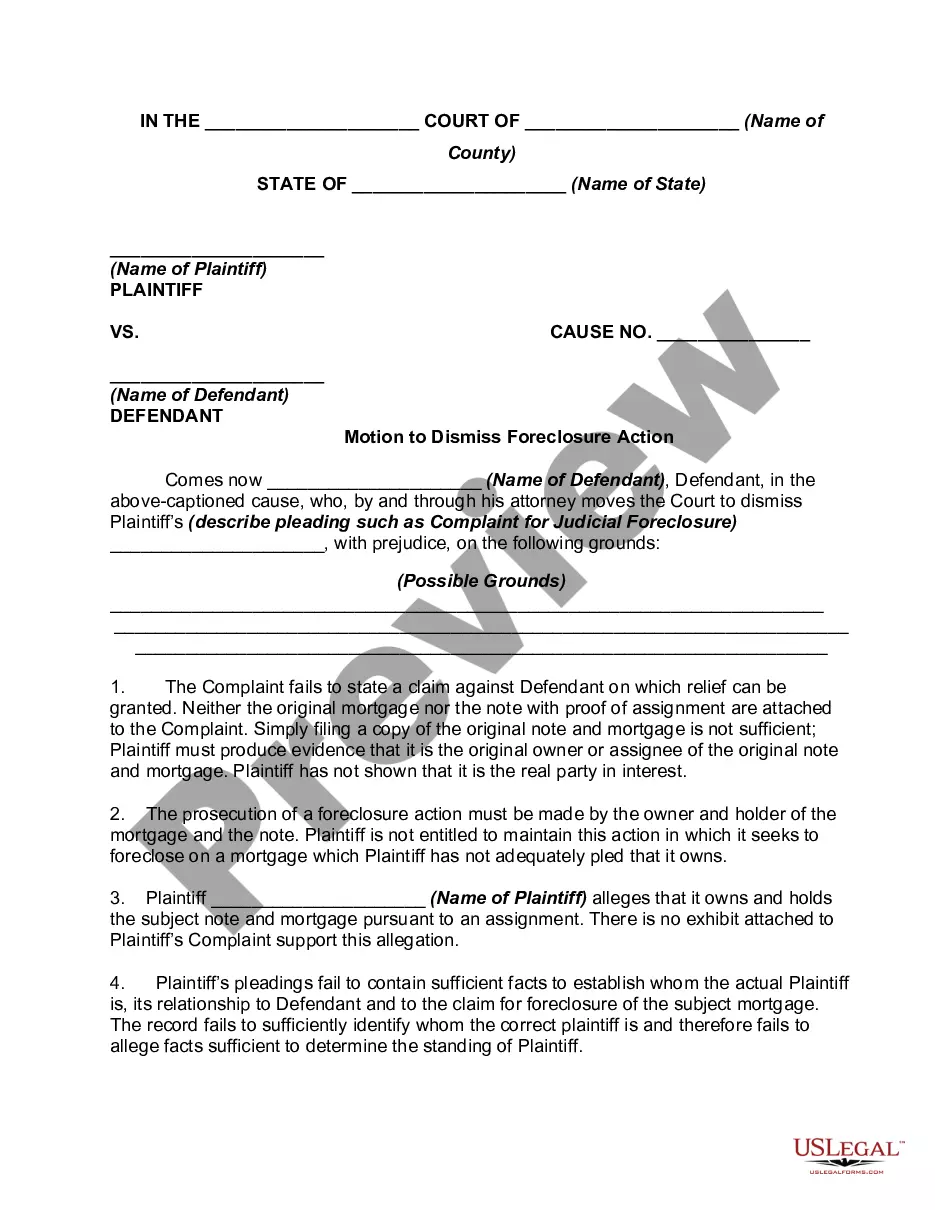
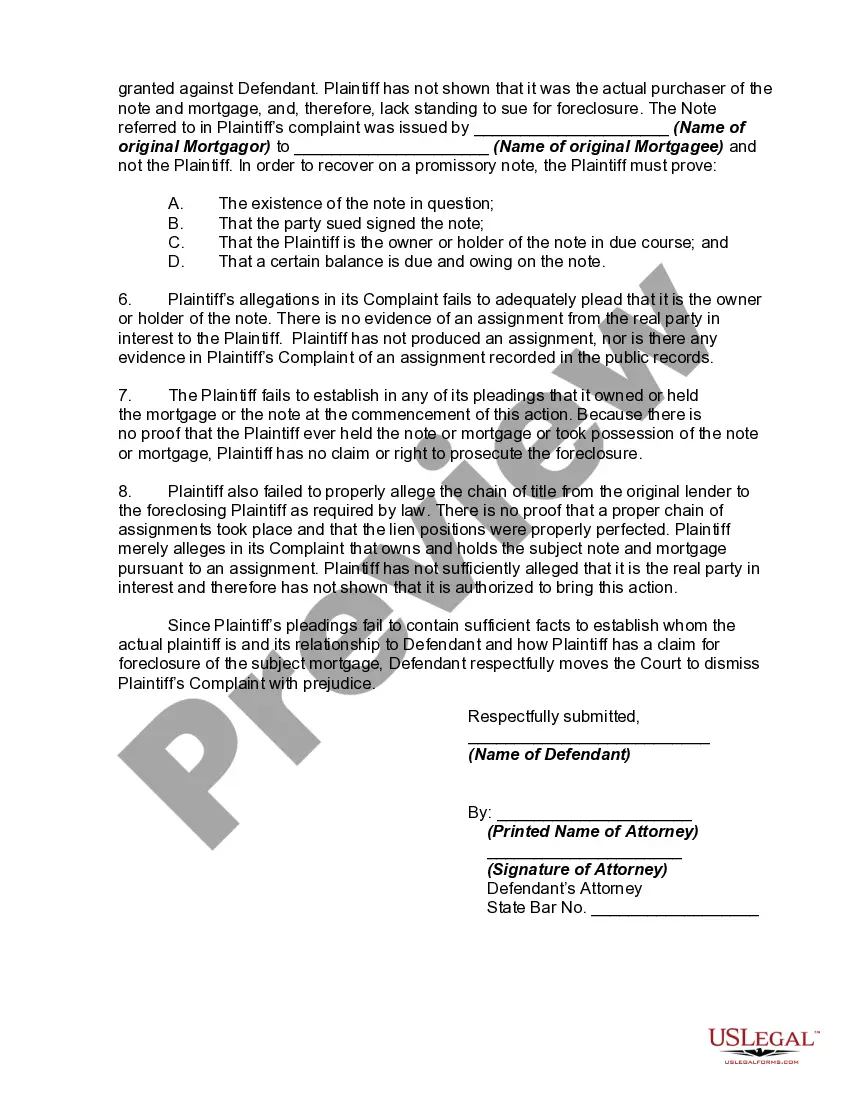
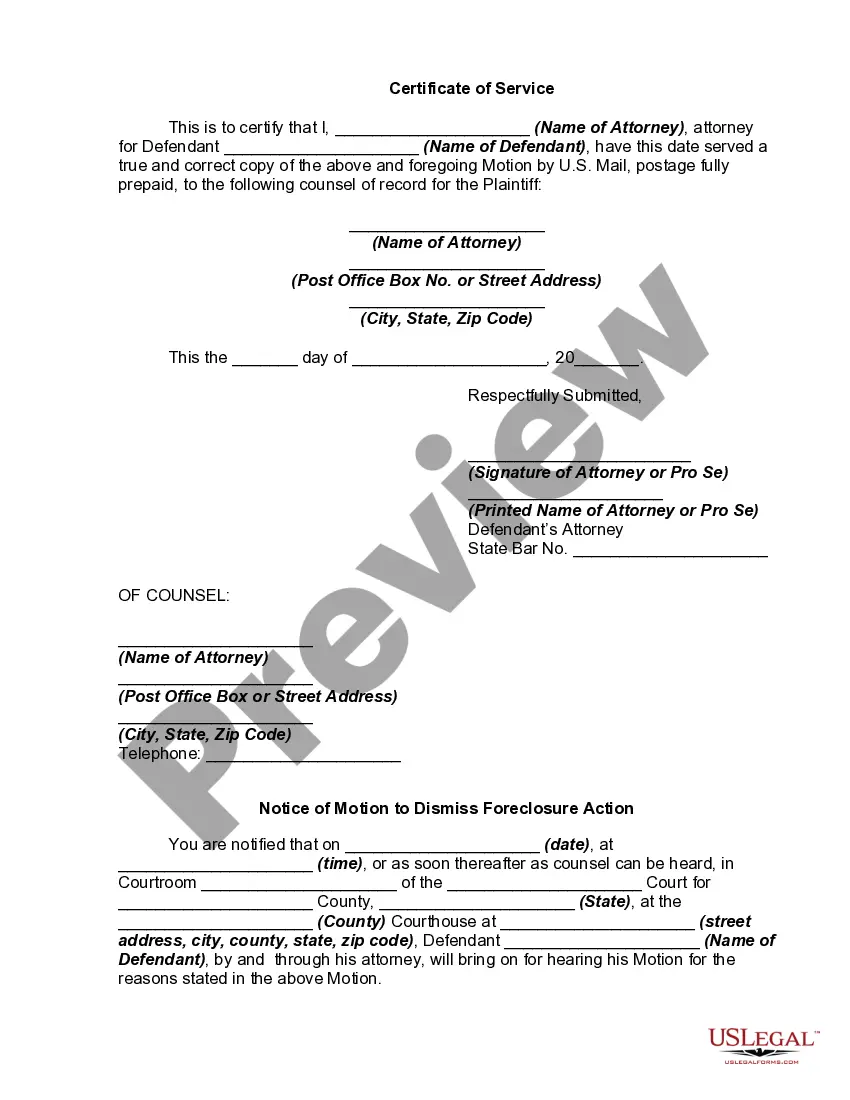
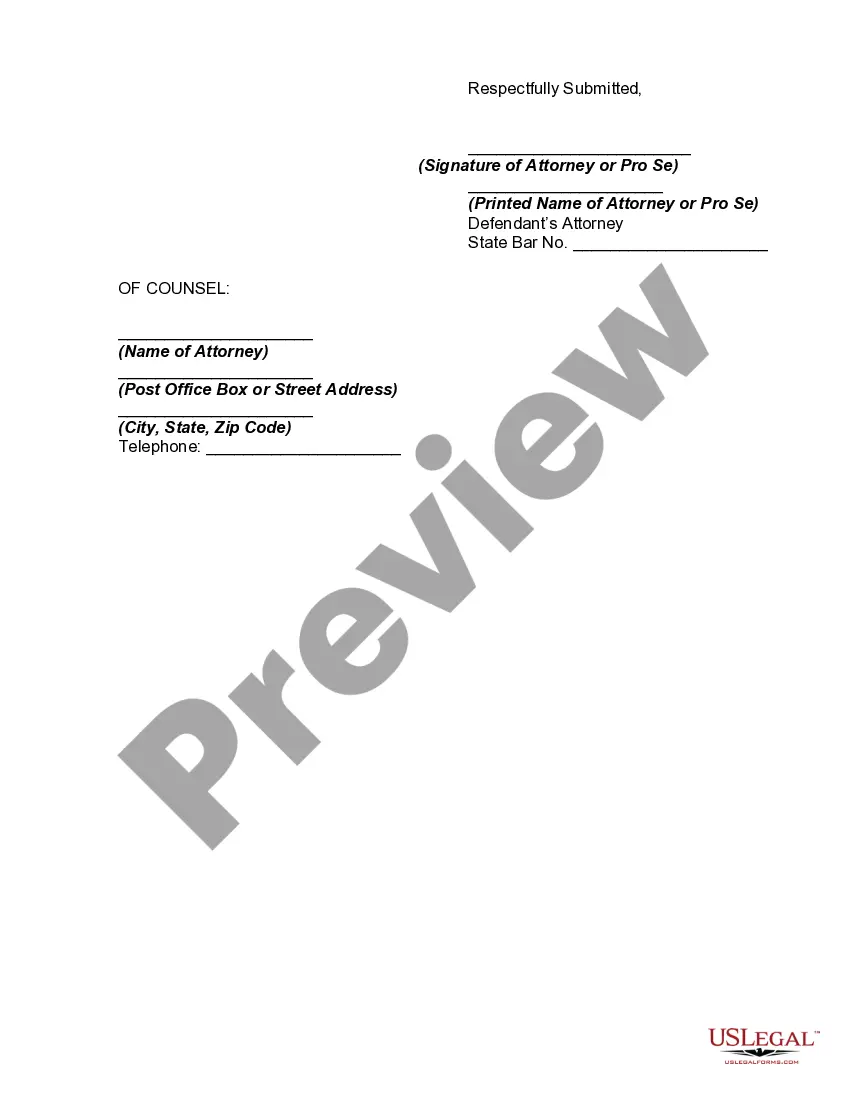
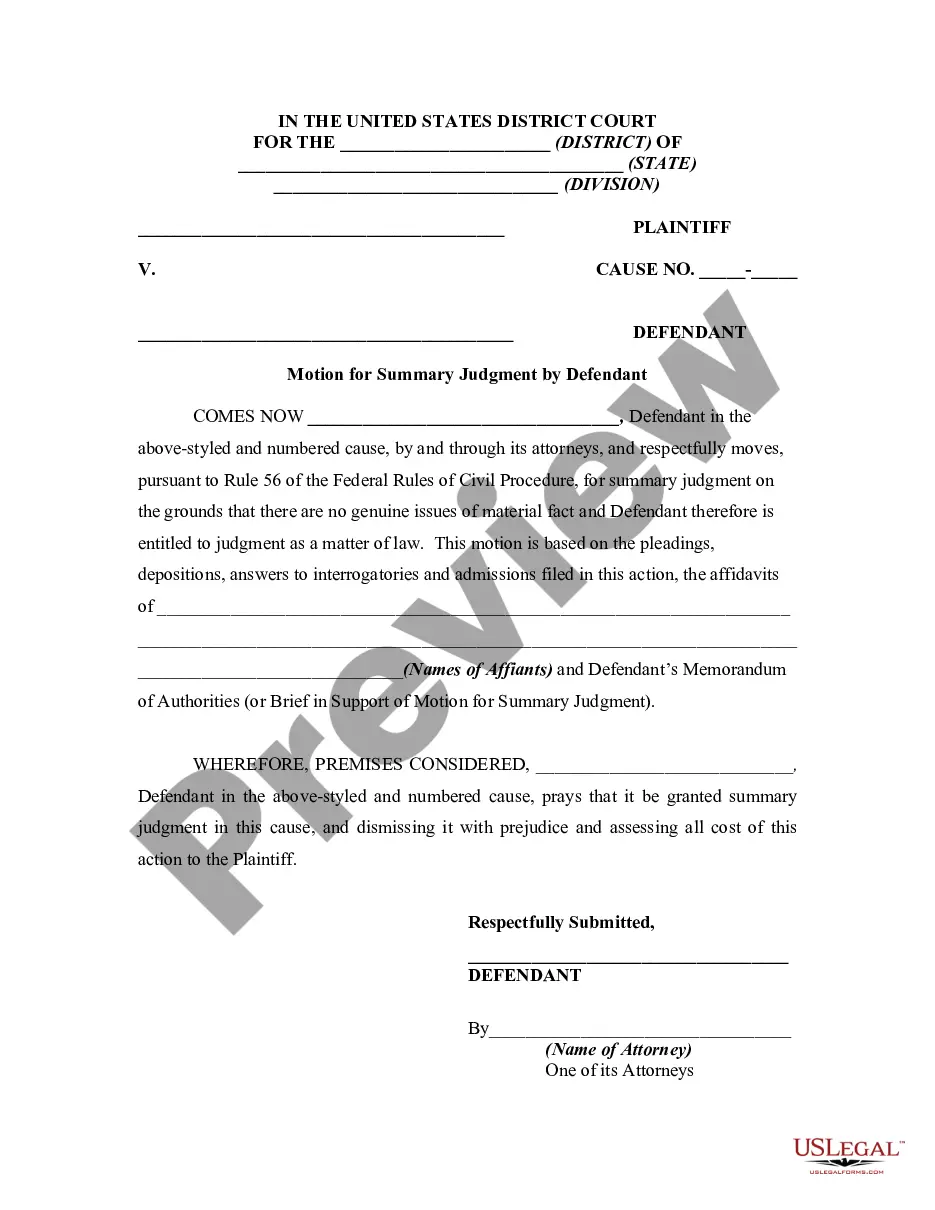
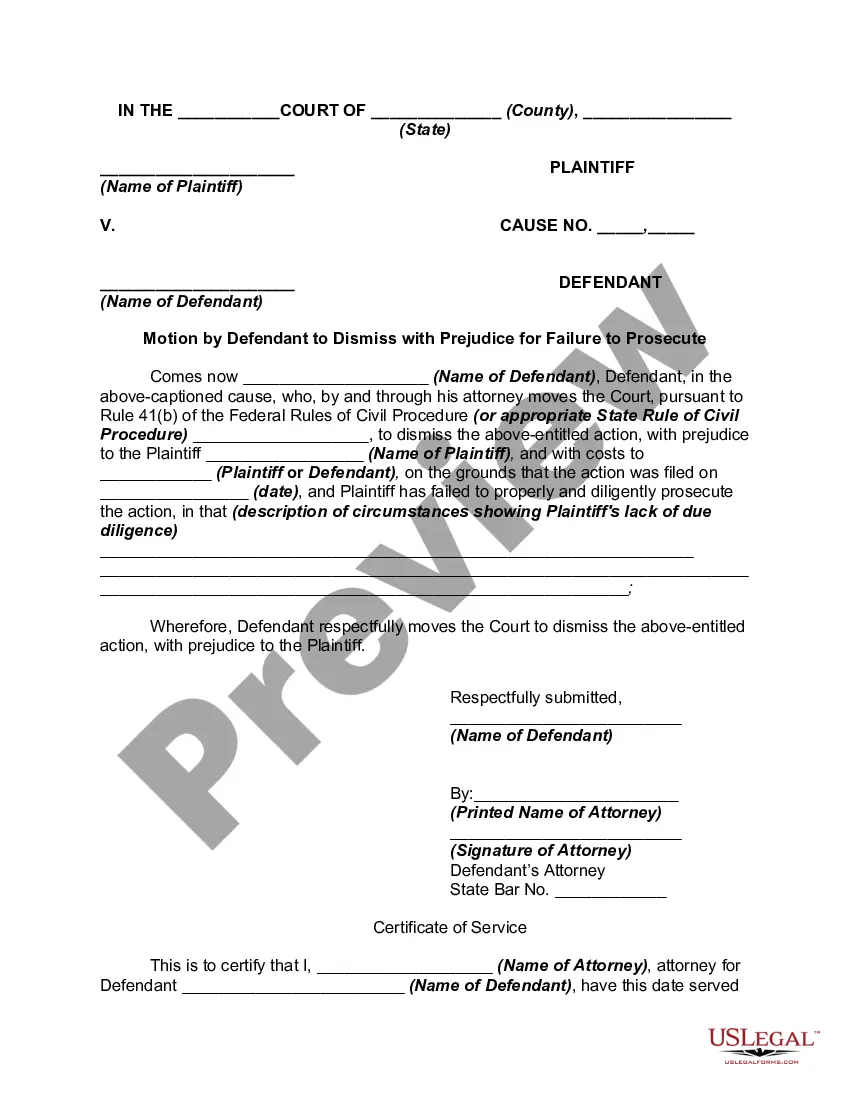
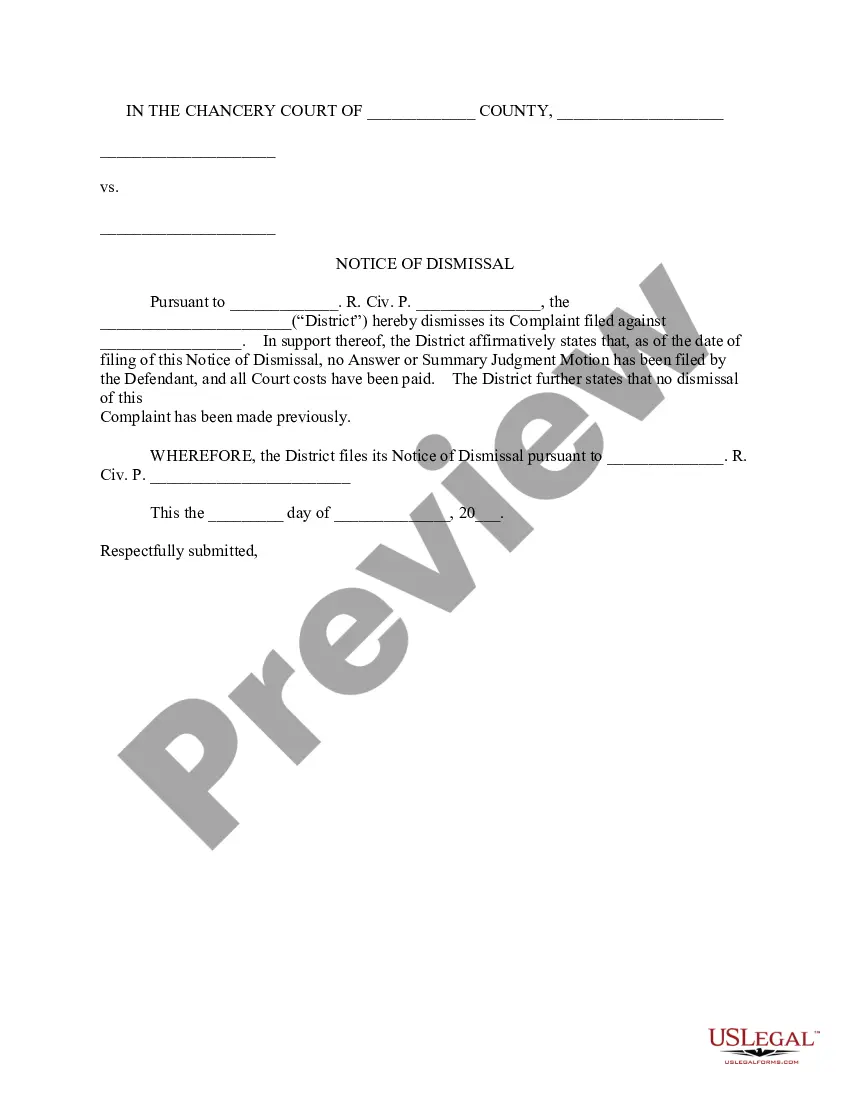
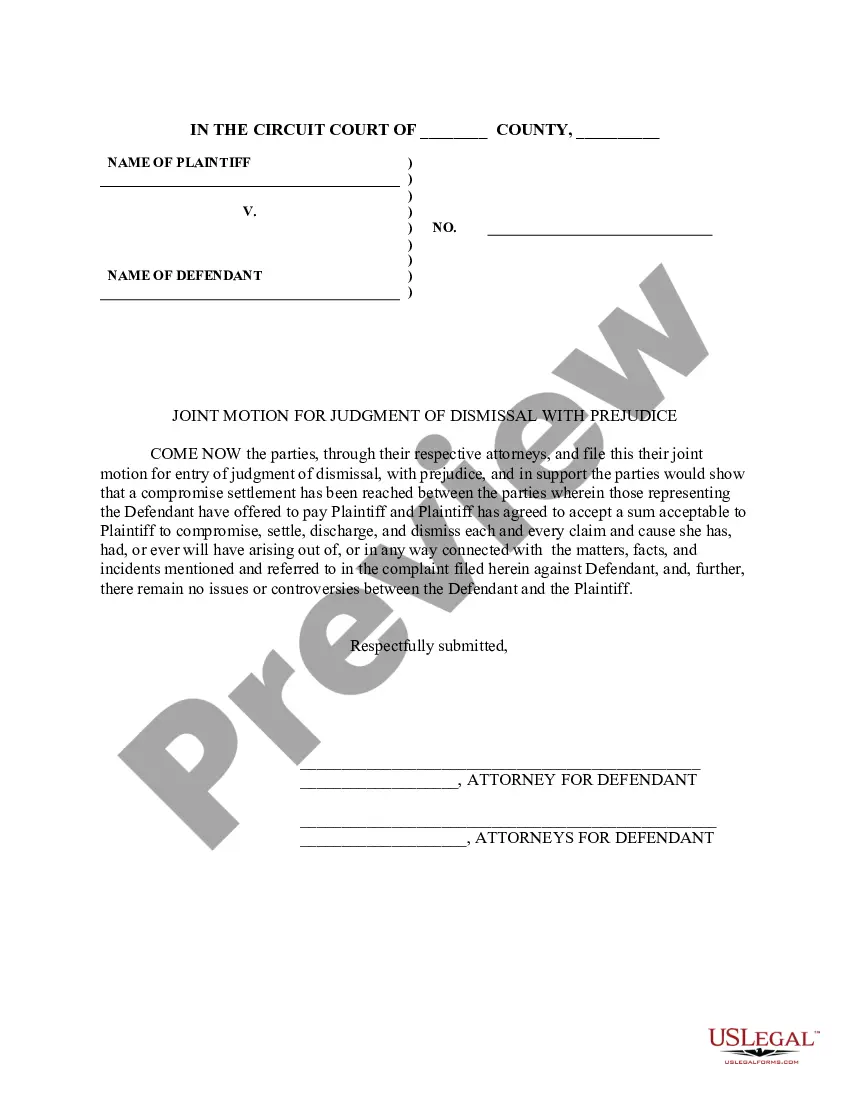
Get your form ready online
Our built-in tools help you complete, sign, share, and store your documents in one place.
Make edits, fill in missing information, and update formatting in US Legal Forms—just like you would in MS Word.
Download a copy, print it, send it by email, or mail it via USPS—whatever works best for your next step.
Sign and collect signatures with our SignNow integration. Send to multiple recipients, set reminders, and more. Go Premium to unlock E-Sign.
If this form requires notarization, complete it online through a secure video call—no need to meet a notary in person or wait for an appointment.
We protect your documents and personal data by following strict security and privacy standards.

Make edits, fill in missing information, and update formatting in US Legal Forms—just like you would in MS Word.

Download a copy, print it, send it by email, or mail it via USPS—whatever works best for your next step.

Sign and collect signatures with our SignNow integration. Send to multiple recipients, set reminders, and more. Go Premium to unlock E-Sign.

If this form requires notarization, complete it online through a secure video call—no need to meet a notary in person or wait for an appointment.

We protect your documents and personal data by following strict security and privacy standards.
Looking for another form?
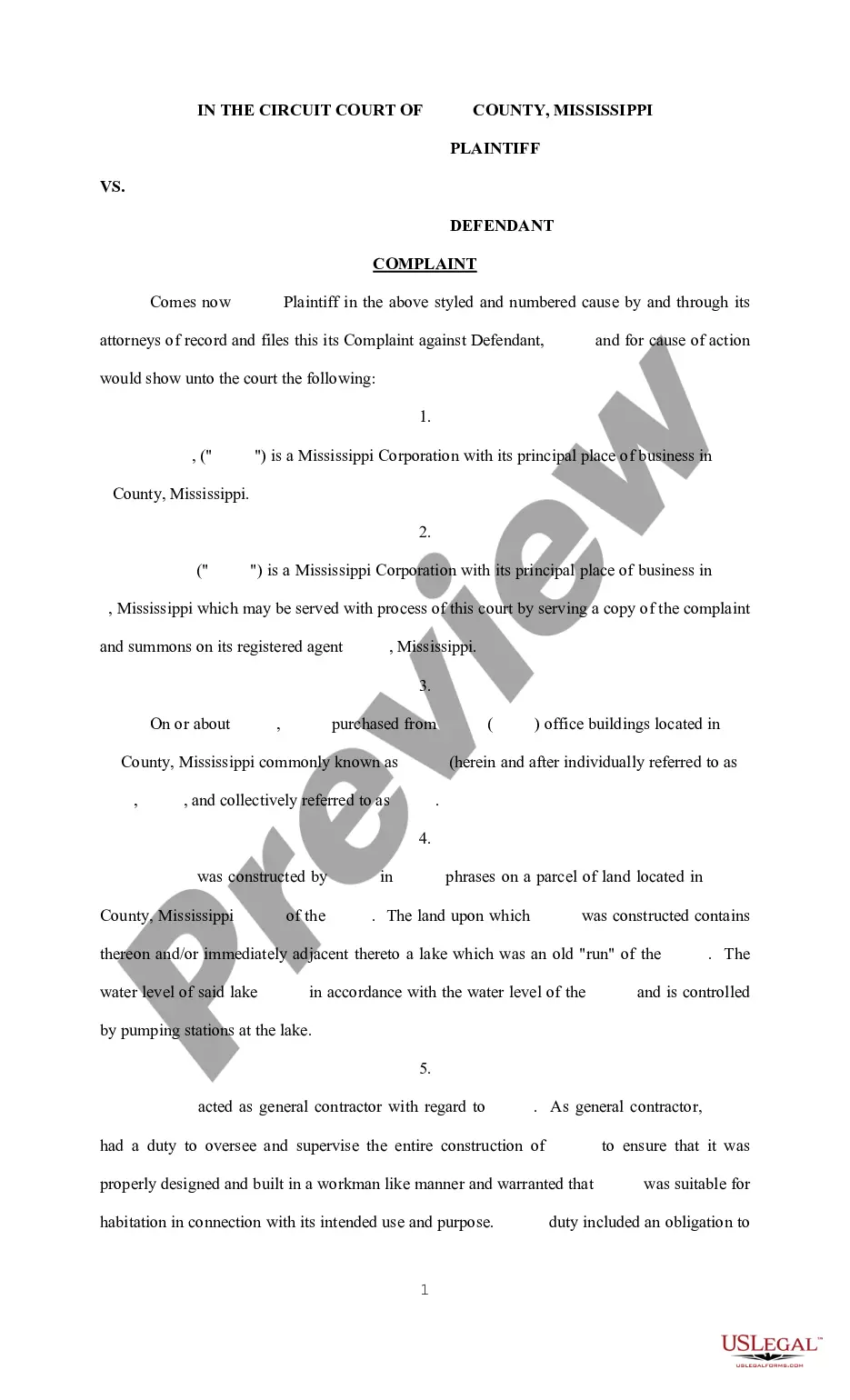
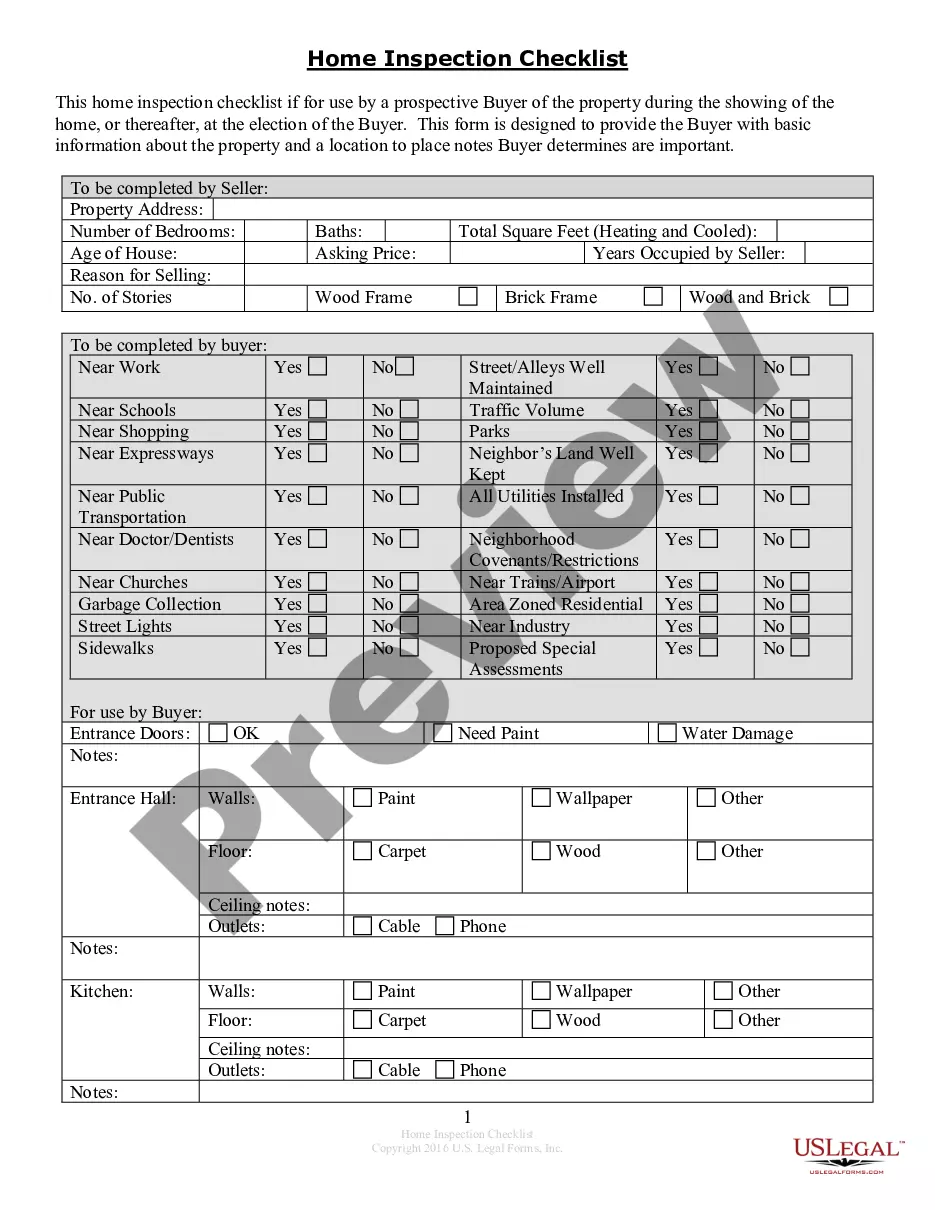
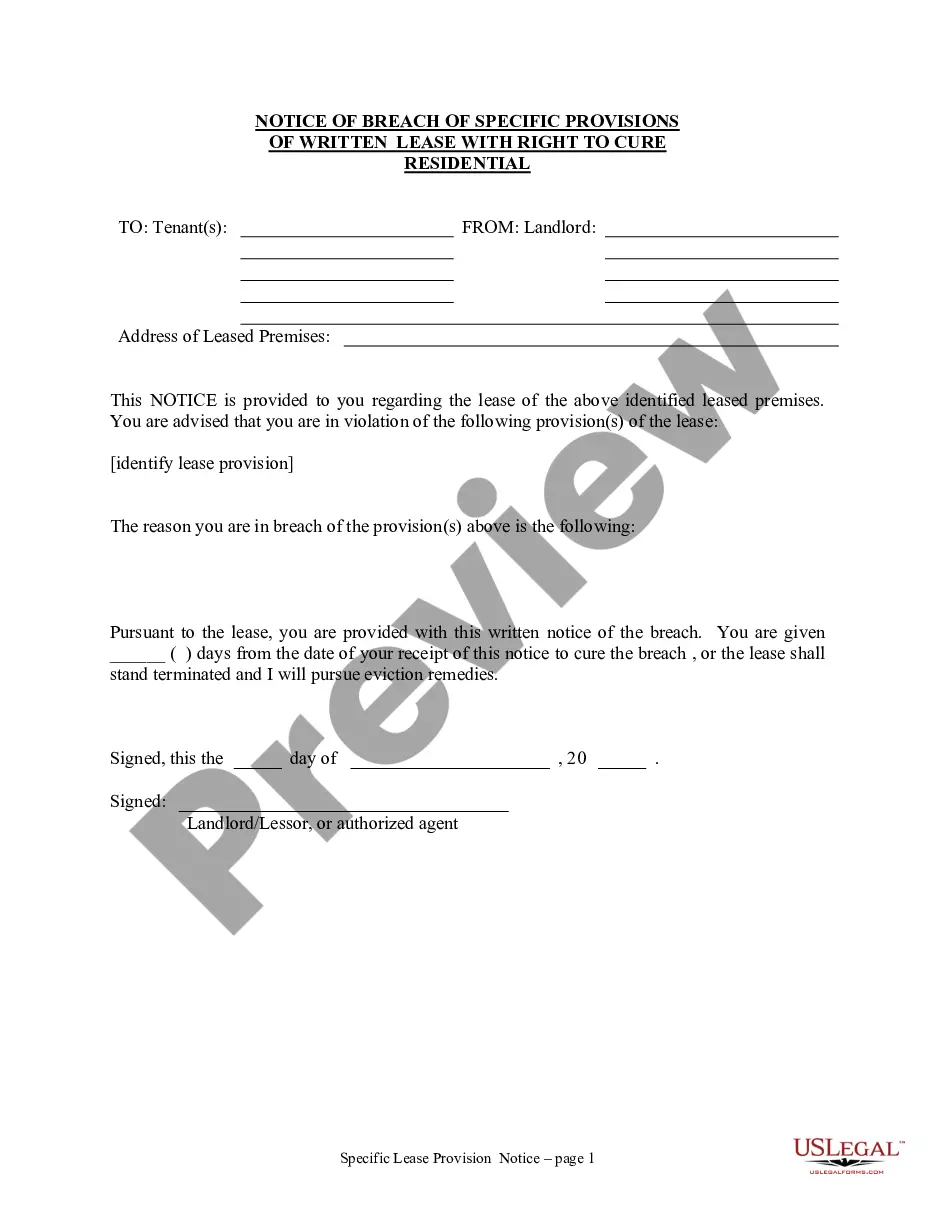
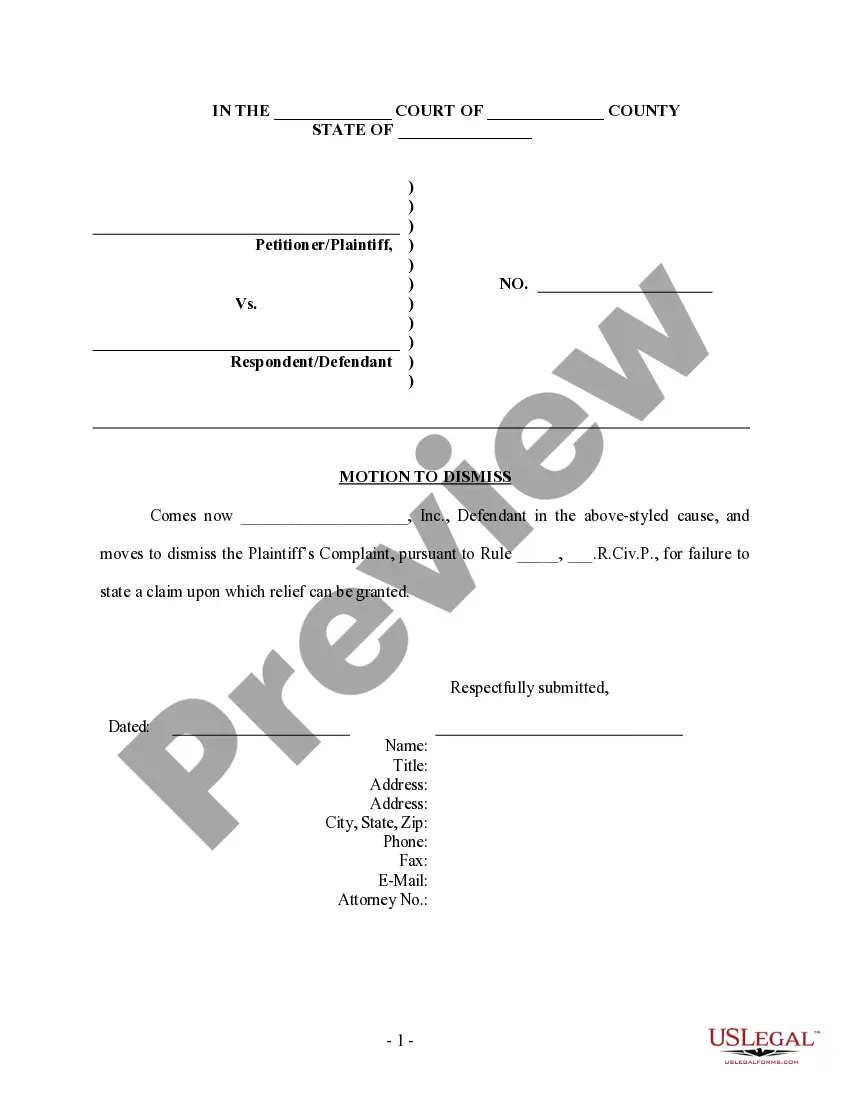
How to fill out Motion To Dismiss Foreclosure Action And Notice Of Motion?
- If you've previously utilized US Legal Forms, log in to your account and download the required form by clicking the Download button. Ensure your subscription is active; if not, renew it according to your payment plan.
- If you're a new user, begin by checking the Preview mode and detailed form descriptions to verify you've selected the appropriate template that complies with your local legal requirements.
- Should you need an alternative template, use the Search tab to find the correct document. If everything looks good, proceed to the next step.
- Purchase your document by clicking on the Buy Now button and selecting your preferred subscription plan. You will need to create an account to access the extensive library.
- Finalize your purchase by entering your payment information through credit card or PayPal, securing your subscription.
- Download your form to your device for completion, and you can also find it later in the My Forms section of your account.
By following these steps, you can efficiently navigate the foreclosure documentation process. US Legal Forms is committed to supporting you with a robust collection of forms and expert assistance to ensure that your legal documents are completed accurately and effectively.
Start your journey to a smoother foreclosure process today with US Legal Forms!
Form popularity
FAQ
The 120-day rule in foreclosure refers to the requirement that a mortgage holder must wait 120 days after a homeowner defaults before initiating foreclosure proceedings. This rule is designed to give homeowners time to address their financial situation or seek alternatives. Understanding this timeline can empower you to take appropriate action and possibly avoid foreclosure altogether. Engaging with resources available through platforms like US Legal Forms can provide support during this critical period.
Buying a foreclosure can be risky due to potential hidden issues like repairs, liens, or unresolved legal matters. Lenders often sell these properties 'as-is,' meaning you may inherit problems with the home. However, thorough inspections and diligent research can mitigate many of these risks. It's wise to consult experts in the field to navigate the specifics of purchasing a foreclosure effectively.
The foreclosure process in North Carolina usually involves a non-judicial method, which is generally quicker than judicial foreclosures. Once a homeowner defaults, the lender sends a notice of default and schedules a foreclosure sale. The homeowner can redeem the property during a short period before the sale, allowing for options to resolve the situation. Understanding your rights and options can make a significant difference during this challenging time.
In North Carolina, lenders typically initiate foreclosure proceedings after a homeowner misses three consecutive mortgage payments. This process can be initiated if the borrower falls behind, which gives the lender the right to reclaim the property. Staying informed about your payment status can help you avoid reaching that point. If you face difficulties, consider seeking assistance for managing your mortgage.
Buying a foreclosed property can be a manageable process, but it does come with unique challenges. While the prices may be appealing, foreclosures often require extensive repairs and due diligence on your part. Securing financing can also be tricky, as not all lenders provide loans for properties in foreclosure. To ease the process, consider using resources like US Legal Forms to help navigate paperwork and requirements effectively.
When determining how low to offer on a foreclosed home, consider the property's market value, condition, and comparable sales in the area. Typically, buyers may start with an offer 10% to 20% below the market value, but assess the competition since foreclosures can attract multiple bids. Evaluate your budget and objectives carefully to form a fair and strategic offer. Utilize platforms like US Legal Forms to access necessary forms and guidance to ensure you submit the best offer possible.
In Georgia, the foreclosure process typically takes around 4 to 8 months, depending on several factors. After a homeowner defaults, the lender is required to give a 30-day notice before proceeding. Once the foreclosure is initiated, it involves a legal sale of the property, which must be conducted at least 30 days after the notice is issued. Staying informed about Georgia's specific laws can empower homeowners and buyers in the foreclosure process.
The timeline for foreclosure varies by state and lender, but it can happen relatively quickly, often within a few months. After a homeowner defaults, the lender may initiate the foreclosure process, typically after a grace period for missed payments. In some cases, a property can be foreclosed in as little as 90 days, while other states may take six months or longer for completion. Factors such as judicial processes and homeowner responses can influence this timeline.
A letter of explanation for foreclosure should clearly outline your circumstances that led to the default on your mortgage. Begin with a concise introduction stating the purpose of the letter, followed by a detailed account of your situation, and conclude with a positive note about your intent to resolve the matter. Providing this context can help your lender understand your position better. If you need help drafting this letter, uslegalforms can offer valuable templates and guidance.
In Georgia, the foreclosure process typically involves a non-judicial procedure, meaning it does not require court involvement. Once you default on your mortgage, the lender must notify you and provide a chance to catch up on payments. If you cannot resolve the issue, the lender can proceed with a public auction to sell the property. Familiarizing yourself with the foreclosure process in Georgia can empower you to take proactive steps.