Foreclosing On A House
Description
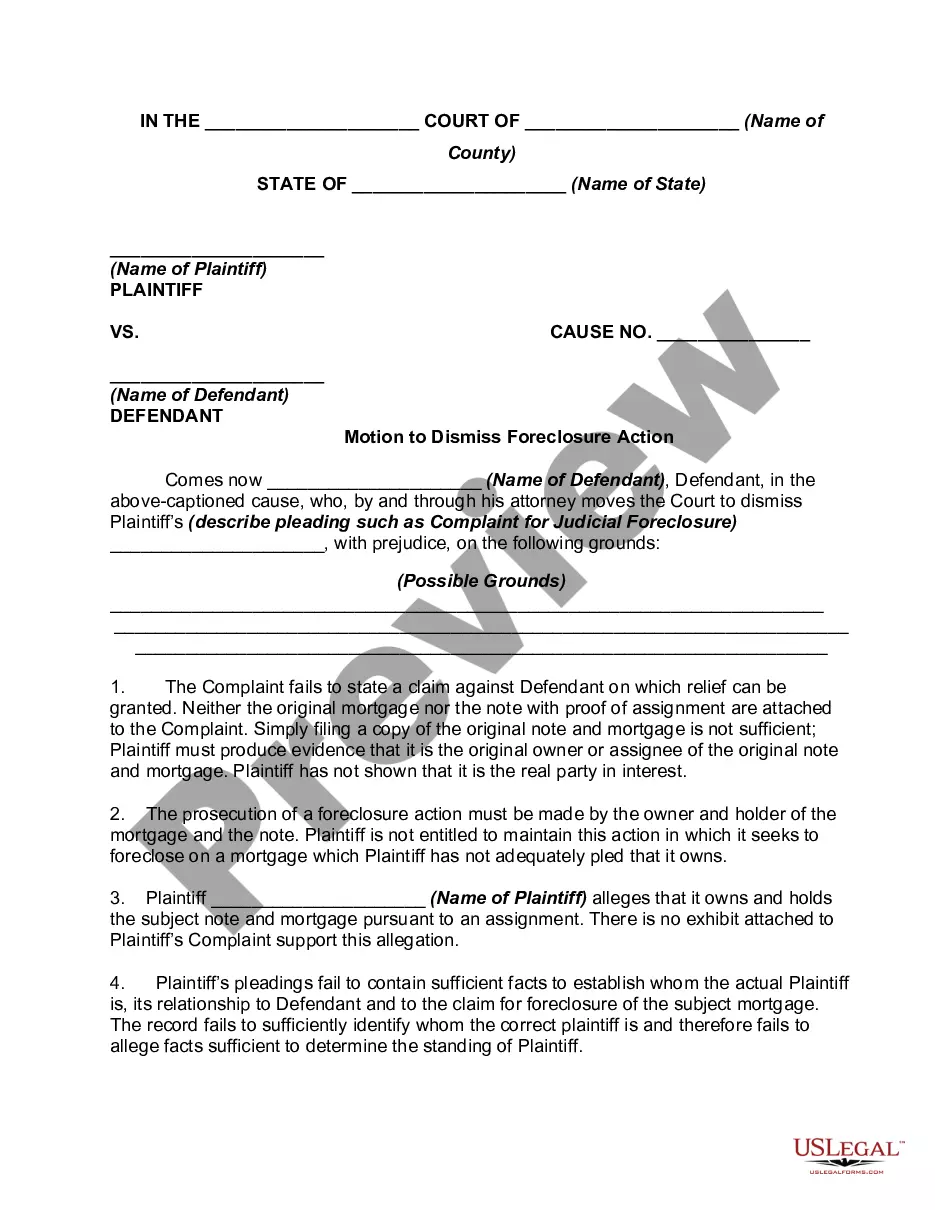
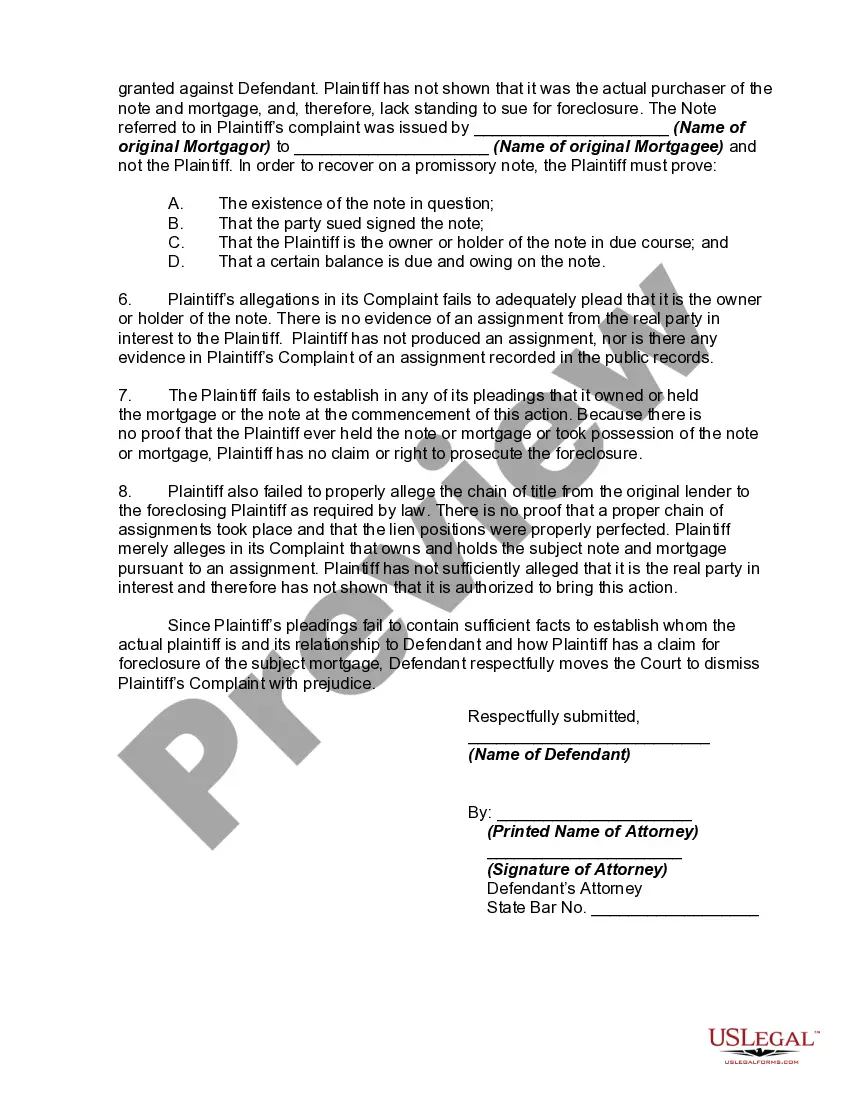
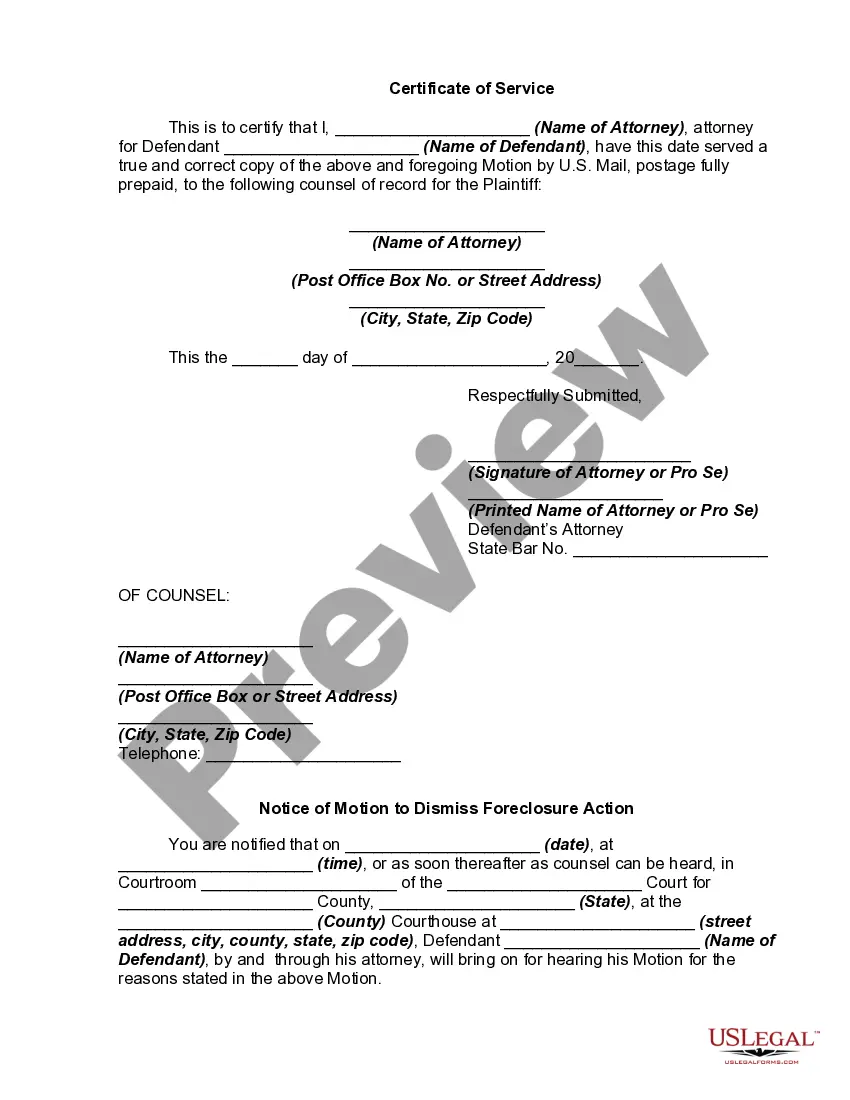
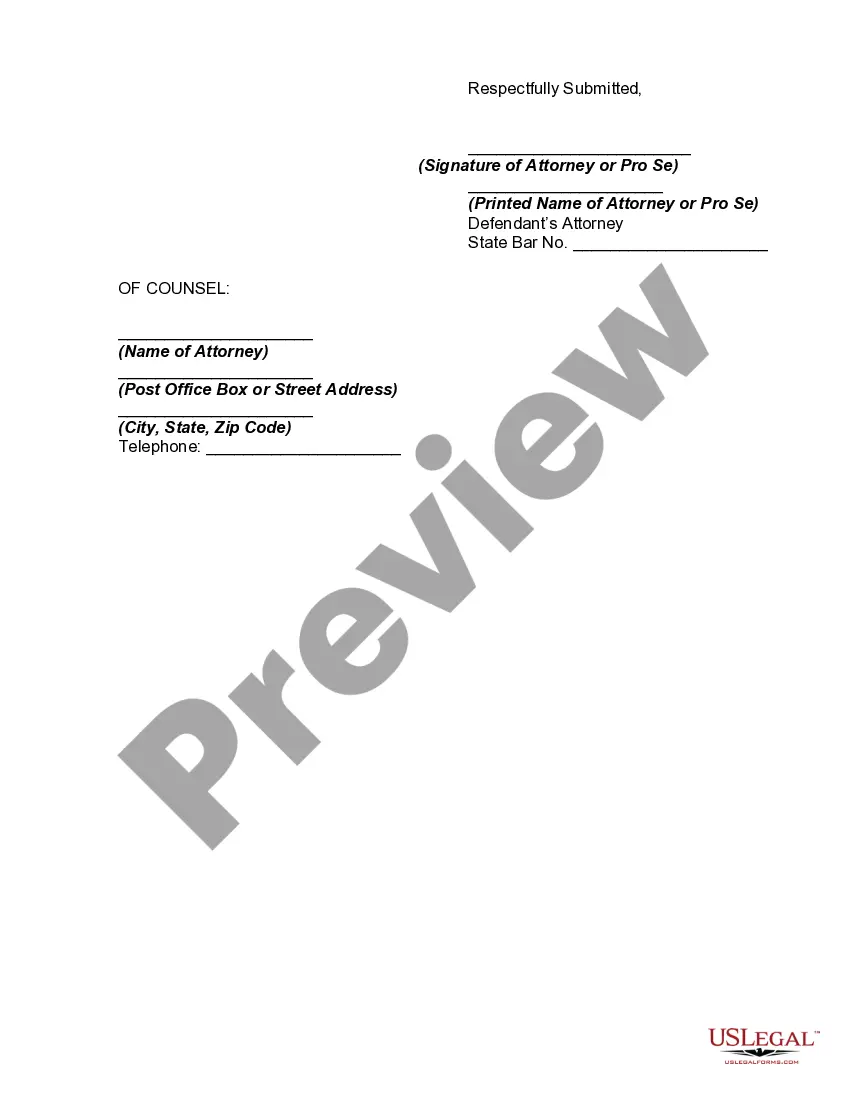
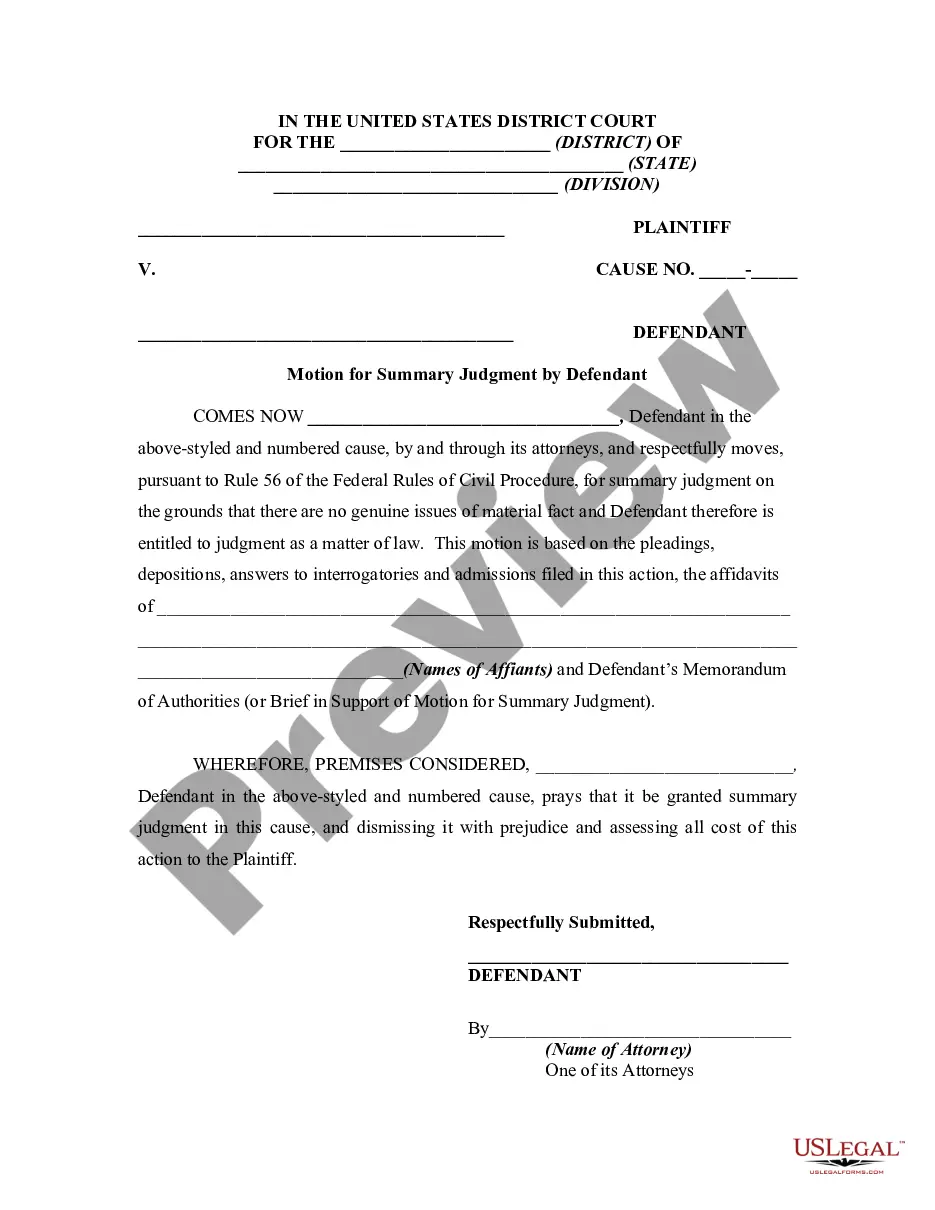
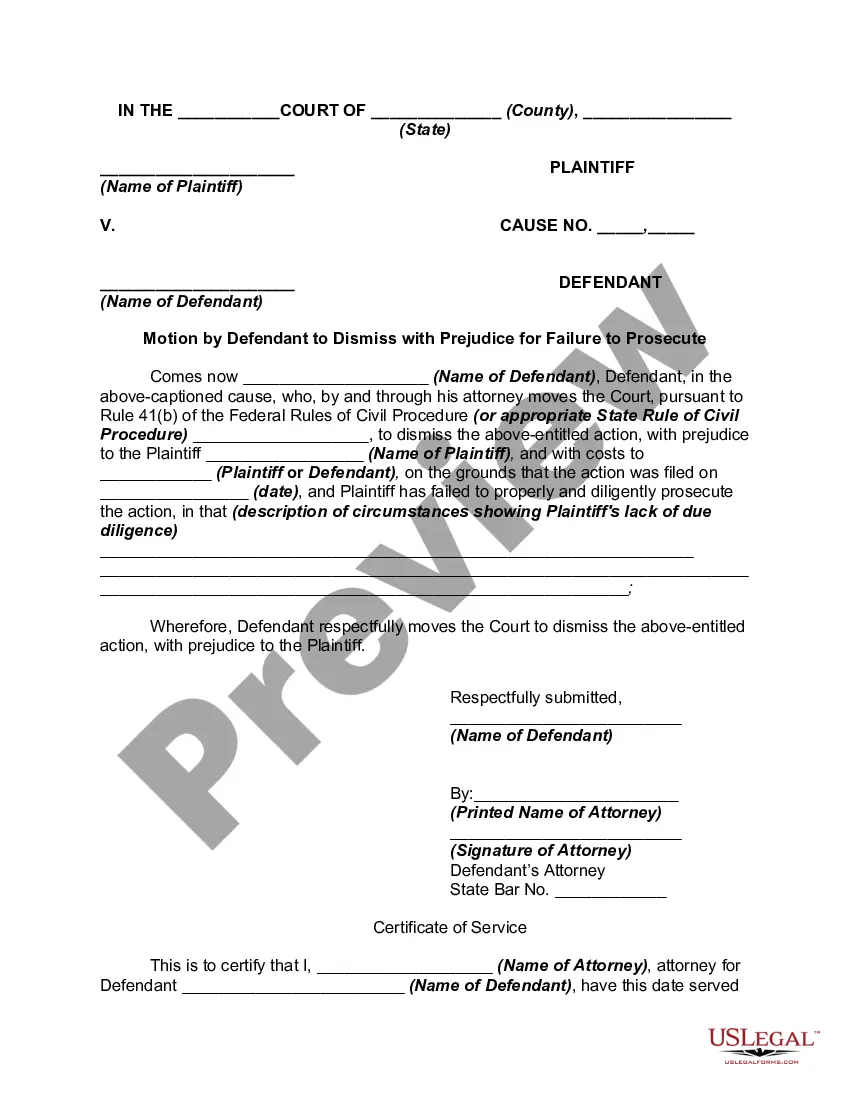
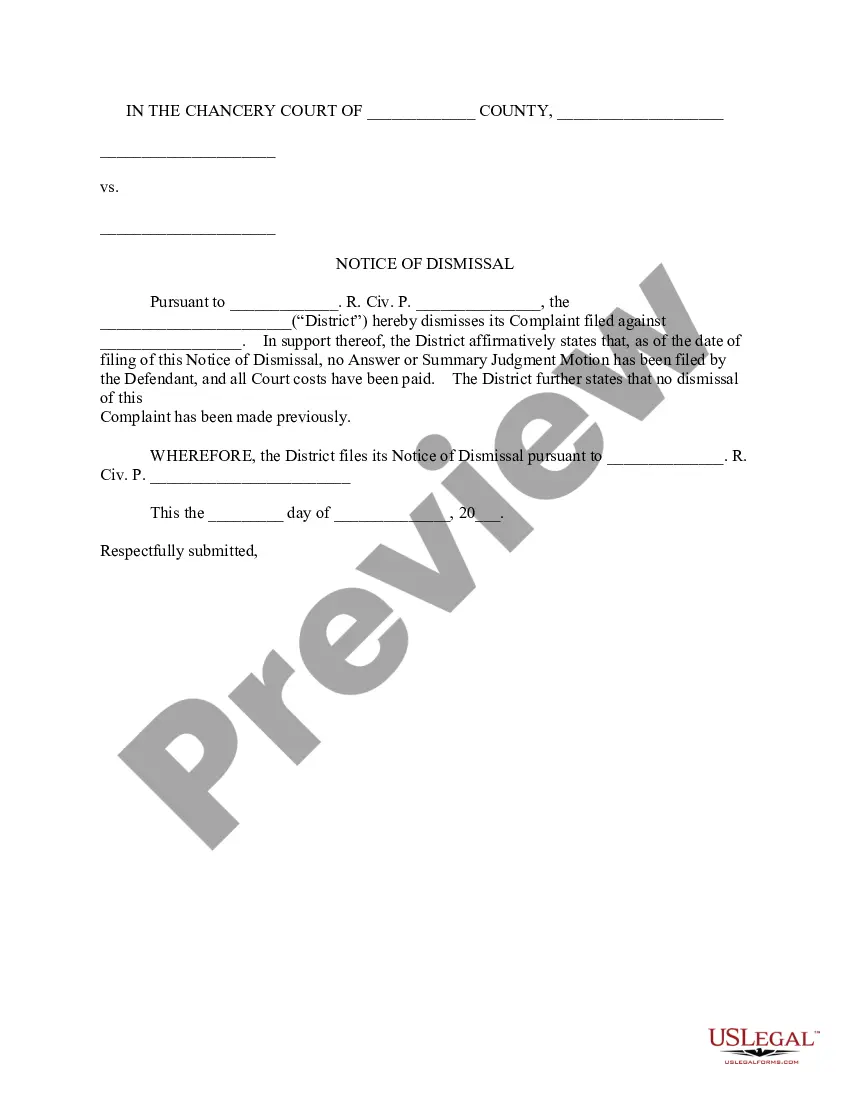
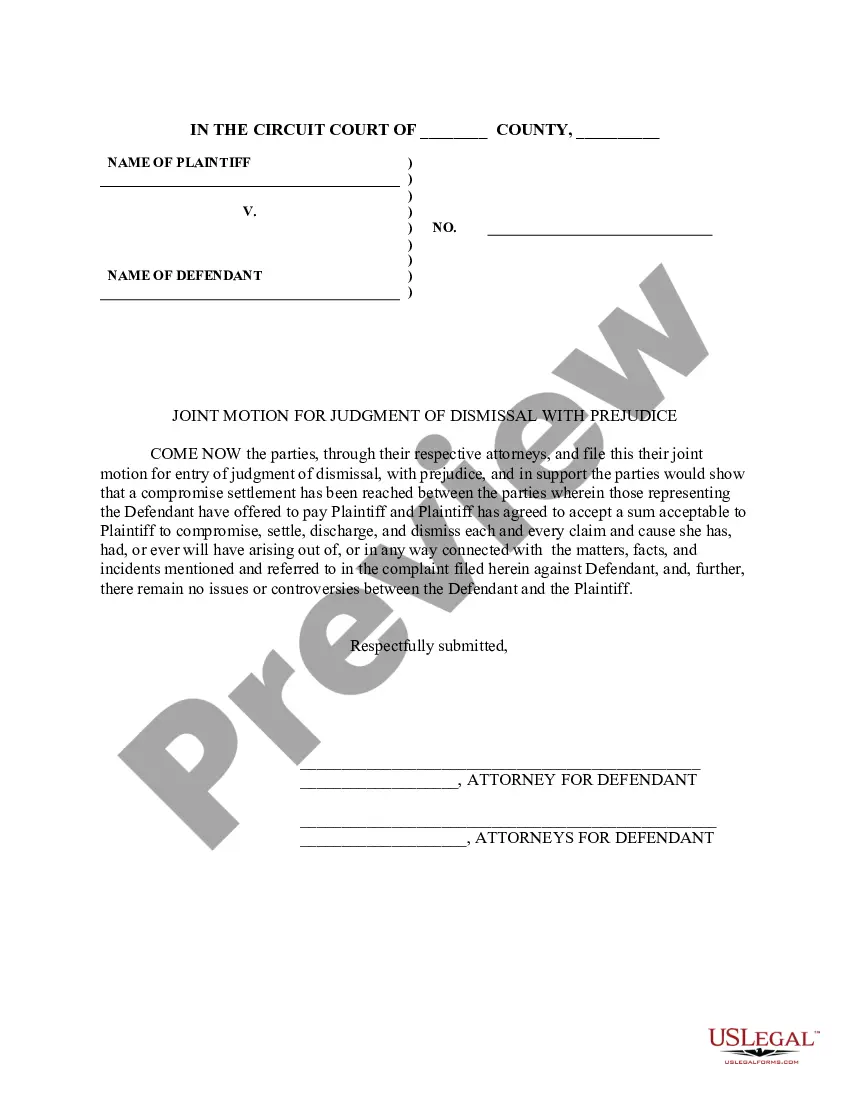
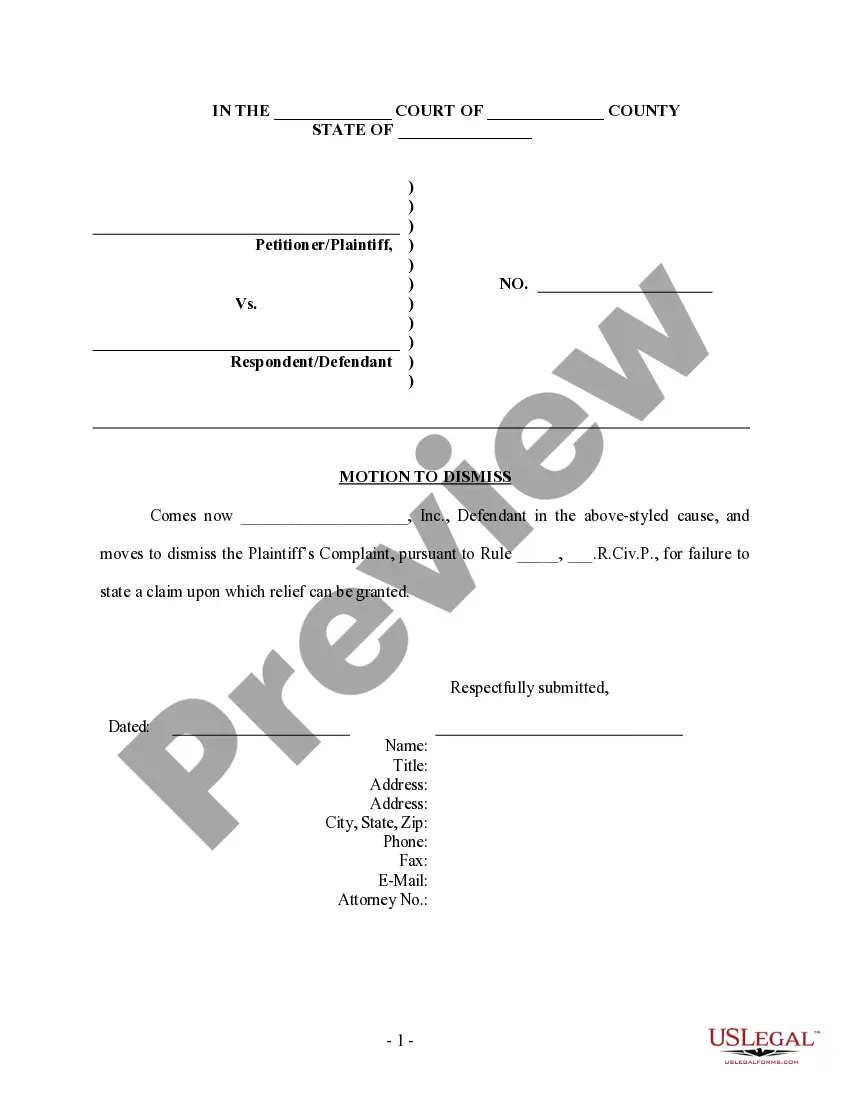
Get your form ready online
Our built-in tools help you complete, sign, share, and store your documents in one place.
Make edits, fill in missing information, and update formatting in US Legal Forms—just like you would in MS Word.
Download a copy, print it, send it by email, or mail it via USPS—whatever works best for your next step.
Sign and collect signatures with our SignNow integration. Send to multiple recipients, set reminders, and more. Go Premium to unlock E-Sign.
If this form requires notarization, complete it online through a secure video call—no need to meet a notary in person or wait for an appointment.
We protect your documents and personal data by following strict security and privacy standards.

Make edits, fill in missing information, and update formatting in US Legal Forms—just like you would in MS Word.

Download a copy, print it, send it by email, or mail it via USPS—whatever works best for your next step.

Sign and collect signatures with our SignNow integration. Send to multiple recipients, set reminders, and more. Go Premium to unlock E-Sign.

If this form requires notarization, complete it online through a secure video call—no need to meet a notary in person or wait for an appointment.

We protect your documents and personal data by following strict security and privacy standards.
Looking for another form?
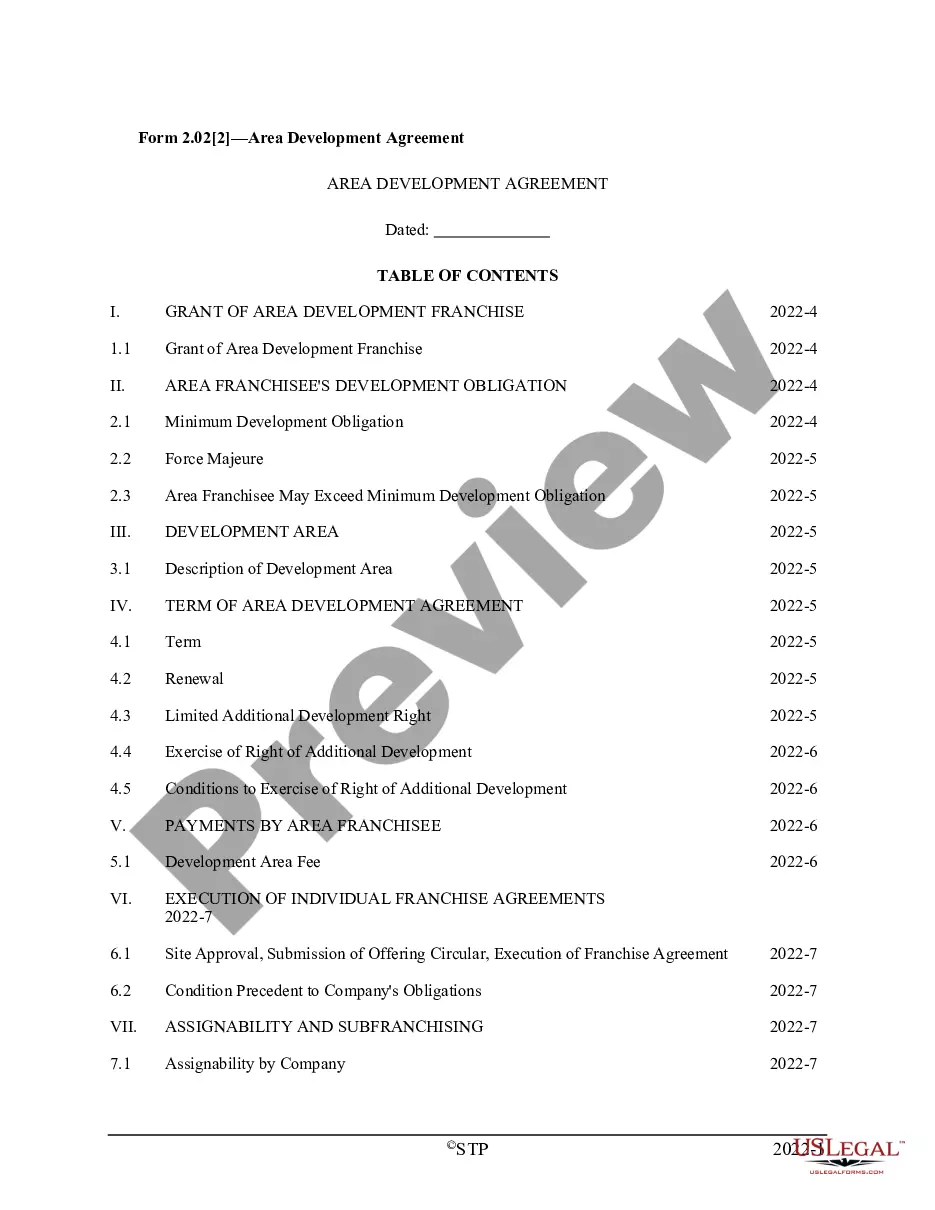





How to fill out Motion To Dismiss Foreclosure Action And Notice Of Motion?
- Log in to your existing US Legal Forms account to download the required template. Ensure your subscription is active; if it isn’t, follow the prompts to renew it.
- Review the form preview and description carefully to confirm it meets your legal needs and is compliant with your local jurisdiction.
- If you find any discrepancies, use the Search feature to locate alternative templates that better suit your requirements.
- To purchase the selected document, click on the Buy Now button and choose a subscription plan that works for you. You'll need to create an account for full access.
- Complete your purchase by entering your payment information via credit card or PayPal.
- Download your chosen form and save it on your device. You can always revisit the template later through the My Forms section of your account.
By following these straightforward steps, you can simplify the often complex process of foreclosing on a house. Remember, having the right legal documentation is crucial to ensure your case is handled properly.
Don't hesitate; access US Legal Forms today to expedite your legal documentation needs!
Form popularity
FAQ
To respond to a foreclosure notice effectively, review the notice details and assess your situation. You may need to challenge the foreclosure based on legal grounds or negotiate with your lender for a different arrangement. Using resources from US Legal Forms can equip you with templates and guidance to craft an effective response.
Yes, it is possible to stop foreclosure once it starts, but quick action is essential. You may explore options like filing for bankruptcy, negotiating with your lender, or applying for foreclosure alternatives. Each option has implications, so understanding these paths can help you make informed decisions about your situation.
When you receive a foreclosure notice, respond promptly to protect your rights. You should review the notice carefully, gather necessary documents, and consider consulting with an attorney or using resources from US Legal Forms to prepare your response. Addressing the notice correctly can influence the outcome of foreclosing on a house.
Foreclosing on a house generally involves six phases: Pre-foreclosure, Notice of Default, Auction, Post-Auction, Redemption Period, and Eviction. Understanding these stages helps you navigate the process and identify your options at each step. Being aware of these phases allows you to take timely actions to protect your property and financial future.
To get a foreclosure dismissed, you need to present a solid defense in court. This might involve proving violations of state laws or showing that the lender did not follow the correct procedures for foreclosing on a house. If you need support understanding your options, consider using US Legal Forms for resources and templates that can guide you through the process.
Yes, you can give your house back to the mortgage company through a process called a deed in lieu of foreclosure. This option allows you to transfer ownership of the property to your lender, thus relieving you of your mortgage obligations. It can be an effective solution to avoid the repercussions of a formal foreclosure.
As mentioned earlier, you cannot technically initiate a voluntary foreclosure. However, you can facilitate a smoother process through a deed in lieu of foreclosure. This means you can return the property to your lender without going through the lengthy foreclosure process, which often benefits both parties.
In Georgia, the foreclosure process typically takes about 60 days from the time of default. However, if the homeowner contests the foreclosure, the process can extend due to legal proceedings. Understanding these timelines can help you navigate the situation effectively.
A voluntary foreclosure can remain on your credit report for up to seven years. This timeframe is consistent with the impact of traditional foreclosures, as both can significantly affect your credit score. It's vital to understand this consequence if you are considering options related to foreclosures on a house.
While you cannot technically 'voluntarily foreclose' on a house, you can choose to work with your lender to surrender the property. This often involves a deed in lieu of foreclosure, which lets you transfer your property back to the lender, alleviating some of your debt. This option can be less damaging to your credit than a traditional foreclosure.