Distribution Rights For Film
Description
Get your form ready online
Our built-in tools help you complete, sign, share, and store your documents in one place.
Make edits, fill in missing information, and update formatting in US Legal Forms—just like you would in MS Word.
Download a copy, print it, send it by email, or mail it via USPS—whatever works best for your next step.
Sign and collect signatures with our SignNow integration. Send to multiple recipients, set reminders, and more. Go Premium to unlock E-Sign.
If this form requires notarization, complete it online through a secure video call—no need to meet a notary in person or wait for an appointment.
We protect your documents and personal data by following strict security and privacy standards.

Make edits, fill in missing information, and update formatting in US Legal Forms—just like you would in MS Word.

Download a copy, print it, send it by email, or mail it via USPS—whatever works best for your next step.

Sign and collect signatures with our SignNow integration. Send to multiple recipients, set reminders, and more. Go Premium to unlock E-Sign.

If this form requires notarization, complete it online through a secure video call—no need to meet a notary in person or wait for an appointment.

We protect your documents and personal data by following strict security and privacy standards.
Looking for another form?
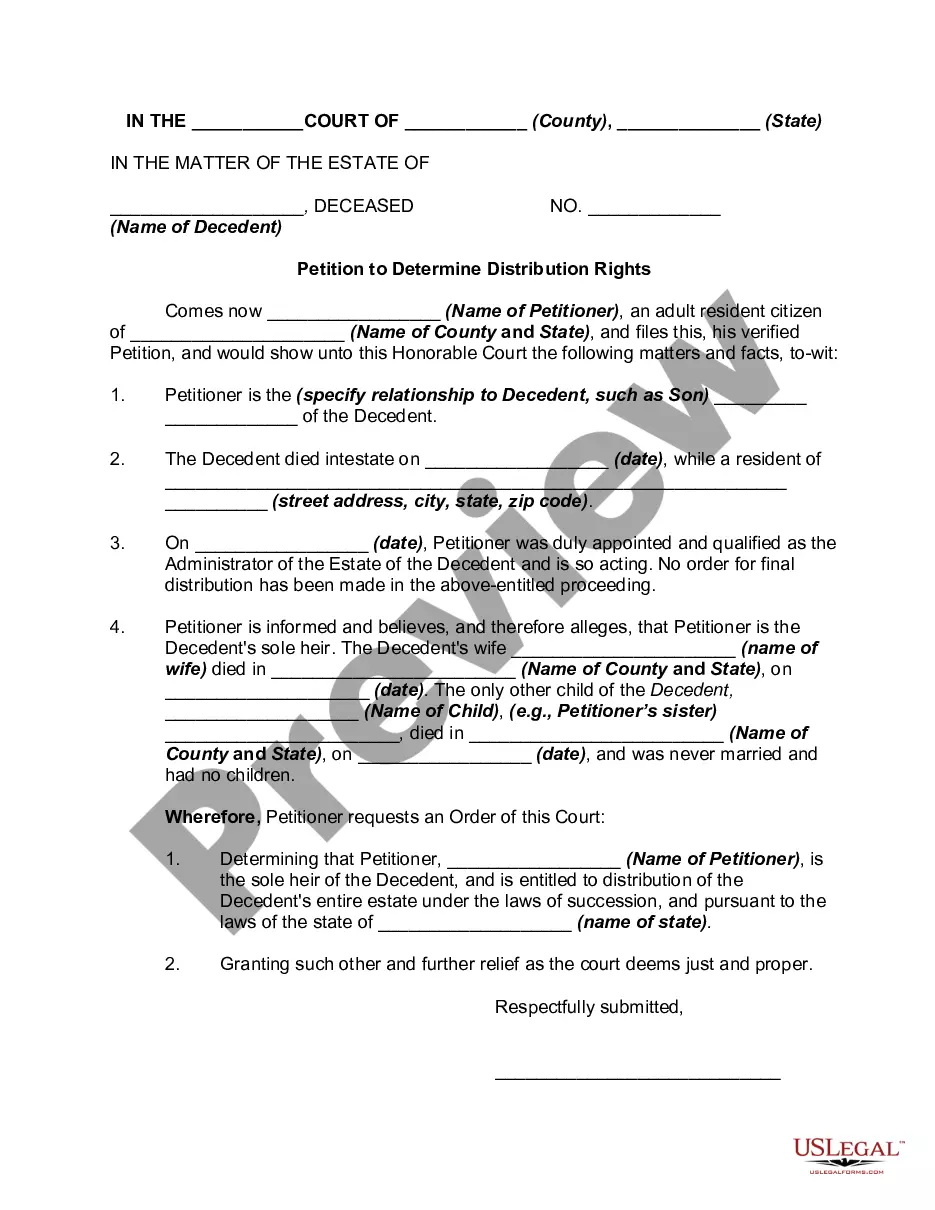
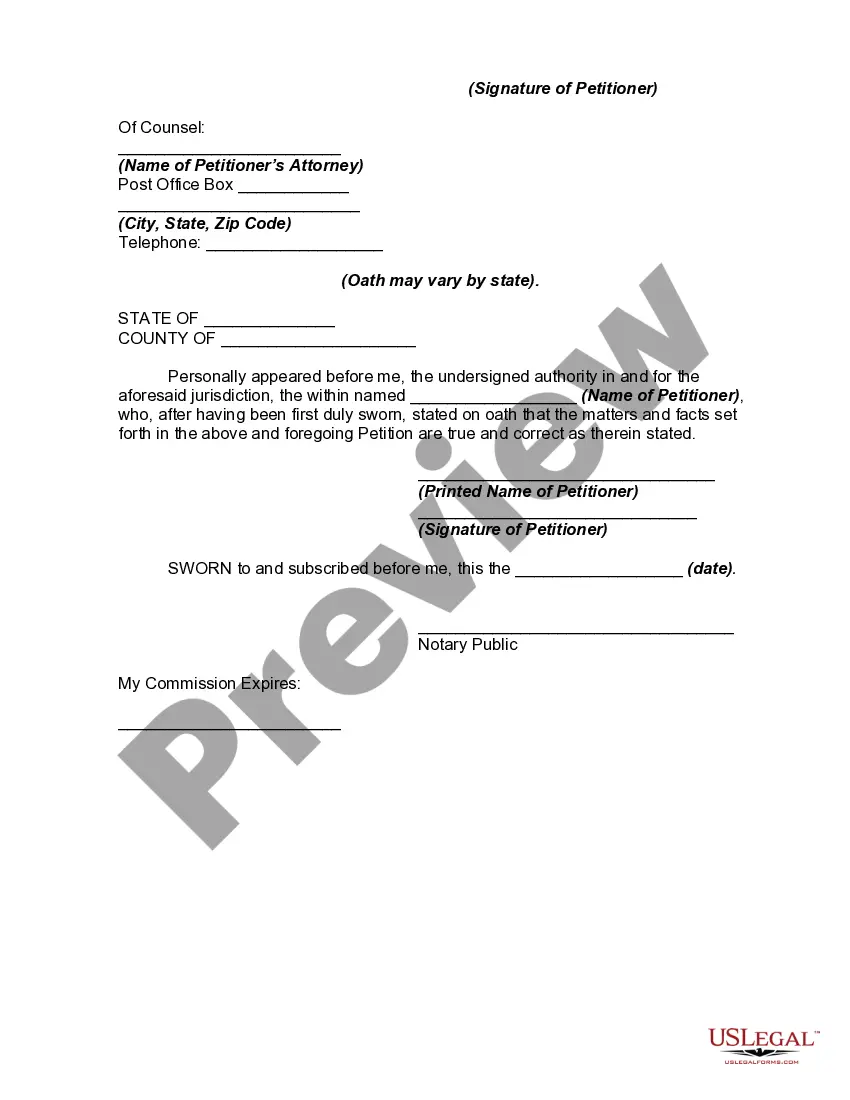
How to fill out Petition To Determine Distribution Rights Of The Assets Of A Decedent?
It’s clear that you cannot become a legal expert instantly, nor can you rapidly learn how to prepare Distribution Rights For Film without possessing a specialized skill set.
Drafting legal documents is an intricate process that demands specific education and expertise. So why not entrust the preparation of the Distribution Rights For Film to the experts.
With US Legal Forms, one of the most extensive legal document repositories, you can access everything from court forms to templates for internal communication.
You can restore access to your documents from the My documents section at any time. If you’re a returning customer, you can simply Log In, and find and download the template from the same section.
Regardless of the aim of your documents—whether financial and legal or personal—our platform has you covered. Explore US Legal Forms now!
- Locate the form you need with the search feature at the top of the page.
- View it (if this option is available) and read the accompanying description to determine if Distribution Rights For Film is what you need.
- Repeat your search if you require another form.
- Create a free account and choose a subscription plan to purchase the form.
- Click Buy now. Once the payment is completed, you can download the Distribution Rights For Film, complete it, print it, and send it by mail to the appropriate individuals or organizations.
Form popularity
FAQ
There are two types of distribution: leasing and profit-sharing. Leasing, the distributor agrees to pay a fixed amount for the rights to distribute the film. Profit-sharing, the distributor gets a percentage of the profits made from the film. This percentage is usually between 10-50%.
These include (1) Foreign Pre-Sales or Territorial Distribution Agreements, (2) Negative Pickup, (3) Television Syndication, (4) Domestic Co-production, (5) New Media/ Video-On-Demand (VOD) Distribution, (6) Foreign Co-production, (7) First-Look Deals, (8) Output Deals, and (9) Production-Financing-Distribution ...
Distribution fees vary by territory and media. For a domestic theatrical release, a distributor may ask for a fee of 35% of gross revenues. For domestic home video, there are several formulas: either a 50/50 net deal, or a royalty deal.
However, the majority of film distributors will only accept submissions if you go through a sales agent. A sales agent works on behalf of the producer to sell the rights of the film for distribution. They also promote and represent the film at festivals and markets.
The percentage of distribution fees can range from 10% to 50% or more, depending on the factors mentioned above. For example, if your film has a gross revenue of $100,000 and a distribution fee of 30%, you will pay $30,000 to the distributor.