Final Estate Document Within
Description
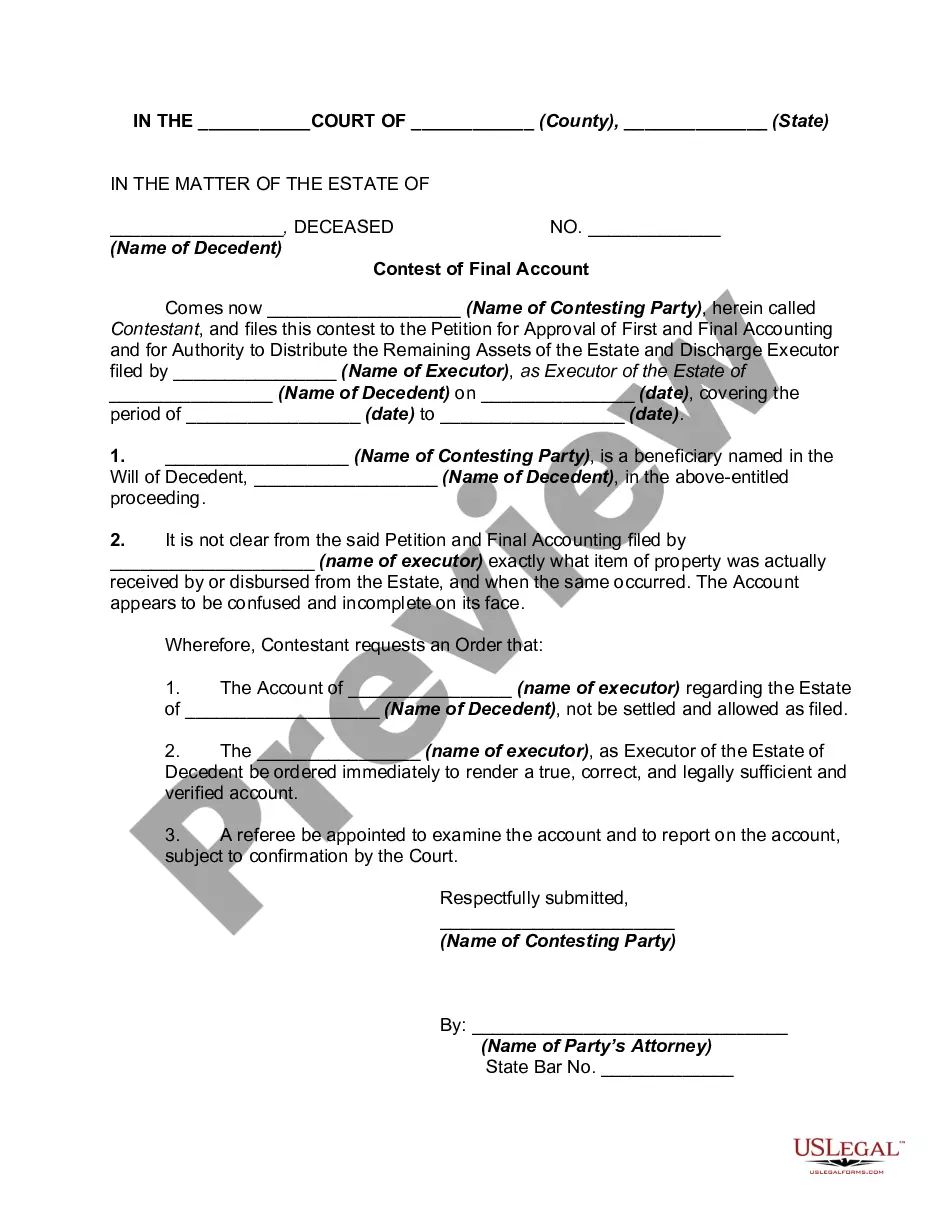
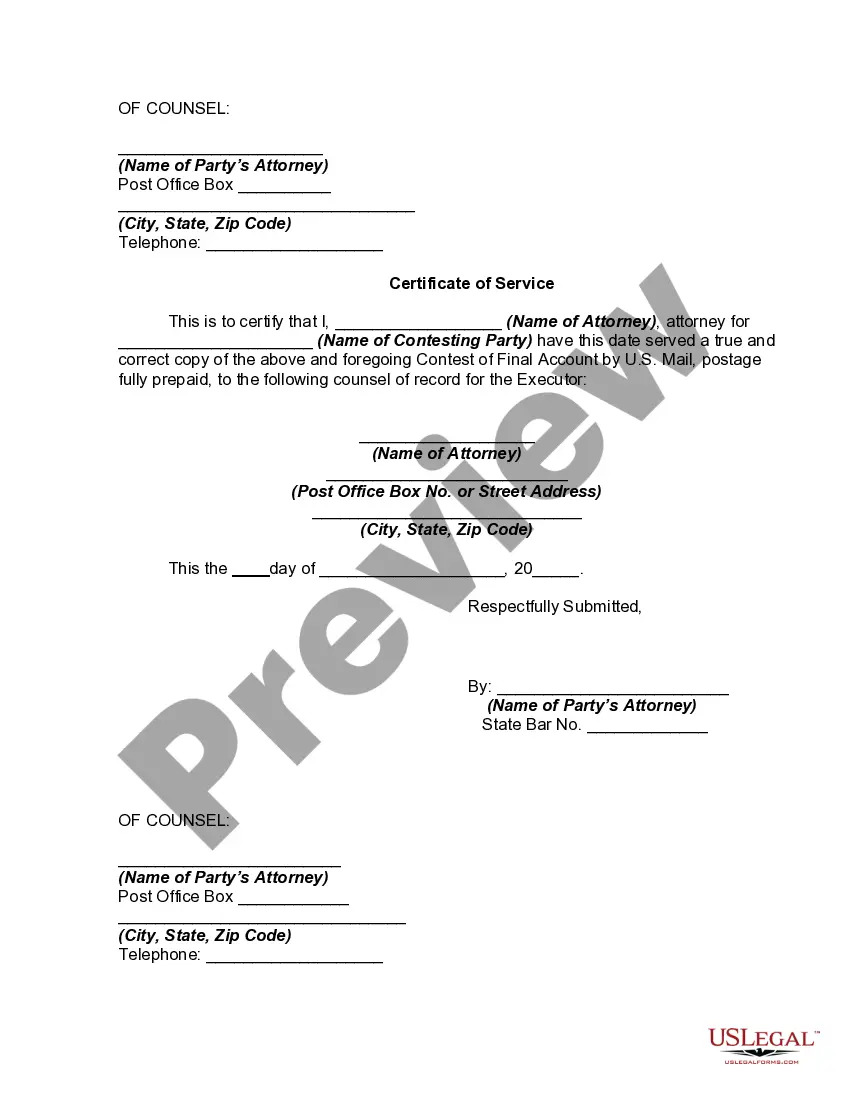
Get your form ready online
Our built-in tools help you complete, sign, share, and store your documents in one place.
Make edits, fill in missing information, and update formatting in US Legal Forms—just like you would in MS Word.
Download a copy, print it, send it by email, or mail it via USPS—whatever works best for your next step.
Sign and collect signatures with our SignNow integration. Send to multiple recipients, set reminders, and more. Go Premium to unlock E-Sign.
If this form requires notarization, complete it online through a secure video call—no need to meet a notary in person or wait for an appointment.
We protect your documents and personal data by following strict security and privacy standards.

Make edits, fill in missing information, and update formatting in US Legal Forms—just like you would in MS Word.

Download a copy, print it, send it by email, or mail it via USPS—whatever works best for your next step.

Sign and collect signatures with our SignNow integration. Send to multiple recipients, set reminders, and more. Go Premium to unlock E-Sign.

If this form requires notarization, complete it online through a secure video call—no need to meet a notary in person or wait for an appointment.

We protect your documents and personal data by following strict security and privacy standards.
Looking for another form?



How to fill out Contest Of Final Account And Proposed Distributions In A Probate Estate?
It’s no secret that you can’t become a legal professional immediately, nor can you grasp how to quickly prepare Final Estate Document Within without the need of a specialized set of skills. Creating legal documents is a long process requiring a certain training and skills. So why not leave the preparation of the Final Estate Document Within to the professionals?
With US Legal Forms, one of the most extensive legal template libraries, you can find anything from court paperwork to templates for internal corporate communication. We know how crucial compliance and adherence to federal and local laws are. That’s why, on our website, all forms are location specific and up to date.
Here’s start off with our platform and get the document you require in mere minutes:
- Discover the form you need by using the search bar at the top of the page.
- Preview it (if this option available) and check the supporting description to determine whether Final Estate Document Within is what you’re searching for.
- Start your search again if you need any other template.
- Set up a free account and choose a subscription option to purchase the form.
- Choose Buy now. Once the transaction is complete, you can download the Final Estate Document Within, complete it, print it, and send or mail it to the designated individuals or organizations.
You can re-gain access to your forms from the My Forms tab at any time. If you’re an existing customer, you can simply log in, and find and download the template from the same tab.
No matter the purpose of your documents-whether it’s financial and legal, or personal-our platform has you covered. Try US Legal Forms now!
Form popularity
FAQ
A Final Account is a complete record detailing the assets, receipts, and disbursements made during a probate administration.
All beneficiaries do not need to formally approve estate accounts; however, it is best practice for the Executor(s) and main beneficiaries to sign the estate accounts to show a legal agreement across all parties. Nevertheless, the beneficiaries are entitled to receive a copy of them and review the information.
Simple estates might be settled within six months. Complex estates, those with a lot of assets or assets that are complex or hard to value can take several years to settle. If an estate tax return is required, the estate might not be closed until the IRS indicates its acceptance of the estate tax return.
Once all the estate is distributed you can prepare the final estate accounts. These should be approved and signed by you and the main beneficiaries.
If a beneficiary requests access to financial institution statements and the executor refuses to provide them, the beneficiary can take legal action. They can follow the court for an order compelling the executor to reveal the requested information.