Final Account For An Estate
Description
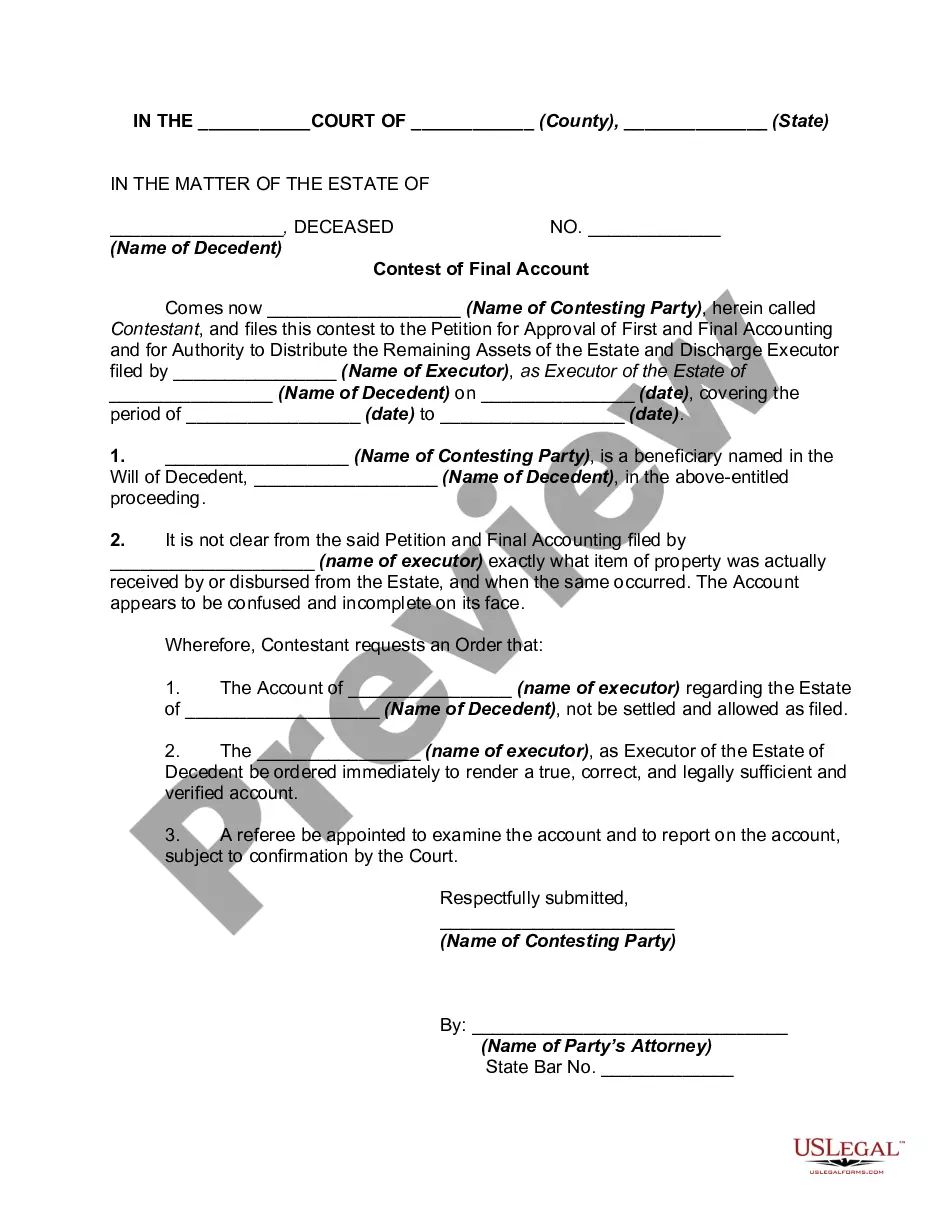
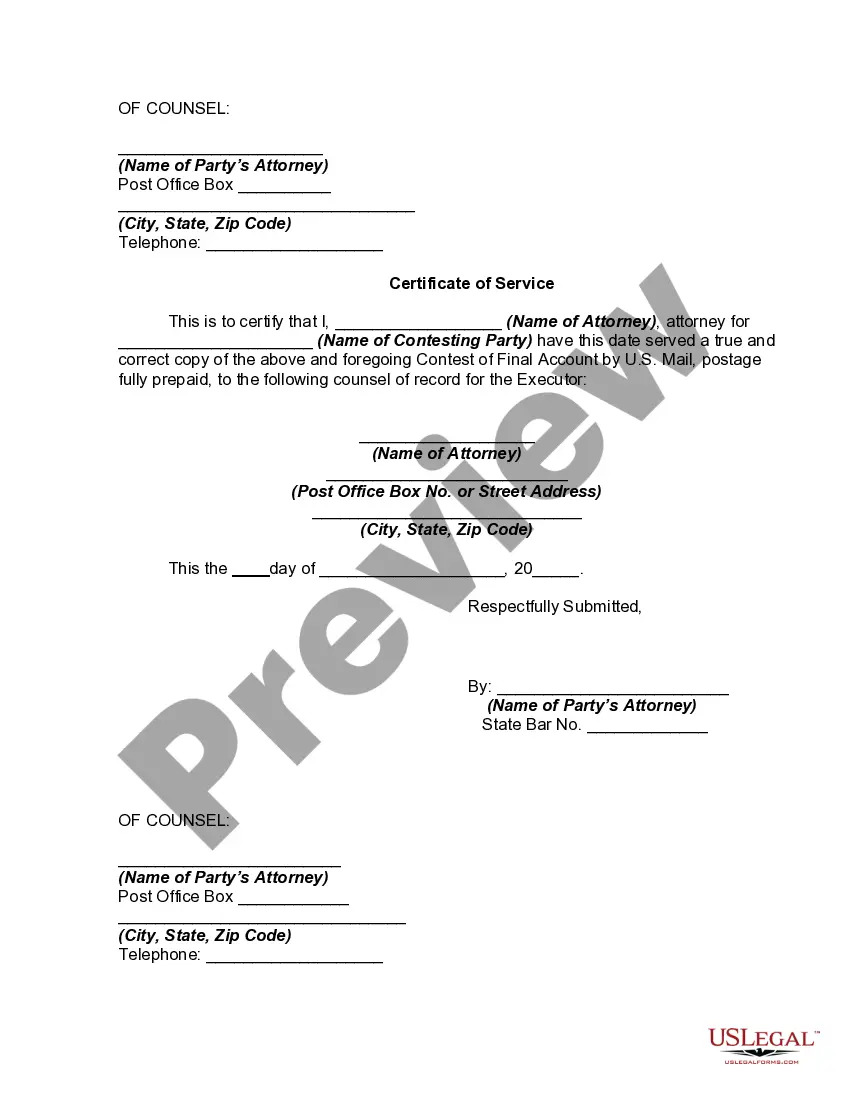
Get your form ready online
Our built-in tools help you complete, sign, share, and store your documents in one place.
Make edits, fill in missing information, and update formatting in US Legal Forms—just like you would in MS Word.
Download a copy, print it, send it by email, or mail it via USPS—whatever works best for your next step.
Sign and collect signatures with our SignNow integration. Send to multiple recipients, set reminders, and more. Go Premium to unlock E-Sign.
If this form requires notarization, complete it online through a secure video call—no need to meet a notary in person or wait for an appointment.
We protect your documents and personal data by following strict security and privacy standards.

Make edits, fill in missing information, and update formatting in US Legal Forms—just like you would in MS Word.

Download a copy, print it, send it by email, or mail it via USPS—whatever works best for your next step.

Sign and collect signatures with our SignNow integration. Send to multiple recipients, set reminders, and more. Go Premium to unlock E-Sign.

If this form requires notarization, complete it online through a secure video call—no need to meet a notary in person or wait for an appointment.

We protect your documents and personal data by following strict security and privacy standards.
Looking for another form?








How to fill out Contest Of Final Account And Proposed Distributions In A Probate Estate?
The Ultimate Financial Statement For An Estate you observe on this site is a versatile legal blueprint crafted by expert attorneys according to national and local regulations.
For over 25 years, US Legal Forms has supplied individuals, businesses, and legal practitioners with more than 85,000 authenticated, state-specific documents for any commercial and personal situation. It’s the fastest, easiest, and most dependable method to acquire the documents you require, as the service promises bank-level data protection and anti-malware security.
Re-download your documents as needed. Access the My documents tab in your profile to retrieve any previously saved documents.
- Search for the document you require and review it.
- Examine the example you located and preview it or review the form description to confirm it meets your needs. If it doesn’t, use the search function to find the appropriate one. Click Buy Now once you have identified the template you require.
- Choose and Log In to your account. Opt for the pricing plan that fits your needs and create an account. Make a swift payment using PayPal or a credit card. If you already possess an account, Log In and verify your subscription to proceed.
- Obtain the editable template. Choose the format you desire for your Ultimate Financial Statement For An Estate (PDF, Word, RTF) and store the document on your device.
- Fill out and sign the documents. Print the template for manual completion. Alternatively, use an online multi-functional PDF editor to quickly and accurately fill out and sign your form with an electronic signature.
Form popularity
FAQ
When writing a postnuptial agreement, you must provide the following information about both parties: The first party's name. The second party's name. Marriage date. The city and state where you were married. Your joint address. Information about existing children. ... Acknowledgment of full financial disclosure.
Although laws can differ by state, there are five basic elements to a postnuptial agreement: It must be in writing. ... It must be entered into voluntarily by both parties. It requires full and fair disclosure of relevant information at the time of execution. Terms must not be unconscionable or unjust or one-sided in nature.
For a Postnuptial Agreement to be considered valid, the couple: must provide full disclosure; must each have individual legal representation; must not be coming to the Postnuptial Agreement under duress or coercion; must agree to terms that would be considered fair and equitable.
In California, you can write your own postnuptial agreement, but this option is not recommended. These agreements must meet numerous legal requirements to be considered valid and enforceable by law, and most non-legal professionals simply do not possess the knowledge and resources to draft a sufficient agreement.
In a postnuptial agreement in California, spouses cannot contract or limit child support and child custody. All terms that set or restrict child support or child custody will make the entire postnup unenforceable.
How to Create a Postnuptial Agreement That's Enforceable The document must be in writing and notarized. The document must be signed voluntarily and intentionally by both parties. Both parties must make a full and fair disclosure of all their assets, debts, property, and income.
Postnuptial agreements are enforceable provided they are fair at the time they are made and fair at the time that they are sought to be enforced. Pacelli v. Pacelli, 319 N.J. Super. 185 (App.