Final Account Distributions Estate Without Will
Description
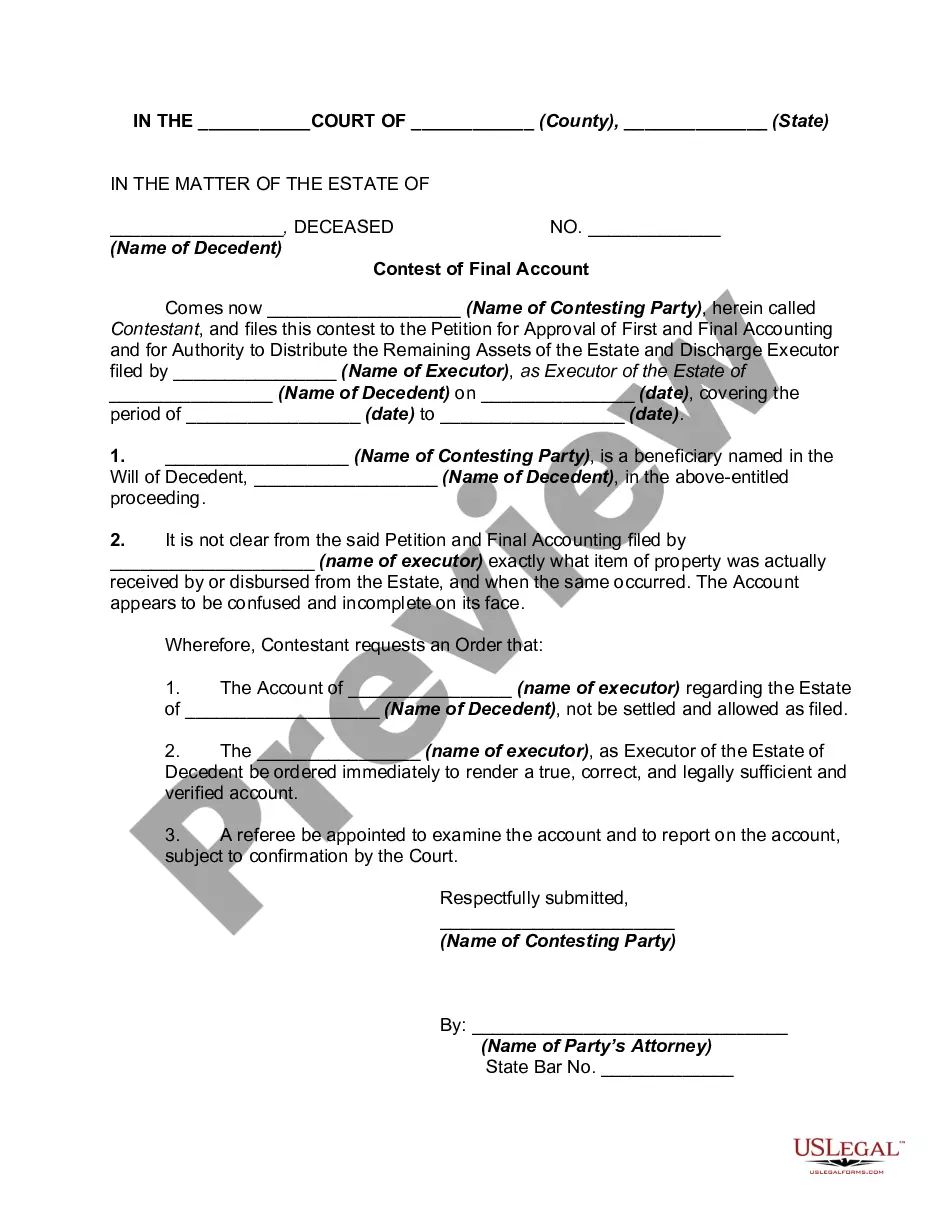
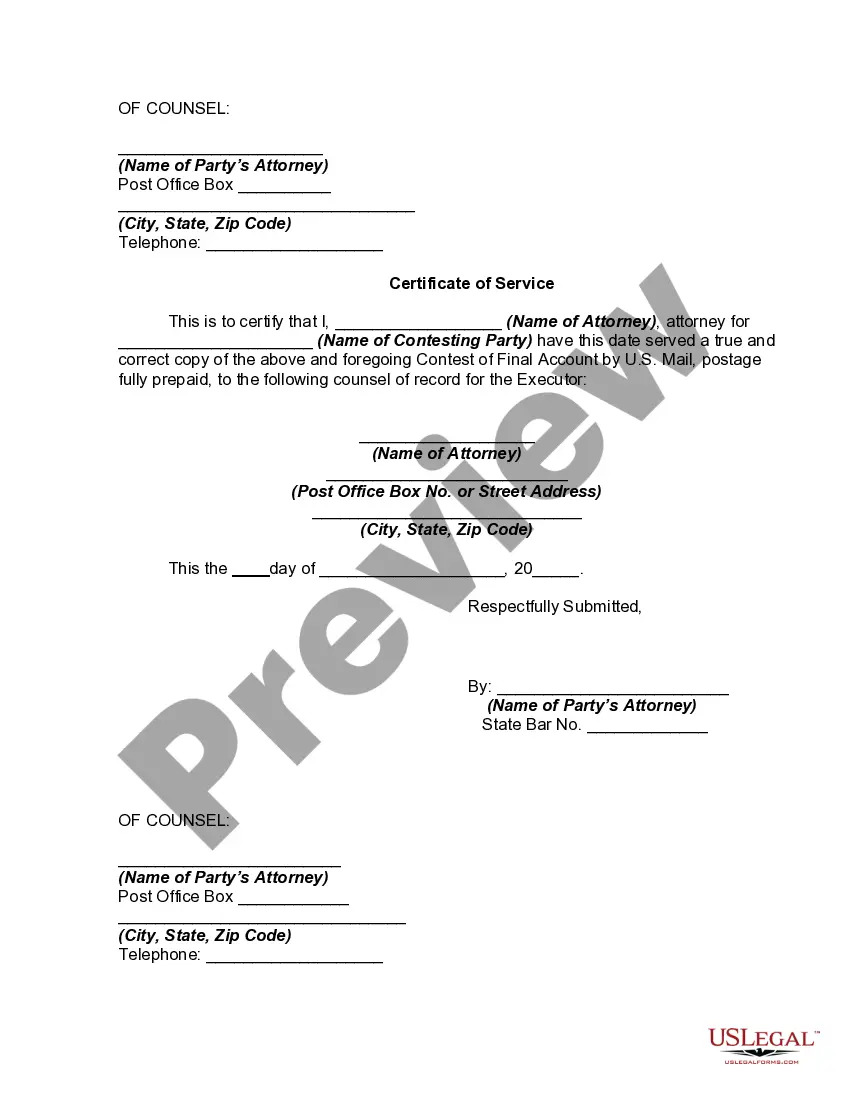
Get your form ready online
Our built-in tools help you complete, sign, share, and store your documents in one place.
Make edits, fill in missing information, and update formatting in US Legal Forms—just like you would in MS Word.
Download a copy, print it, send it by email, or mail it via USPS—whatever works best for your next step.
Sign and collect signatures with our SignNow integration. Send to multiple recipients, set reminders, and more. Go Premium to unlock E-Sign.
If this form requires notarization, complete it online through a secure video call—no need to meet a notary in person or wait for an appointment.
We protect your documents and personal data by following strict security and privacy standards.

Make edits, fill in missing information, and update formatting in US Legal Forms—just like you would in MS Word.

Download a copy, print it, send it by email, or mail it via USPS—whatever works best for your next step.

Sign and collect signatures with our SignNow integration. Send to multiple recipients, set reminders, and more. Go Premium to unlock E-Sign.

If this form requires notarization, complete it online through a secure video call—no need to meet a notary in person or wait for an appointment.

We protect your documents and personal data by following strict security and privacy standards.
Looking for another form?








How to fill out Contest Of Final Account And Proposed Distributions In A Probate Estate?
Locating a reliable source for the latest and suitable legal templates is a significant part of navigating bureaucracy. Securing the appropriate legal documents requires accuracy and meticulousness, which is why sourcing Final Account Distributions Estate Without Will exclusively from trustworthy providers, like US Legal Forms, is vital. An incorrect template can consume your time and delay your situation. With US Legal Forms, your concerns are minimal.
You can access and review all pertinent details regarding the document’s application and its relevance to your situation and location.
Eliminate the hassle associated with your legal documentation. Explore the comprehensive US Legal Forms library to find legal samples, verify their relevance to your situation, and download them without delay.
- Utilize the library navigation or search bar to find your template.
- Examine the form's description to confirm it meets your state's and area's requirements.
- View the form preview, if available, to verify it is indeed the template you need.
- Continue your search to locate the appropriate template if the Final Account Distributions Estate Without Will doesn't match your needs.
- If you are confident in the document's relevance, proceed to download it.
- If you have authorization, click Log in to verify and access your selected documents in My documents.
- If you lack an account, click Buy now to acquire the form.
- Choose the payment plan that meets your needs.
- Proceed with registration to finalize your purchase.
- Complete your transaction by selecting a payment option (credit card or PayPal).
- Choose the file format for downloading your Final Account Distributions Estate Without Will.
- Once you have the form on your device, you may edit it using the editor or print it to complete it manually.
Form popularity
FAQ
Inheritance without a will follows intestate succession laws, which vary by state. Generally, the estate's assets are divided among surviving relatives according to a predetermined hierarchy. If no immediate family exists, distant relatives may inherit, or the estate could go to the state. To simplify the process and ensure fair distributions, consider using USLegalForms for assistance with final account distributions estate without will.
To claim a deceased person's bank account without a will, you typically need to provide proof of your relationship to the deceased and a death certificate. Each bank may have different requirements, so it is essential to contact the bank directly for their specific procedures. In some cases, you might also need to go through probate court to access the funds. Utilizing resources like USLegalForms can guide you through the necessary steps for final account distributions estate without will.
When a person passes away without a will, their estate undergoes a legal process called intestate succession. In this process, state laws determine how assets are distributed among surviving relatives. Typically, the closest family members, such as spouses and children, receive priority. Understanding the laws in your state can help you navigate final account distributions estate without will effectively.
To report distributions from an estate, you typically need to complete IRS Form 1041 if the estate generates income. It's crucial to document all final account distributions estate without will accurately, as this ensures transparency and compliance with tax obligations. You may also need to provide beneficiaries with Schedule K-1 forms for their individual tax reporting. Platforms like US Legal Forms offer guides and templates to help you navigate this process smoothly.
Yes, an estate can be distributed without probate, particularly in cases where there is no will. In such situations, the final account distributions estate without will often follow state laws regarding intestacy. This process can be simpler and quicker, allowing heirs to receive their shares without lengthy court proceedings. However, it’s essential to consult legal resources or platforms like US Legal Forms to ensure compliance with state regulations.
A final accounting for an estate involves documenting all financial transactions related to the estate's administration. This includes income, expenses, and distributions to beneficiaries. Completing a final accounting is essential for transparency and for ensuring that final account distributions estate without will are accurately recorded. Legal assistance can help simplify this process.
An estate is distributed without a will according to intestacy laws, which vary by state. These laws prioritize relatives such as spouses and children, ensuring that assets are allocated fairly. Understanding these regulations aids in achieving final account distributions estate without will in a structured manner. Resources like US Legal Forms can assist in clarifying these laws.
If an estate has no will, state intestacy laws govern how the estate is distributed. This often means assets go to surviving family members based on a predefined order. The absence of a will can complicate matters, but it ensures that final account distributions estate without will follow legal protocols. Seeking guidance from experts can simplify this process for heirs.
An estate can be settled without a will through the intestacy process established by state law. Executors or administrators are appointed to manage the estate and distribute assets according to legal guidelines. This process facilitates final account distributions estate without will, ensuring an organized approach to asset distribution. Engaging with legal resources can aid in managing this settlement effectively.
Final distribution in probate occurs after all debts, taxes, and expenses are settled. The remaining assets are then distributed to the rightful heirs or beneficiaries. This step is vital for ensuring that final account distributions estate without will are handled correctly and legally. Using a service like US Legal Forms can streamline this process for those unfamiliar with probate procedures.