Account Probate Sample With Case Laws
Description
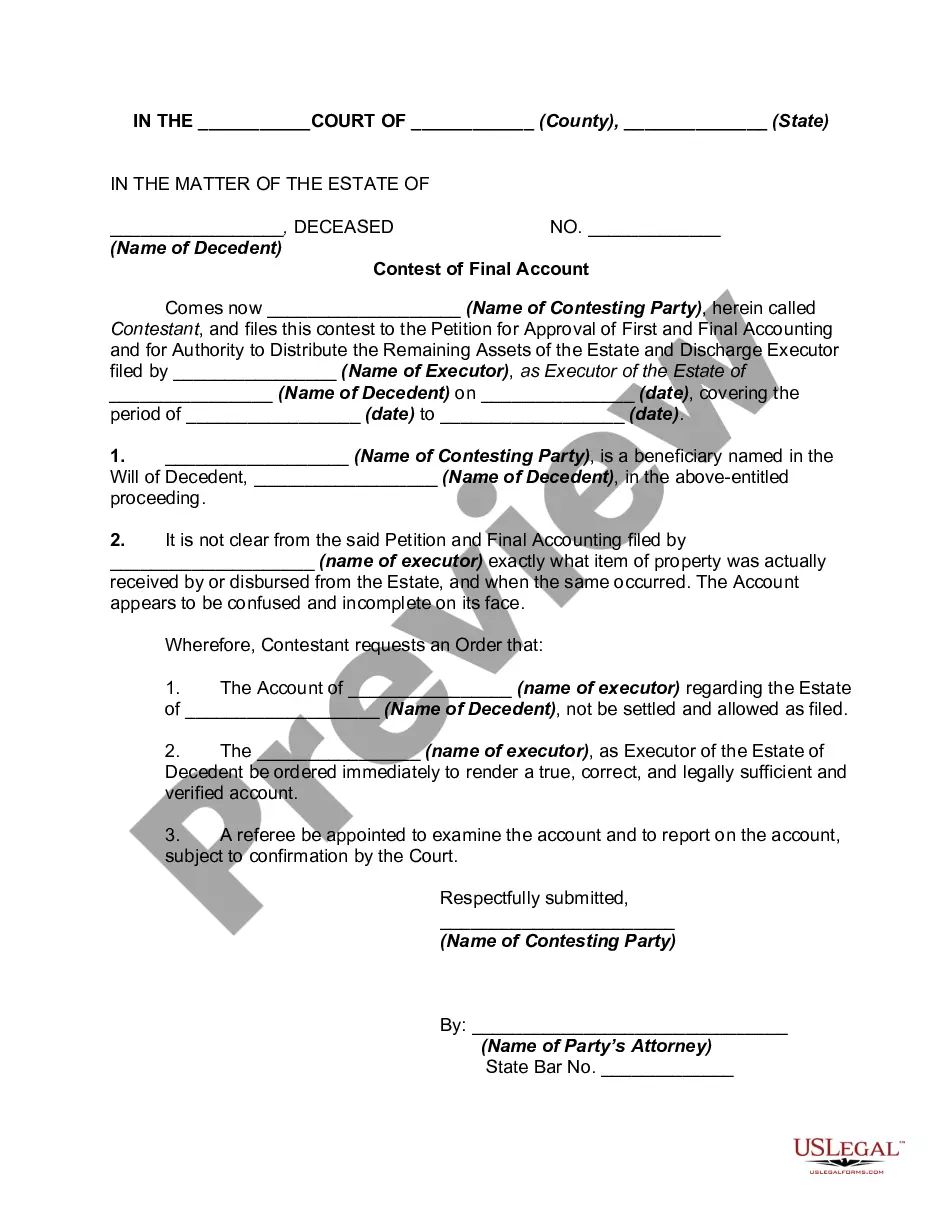
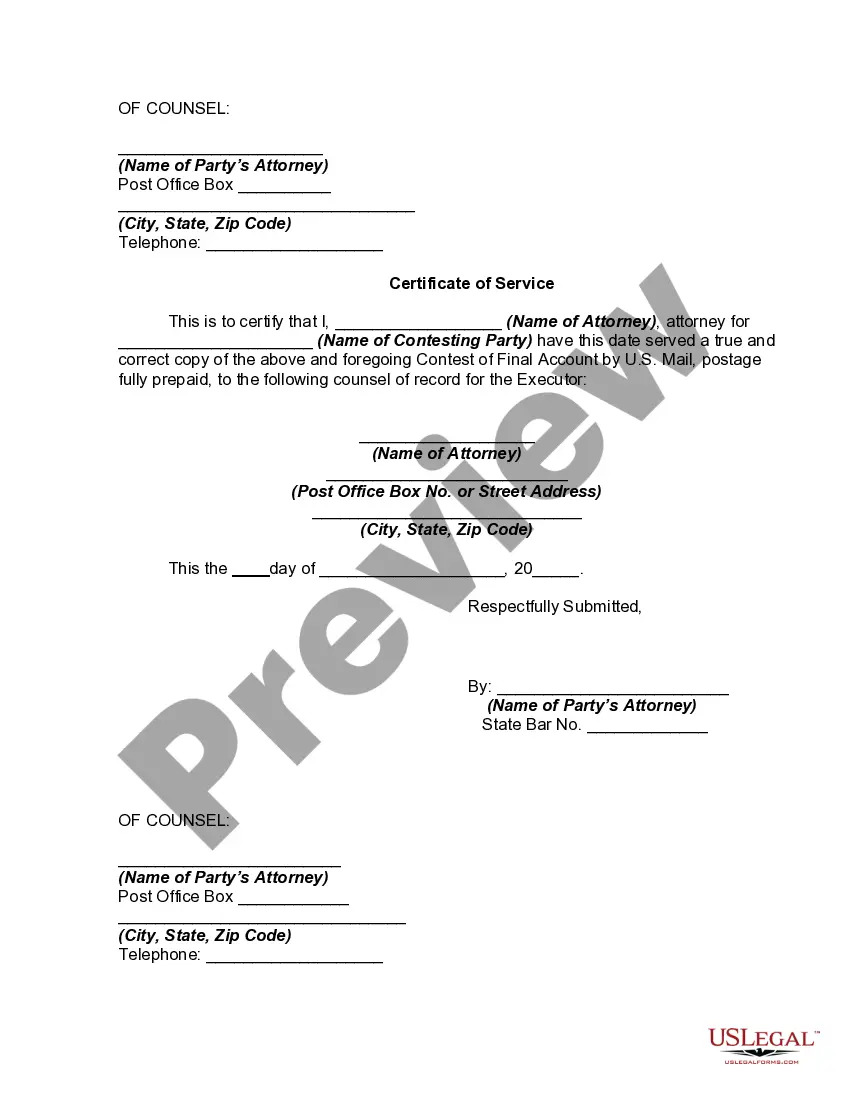
Get your form ready online
Our built-in tools help you complete, sign, share, and store your documents in one place.
Make edits, fill in missing information, and update formatting in US Legal Forms—just like you would in MS Word.
Download a copy, print it, send it by email, or mail it via USPS—whatever works best for your next step.
Sign and collect signatures with our SignNow integration. Send to multiple recipients, set reminders, and more. Go Premium to unlock E-Sign.
If this form requires notarization, complete it online through a secure video call—no need to meet a notary in person or wait for an appointment.
We protect your documents and personal data by following strict security and privacy standards.

Make edits, fill in missing information, and update formatting in US Legal Forms—just like you would in MS Word.

Download a copy, print it, send it by email, or mail it via USPS—whatever works best for your next step.

Sign and collect signatures with our SignNow integration. Send to multiple recipients, set reminders, and more. Go Premium to unlock E-Sign.

If this form requires notarization, complete it online through a secure video call—no need to meet a notary in person or wait for an appointment.

We protect your documents and personal data by following strict security and privacy standards.
Looking for another form?


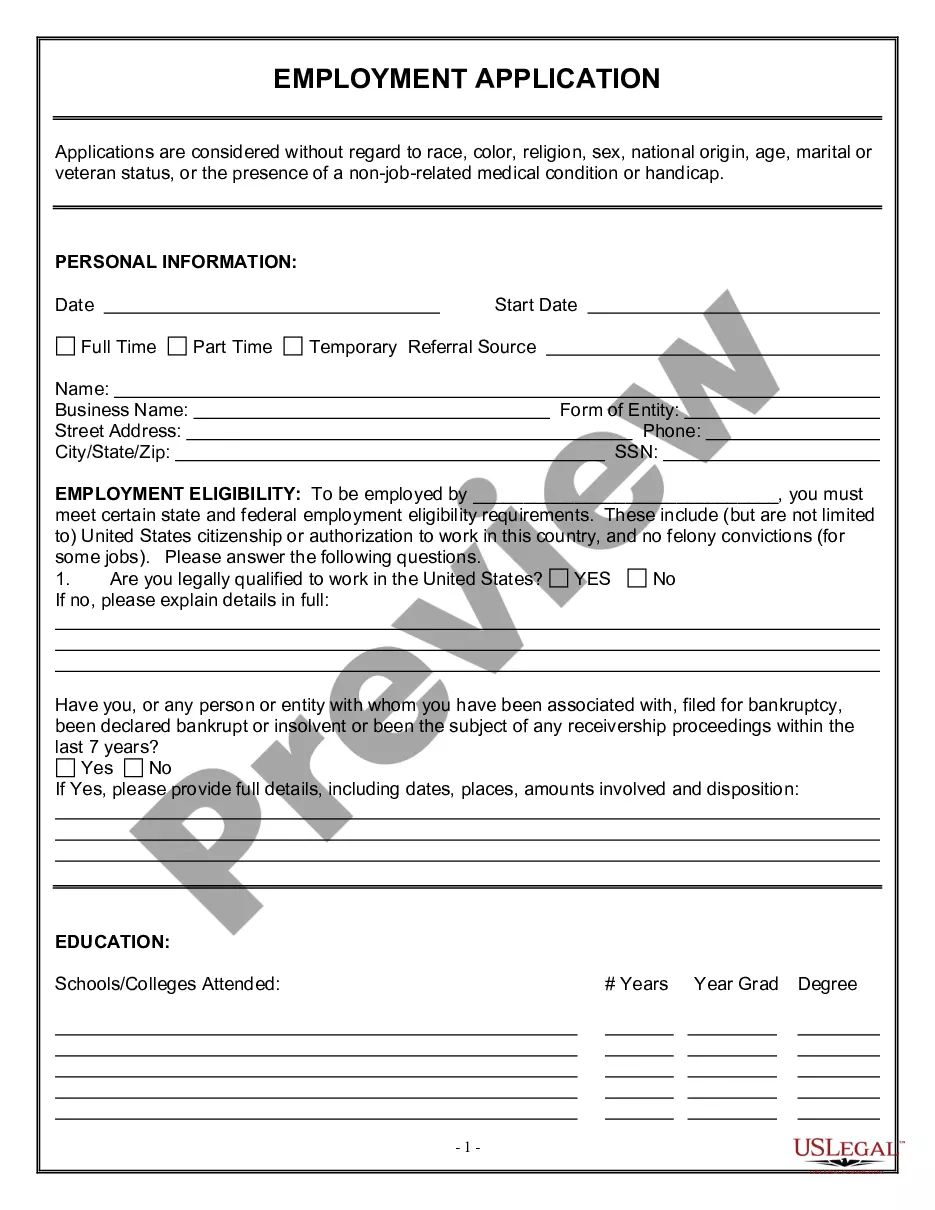






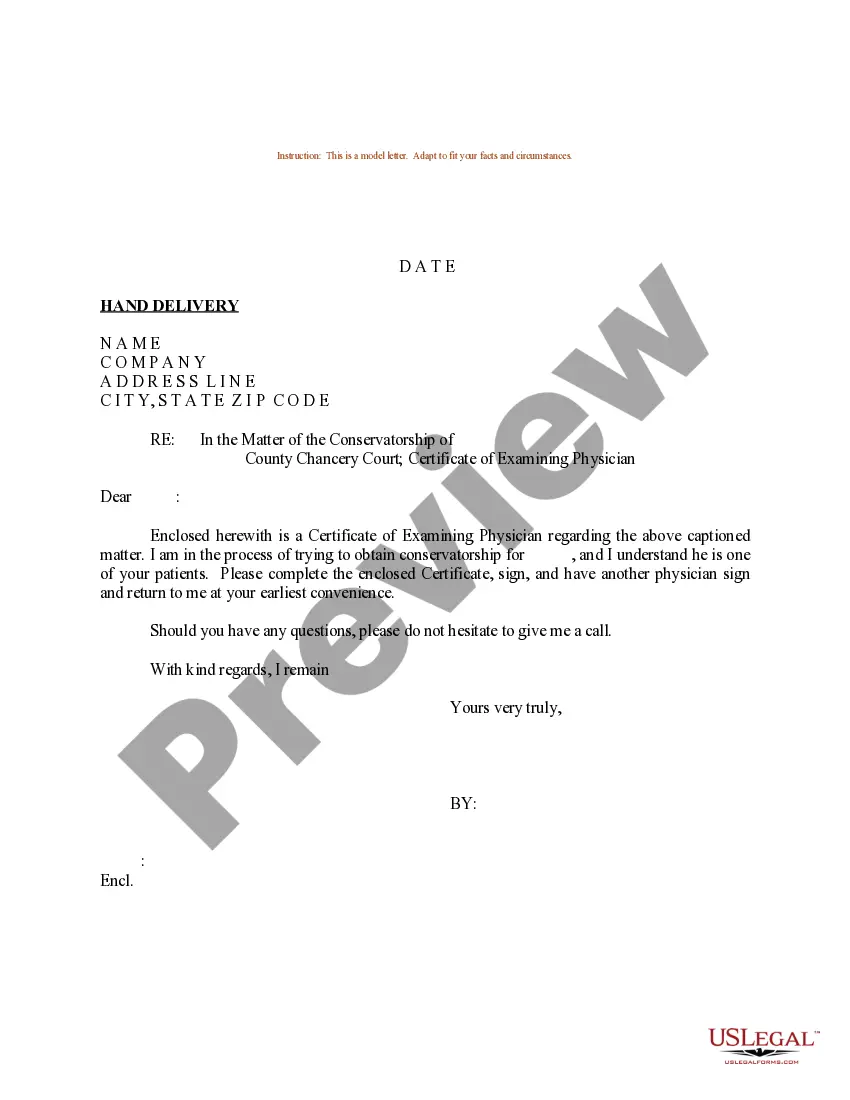
How to fill out Contest Of Final Account And Proposed Distributions In A Probate Estate?
Regardless of whether it's for corporate reasons or personal issues, everyone must confront legal matters at some stage in their life.
Completing legal documents requires meticulous care, beginning with choosing the right template.
After it has been downloaded, you can fill out the form using editing software or print it and complete it by hand. With an extensive US Legal Forms catalog available, you won’t waste time searching for the right sample online. Use the library's straightforward navigation to find the correct form for any occasion.
- For example, if you choose an incorrect version of the Account Probate Sample With Case Laws, it will be rejected once you submit it.
- Thus, it is vital to have a reliable source of legal documents like US Legal Forms.
- If you need to obtain an Account Probate Sample With Case Laws template, follow these simple steps.
- Retrieve the sample you require by utilizing the search bar or catalog navigation.
- Review the form's details to confirm it fits your circumstances, state, and area.
- Click on the form's preview to inspect it.
- If it's the wrong document, return to the search function to find the Account Probate Sample With Case Laws template you seek.
- Acquire the template if it aligns with your requirements.
- If you possess a US Legal Forms account, simply click Log in to access previously saved documents in My documents.
- If you haven't created an account yet, you can purchase the form by clicking Buy now.
- Select the appropriate pricing option.
- Complete the account registration form.
- Choose your payment method: you can opt for a credit card or PayPal account.
- Select the document format you desire and download the Account Probate Sample With Case Laws.
Form popularity
FAQ
Beneficiaries typically have the right to receive a copy of the estate account, which includes detailed financial information about the estate's assets and liabilities. This transparency helps beneficiaries understand how their inheritance is being managed. You can find valuable account probate samples with case laws on platforms like US Legal Forms, which assist in navigating these legal requirements smoothly.
Yes, an executor is generally required to provide an accounting to the beneficiaries of the estate. This accounting outlines all financial transactions related to the estate and demonstrates how assets are managed. Utilizing resources such as account probate samples with case laws from US Legal Forms can help ensure that executors fulfill their obligations transparently and accurately.
To obtain proof of the executor of an estate, you can request a copy of the court-issued Letters Testamentary. This document serves as official confirmation of the executor's authority to manage the estate. You may also consider consulting legal resources or services like US Legal Forms, which provides account probate samples with case laws to guide you through the process.
Yes, an executor is generally required to provide an accounting to beneficiaries after the probate process. This accounting includes a detailed record of all transactions, including income, expenses, and distributions made from the estate. Transparency is essential for maintaining trust among beneficiaries. For guidance on this process, reviewing an account probate sample with case laws on USLegalForms can be beneficial.
Accounts that are established as payable-on-death accounts are most likely to avoid probate. By designating a beneficiary, the funds can pass directly to them without going through the probate process. This can save time and reduce complications for your heirs. To explore more about such accounts, refer to account probate sample with case laws available through USLegalForms.
Assets that typically do not go through probate include life insurance policies, retirement accounts, and accounts with designated beneficiaries. These assets can be transferred directly to the beneficiaries upon death, simplifying the estate settlement process. Familiarizing yourself with these assets can facilitate better estate planning. For more details, check out account probate sample with case laws on USLegalForms.
Generally, an executor cannot access bank accounts before probate is opened. However, they may be able to access funds for immediate expenses if the bank recognizes them as the executor and allows it. This access can vary by institution and situation, so it’s important to clarify the policies with the bank. Learning more about this process through an account probate sample with case laws can provide useful insights.
Types of accounts that avoid probate include joint accounts, trust accounts, and accounts with a designated beneficiary. These accounts allow for a direct transfer of assets upon death, which can expedite the process for heirs. Knowing the differences among these account types can ease estate planning. For practical examples, refer to account probate sample with case laws on platforms like USLegalForms.
Accounts that are set up as payable-on-death (POD) accounts generally avoid probate. This type of account allows the owner to designate a beneficiary who will receive the funds directly upon the owner's death, bypassing the probate process. Understanding these options can help in planning your estate effectively. For more information, consider reviewing an account probate sample with case laws on USLegalForms.
Not all bank accounts go through probate. Accounts that are jointly owned or have a designated beneficiary typically avoid probate, allowing for a smoother transfer of funds. It is essential to review the ownership structure of each account to determine its status in probate proceedings. Using resources like USLegalForms can help clarify these distinctions with relevant case laws.