Trust Your Child
Description



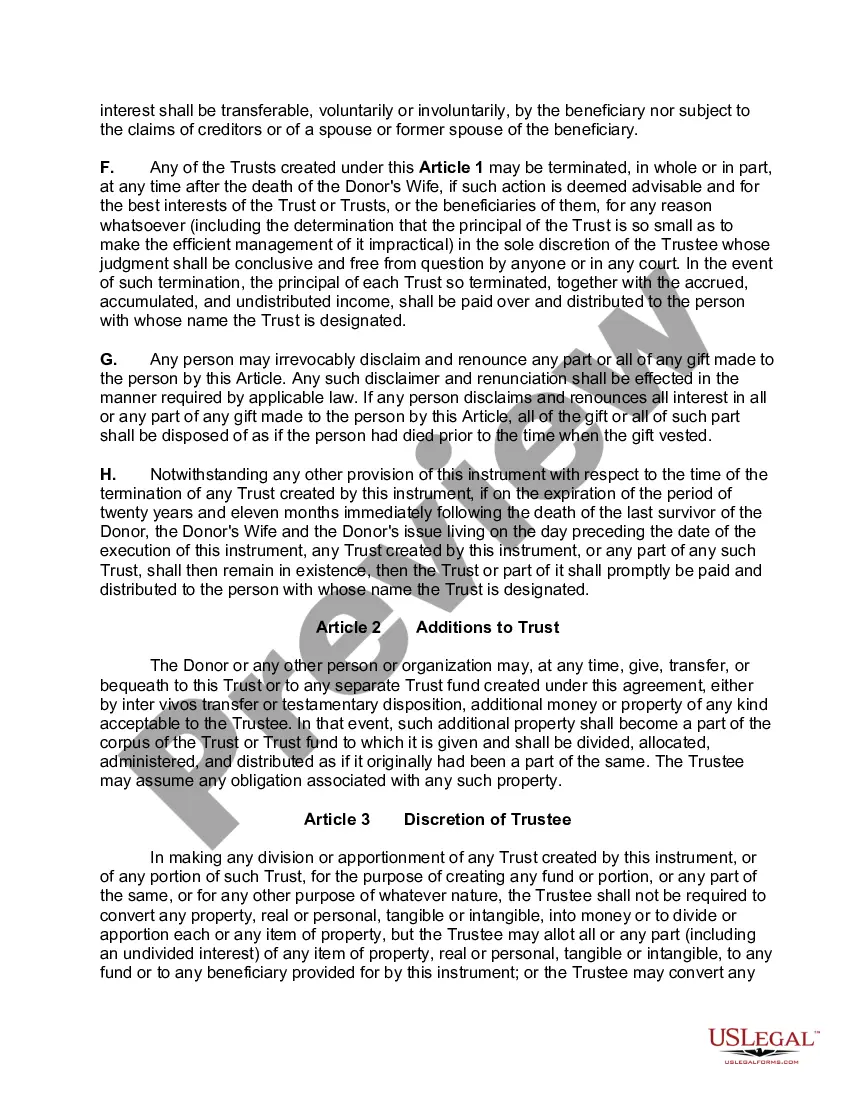
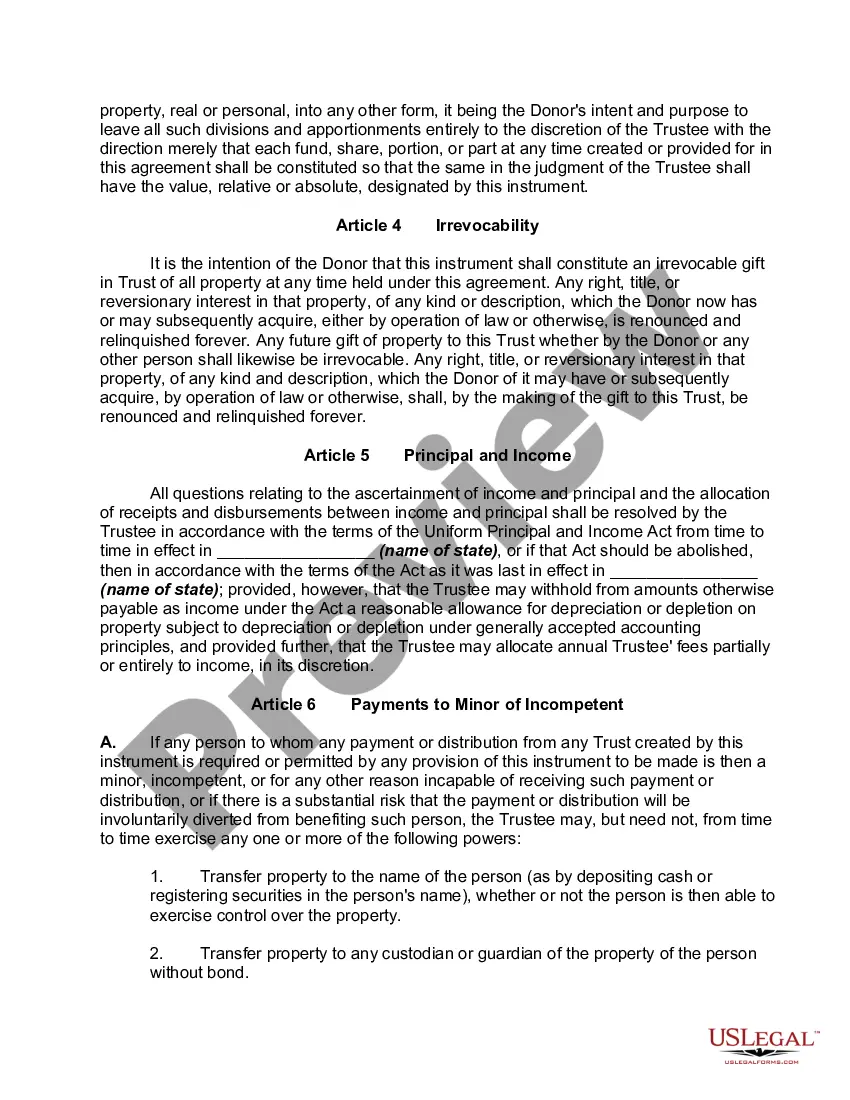



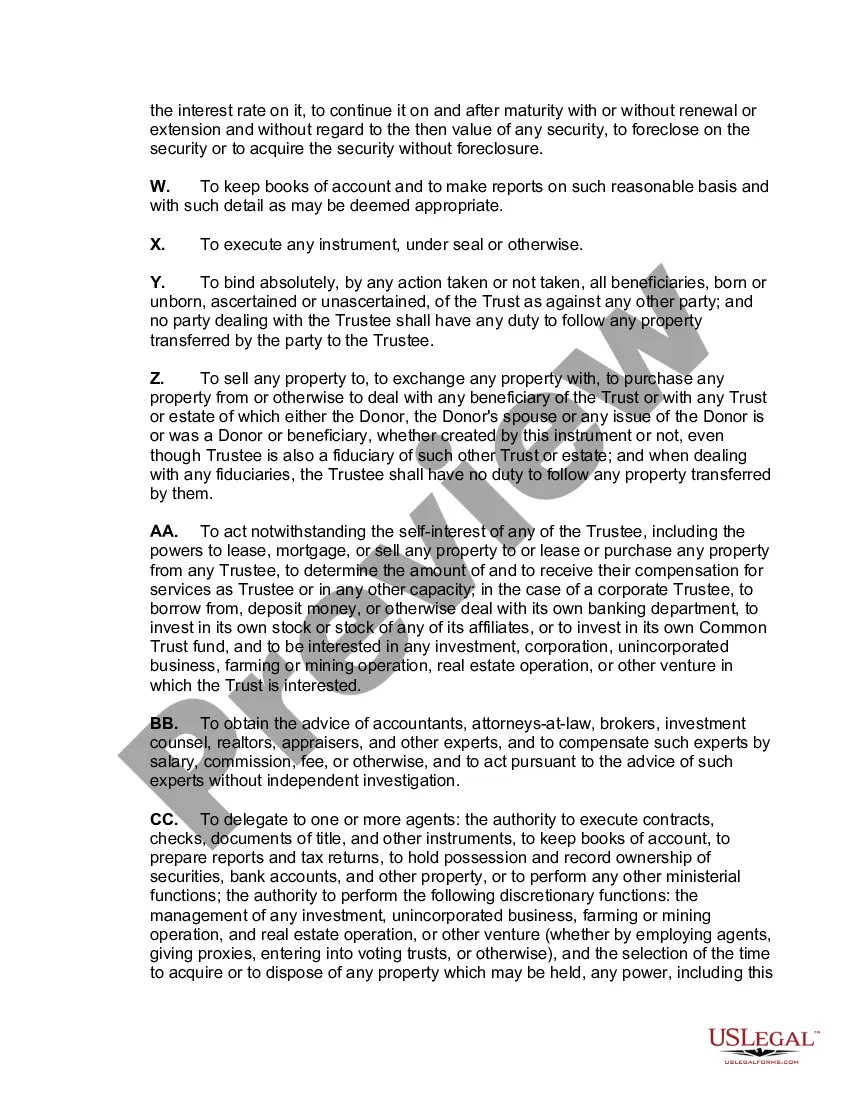




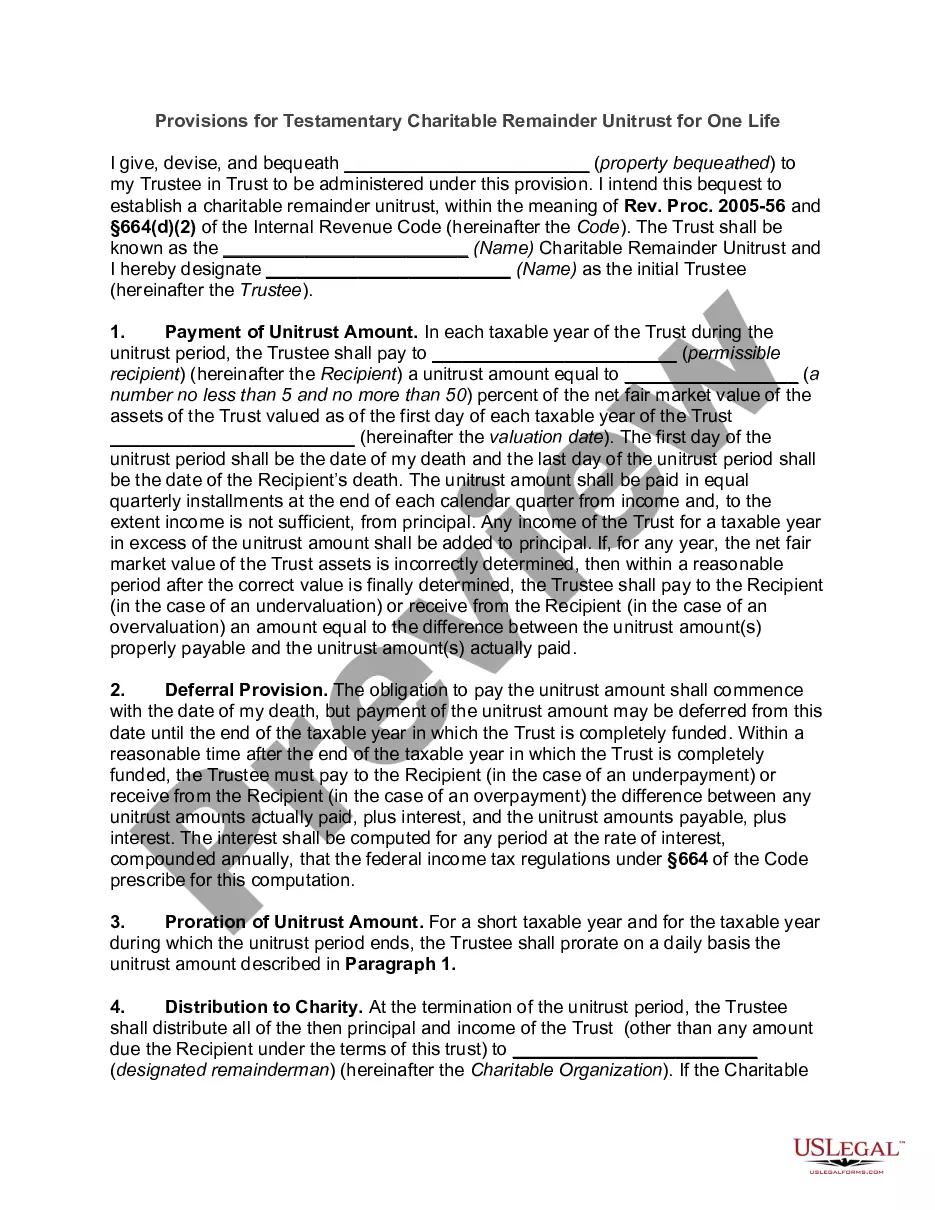
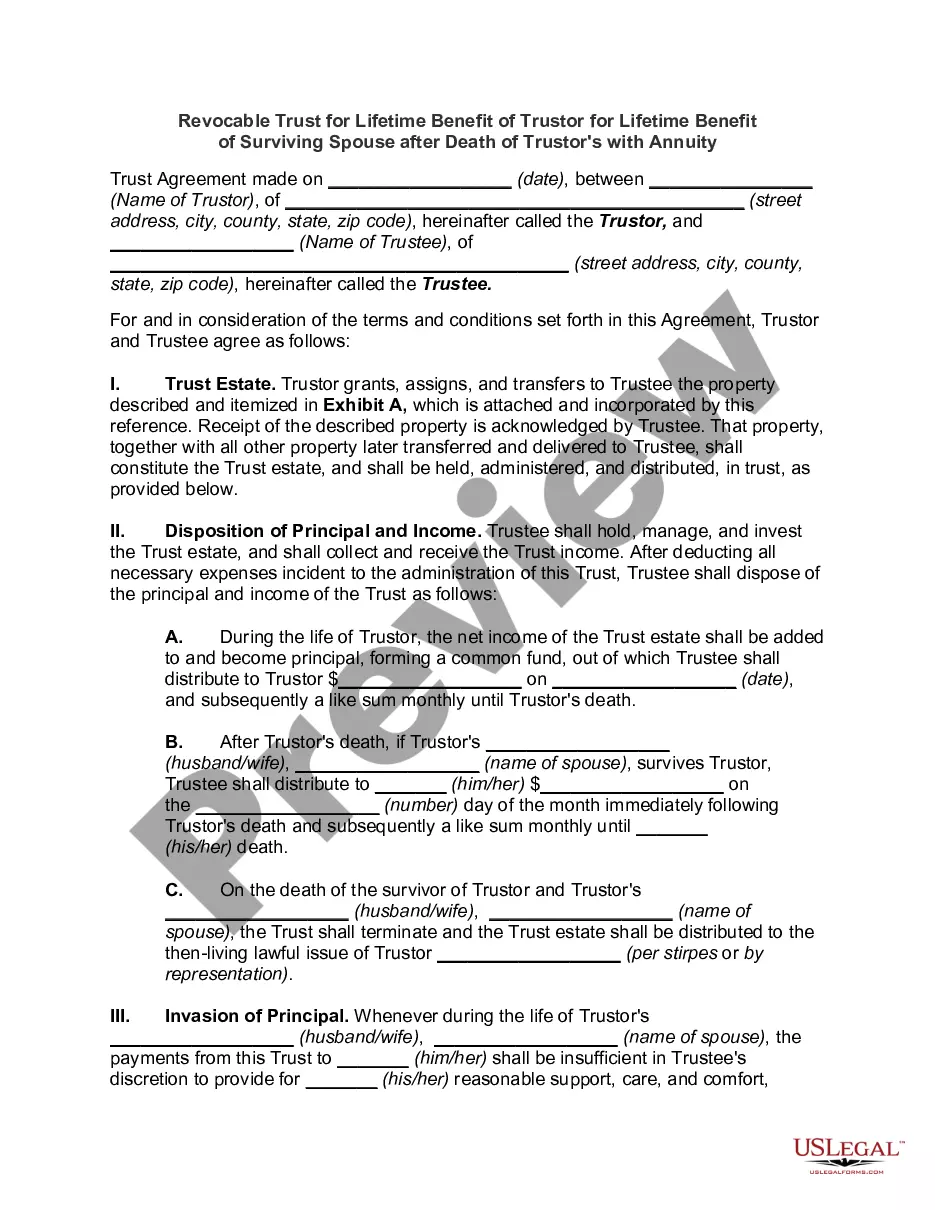
Get your form ready online
Our built-in tools help you complete, sign, share, and store your documents in one place.
Make edits, fill in missing information, and update formatting in US Legal Forms—just like you would in MS Word.
Download a copy, print it, send it by email, or mail it via USPS—whatever works best for your next step.
Sign and collect signatures with our SignNow integration. Send to multiple recipients, set reminders, and more. Go Premium to unlock E-Sign.
If this form requires notarization, complete it online through a secure video call—no need to meet a notary in person or wait for an appointment.
We protect your documents and personal data by following strict security and privacy standards.

Make edits, fill in missing information, and update formatting in US Legal Forms—just like you would in MS Word.

Download a copy, print it, send it by email, or mail it via USPS—whatever works best for your next step.

Sign and collect signatures with our SignNow integration. Send to multiple recipients, set reminders, and more. Go Premium to unlock E-Sign.

If this form requires notarization, complete it online through a secure video call—no need to meet a notary in person or wait for an appointment.

We protect your documents and personal data by following strict security and privacy standards.
Looking for another form?










How to fill out Inter Vivos QTIP Trust With Principal To Donor's Children On Spouse's Death?
- If you've used US Legal Forms before, log in to your account. Check that your subscription is active, renewing it if necessary.
- Preview the form you're interested in. Ensure it properly fits your needs and complies with your local jurisdiction.
- If the form doesn't meet your requirements, use the Search tab to locate alternative templates that align with your specifications.
- Once you've found the correct document, proceed to purchase by clicking the Buy Now button and selecting your preferred subscription plan.
- Complete your purchase by filling in your payment details, either using a credit card or PayPal.
- After the transaction, download your form. Save it to your device so you can complete it and access it later via the My Forms section of your account.
With US Legal Forms, you gain access to a vast library of over 85,000 legal documents. This extensive collection ensures that you can quickly find the forms you need, backed by assistance from premium experts for flawless completion.
Start your journey towards securing the right legal documents today. Trust your child with the best resources available—choose US Legal Forms for your legal needs!
Form popularity
FAQ
When you can't take care of your child anymore, prioritize their well-being by seeking assistance. Consider contacting local agencies that can help you navigate available options, such as counseling or temporary care. Remember that you are ultimately making a decision in the best interest of your child. Trust your child to reach out for support, allowing you to take steps toward better circumstances.
If you reach a point where you can't care for your child anymore, assess your situation and look for options that can provide the necessary support. You might benefit from leveraged resources, such as community services or referral programs, designed for parents in crisis. Trust your child to capable hands while you sort out your own needs and regain stability.
If you find yourself unable to care for your special needs child, it's essential to explore available resources and support systems. Begin by consulting with professionals who specialize in special needs care. Consider connecting with organizations that provide assistance, as they can help you find appropriate care solutions. Trust your child to receive the specialized care that meets their unique needs.
Yes, you can explore temporary foster care as an option if you need immediate support. This process allows your child to stay with a caring family while you take the time to address your situation. It's crucial to trust your child’s safety and well-being to those trained in foster care. Contact your local child welfare agency to understand the steps involved.
When you feel overwhelmed and can no longer handle your child, it's important to remember that you are not alone. Many parents face similar challenges. Consider reaching out to a trusted friend or family member for support, or seek professional help from a therapist specializing in parenting. Trust your child to professionals who can provide guidance and resources to help you improve your situation.
Trusting your child is crucial as it fosters independence and builds self-esteem. When children know their parents believe in them, they are more likely to make sound choices. This trust cultivates a positive atmosphere that encourages healthy communication. Ultimately, trusting your child strengthens your relationship and supports their growth.
To correct bad behavior, set clear expectations and consequences for actions. Be assertive yet compassionate in addressing issues, focusing on teaching rather than punishing. Engage your child in a conversation about their behavior, helping them understand its impact. When you trust your child, they become more receptive to making positive changes.
Building trust with your child begins with consistency in your words and actions. Be reliable and follow through on promises you make. Encourage them to share their experiences and feelings without the fear of judgment. When your child senses that you trust them, they are likely to reciprocate that trust back to you.
Building a relationship with a difficult child requires patience and understanding. Start by actively listening to their concerns and validating their feelings. Spend quality time together, engaging in activities they enjoy, to create a bond. Establishing trust with your child is essential, as it promotes cooperation and open communication.
Trusting your child involves being open and honest with them. Share your expectations and communicate the importance of integrity. Show them that you believe in their ability to make good choices. When you trust your child, it strengthens your bond and fosters a positive environment.