Trust Principal Donors Death Sample For The Future
Description

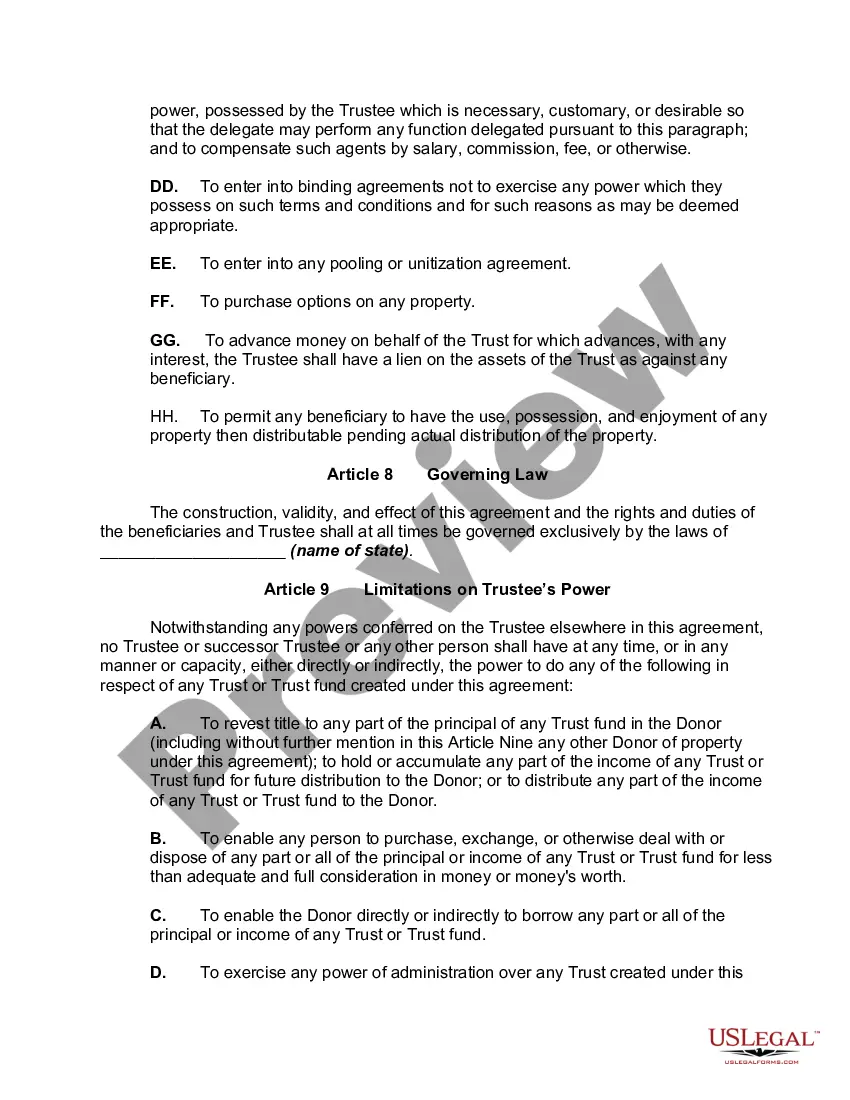

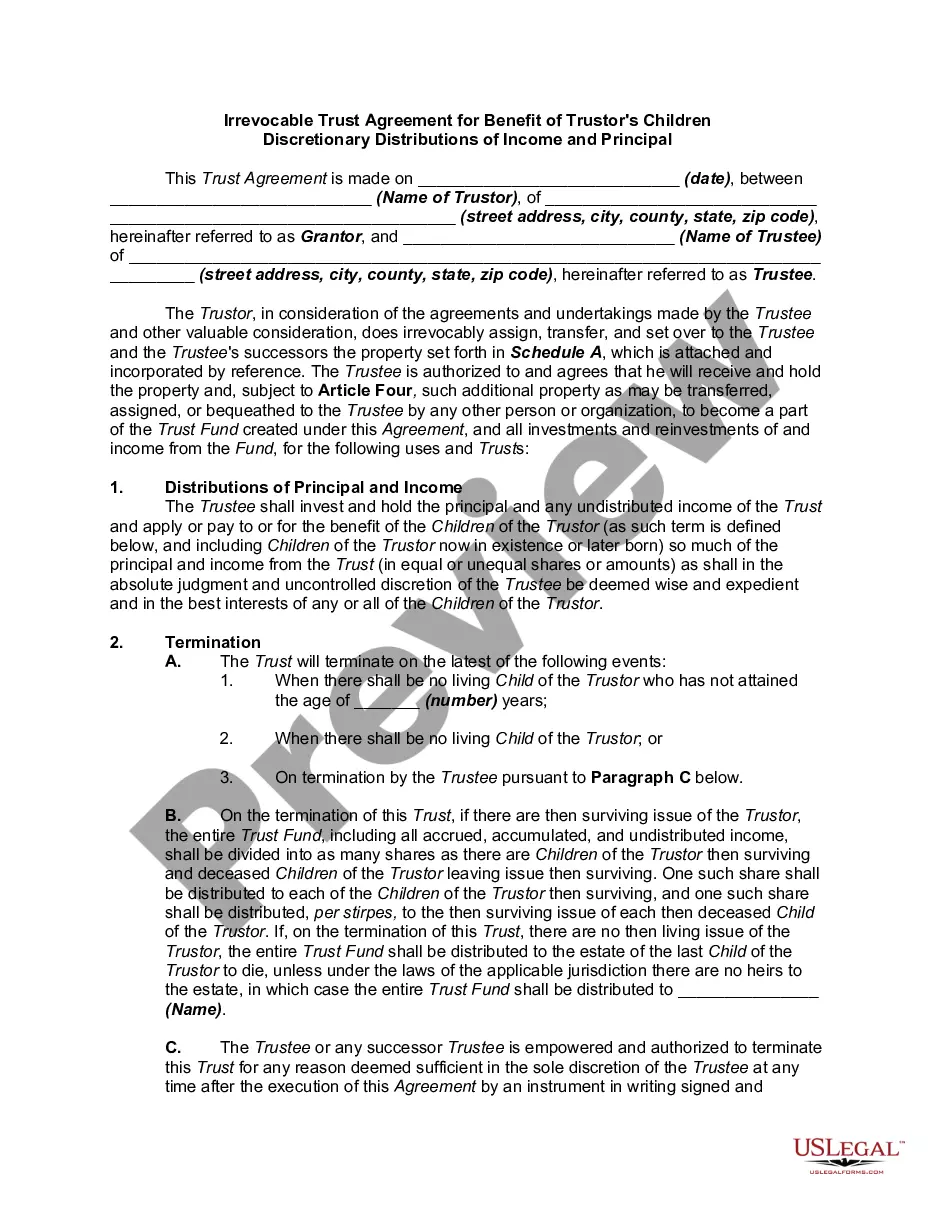
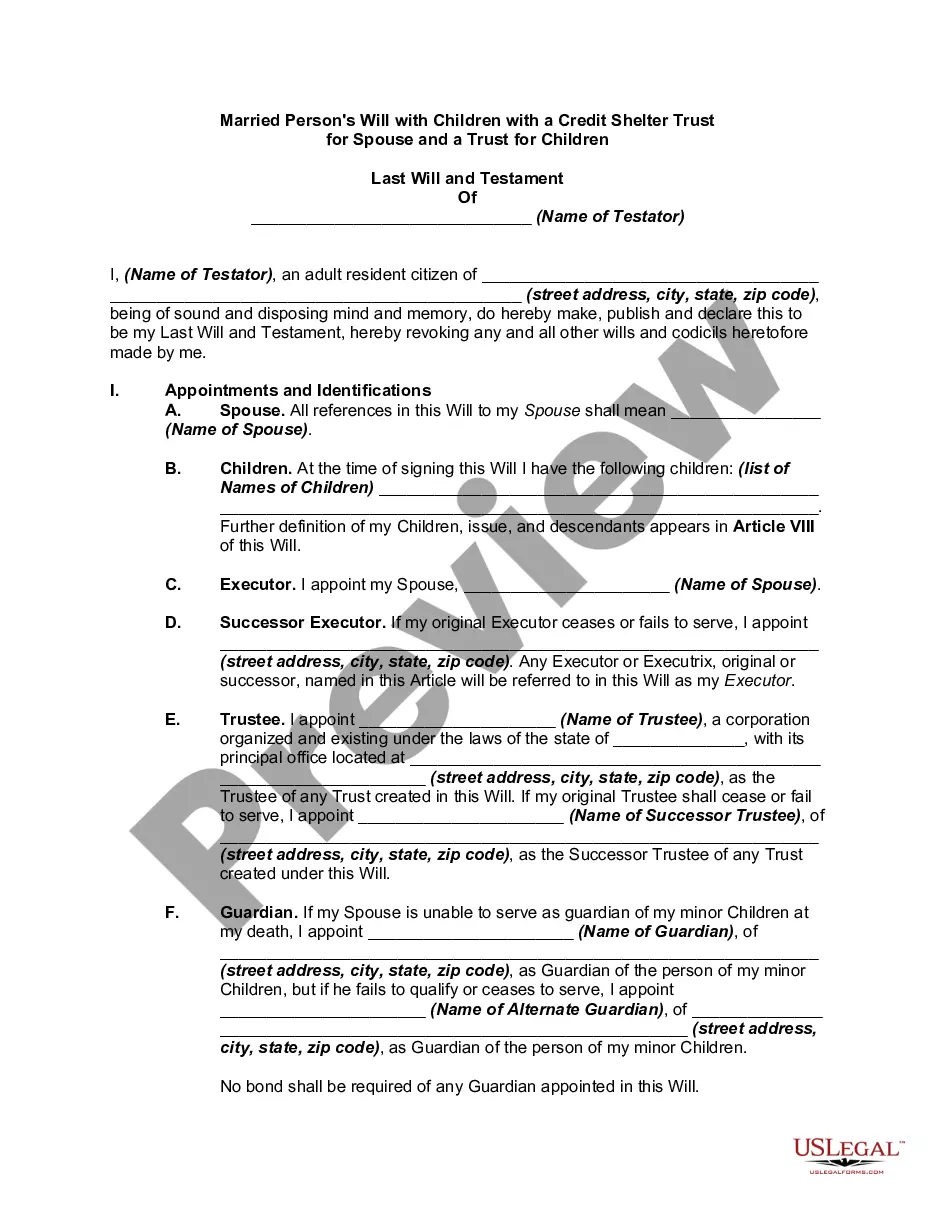
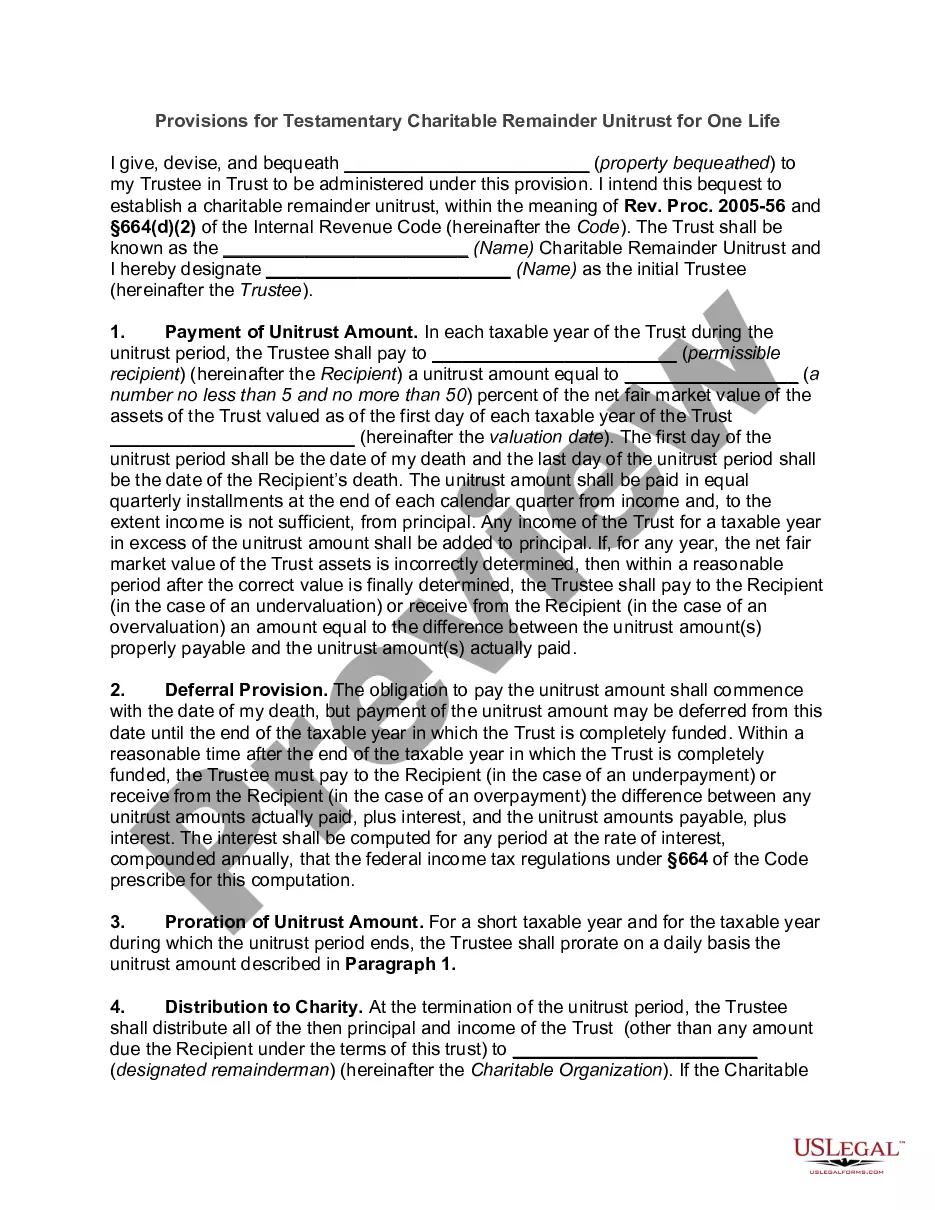
Get your form ready online
Our built-in tools help you complete, sign, share, and store your documents in one place.
Make edits, fill in missing information, and update formatting in US Legal Forms—just like you would in MS Word.
Download a copy, print it, send it by email, or mail it via USPS—whatever works best for your next step.
Sign and collect signatures with our SignNow integration. Send to multiple recipients, set reminders, and more. Go Premium to unlock E-Sign.
If this form requires notarization, complete it online through a secure video call—no need to meet a notary in person or wait for an appointment.
We protect your documents and personal data by following strict security and privacy standards.

Make edits, fill in missing information, and update formatting in US Legal Forms—just like you would in MS Word.

Download a copy, print it, send it by email, or mail it via USPS—whatever works best for your next step.

Sign and collect signatures with our SignNow integration. Send to multiple recipients, set reminders, and more. Go Premium to unlock E-Sign.

If this form requires notarization, complete it online through a secure video call—no need to meet a notary in person or wait for an appointment.

We protect your documents and personal data by following strict security and privacy standards.
Looking for another form?



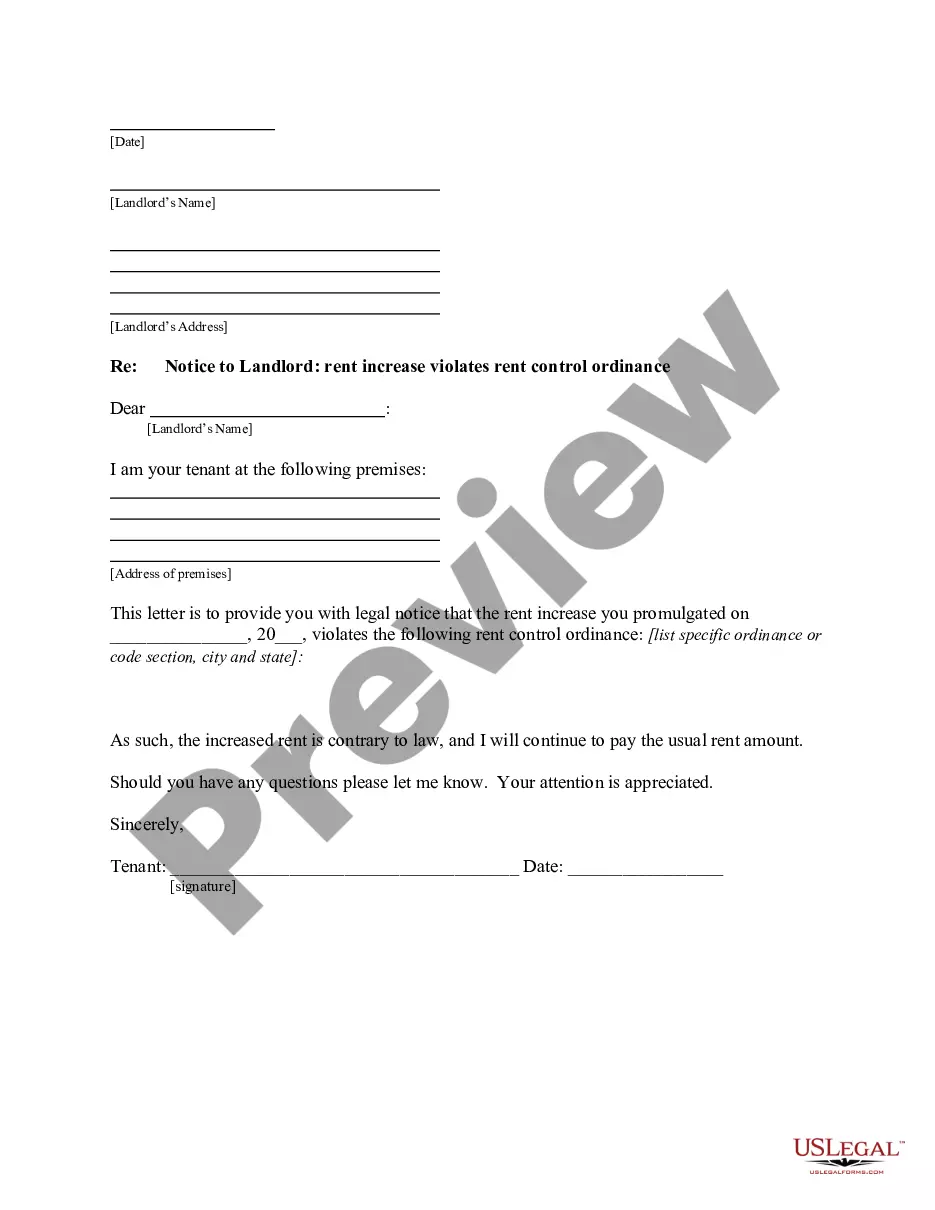




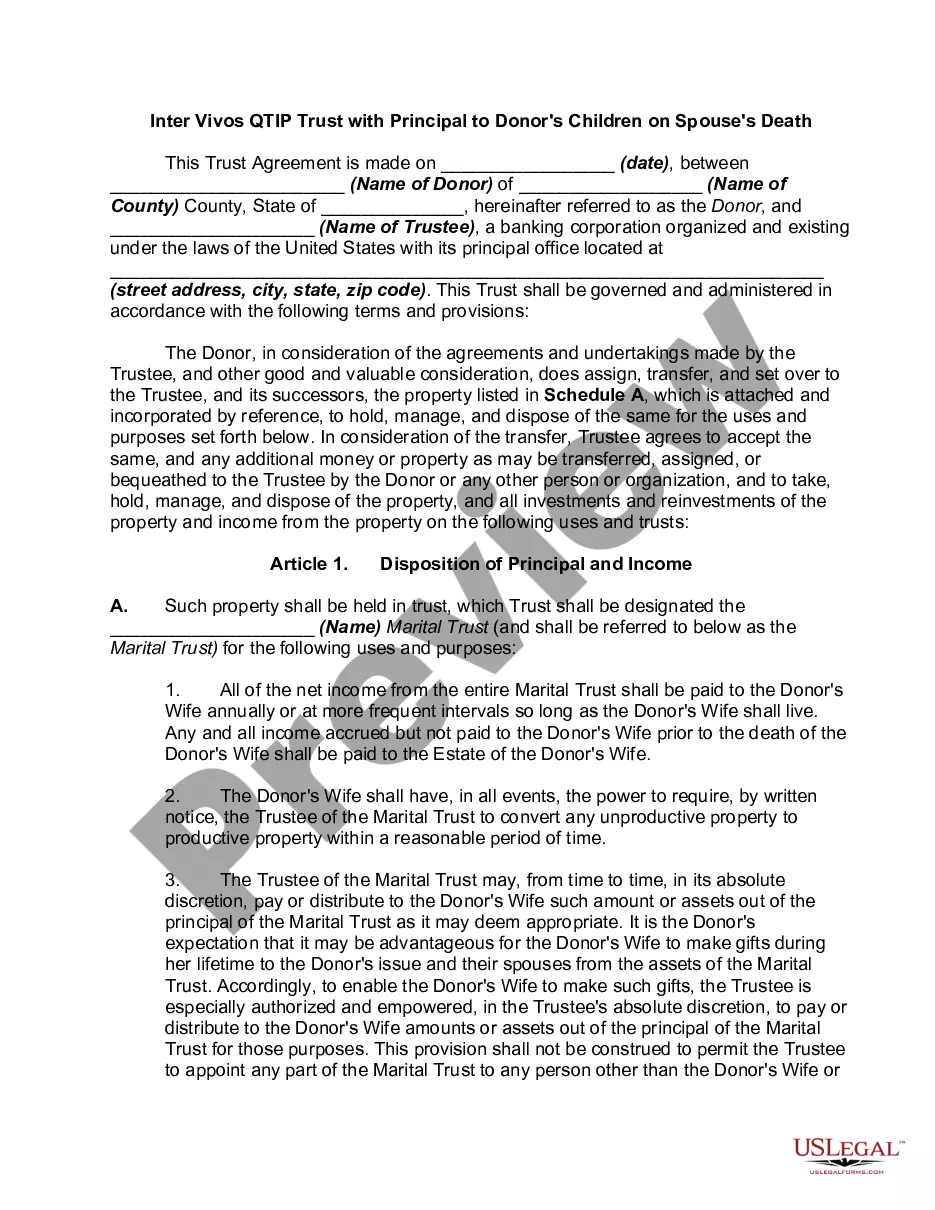
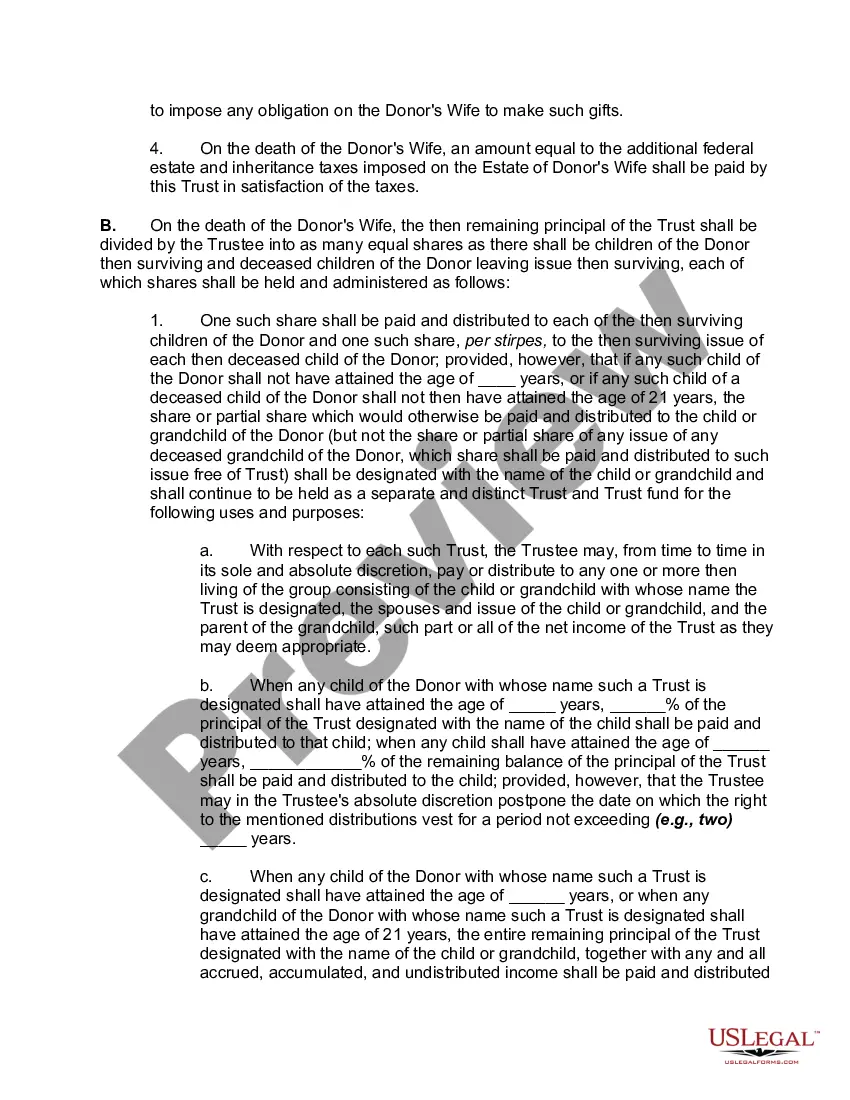
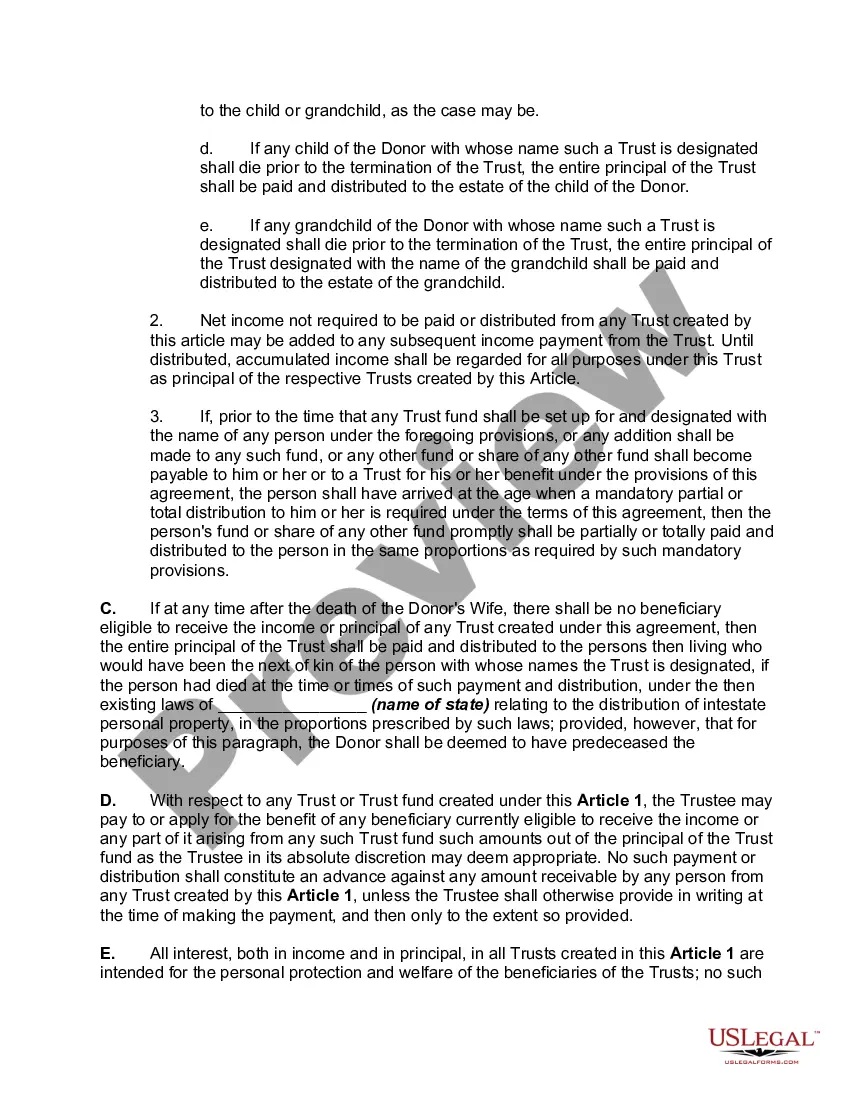
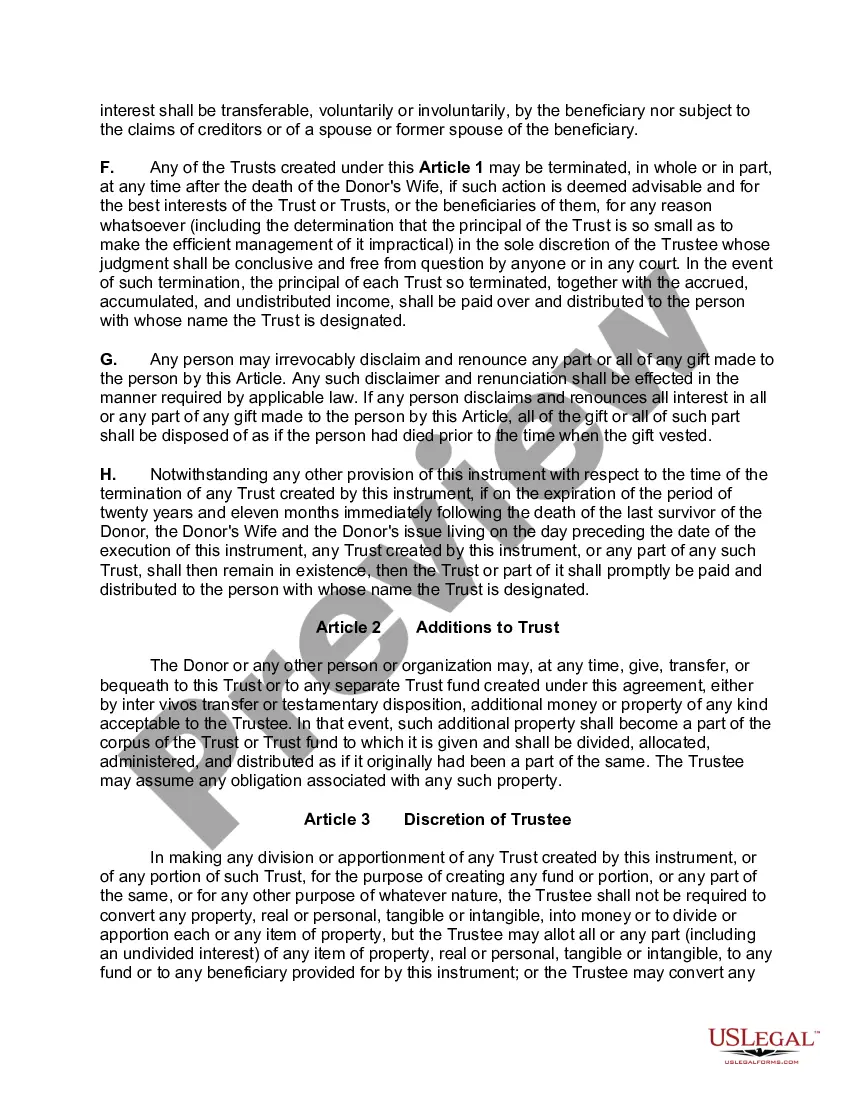
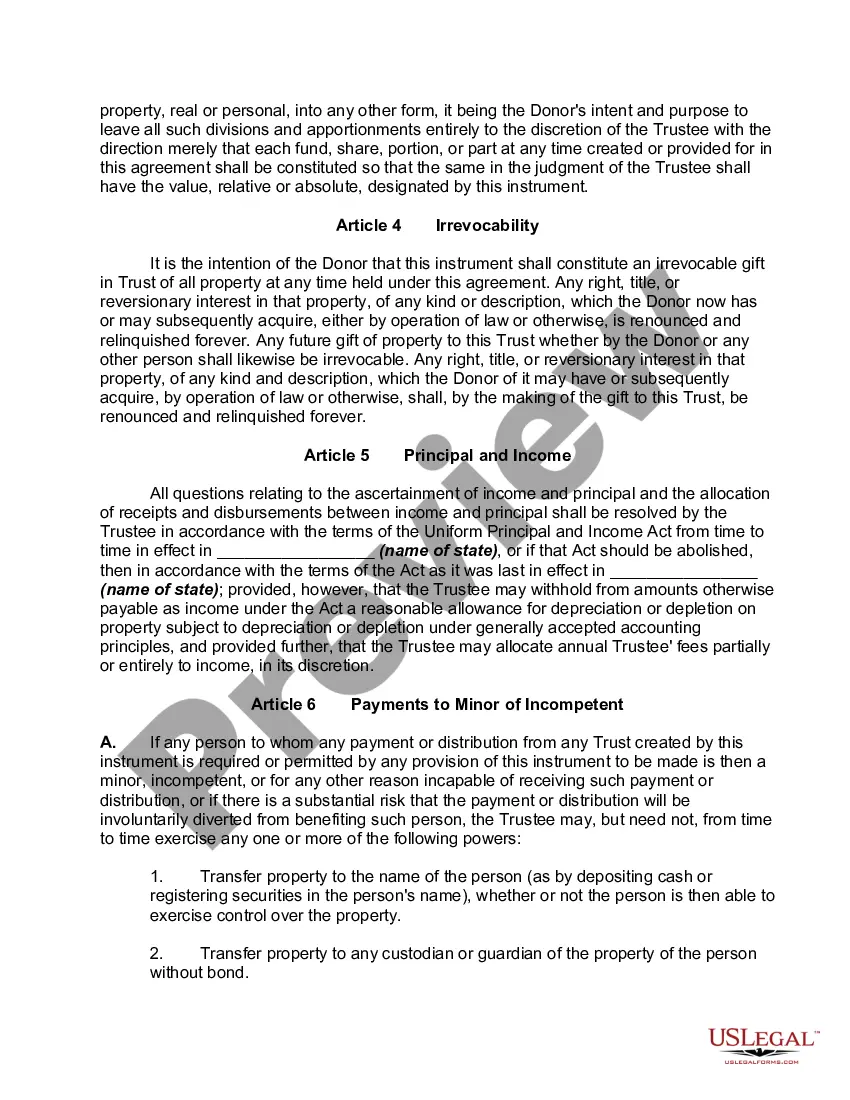
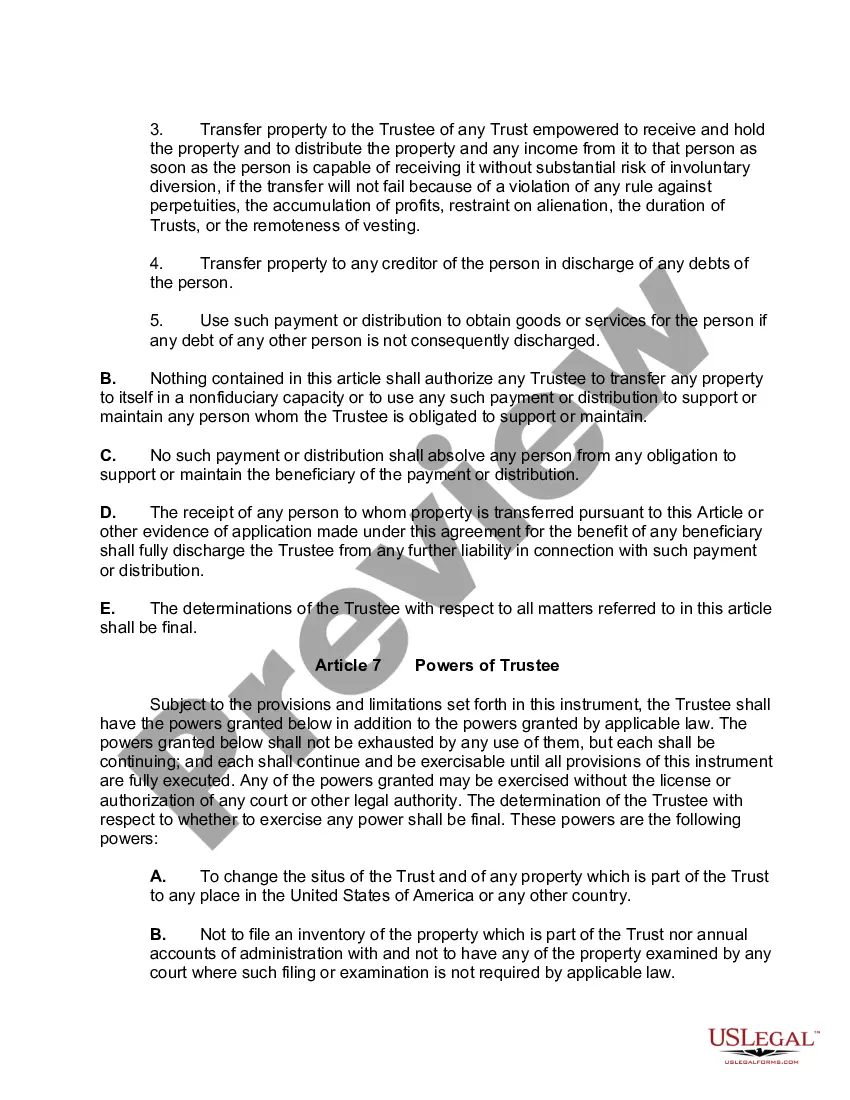
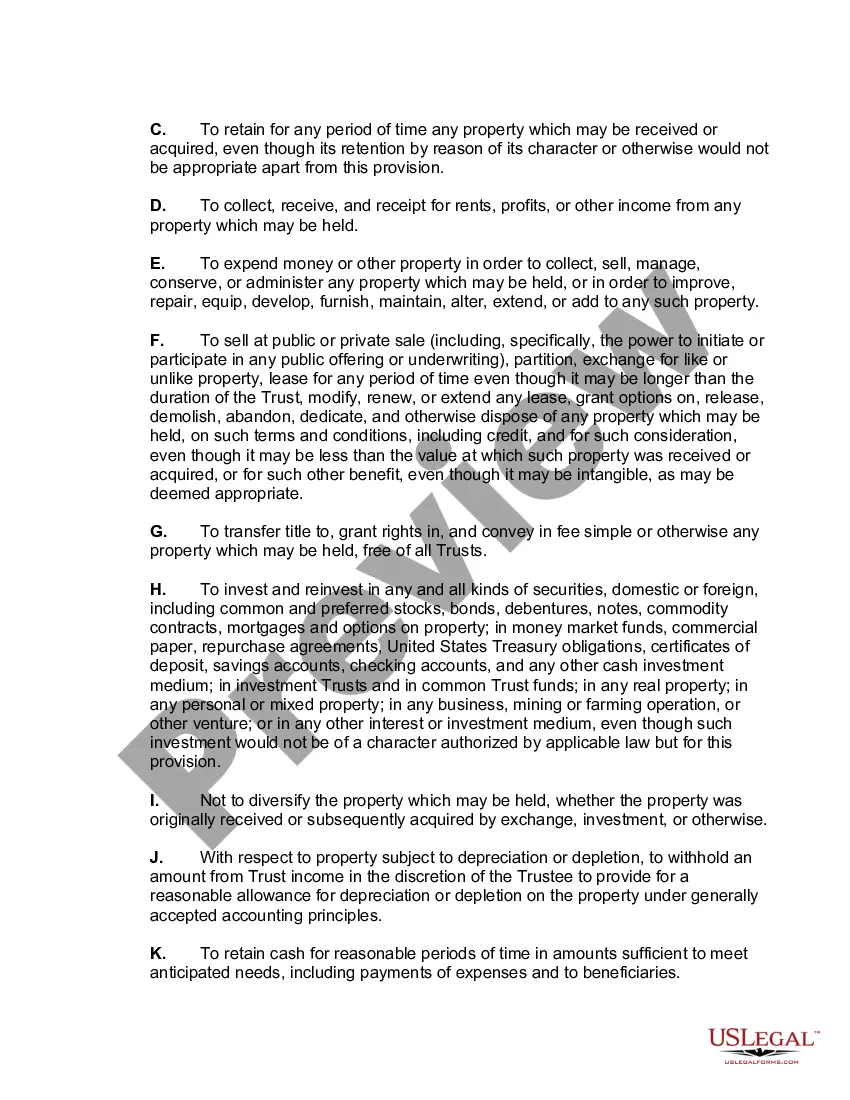
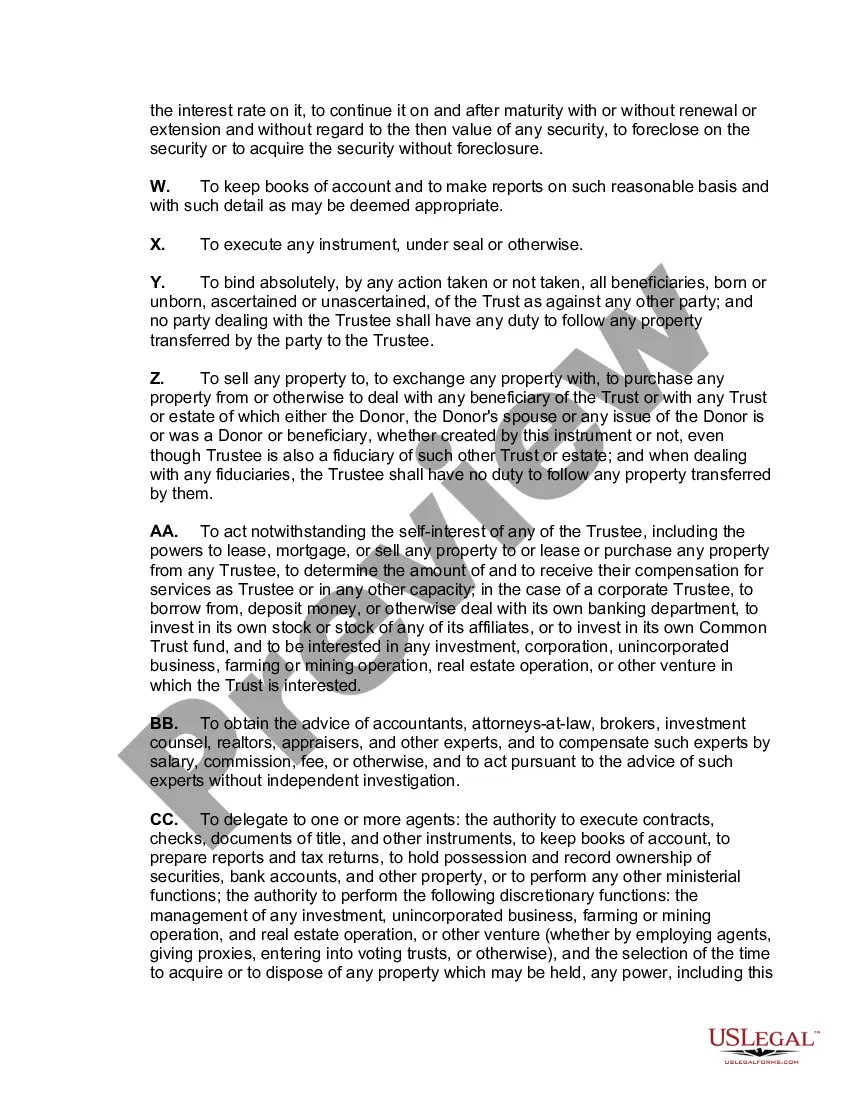
How to fill out Inter Vivos QTIP Trust With Principal To Donor's Children On Spouse's Death?
- Begin by logging in to your US Legal Forms account. If you're a new user, create an account to access the necessary documents.
- Search for the trust template relevant to principal donors' contributions. Use the preview mode to review form descriptions and ensure compliance with your local laws.
- Select an appropriate alternative template if the initial one does not meet your requirements. Utilize the search tab for additional options.
- Purchase the template by clicking the Buy Now button and selecting a subscription plan that works for you.
- Enter your payment information, either via credit card or PayPal, to complete your subscription purchase.
- Download the completed template onto your device. Access it anytime from the My Forms section in your profile.
By following these steps, you can effectively prepare your trust document, allowing principal donors' intentions to be honored and managed wisely. US Legal Forms empowers you with the necessary tools to create legally sound documents effortlessly.
Start your journey to secure your financial future by exploring the extensive collection at US Legal Forms today!
Form popularity
FAQ
A Schedule B for capital gains helps detail the capital gains and losses that a taxpayer has incurred during the tax year. This schedule is crucial in determining the overall tax liability of a trust or estate. When managing a Trust principal donors death sample for the future, including accurate capital gains information on Schedule B can significantly impact tax calculations.
Currently, Form 5227, which relates to split-interest trusts, cannot be filed electronically; it must be submitted in paper format. This requirement can be challenging when dealing with the administrative duties tied to the Trust principal donors death sample for the future. Make sure to check the latest IRS guidelines for any updates or changes regarding electronic filing.
Indeed, a Schedule B exists for Form 1041, enabling the reporting of various types of income on the estate or trust's tax return. This schedule specifically focuses on interest and ordinary dividends. Understanding how to fill out Schedule B correctly is crucial when managing the financial aspects of a Trust principal donors death sample for the future.
Yes, there is a Schedule B for Form 1041, which allows for reporting additional information regarding income and deductions. This schedule is particularly useful when calculating a trust's taxable income. If you are navigating the complexities of a Trust principal donors death sample for the future, utilizing Schedule B can provide clarity and ensure compliance.
Code B in box 14 of the K-1 (Form 1041) identifies a specific type of income related to capital gains distributions. This code helps beneficiaries report income accurately on their tax returns. When dealing with issues surrounding the Trust principal donors death sample for the future, understanding these codes is essential for proper tax reporting.
Whether you need to file Form B depends on your financial situation and the specific trust you are managing. Form B typically deals with income and estate matters, particularly for trusts. If you are handling a trust principal related to donors' death, it is best to consult with a tax professional or an attorney familiar with the Trust principal donors death sample for the future.
Attracting legacy donors starts with creating a strong foundation of trust and impact. Share your mission passionately and highlight how a donor's legacy can make a difference even after they are gone. Utilize a trust principal donors death sample for the future to demonstrate the lasting benefits of their commitment. Engaging them through meaningful conversations can foster deeper connections.
Securing donor funding involves demonstrating your organization's credibility and the potential for positive change. Reach out through networking and build connections to cultivate relationships with potential donors. Share compelling stories and trust principal donors death sample for the future to highlight the importance of their financial support. Consistent engagement can lead to fruitful partnerships.
Getting donor funding often requires strategic outreach and relationship building. First, identify individuals who align with your mission and values. You can present a clear case for support, showcasing what their funding could achieve. Consider using a trust principal donors death sample for the future to convey the long-term impact of their contributions.
To ask for a planned gift, approach potential donors by discussing the impact of their contribution. Show them how their legacy can continue to support causes they care about. It may help to share a trust principal donors death sample for the future to illustrate the benefits. Make the conversation personal, genuine, and informative to engage their interest.