Trust All Name For You
Description
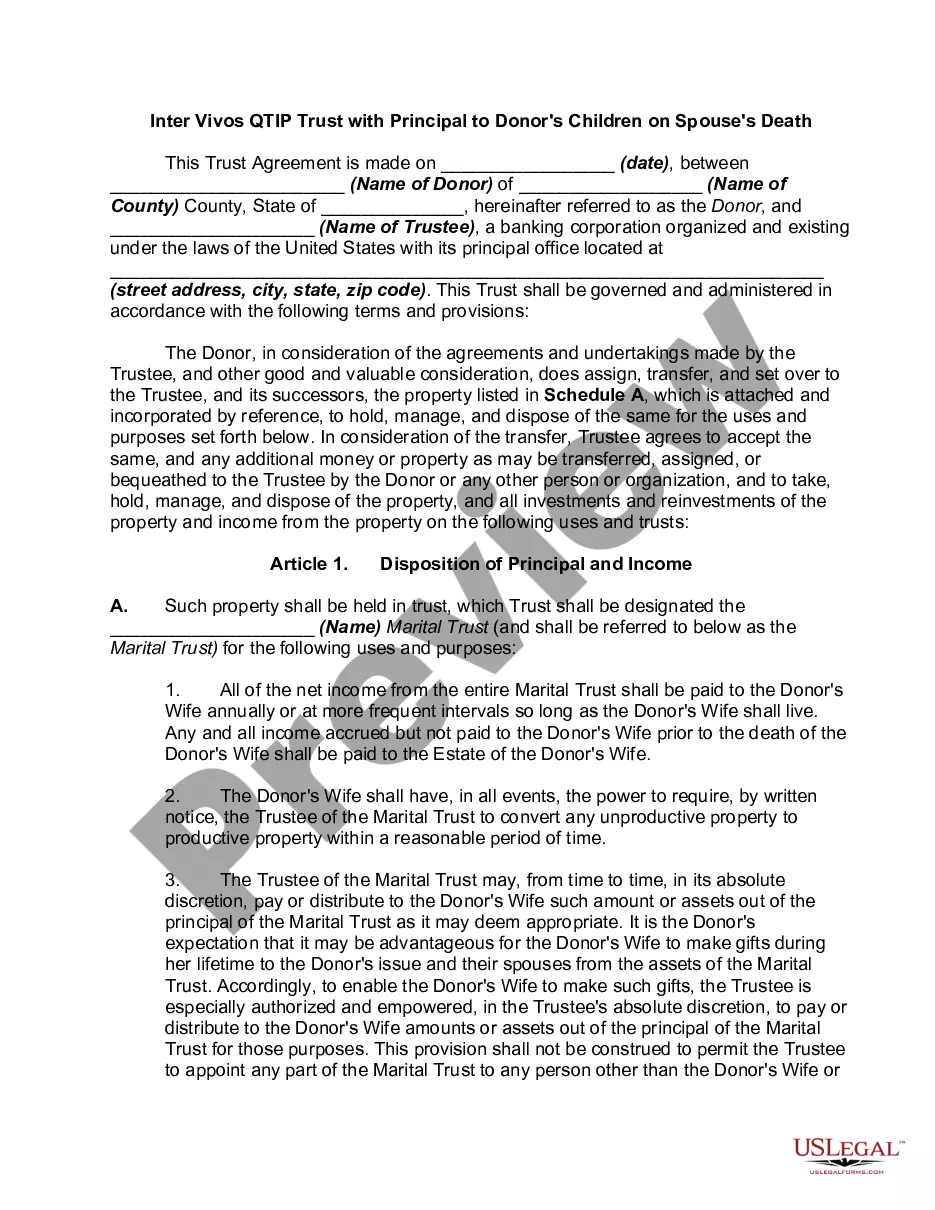
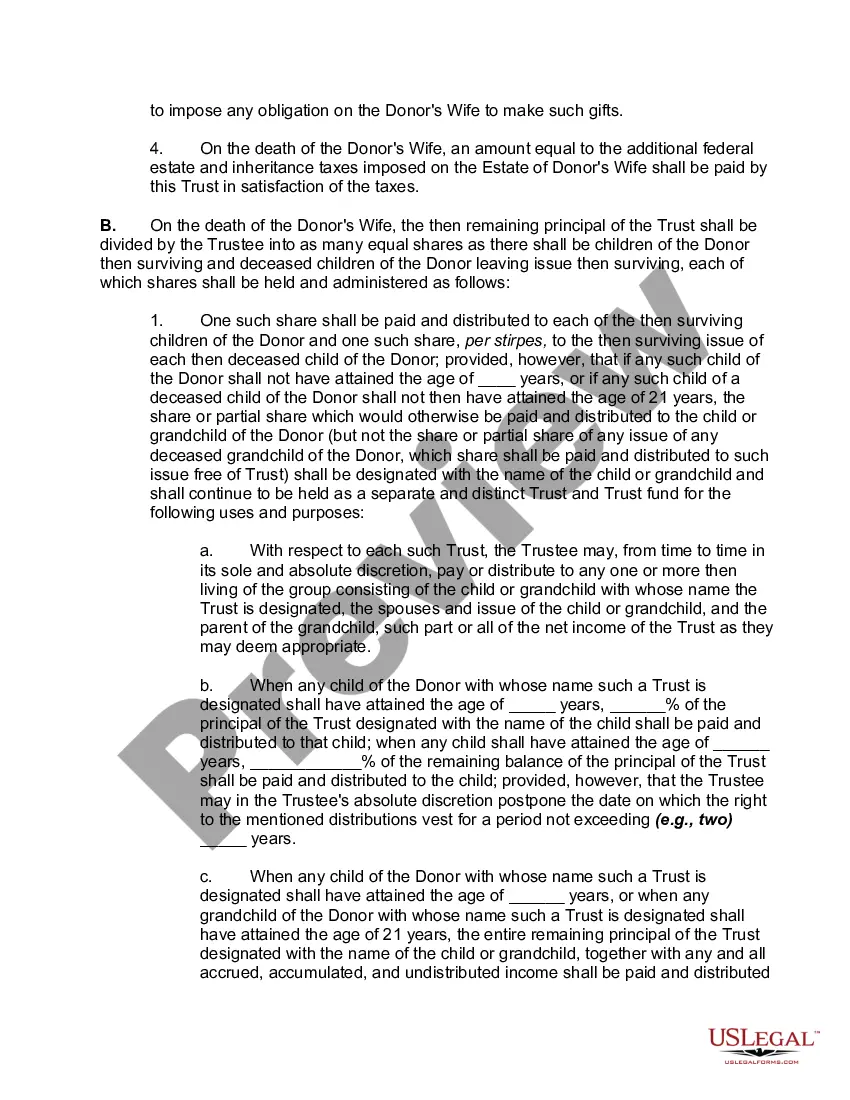
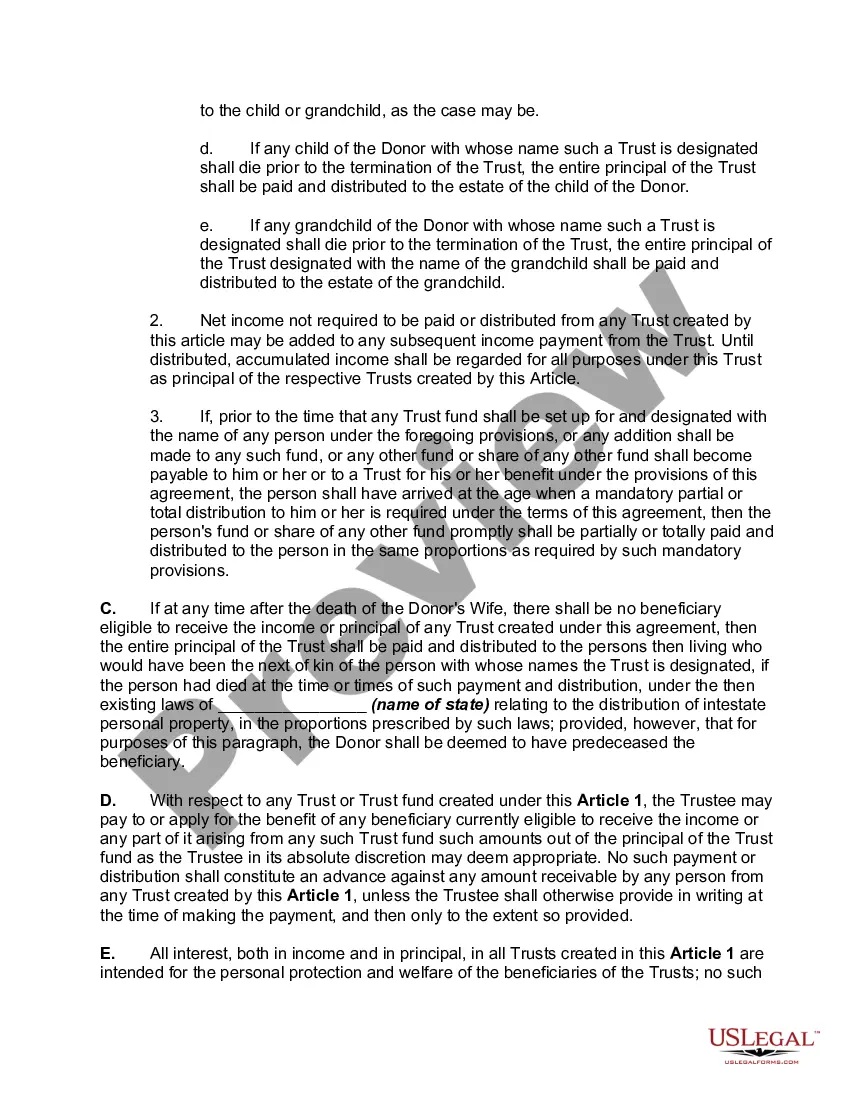
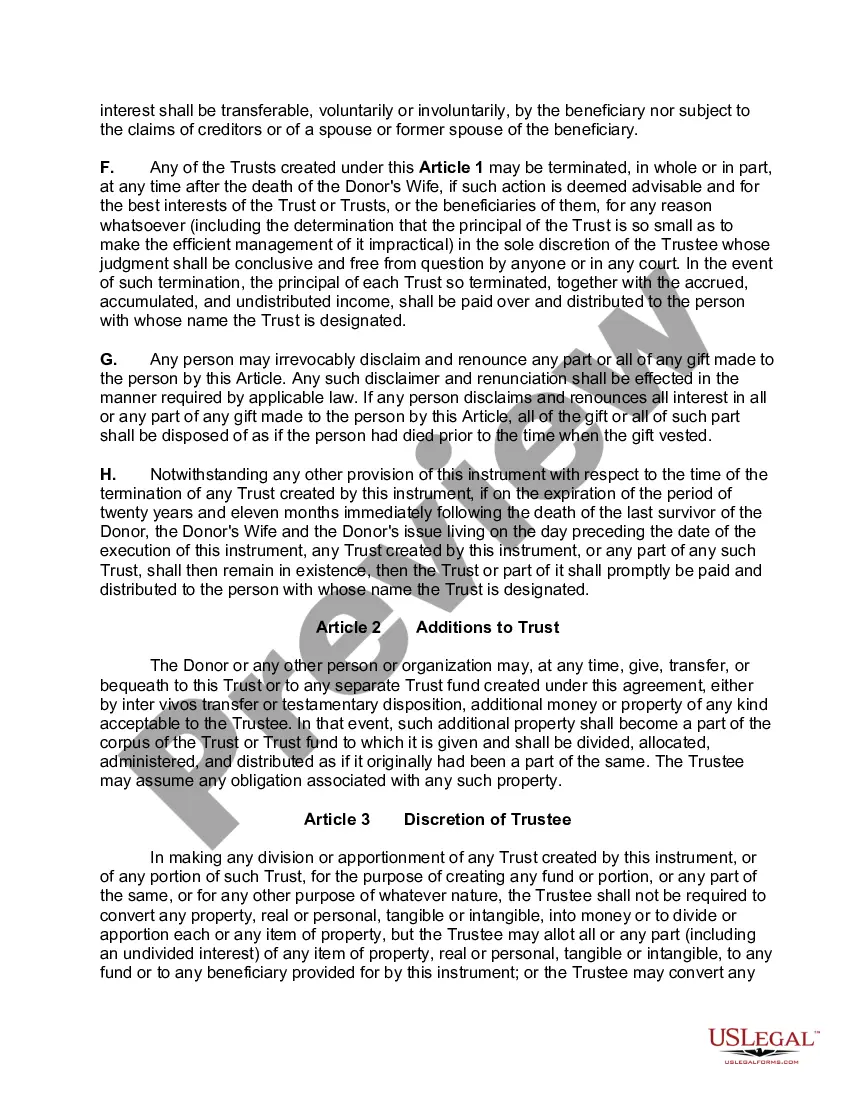
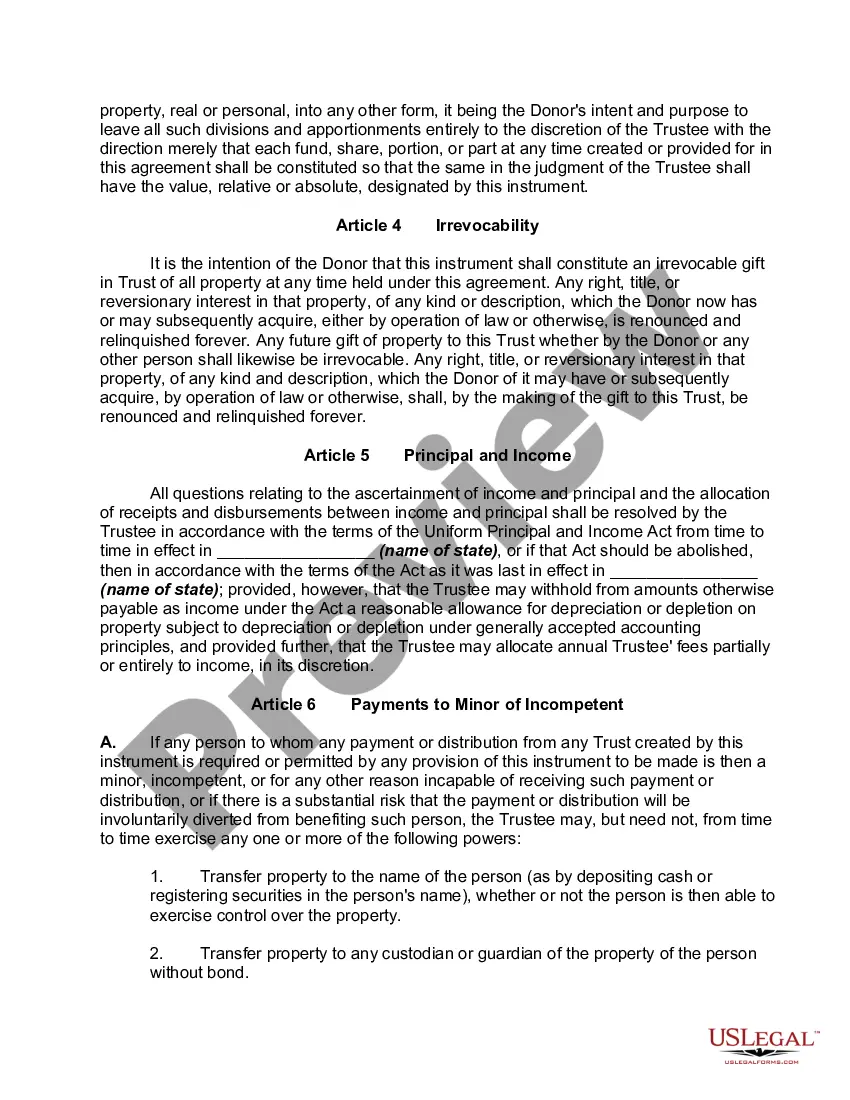
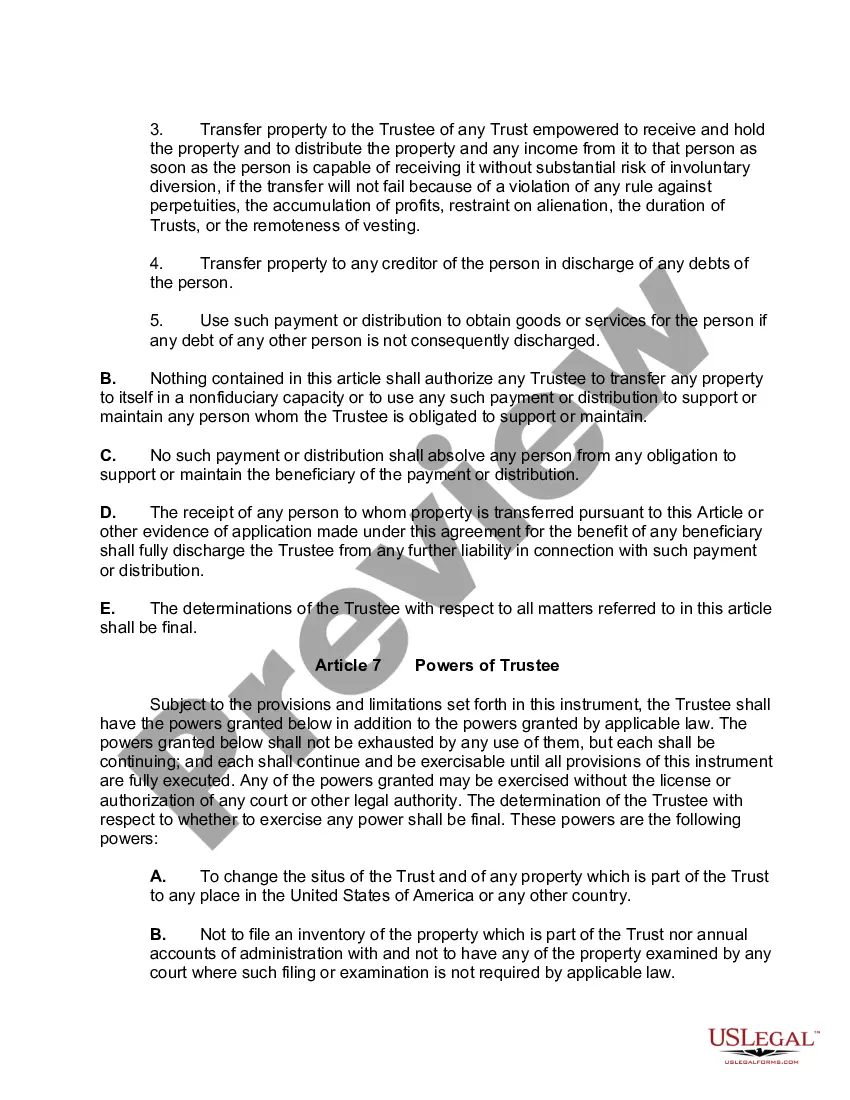
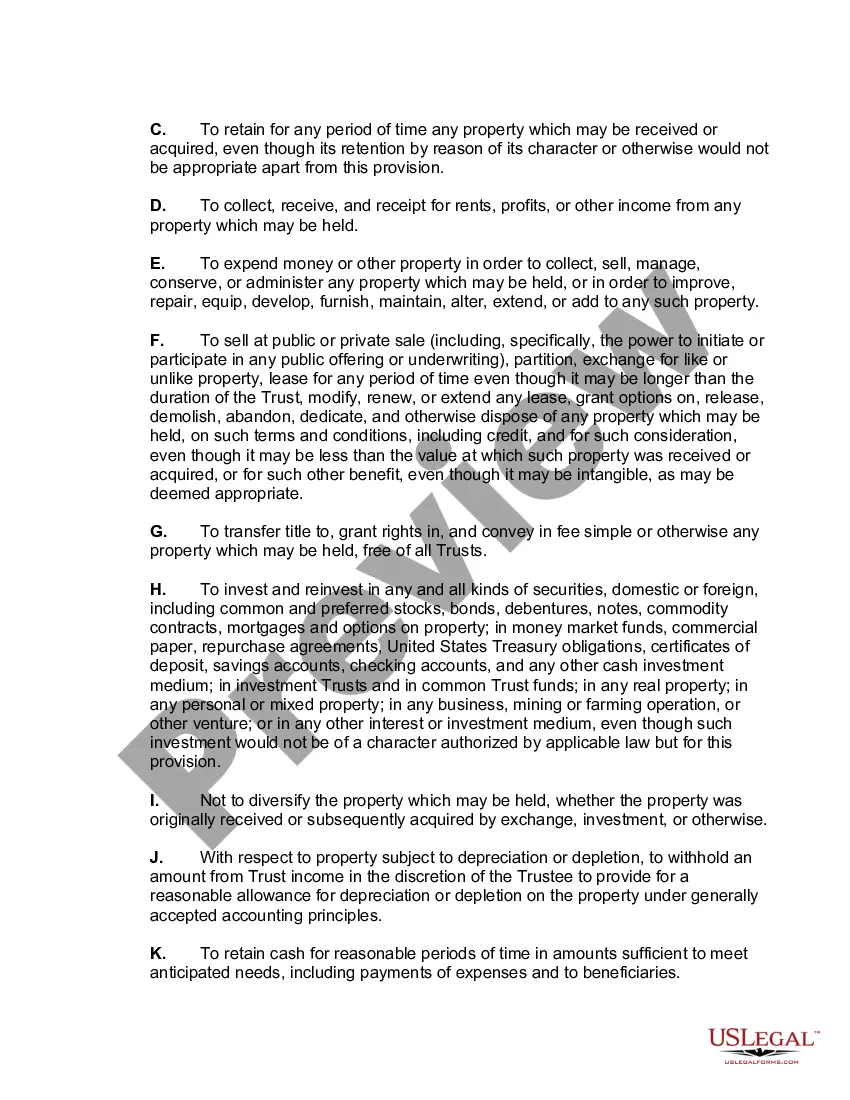
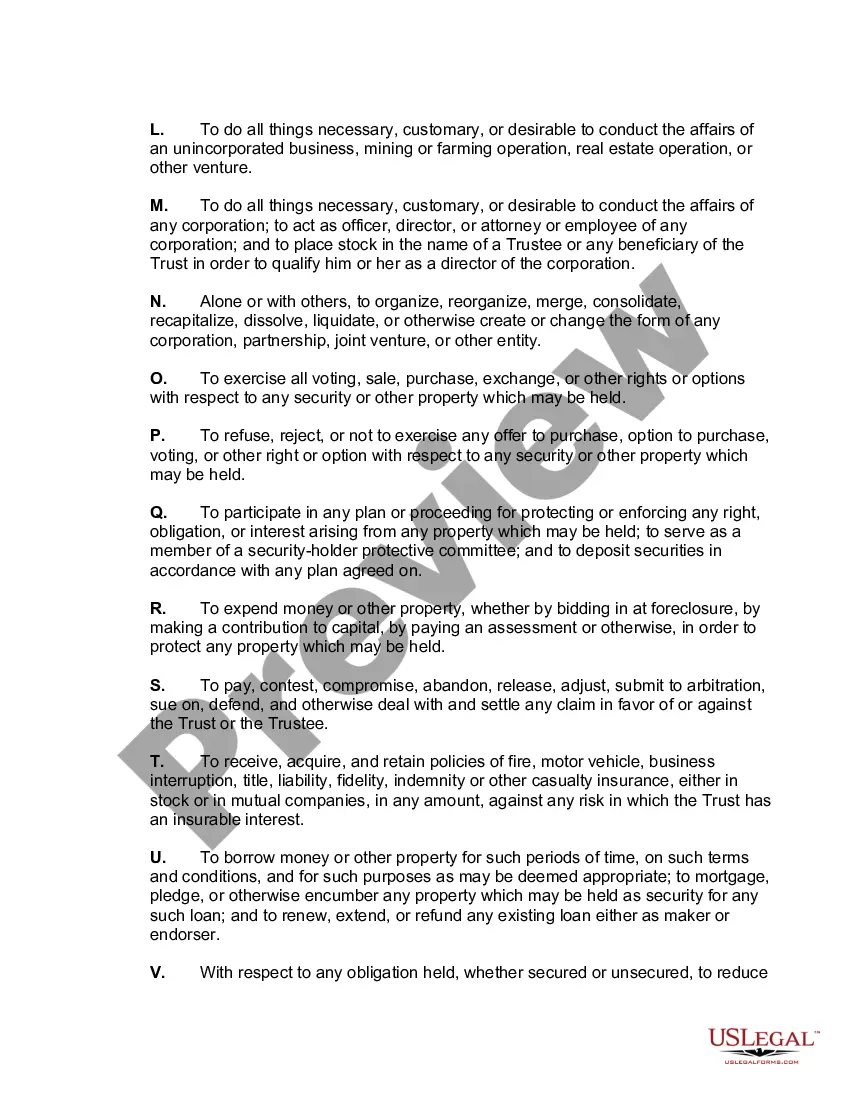
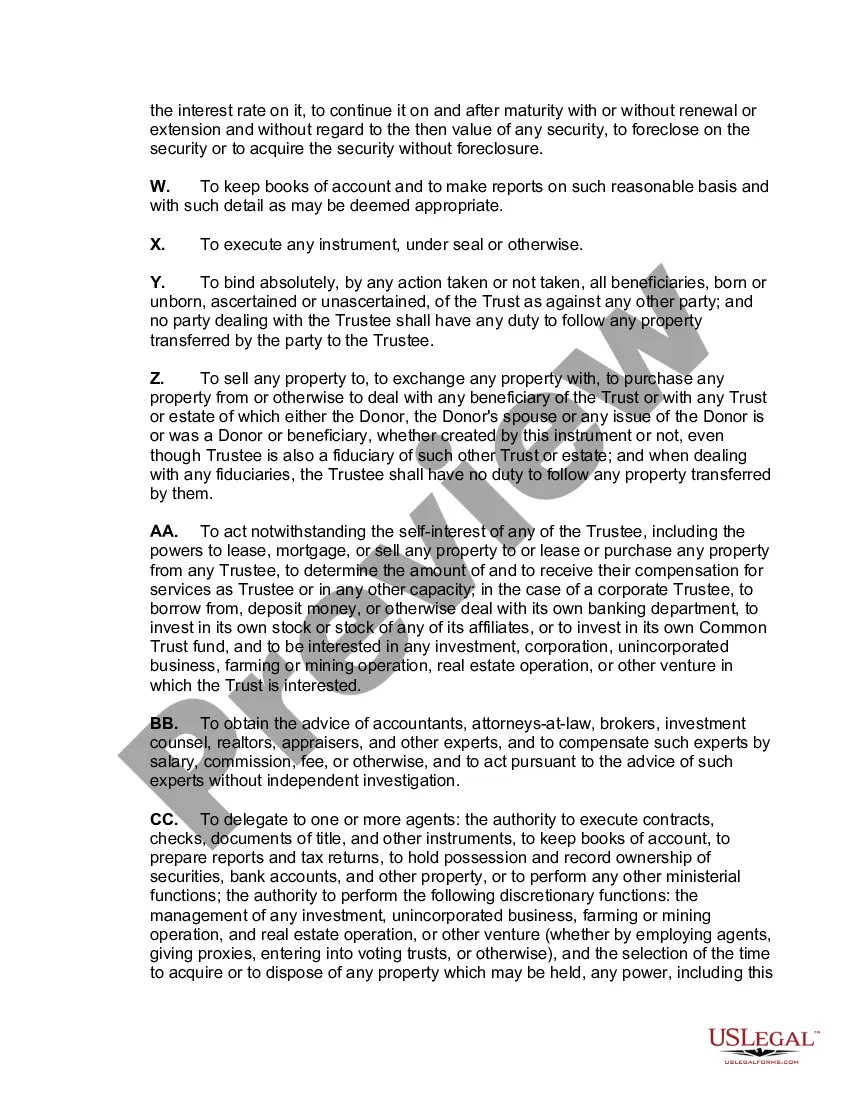
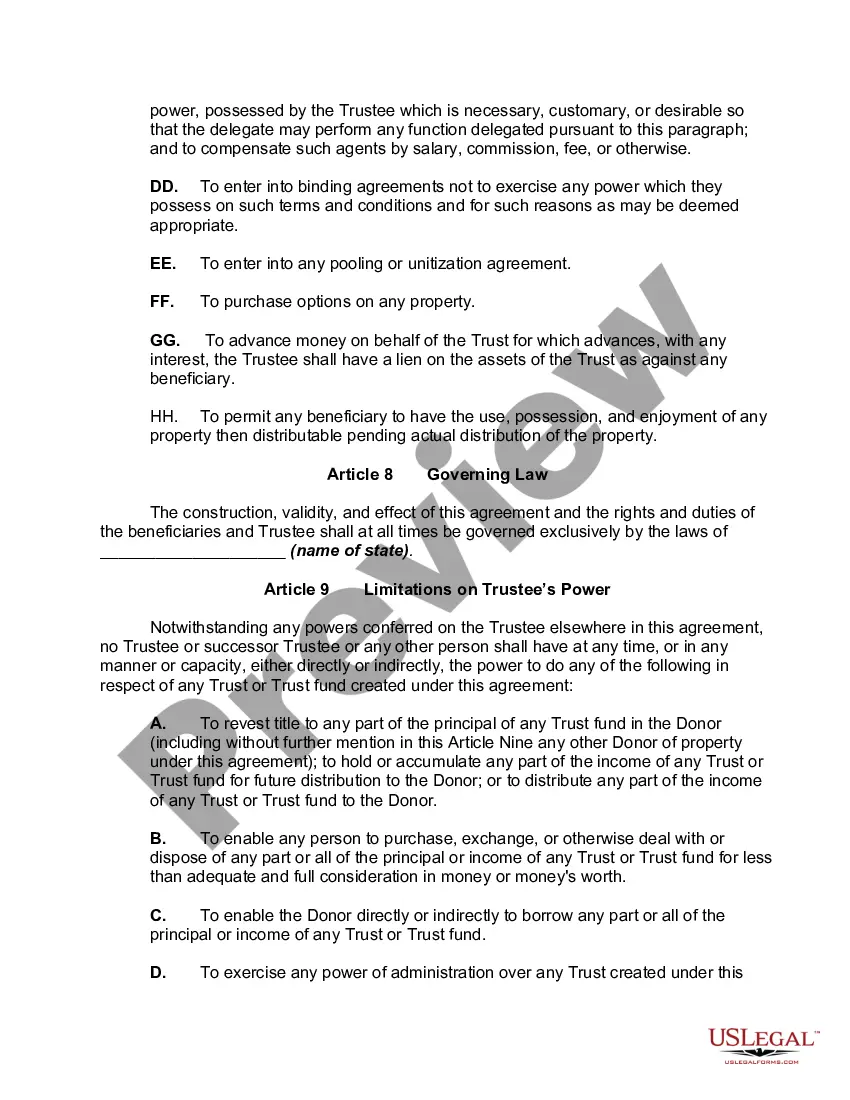

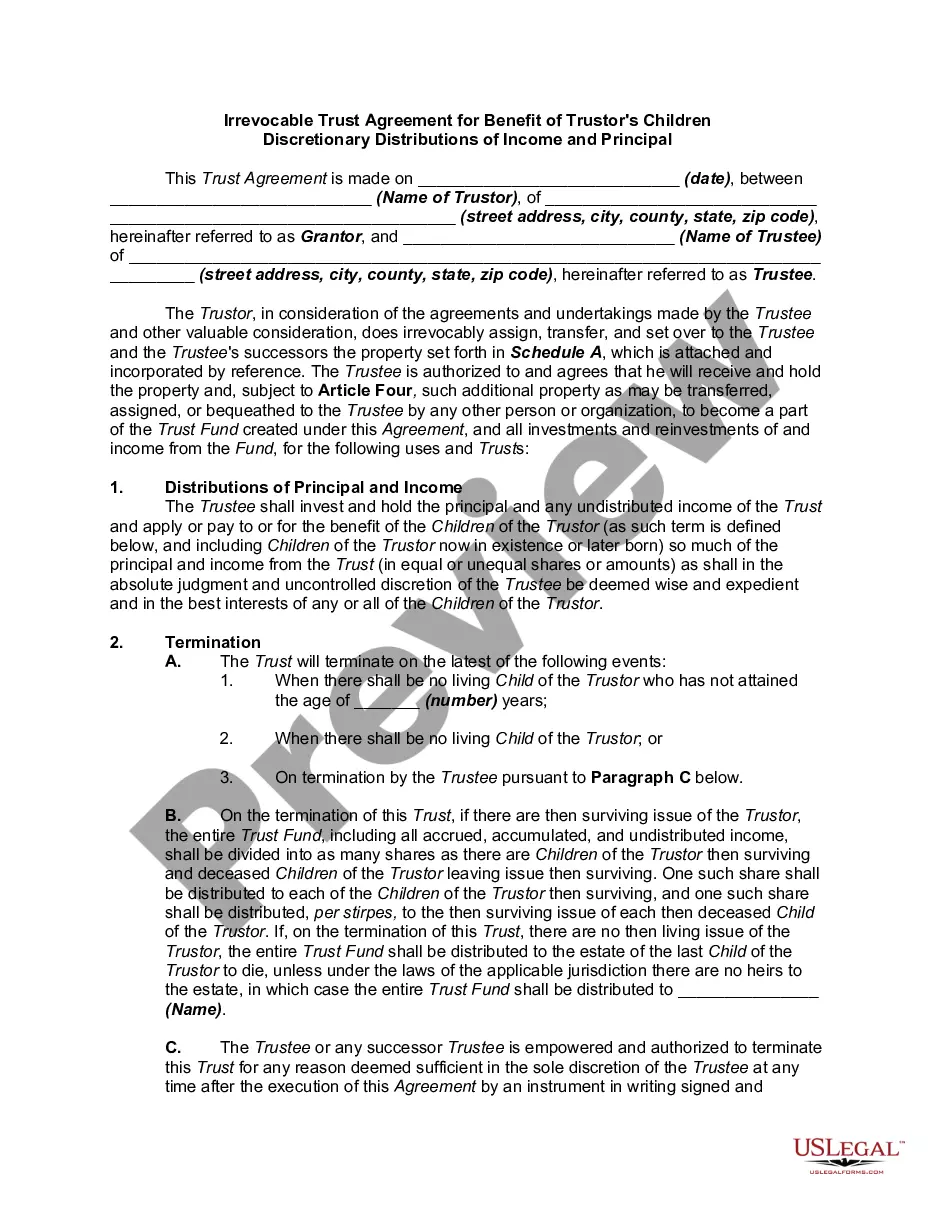
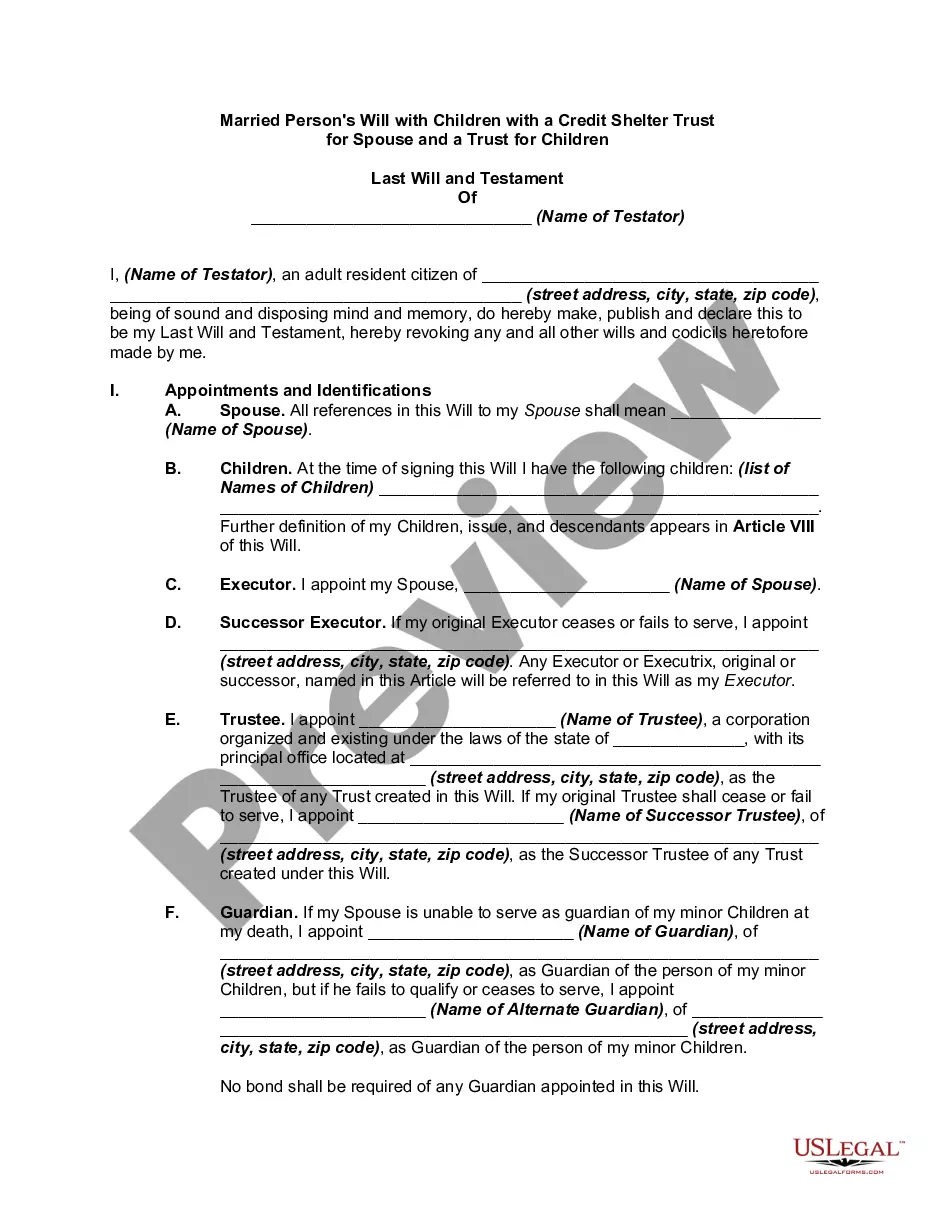
Get your form ready online
Our built-in tools help you complete, sign, share, and store your documents in one place.
Make edits, fill in missing information, and update formatting in US Legal Forms—just like you would in MS Word.
Download a copy, print it, send it by email, or mail it via USPS—whatever works best for your next step.
Sign and collect signatures with our SignNow integration. Send to multiple recipients, set reminders, and more. Go Premium to unlock E-Sign.
If this form requires notarization, complete it online through a secure video call—no need to meet a notary in person or wait for an appointment.
We protect your documents and personal data by following strict security and privacy standards.

Make edits, fill in missing information, and update formatting in US Legal Forms—just like you would in MS Word.

Download a copy, print it, send it by email, or mail it via USPS—whatever works best for your next step.

Sign and collect signatures with our SignNow integration. Send to multiple recipients, set reminders, and more. Go Premium to unlock E-Sign.

If this form requires notarization, complete it online through a secure video call—no need to meet a notary in person or wait for an appointment.

We protect your documents and personal data by following strict security and privacy standards.
Looking for another form?








How to fill out Inter Vivos QTIP Trust With Principal To Donor's Children On Spouse's Death?
Legal papers managing might be mind-boggling, even for the most experienced professionals. When you are interested in a Trust All Name For You and don’t get the time to devote trying to find the appropriate and updated version, the operations might be nerve-racking. A strong web form catalogue could be a gamechanger for anybody who wants to take care of these situations successfully. US Legal Forms is a market leader in online legal forms, with more than 85,000 state-specific legal forms available at any time.
With US Legal Forms, it is possible to:
- Access state- or county-specific legal and organization forms. US Legal Forms handles any requirements you might have, from personal to enterprise paperwork, all in one place.
- Utilize innovative resources to accomplish and manage your Trust All Name For You
- Access a useful resource base of articles, guides and handbooks and materials related to your situation and requirements
Save effort and time trying to find the paperwork you will need, and use US Legal Forms’ advanced search and Preview tool to get Trust All Name For You and download it. In case you have a subscription, log in for your US Legal Forms account, look for the form, and download it. Take a look at My Forms tab to see the paperwork you previously saved and to manage your folders as you see fit.
If it is your first time with US Legal Forms, register an account and get unlimited access to all advantages of the platform. Listed below are the steps to take after accessing the form you need:
- Confirm it is the right form by previewing it and reading through its information.
- Be sure that the sample is acknowledged in your state or county.
- Pick Buy Now once you are ready.
- Select a monthly subscription plan.
- Find the format you need, and Download, complete, eSign, print out and deliver your document.
Enjoy the US Legal Forms web catalogue, backed with 25 years of expertise and reliability. Transform your day-to-day document administration into a smooth and easy-to-use process right now.
Form popularity
FAQ
Great Examples of Charity Trust Name Ideas Tiny Hopes. Kinder Hearts. Tomorrow Trust. Little Smiles. Childhood Champions. Dream Spark.
Try a shorter name. It's generally in your best interest to go with a shorter name for your trust since the longer a name the higher the chance of misspellings or issues with abbreviations due to a lack of space on forms. In other words, ?Doe Family Trust dated 10/11/12? is preferable to ?John R. Doe and Jane U.
Naming Yourself as Trustee It is quite common to name yourself as trustee. The primary reason for doing this is that it allows you to retain greater control over the assets of the trust during your lifetime, especially if you continue to use or enjoy the assets (e.g. you will continue to live in your home).
A named beneficiary is an individual, decreed by a written legal document, who is entitled to collect assets from a trust, insurance policy, pension plan account, IRA, or any other financial instrument. Multiple named beneficiaries of a single property will share in the proceeds at the time of disposition.
If you are the beneficiary of a trust, the assets will stay in the trust under the management of the trustee, and will be distributed to you ing to the instructions in the trust. Because trust assets usually don't go through probate, you may not have the opportunity to legally contest a trust in probate court.