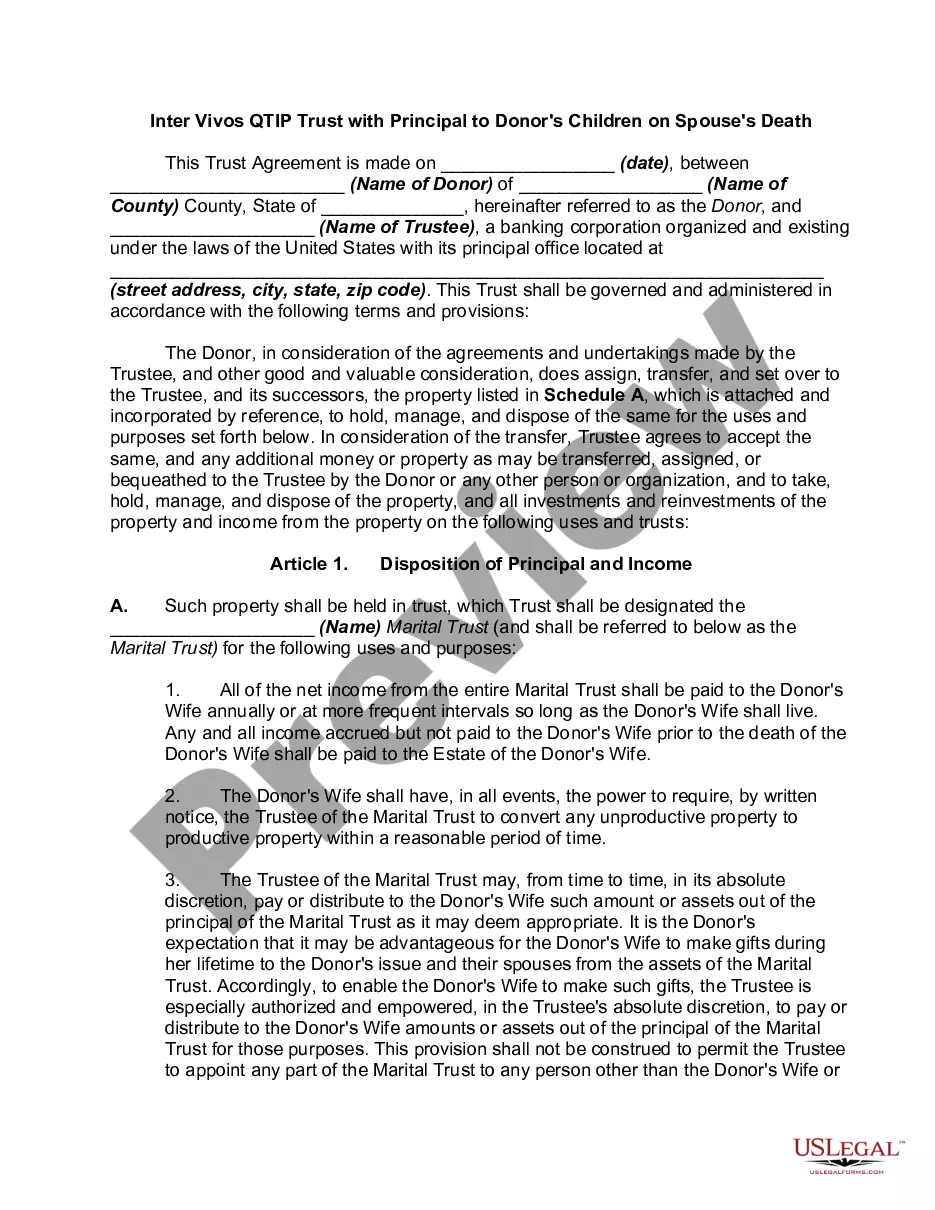
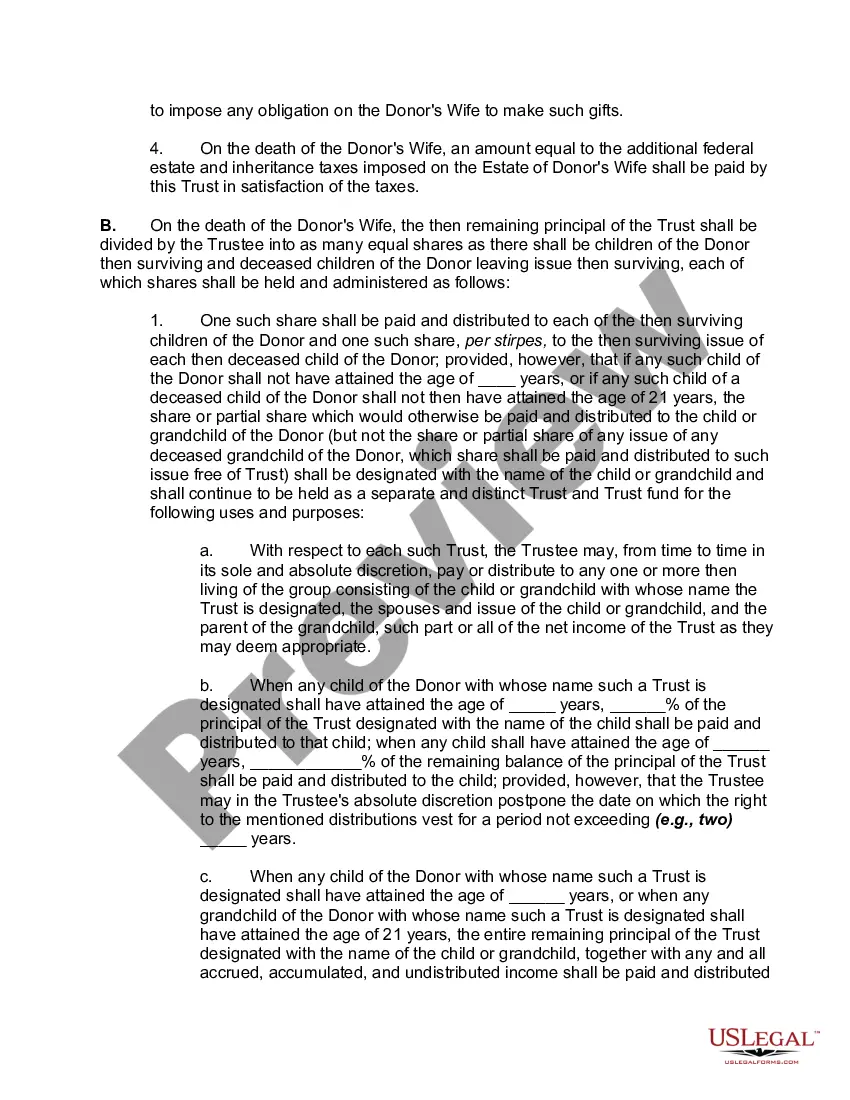
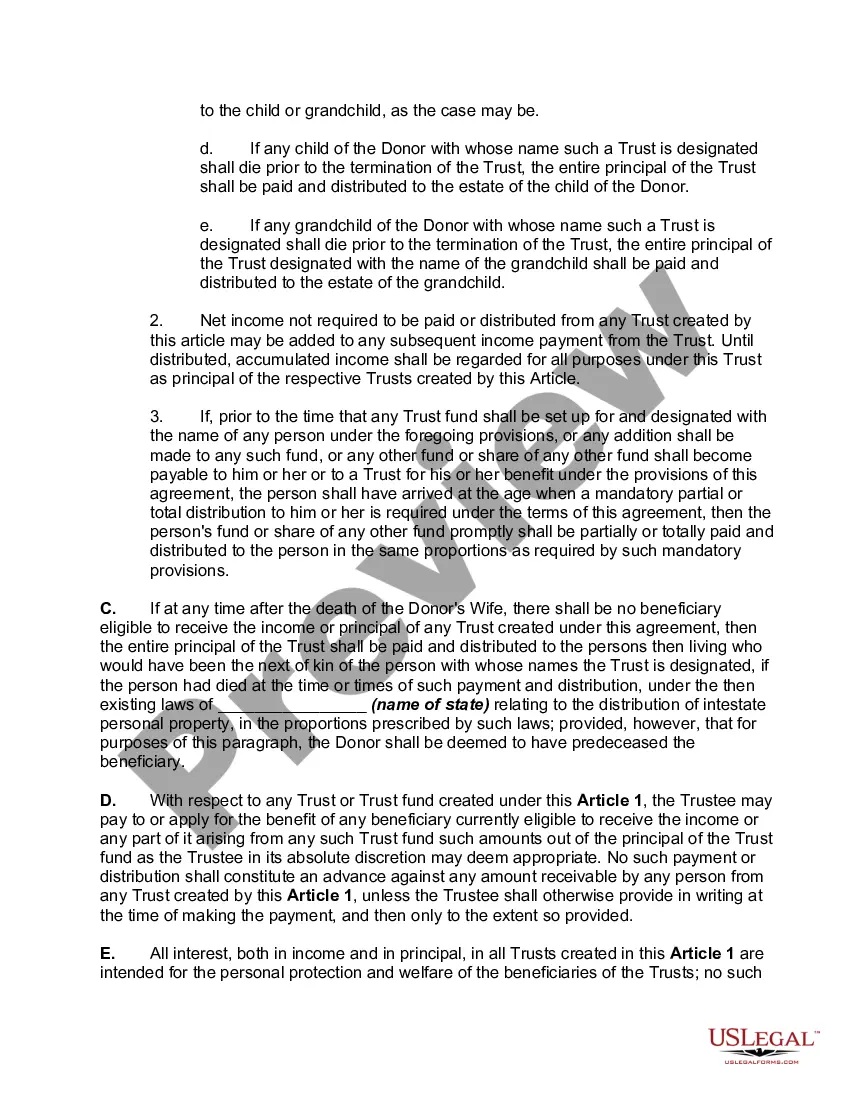
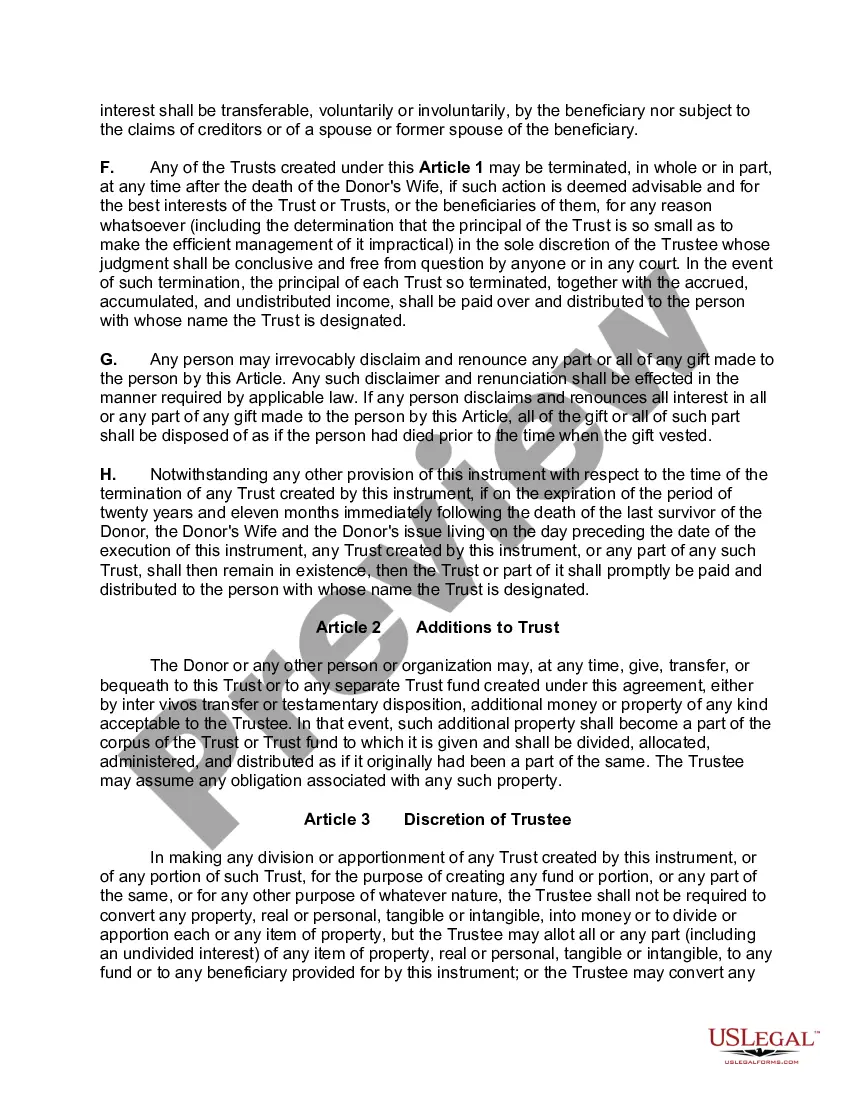
Qtip Trust Principal Form Complete With The Value
Description
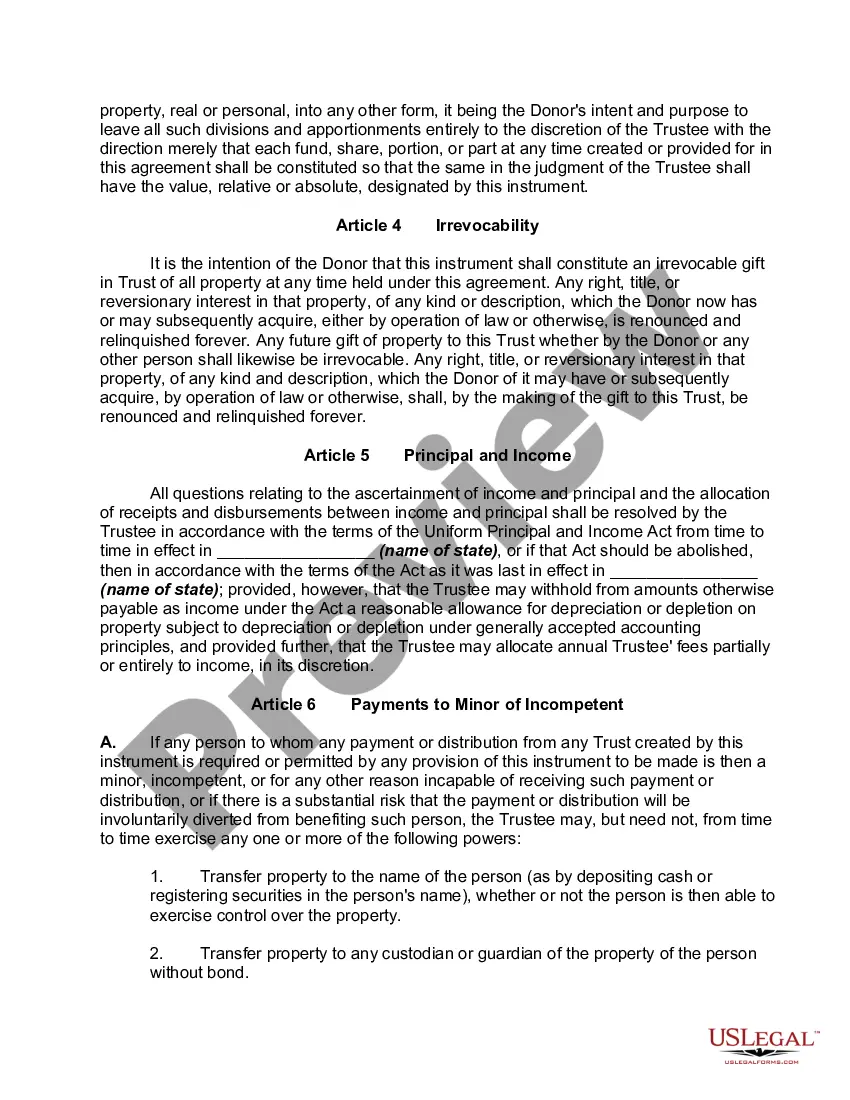
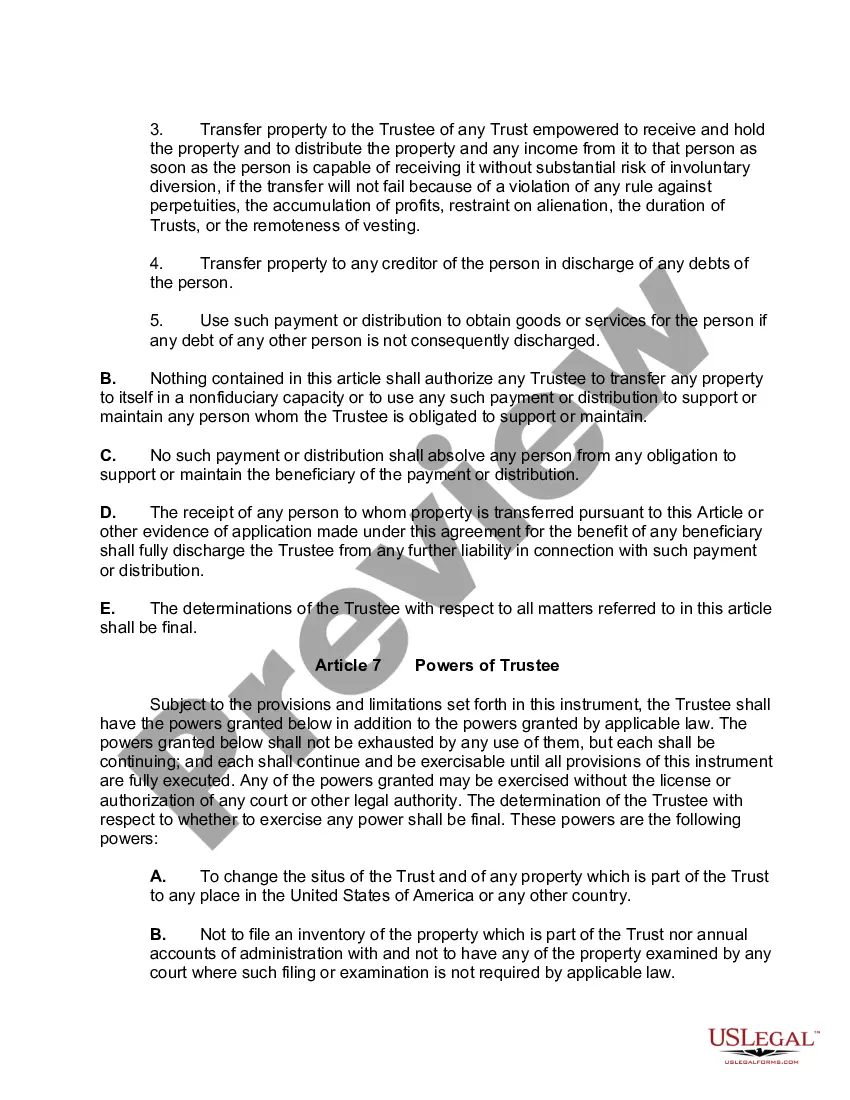
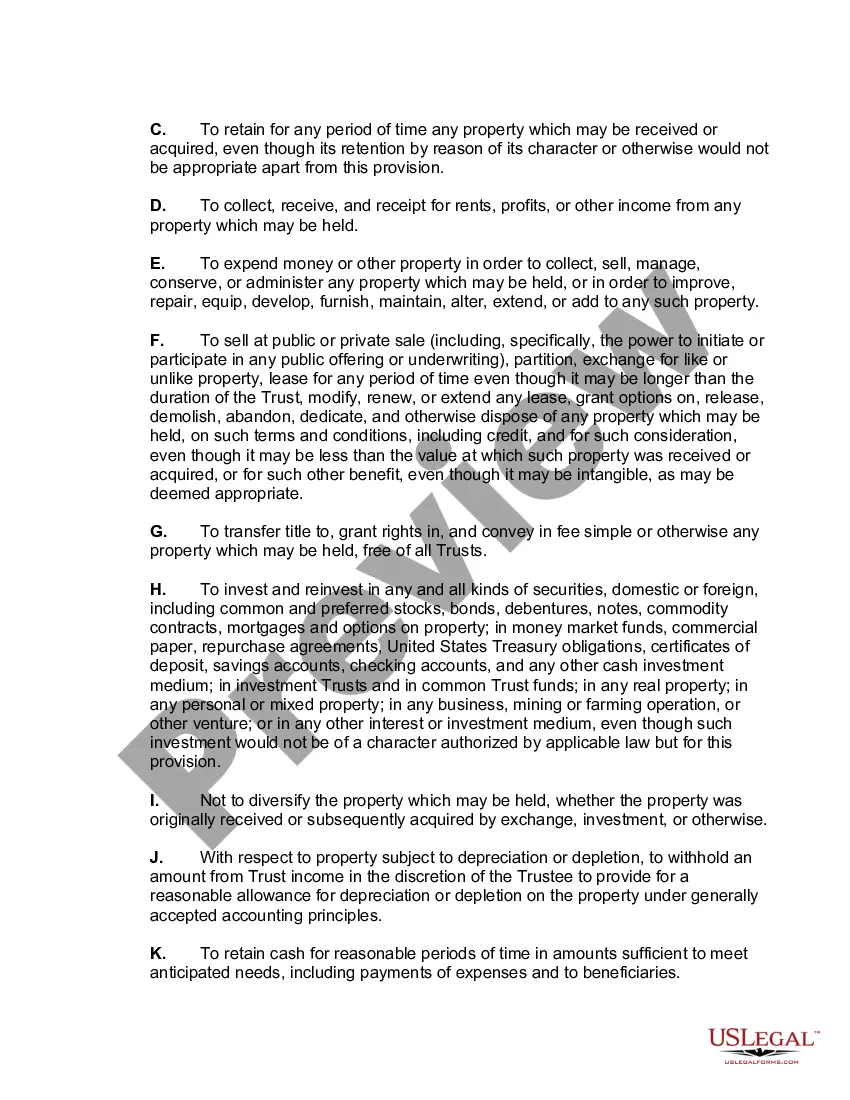

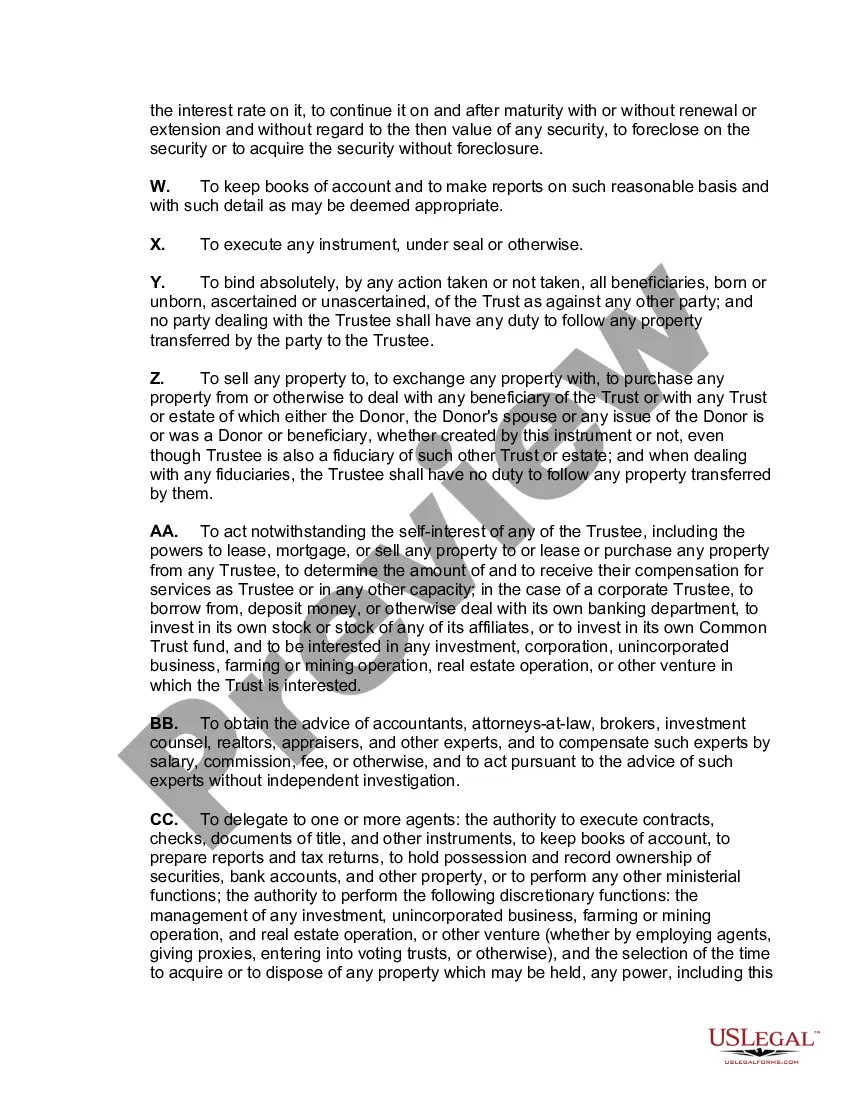
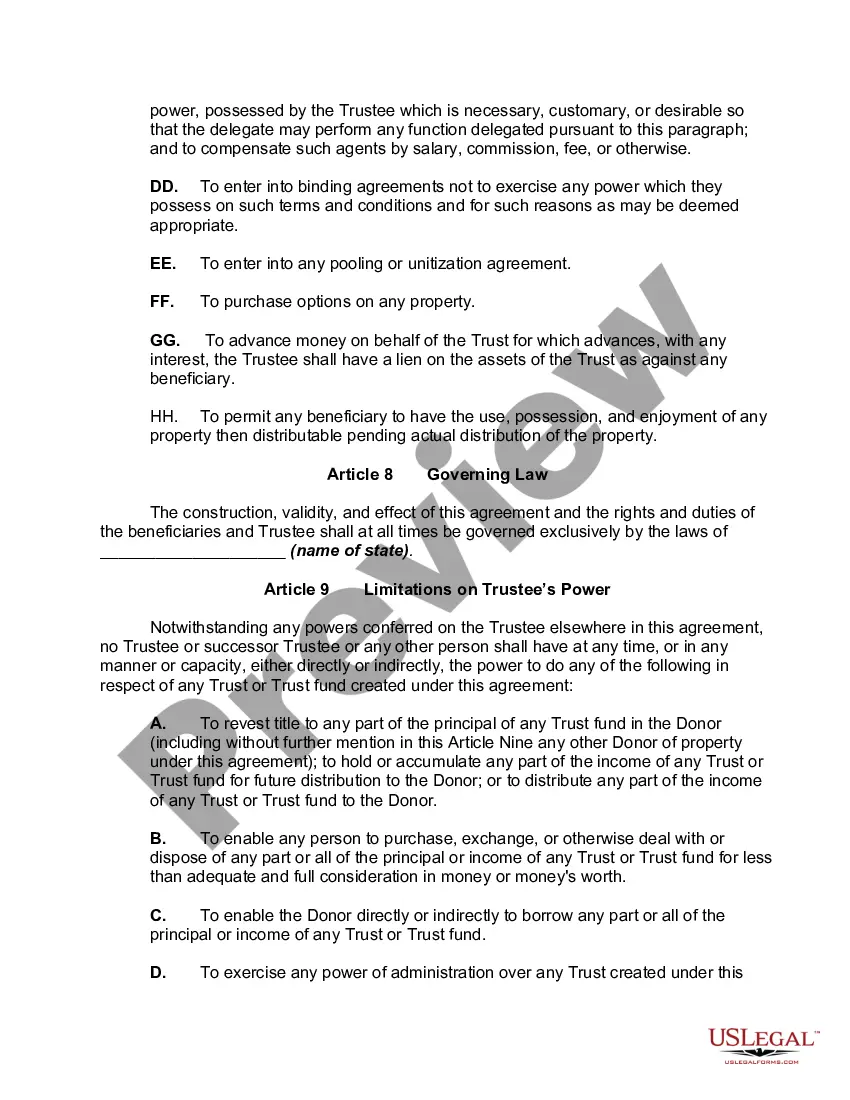

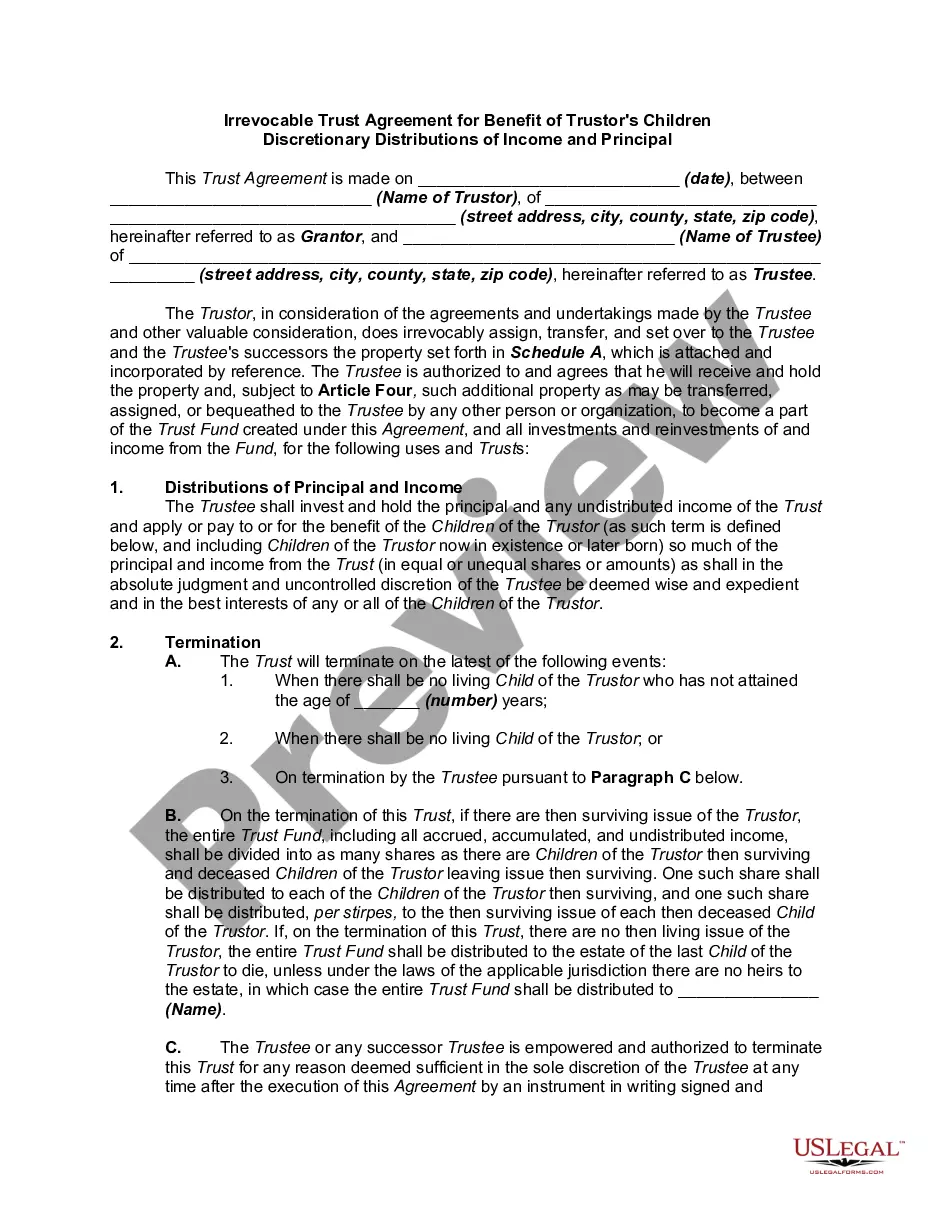
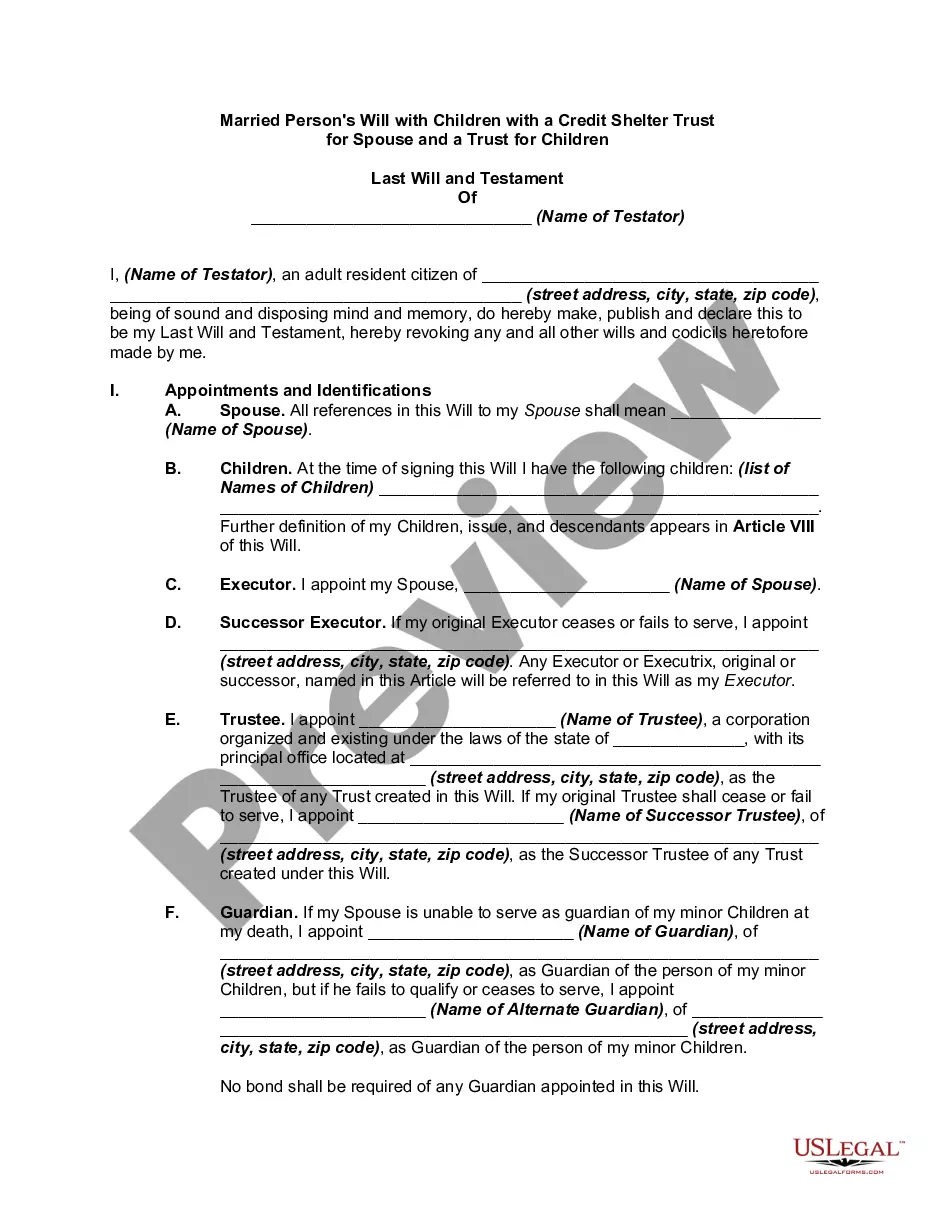
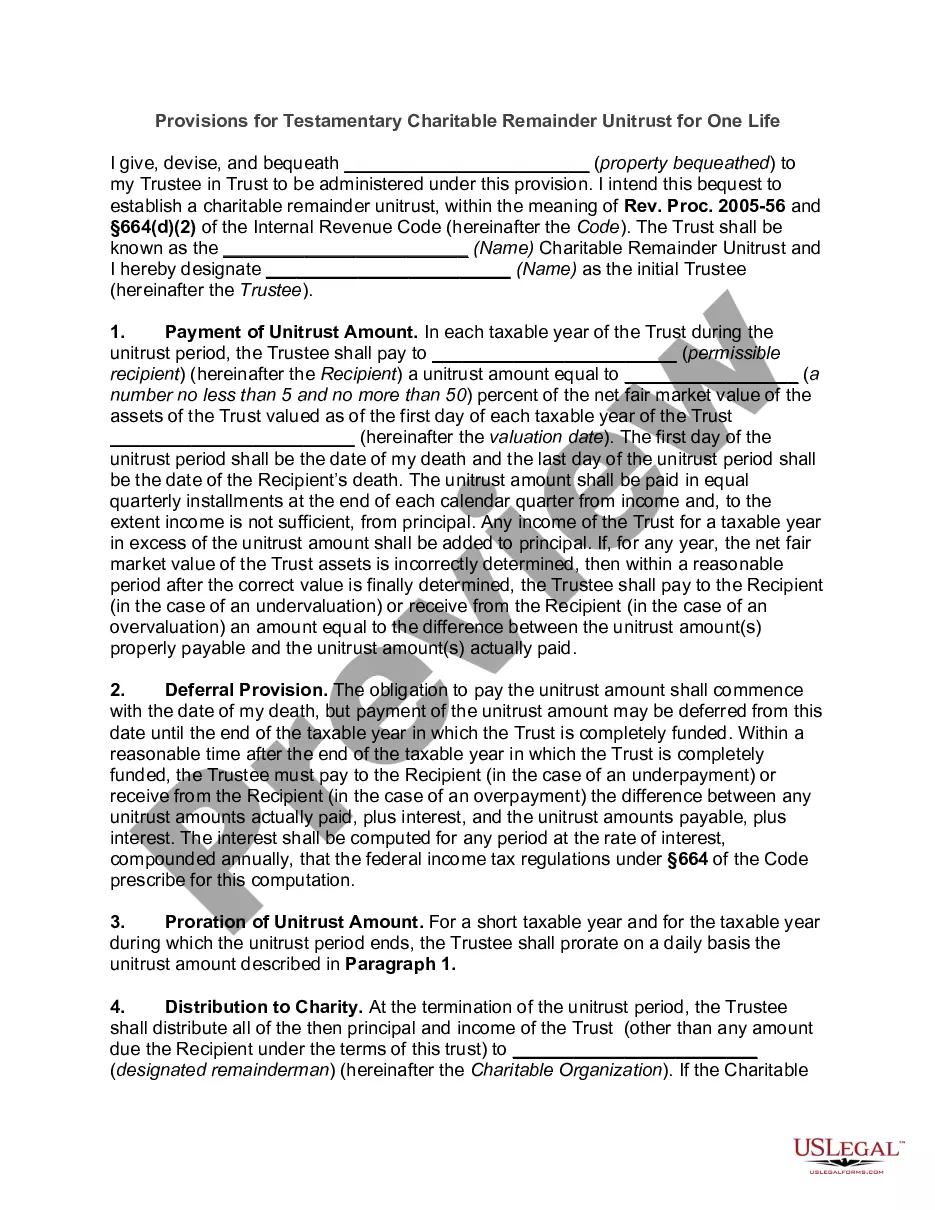
Get your form ready online
Our built-in tools help you complete, sign, share, and store your documents in one place.
Make edits, fill in missing information, and update formatting in US Legal Forms—just like you would in MS Word.
Download a copy, print it, send it by email, or mail it via USPS—whatever works best for your next step.
Sign and collect signatures with our SignNow integration. Send to multiple recipients, set reminders, and more. Go Premium to unlock E-Sign.
If this form requires notarization, complete it online through a secure video call—no need to meet a notary in person or wait for an appointment.
We protect your documents and personal data by following strict security and privacy standards.

Make edits, fill in missing information, and update formatting in US Legal Forms—just like you would in MS Word.

Download a copy, print it, send it by email, or mail it via USPS—whatever works best for your next step.

Sign and collect signatures with our SignNow integration. Send to multiple recipients, set reminders, and more. Go Premium to unlock E-Sign.

If this form requires notarization, complete it online through a secure video call—no need to meet a notary in person or wait for an appointment.

We protect your documents and personal data by following strict security and privacy standards.
Looking for another form?




How to fill out Inter Vivos QTIP Trust With Principal To Donor's Children On Spouse's Death?
- If you're a returning user, simply log in to access your account and navigate to the Download option for your necessary template. Ensure your subscription is active, and renew if needed.
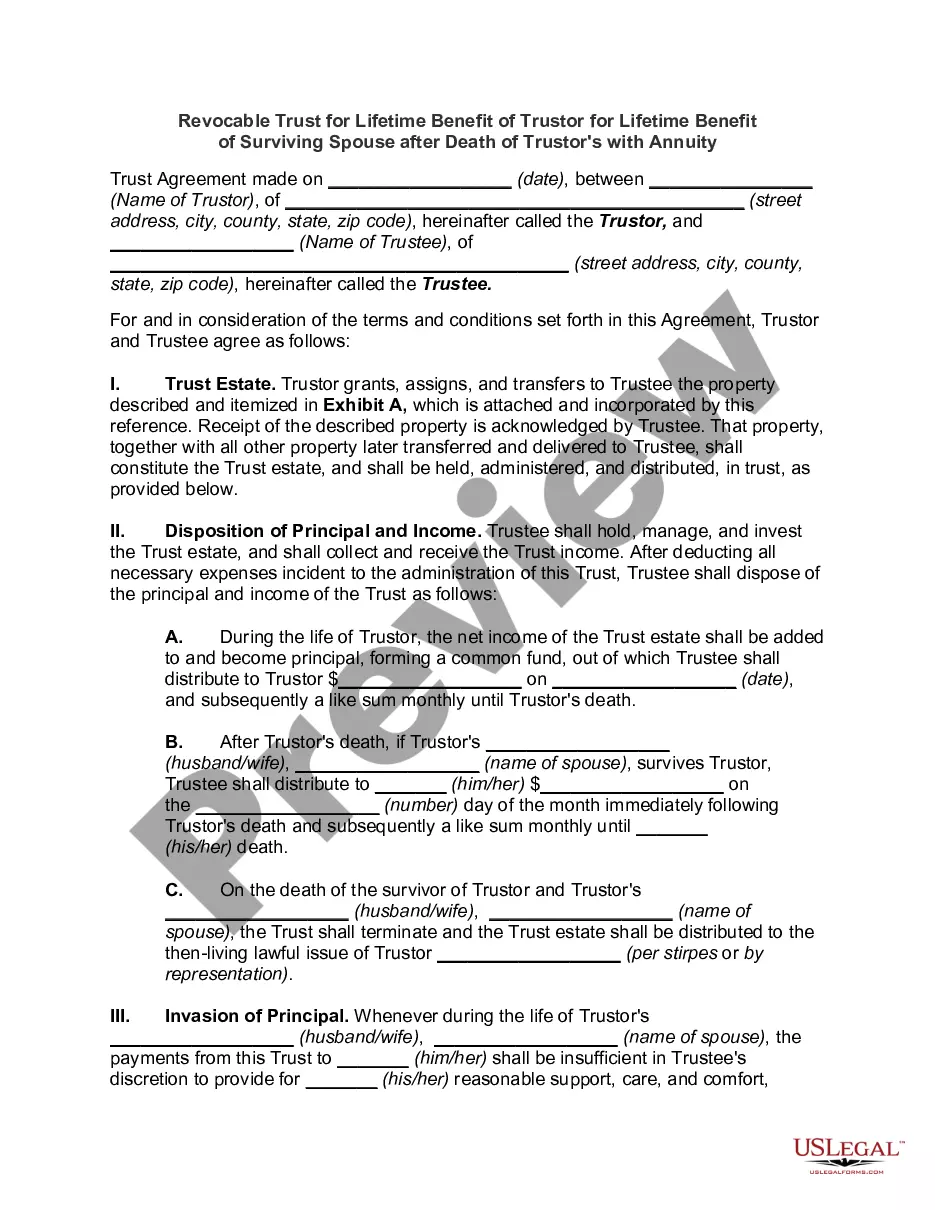
- For first-time users, start by reviewing the Preview mode and description of the Qtip trust principal form to confirm it meets your specific requirements and aligns with your local jurisdiction.
- If the form doesn't suit your needs, utilize the Search tab above to find a more suitable template.
- Once you have the right document, click 'Buy Now' and select your preferred subscription plan. Make sure to create an account for full access to our library.
- Proceed to payment by entering your credit card information or by using PayPal to securely complete your purchase.
- Download the form to your device for easy access later. You can also find it in the My Forms section of your profile.
Utilizing US Legal Forms ensures that you can access a diverse range of templates with precision, enhanced by premium expert assistance when needed. This combination empowers users to handle their legal documentation swiftly and effectively.
Start your journey with US Legal Forms today, and experience the ease of securing your necessary legal documents effortlessly!
Form popularity
FAQ
QTIP stands for Qualified Terminable Interest Property. It allows the trust creator to provide for a spouse while also controlling how the trust assets are distributed after their passing. With a QTIP trust, the income generated can go to the surviving spouse, but the principal is held for other beneficiaries, ensuring proper asset management. To fully understand this, you might want to consider using a Qtip trust principal form complete with the value to clarify your intentions and protect your loved ones.
One notable disadvantage of a QTIP trust is that it may not provide the flexibility of other trust types. Once the trust is established, the trustee has limited discretion on distributions. Additionally, all trust income is taxable to the beneficiary, which may lead to higher tax liabilities. We can help you understand these limitations as you complete your QTIP trust principal form.
QTIP trusts are typically taxed based on the income generated by the trust assets. The beneficiary receiving income must report it on their tax returns. It's essential to consider these tax implications when filling out the QTIP trust principal form. Consulting with a tax professional can help you navigate these nuances effectively.
To make a QTIP election on Form 706, you must complete Part 4 of the form, where you report the value of the QTIP trust and indicate your election. Ensure you provide all necessary documentation regarding the trust and beneficiaries. Proper completion of this form is critical for the successful application of the QTIP trust principal form, complete with the value for estate tax purposes.
The purpose of the QTIP is to provide for a surviving spouse's income needs while deferring estate taxes on the trust assets until their death. This allows the deceased spouse to ensure their partner's financial stability during their lifetime while still planning for future heirs. A properly structured QTIP can also promote harmony between family members by clarifying the distribution of assets.
Someone might set up a QTIP trust to ensure their spouse has financial support after their death while maintaining control over trust assets until the spouse passes away. This trust can also help manage estate taxes effectively, allowing for a smoother transition of wealth. It offers a way to balance the needs of a surviving spouse and future beneficiaries.
The primary reason to use a QTIP trust is to provide for the surviving spouse while ensuring that the trust assets are controlled for the benefit of future heirs. This type of trust helps in managing estate taxes by deferring them until the surviving spouse passes away. It offers both security for the present and planning for the future.
An example of a QTIP trust would be a trust established by a deceased spouse that provides for their surviving spouse to receive all income from the trust assets. Upon the death of the surviving spouse, the remaining assets would be distributed to the children or other designated beneficiaries. This setup helps ensure that the survivor is supported while also planning for future distributions.
To qualify as a QTIP trust, the trust must require that all income is distributed to the surviving spouse during their lifetime. Secondly, no other beneficiaries can receive principal distributions during the spouse's lifetime. Meeting these requirements ensures that the QTIP trust provides its intended benefits.
A QTIP trust allows a surviving spouse to receive income from trust assets while deferring estate taxes until their death. This can provide financial security for the survivor while allowing for efficient estate planning. Additionally, it helps in retaining control over the assets for the benefit of future heirs.