Qtip Trust Principal Form Complete With The Help
Description
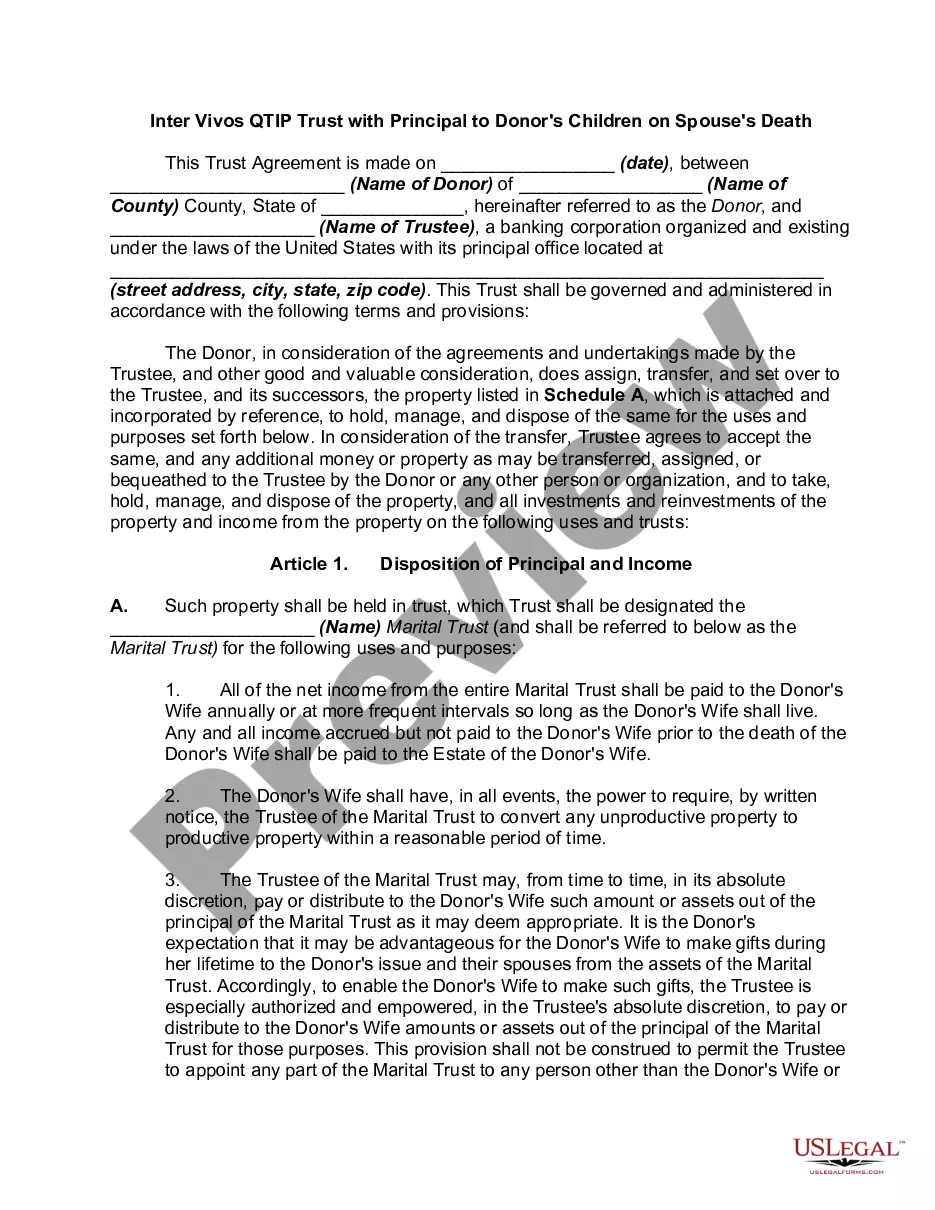
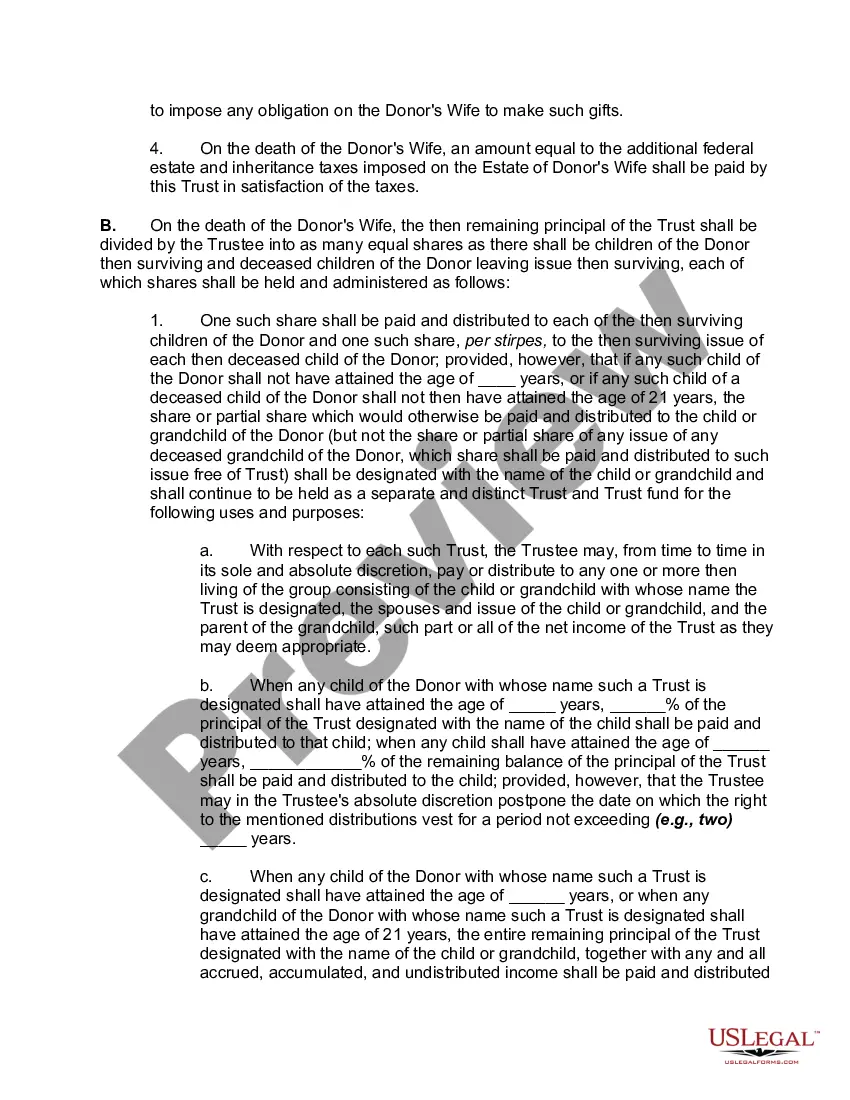
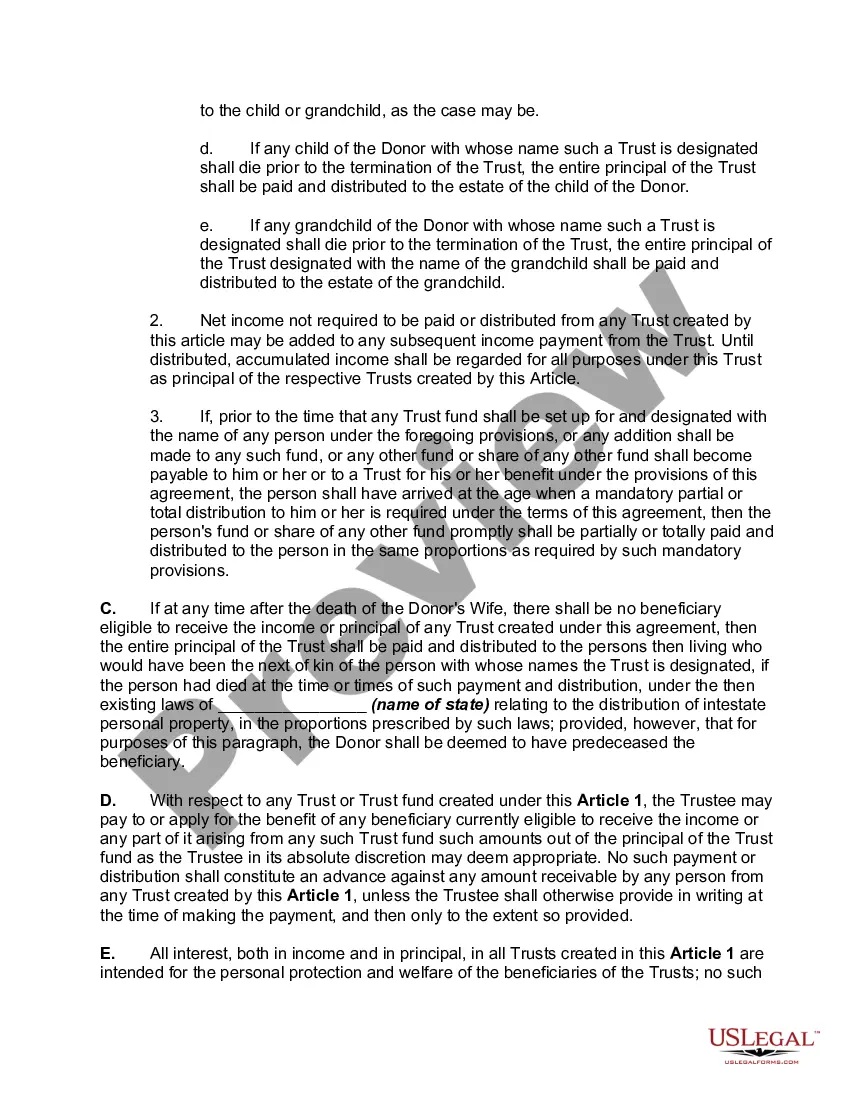
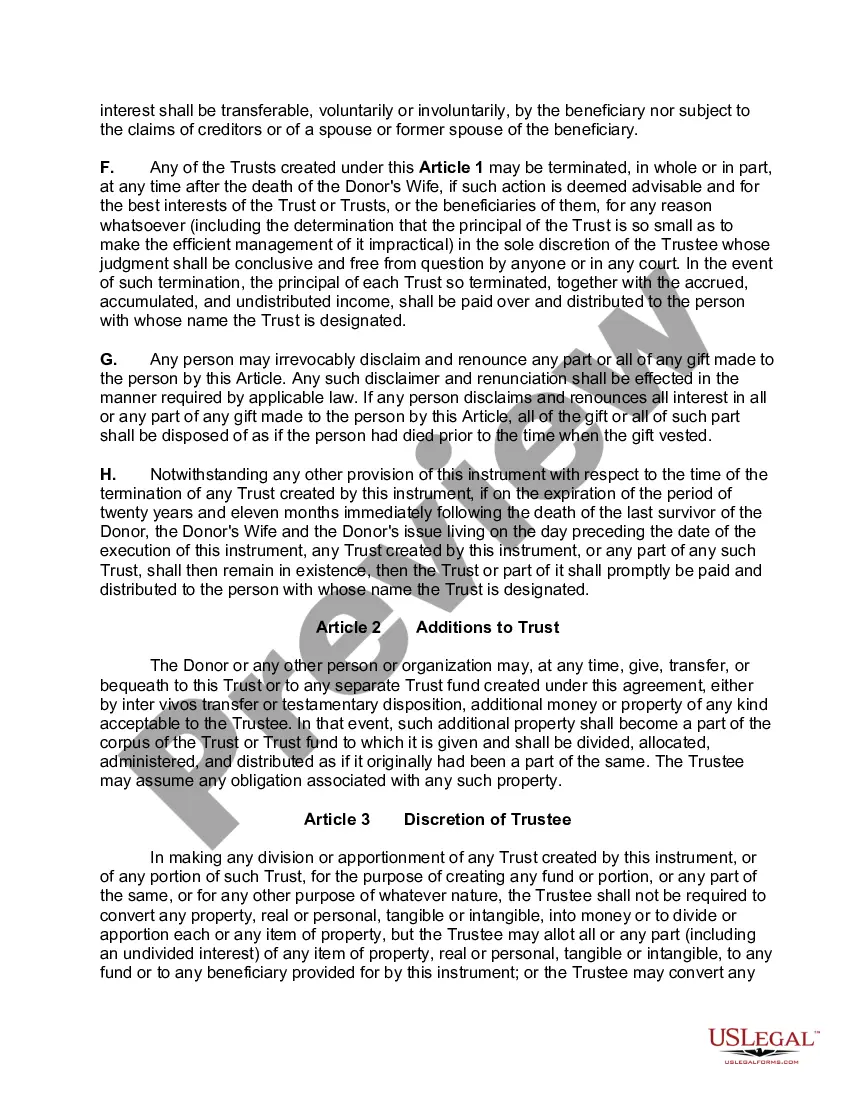
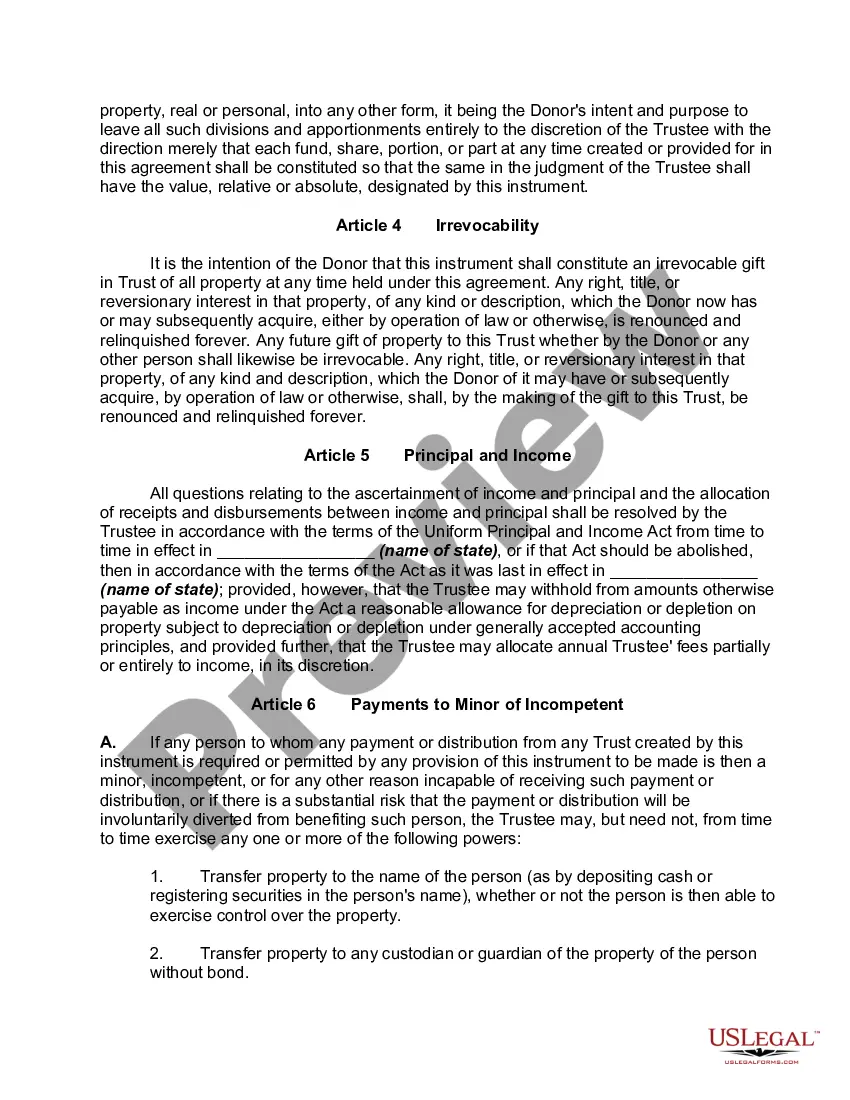
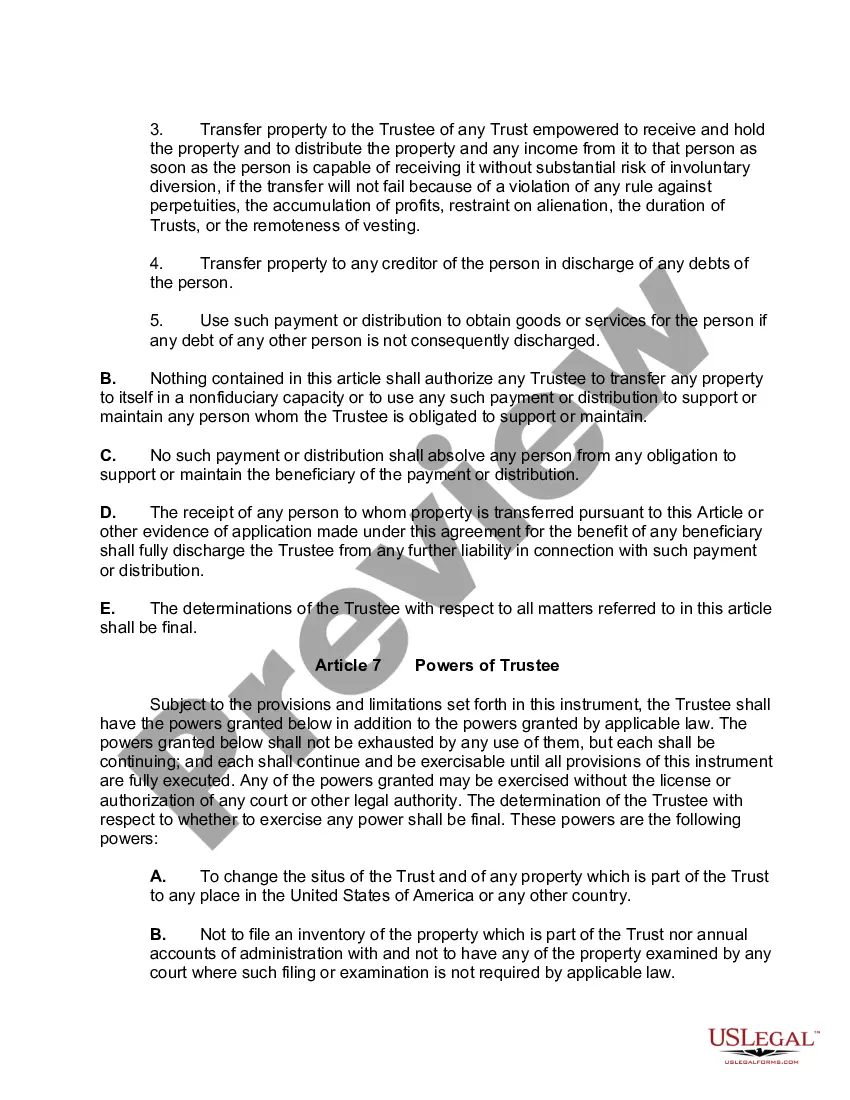
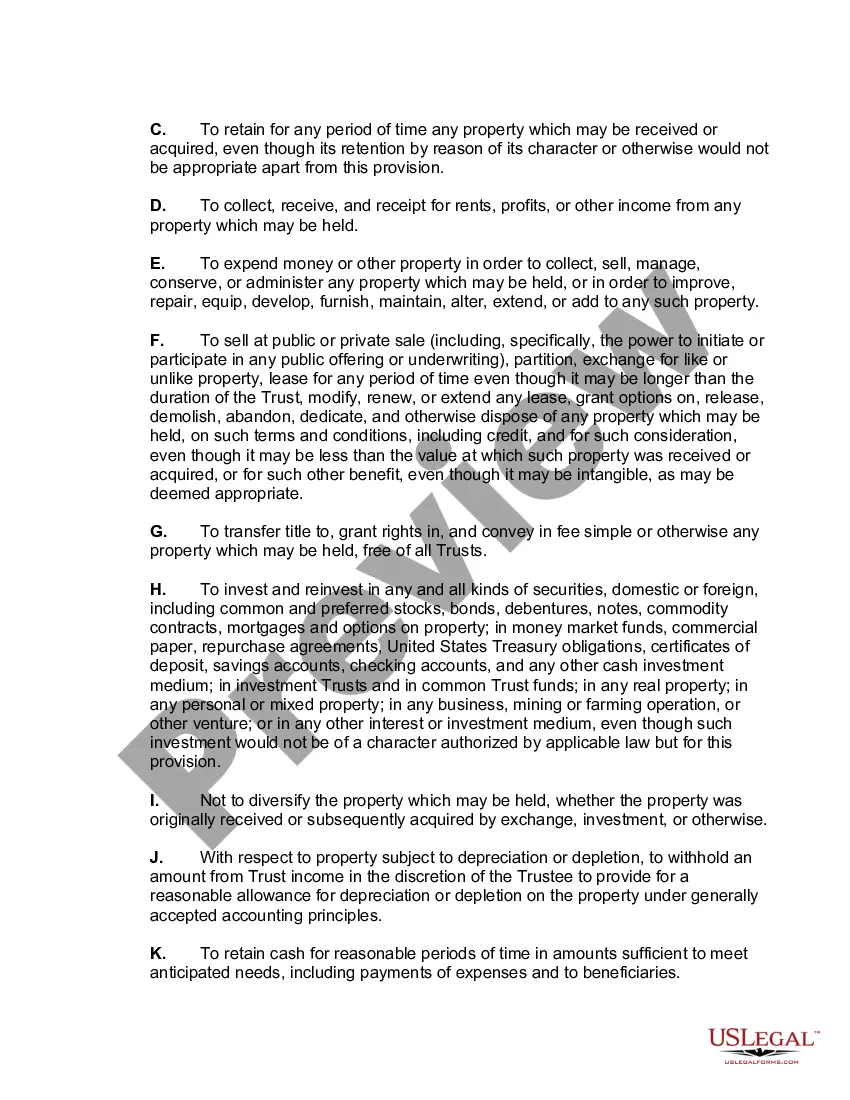
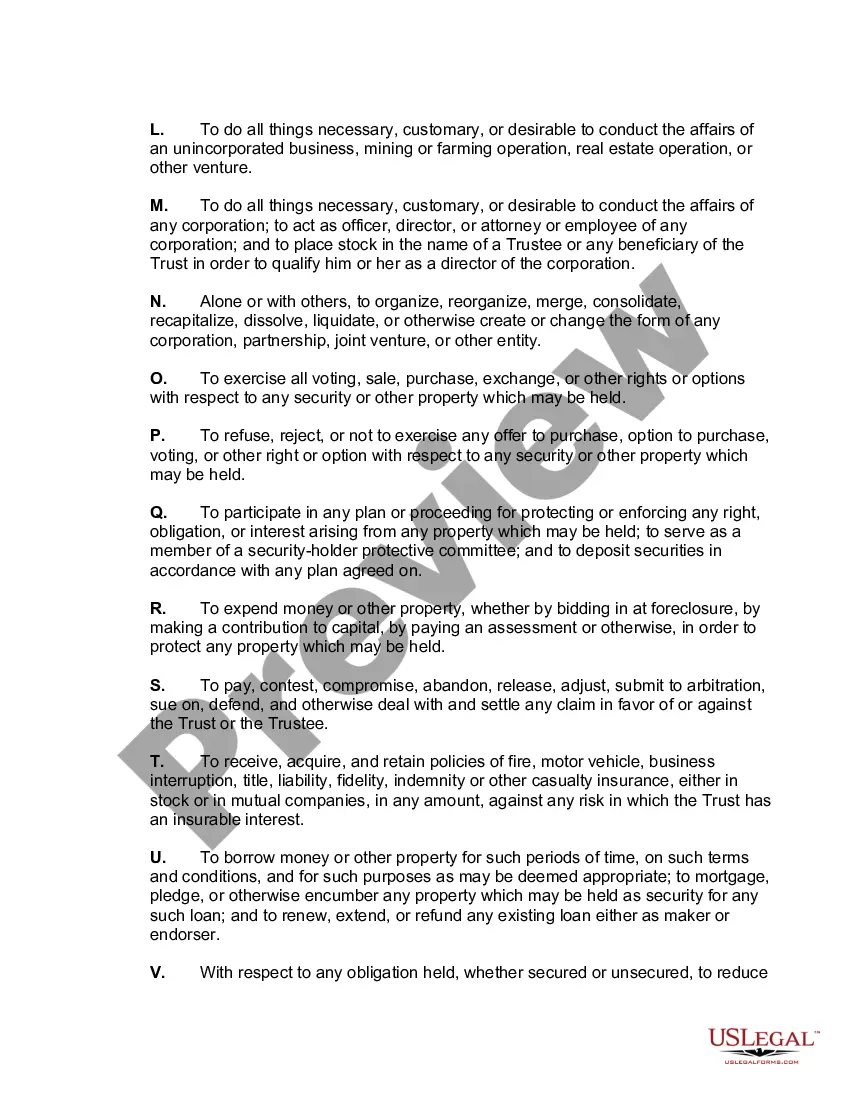
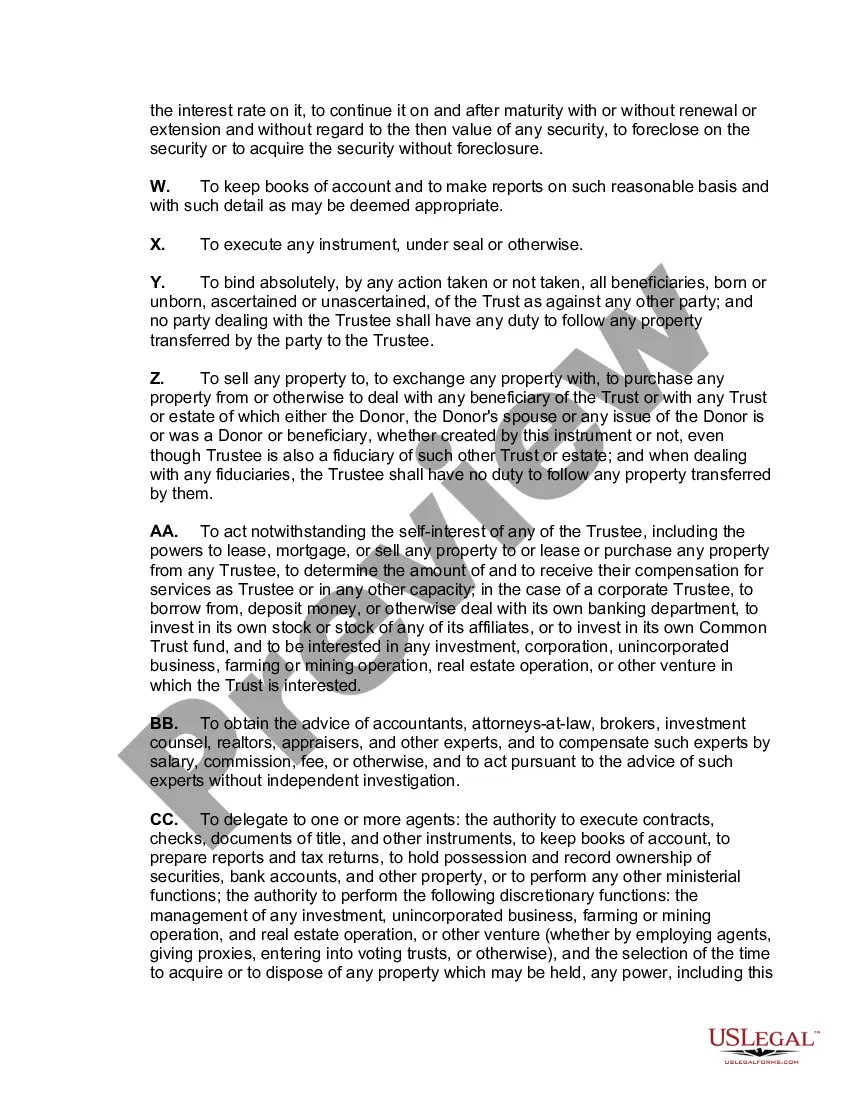
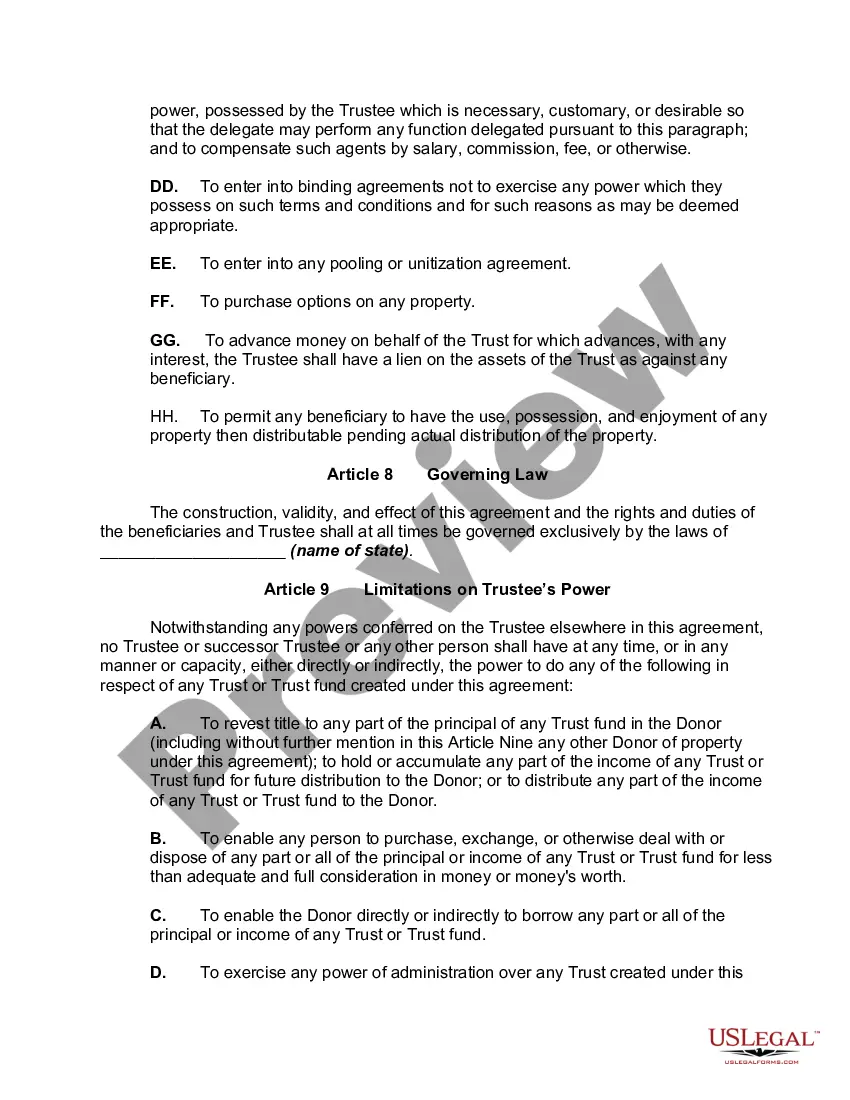

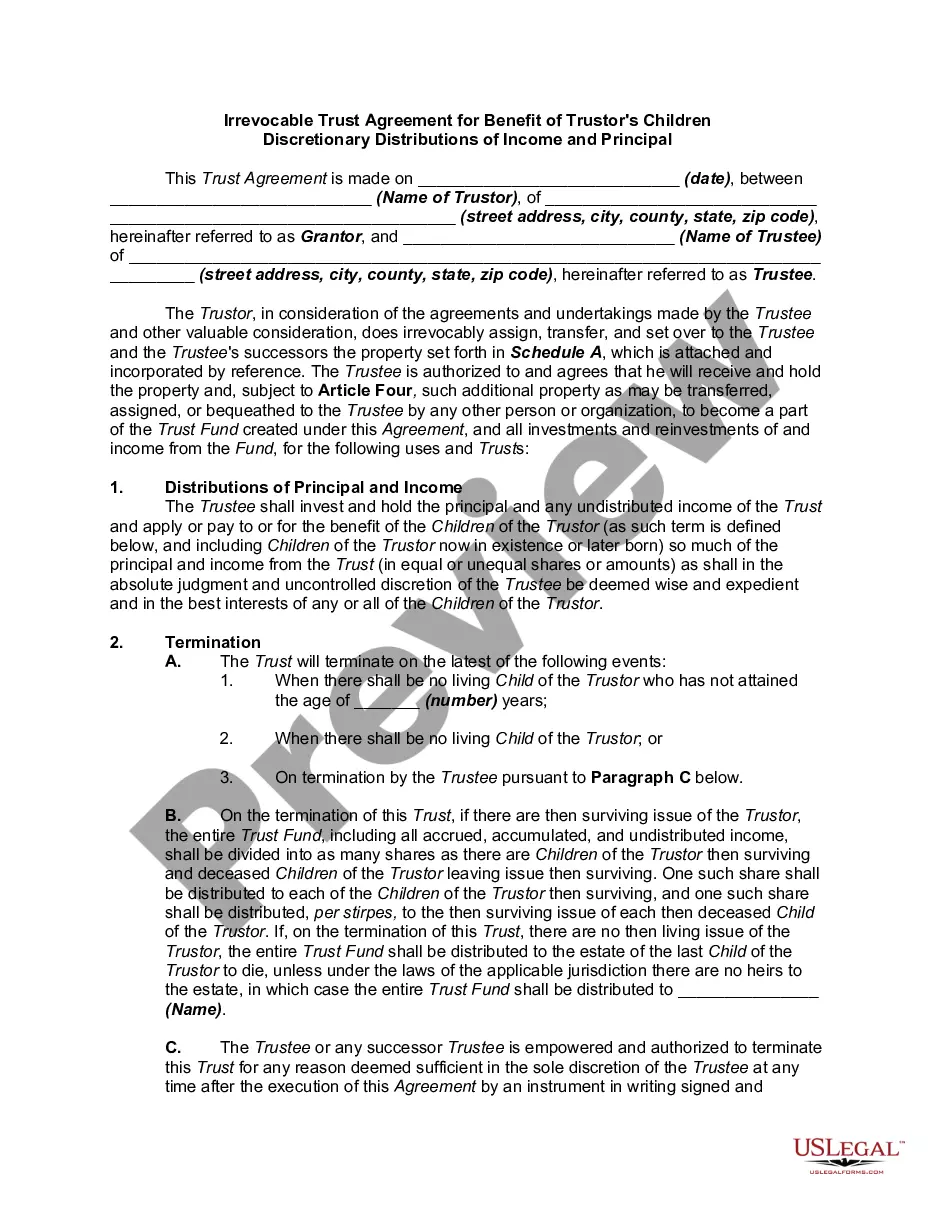
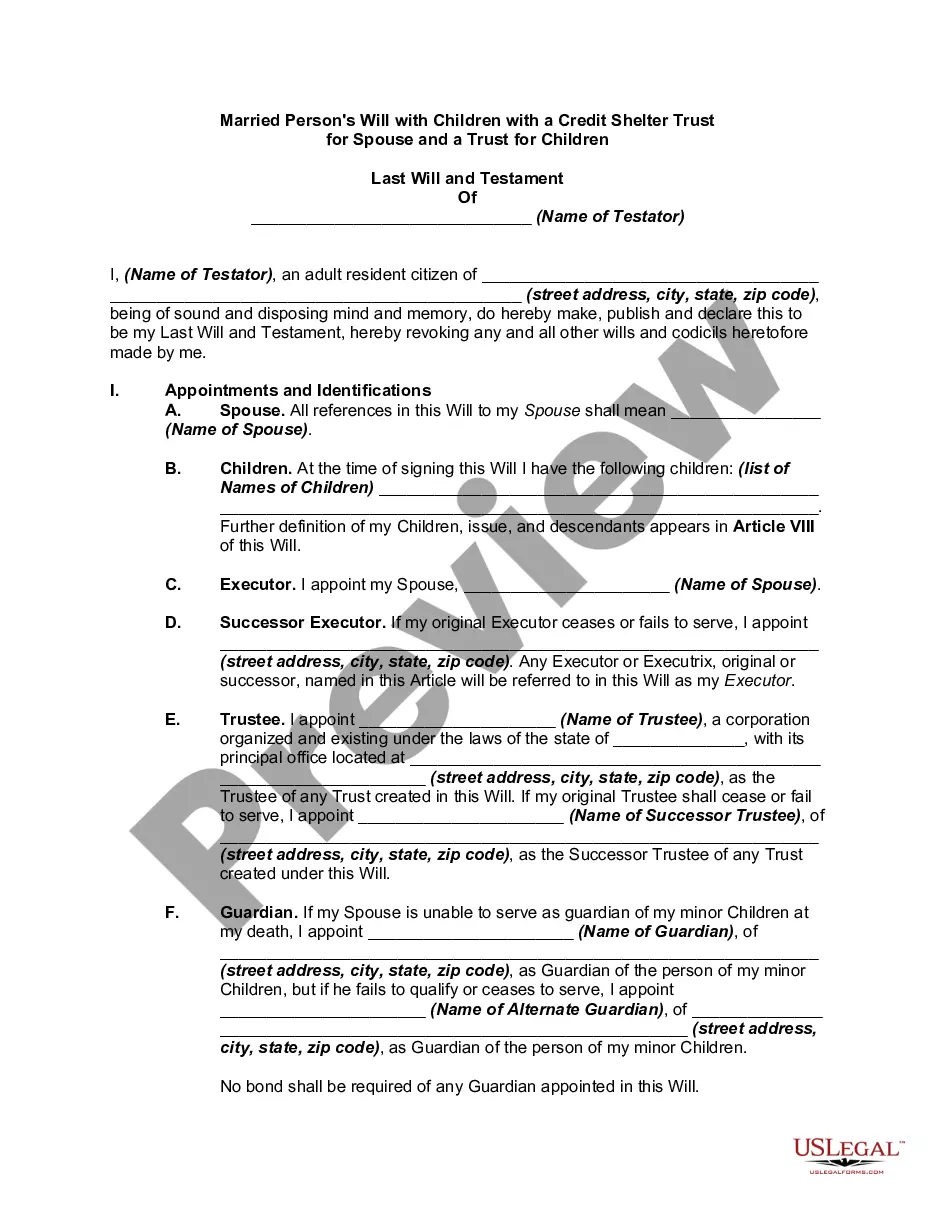
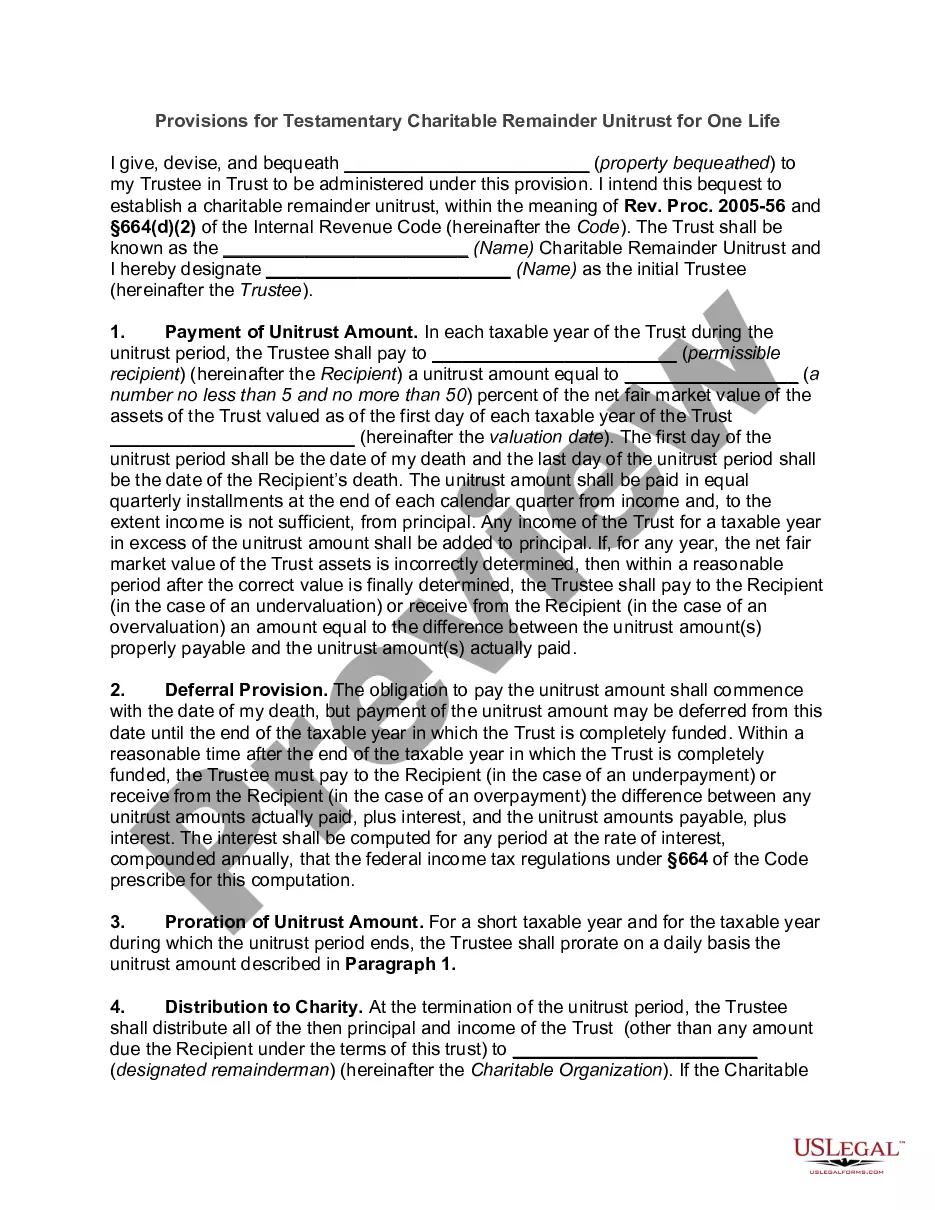
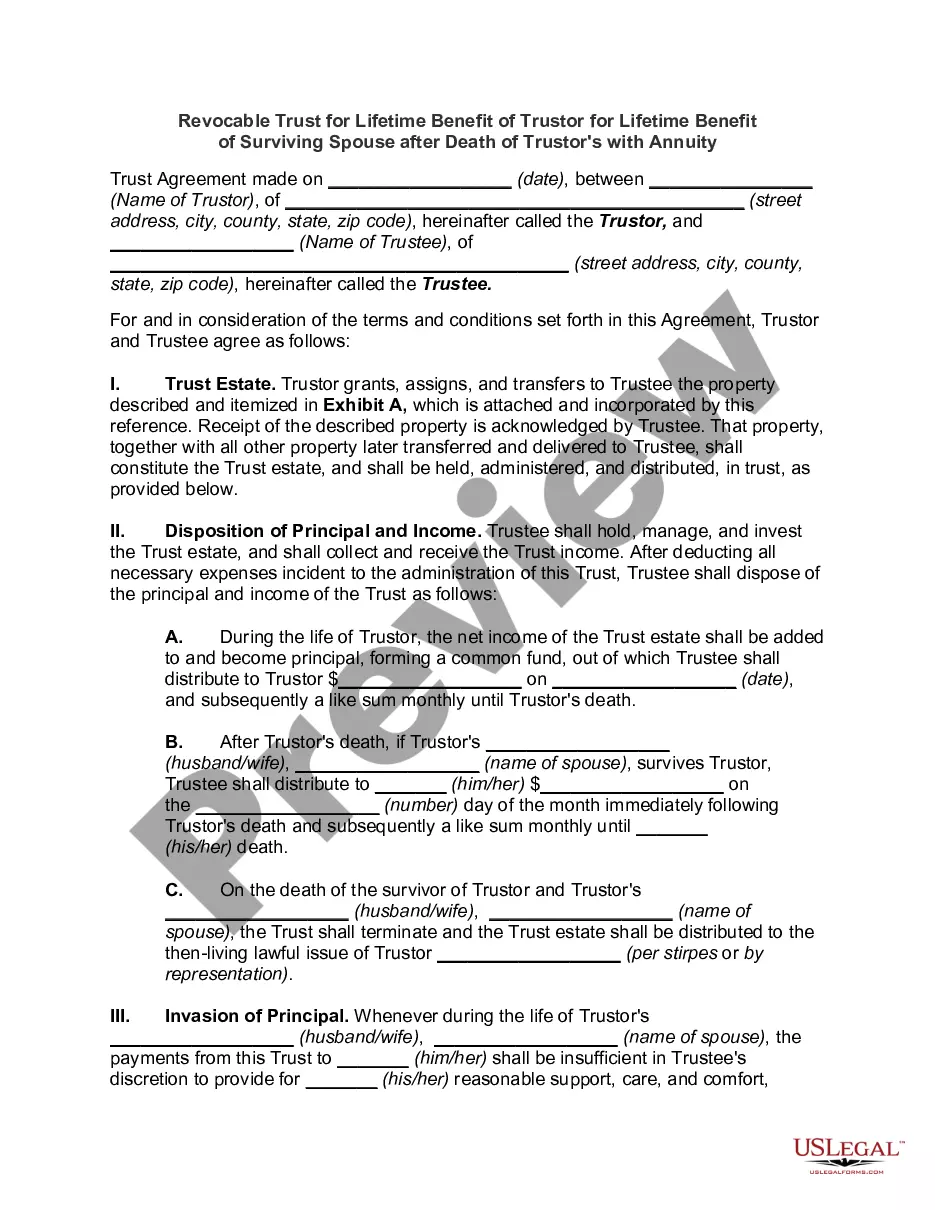
Get your form ready online
Our built-in tools help you complete, sign, share, and store your documents in one place.
Make edits, fill in missing information, and update formatting in US Legal Forms—just like you would in MS Word.
Download a copy, print it, send it by email, or mail it via USPS—whatever works best for your next step.
Sign and collect signatures with our SignNow integration. Send to multiple recipients, set reminders, and more. Go Premium to unlock E-Sign.
If this form requires notarization, complete it online through a secure video call—no need to meet a notary in person or wait for an appointment.
We protect your documents and personal data by following strict security and privacy standards.

Make edits, fill in missing information, and update formatting in US Legal Forms—just like you would in MS Word.

Download a copy, print it, send it by email, or mail it via USPS—whatever works best for your next step.

Sign and collect signatures with our SignNow integration. Send to multiple recipients, set reminders, and more. Go Premium to unlock E-Sign.

If this form requires notarization, complete it online through a secure video call—no need to meet a notary in person or wait for an appointment.

We protect your documents and personal data by following strict security and privacy standards.
Looking for another form?

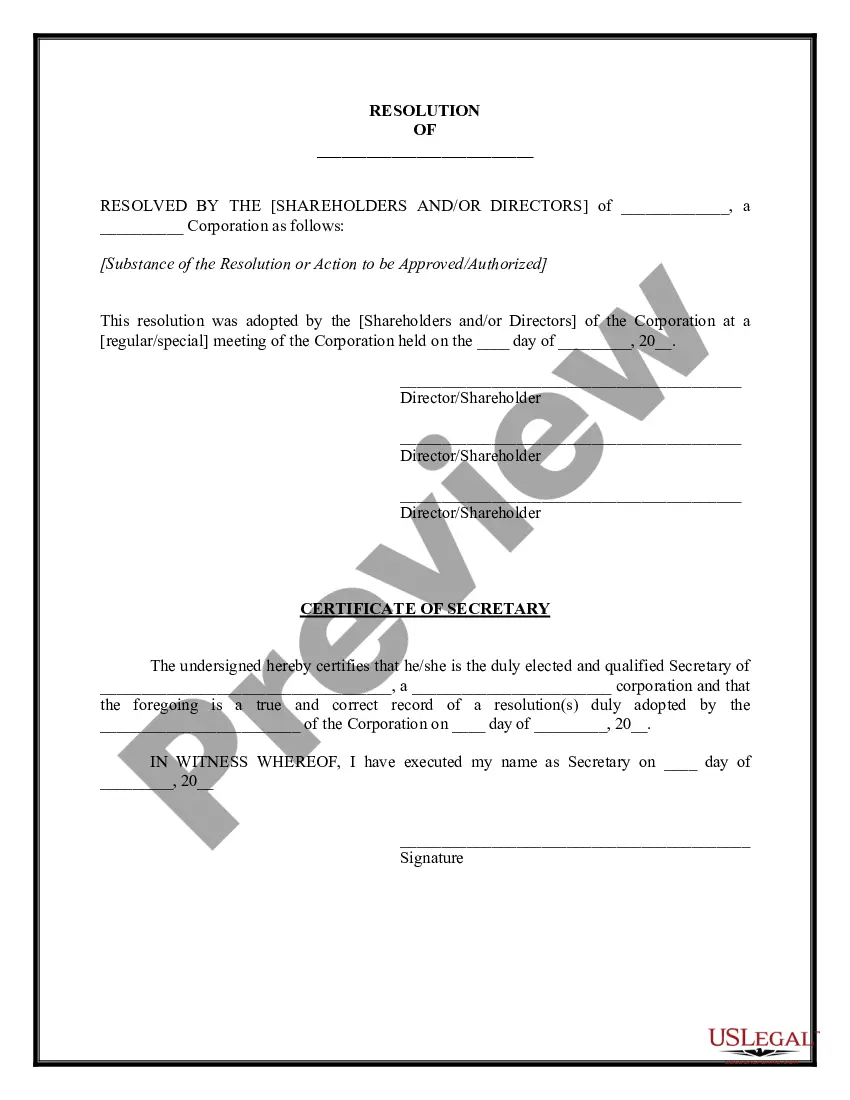







How to fill out Inter Vivos QTIP Trust With Principal To Donor's Children On Spouse's Death?
- If you're a returning user, access your account and download the required form using the 'Download' button. Ensure your subscription is active; if not, renew according to your payment plan.
- For first-time users, begin by exploring the Preview mode and detailed form description to confirm that you select the correct template based on your unique needs and local regulations.
- If you require a different form, utilize the search feature to find the appropriate template that best fits your criteria.
- Purchase the selected document by clicking the 'Buy Now' button and choosing a suitable subscription plan. An account registration is necessary to unlock full access.
- Finalize your purchase by entering your payment details, either via credit card or PayPal, to complete the transaction.
- After your purchase, download the form to your device, enabling easy completion. You can also revisit it anytime through the 'My Forms' section of your account.
In conclusion, US Legal Forms streamlines the process of filling out your Qtip trust principal form with unmatched convenience and a vast resource of legal templates. With premium support available, ensure your documents are complete and legally compliant.
Start your journey today with US Legal Forms and experience simplicity in creating your legal documents!
Form popularity
FAQ
Yes, a QTIP trust is required to file a tax return if it earns taxable income. The trust itself must file IRS Form 1041, reporting its income and deductions. Beneficiaries will need to consider how this impacts their personal tax situations, especially when they receive distributions. Completing the QTIP trust principal form can simplify this process, especially with expert help.
The tax implications of a QTIP trust primarily involve how income generated from the trust is taxed. Generally, the income from the QTIP trust gets reported on the estate tax return of the deceased. Beneficiaries may face income tax on distributions they receive from the trust. For specific guidance on completing the QTIP trust principal form, consider reaching out for help.
One disadvantage of a QTIP trust is that all income generated is taxable to the beneficiaries, which can lead to higher tax liabilities. Additionally, this type of trust can complicate estate planning, especially if you have multiple beneficiaries with varying needs. It may also restrict the beneficiaries' access to trust assets until a triggering event occurs, such as the death of the surviving spouse. To simplify this process, you may want to explore legal solutions like uslegalforms, which can provide the QTIP trust principal form complete with the help you need.
The income generated by a QTIP trust is typically taxable to the trust's beneficiaries. The trust itself must report this income, often on their individual tax returns. However, the estate of the deceased grantor may also be responsible for taxes, depending on the structure of the QTIP trust. Therefore, it's important to understand the implications of taxes and, if necessary, consider consulting with a tax professional to navigate this complex area.
To set up a QTIP trust, start by identifying the assets you wish to place in the trust. Next, work with an estate planning attorney to draft the necessary documents, ensuring they include the QTIP trust principal form complete with the help of your legal advisor. Once the trust document is in place, you will need to fund the trust by transferring ownership of the chosen assets. Finally, maintain clear records and communicate your intentions with the beneficiaries.
To qualify for the marital deduction for QTIP trusts, the trust must meet IRS requirements, including providing all income to the surviving spouse and being irrevocable. This deduction allows the entire value of the trust to defer estate taxes until the death of the surviving spouse. Ensuring that your QTIP trust principal form is complete with the help of an expert will facilitate adhering to these qualifications.
An example of a QTIP trust is a trust where the husband places his assets into the trust and names his wife as the income beneficiary. She receives all income generated for her lifetime, while the trust principal is designated for their children after her passing. You can easily create this setup using the QTIP trust principal form complete with the help of a legal professional.
Two key requirements of a QTIP trust include ensuring that the trust grants all income to the surviving spouse and that it functions as an irrevocable trust. These requirements help qualify the trust for marital deduction, reducing overall tax liabilities. Utilizing the QTIP trust principal form complete with the help of an estate planning expert simplifies meeting these requirements.
The primary reason to use a QTIP trust is to minimize estate taxes while ensuring that a surviving spouse receives income from the trust. This arrangement provides financial security for the spouse and preserves the principal for future beneficiaries. By completing the QTIP trust principal form complete with the help of a qualified professional, you can easily set up this beneficial arrangement.
The QTIP rule allows a surviving spouse to receive all income generated from the trust during their lifetime with the remaining assets passing to other beneficiaries after their death. This rule is particularly beneficial for tax purposes, allowing for a marital deduction. Using the QTIP trust principal form complete with the help helps ensure you meet all necessary stipulations of this rule.