Qtip Trust Principal Form Complete For A Form Field
Description
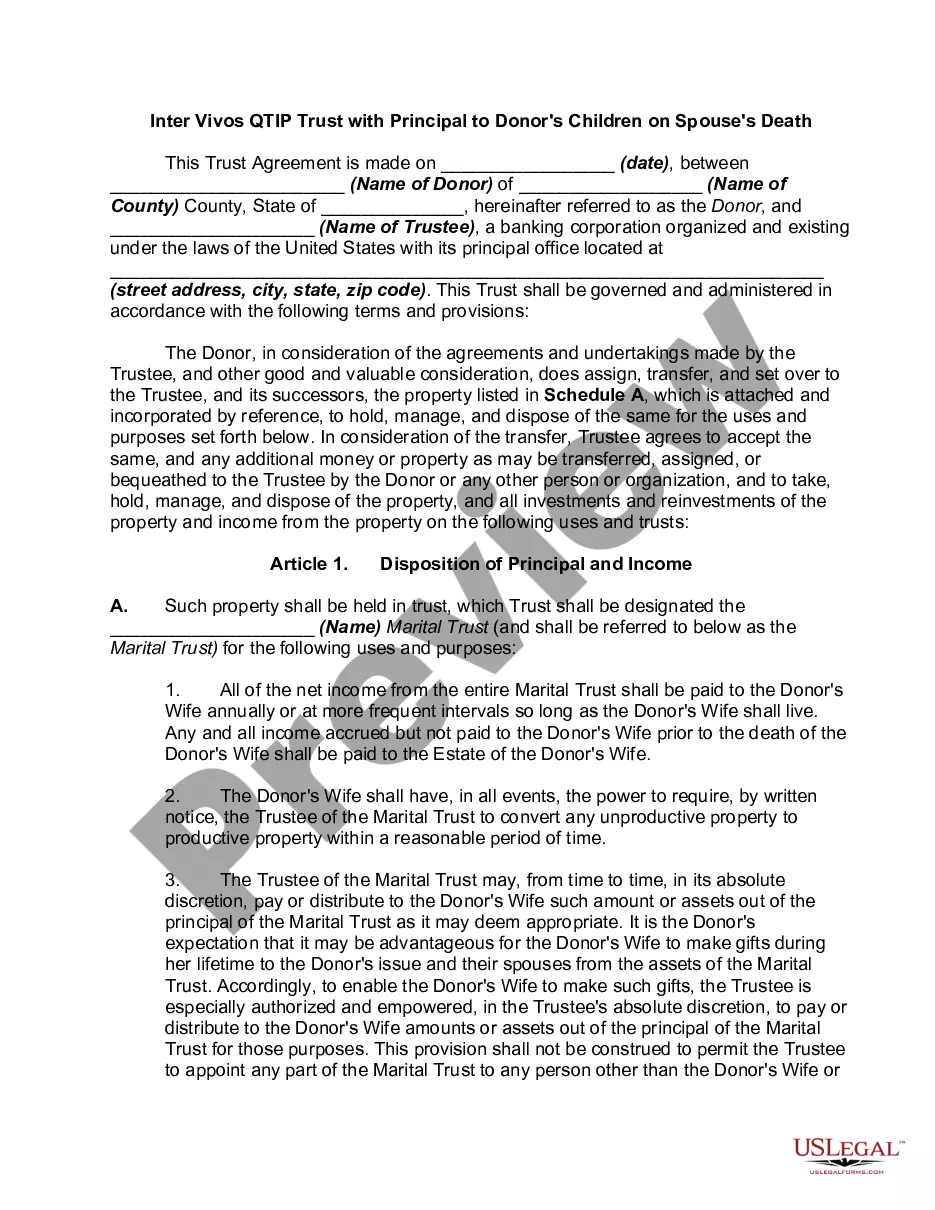
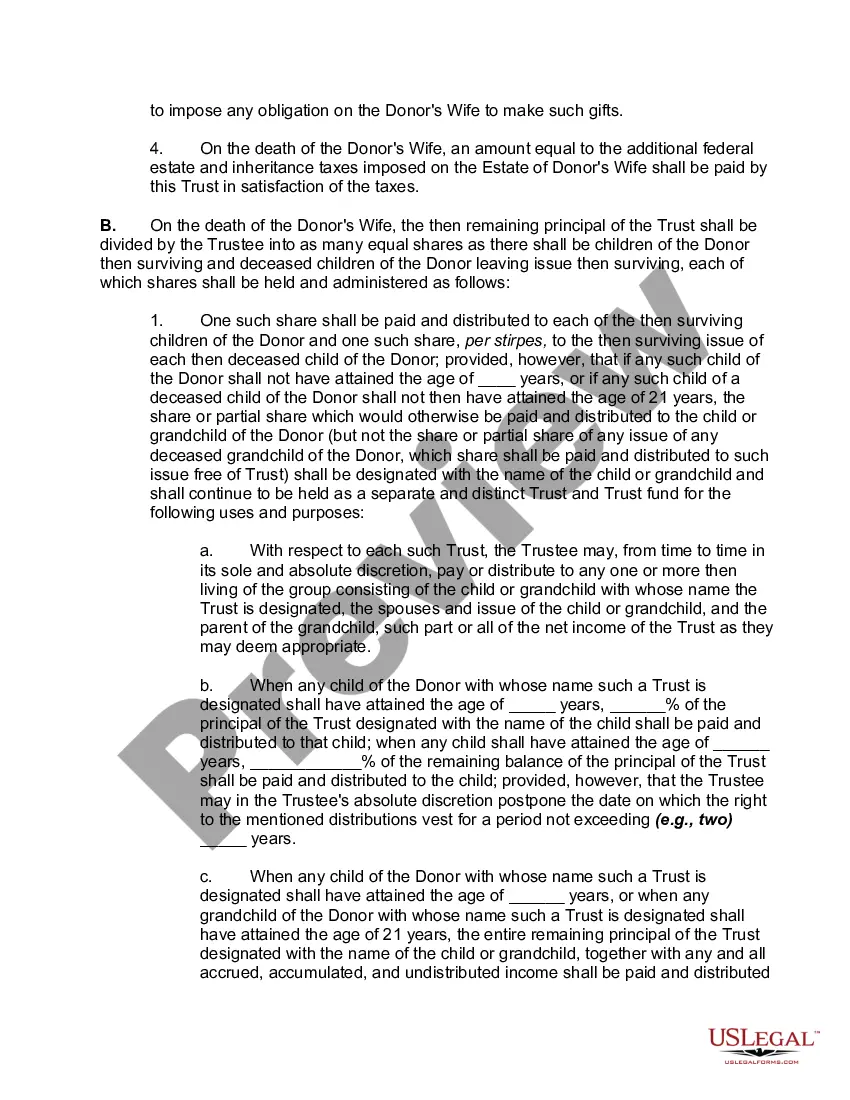
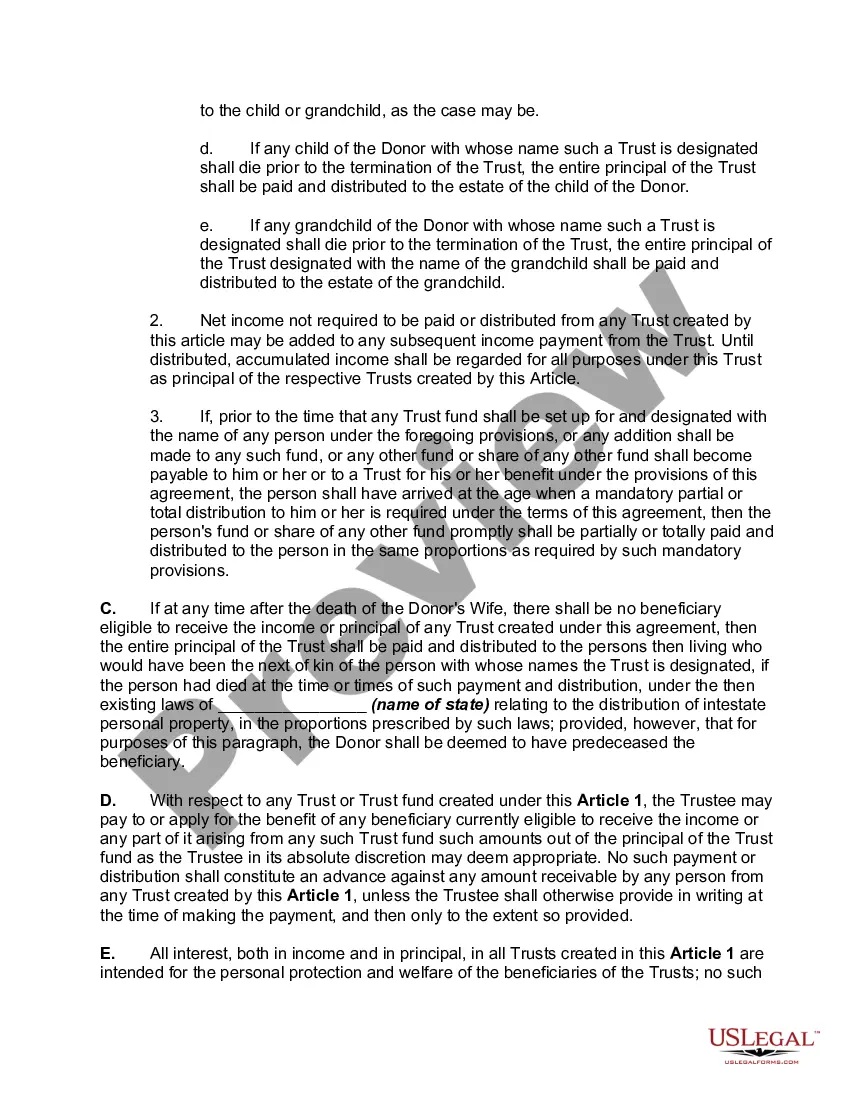
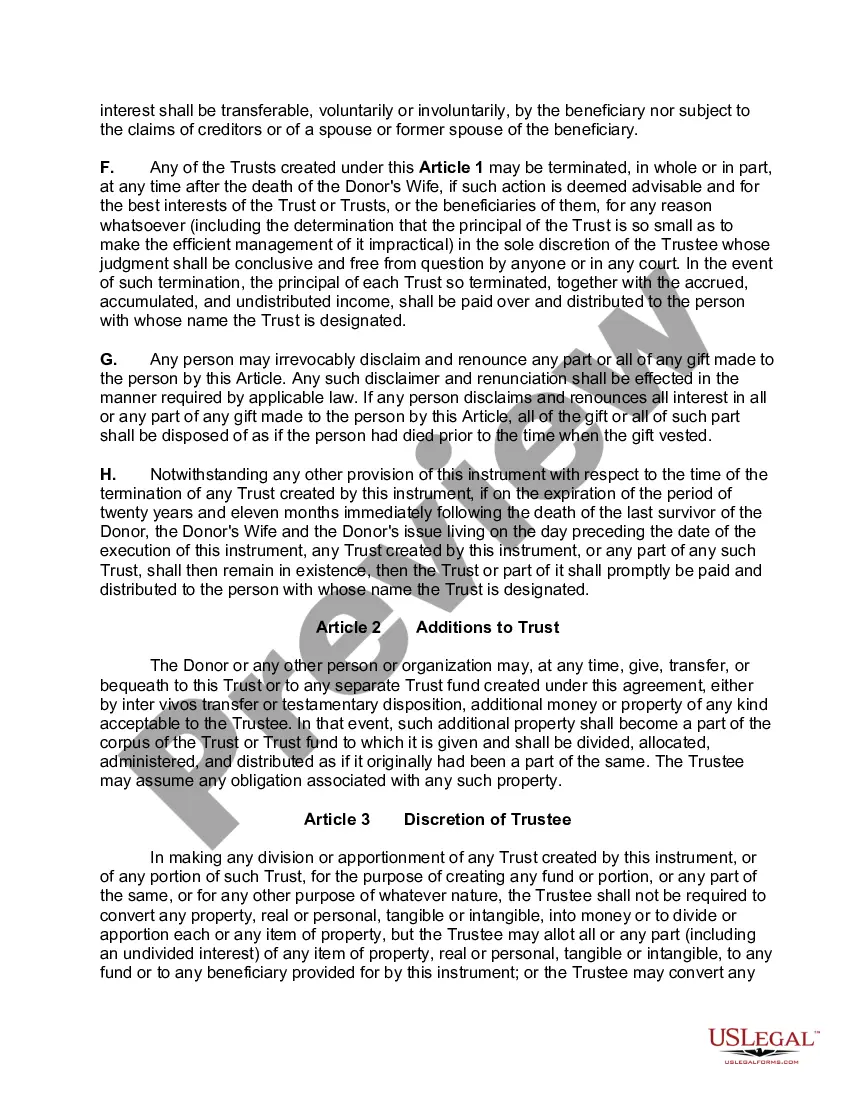
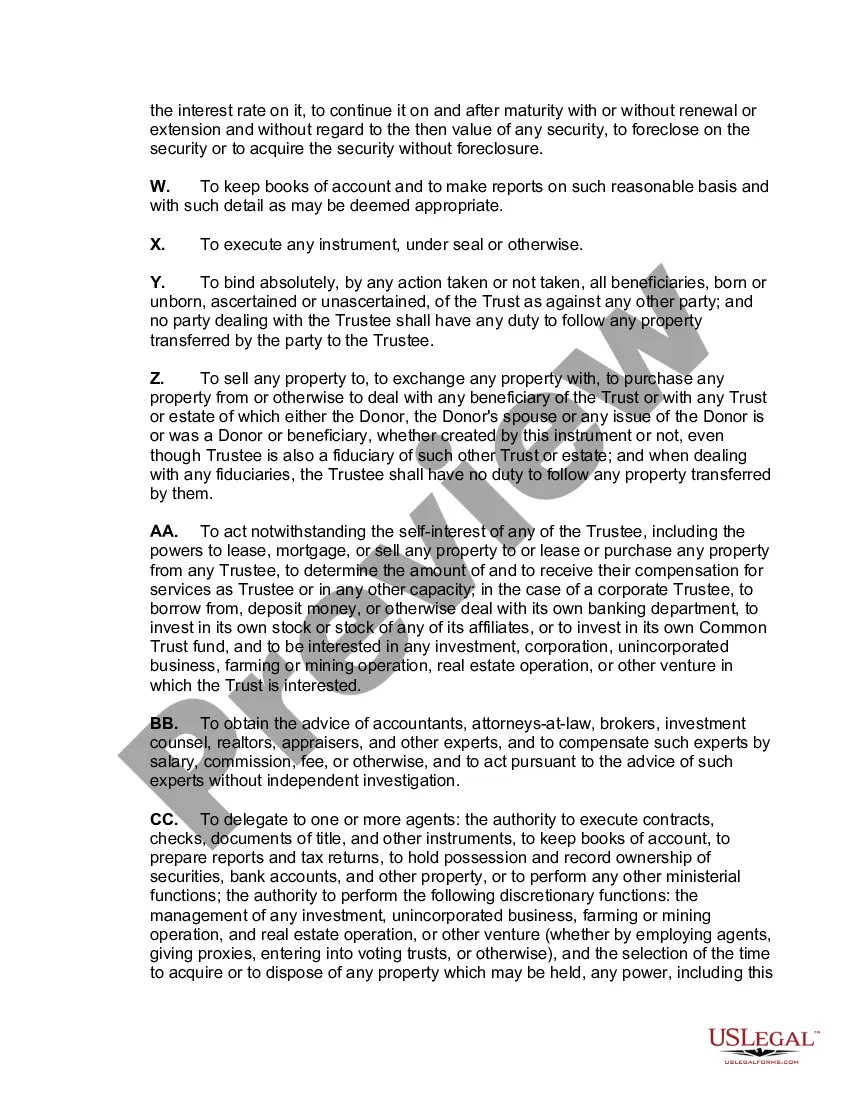
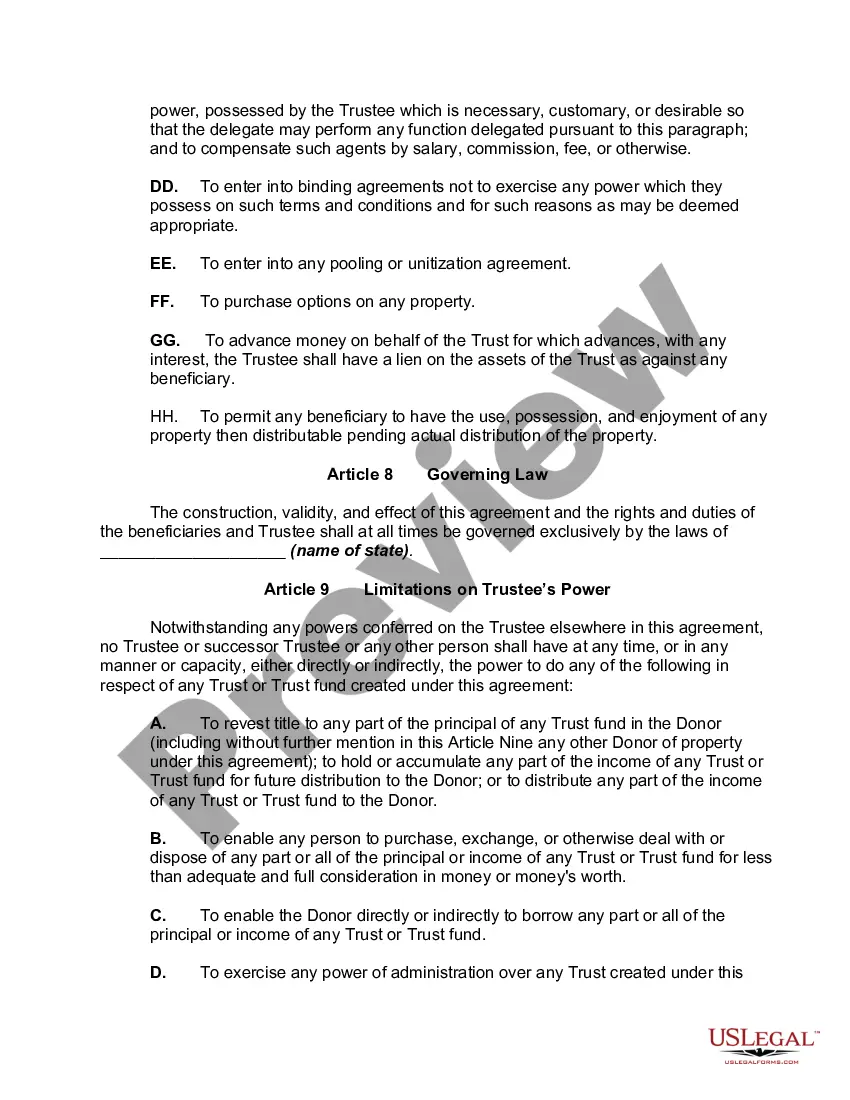

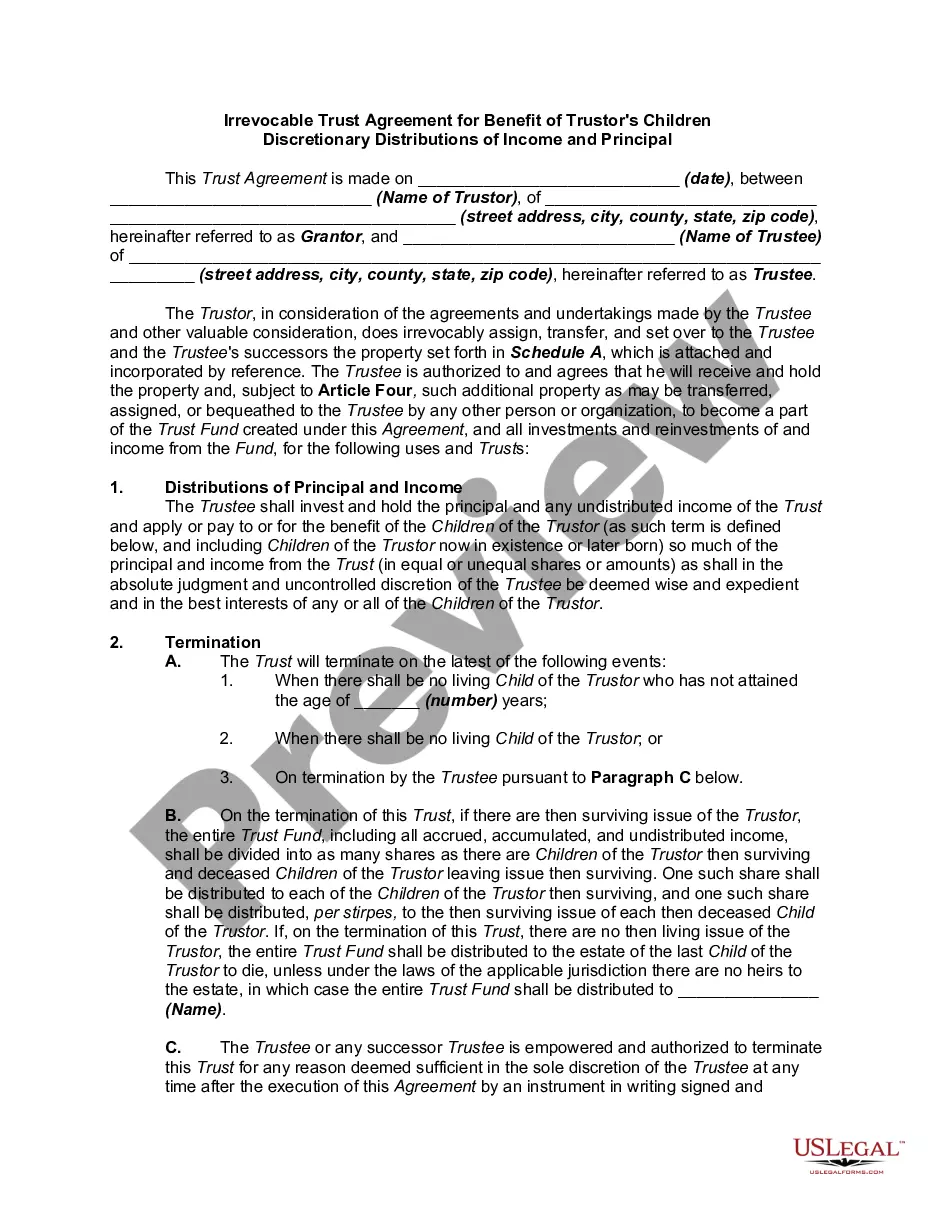
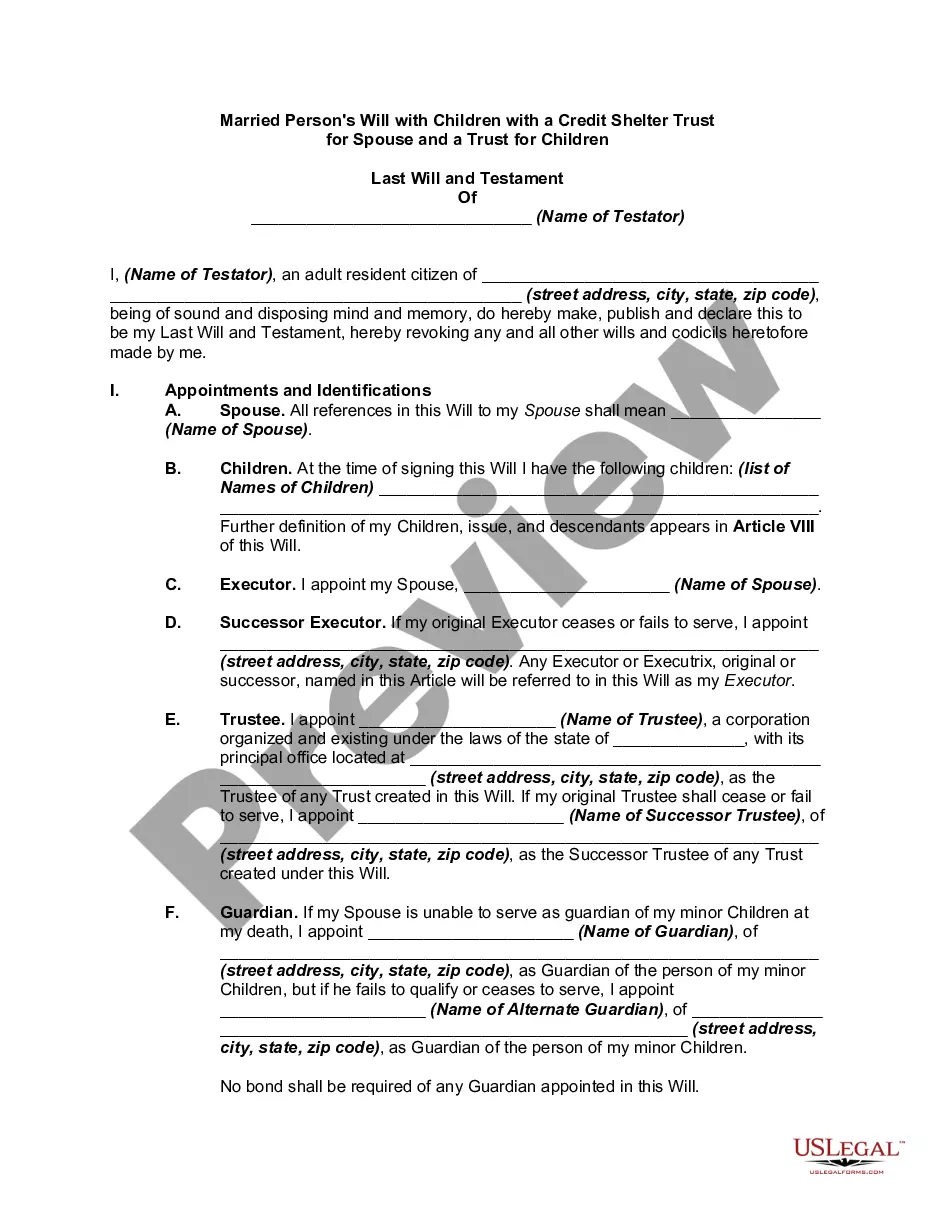
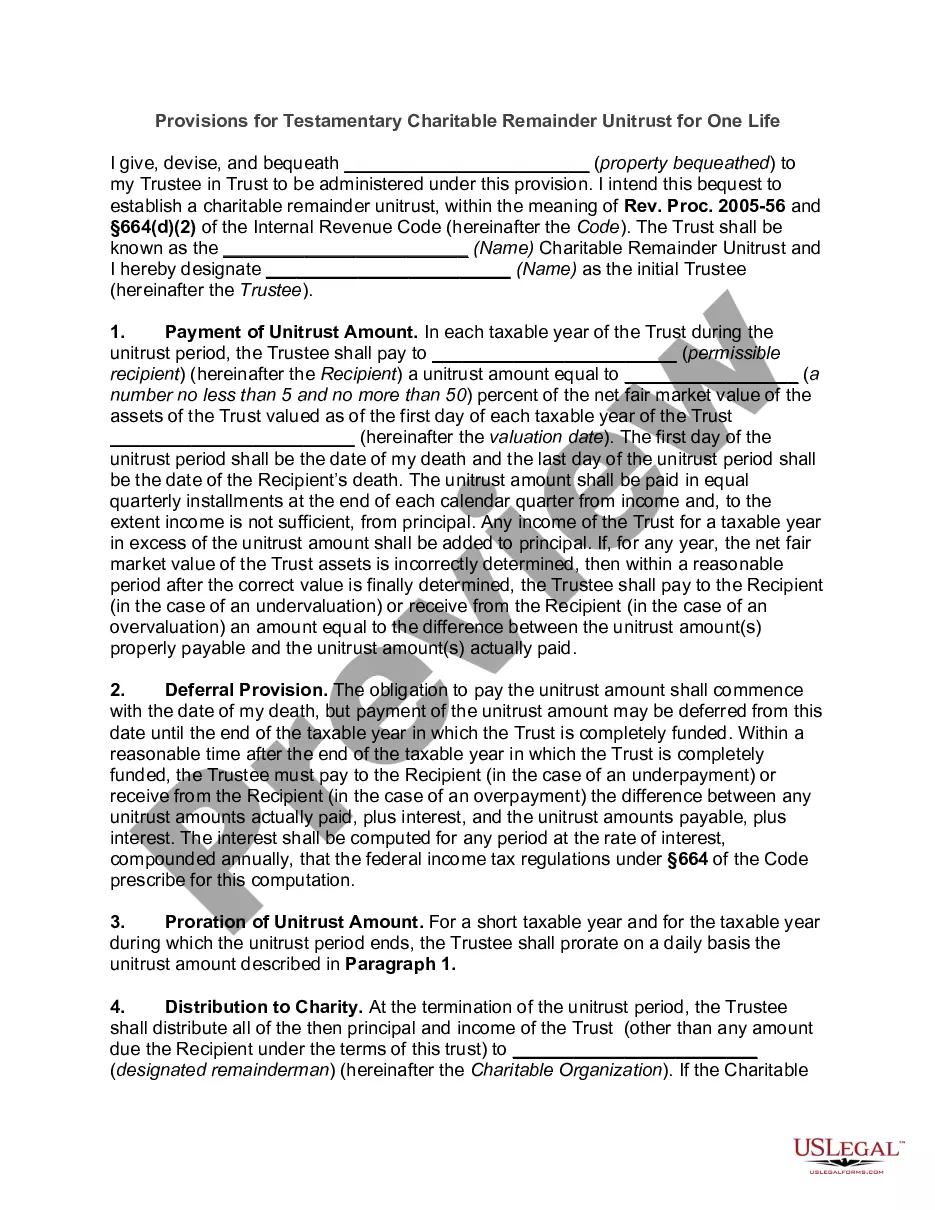
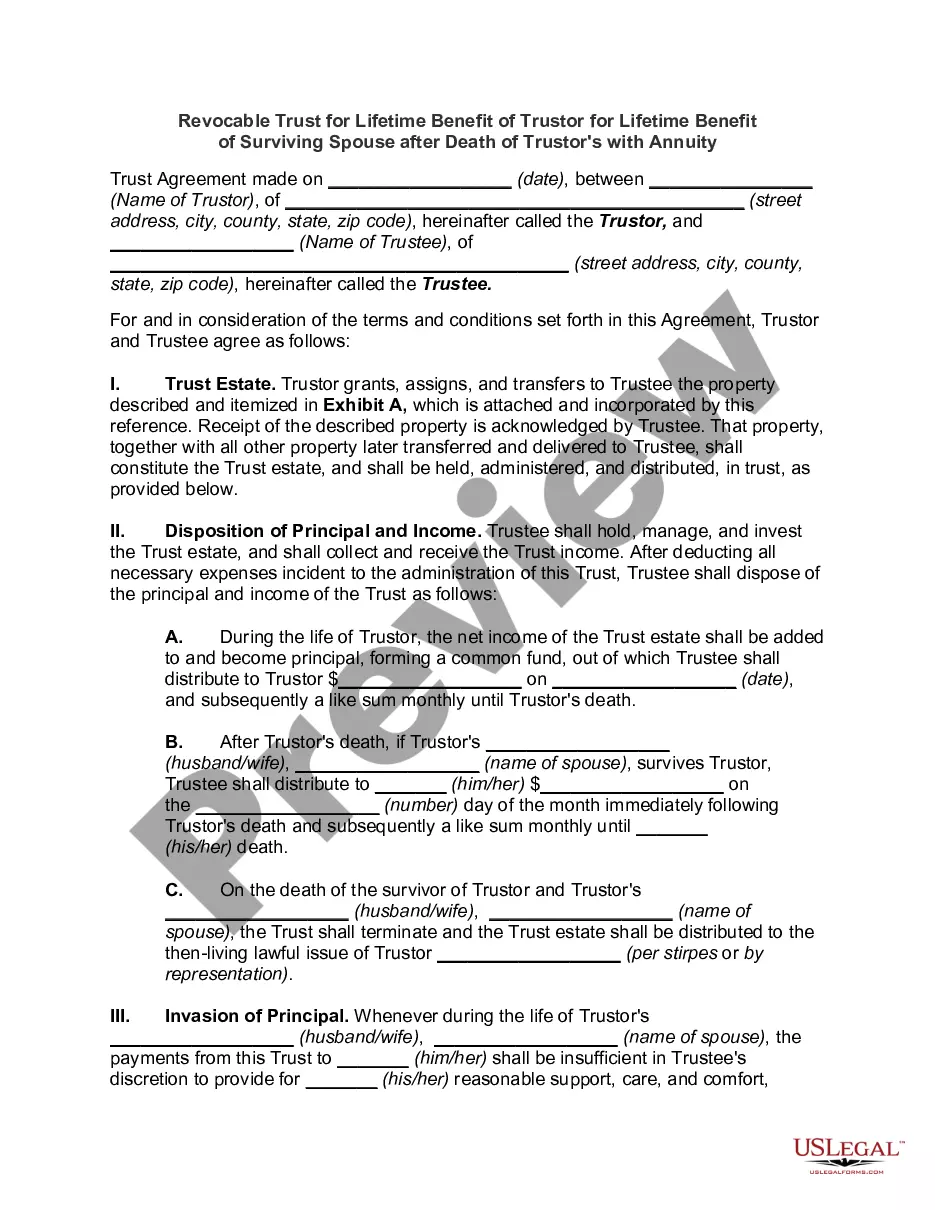
Get your form ready online
Our built-in tools help you complete, sign, share, and store your documents in one place.
Make edits, fill in missing information, and update formatting in US Legal Forms—just like you would in MS Word.
Download a copy, print it, send it by email, or mail it via USPS—whatever works best for your next step.
Sign and collect signatures with our SignNow integration. Send to multiple recipients, set reminders, and more. Go Premium to unlock E-Sign.
If this form requires notarization, complete it online through a secure video call—no need to meet a notary in person or wait for an appointment.
We protect your documents and personal data by following strict security and privacy standards.

Make edits, fill in missing information, and update formatting in US Legal Forms—just like you would in MS Word.

Download a copy, print it, send it by email, or mail it via USPS—whatever works best for your next step.

Sign and collect signatures with our SignNow integration. Send to multiple recipients, set reminders, and more. Go Premium to unlock E-Sign.

If this form requires notarization, complete it online through a secure video call—no need to meet a notary in person or wait for an appointment.

We protect your documents and personal data by following strict security and privacy standards.
Looking for another form?









How to fill out Inter Vivos QTIP Trust With Principal To Donor's Children On Spouse's Death?
- Log in to your US Legal Forms account if you're an existing user, ensuring your subscription is active. If it's expired, renew your plan before proceeding.
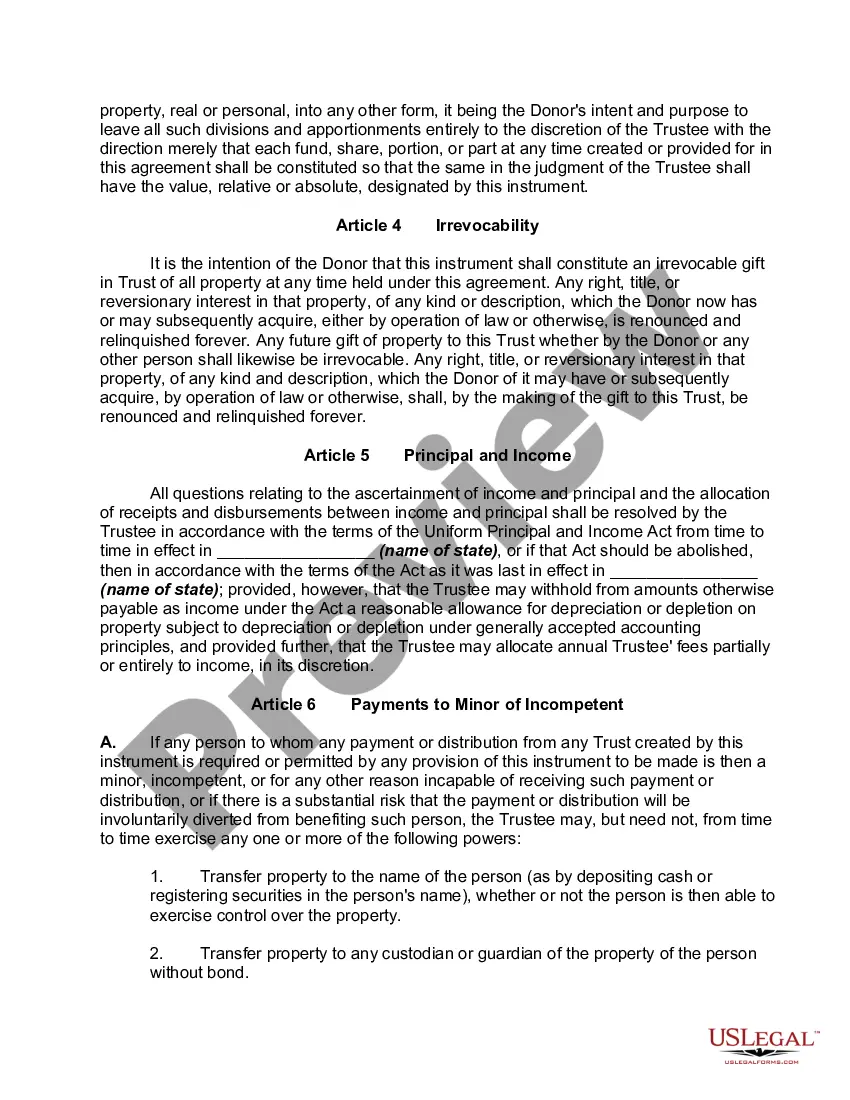
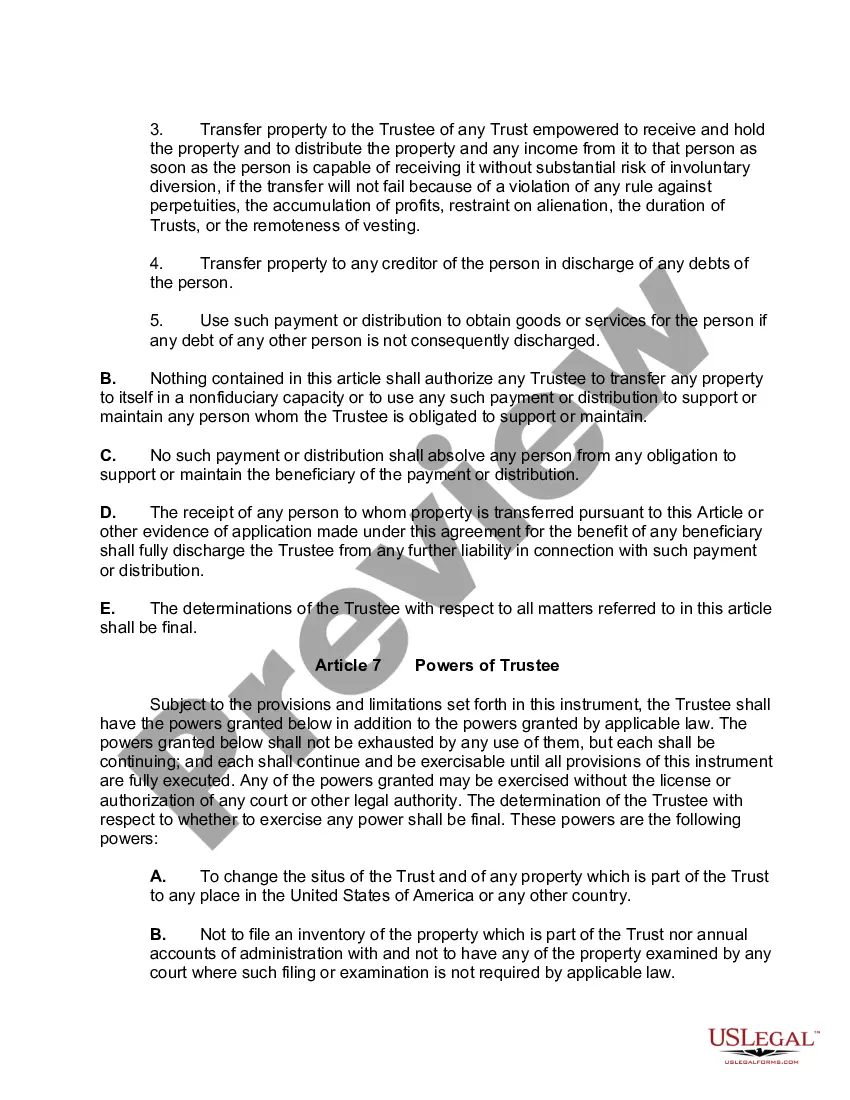
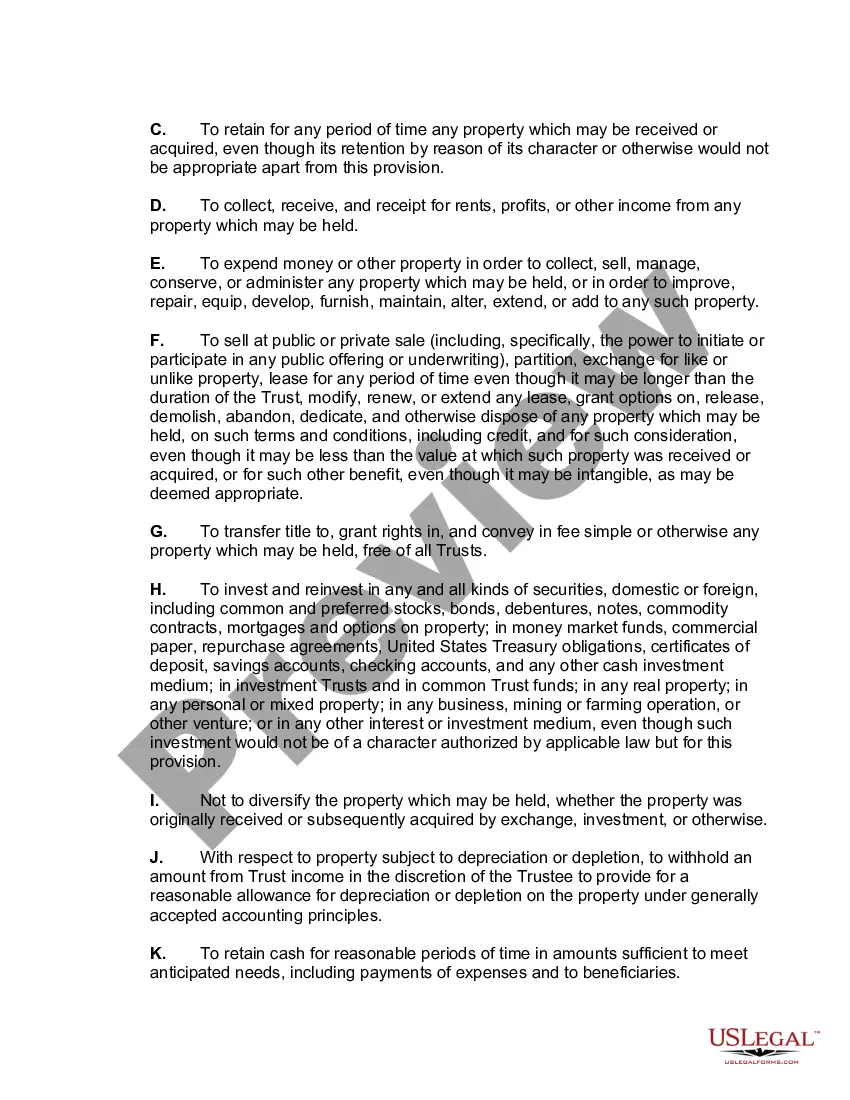
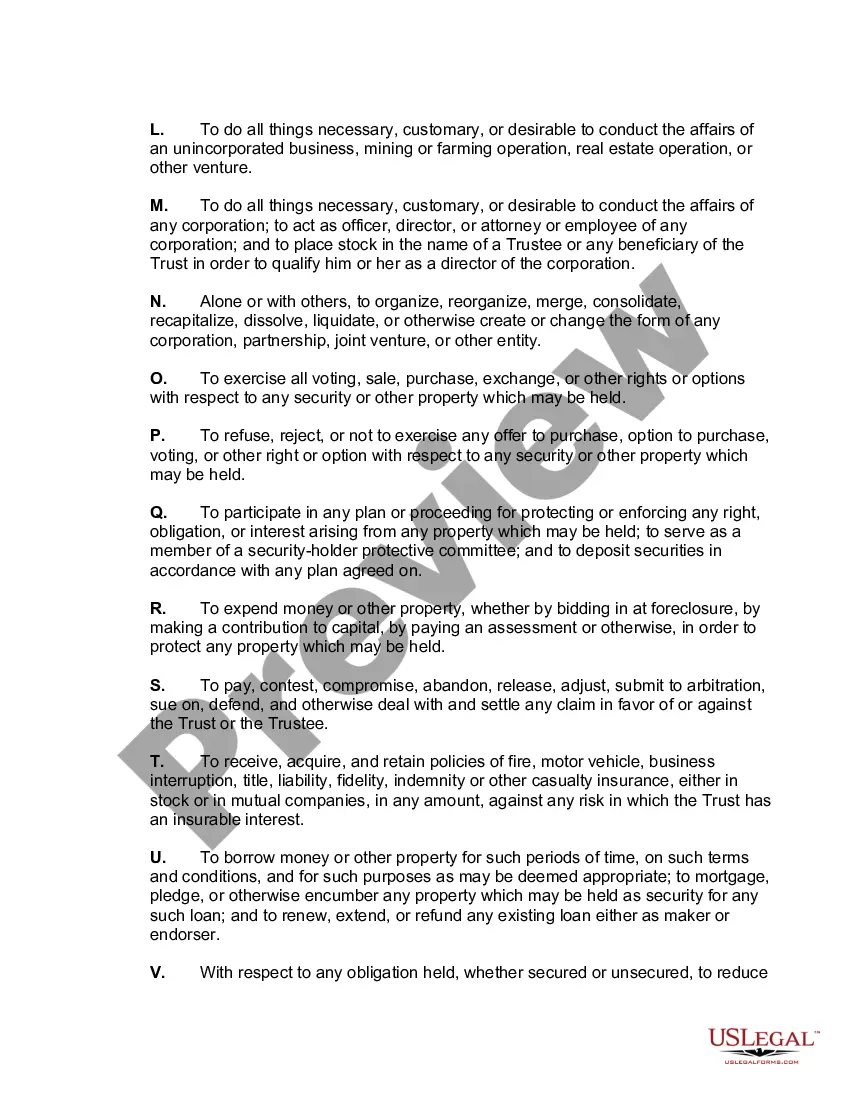
- Preview the selected Qtip trust principal form and its description thoroughly. Confirm that it aligns with your requirements and local jurisdiction before continuing.
- If the form is unsuitable, use the Search tab to find another applicable template that fits your needs.
- Once you've located the right document, click on the Buy Now button and select an appropriate subscription plan. You will need to create an account to access the full library.
- Complete your purchase by entering your credit card information or using your PayPal account for subscription payment.
- Download the form to your device and access it anytime from the My Forms section of your profile for easy completion.
In conclusion, obtaining the Qtip trust principal form through US Legal Forms is a quick and hassle-free experience. With a vast collection of forms and expert assistance available, you can ensure that all your legal document needs are met accurately and effectively.
Don't wait—get started today and simplify your legal documentation process with US Legal Forms!
Form popularity
FAQ
Two key requirements of a QTIP trust include providing the surviving spouse with income generated from the trust during their lifetime and being irrevocable after the grantor's death. Additionally, the trust's principal must be included in the surviving spouse's estate, which is outlined in the QTIP trust principal form. Fulfilling these requirements ensures your trust serves its intended tax and estate planning purposes.
Despite their benefits, QTIP trusts have downsides, such as a lack of flexibility for the surviving spouse. The income generated must go solely to the surviving spouse without an option to alter trust terms. Moreover, when the surviving spouse dies, any remaining assets may be subject to estate taxes. Thus, completing the QTIP trust principal form accurately is critical for realizing its benefits and understanding these limitations.
The QTIP rule refers to the practice that allows a decedent to elect for the marital deduction on assets held in a QTIP trust. This election ensures that the trust’s income flows to the surviving spouse, minimizing estate tax burden upon death. The QTIP trust principal form must reflect this election to comply with IRS requirements. Understanding this rule can greatly assist in effective estate planning.
A common example of a QTIP trust is when a married couple places their family home and investments into a QTIP trust. Upon the death of one spouse, the trust ensures the surviving spouse receives all income generated from those assets during their lifetime. When the survivor passes away, any remaining assets from the QTIP trust will transfer to the heirs specified in the trust documents. Completing the QTIP trust principal form accurately captures this arrangement.
The conditions for a QTIP trust include providing all income generated to the surviving spouse, who must have the right to receive this income during their lifetime. The trust cannot be revoked or modified after the granter's death, establishing the terms and conditions firmly. Additionally, both parties must properly complete the QTIP trust principal form to ensure compliance with tax laws. These conditions secure the trust's benefits.
To qualify for a marital deduction under QTIP rules, the property must be included in the surviving spouse's estate at their death. Only property left in a qualifying QTIP trust will allow the electing spouse to deduct its full value for estate tax purposes. The trust must also guarantee income for the surviving spouse, making the QTIP trust principal form essential for proper documentation. This can significantly reduce estate tax liabilities.
A QTIP trust must meet specific requirements, including that the trust provides income to the surviving spouse for their lifetime. The trust must become irrevocable upon the death of the grantor, and the surviving spouse must have the right to withdraw income earned. Additionally, the QTIP trust principal form must be completed accurately to reflect these terms. Following these requirements ensures the trust serves its intended purpose.
To make a QTIP election on Form 706, you must first file the form with the IRS after the death of your spouse. Include the details of the QTIP trust on the form, clearly indicating which assets qualify for the marital deduction. Complete all required sections meticulously to ensure the QTIP trust principal form is correctly submitted. Consider consulting a tax professional for guidance to streamline the process.
A QTIP trust may need to file a tax return if it generates taxable income. This usually involves completing IRS Form 1041 for the trust, which helps clarify income distributions and obligations. Ensuring your QTIP trust principal form is complete makes it easier to track these requirements and maintain compliance with tax laws.
Yes, income generated from a QTIP trust is subject to taxation. The income is typically taxable to the surviving spouse who benefits from the trust, and they receive a Form K-1 showing their share of the income. To manage this effectively, ensure your QTIP trust principal form is complete and aligns with IRS regulations regarding income reporting.