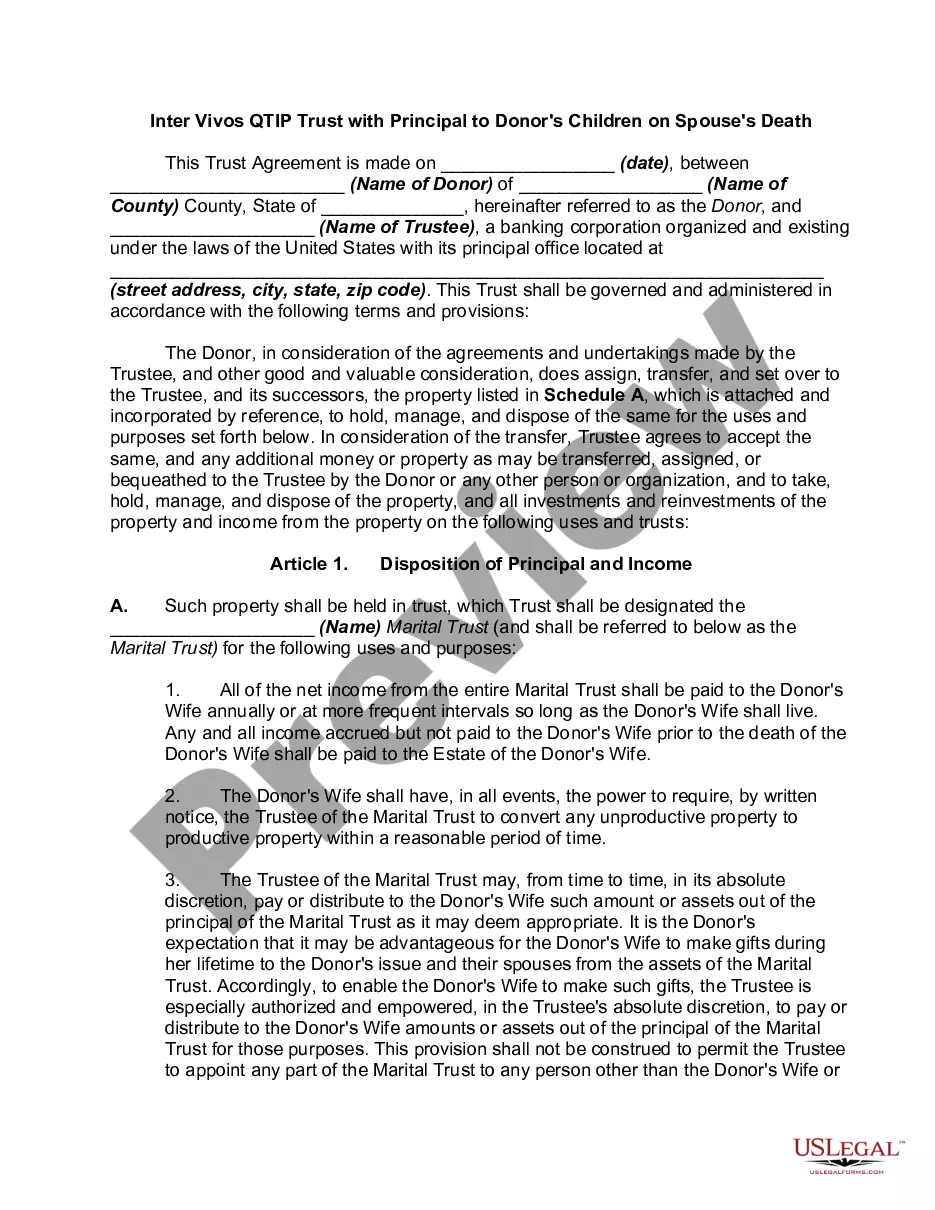
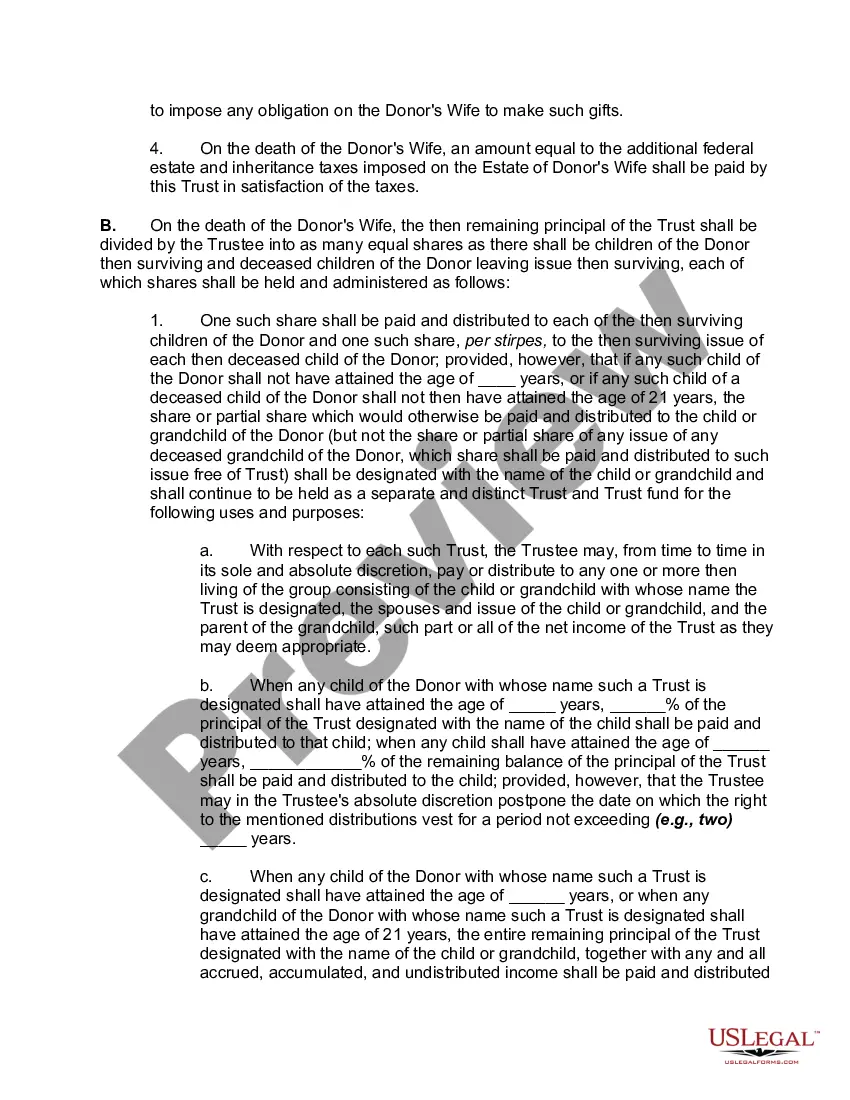
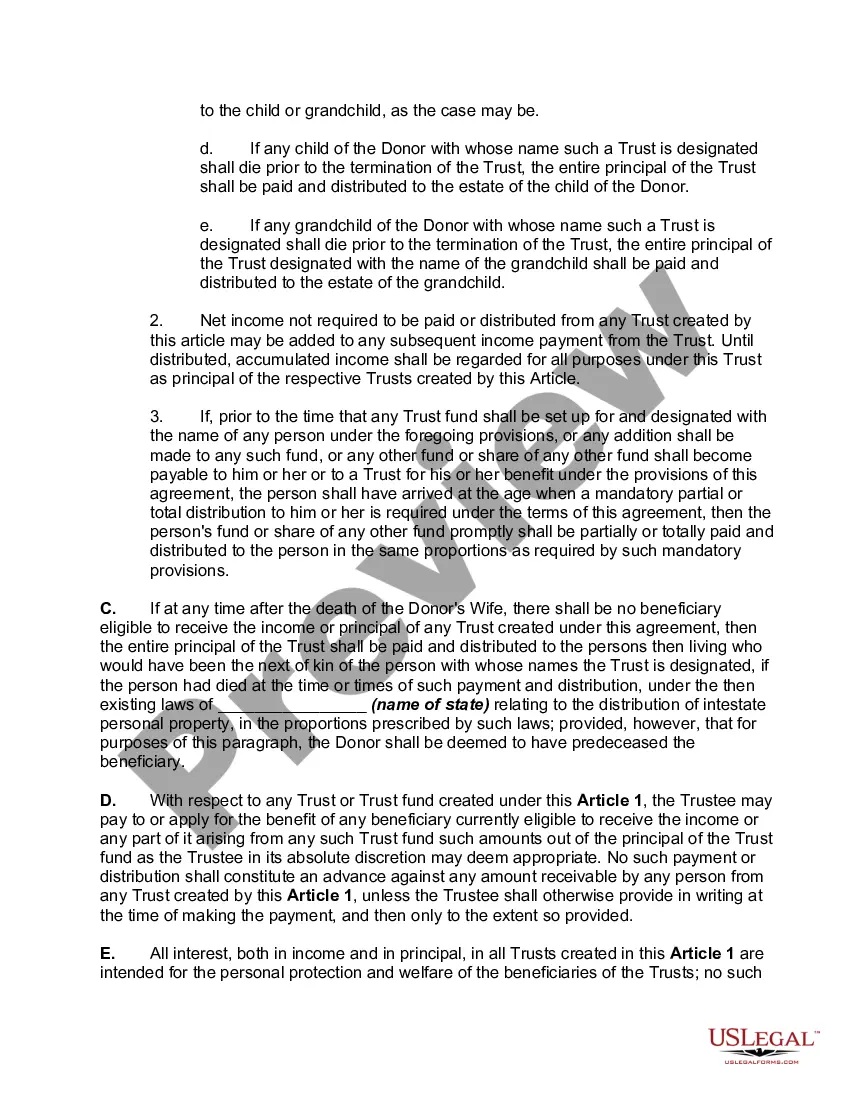
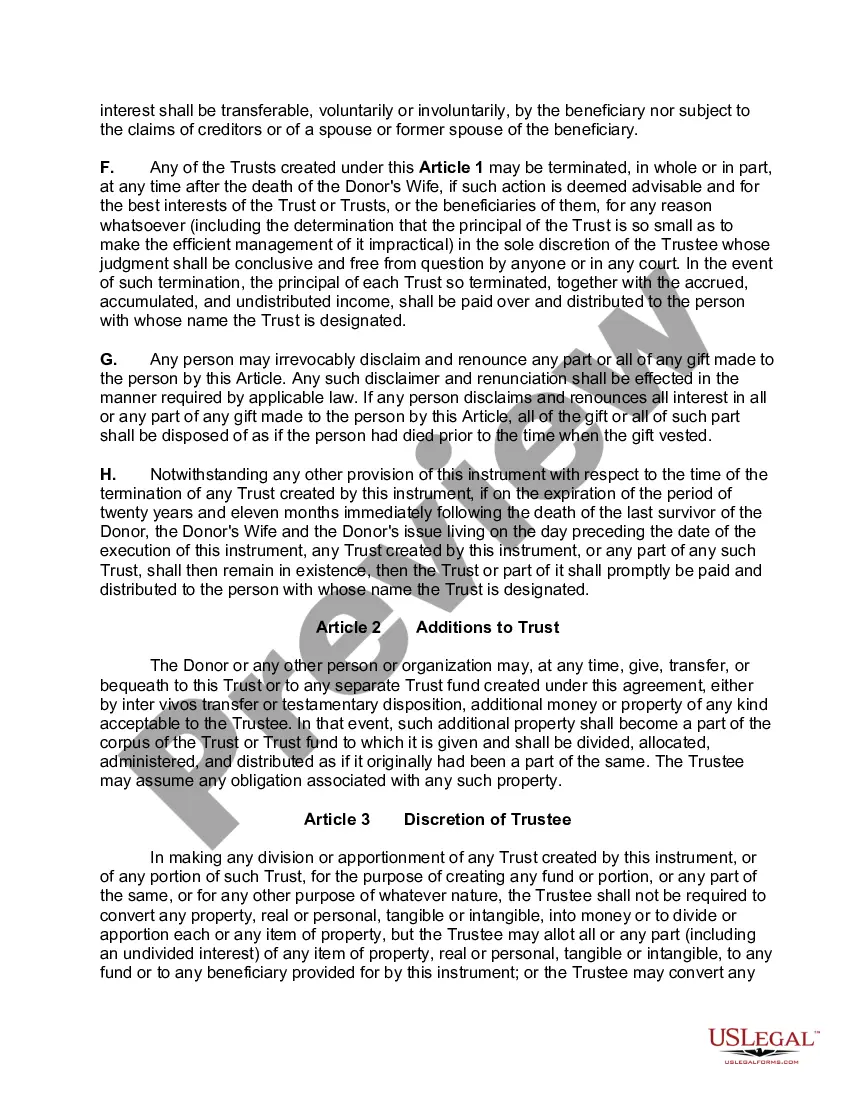
Qtip Trust Principal Donors Spouses For The Future
Description
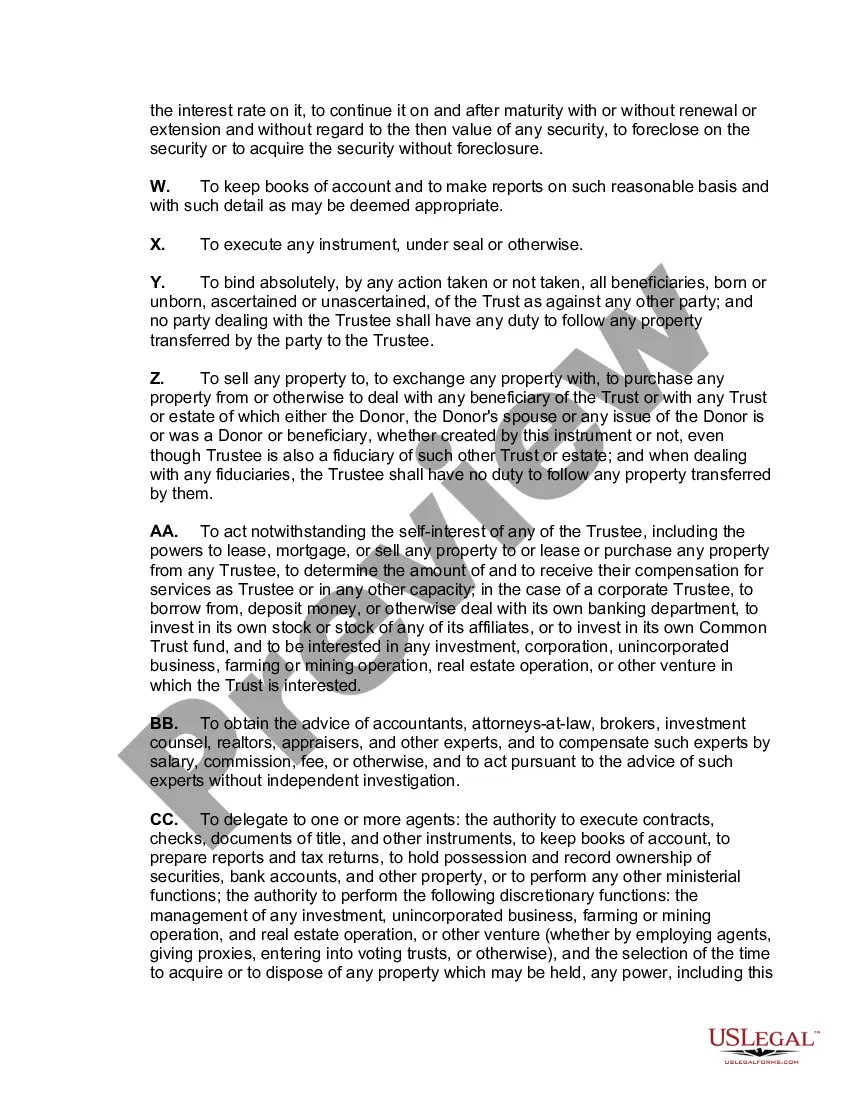
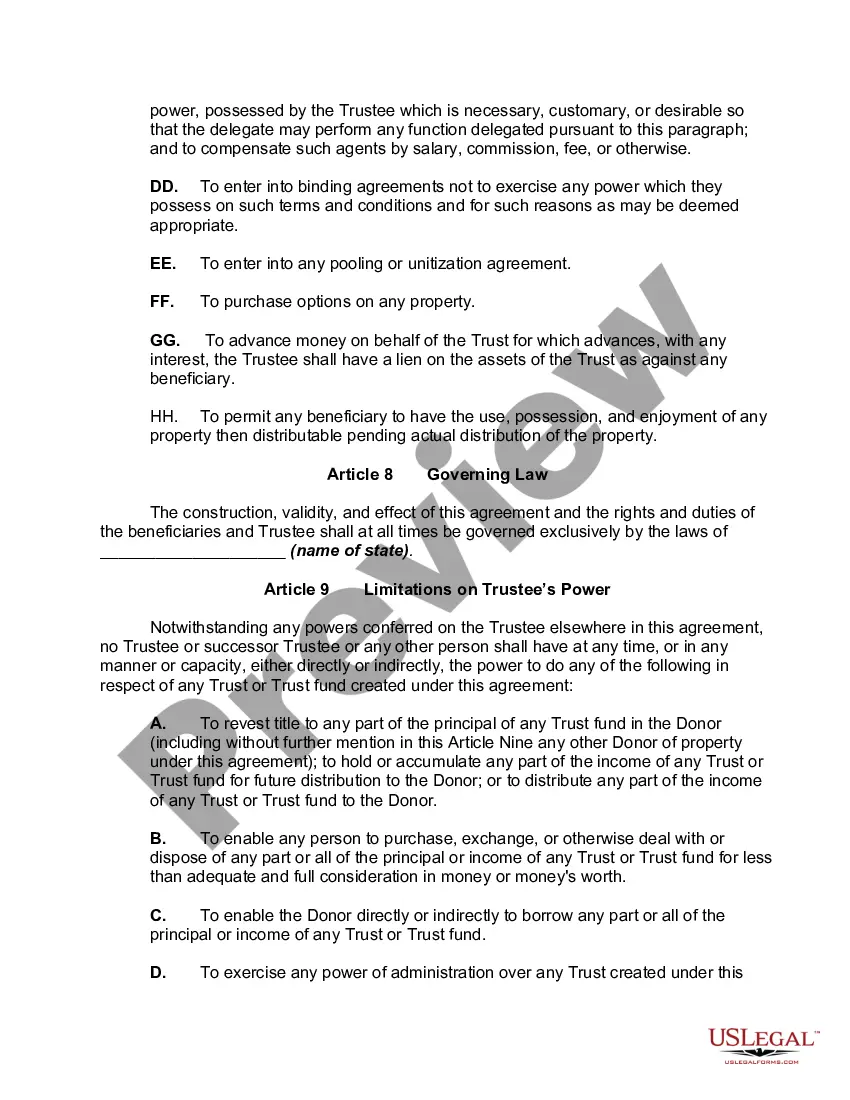

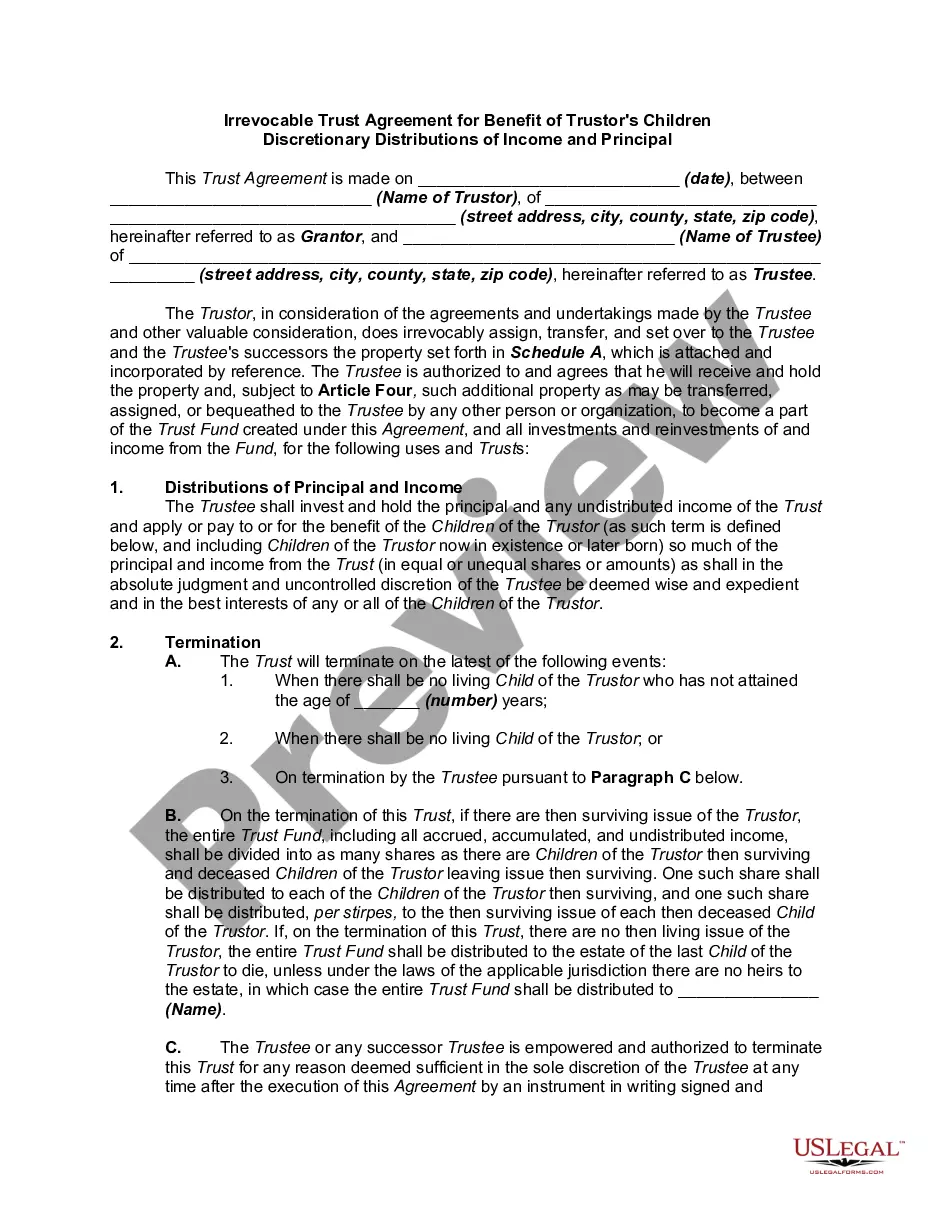
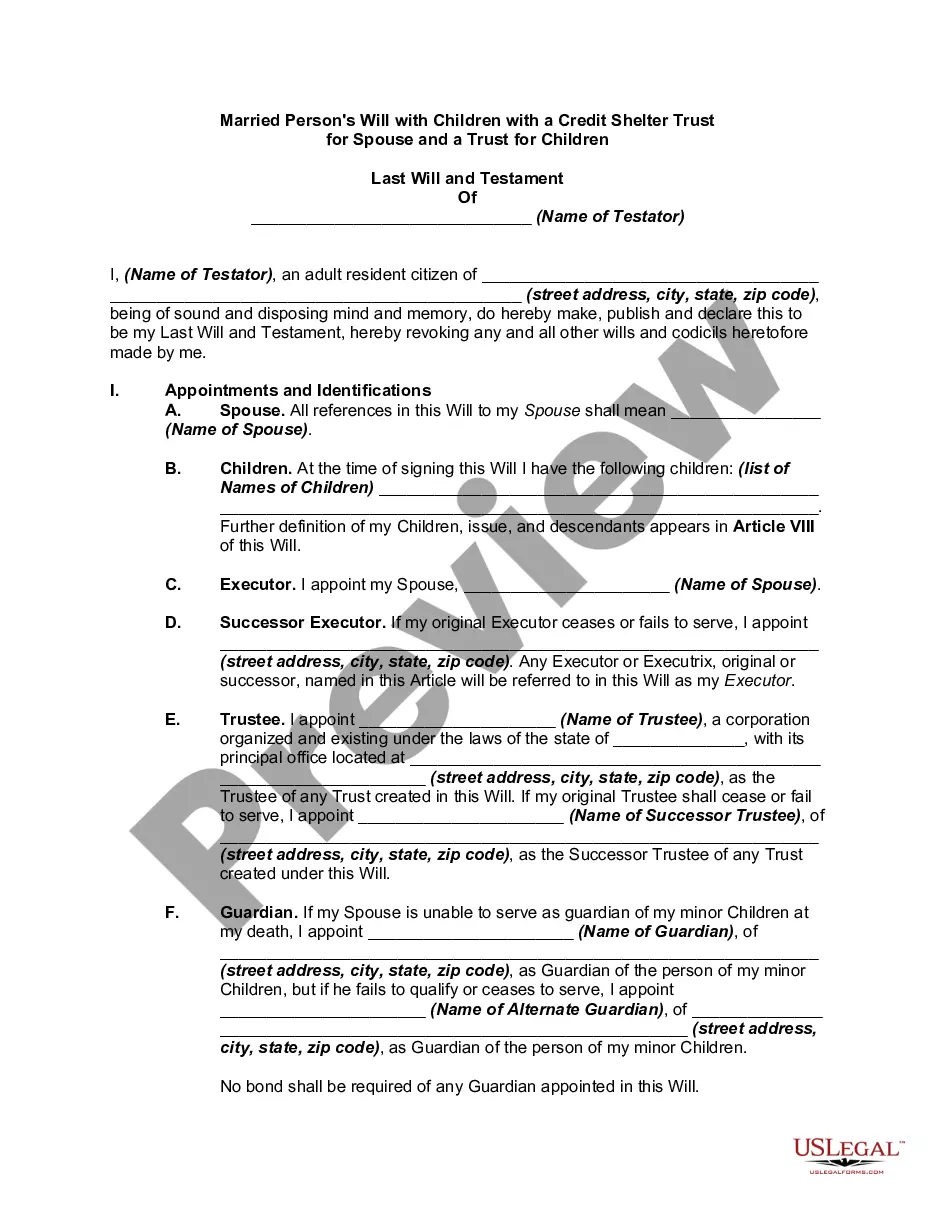
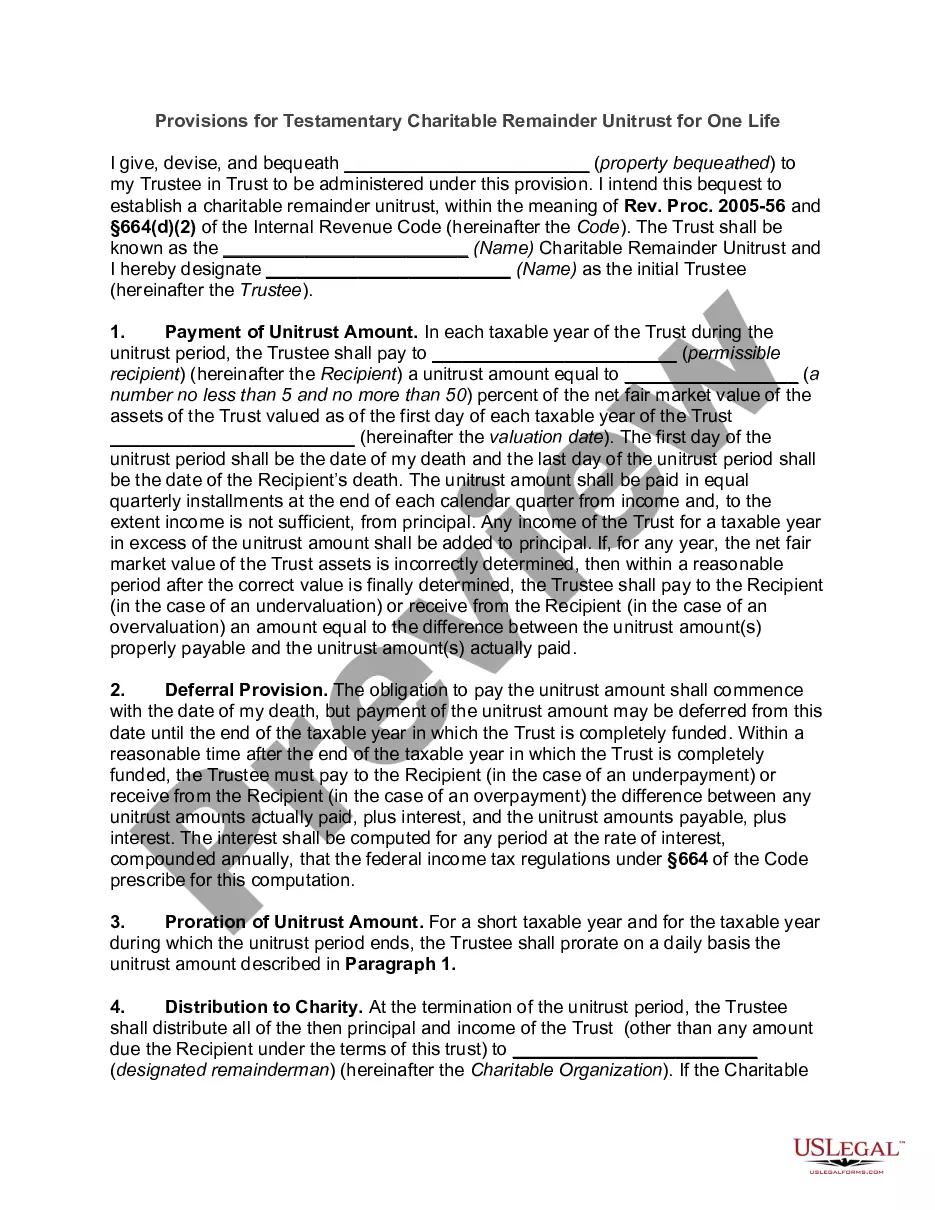
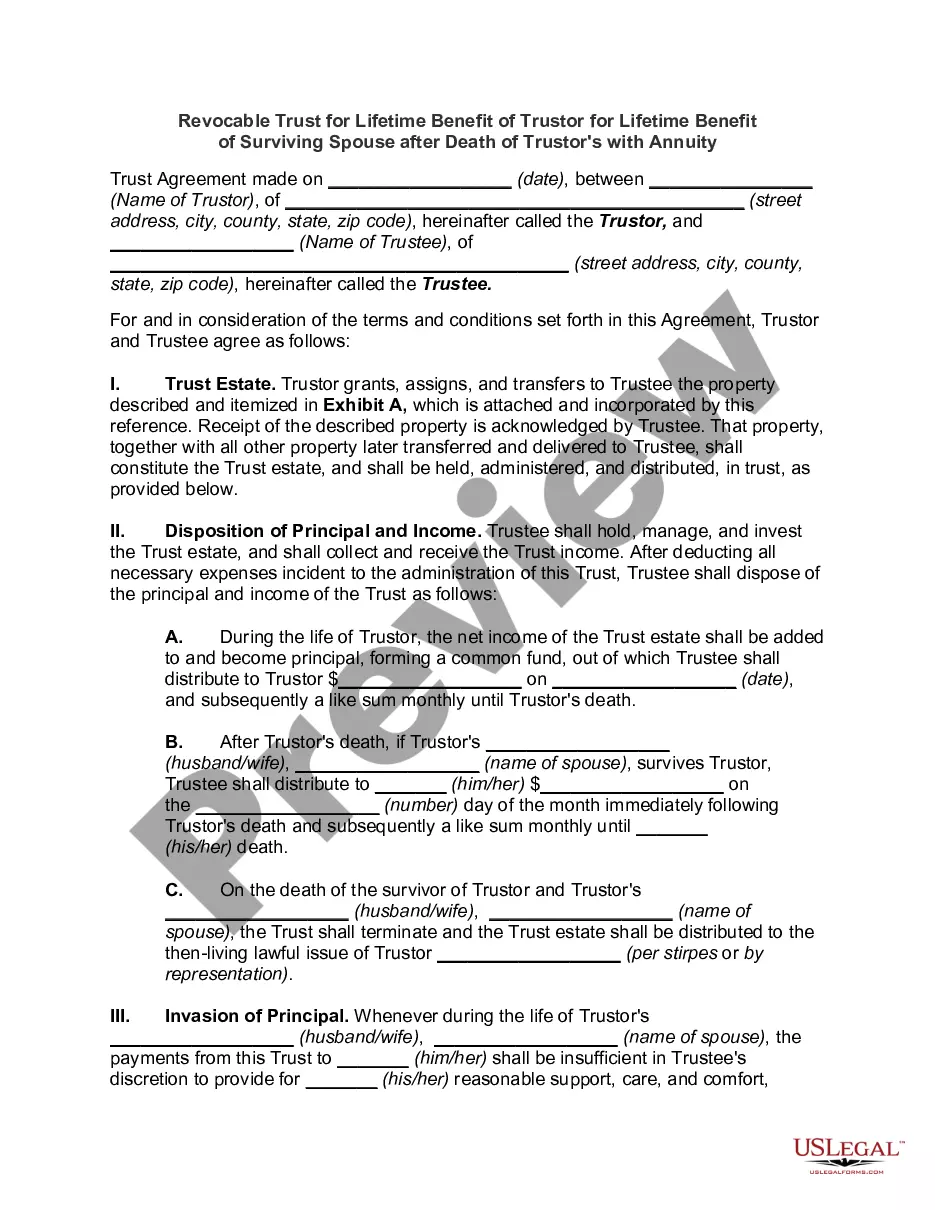
Get your form ready online
Our built-in tools help you complete, sign, share, and store your documents in one place.
Make edits, fill in missing information, and update formatting in US Legal Forms—just like you would in MS Word.
Download a copy, print it, send it by email, or mail it via USPS—whatever works best for your next step.
Sign and collect signatures with our SignNow integration. Send to multiple recipients, set reminders, and more. Go Premium to unlock E-Sign.
If this form requires notarization, complete it online through a secure video call—no need to meet a notary in person or wait for an appointment.
We protect your documents and personal data by following strict security and privacy standards.

Make edits, fill in missing information, and update formatting in US Legal Forms—just like you would in MS Word.

Download a copy, print it, send it by email, or mail it via USPS—whatever works best for your next step.

Sign and collect signatures with our SignNow integration. Send to multiple recipients, set reminders, and more. Go Premium to unlock E-Sign.

If this form requires notarization, complete it online through a secure video call—no need to meet a notary in person or wait for an appointment.

We protect your documents and personal data by following strict security and privacy standards.
Looking for another form?






How to fill out Inter Vivos QTIP Trust With Principal To Donor's Children On Spouse's Death?
- Log in to your account if you're a returning user to access your saved forms. If you're new, skip to step 2.
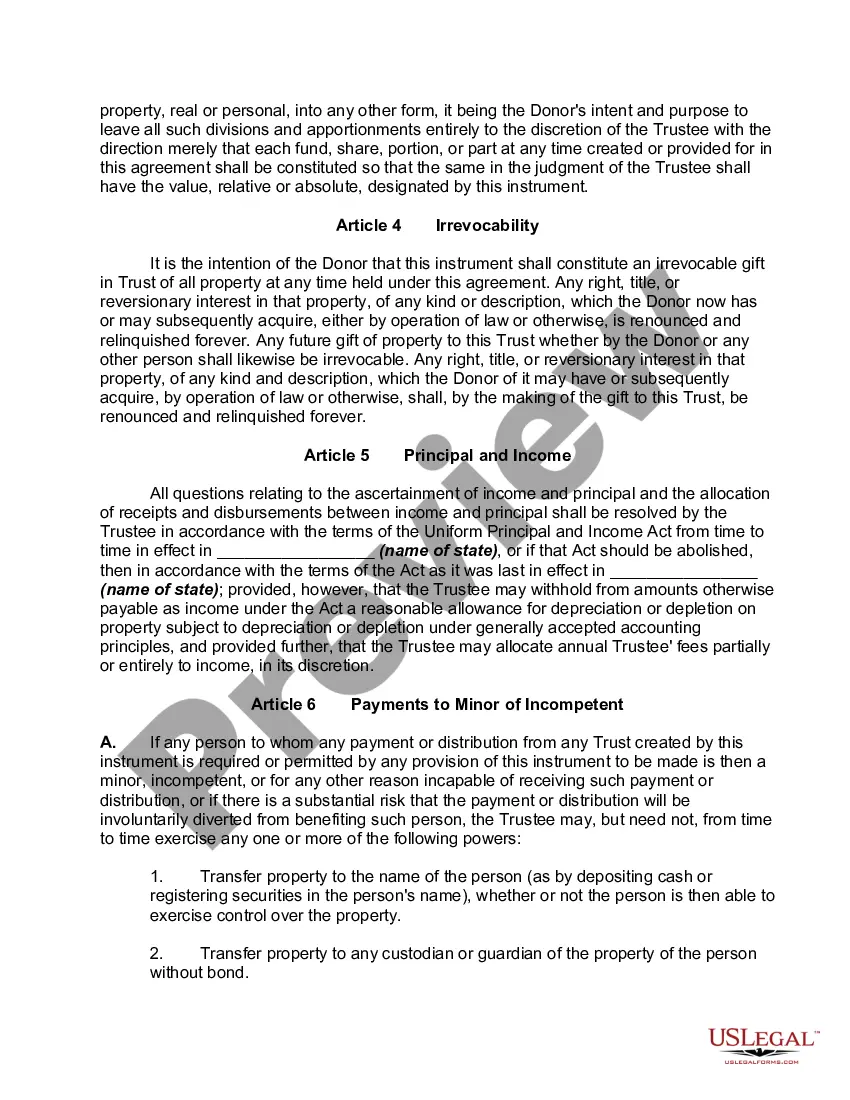
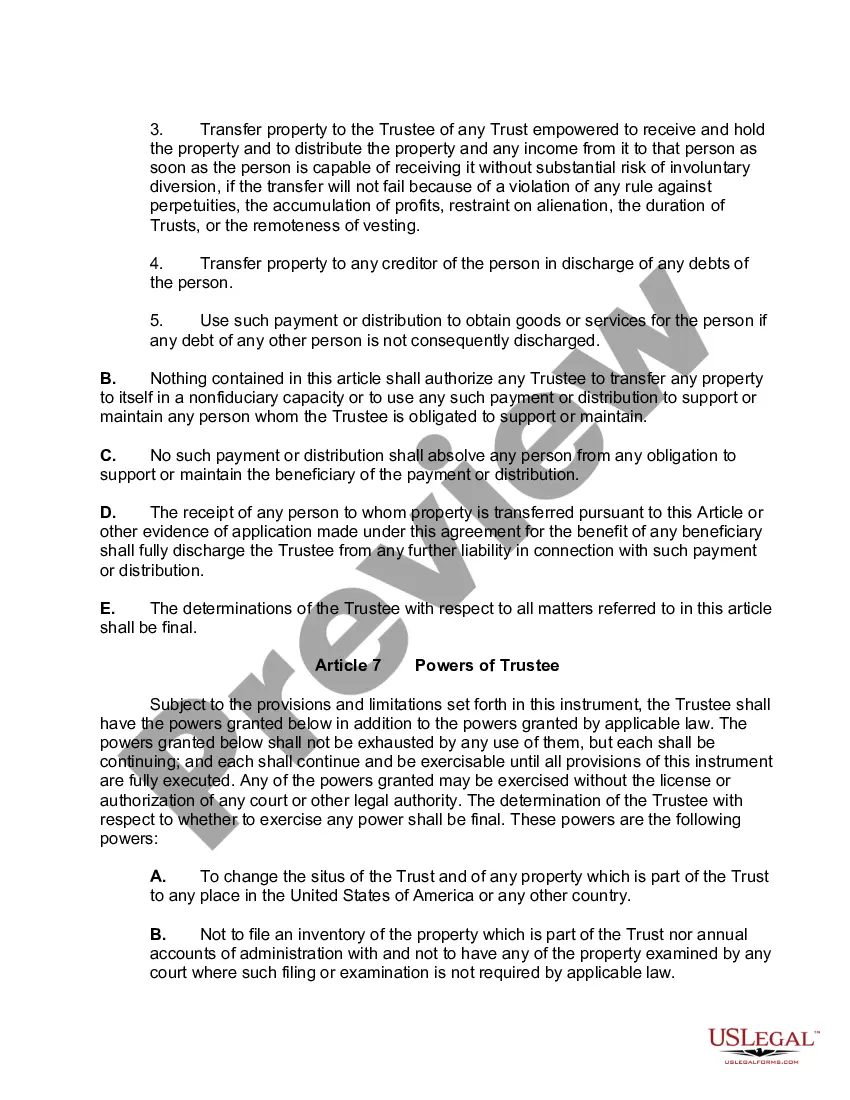
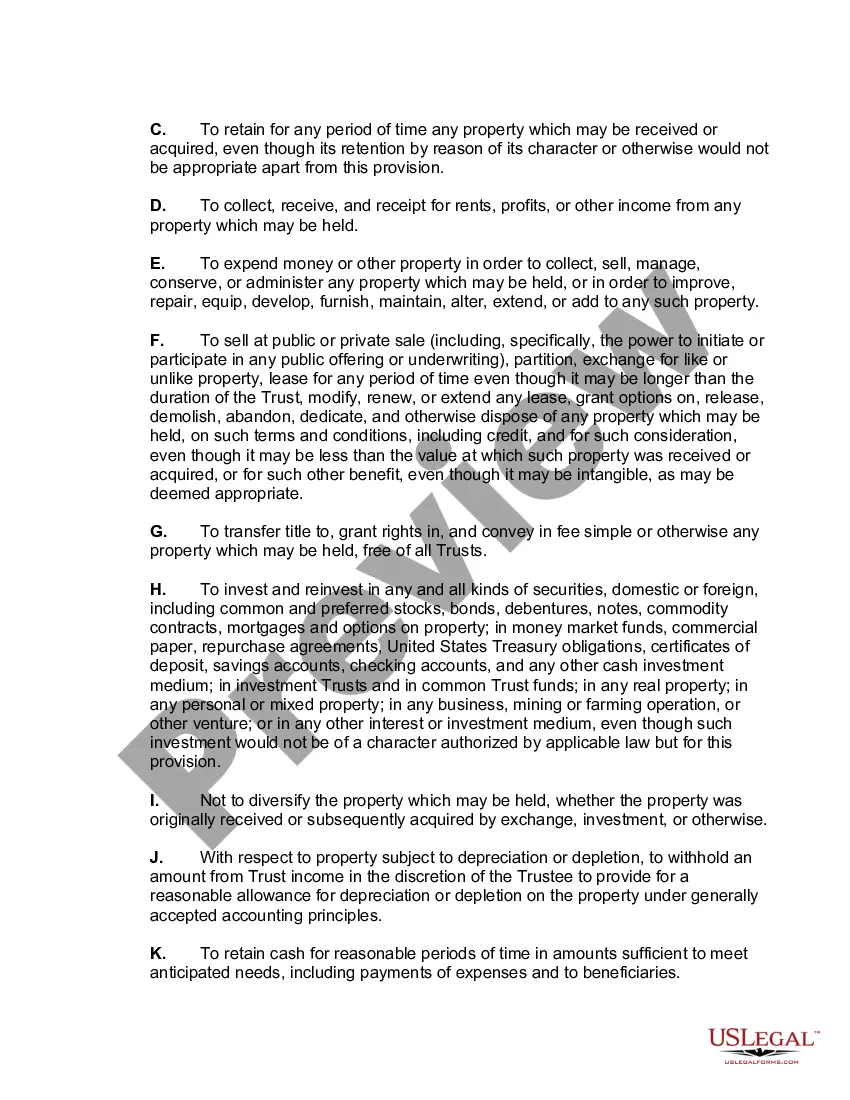
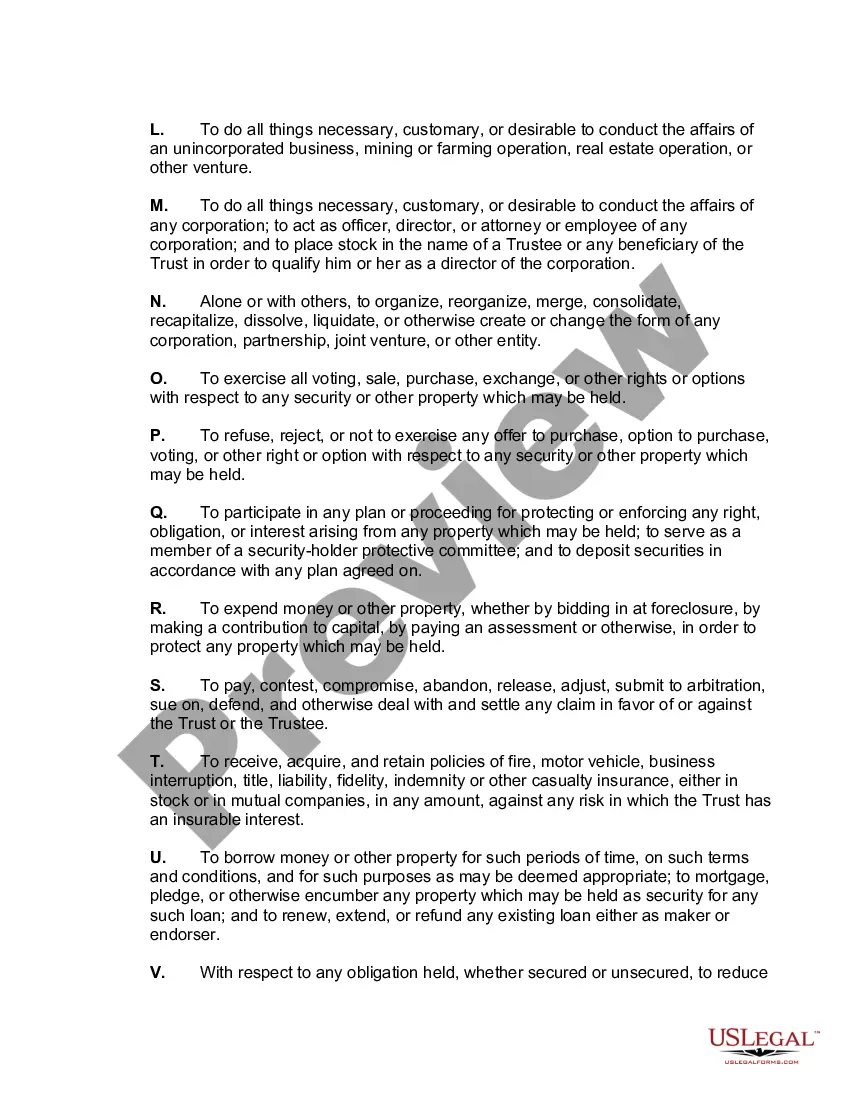
- Preview the available forms related to Qtip trusts. Ensure they meet your specific needs and local regulations.
- Use the search feature to find additional templates if required.
- Select the desired document and click on the 'Buy Now' button to choose your subscription plan.
- Complete your purchase by entering your payment information, either through credit card or PayPal.
- Download the selected form onto your device and find it later in the 'My Forms' section of your account.
In conclusion, US Legal Forms simplifies the process of obtaining critical legal documents like QTIP trust forms. With an extensive library and professional support, you can ensure your documentation is both accurate and compliant.
Start your journey today by visiting US Legal Forms and take control of your legal needs.
Form popularity
FAQ
People choose to set up a QTIP trust primarily to provide financial security for their spouses after death. This type of trust allows the principal donor to control how the assets are distributed while ensuring their spouse receives income. Moreover, it also offers a way to defer estate taxes until the surviving spouse passes away. If you're considering this option, US Legal Forms can guide you through creating a QTIP trust tailored to your specific needs.
One disadvantage of a QTIP trust is that it can create complexities during estate settlement. Since the principal donor's spouse may not have control over trust assets, this could lead to potential disputes among heirs later on. Additionally, while income is typically taxed to the income beneficiary, the trust itself may not provide the most efficient tax structure for larger estates. It’s essential to understand these elements when looking at QTIP trusts for planning the future.
A QTIP trust, while beneficial in many ways, does have some downsides. One significant concern is the lack of control for the principal donor’s spouse over the trust's assets, as the trust's terms govern distributions. Additionally, legal fees and administrative costs can impact the remaining estate, reducing what ultimately transfers to heirs. It's vital to weigh these considerations when planning for the future with QTIP trusts.
When you establish a QTIP trust, the income generated typically remains taxable to the principal donor or the spouse who receives it. This means that while the principal donor's spouse receives distributions without immediate tax impact, they still hold a potential tax liability. Furthermore, when the principal donor passes away, the value of the QTIP trust could be included in their estate, possibly affecting estate taxes. Understanding these factors is crucial for those considering a QTIP trust for the future.
A QTIP trust is particularly beneficial for those who want to provide income to a surviving spouse while ensuring the principal is preserved for heirs. It works well for individuals in second marriages, where there are children from previous relationships to consider. If you are focused on protecting family assets and providing for your spouse, a QTIP trust for principal donors spouses for the future could be an effective strategy.
A bypass trust is ideal for couples who want to minimize estate taxes and protect their family assets from creditors. Generally, this option suits individuals with substantial estates who seek to leave a legacy for their heirs without burdening them with tax liabilities. Therefore, if you may also be interested in estate planning strategies that include QTIP trusts, understanding the role of bypass trusts may enhance your financial planning approach.
Individuals who want to ensure financial support for a spouse after their passing could greatly benefit from a QTIP trust. This includes those with children from previous marriages or blended families, as it can help direct the trust's assets to specific beneficiaries later. If you're aiming for a solution that addresses immediate spousal support while safeguarding your estate for the future, consider a QTIP trust for principal donors spouses for the future.
The primary reason to use a QTIP trust is to provide financial security to the surviving spouse while maintaining control over the principal for future beneficiaries. This approach allows you to specify that income goes to the spouse, ensuring their needs are met, while protecting the principal assets for children or other heirs. Therefore, utilizing a QTIP trust for principal donors spouses for the future can effectively balance support and estate planning goals.
While a marital trust can offer advantages, it also has some downsides. One significant disadvantage is that it can become subject to estate tax upon the death of the surviving spouse, thus impacting your overall estate planning. Additionally, a marital trust may limit flexibility in how the principal is managed and distributed. This highlights the value of exploring options like the QTIP trust for principal donors spouses for the future.
A marital trust and a QTIP trust are closely related, yet they are not exactly the same. A QTIP trust allows the surviving spouse to receive income during their lifetime, while ensuring that the trust's principal is passed on to the future beneficiaries, like children. In contrast, a marital trust may not have the same restrictions on principal distribution. Thus, if you're considering options for QTIP trust principal donors spouses for the future, it’s essential to understand these nuances.