Qtip Principal Donors Spouses Death For The Future
Description
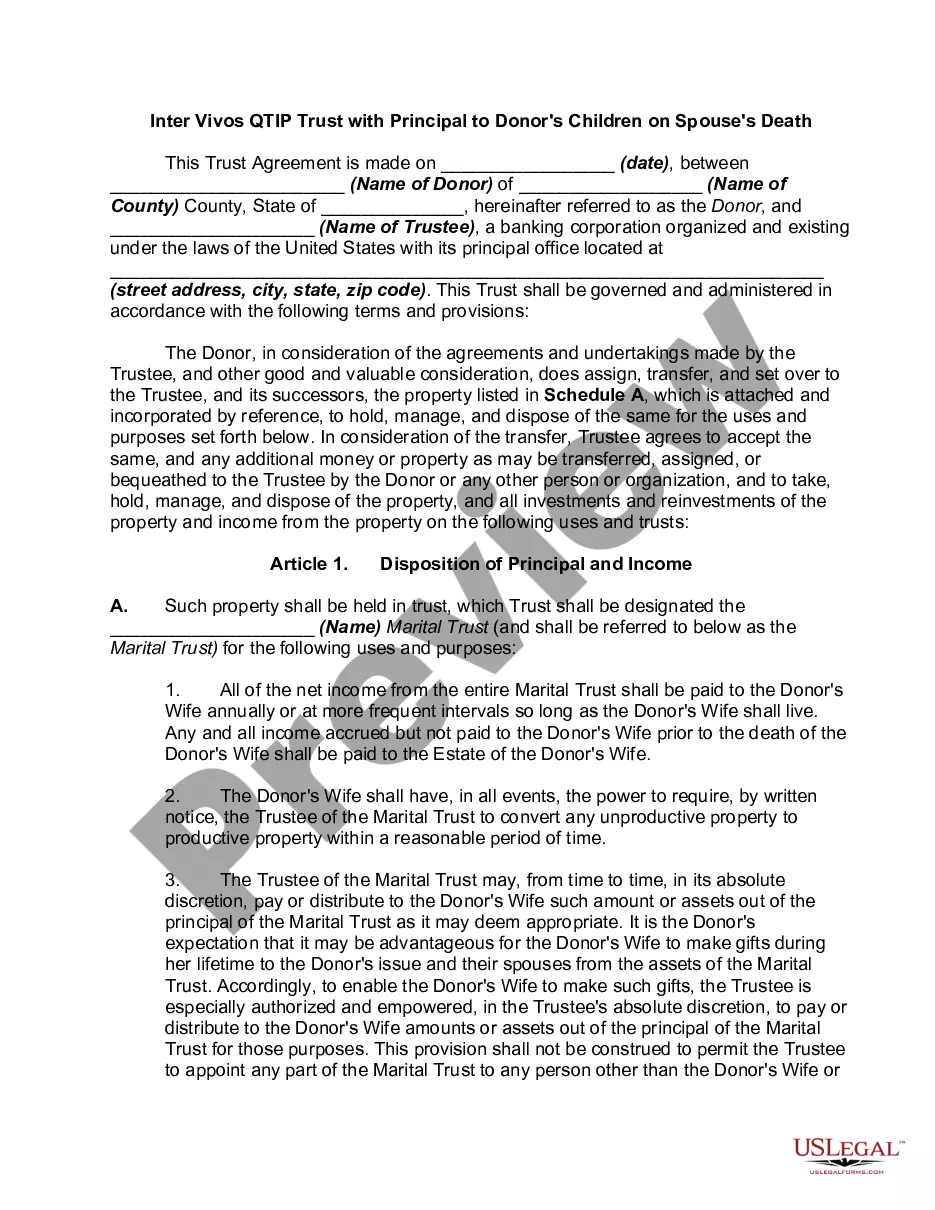
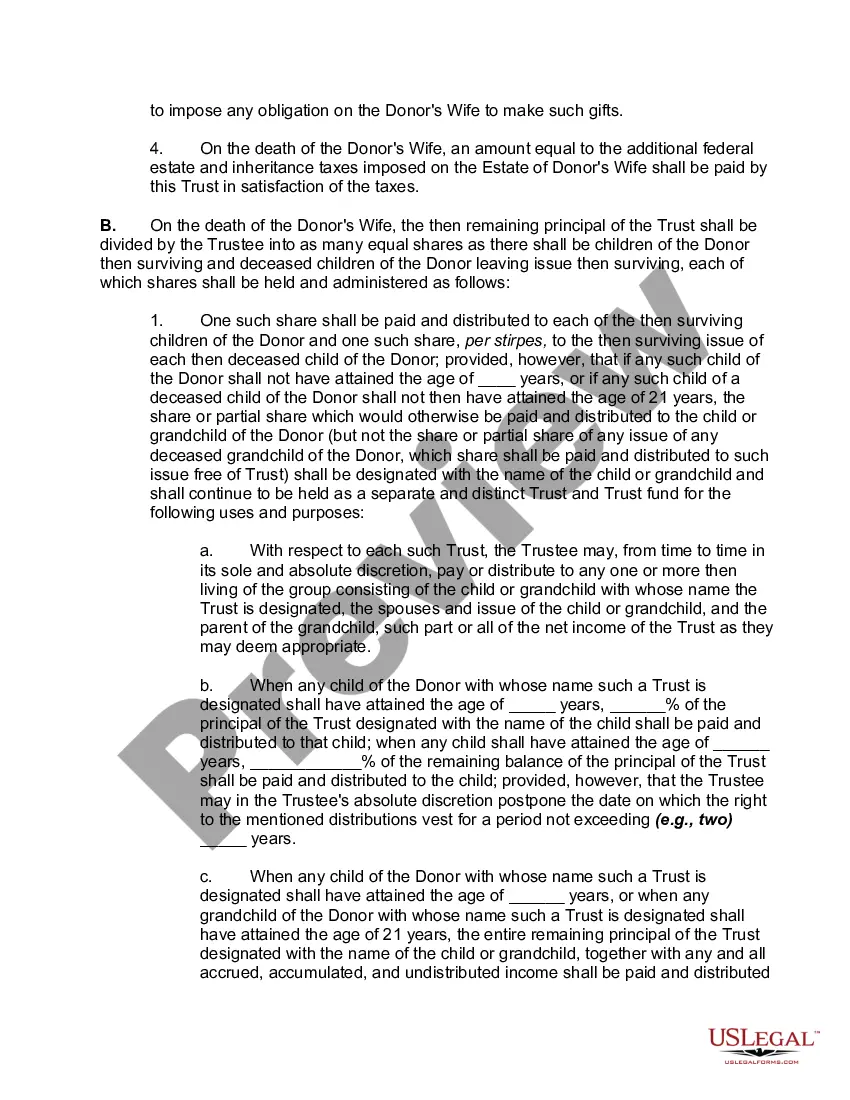
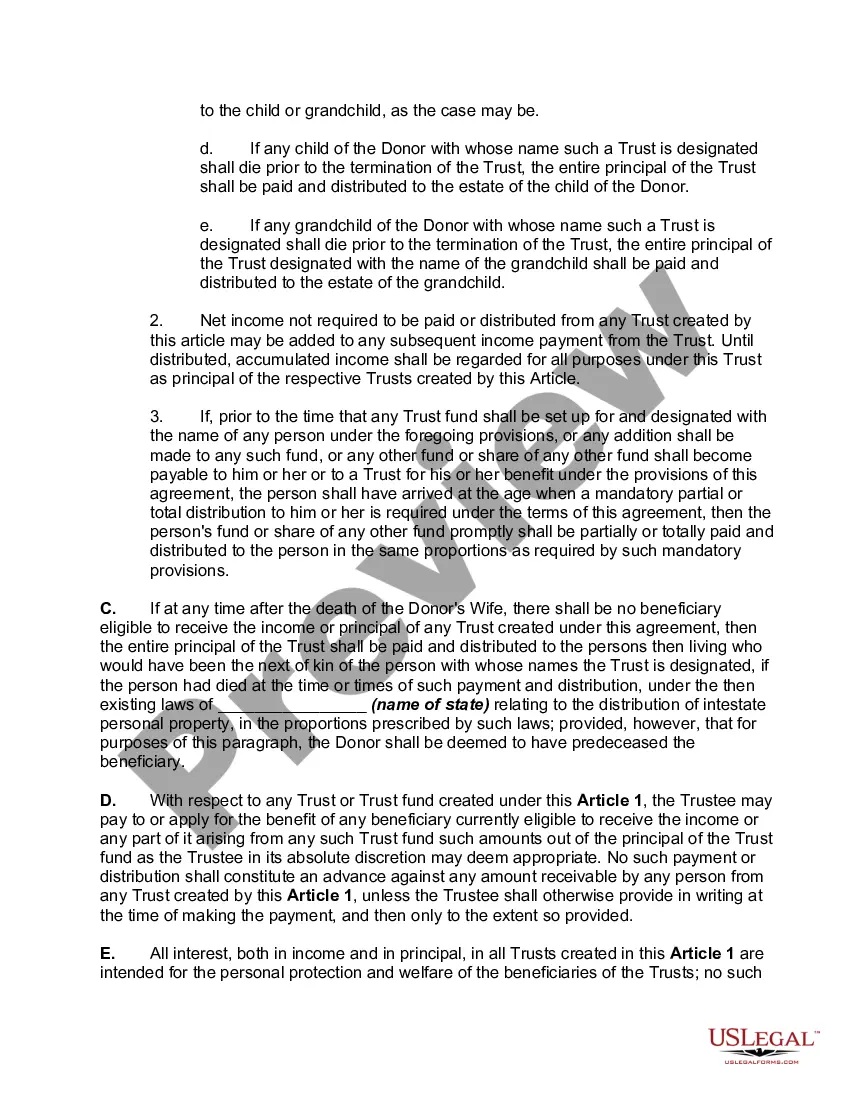
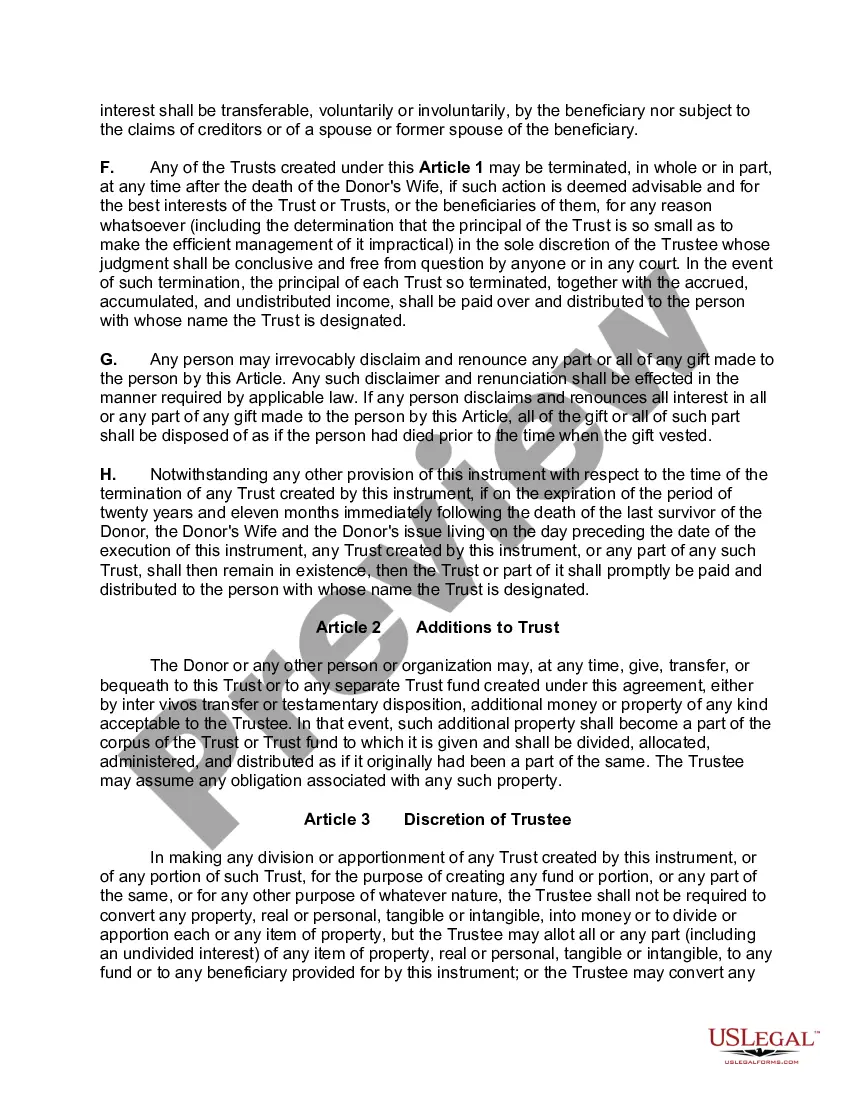
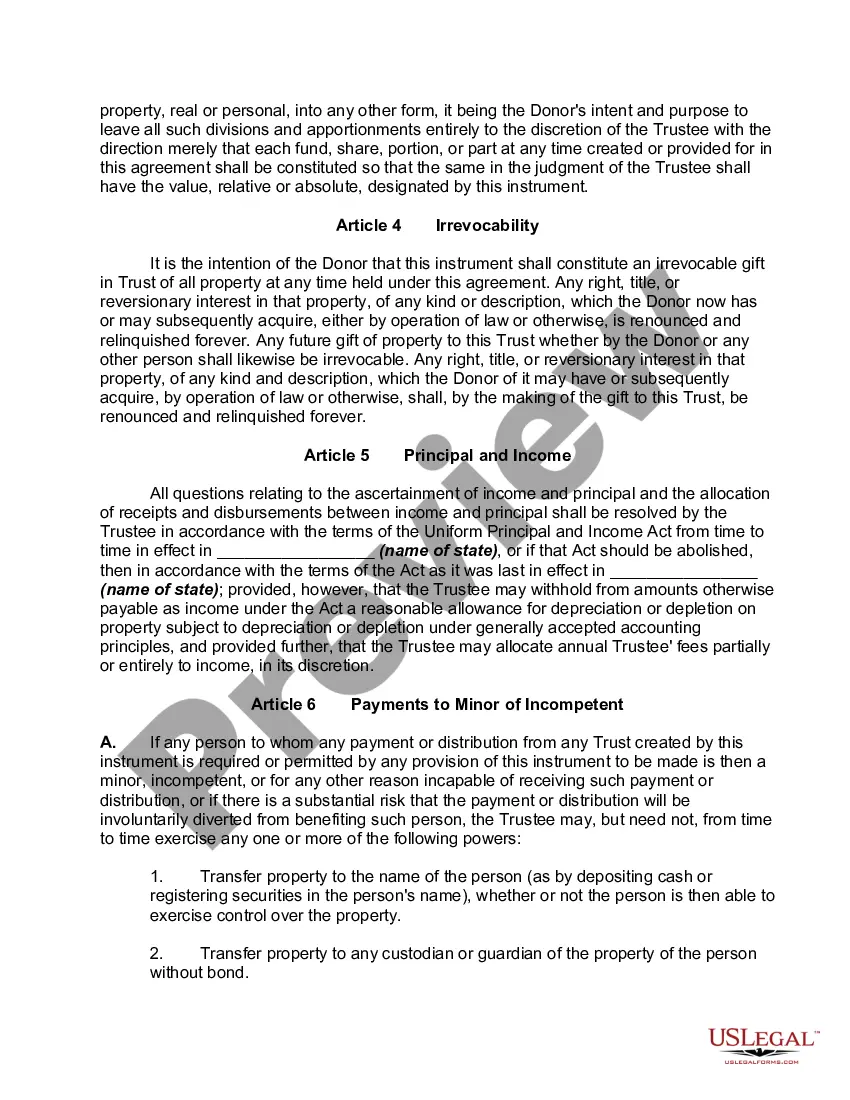
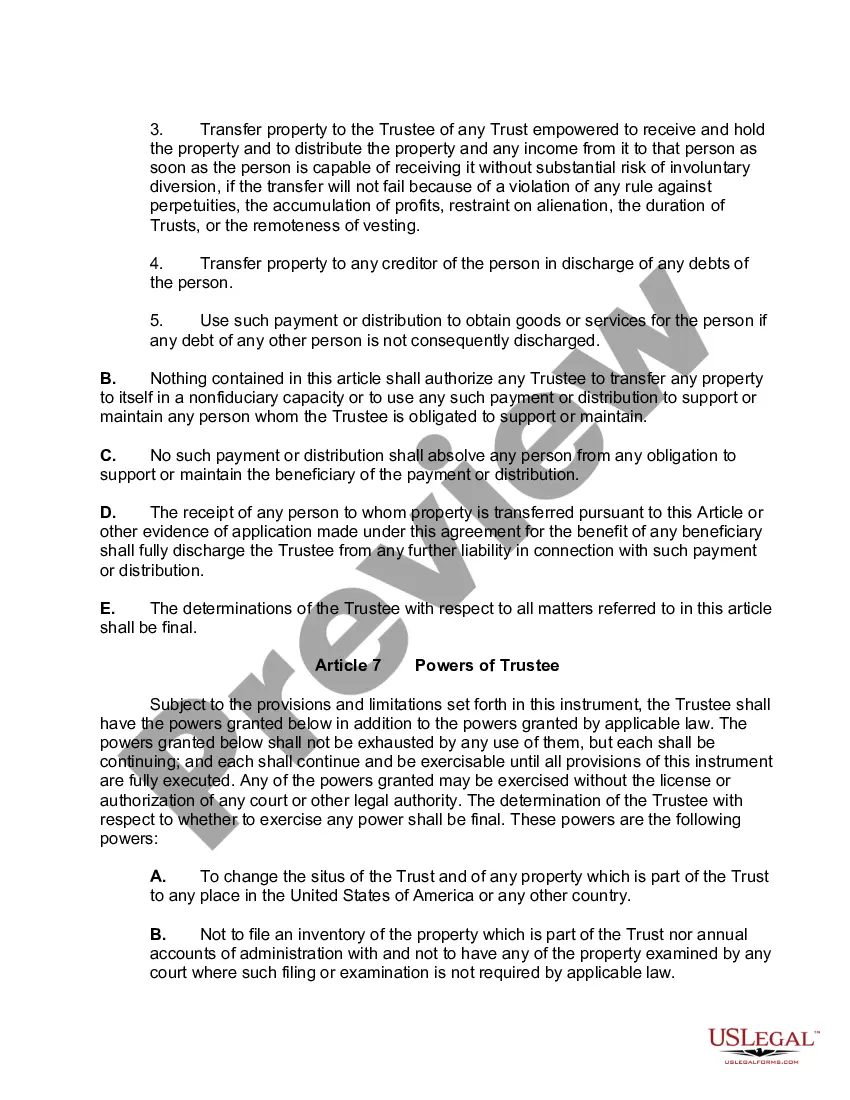
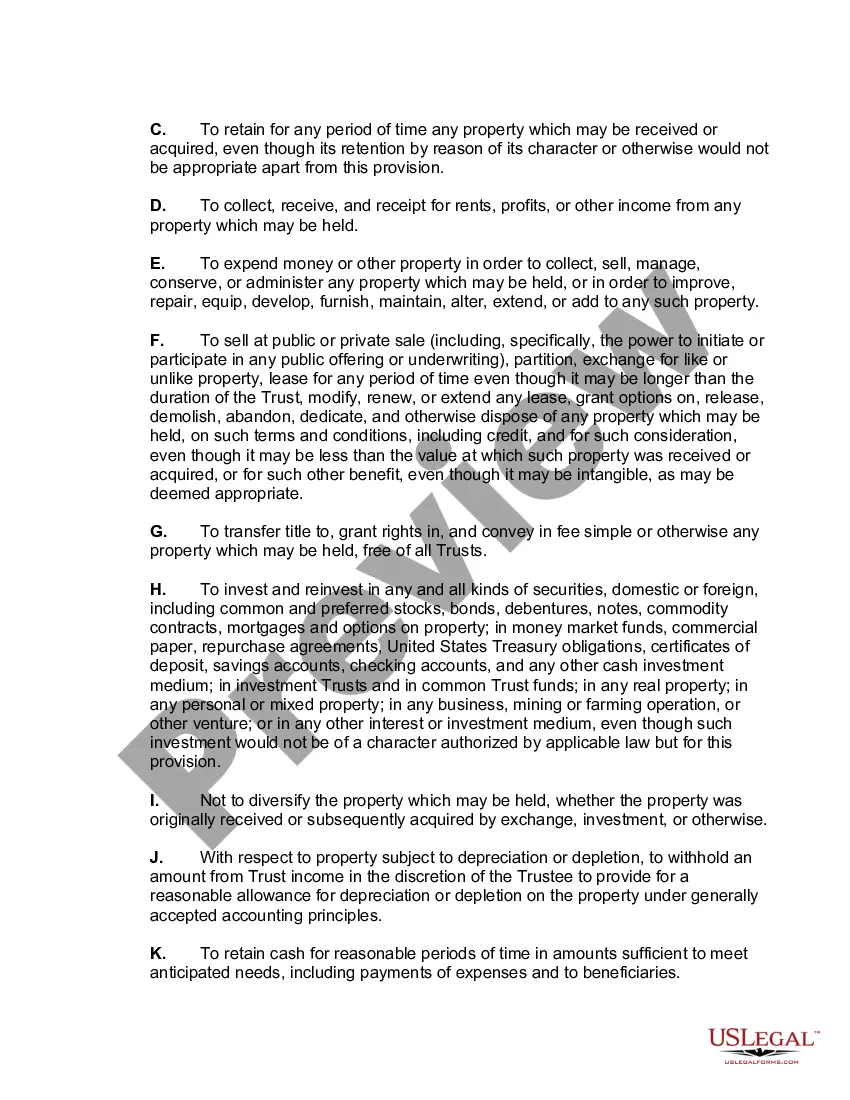
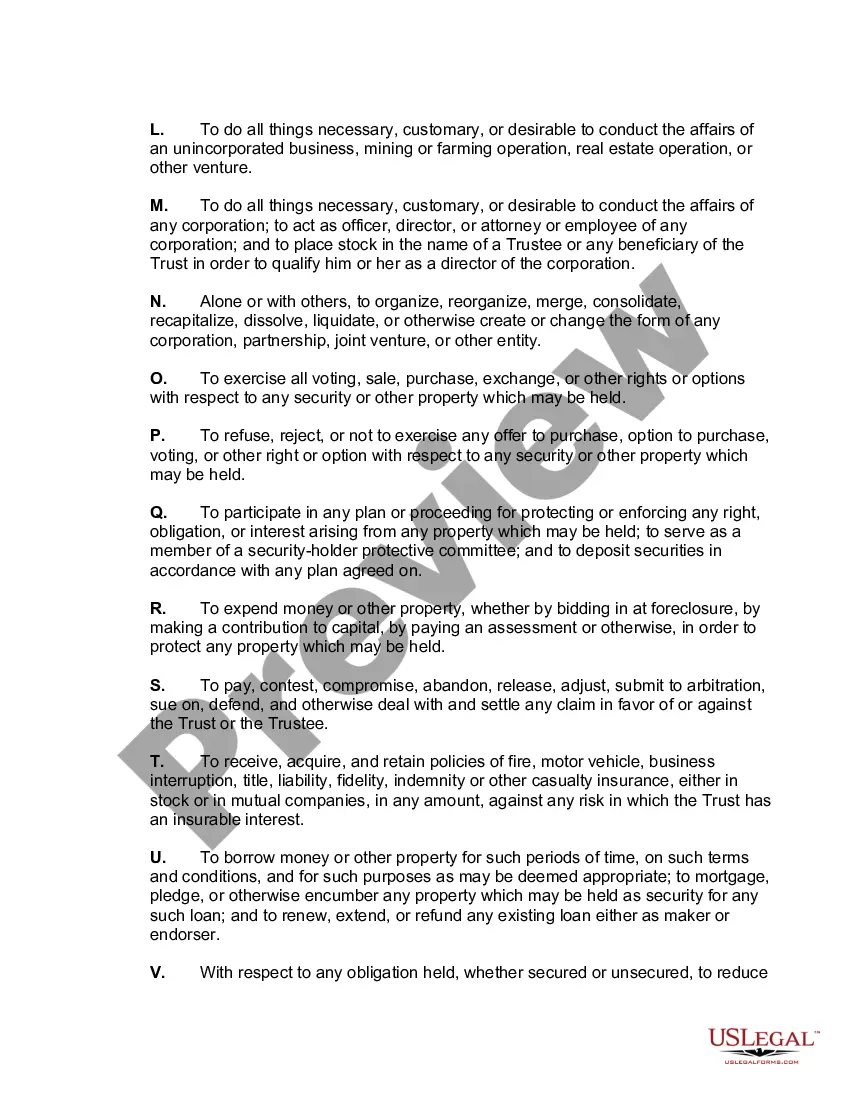
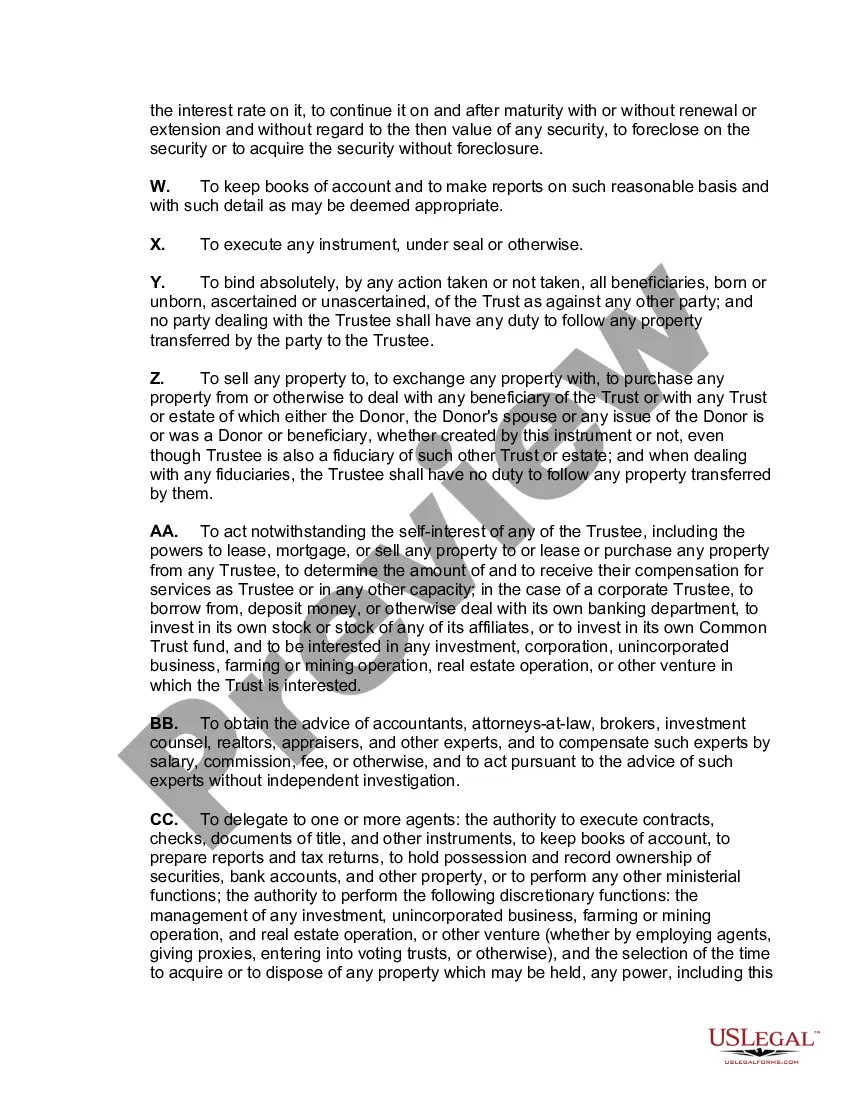
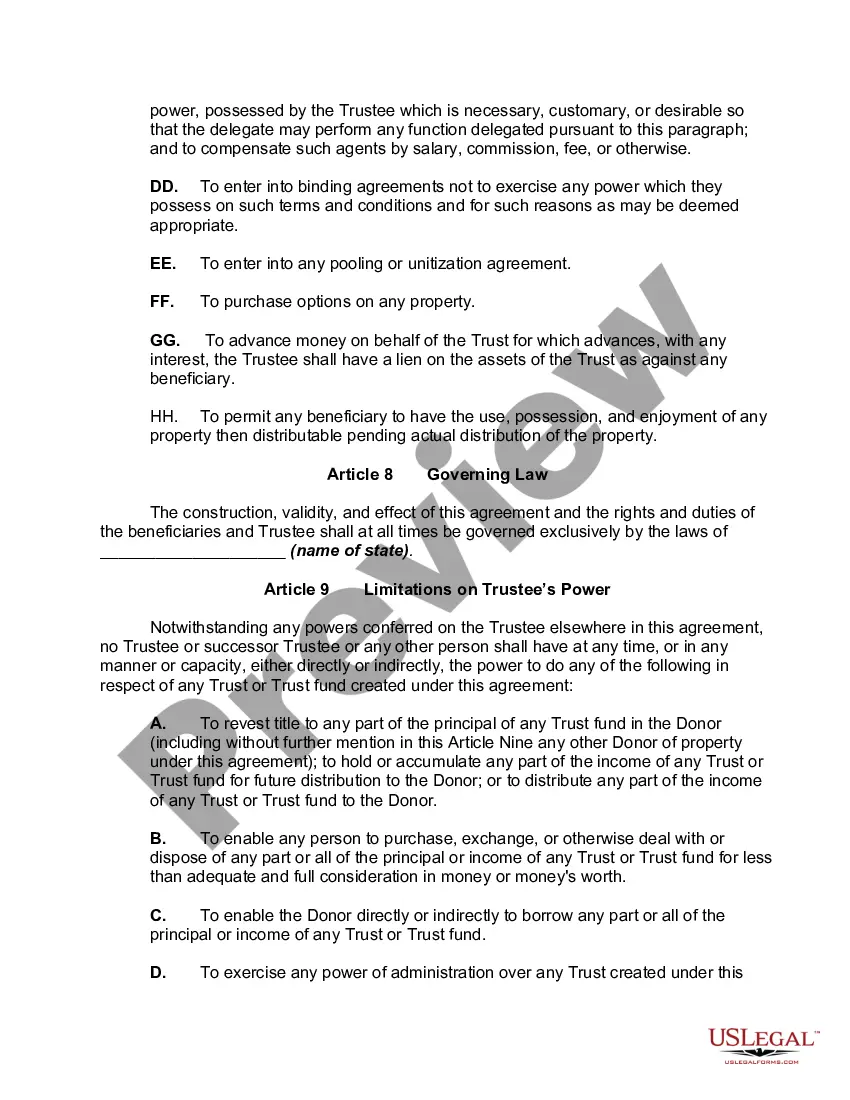

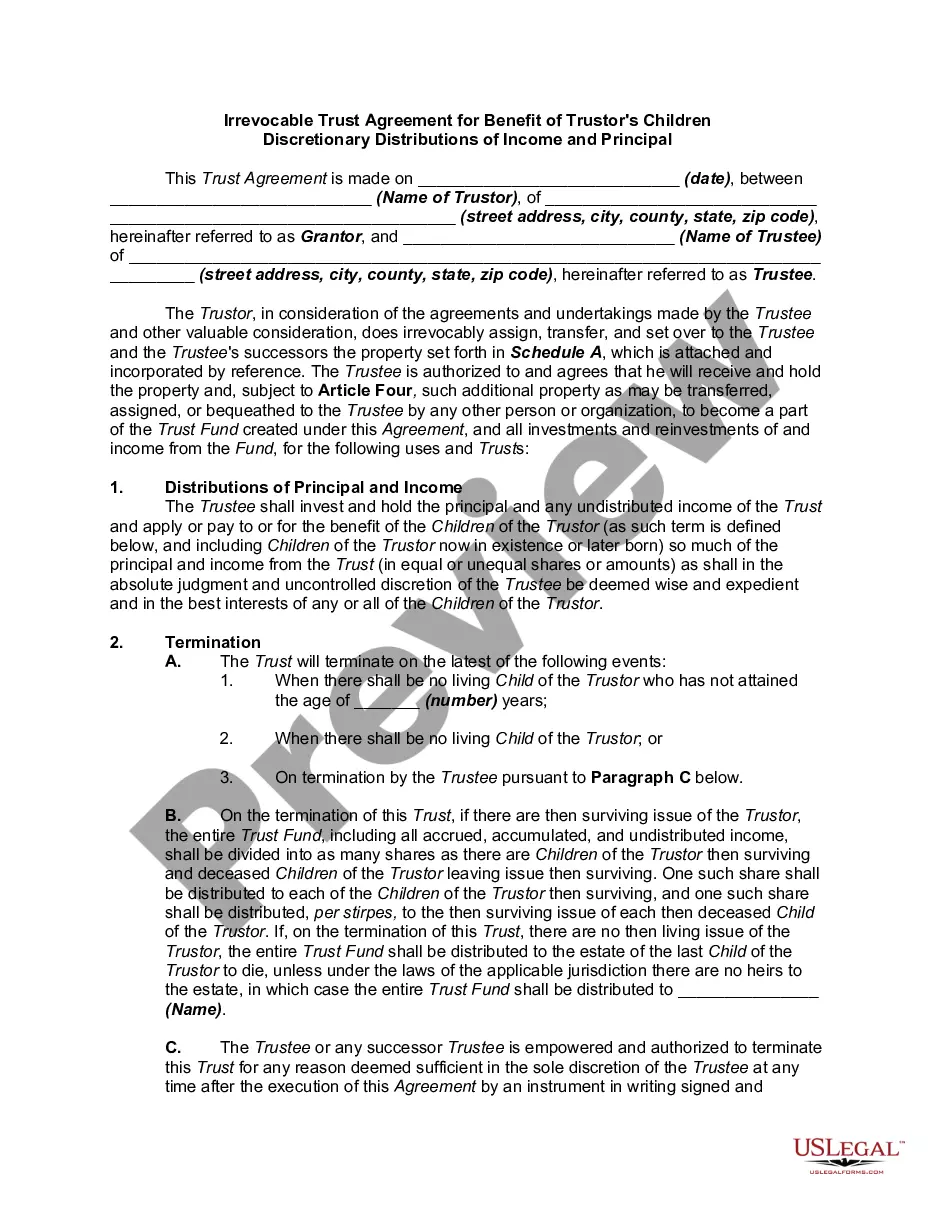
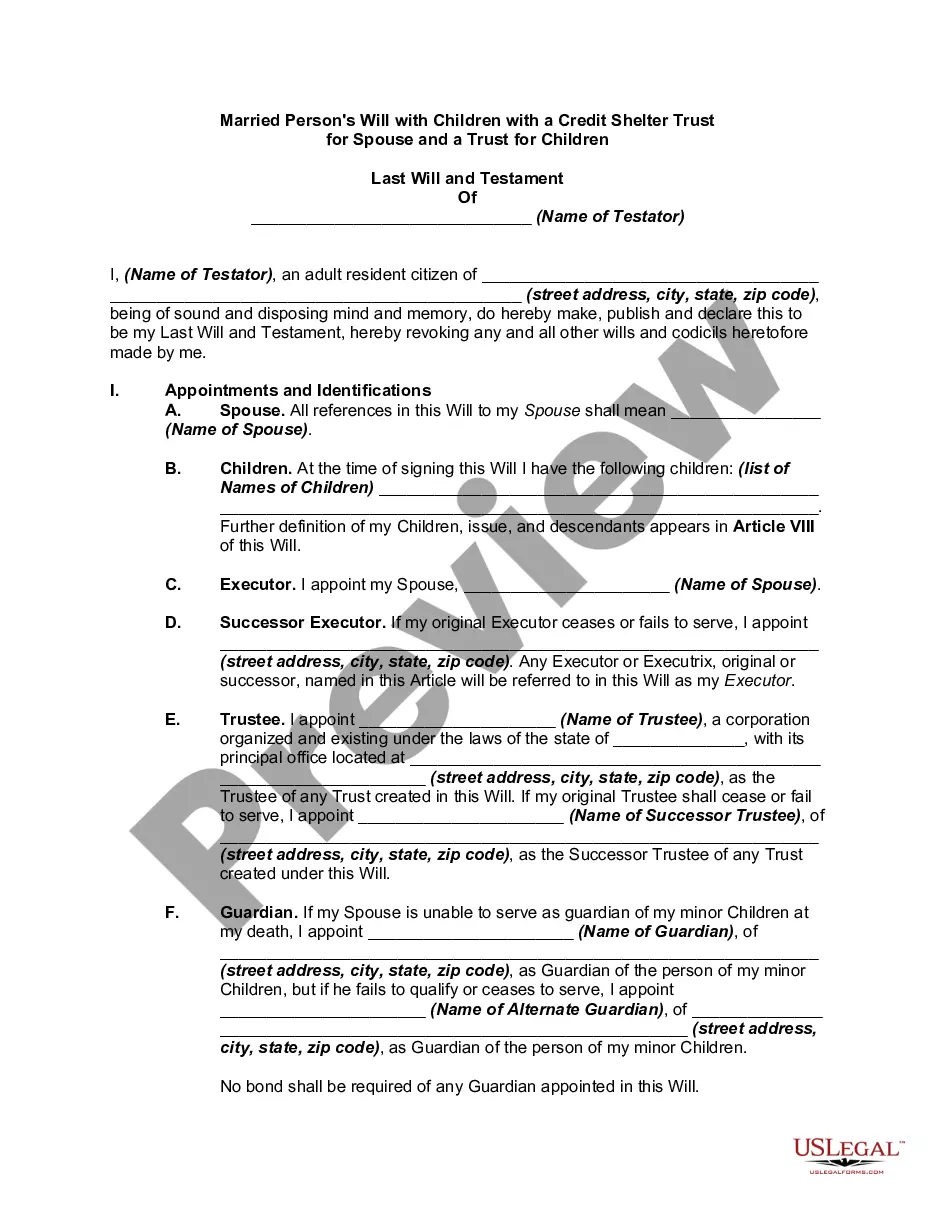
Get your form ready online
Our built-in tools help you complete, sign, share, and store your documents in one place.
Make edits, fill in missing information, and update formatting in US Legal Forms—just like you would in MS Word.
Download a copy, print it, send it by email, or mail it via USPS—whatever works best for your next step.
Sign and collect signatures with our SignNow integration. Send to multiple recipients, set reminders, and more. Go Premium to unlock E-Sign.
If this form requires notarization, complete it online through a secure video call—no need to meet a notary in person or wait for an appointment.
We protect your documents and personal data by following strict security and privacy standards.

Make edits, fill in missing information, and update formatting in US Legal Forms—just like you would in MS Word.

Download a copy, print it, send it by email, or mail it via USPS—whatever works best for your next step.

Sign and collect signatures with our SignNow integration. Send to multiple recipients, set reminders, and more. Go Premium to unlock E-Sign.

If this form requires notarization, complete it online through a secure video call—no need to meet a notary in person or wait for an appointment.

We protect your documents and personal data by following strict security and privacy standards.
Looking for another form?



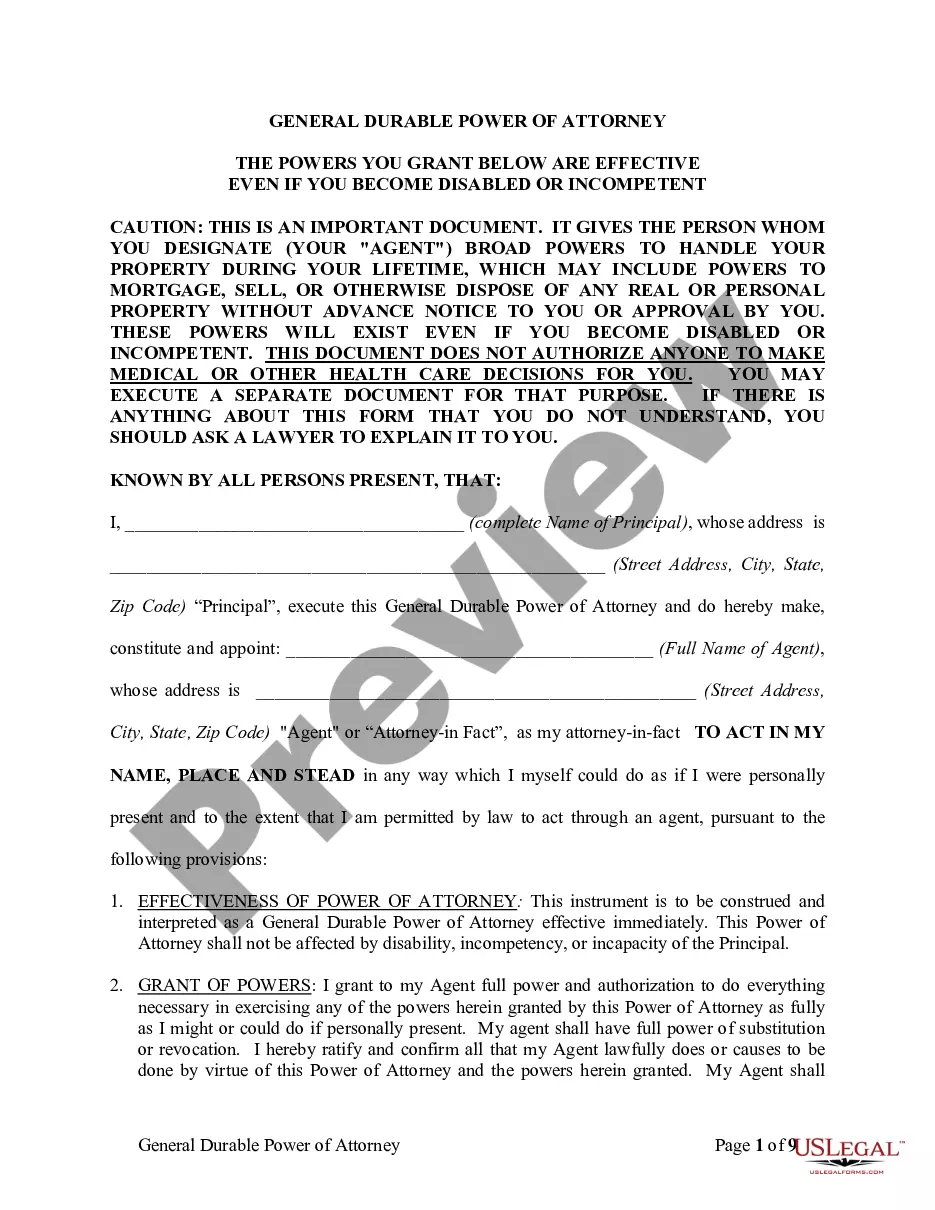


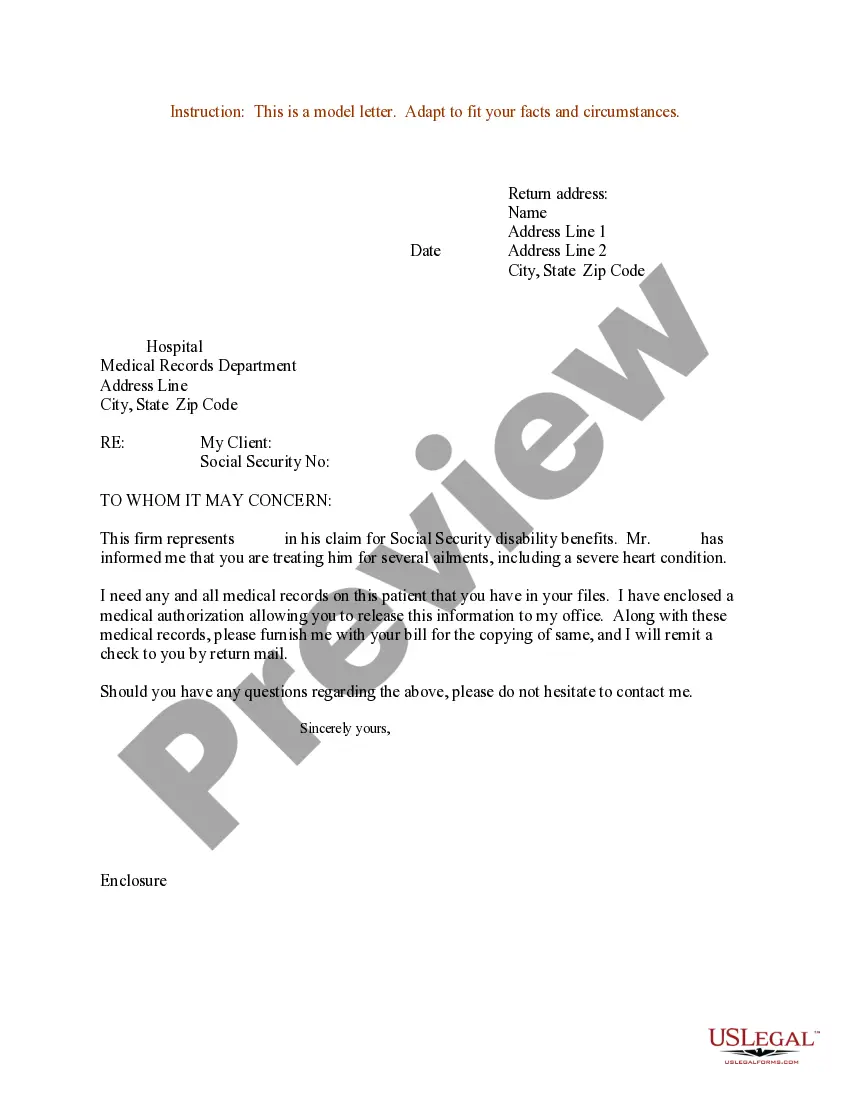
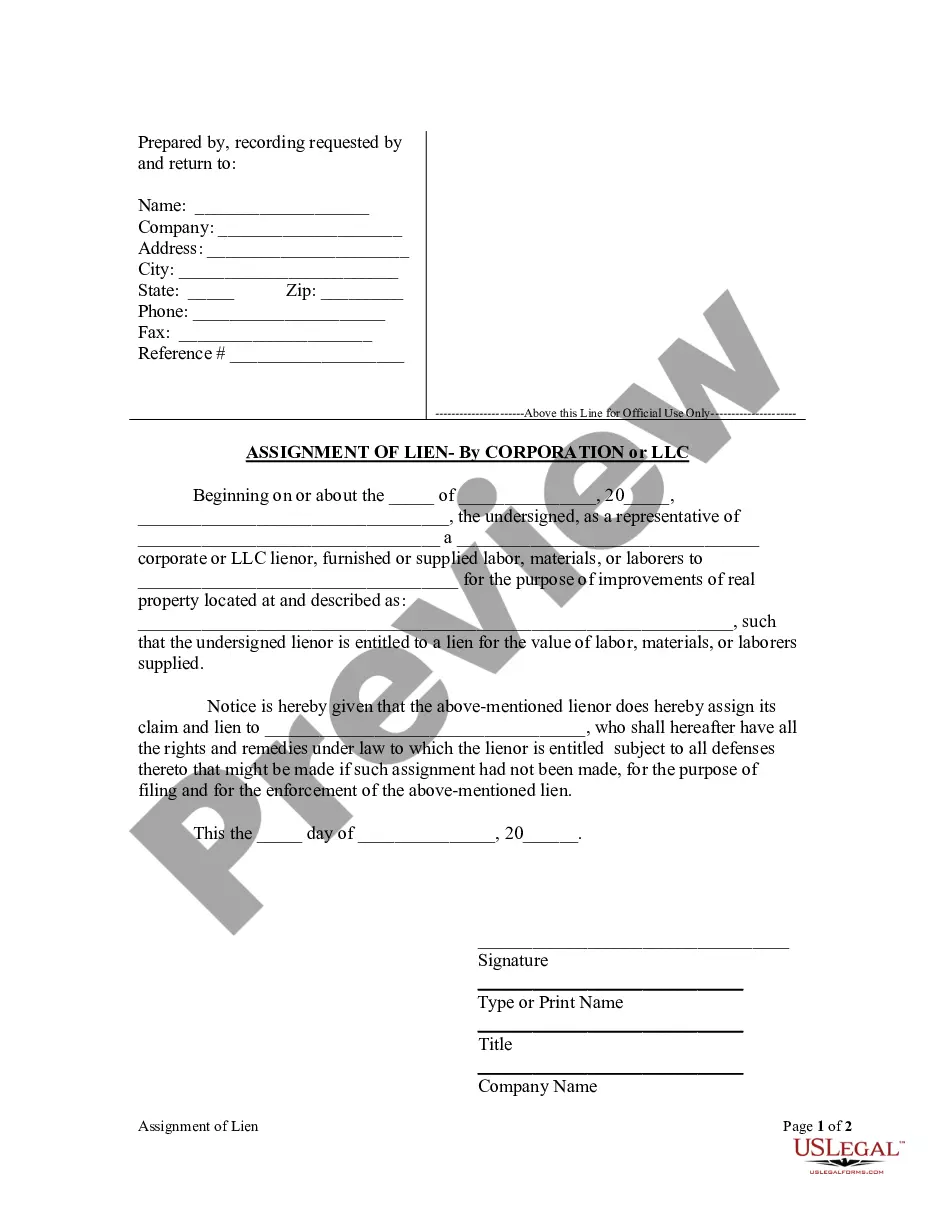
How to fill out Inter Vivos QTIP Trust With Principal To Donor's Children On Spouse's Death?
- Begin by visiting the US Legal Forms website and checking if you have an existing account. If so, log in and ensure your subscription is active; renew if necessary.
- In case you are a new user, explore the extensive library of over 85,000 legal forms. Preview the descriptions to select the right document that aligns with your requirements and local jurisdiction.
- Utilize the search bar to find additional templates, if the first option doesn't suit your needs. This ensures you have the most accurate documentation for your situation.
- Proceed with the purchase by clicking the Buy Now button, and choose the subscription plan that best fits you. Registration is required to access the vast resources available.
- Complete your payment using a credit card or PayPal. After the transaction, you can easily download your selected form and store it on your device.
- Access your downloaded documents anytime from the My Forms section in your account.
Once you have followed these steps, you can promptly fill out your forms with confidence knowing you have reliable support from premium experts throughout the process.
Start your journey with US Legal Forms today and take the first step towards effortless legal document management!
Form popularity
FAQ
Yes, Form 709 can be filed electronically, which simplifies the process for many taxpayers. Filing electronically helps to speed up the submission and makes it easier to ensure that all information is accurate. For those dealing with aspects like QTIP principal donors spouses death for the future, electronic filing can streamline management of your estate planning documents. Check with your tax advisor or platform like uslegalforms to ensure that you meet all necessary requirements.
The QTIP election plays a crucial role here. It allows a surviving spouse to use the deceased spouse's unused applicable exclusion amount when they pass away. This is particularly beneficial for helping to minimize estate taxes in the future. By utilizing the QTIP trust, the surviving spouse can ensure they take full advantage of the tax benefits, maximizing their inheritance.
Yes, QTIP property is included in the gross estate of the surviving spouse upon their death. While the QTIP trust allows for tax deferral during the life of the surviving spouse, it does not exempt the property from future estate taxes. This inclusion can have significant implications for estate planning and can affect how the assets are ultimately distributed. Planning ahead is crucial to ensure that the QTIP principal donors’ intentions are honored in the future.
Yes, a surviving spouse can serve as the trustee of a credit shelter trust. This arrangement allows the surviving spouse to manage the assets effectively while still benefiting from the trust. However, the rules can vary, and it is essential to consider how this role may impact the overall tax situation. Consulting with professionals can provide better insights into how this setup aligns with the QTIP principal donors' wishes in terms of spouse's death for the future.
Yes, a QTIP trust generally avoids probate, which can be a significant advantage. By placing assets in a QTIP trust, the principal donors can ensure a smoother transfer of property upon the death of the first spouse. This setup not only keeps the assets out of the probate process but also can help in managing the estate more efficiently in the future. However, proper drafting and setup are crucial to ensure these benefits are realized.
A QTIP trust may not provide the necessary tax benefits for all situations. While it allows for the deferral of estate taxes until the death of the surviving spouse, it also means that the QTIP property can be included in the gross estate of the surviving spouse. Additionally, the restrictions on trust management can complicate financial matters, particularly if the surviving spouse has different goals or preferences. Therefore, it is essential to consider the specific financial landscape when deciding how to structure your QTIP trust.
To make a QTIP election on Form 706, the executor must check the appropriate box on the form during the estate tax filing process. This indicates that the QTIP election is being made for the qualifying property included in the estate. It is crucial to ensure accurate completion, as this affects tax liabilities and benefits for the surviving spouse. For more detailed guidance on completing Form 706 and the QTIP election process, consider using US Legal Forms as a reliable resource.
Yes, a QTIP trust does include the surviving spouse's estate in its calculations. When the principal donor passes away, the QTIP election allows the surviving spouse to benefit from the trust assets without them being counted in their taxable estate. This means that the trust provides both financial security for the surviving spouse and potential tax advantages. Understanding the implications of QTIP principal donors spouses death for the future is essential for effective estate planning.
A surviving spouse has a lifetime interest in a QTIP trust. This means they are entitled to receive income from trust assets during their lifetime. This arrangement ensures the spouse is financially supported after the principal donor's death, ultimately securing their financial future.
Yes, QTIP property is included in the surviving spouse's estate for tax purposes. This incorporation means that the trust assets could impact the surviving spouse's overall estate value when they pass away. Understanding this aspect is crucial for effective long-term planning after the principal donor's death, ensuring the future is well-managed.