O Que é Death Row
Description
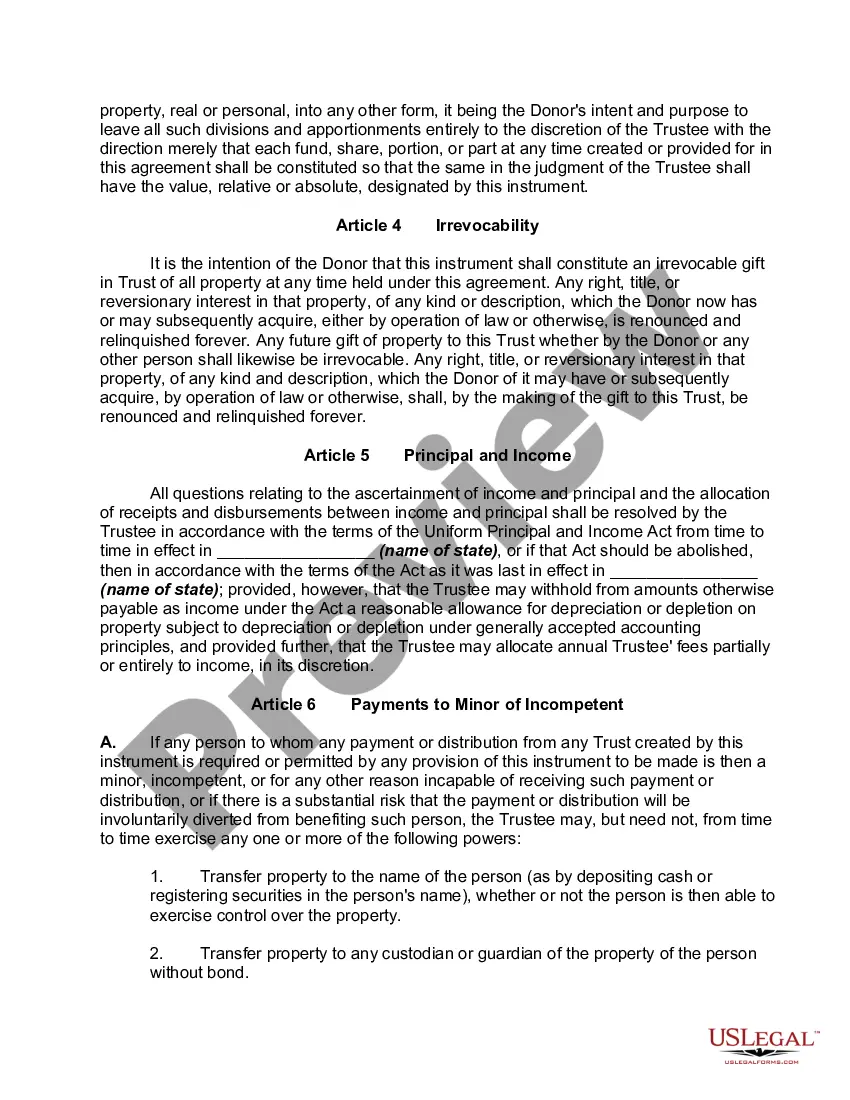
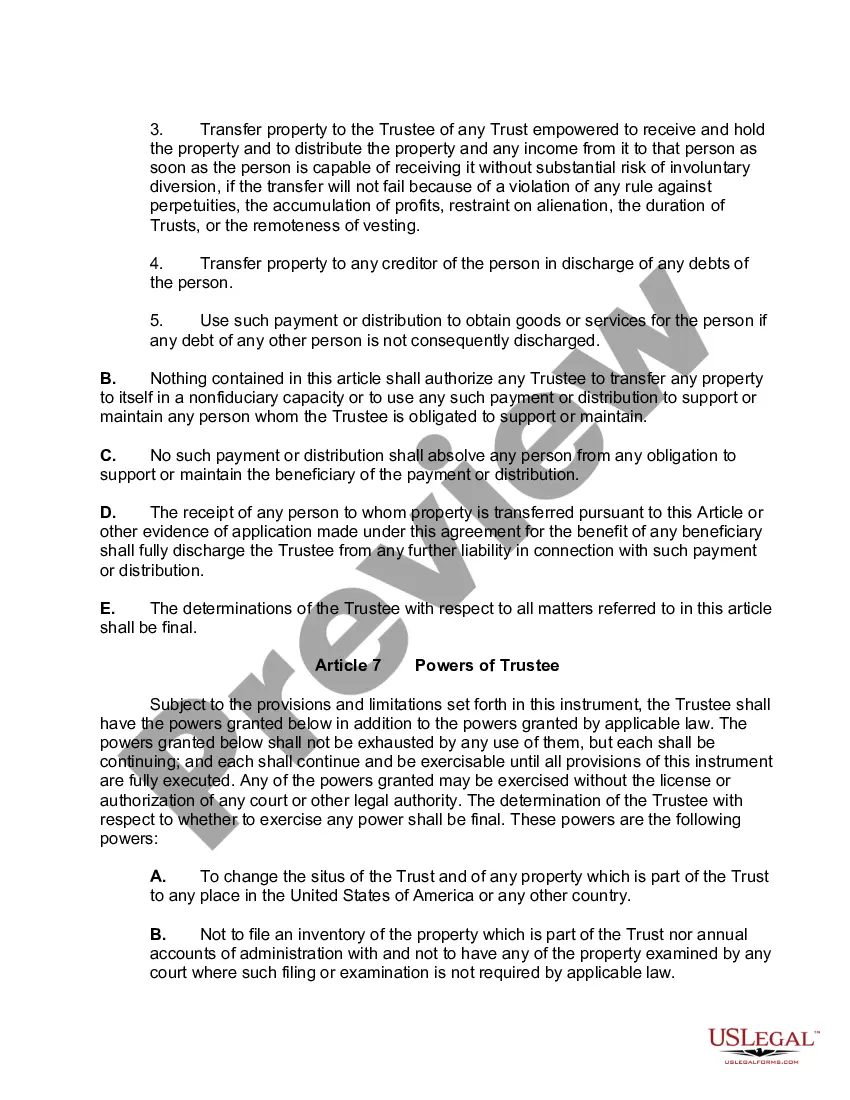
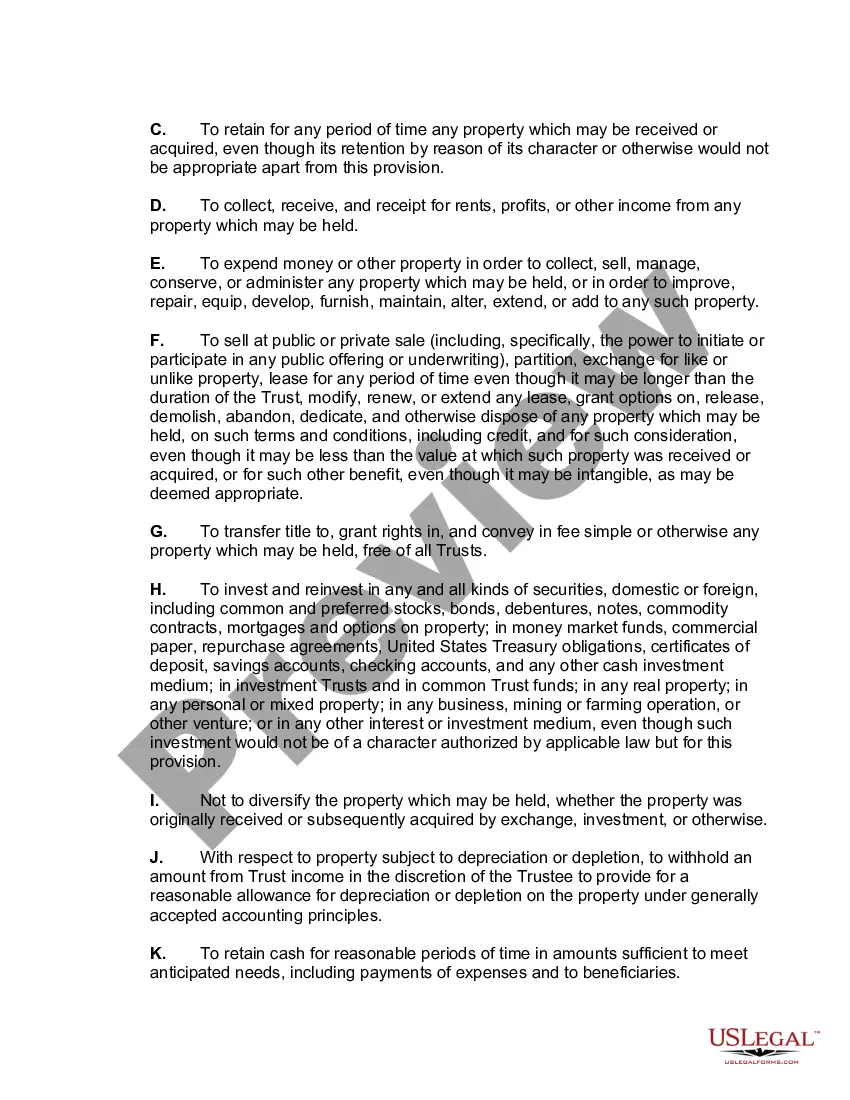
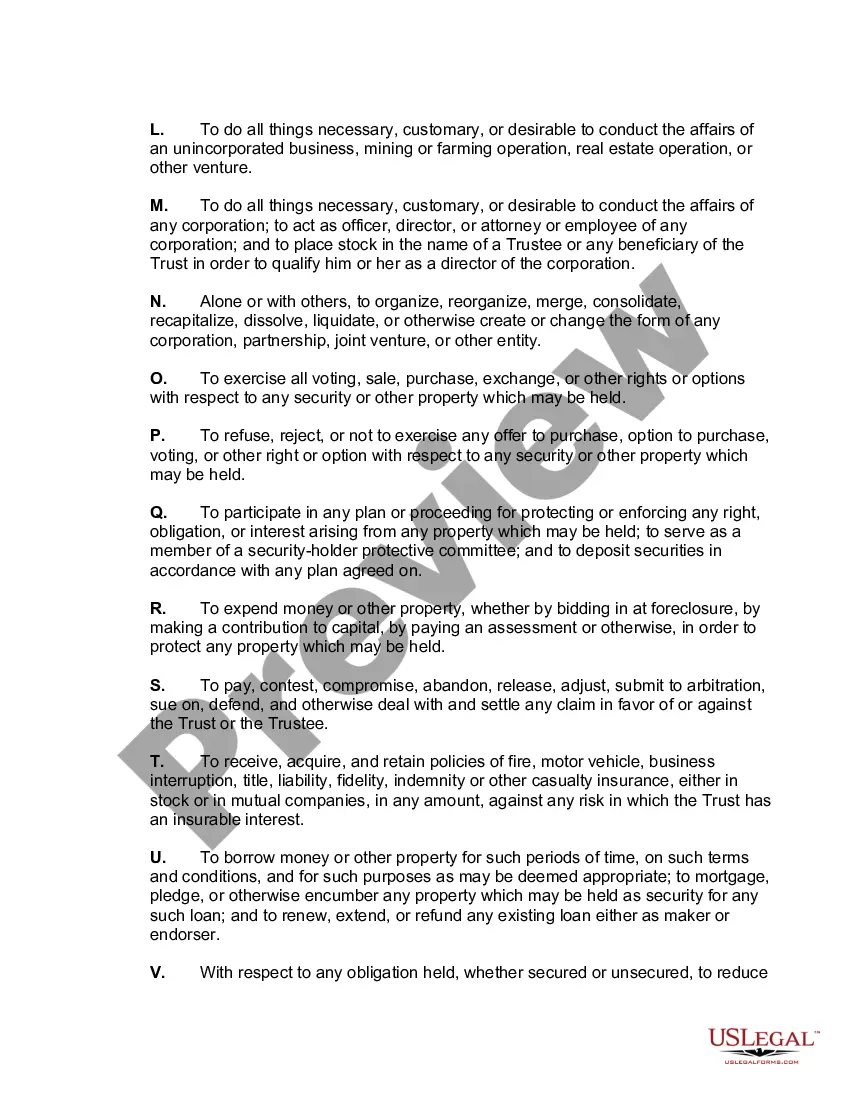
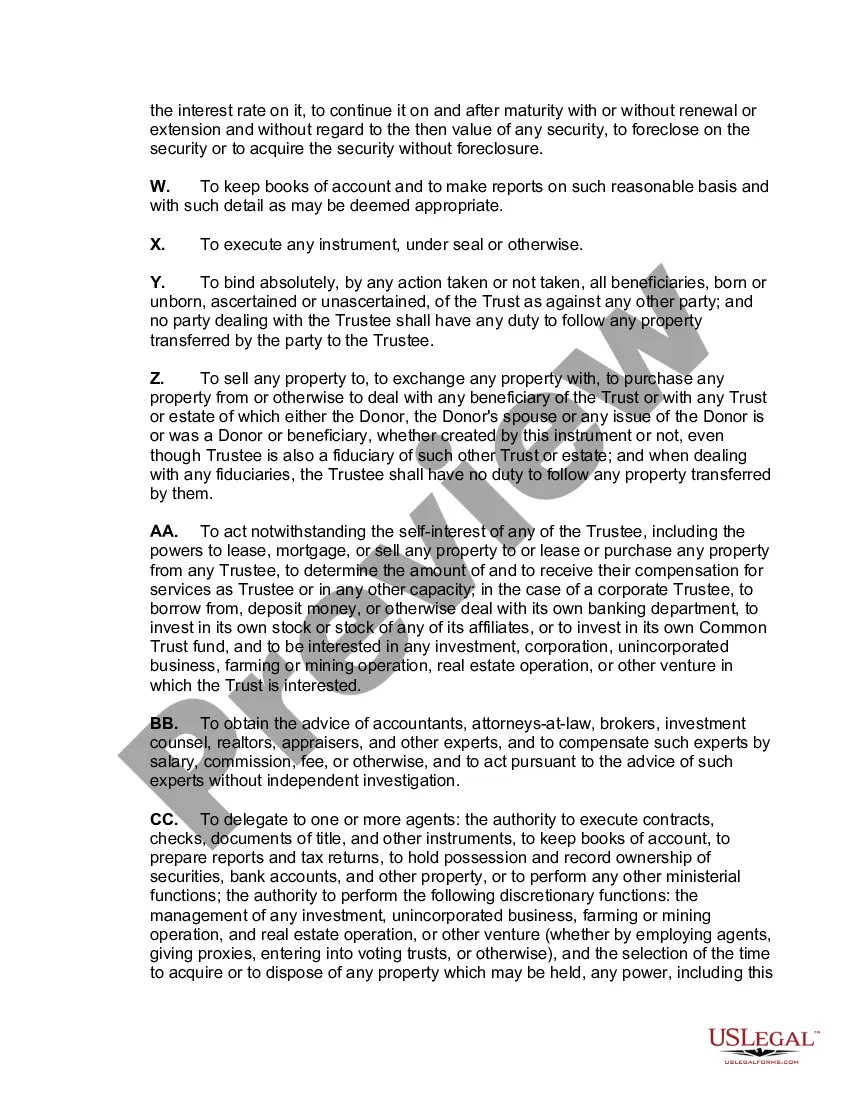
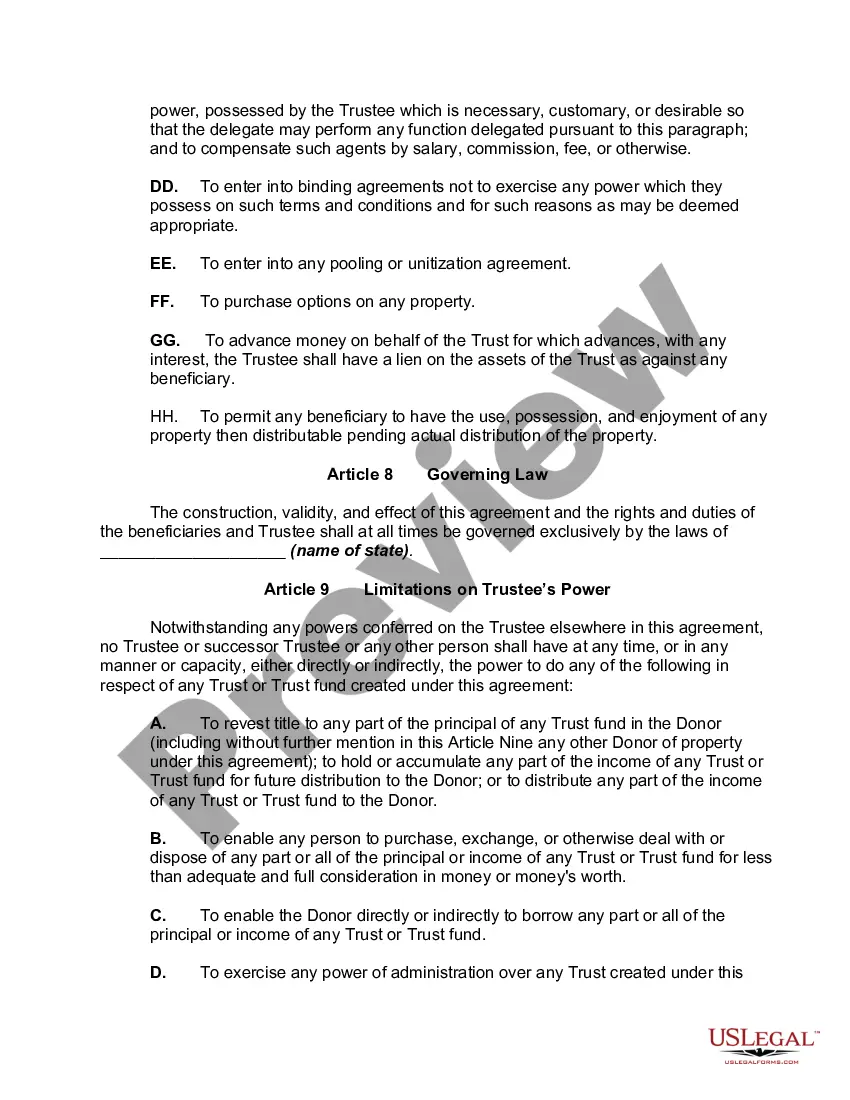

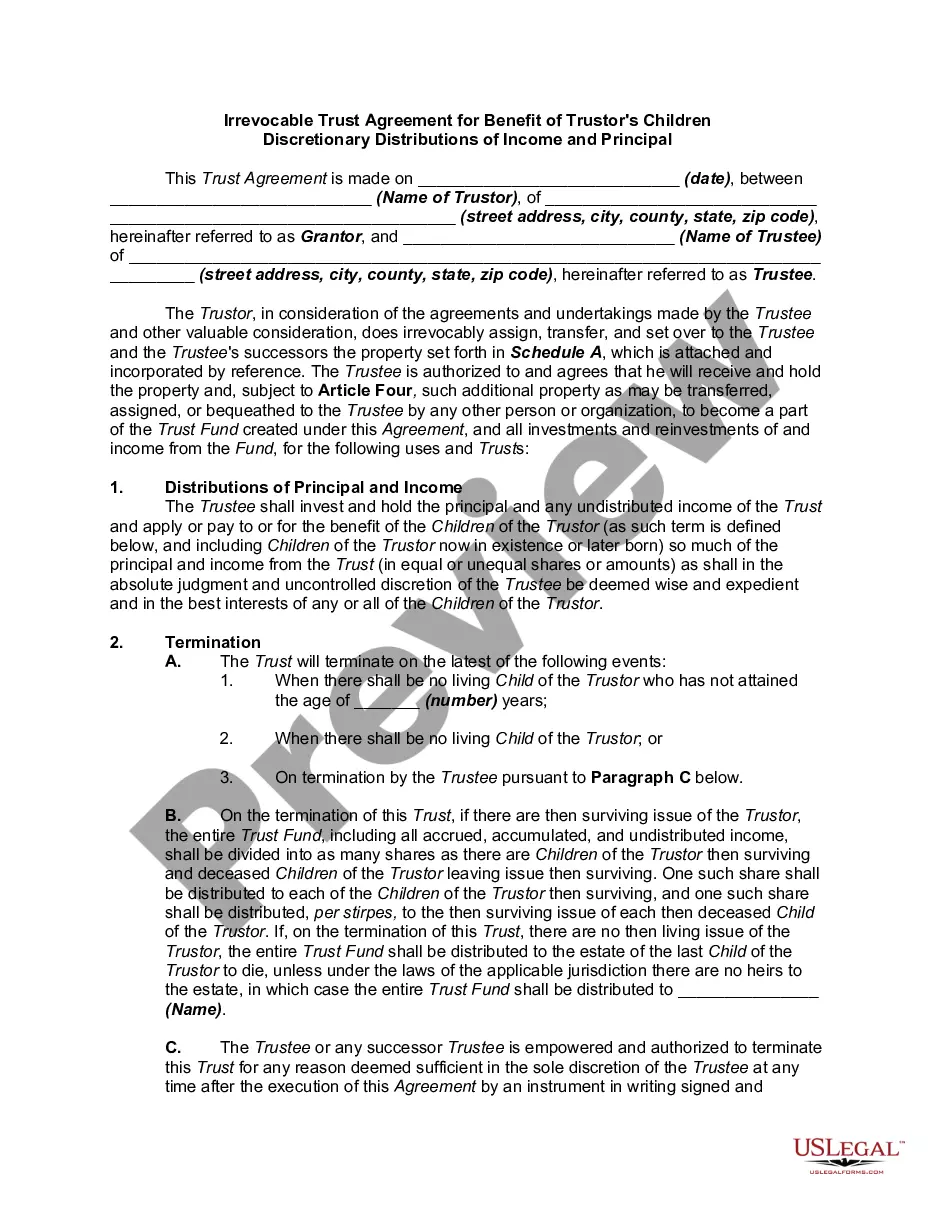
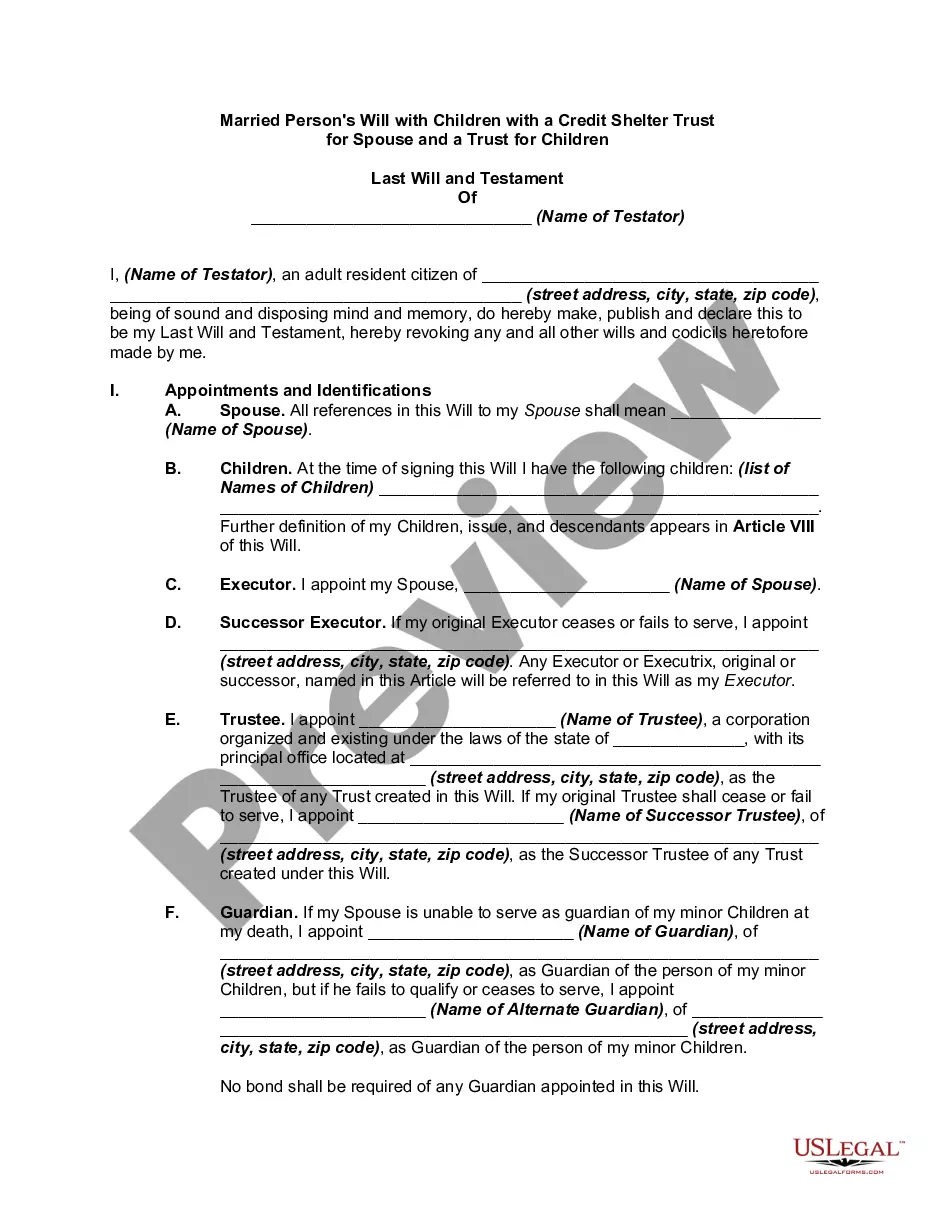
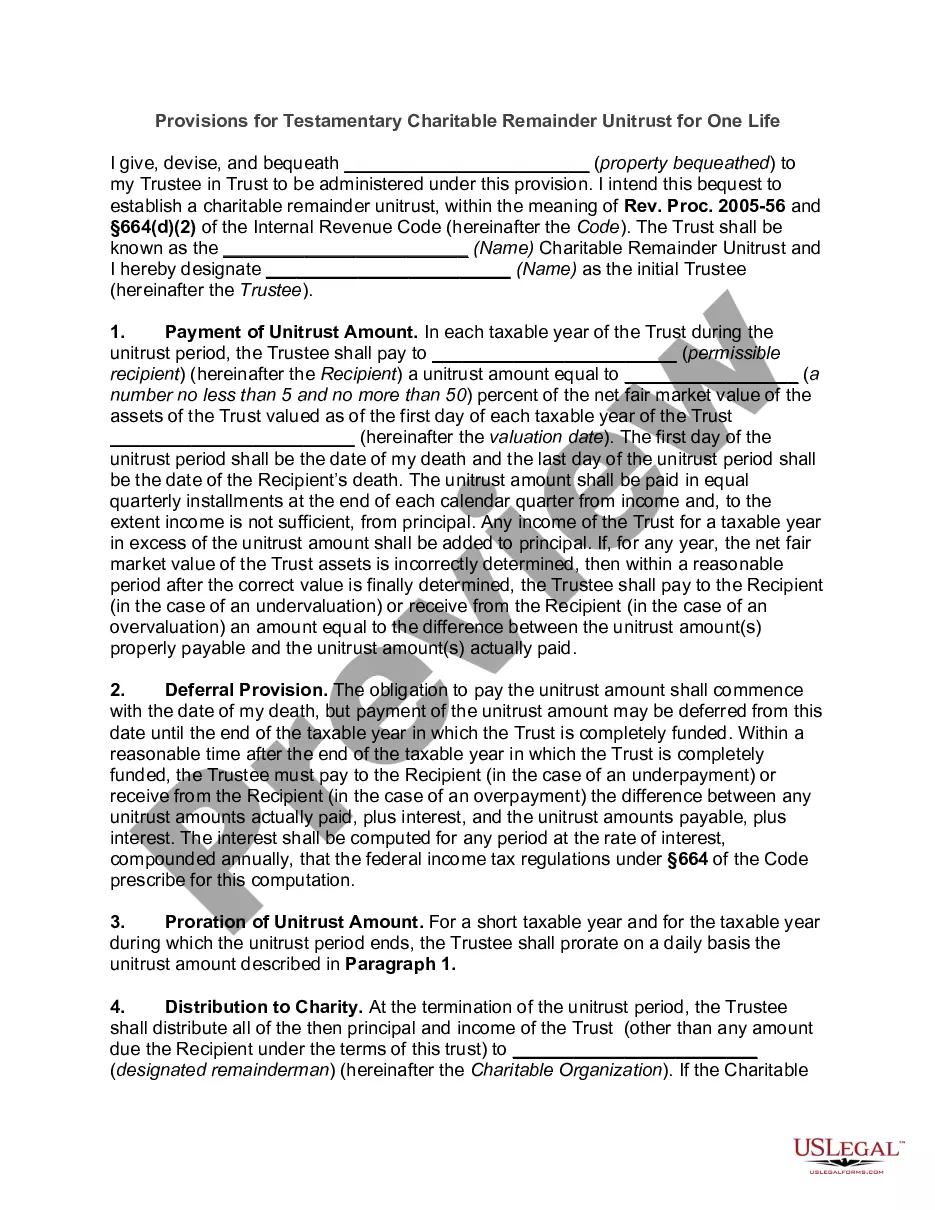
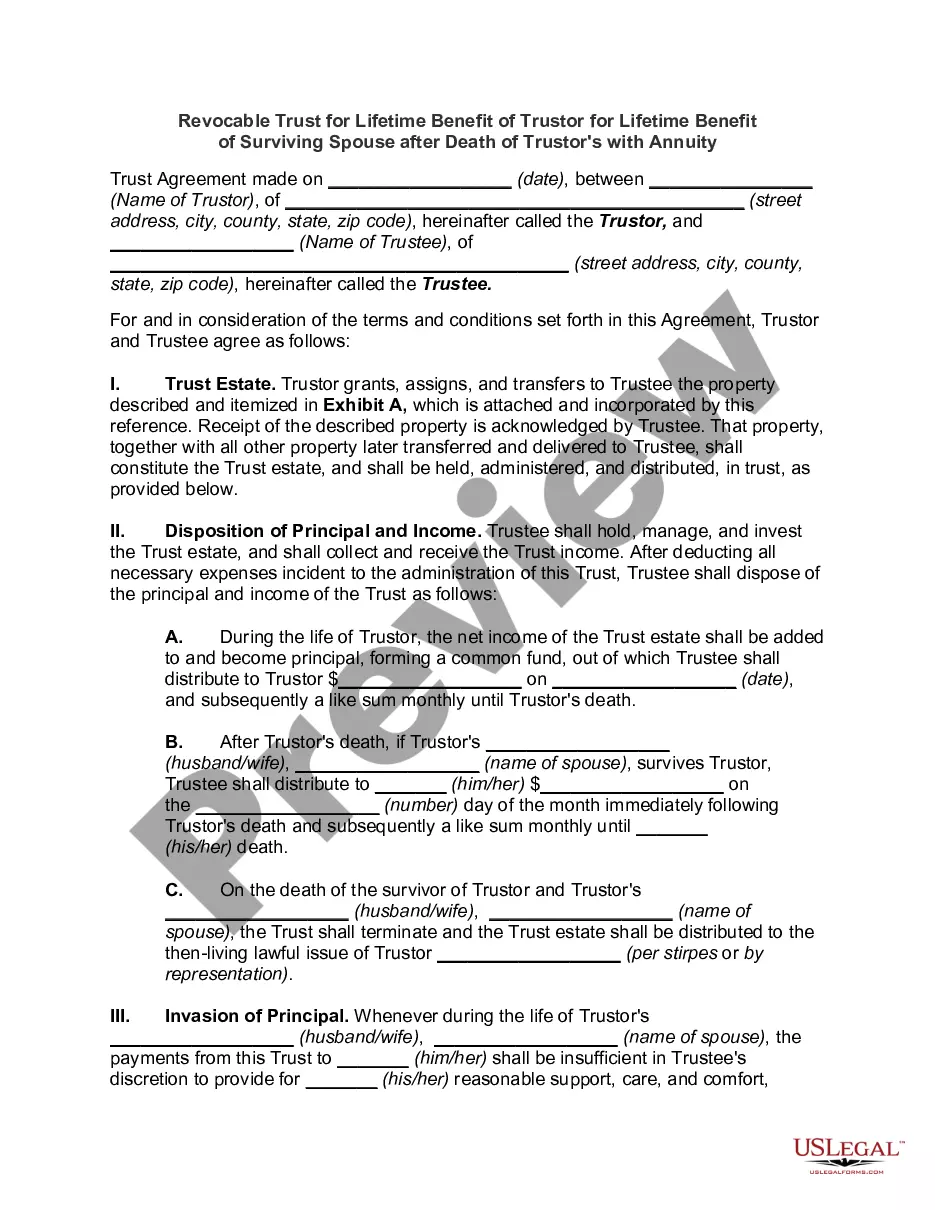
Get your form ready online
Our built-in tools help you complete, sign, share, and store your documents in one place.
Make edits, fill in missing information, and update formatting in US Legal Forms—just like you would in MS Word.
Download a copy, print it, send it by email, or mail it via USPS—whatever works best for your next step.
Sign and collect signatures with our SignNow integration. Send to multiple recipients, set reminders, and more. Go Premium to unlock E-Sign.
If this form requires notarization, complete it online through a secure video call—no need to meet a notary in person or wait for an appointment.
We protect your documents and personal data by following strict security and privacy standards.

Make edits, fill in missing information, and update formatting in US Legal Forms—just like you would in MS Word.

Download a copy, print it, send it by email, or mail it via USPS—whatever works best for your next step.

Sign and collect signatures with our SignNow integration. Send to multiple recipients, set reminders, and more. Go Premium to unlock E-Sign.

If this form requires notarization, complete it online through a secure video call—no need to meet a notary in person or wait for an appointment.

We protect your documents and personal data by following strict security and privacy standards.
Looking for another form?




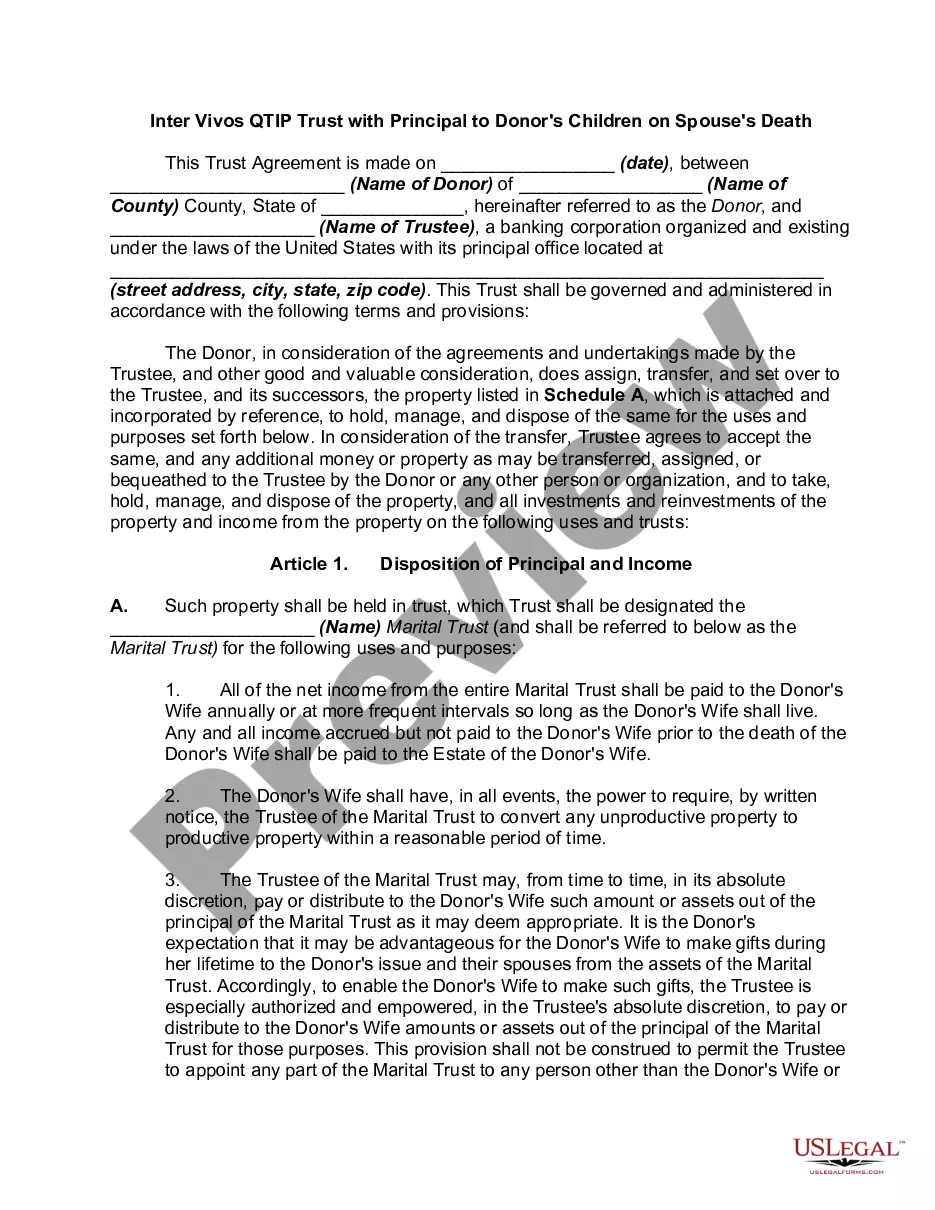
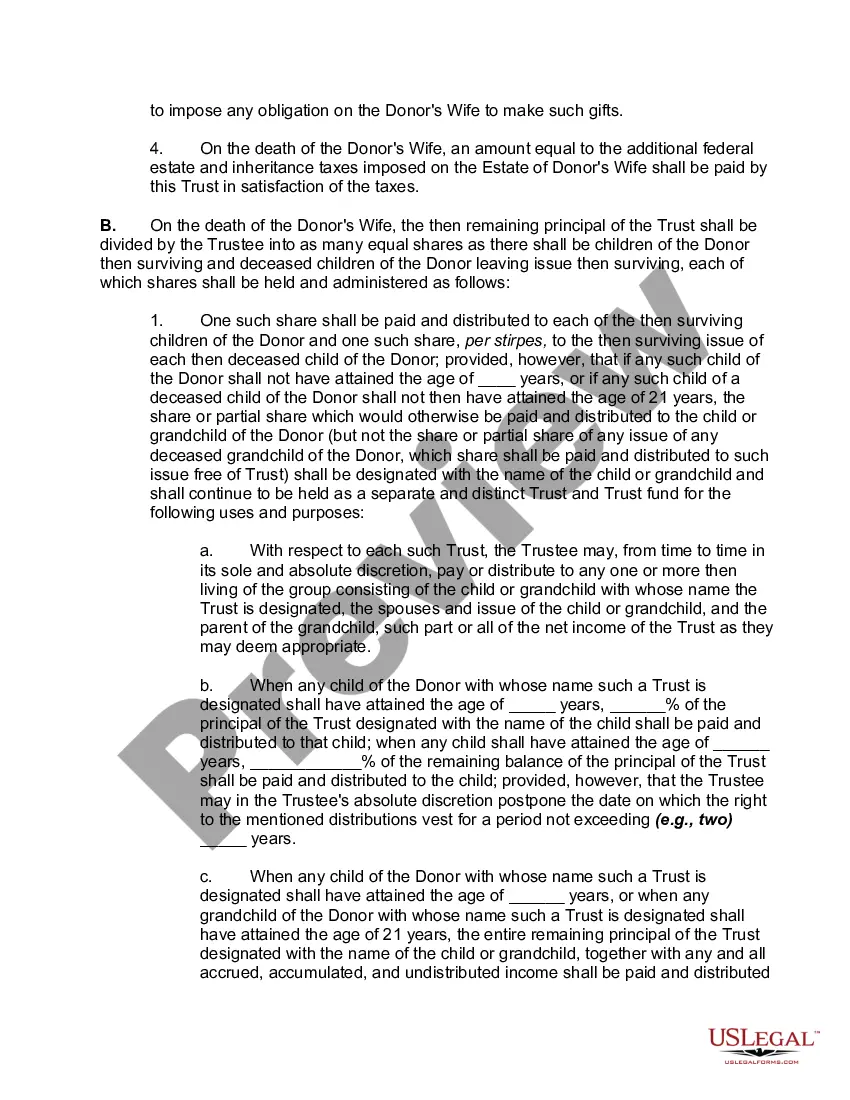
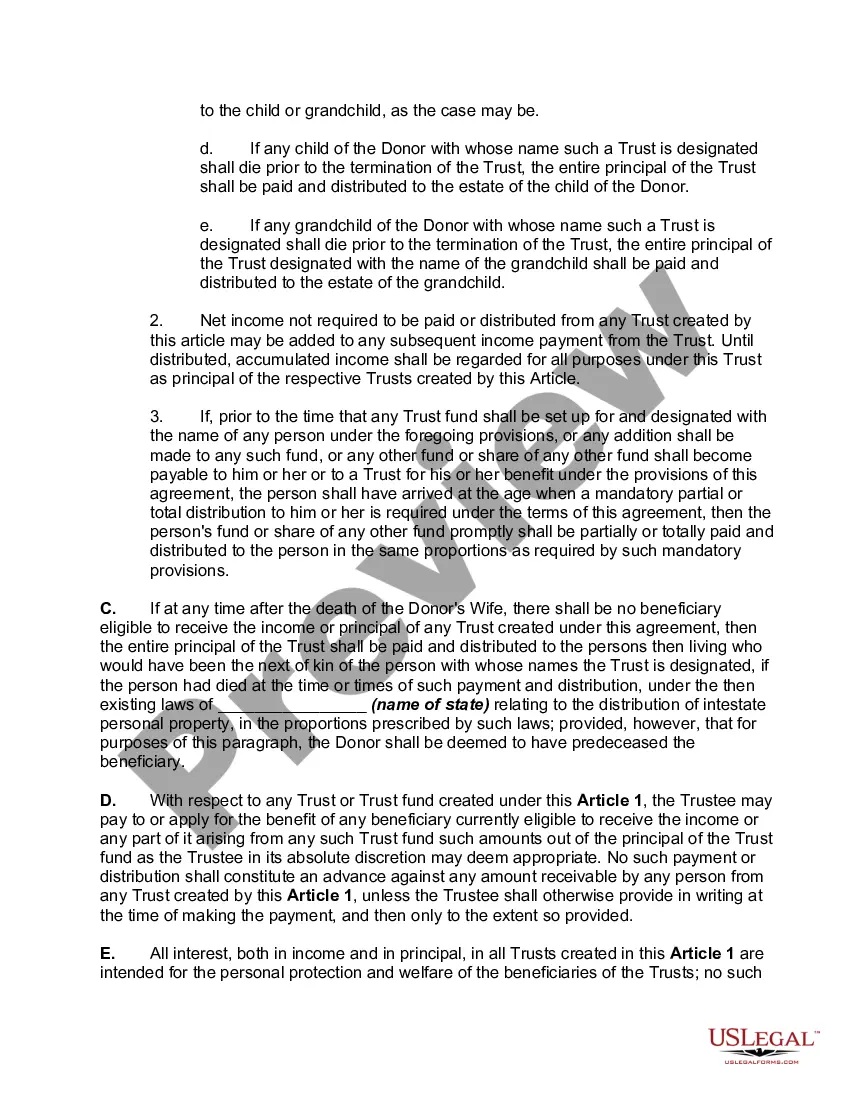
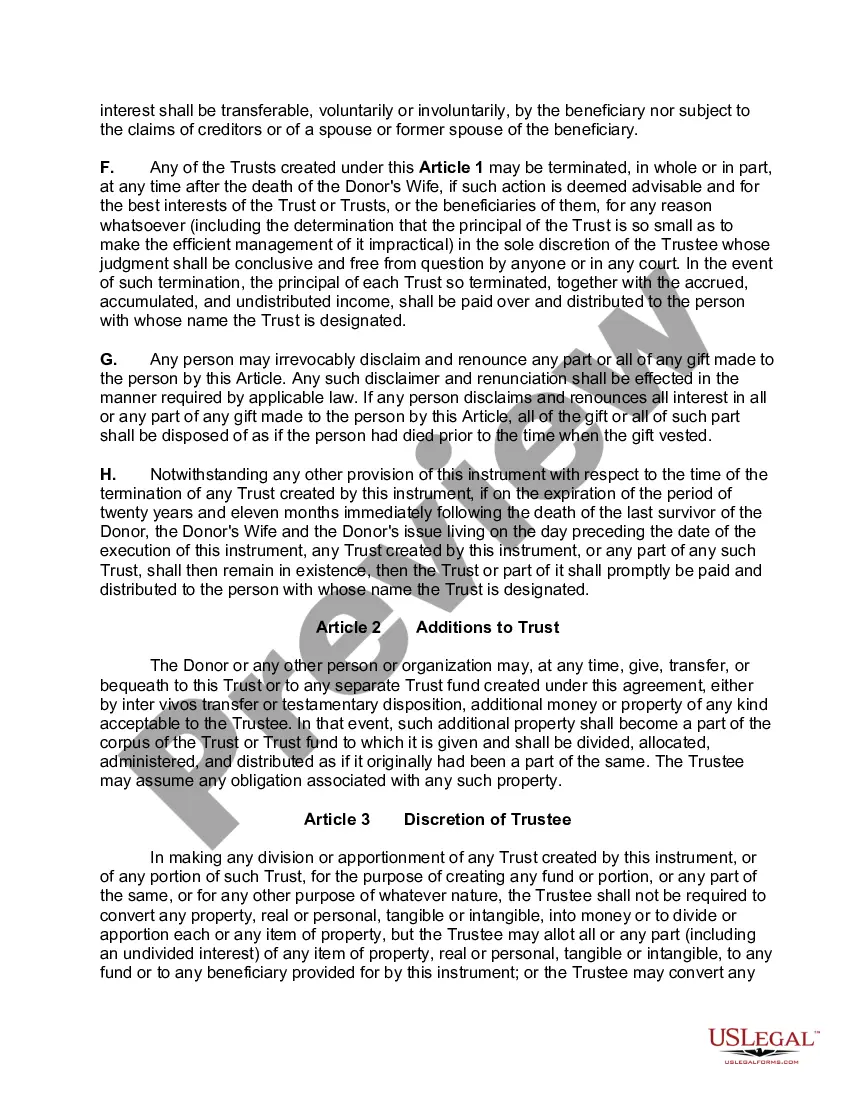
How to fill out Inter Vivos QTIP Trust With Principal To Donor's Children On Spouse's Death?
- If you're a returning user, log in to download your needed form template directly by selecting the Download button. Ensure your subscription is active; if not, renew it according to your payment plan.
- For first-time users, begin by checking the Preview mode and form descriptions to choose the correct document that fits your requirements and local jurisdiction.
- In case of inconsistencies or to find an alternative, use the Search tab above to locate the appropriate template.
- Proceed to purchase the document by clicking on the Buy Now button and selecting your preferred subscription plan. You'll need to create an account to access available resources.
- Finalize your transaction, providing your credit card details or using your PayPal account for payment.
- Download your selected form and save it on your device. You can access it anytime through the My Forms menu in your profile.
In conclusion, US Legal Forms offers a robust collection of over 85,000 fillable legal templates, helping users create precise and legally compliant documents with ease. With access to premium experts for guidance, your legal needs are well-supported.
Start your journey with US Legal Forms today to simplify your legal documentation process!
Form popularity
FAQ
The steps leading to death row begin with the criminal trial and culminate in sentencing after conviction. If a sentence of death is imposed, the case enters a lengthy appeals process, which can take years. Throughout this time, inmates face evaluations and procedural checks aimed at ensuring justice. Thus, having a clear understanding of the steps to death row enhances one’s awareness of the legal and personal ramifications for inmates.
Writing to an inmate on death row requires you to follow specific guidelines set by the prison system. Typically, you need to obtain the inmate's mailing address and adhere to the facility’s communication rules, which may include restrictions on certain topics and the types of materials allowed. Providing support through letters can be vital for inmates, so it’s essential to understand the protocols involved. Therefore, learning how to correspond with inmates on death row can foster meaningful communication.
The time it takes to reach execution on death row varies significantly based on legal processes and state laws. Some inmates may remain on death row for years, even decades, during the appeal process. Factors such as legal representation and the complexity of the case impact the timeline. Hence, knowing how long inmates stay on death row is important for understanding the complexities of capital punishment.
The journey to death row involves several critical steps, starting with sentencing for serious crimes. After sentencing, appeals may occur, potentially lengthening the time on death row. Inmates undergo various evaluations and hearings, ensuring fair treatment under the law. Therefore, grasping the steps involved in death row helps one understand the broader implications of capital punishment.
In the context of death row, inmates typically receive their last meal shortly before their execution. The time allocated for this meal varies by state, but it often occurs on the day of the execution. Inmates may request a specific meal, and while many states honor these requests, others have restrictions. Thus, understanding the specific procedures in place for death row can shed light on this somber tradition.
When an inmate is on death row, it indicates they are in a legal limbo, awaiting the outcome of their appeals or execution. This state of waiting can have profound effects on the mental and emotional well-being of the inmate. Moreover, death row serves as a stark reminder of the complexities of the justice system. Understanding the experiences of inmates on death row can promote discussions about reform and legal processes.
Being sent to death row means that an individual has been found guilty of a capital crime and sentenced to death. This sentence entails that the inmate will await execution, typically following extensive legal procedures. The consequences of being on death row are severe and can affect not only the inmates but also their families and communities. Recognizing the implications of a death row sentence is crucial for all.
People are sent to death row primarily for committing capital offenses, which are crimes considered so heinous that they warrant the death penalty. Each state has its own legal standards for these offenses, and factors like premeditation or heinousness often play a role. Understanding why individuals face this consequence helps highlight the gravity of legal systems. For those involved, being informed about these matters is essential.
An individual typically ends up on death row after being convicted of a serious crime, such as murder, that is punishable by death in specific jurisdictions. The nature of the crime, aggravating circumstances, and prior criminal history can all influence this decision. Judicial systems have set criteria that determine eligibility for the death penalty. Knowing what leads to death row sentencing can help clarify its severity.
An inmate can stay on death row for many years, and even for their entire life if appeals are prolonged. While some states may have guidelines on execution timelines, various factors can extend this period. The legal complexities often lead to lengthy stays, sometimes exceeding two decades. Understanding these factors is vital for those interested in the criminal justice system.