Inter Vivos Trust Form Agreement With Canada
Description


Get your form ready online
Our built-in tools help you complete, sign, share, and store your documents in one place.
Make edits, fill in missing information, and update formatting in US Legal Forms—just like you would in MS Word.
Download a copy, print it, send it by email, or mail it via USPS—whatever works best for your next step.
Sign and collect signatures with our SignNow integration. Send to multiple recipients, set reminders, and more. Go Premium to unlock E-Sign.
If this form requires notarization, complete it online through a secure video call—no need to meet a notary in person or wait for an appointment.
We protect your documents and personal data by following strict security and privacy standards.

Make edits, fill in missing information, and update formatting in US Legal Forms—just like you would in MS Word.

Download a copy, print it, send it by email, or mail it via USPS—whatever works best for your next step.

Sign and collect signatures with our SignNow integration. Send to multiple recipients, set reminders, and more. Go Premium to unlock E-Sign.

If this form requires notarization, complete it online through a secure video call—no need to meet a notary in person or wait for an appointment.

We protect your documents and personal data by following strict security and privacy standards.
Looking for another form?



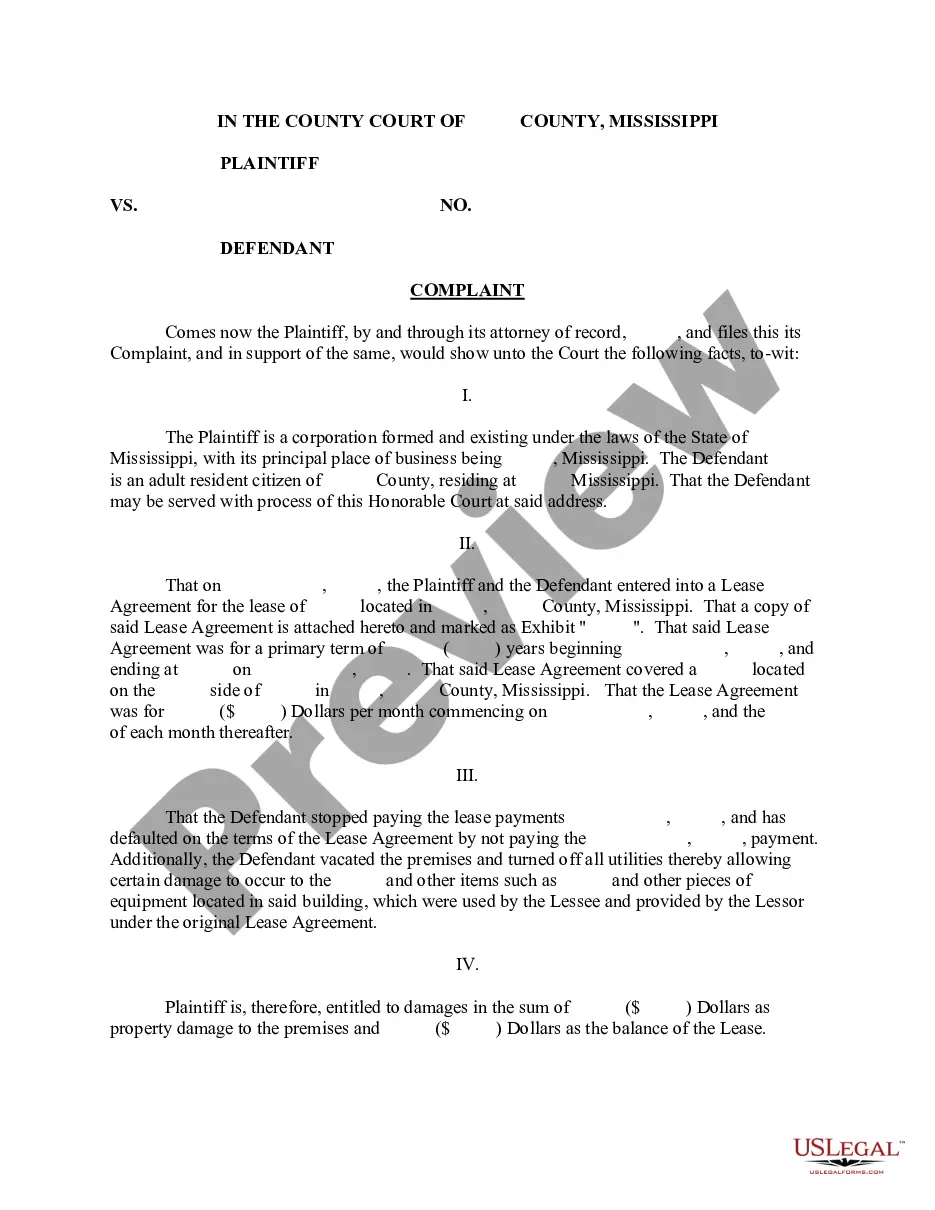





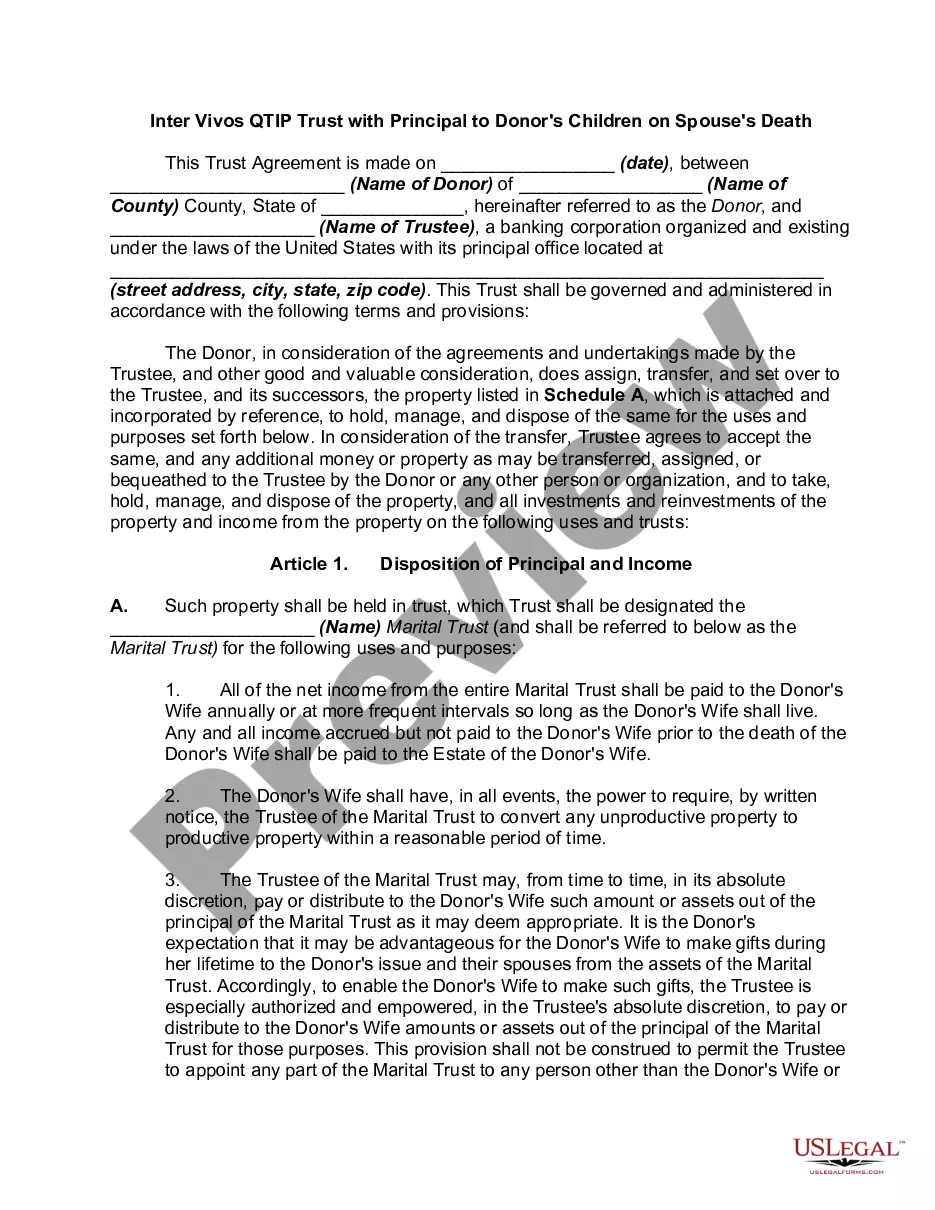
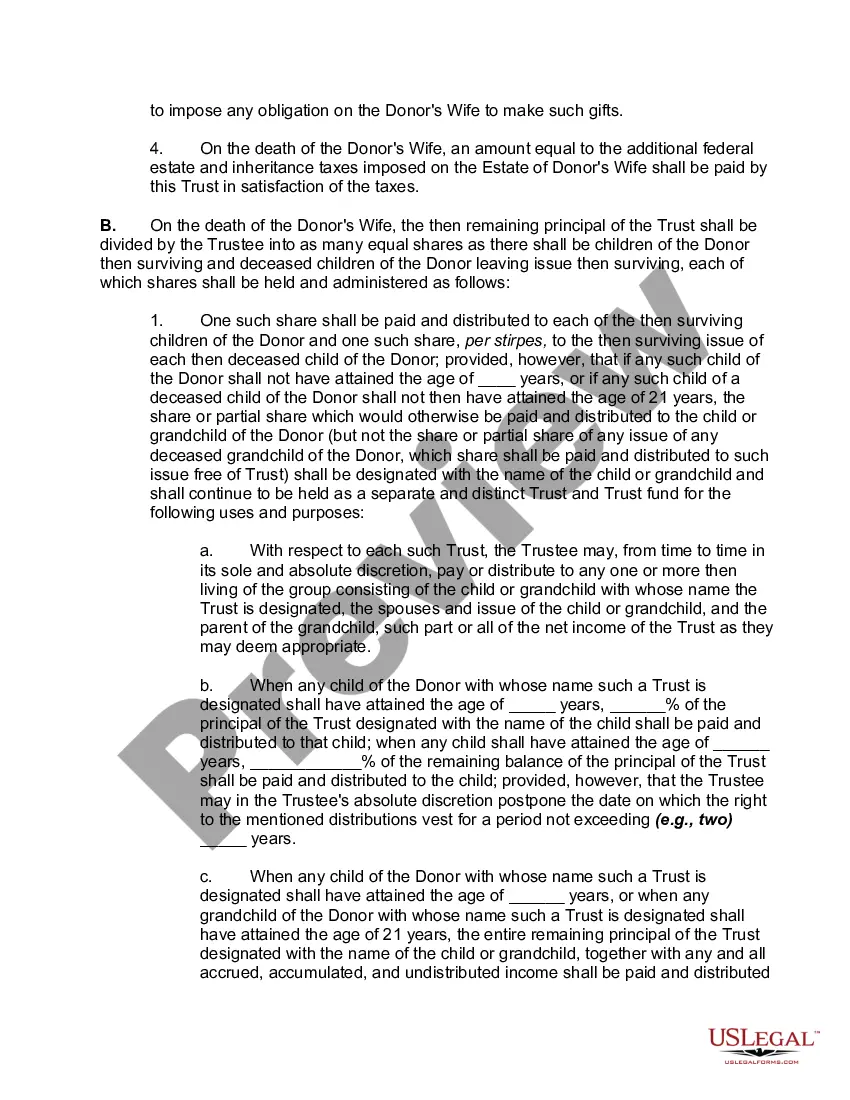
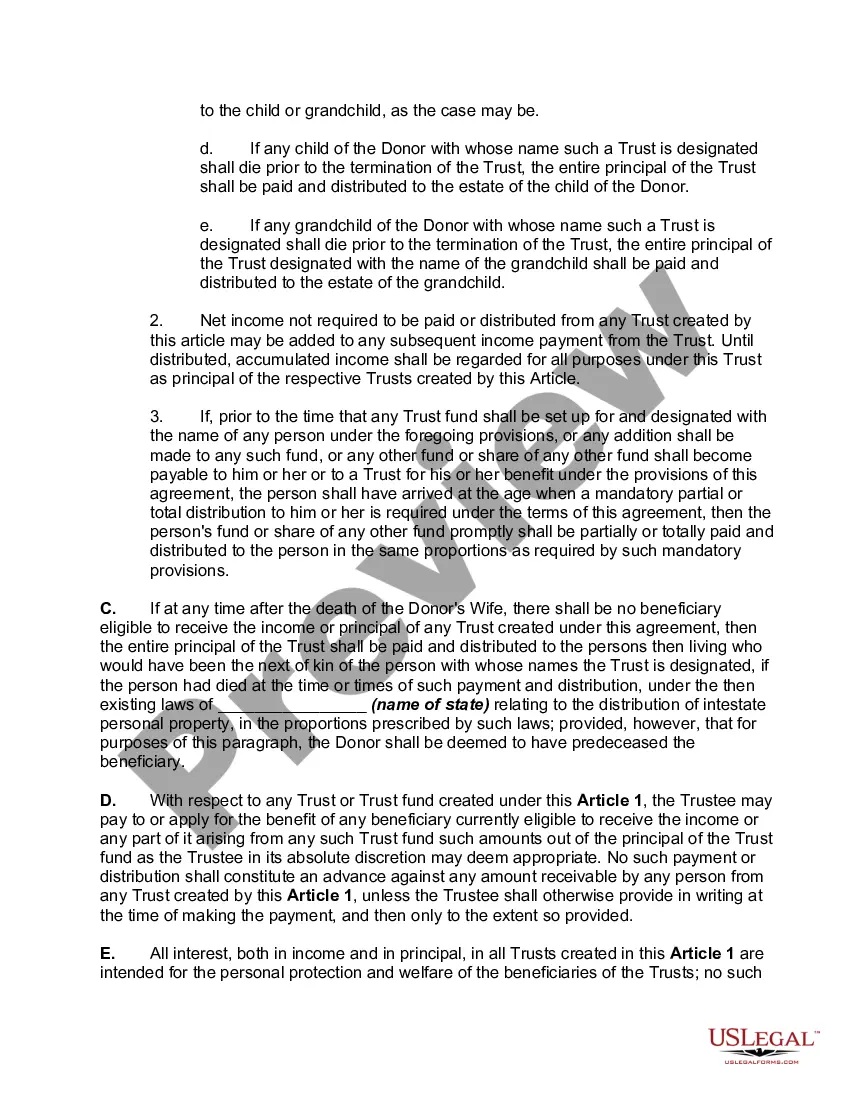
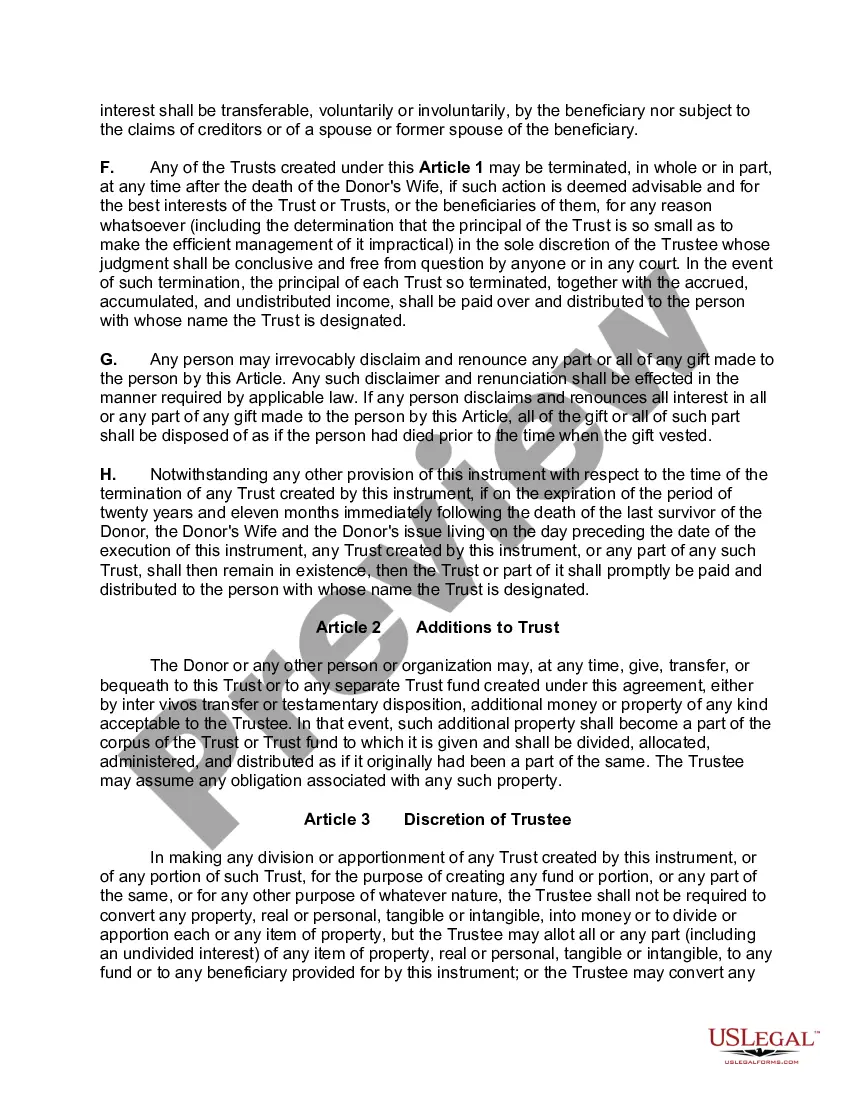
How to fill out Inter Vivos QTIP Trust With Principal To Donor's Children On Spouse's Death?
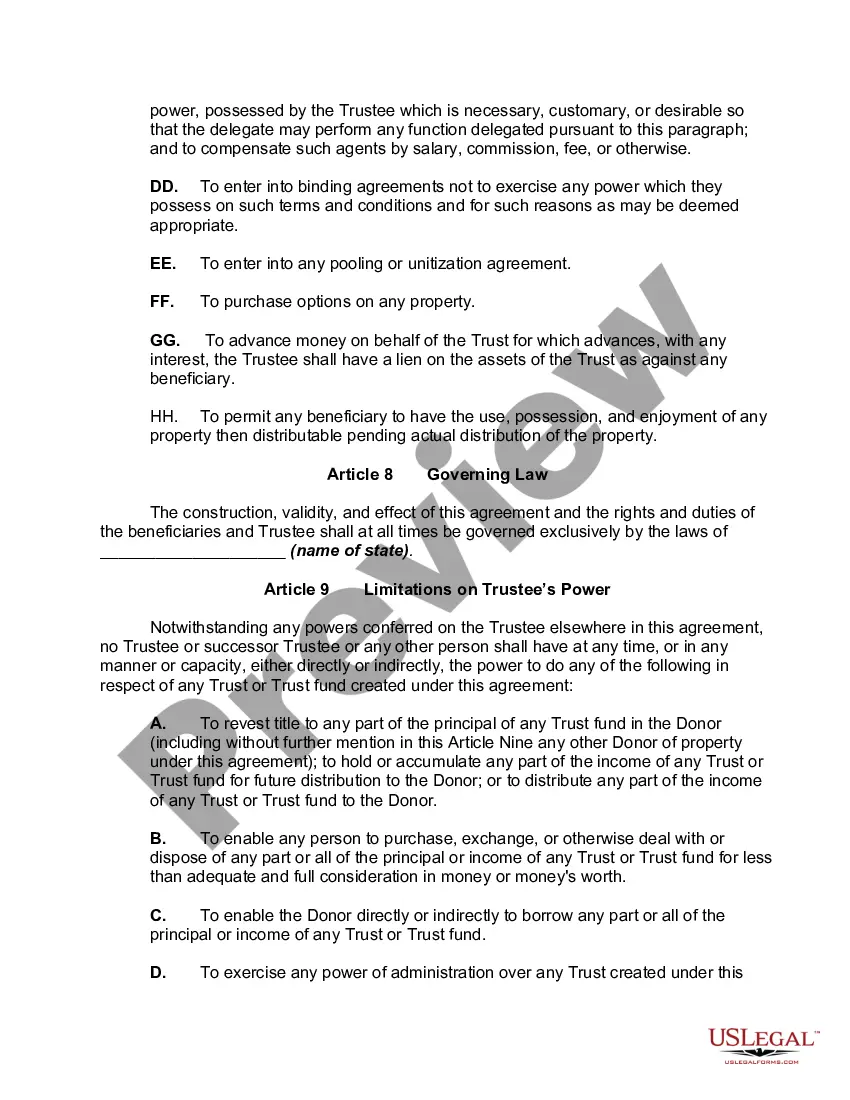
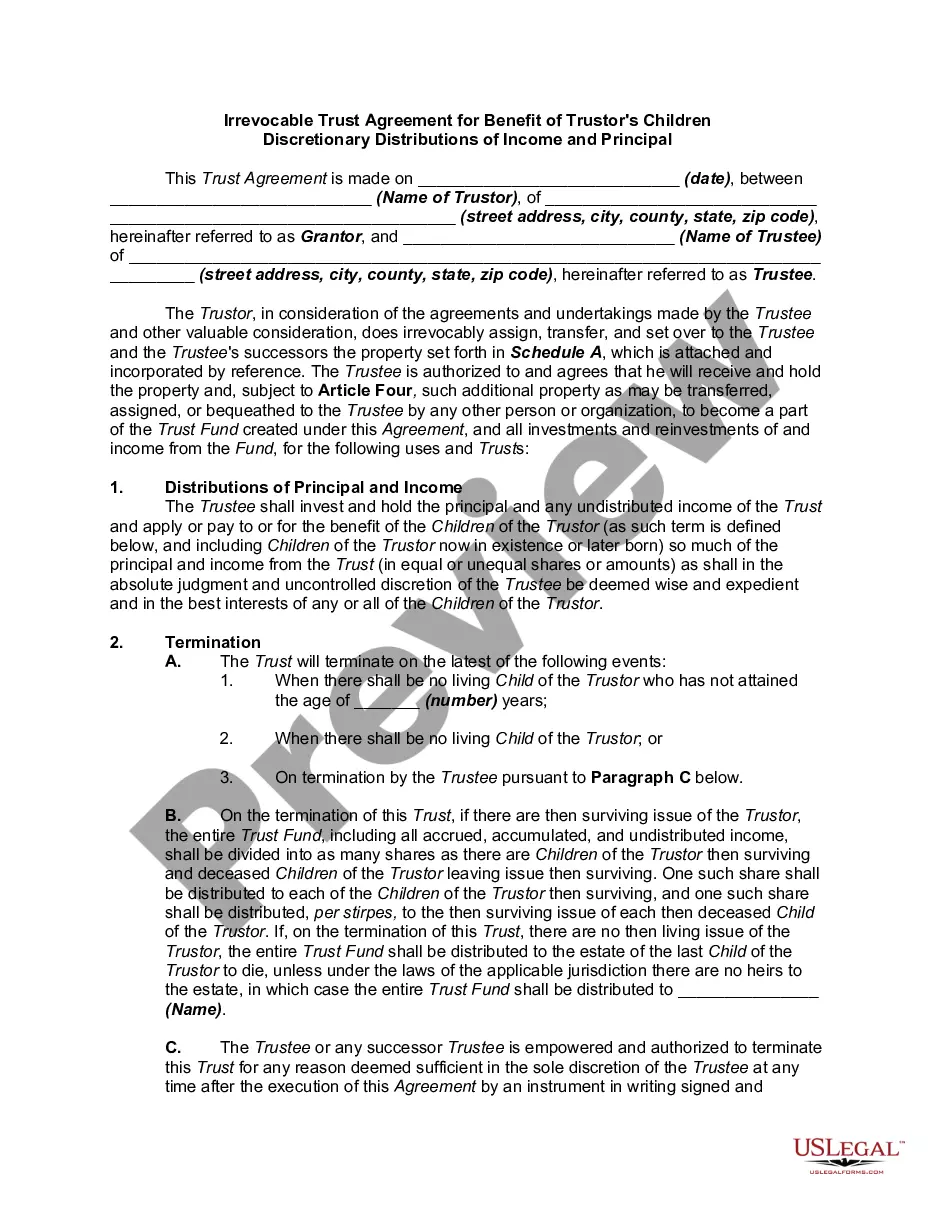
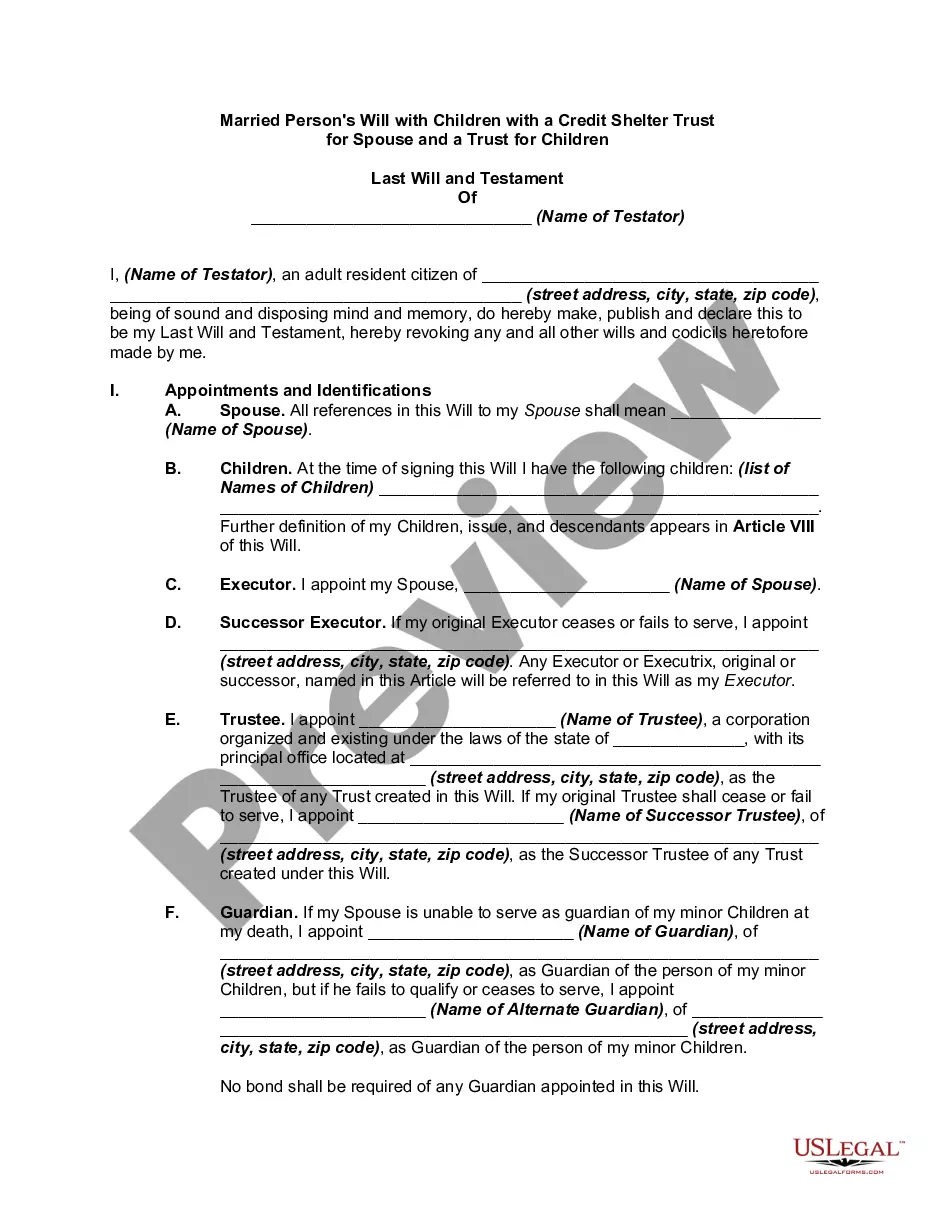
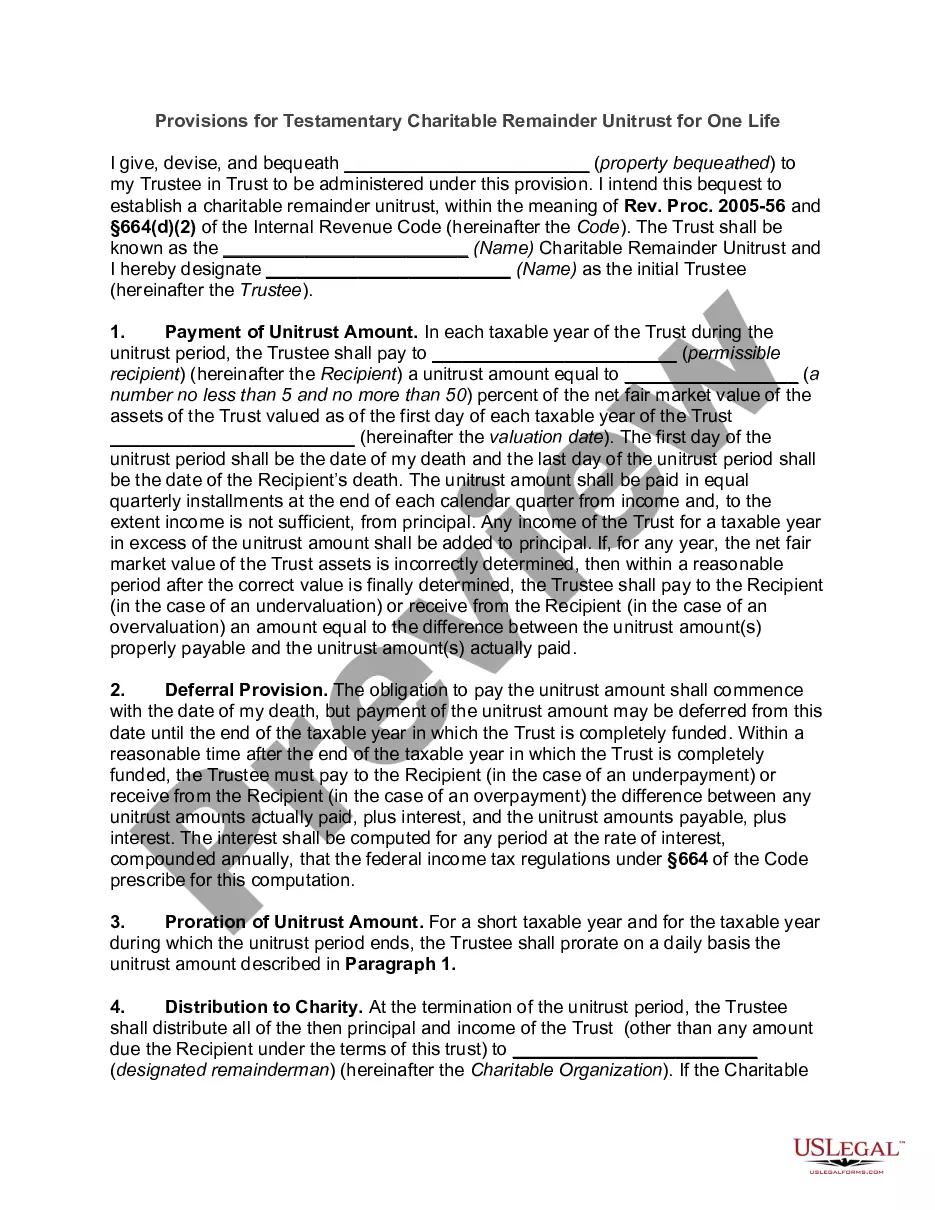
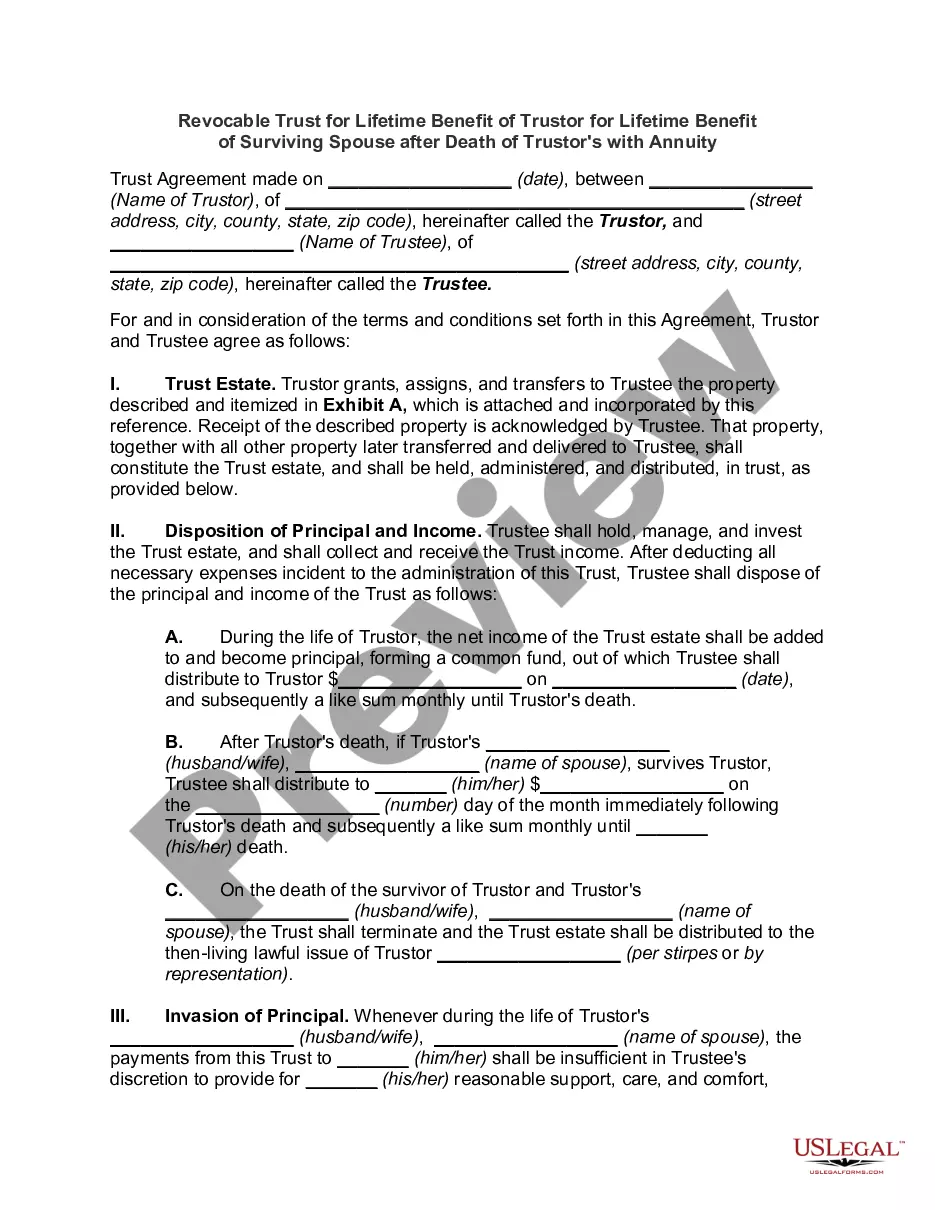
The Inter Vivos Trust Form Agreement With Canada available on this page is a versatile official template created by expert attorneys in accordance with national and regional regulations.
For over 25 years, US Legal Forms has offered individuals, companies, and legal practitioners more than 85,000 verified, state-specific documents for all business and personal situations.
Register with US Legal Forms to access verified legal templates for all of life’s situations as needed.
- Search for the document you require and examine it.
- Navigate through the file you searched and preview it or check the document description to ensure it meets your requirements. If it doesn’t, use the search function to locate the right one. Click Buy Now when you have found the template you need.
- Register and Log In.
- Choose the pricing plan that fits you and create an account. Pay using PayPal or a credit card for a swift transaction. If you already possess an account, Log In and review your subscription to continue.
- Obtain the fillable document.
- Select the desired format for your Inter Vivos Trust Form Agreement With Canada (PDF, Word, RTF) and store the template on your device.
- Complete and sign the document.
- Print the template to fill it out by hand. Alternatively, utilize an online multifunctional PDF editor to swiftly and accurately complete and sign your document with an electronic signature.
- Redownload your documents if needed.
- Use the same form again whenever necessary. Access the My documents section in your profile to redownload any previously acquired documents.
Form popularity
FAQ
This is often referred to as ?rolling? the property out of the trust to the beneficiaries at the tax cost. Inter vivos trusts and most testamentary trusts pay tax at the top personal marginal tax rate; however, there are exceptions.
One example to help you imagine how an Inter Vivos Trust can be used is a college education fund. Let's say you have two young children, and you and your spouse became motivated to establish an estate plan. You set up two Trusts and name your children as the beneficiaries, one Trust per child.
In establishing a trust, the grantor names the trust parties, which include the grantors, typically the spouse; the beneficiaries; and the trustee. Sometimes, the spouses are named as trustees. However, a contingent trustee should be named in the event both spouses die.
Inter vivos trusts are trusts created during your lifetime. Trusts created after death, through the use of wills for example, are called testamentary trusts. The use of trusts in estate planning is popular due to a number of significant tax planning opportunities.
For taxation purposes, inter vivos and testamentary trusts are treated as distinct individual taxpayers. The annual net income earned in a trust that is not paid or made payable to a beneficiary in the year the income is earned is taxed in the trust (as noted above, at the highest marginal tax rate).