How Does A Trust Work When One Spouse Dies
Description
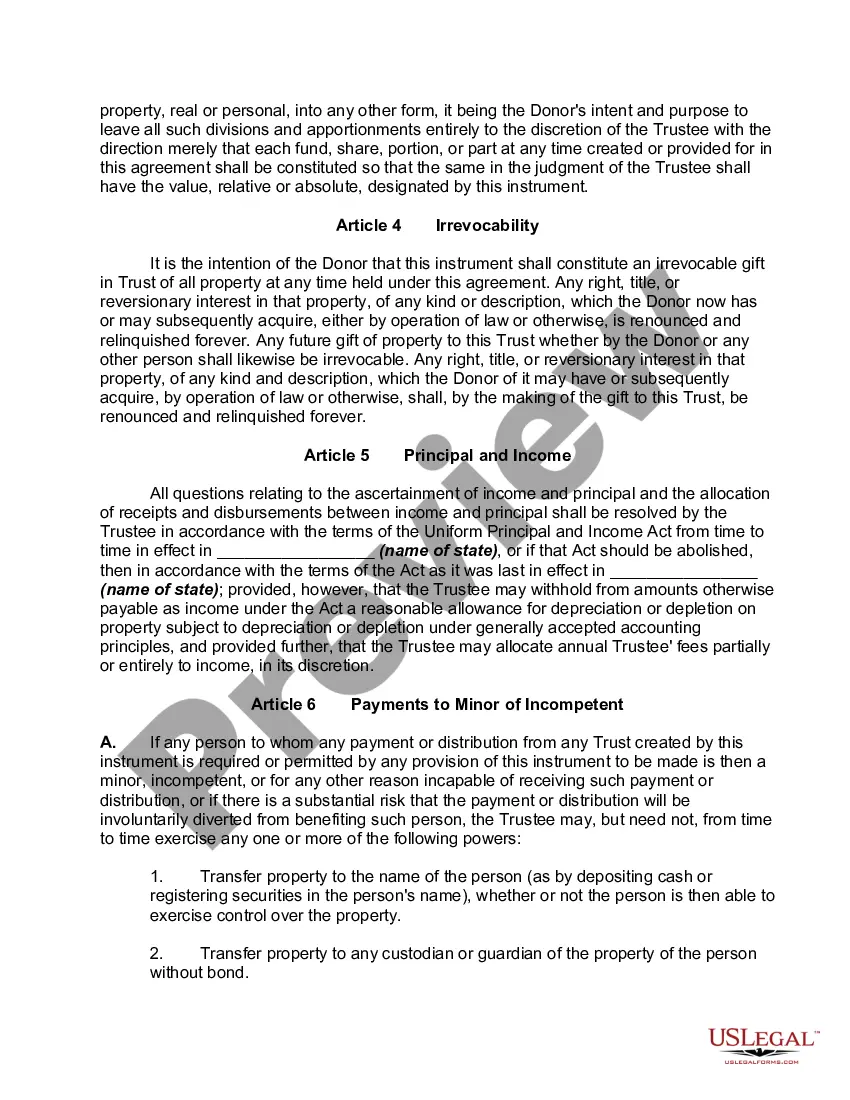
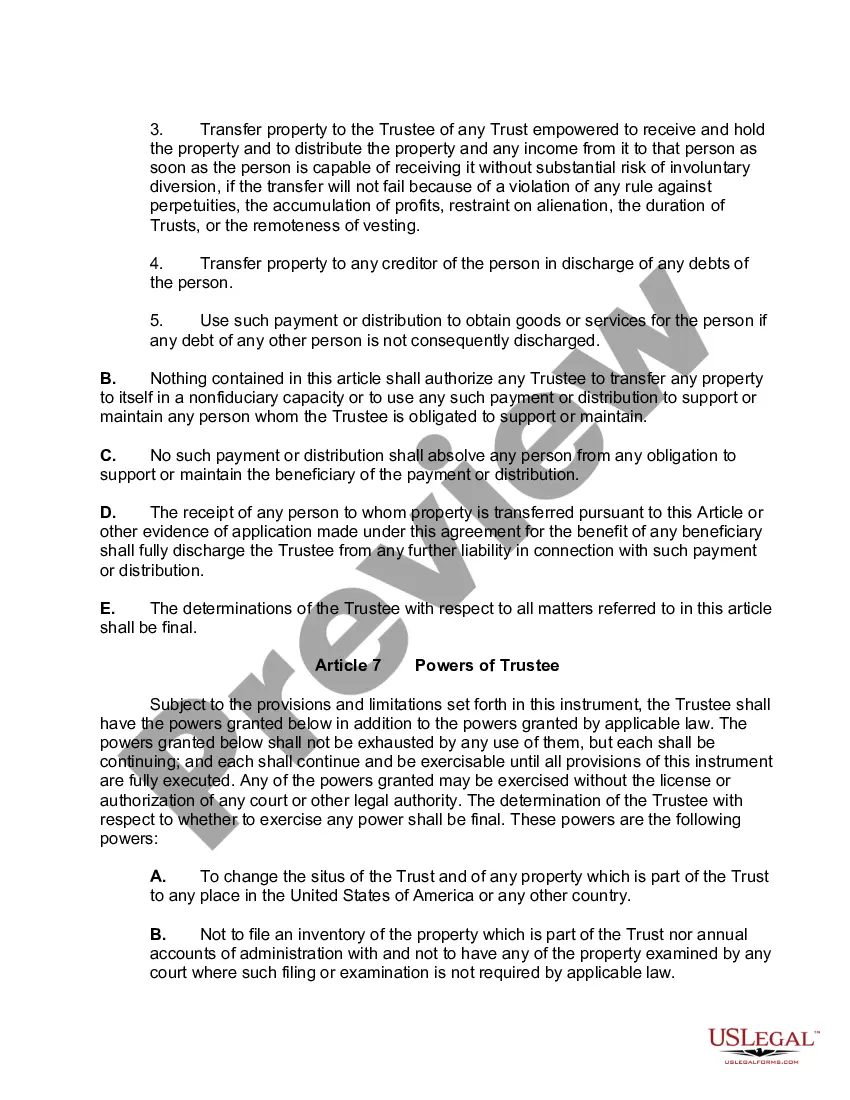
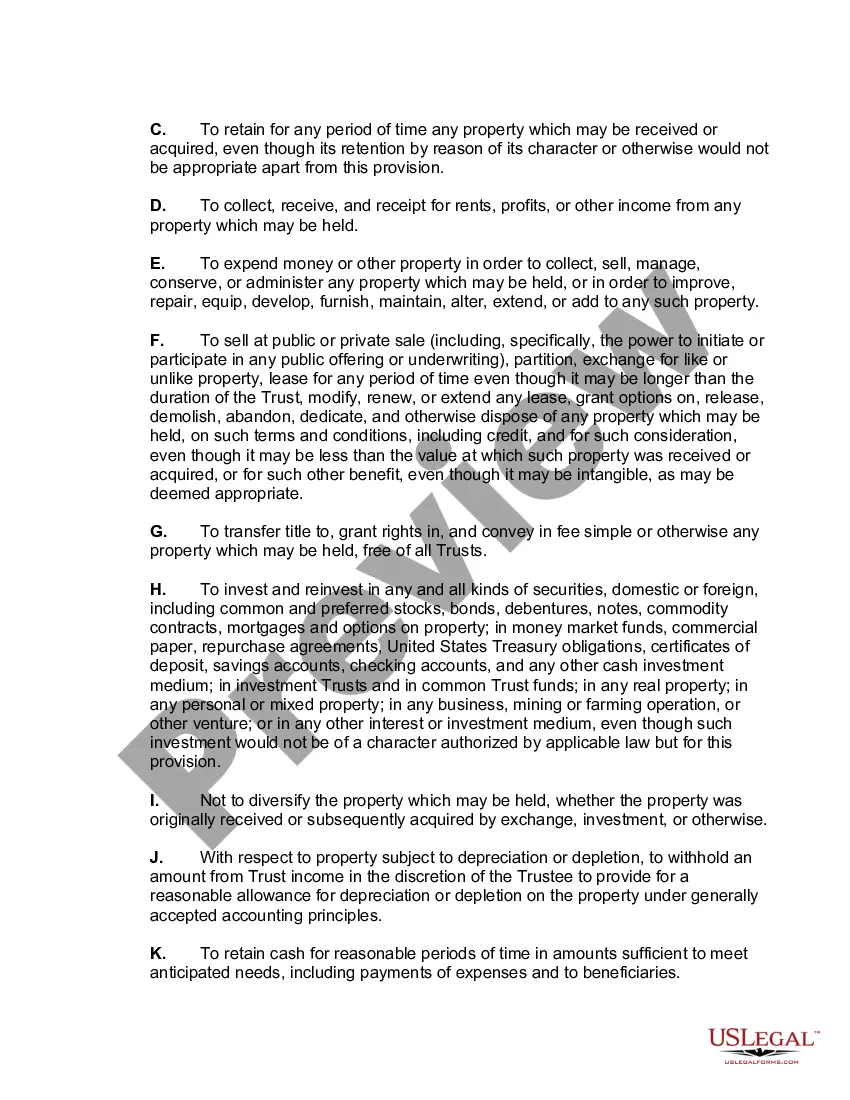
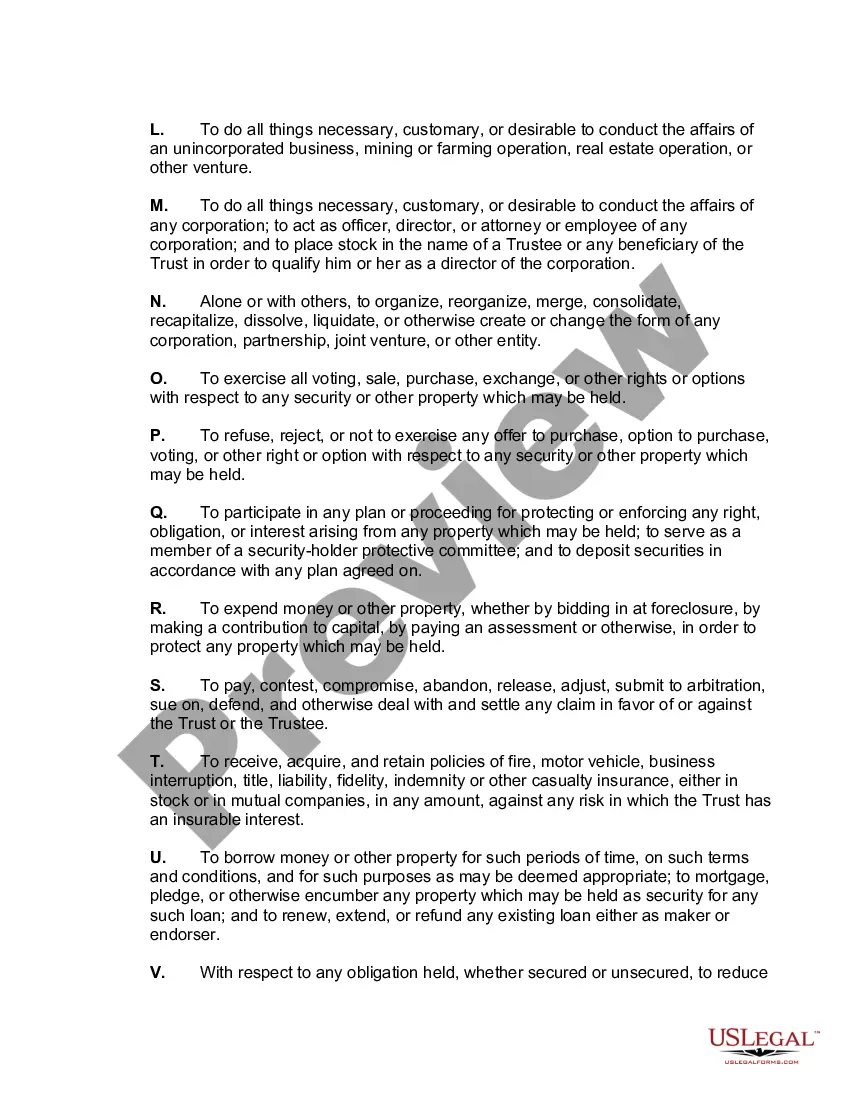
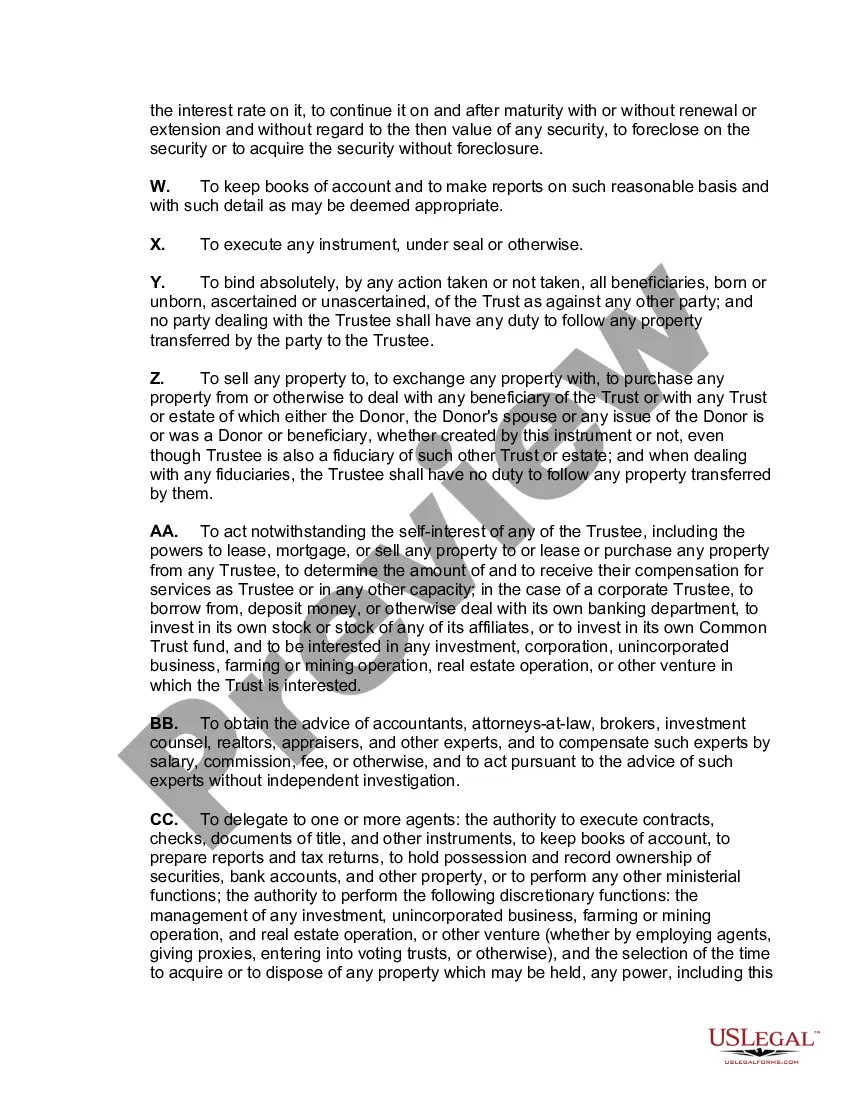
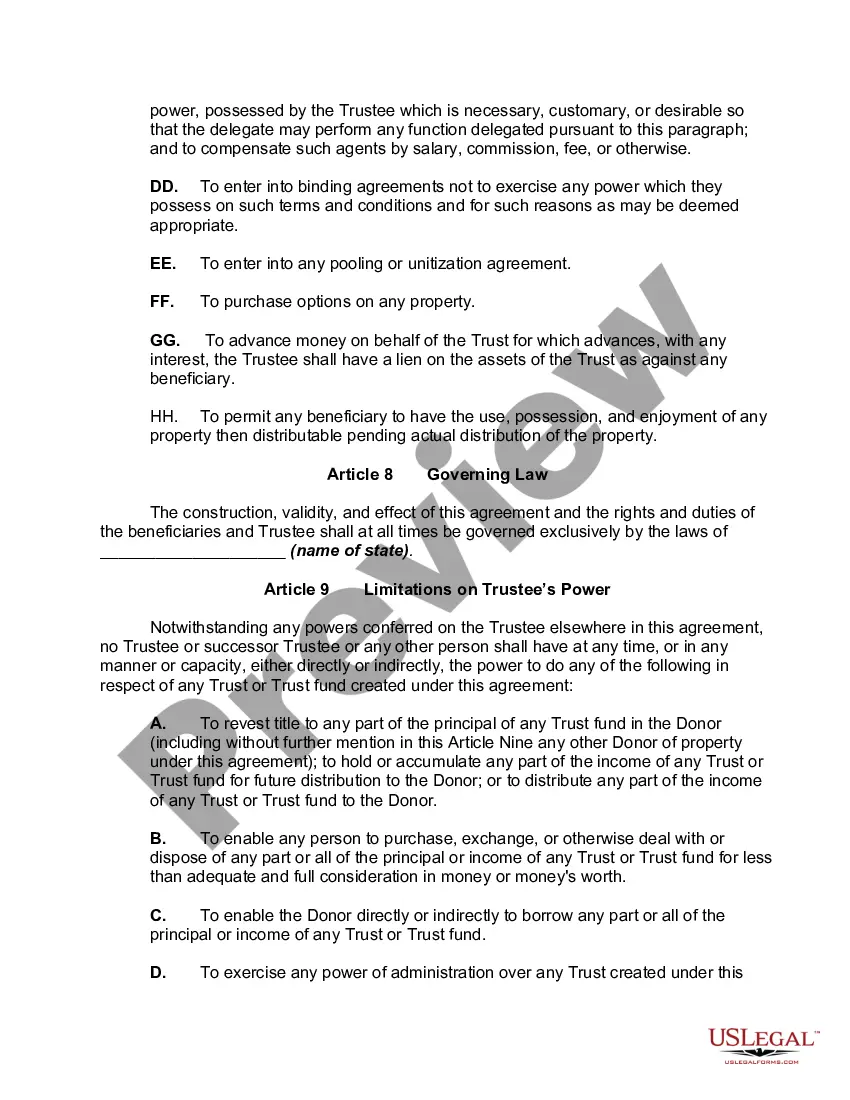

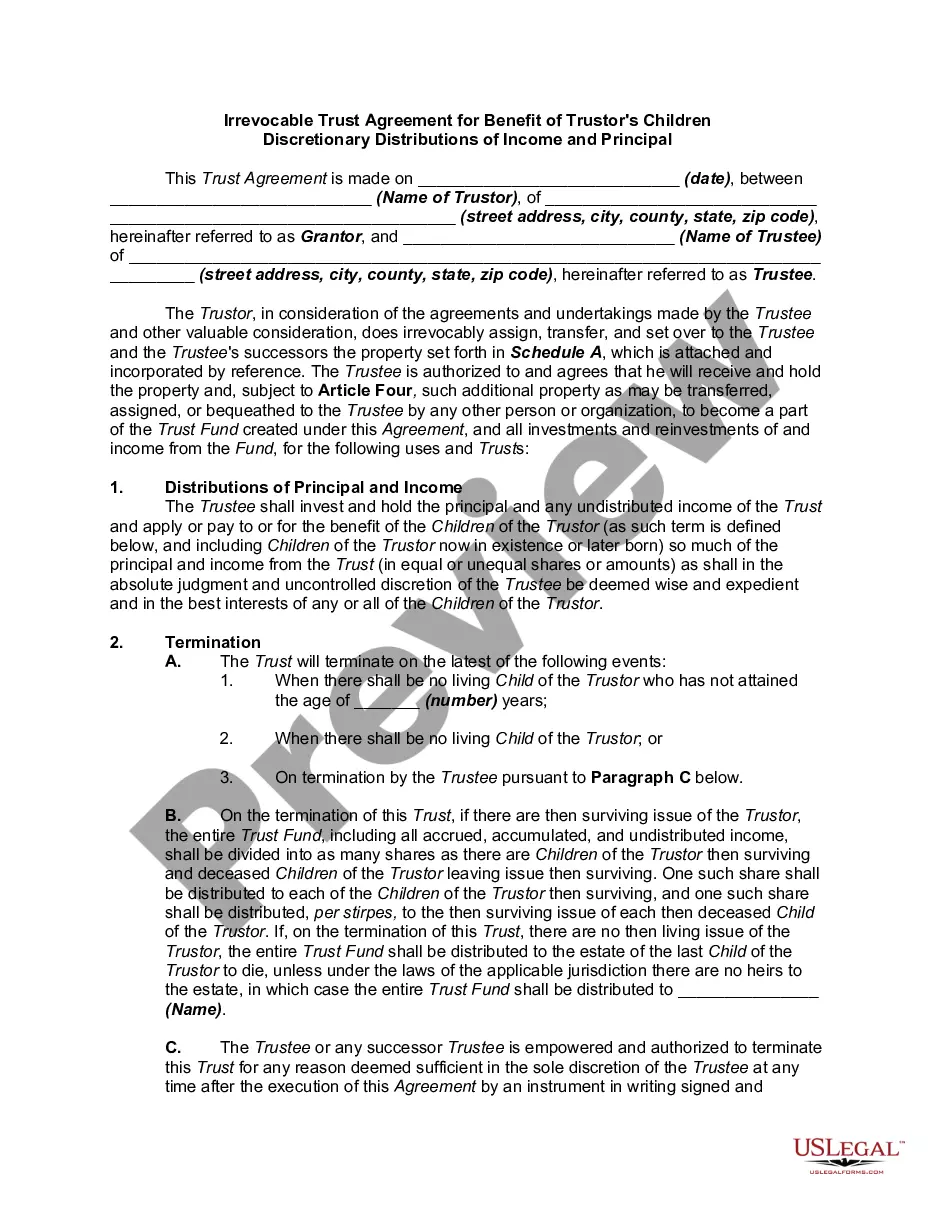
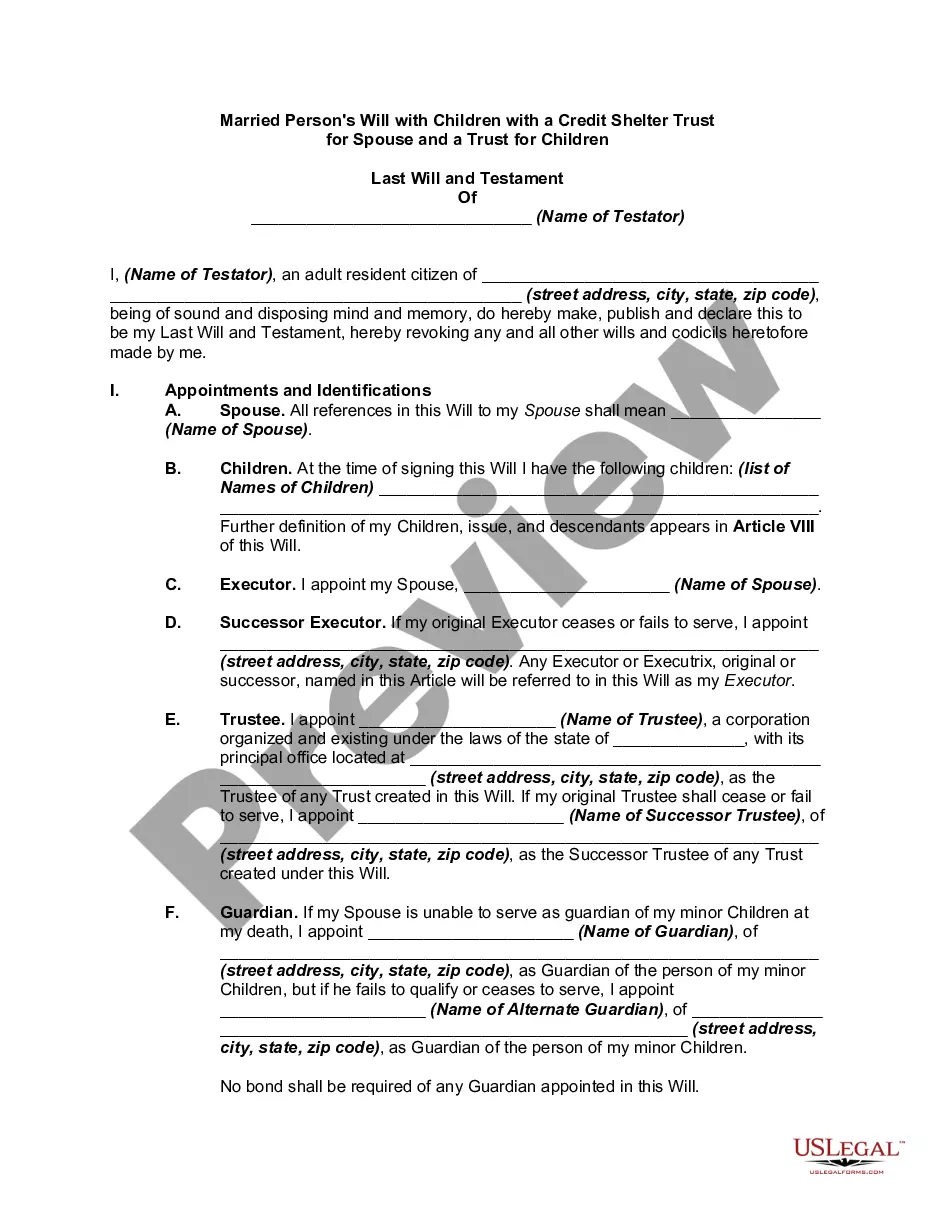
Get your form ready online
Our built-in tools help you complete, sign, share, and store your documents in one place.
Make edits, fill in missing information, and update formatting in US Legal Forms—just like you would in MS Word.
Download a copy, print it, send it by email, or mail it via USPS—whatever works best for your next step.
Sign and collect signatures with our SignNow integration. Send to multiple recipients, set reminders, and more. Go Premium to unlock E-Sign.
If this form requires notarization, complete it online through a secure video call—no need to meet a notary in person or wait for an appointment.
We protect your documents and personal data by following strict security and privacy standards.

Make edits, fill in missing information, and update formatting in US Legal Forms—just like you would in MS Word.

Download a copy, print it, send it by email, or mail it via USPS—whatever works best for your next step.

Sign and collect signatures with our SignNow integration. Send to multiple recipients, set reminders, and more. Go Premium to unlock E-Sign.

If this form requires notarization, complete it online through a secure video call—no need to meet a notary in person or wait for an appointment.

We protect your documents and personal data by following strict security and privacy standards.
Looking for another form?






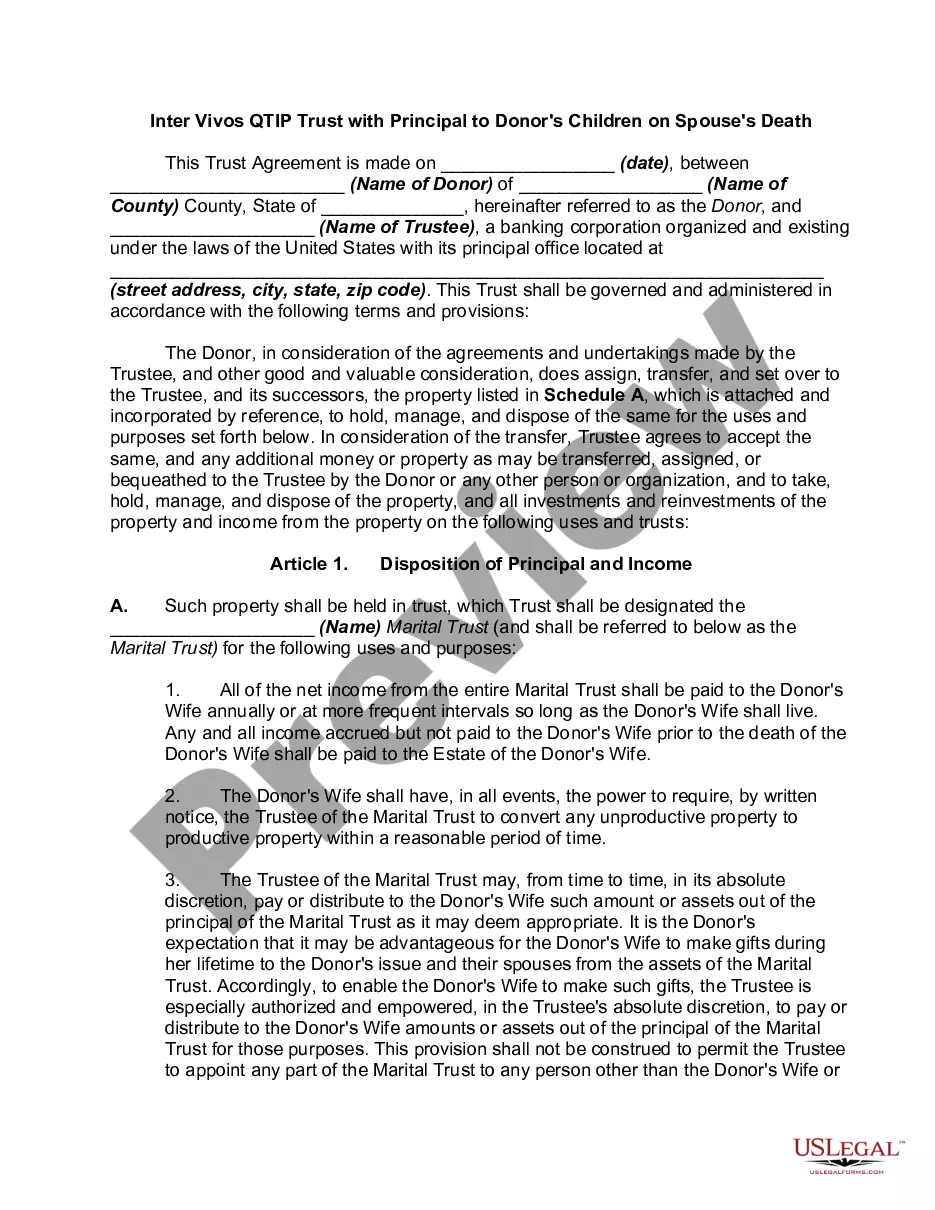
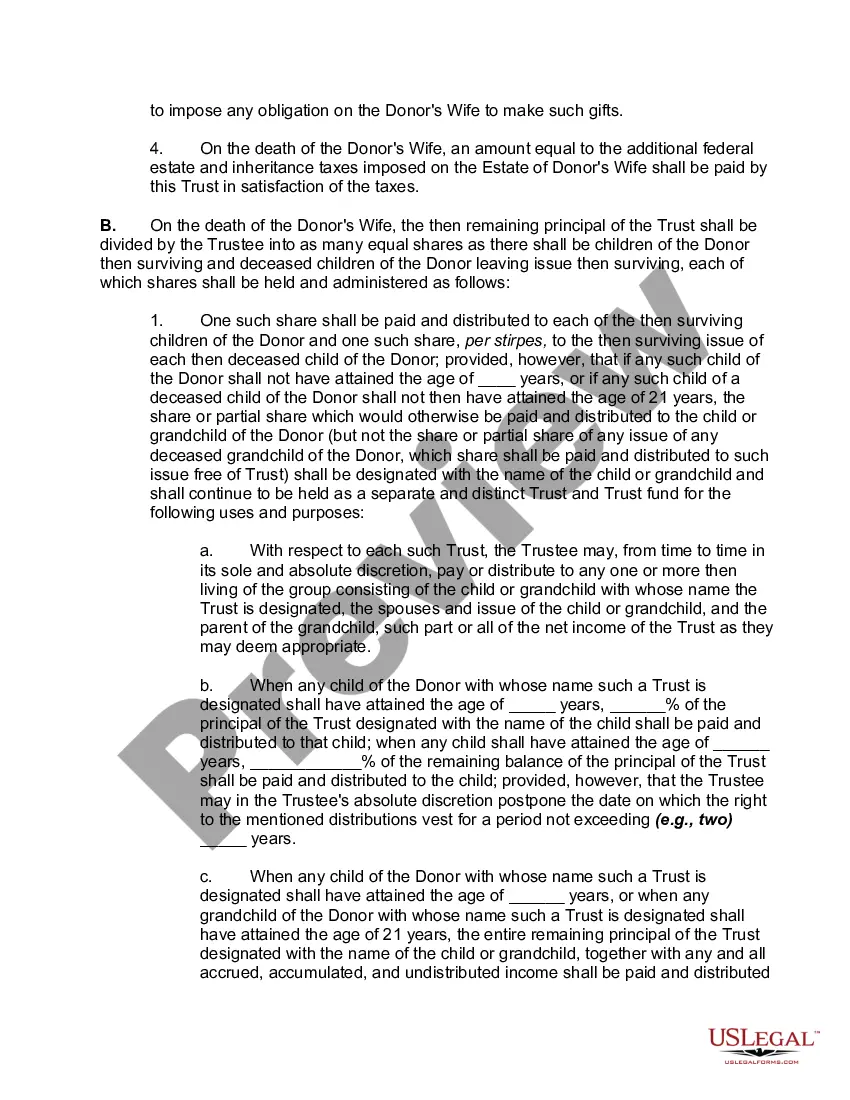
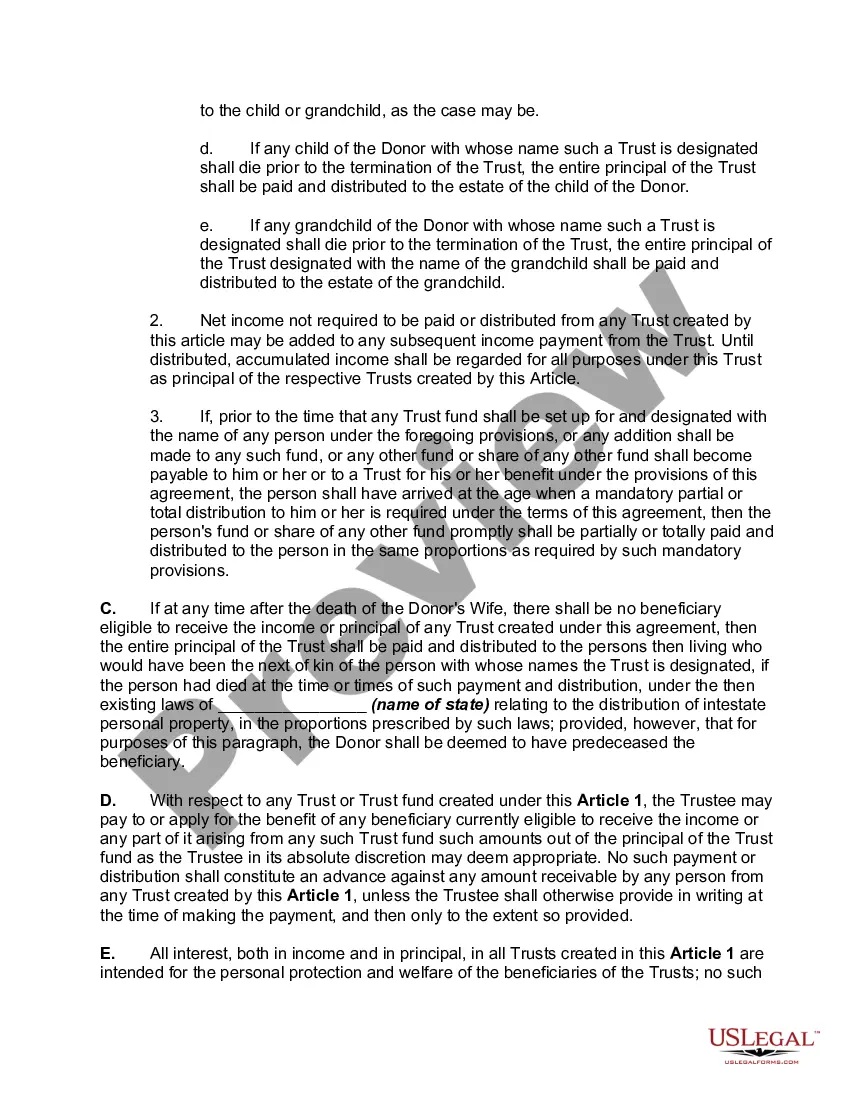
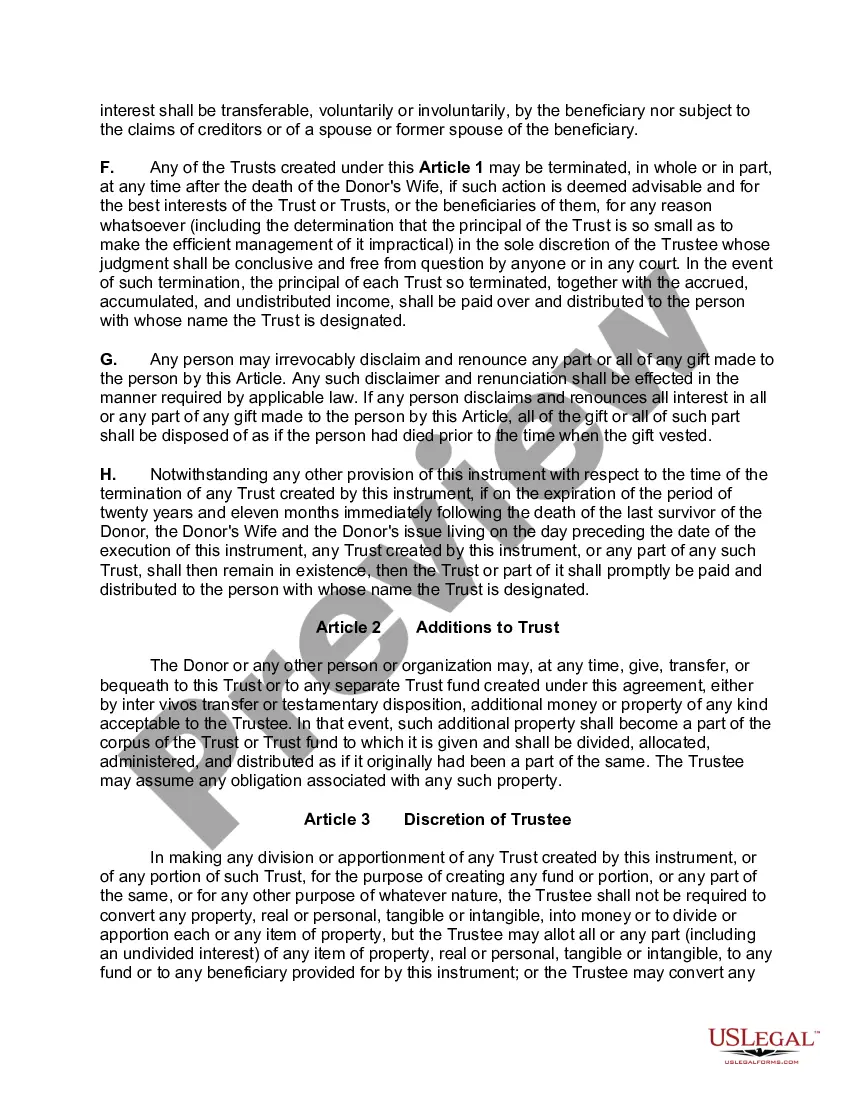
How to fill out Inter Vivos QTIP Trust With Principal To Donor's Children On Spouse's Death?
- If you're a returning user, log in to your account and select the necessary template to download to your device. Confirm that your subscription is current; if not, renew it according to your payment plan.
- Review the form description carefully in Preview mode. Make sure you've selected the correct document that satisfies your requirements and complies with local legal standards.
- If necessary, use the Search tab to locate any alternative forms until you find the one that fits your needs appropriately.
- Proceed with purchasing the legal document by clicking the Buy Now button, then select your preferred subscription plan after registering an account for access to the resources.
- Complete the purchase by entering your payment information through credit card or PayPal.
- Upon payment, download the form to your device. You can also access it anytime from the My Forms section of your profile.
Choosing US Legal Forms empowers individuals and attorneys alike to swiftly create legal documents with an extensive and user-friendly library of forms at their disposal. Their collection is robust, boasting more forms than many competitors for a similar cost.
In conclusion, leveraging US Legal Forms not only simplifies the documentation process but ensures that your estate planning aligns with your wishes. Start taking control of your legal documents today!
Form popularity
FAQ
After death, a trust fund operates according to the guidelines laid out in the trust documents. The designated trustee manages the assets, ensuring that they are distributed as intended by the deceased. This process avoids the probate court, enabling beneficiaries to receive their inheritance more quickly. Trusts can offer peace of mind by ensuring your wishes are honored, allowing your loved ones to focus on healing.
The biggest mistake parents make when setting up a trust fund is failing to clearly define the distribution terms. Many assume their children will understand their intentions, but this can lead to confusion and conflict. Additionally, not updating the trust with life changes, like births or marriages, can create issues later. Seeking guidance from experts, like US Legal Forms, can help you avoid these pitfalls.
A trust works when one spouse dies by ensuring the assets are managed according to the trust's terms. Typically, the surviving spouse can retain access to these assets, which helps in their financial security. After the death, the trust avoids the lengthy probate process, allowing for quicker distribution of funds. This setup often simplifies estate management during a stressful time.
When one spouse passes away, an irrevocable trust remains unchanged as its terms cannot be altered. The trust assets will generally continue to be distributed according to the established plan, ensuring the decedent's intentions are honored. Therefore, it is crucial to understand how does a trust work when one spouse dies, especially with an irrevocable trust, to plan effectively for both spouses' needs. For further assistance, consider utilizing the services offered by uslegalforms, which can guide you through the complexities of trust management.
When one spouse dies, the trust's terms usually dictate the next steps for managing its assets. Typically, the surviving spouse continues to manage the trust if it is revocable. However, if the trust is irrevocable, it may become more complex, as the terms become fixed after the first death. Ultimately, understanding how does a trust work when one spouse dies can help ensure that both parties’ wishes are fulfilled.
Yes, a trust can be changed after one spouse dies, but it depends on the type of trust established. If the trust is a revocable living trust, the surviving spouse typically retains the right to amend or revoke the trust. This flexibility allows the surviving spouse to adjust the trust according to their needs and wishes. Overall, how does a trust work when one spouse dies can vary based on the specific trust terms.
The major disadvantage of a trust typically lies in its complexity and the costs associated with establishing and maintaining it. Unlike a standard will, a trust often requires more paperwork and legal oversight, potentially deterring some individuals. However, realizing how a trust works when one spouse dies can help mitigate family strife and ensure a smoother transition of assets, making it a worthwhile consideration in many cases.
While putting your home in a trust can avoid probate, there can be disadvantages such as loss of control over the property. Once the home is in the trust, you cannot sell or refinance it without following specific trust protocols. Also, managing a trust can involve ongoing administrative work. Be mindful of these factors when considering how a trust works when one spouse dies.
After your spouse dies, avoid making hasty financial decisions, which can lead to future complications. It's crucial not to ignore your trust, as understanding how a trust works when one spouse dies can help you navigate this period. Consult legal professionals for guidance on managing assets and addressing any tax implications in a timely manner.
Some individuals may choose not to establish a trust due to the initial setup costs and ongoing maintenance fees. Additionally, simple estates may effectively transfer assets through a will without the complexities of a trust. However, it is essential to weigh these factors against the benefits, particularly regarding how a trust works when one spouse dies. Always consider your specific situation before deciding.