Any Trust Name For My
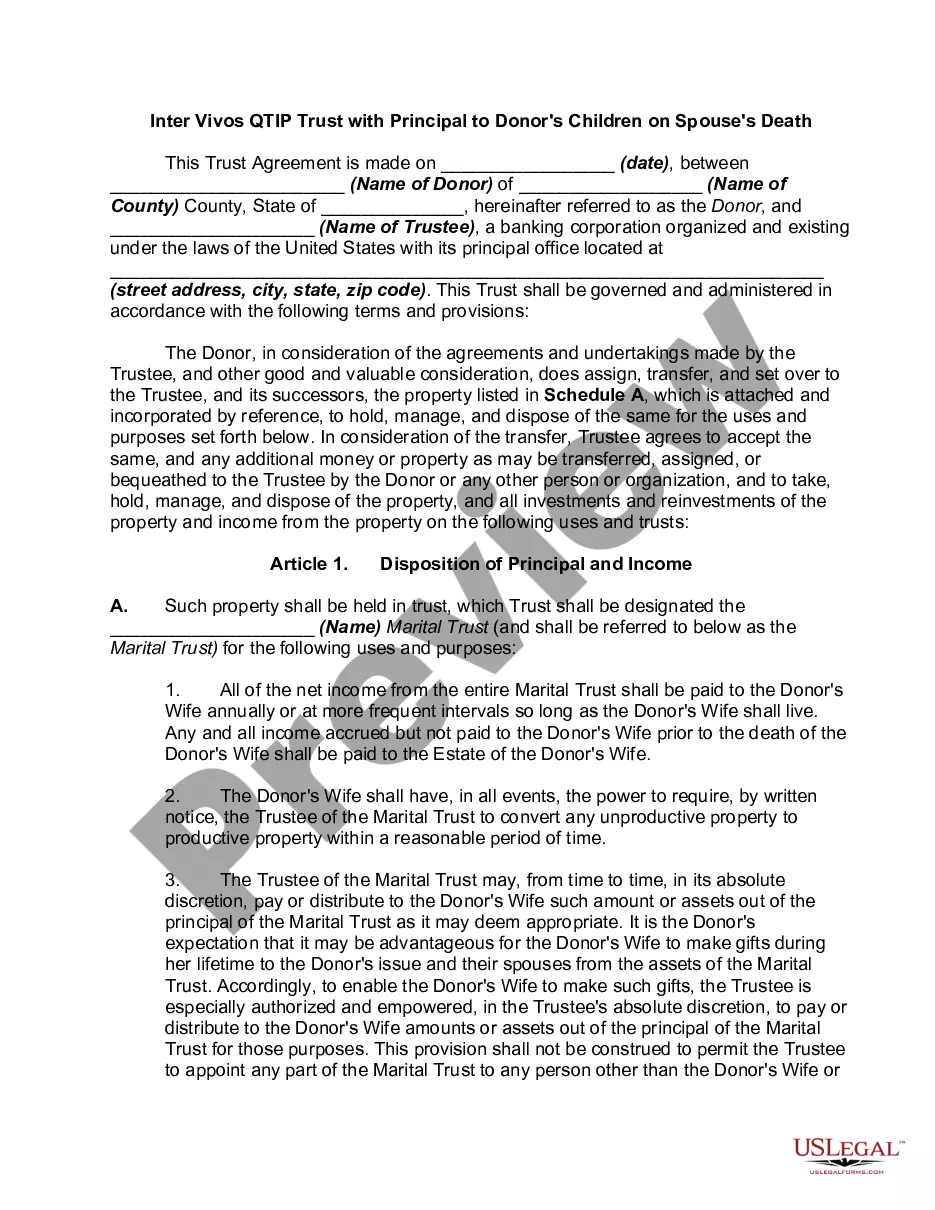
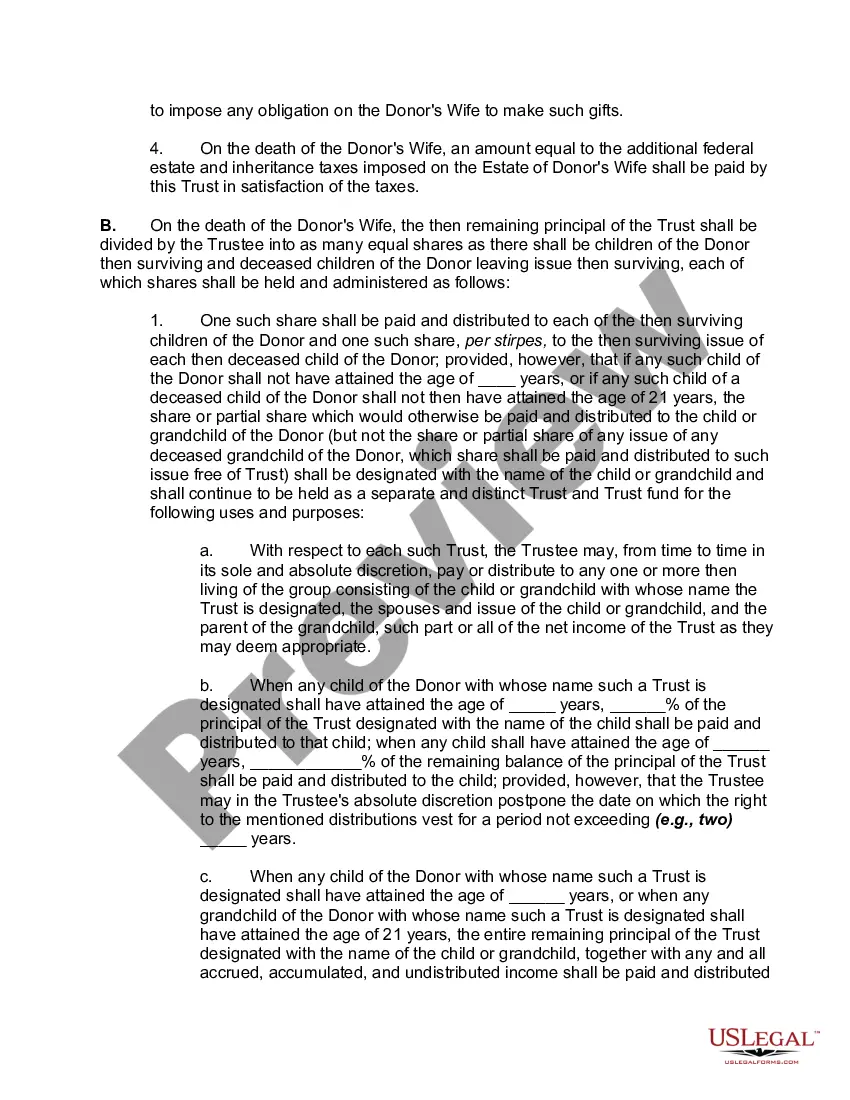
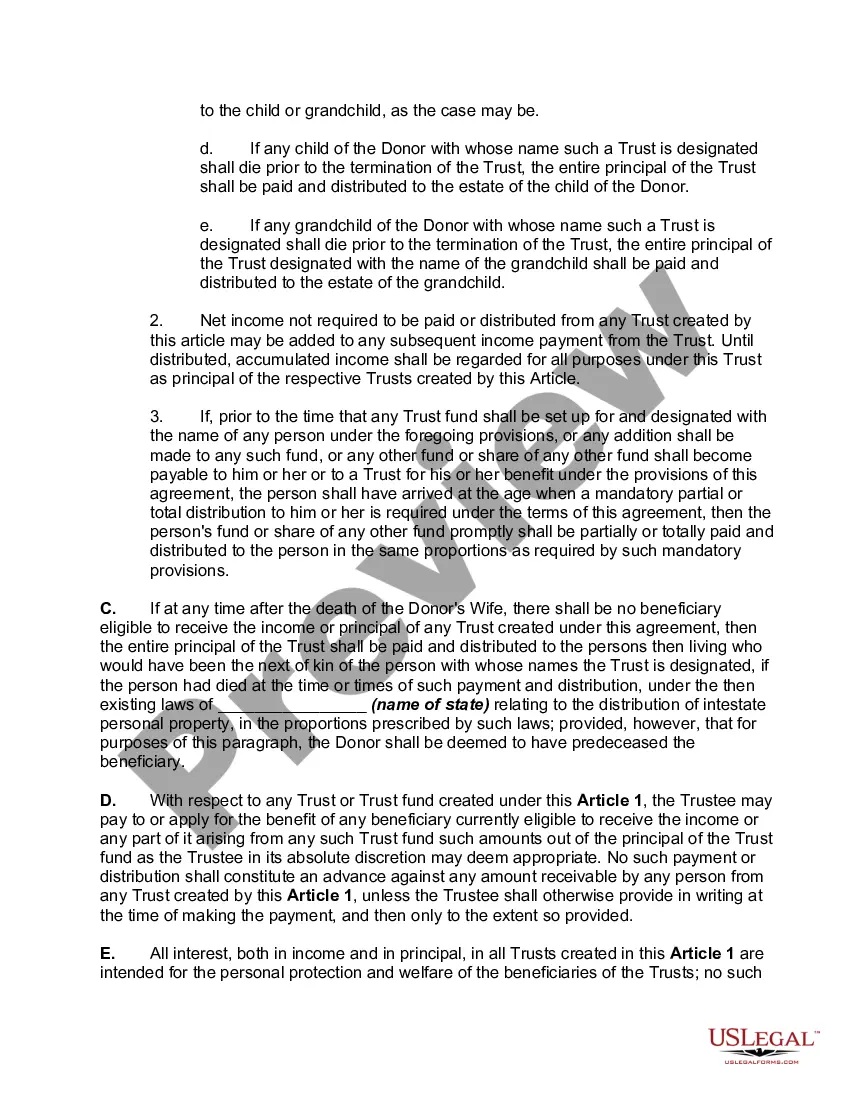
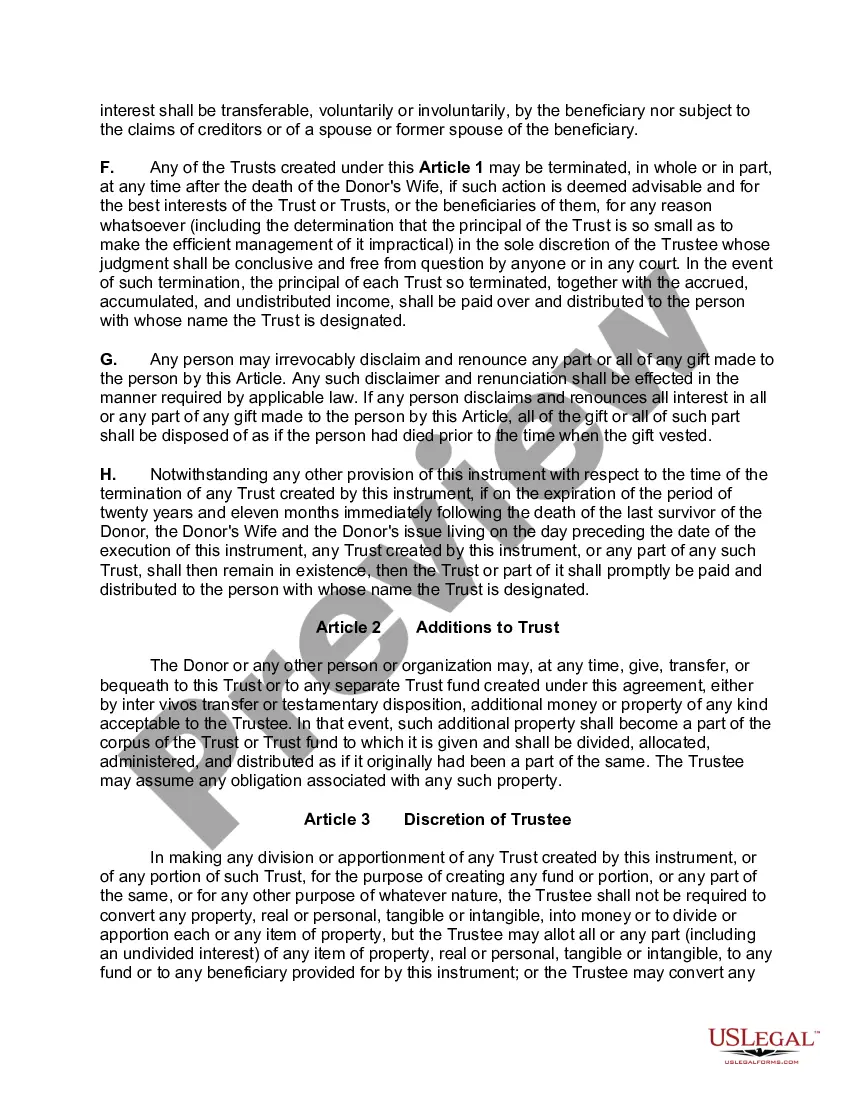
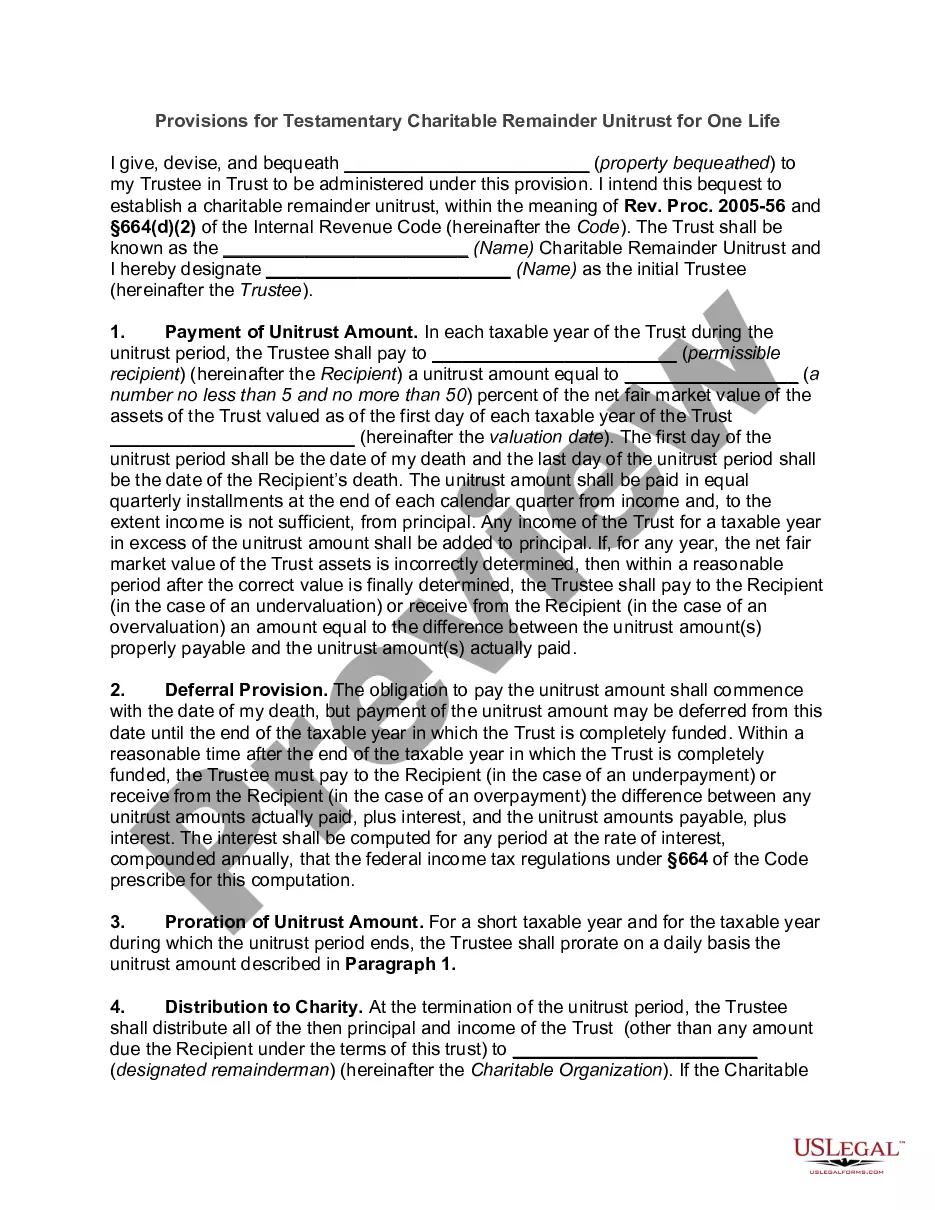
Description
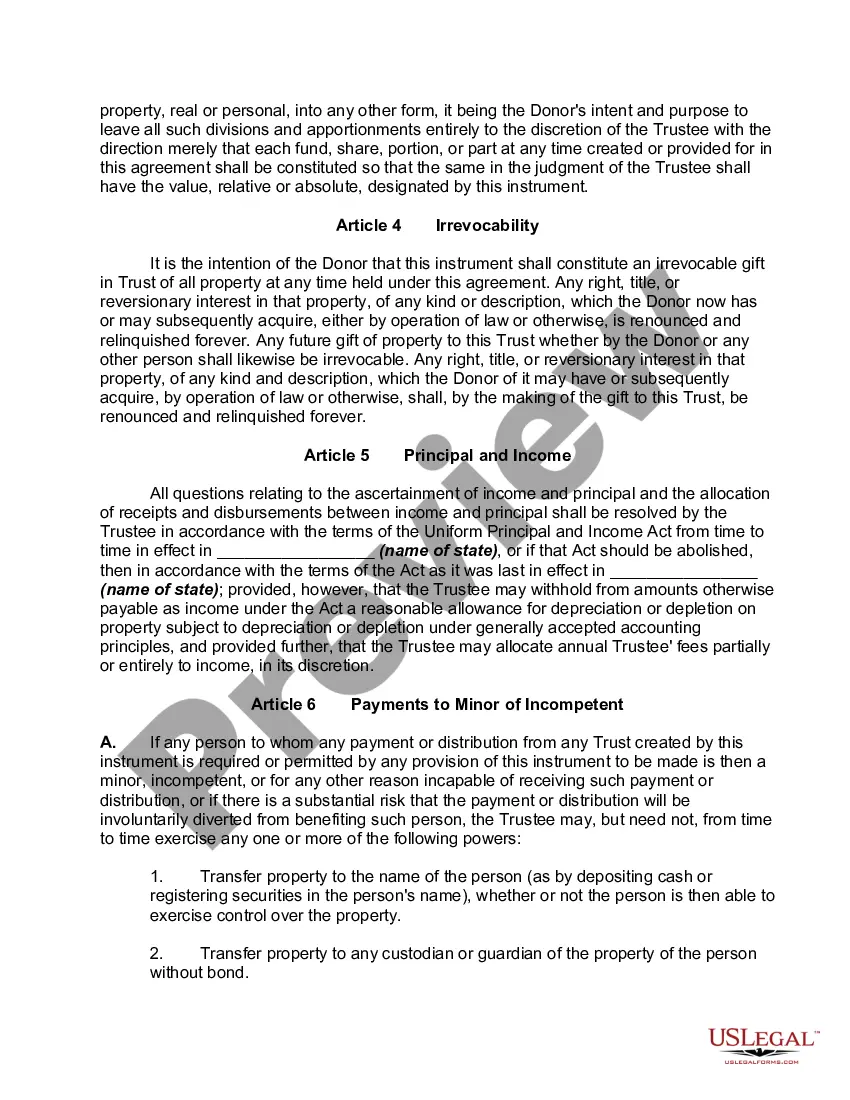
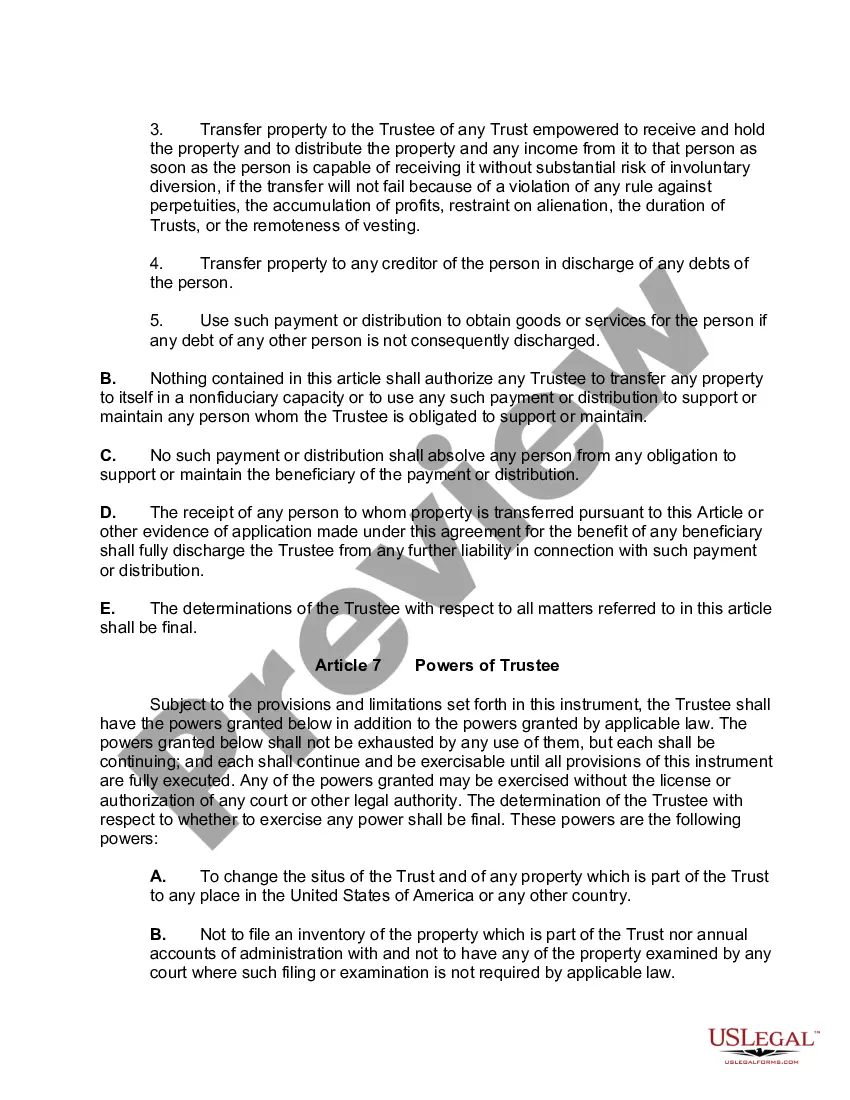
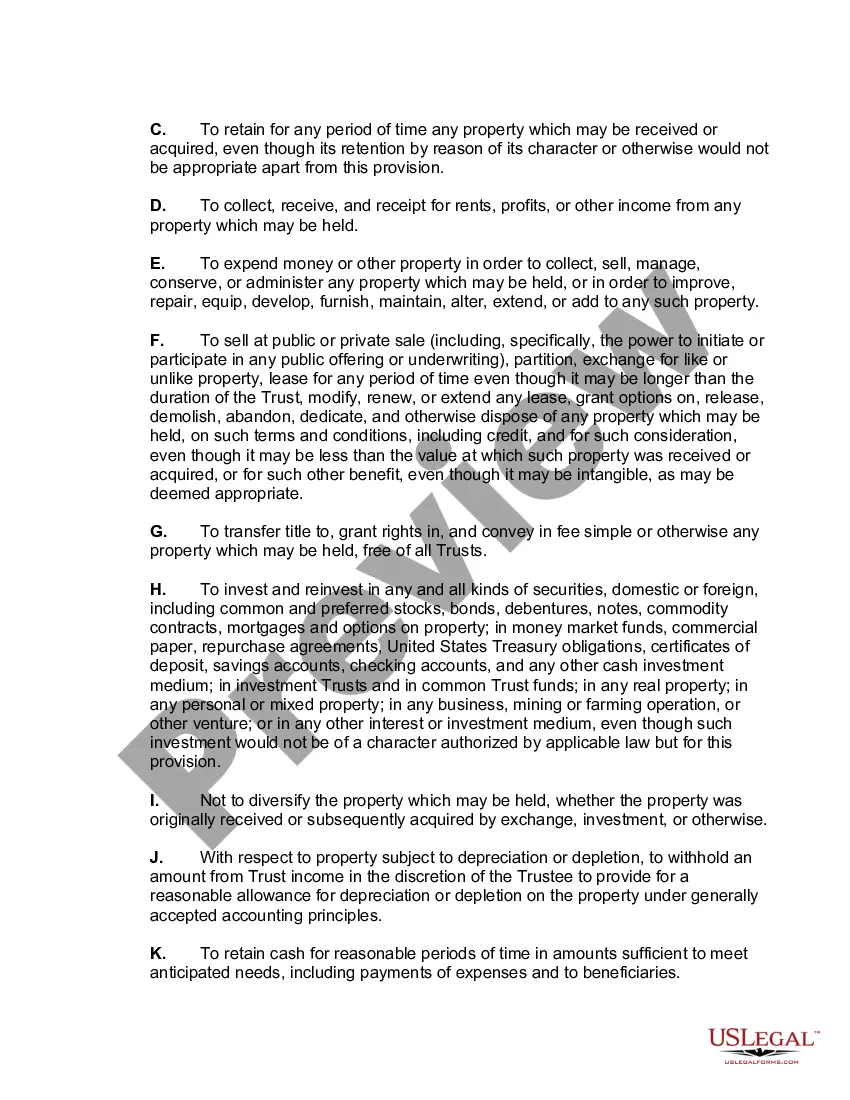
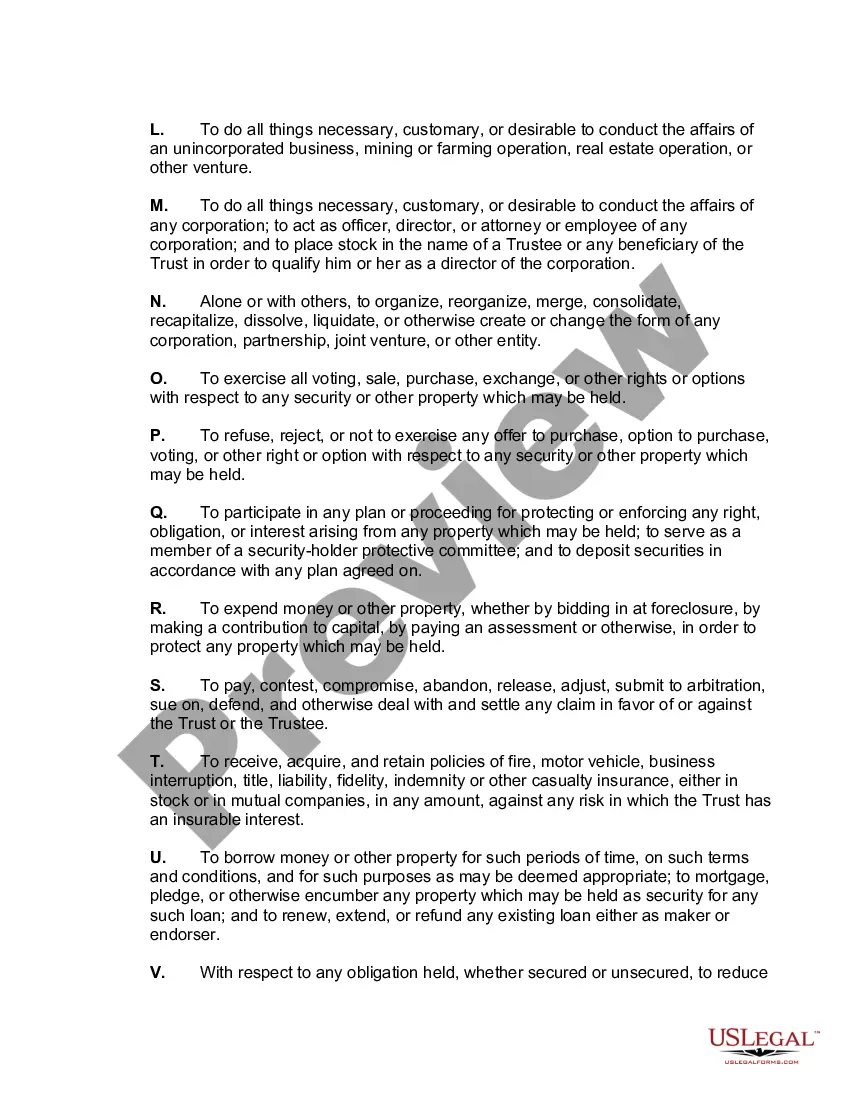
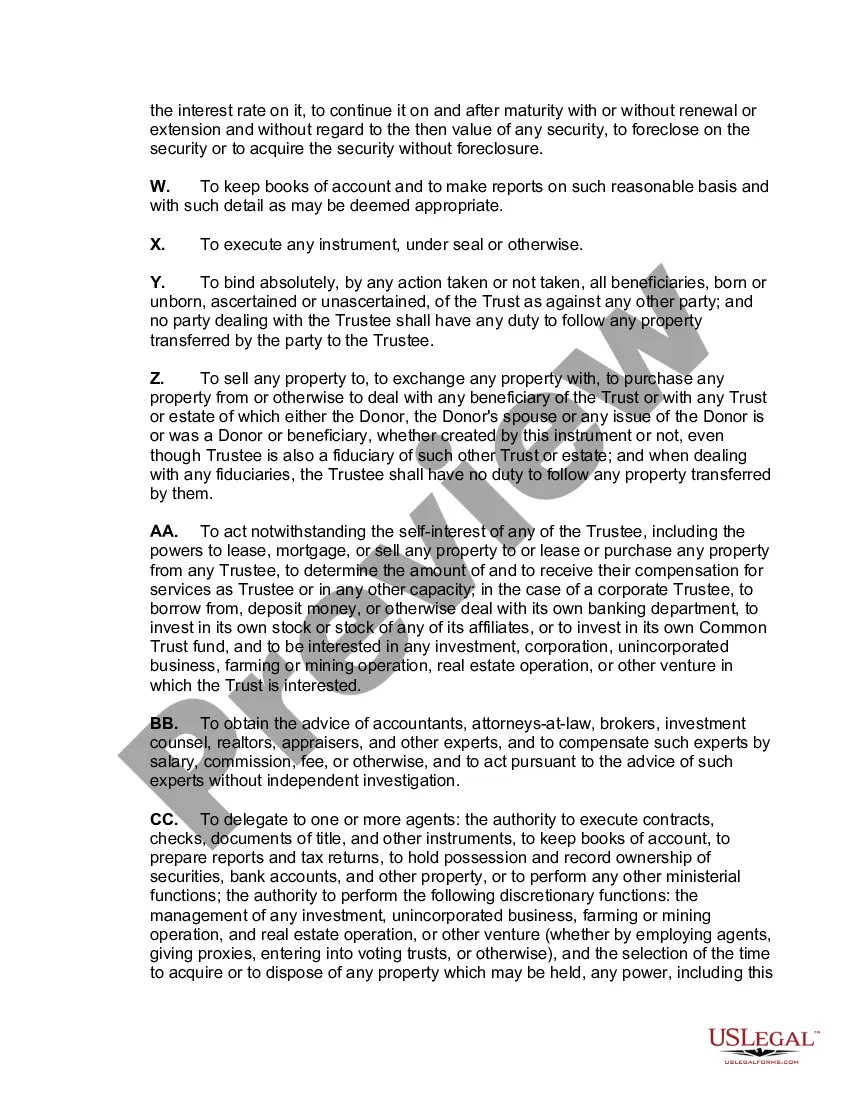
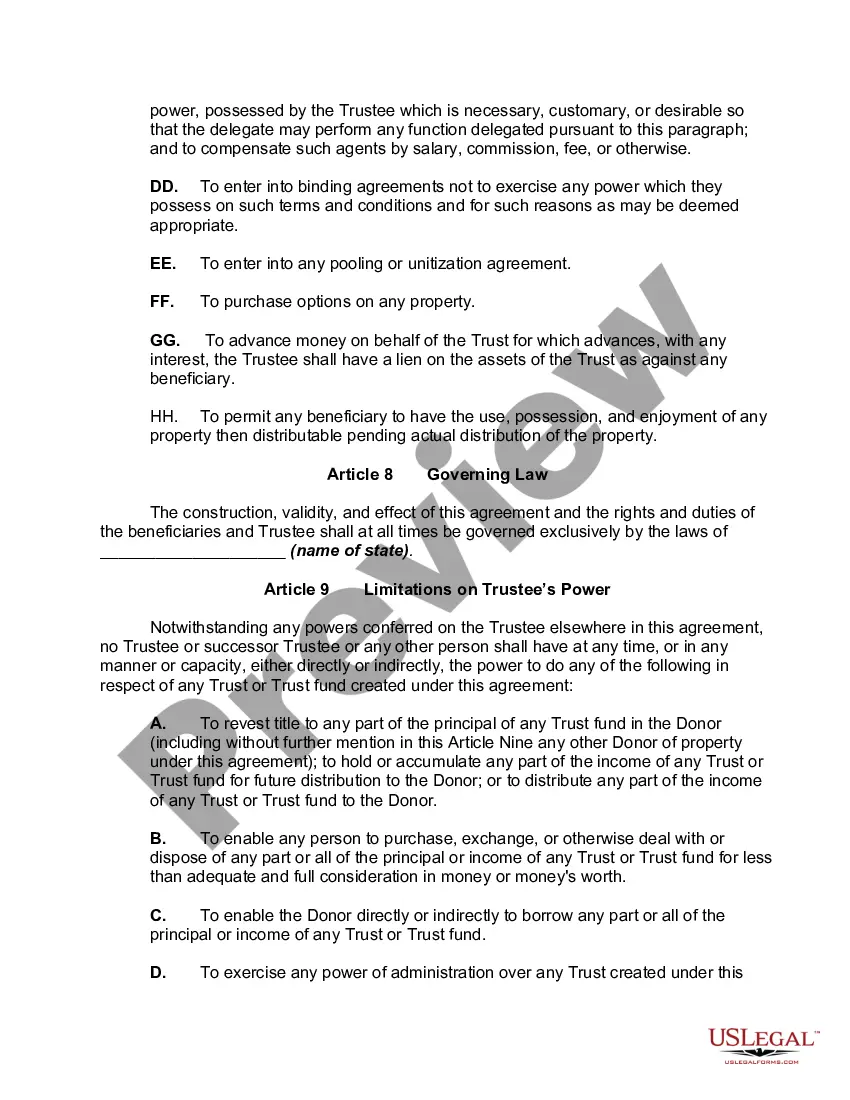

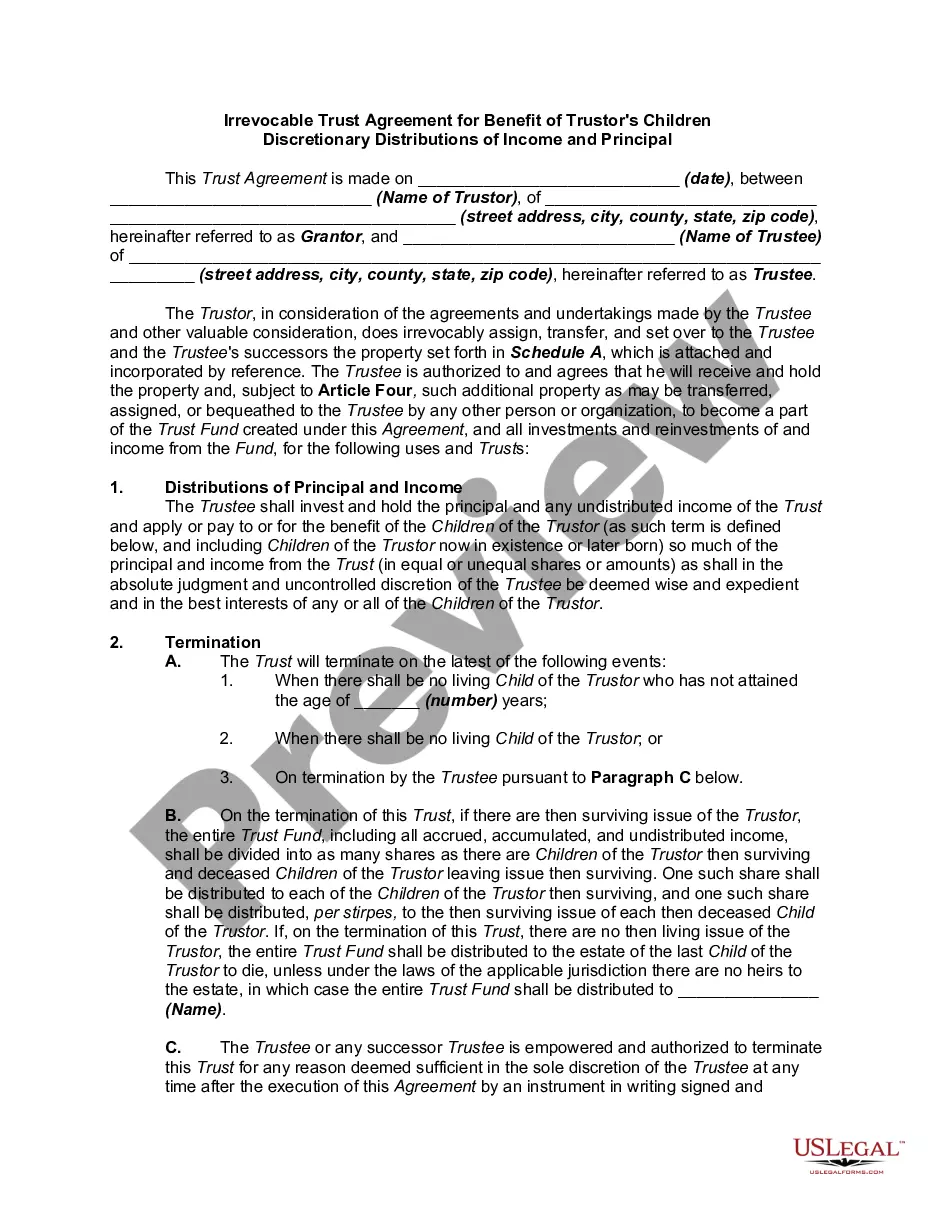
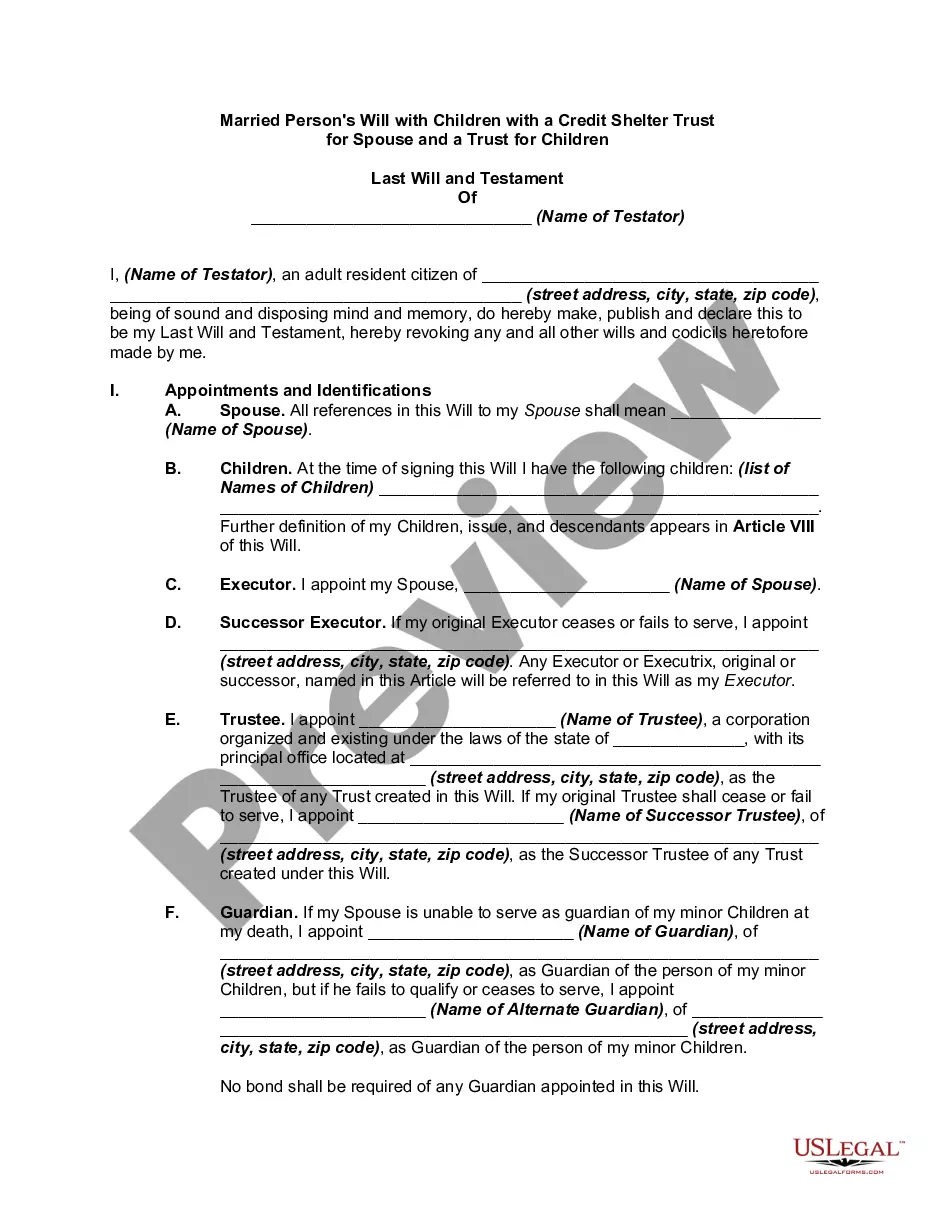
Get your form ready online
Our built-in tools help you complete, sign, share, and store your documents in one place.
Make edits, fill in missing information, and update formatting in US Legal Forms—just like you would in MS Word.
Download a copy, print it, send it by email, or mail it via USPS—whatever works best for your next step.
Sign and collect signatures with our SignNow integration. Send to multiple recipients, set reminders, and more. Go Premium to unlock E-Sign.
If this form requires notarization, complete it online through a secure video call—no need to meet a notary in person or wait for an appointment.
We protect your documents and personal data by following strict security and privacy standards.

Make edits, fill in missing information, and update formatting in US Legal Forms—just like you would in MS Word.

Download a copy, print it, send it by email, or mail it via USPS—whatever works best for your next step.

Sign and collect signatures with our SignNow integration. Send to multiple recipients, set reminders, and more. Go Premium to unlock E-Sign.

If this form requires notarization, complete it online through a secure video call—no need to meet a notary in person or wait for an appointment.

We protect your documents and personal data by following strict security and privacy standards.
Looking for another form?





How to fill out Inter Vivos QTIP Trust With Principal To Donor's Children On Spouse's Death?
- If you are a returning user, log in to your account and select the required form template by tapping the Download button. Verify your subscription's validity and renew if necessary.
- For first-time users, start by checking the Preview mode and form description to ensure you've selected the correct document that aligns with your local jurisdiction.
- If you need a different template, utilize the Search tab at the top to find a better match based on your requirements.
- To purchase the document, click the Buy Now button and choose your preferred subscription plan. Registration will be required for full access.
- Complete your payment by providing your credit card information or using your PayPal account.
- After purchasing, download the form and save it on your device. Access it later anytime from the My Forms section of your profile.
With US Legal Forms, you benefit from an extensive library of over 85,000 fillable and editable legal forms, and you can even consult premium experts for assistance.
Start streamlining your legal documentation process today with US Legal Forms and ensure your forms are precise and compliant!
Form popularity
FAQ
Choosing a name for your trust involves reflecting on its purpose and who it serves. Aim for clarity, ensuring the name communicates the trust's intent. Consider including your family name or a descriptive term that conveys its function. Platforms like US Legal Forms can assist you in drafting trust documents and provide guidance on naming any trust name for my.
When naming a private trust, consider including the name of the person establishing it, along with the word 'trust'. This approach makes it personal and informative. You might also want to incorporate the main purpose of the trust to enhance clarity. Remember, using any trust name for my that signifies its intent can provide guidance for the future.
An example of a private trust name could be 'The Smith Family Trust'. This name is straightforward and indicates that it serves the Smith family's interests. A well-chosen trust name like this not only helps clarify its purpose but also makes it easier for organizations and beneficiaries to identify it. For your estate, using any trust name for my that resonates with your family can simplify matters.
Yes, the name of your trust plays a significant role in its identity and function. A clear and descriptive trust name can convey its purpose, making it easier for your beneficiaries to understand its intent. Additionally, an effective name contributes to the overall organization of your estate planning documents. Therefore, choosing any trust name for my that reflects its purpose is important.
A private trust can take various forms, such as a family trust. For instance, a trust established to manage your estate for your heirs is a common example. Such a trust allows you to specify how assets are distributed among your beneficiaries. This way, you can ensure your loved ones receive the benefits you intend under any trust name for my.
The 5 year rule for trusts typically refers to the guidelines governing distributions and tax implications related to trust assets. Generally, it establishes a time frame during which certain actions may lead to tax consequences. Understanding this rule helps in effective trust management, ensuring compliance while maximizing benefits. To navigate this and find specific information relevant to your situation, US Legal Forms provides valuable resources and advice regarding trust regulations.
To properly name a trust, start by considering the trust's purpose and who it benefits. Use clear, descriptive language that easily conveys its intent. Avoid overly complicated names, as simplicity often enhances clarity. You can utilize tools from US Legal Forms to discover best practices and tips for selecting an effective any trust name for my specific needs.
Trusts can have the same name, but this can lead to complications, especially when it comes to identification and legal documentation. Having the same name as other trusts might cause confusion among beneficiaries and financial institutions. To avoid these issues, it is wise to choose a distinct and descriptive name for your trust. US Legal Forms offers guidance on establishing a unique and effective name that fits your scenario.
While trusts do not have to possess unique names in a strict legal sense, it is beneficial to select a name that stands out. This helps in distinguishing your trust from others, particularly when managing multiple trusts or accounts. A well-thought-out name enables smoother operations and better communication with financial institutions. Consider exploring resources from US Legal Forms to understand the best naming practices for your trust.
A trust name does not necessarily need to be unique in a general sense, but it is advisable to choose a distinct name to avoid confusion. Having a unique name can help prevent potential legal issues and misunderstandings. Additionally, a unique name can make it easier for beneficiaries and financial institutions to recognize your trust. US Legal Forms can assist you in verifying name availability to ensure clarity in your trust's identity.