Counsel In Law
Description
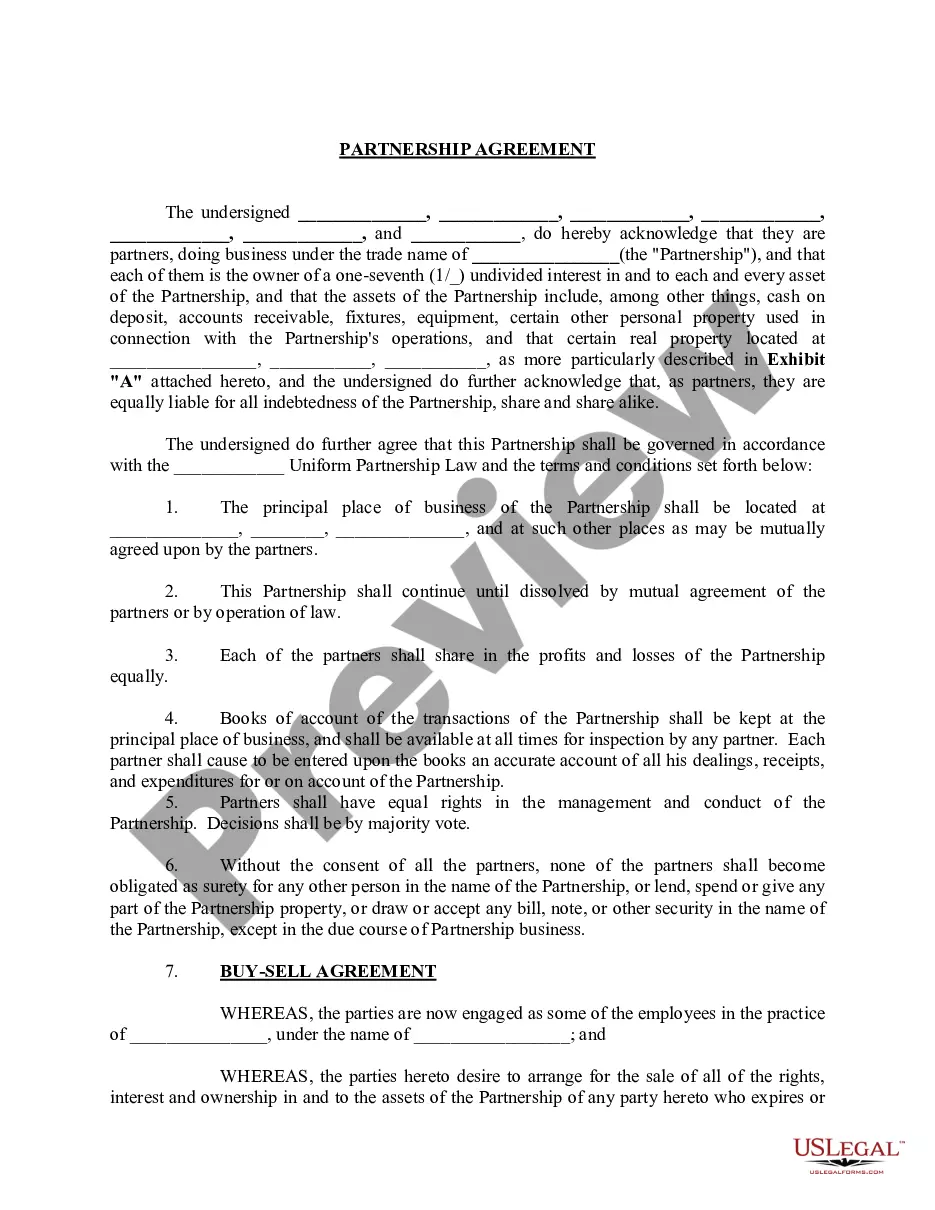
Get your form ready online
Our built-in tools help you complete, sign, share, and store your documents in one place.
Make edits, fill in missing information, and update formatting in US Legal Forms—just like you would in MS Word.
Download a copy, print it, send it by email, or mail it via USPS—whatever works best for your next step.
Sign and collect signatures with our SignNow integration. Send to multiple recipients, set reminders, and more. Go Premium to unlock E-Sign.
If this form requires notarization, complete it online through a secure video call—no need to meet a notary in person or wait for an appointment.
We protect your documents and personal data by following strict security and privacy standards.

Make edits, fill in missing information, and update formatting in US Legal Forms—just like you would in MS Word.

Download a copy, print it, send it by email, or mail it via USPS—whatever works best for your next step.

Sign and collect signatures with our SignNow integration. Send to multiple recipients, set reminders, and more. Go Premium to unlock E-Sign.

If this form requires notarization, complete it online through a secure video call—no need to meet a notary in person or wait for an appointment.

We protect your documents and personal data by following strict security and privacy standards.
Looking for another form?








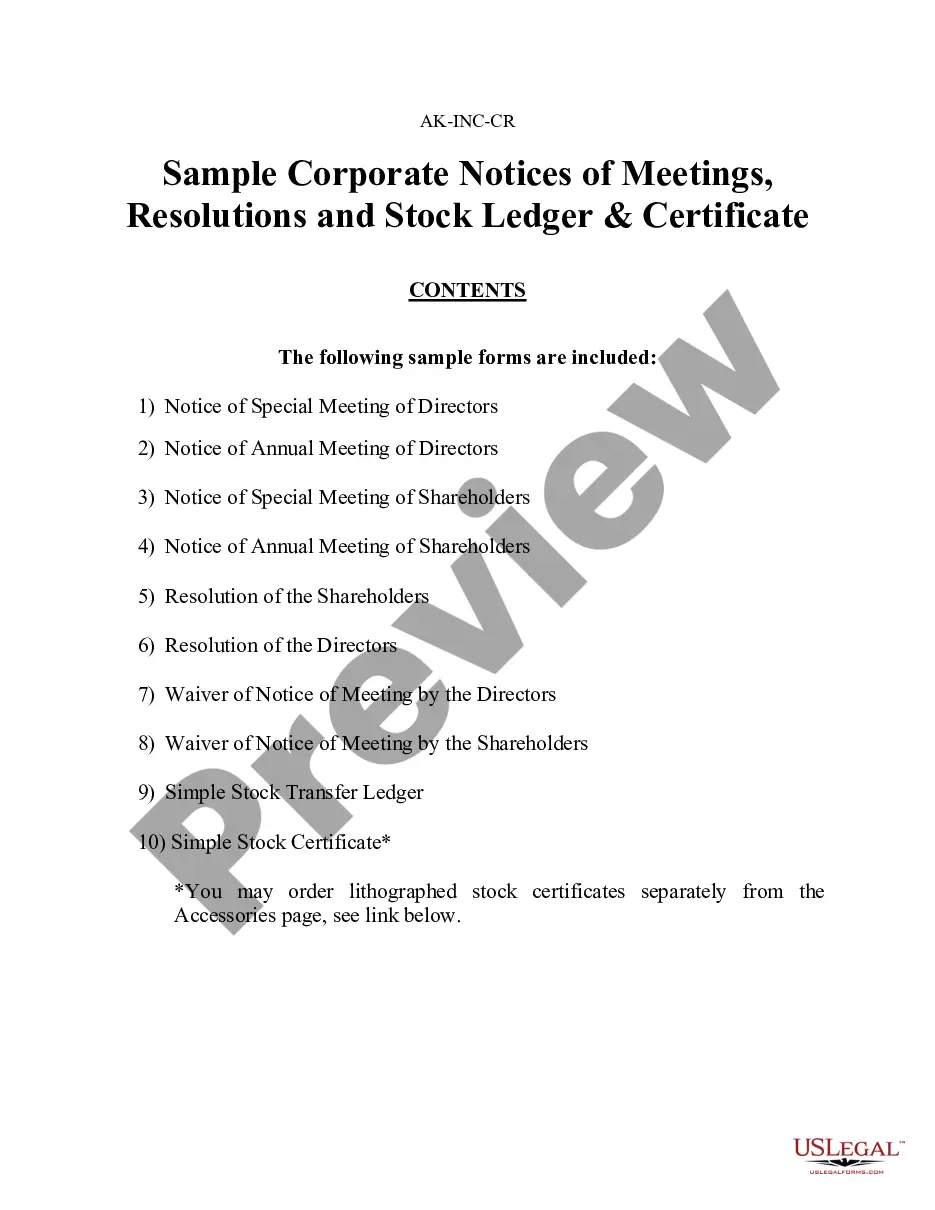
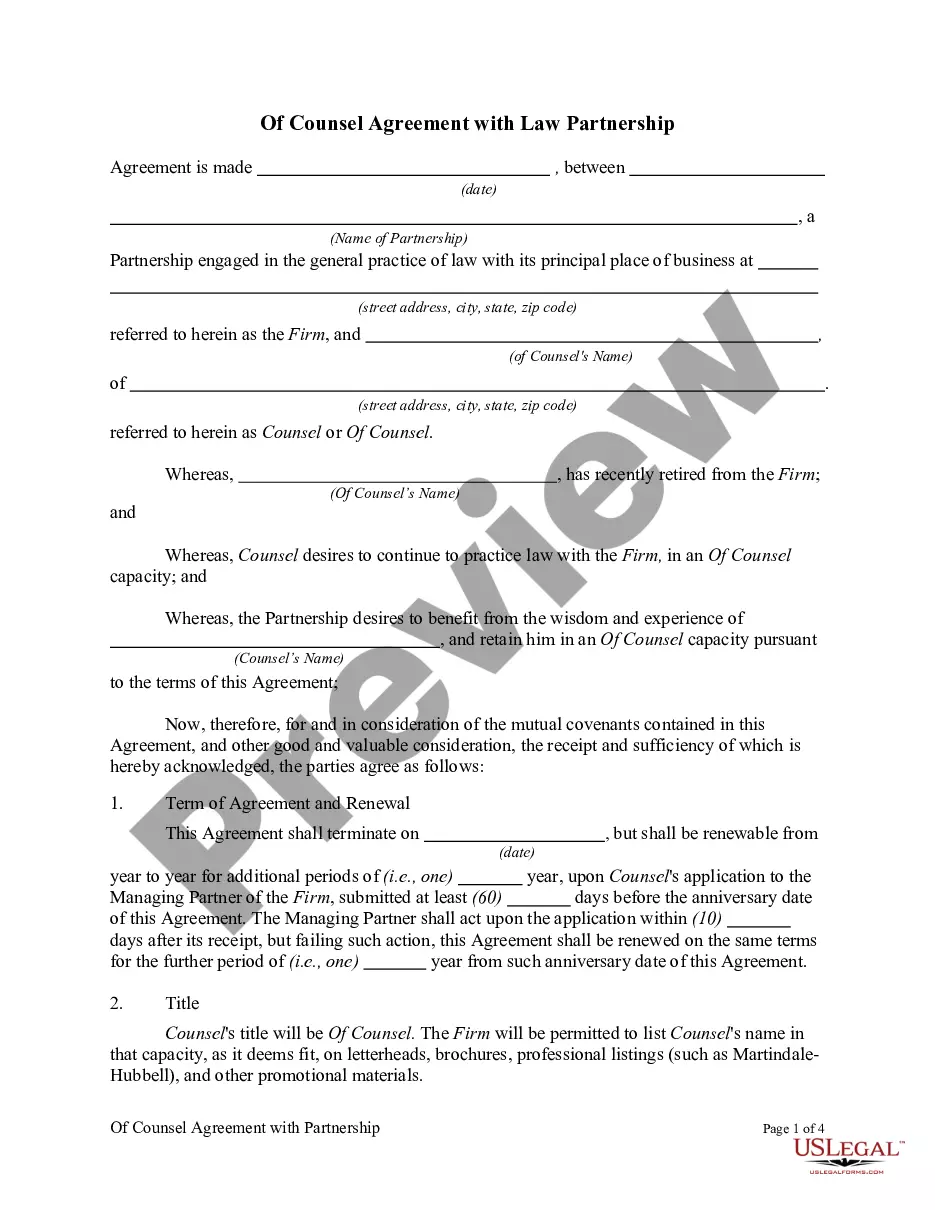
How to fill out Of Counsel Agreement With Law Partnership?
Creating legal documents from the ground up can frequently be overwhelming.
Certain cases may require hours of investigation and significant financial outlay.
If you’re looking for an easier and more affordable method to generate Counsel In Law or any other forms without the hassle, US Legal Forms is always within your reach.
Our online repository of more than 85,000 current legal papers covers nearly every facet of your financial, legal, and personal issues.
However, before jumping straight to downloading Counsel In Law, consider these suggestions: Ensure the form preview and descriptions confirm you are viewing the document you are seeking. Verify that the form you select meets the specifications of your state and county. Choose the most appropriate subscription option to acquire the Counsel In Law. Download the file, and then complete, certify, and print it out. US Legal Forms boasts an impeccable reputation and over 25 years of experience. Join us today and make document execution a straightforward and streamlined process!
- With just a few clicks, you can promptly access state- and county-compliant forms meticulously prepared for you by our legal experts.
- Utilize our website whenever you need dependable and trustworthy services through which you can swiftly find and download the Counsel In Law.
- If you’re familiar with our services and have previously established an account with us, simply Log In to your account, select the template and download it or retrieve it again at any time in the My documents tab.
- Not registered yet? No worries. It takes minimal time to register and browse the catalog.
Form popularity
FAQ
A lawyer provides legal services privately and often takes on various clients, while in-house counsel is a lawyer employed by a corporation or organization to manage its legal affairs. In-house counsel focuses on the specific legal needs of their employer, offering proactive advice to mitigate risks. Understanding these distinctions can help you determine the best legal support for your circumstances.
Counsel, in legal terms, refers to a lawyer or attorney who provides advice and representation to clients. It signifies both the person offering legal guidance and the act of giving such advice. Understanding this term enhances your awareness of legal support in various contexts.
Entry of Appearance for Represented Parties Within 14 days after a new case is docketed, counsel must file an Entry of Appearance. For counsel retained after the case is docketed, counsel must file an Entry of Appearance within 14 days after being retained or admitted to the Federal Circuit's bar. See Fed. Cir.
Of counsel is the title of an attorney in the legal profession of the United States who often has a relationship with a law firm or an organization but is neither an associate nor partner. Some firms use titles such as "counsel", "special counsel", and "senior counsel" for the same concept.
Overview. The right to counsel refers to the right of a criminal defendant to have a lawyer assist in his defense, even if he cannot afford to pay for an attorney. The Sixth Amendment gives defendants the right to counsel in federal prosecutions.
A criminal defendant may choose to proceed without counsel. This decision is known as a waiver of their right to counsel. A criminal defendant must voluntarily waive the right. Moreover, they must knowingly make their decision for the waiver to be effective.
There are several reasons why misdemeanor defendantssometimes choose to waive their right to an attorney. These reasons include a desire to avoid further delays in the legal process - the ?get it over with? mentality - and promises by the prosecution that the defendant will stay out of jail.