Partnership Deed With Sleeping Partner Clause
Description
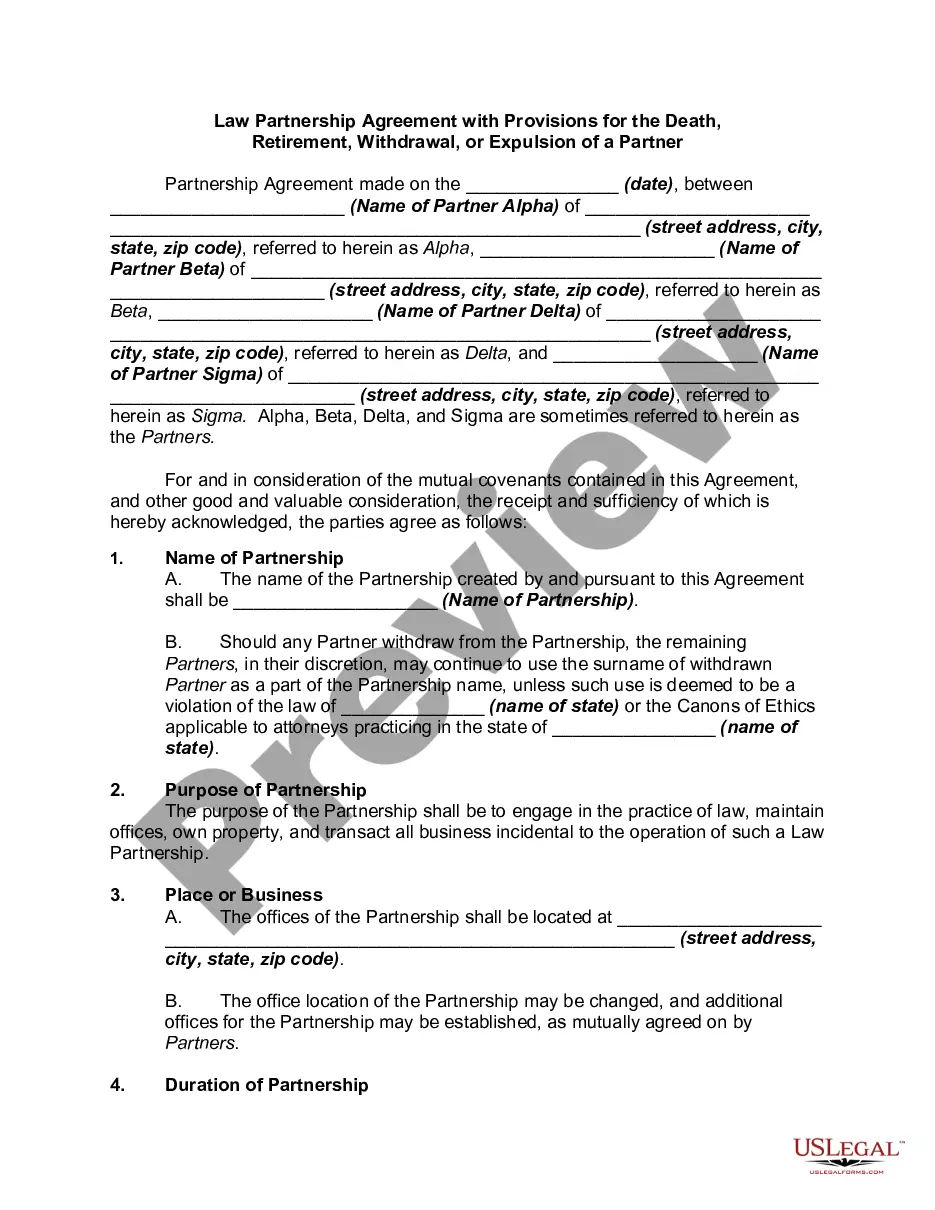
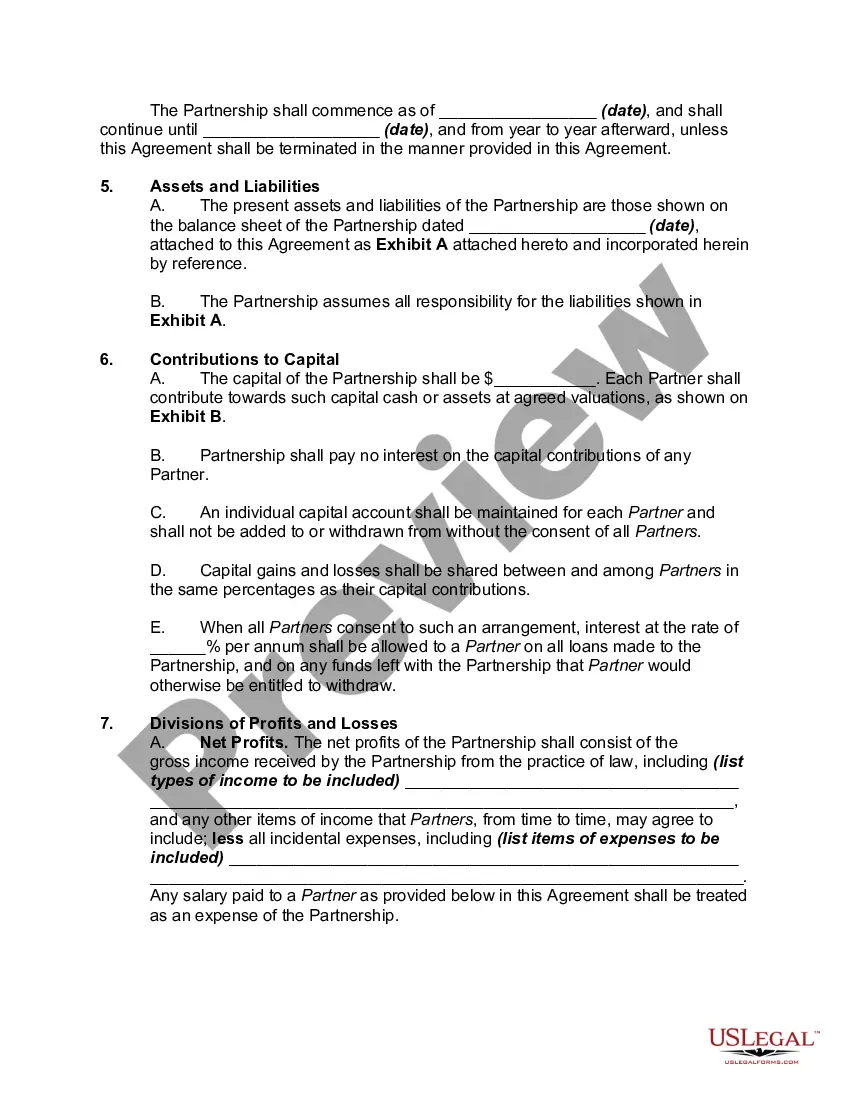
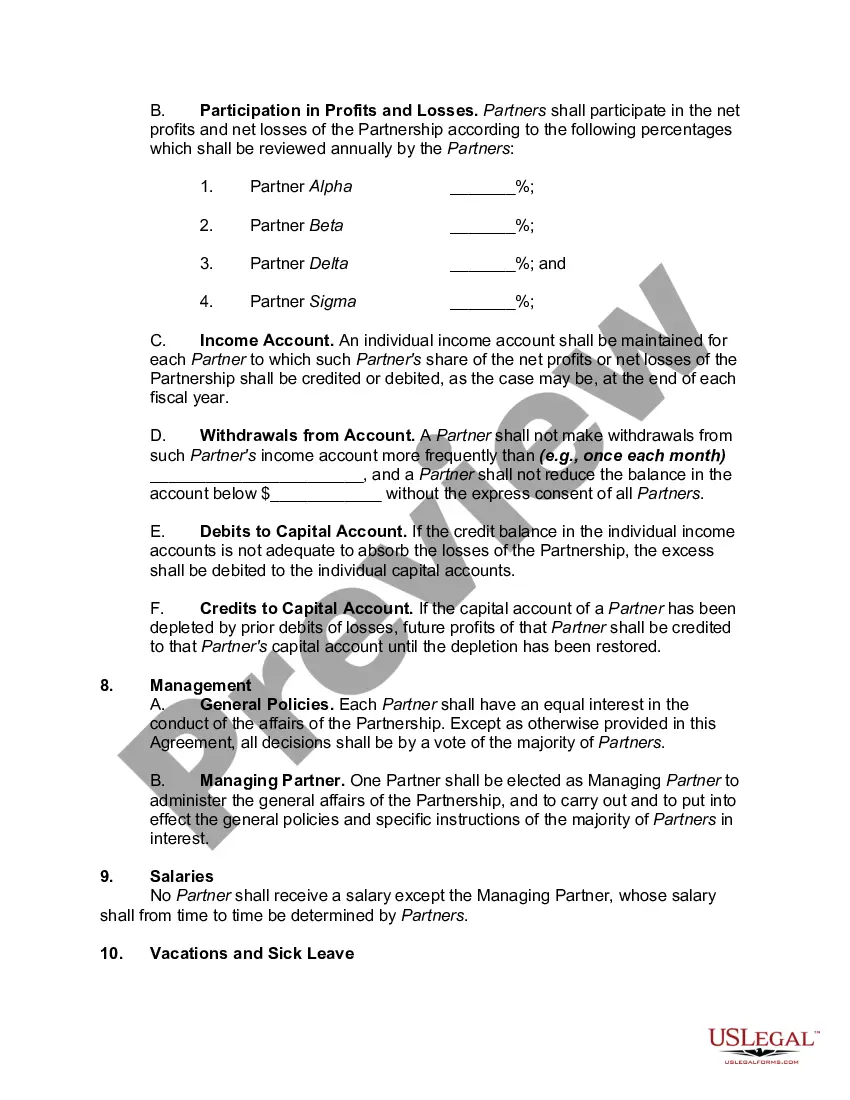
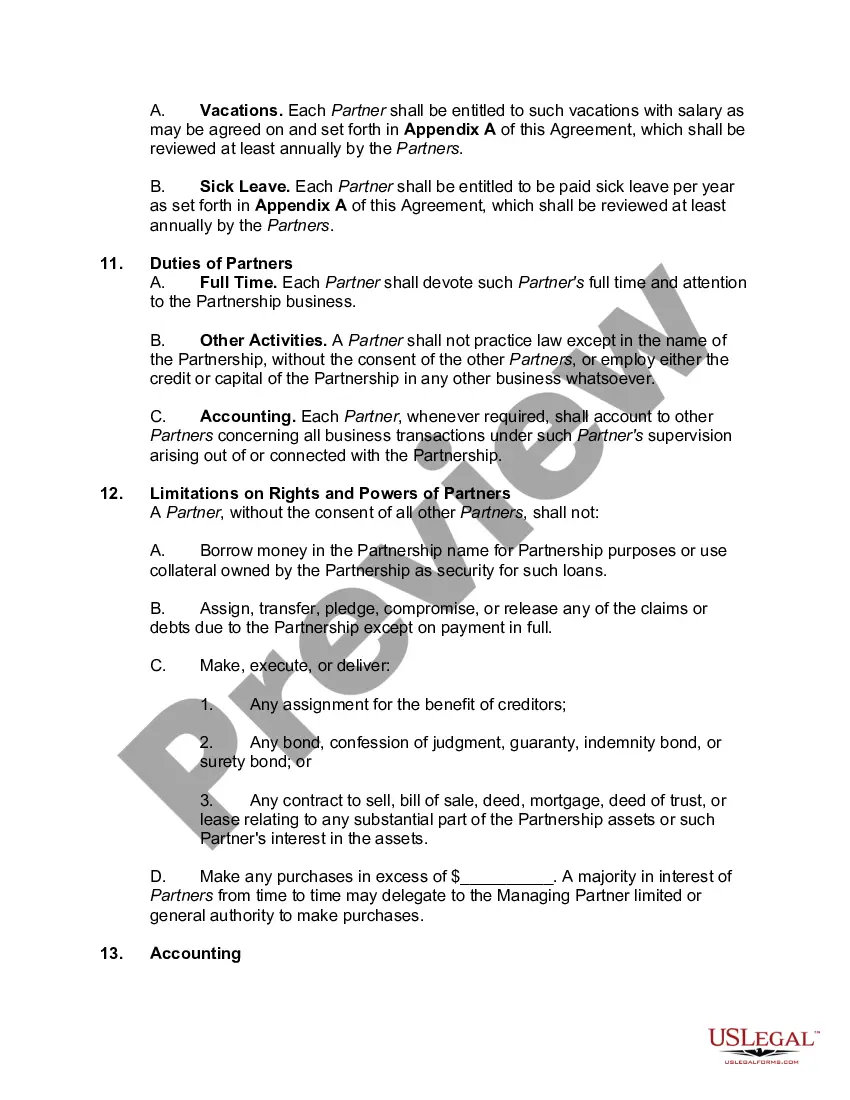
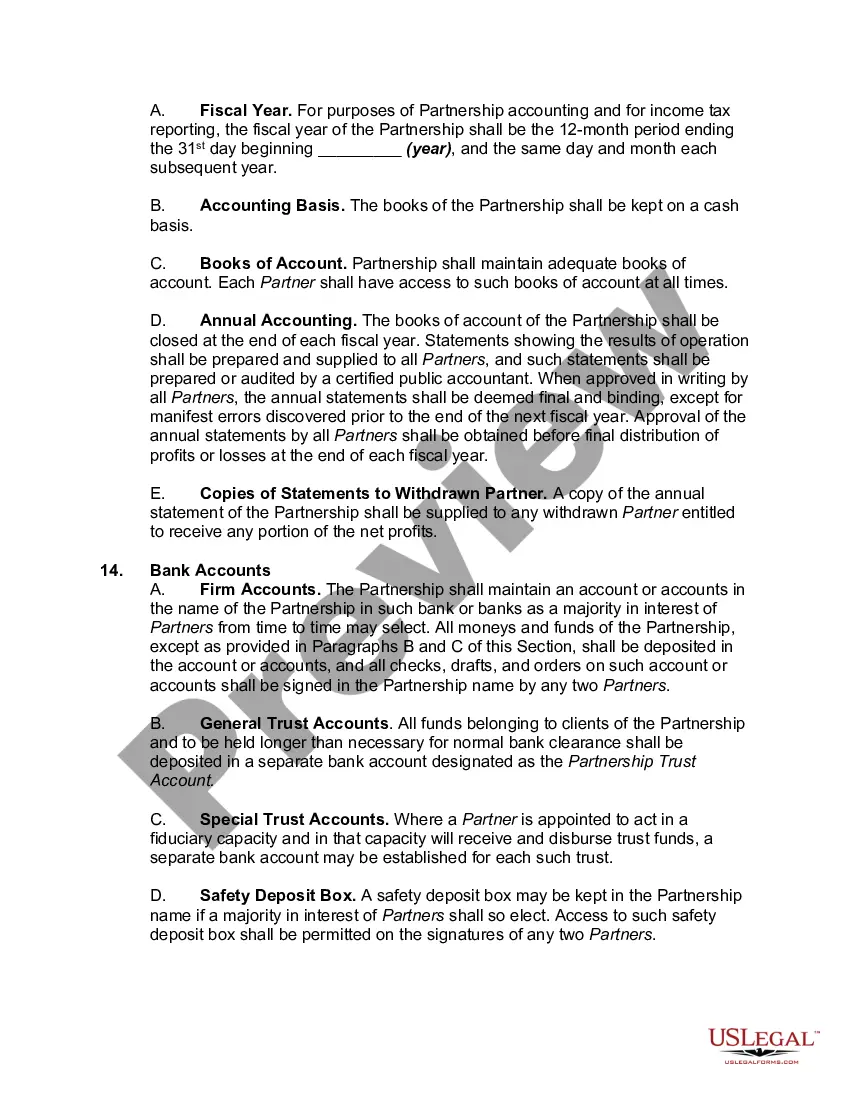
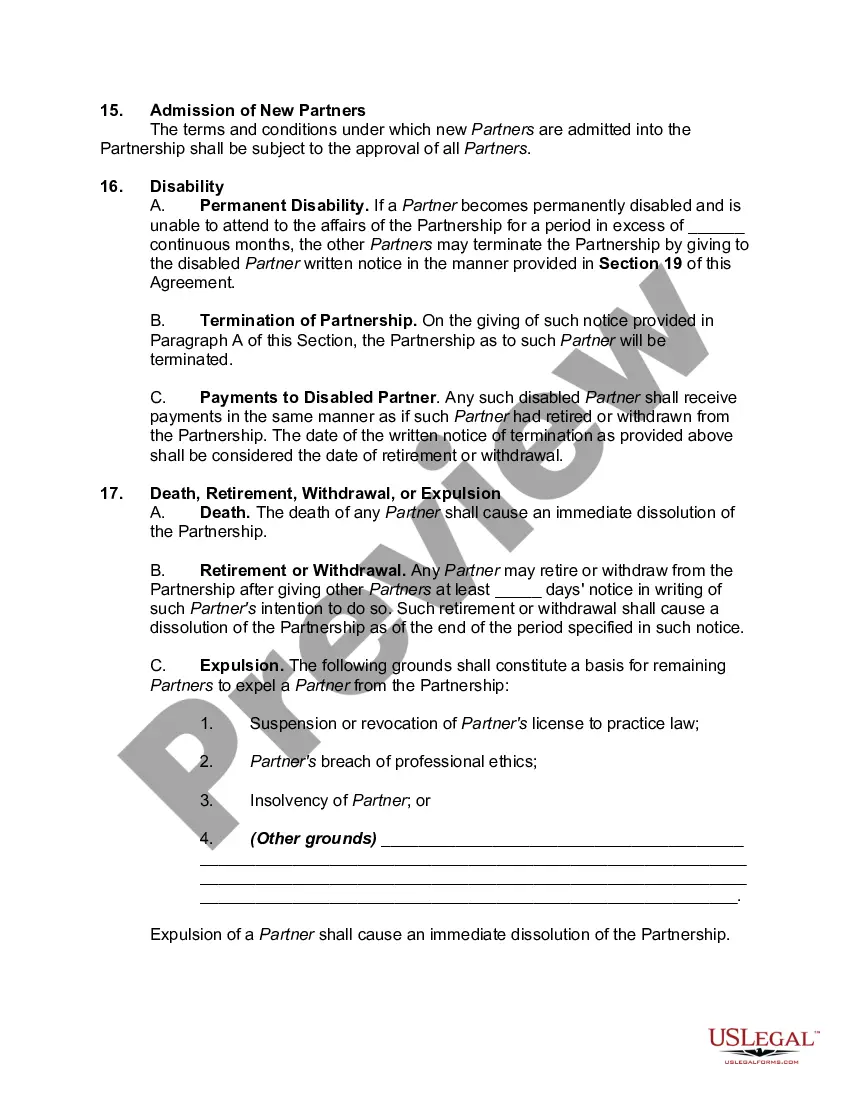
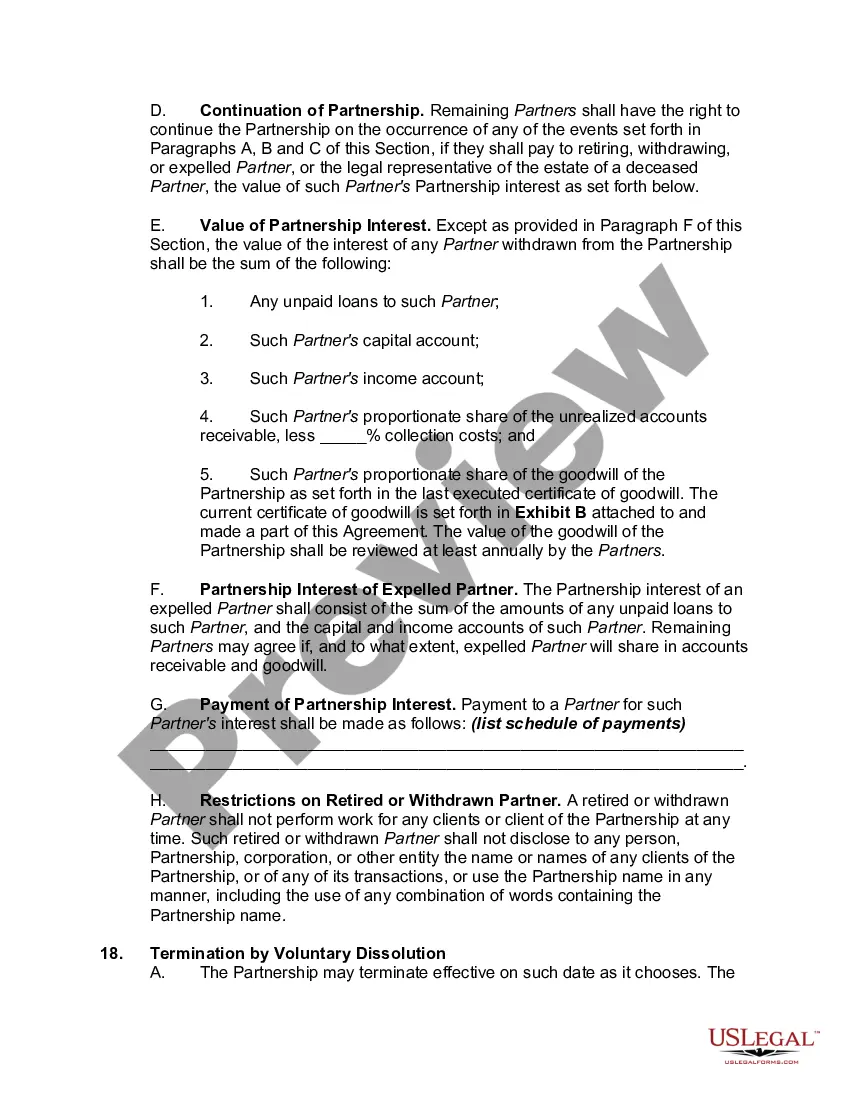
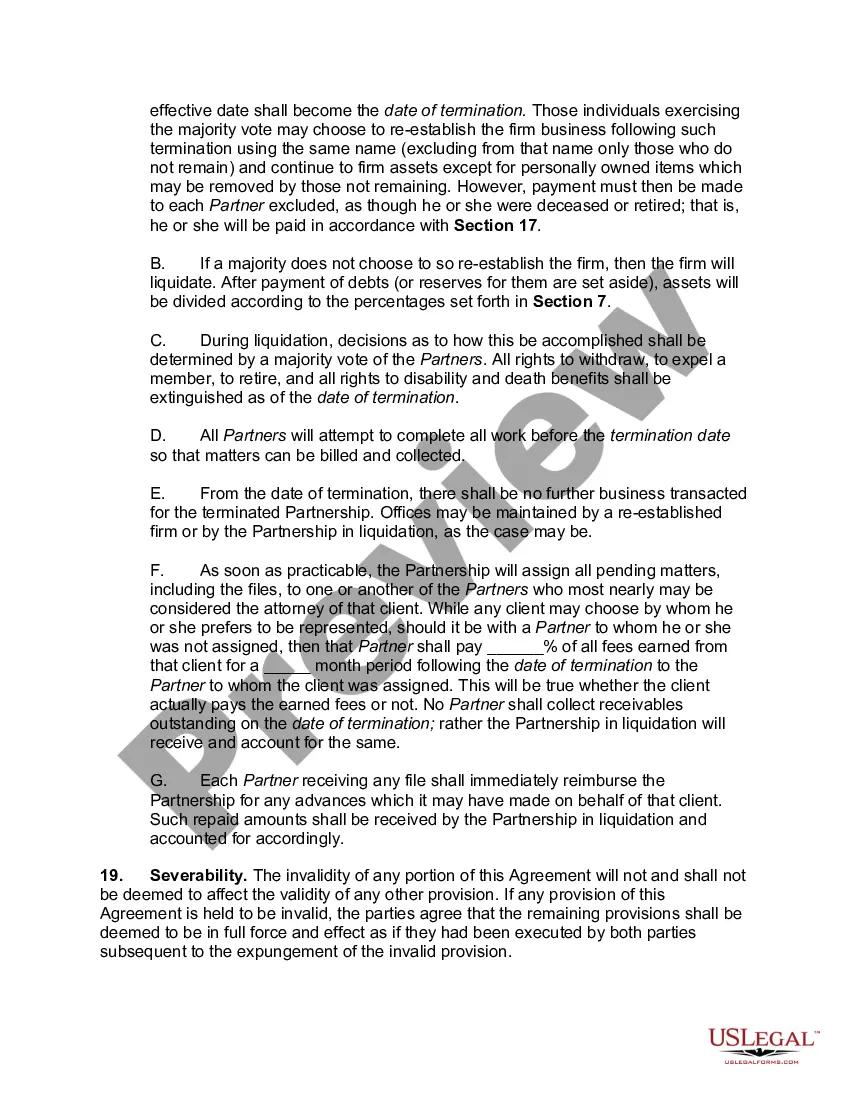
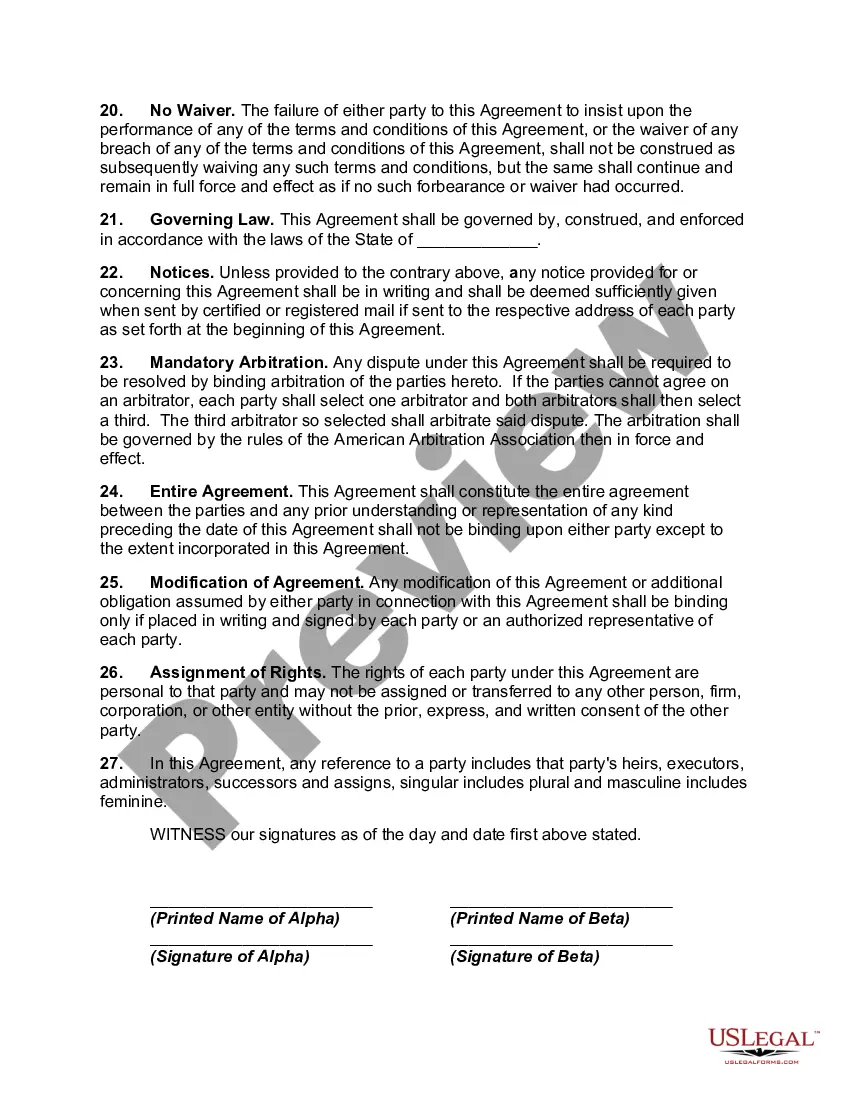
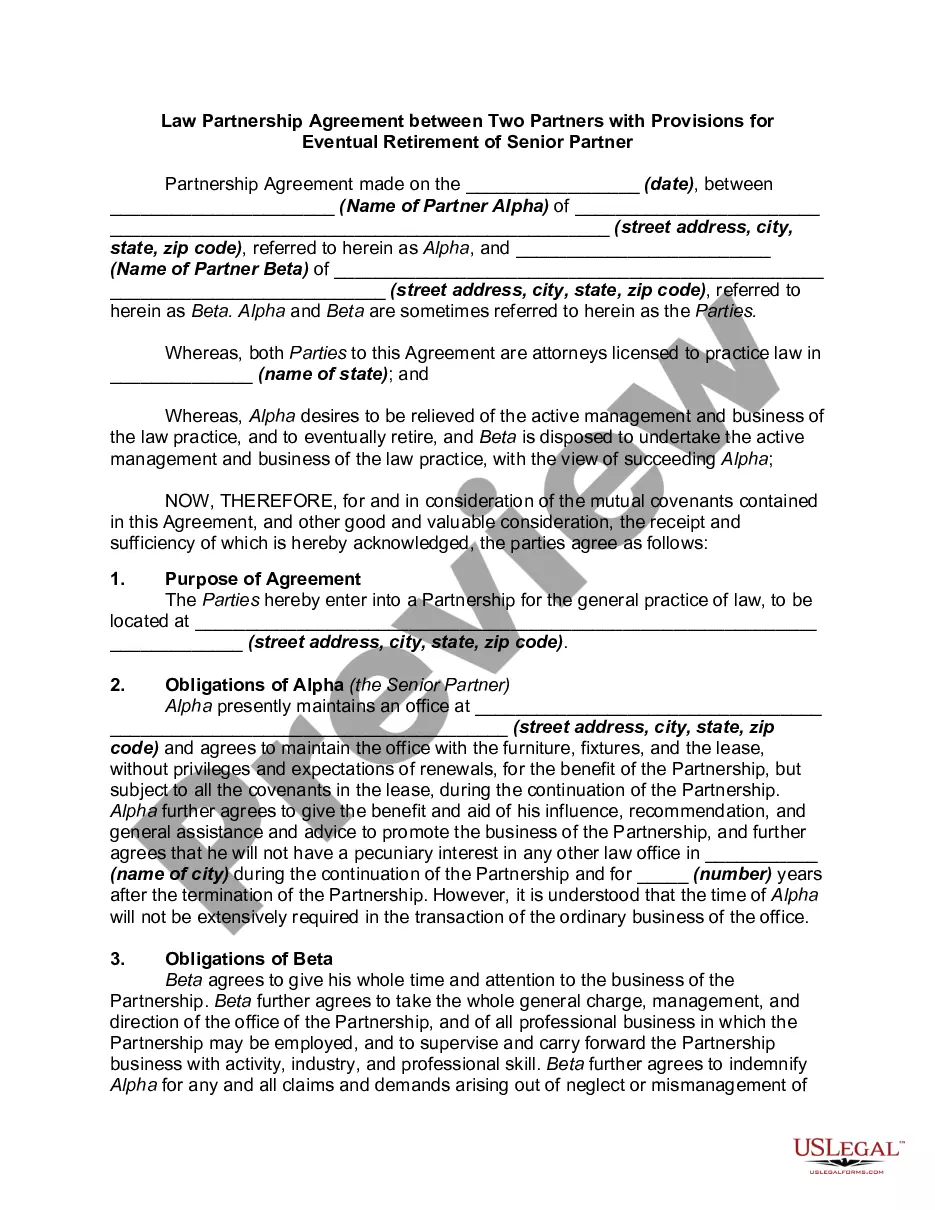
Get your form ready online
Our built-in tools help you complete, sign, share, and store your documents in one place.
Make edits, fill in missing information, and update formatting in US Legal Forms—just like you would in MS Word.
Download a copy, print it, send it by email, or mail it via USPS—whatever works best for your next step.
Sign and collect signatures with our SignNow integration. Send to multiple recipients, set reminders, and more. Go Premium to unlock E-Sign.
If this form requires notarization, complete it online through a secure video call—no need to meet a notary in person or wait for an appointment.
We protect your documents and personal data by following strict security and privacy standards.

Make edits, fill in missing information, and update formatting in US Legal Forms—just like you would in MS Word.

Download a copy, print it, send it by email, or mail it via USPS—whatever works best for your next step.

Sign and collect signatures with our SignNow integration. Send to multiple recipients, set reminders, and more. Go Premium to unlock E-Sign.

If this form requires notarization, complete it online through a secure video call—no need to meet a notary in person or wait for an appointment.

We protect your documents and personal data by following strict security and privacy standards.
Looking for another form?
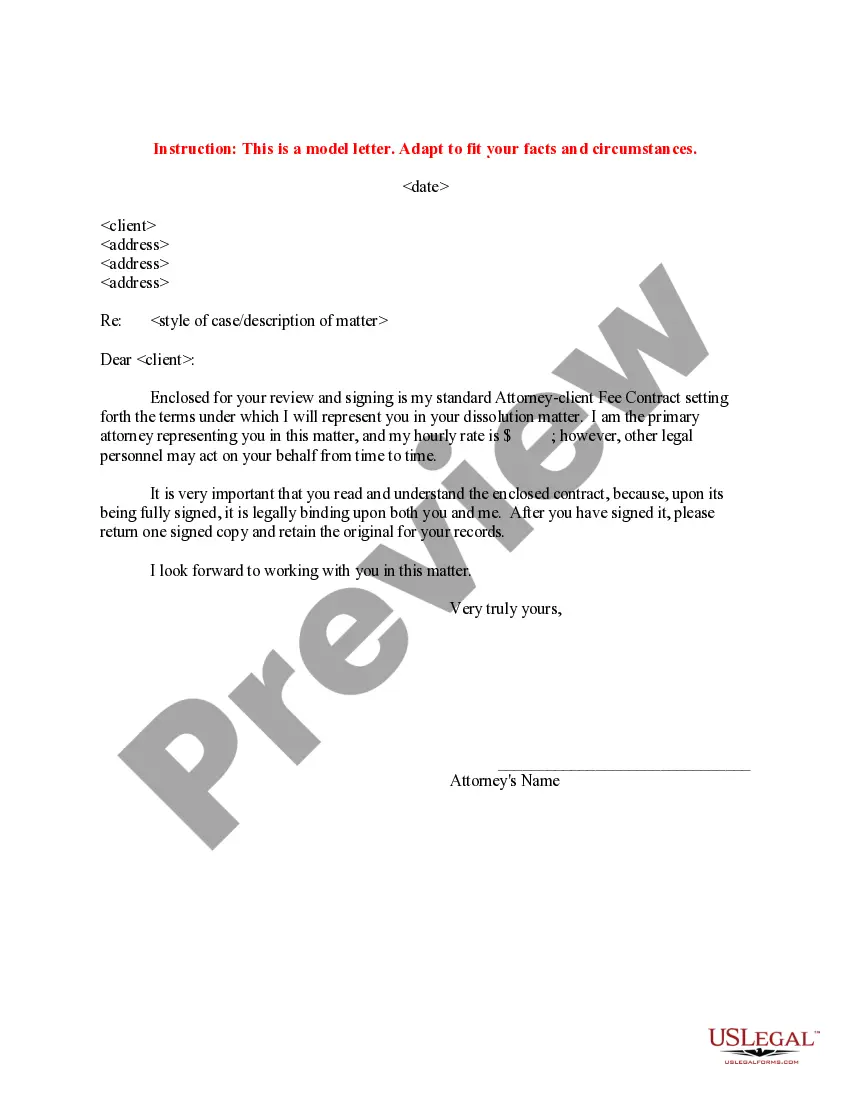


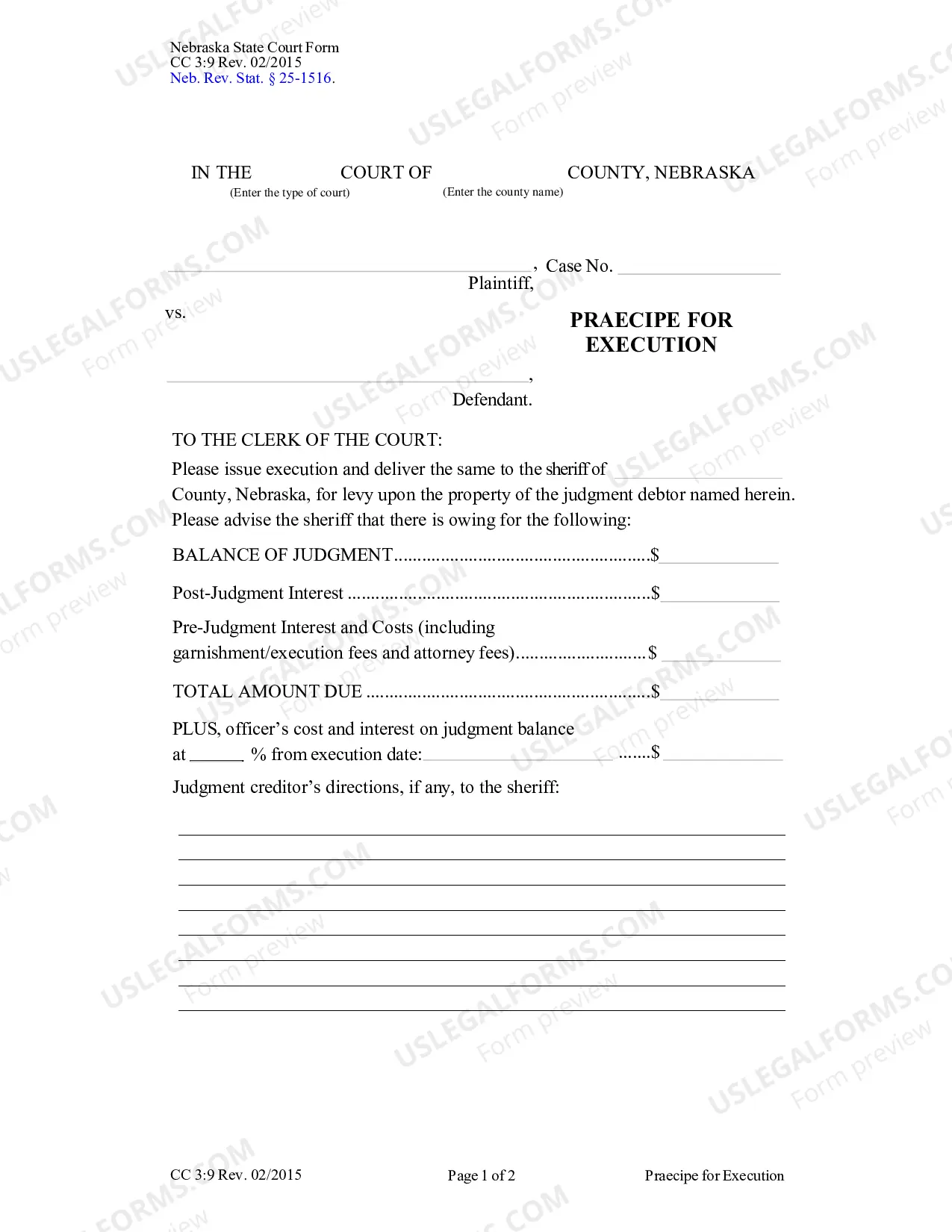


How to fill out Law Partnership Agreement With Provisions For The Death, Retirement, Withdrawal, Or Expulsion Of A Partner?
Creating legal documents from the ground up can frequently feel a bit daunting.
Certain situations may require extensive research and significant financial investment.
If you're looking for a simpler and more budget-friendly method for drafting Partnership Deed With Sleeping Partner Clause or any other documents without the hassle, US Legal Forms is always available to assist you.
Our online repository of over 85,000 current legal templates covers nearly every facet of your financial, legal, and personal matters.
However, before directly downloading Partnership Deed With Sleeping Partner Clause, consider these recommendations: Review the document preview and descriptions to verify that you have selected the correct form. Ensure that the form you pick adheres to the laws and regulations of your state and county. Select the most suitable subscription plan to acquire the Partnership Deed With Sleeping Partner Clause. Download the document, then fill it out, certify it, and print it. US Legal Forms has a solid reputation and over 25 years of experience. Join us now and make form completion a straightforward and efficient process!
- With just a few clicks, you can quickly obtain state- and county-specific documents meticulously prepared by our legal experts.
- Utilize our platform whenever you require trusted and dependable services to effortlessly locate and download the Partnership Deed With Sleeping Partner Clause.
- If you're already familiar with our site and have created an account in the past, just Log In, select the template, and download it right away or re-download it anytime later from the My documents section.
- Don’t have an account? No worries. Setting it up and navigating the library is quick and easy.
Form popularity
FAQ
A sleep partner refers to an individual in a partnership who invests capital and shares in profits but remains uninvolved in everyday management. This arrangement allows others to run the business while the sleep partner benefits financially. For effective governance, it’s wise to create a partnership deed with sleeping partner clause that clarifies their role and ensures that expectations align.
A sleeping partner, also known as a silent partner, is someone who contributes capital to a partnership but does not engage in its management. These partners typically invest their resources expecting a share of the profits without taking an active role in business decisions. When formalizing your partnership, a partnership deed with sleeping partner clause can clearly define their financial contribution and limitations.
The four common types of partnerships include general partnerships, limited partnerships, limited liability partnerships, and joint ventures. In a general partnership, all partners share responsibilities equally, while a limited partnership includes sleeping partners who invest but do not manage. Understanding these types helps when creating a partnership deed with sleeping partner clause, ensuring you choose the structure that best fits your business needs.
A sleeping partner, often referred to as a silent partner, contributes capital but does not participate in daily business operations. In contrast, a nominal partner may not invest funds but is associated with the partnership's name for branding purposes. Both types of partners are defined in the partnership deed with sleeping partner clause, helping clarify expectations and roles. Understanding these distinctions can guide you in structuring your partnership effectively.
A sleeping partner is an individual who invests in a partnership but does not participate in its daily management. Their role is primarily financial, allowing them to benefit from profits without engaging in operations. The partnership deed with sleeping partner clause clearly outlines the rights and obligations of such partners, ensuring that all members understand their roles. This structure can provide financial leverage while maintaining operational control within the active partners.
The sleeping partner rule refers to the guidelines that govern the roles and responsibilities of a sleeping partner within a partnership. A sleeping partner contributes capital but does not engage in the day-to-day operations or management decisions. This arrangement is specified in the partnership deed with sleeping partner clause, ensuring that the silent partner remains informed yet uninvolved in daily affairs. Such clarity promotes harmony among active partners.
The percentage a sleeping partner receives typically depends on the terms defined in the partnership deed with sleeping partner clause. Generally, this percentage is negotiated during the formation of the partnership. It often reflects the amount of capital contributed by the sleeping partner or the value of expertise they bring to the table. Therefore, it is essential to have clear terms outlined in the partnership deed to avoid future disputes.
A limited partnership typically includes sleeping partners, where one or more partners contribute capital without engaging in management. This structure allows for flexibility in investment while limiting liability for sleeping partners. Adding a sleeping partner clause in your partnership deed helps clarify the terms of this unique arrangement.
The sleeping partner clause specifically states the terms under which a silent partner operates within the partnership. It clarifies the financial contributions, profit shares, and limitations of involvement. Implementing this clause in a partnership deed protects both active and sleeping partners from future disputes.
Sharing profit with a sleeping partner is typically outlined in the partnership deed. Usually, profits are distributed according to the partnership’s agreement, with the sleeping partner receiving a predetermined percentage. This arrangement ensures that both active and sleeping partners benefit fairly from the business.