Foreclosure With Tenants
Description

Get your form ready online
Our built-in tools help you complete, sign, share, and store your documents in one place.
Make edits, fill in missing information, and update formatting in US Legal Forms—just like you would in MS Word.
Download a copy, print it, send it by email, or mail it via USPS—whatever works best for your next step.
Sign and collect signatures with our SignNow integration. Send to multiple recipients, set reminders, and more. Go Premium to unlock E-Sign.
If this form requires notarization, complete it online through a secure video call—no need to meet a notary in person or wait for an appointment.
We protect your documents and personal data by following strict security and privacy standards.

Make edits, fill in missing information, and update formatting in US Legal Forms—just like you would in MS Word.

Download a copy, print it, send it by email, or mail it via USPS—whatever works best for your next step.

Sign and collect signatures with our SignNow integration. Send to multiple recipients, set reminders, and more. Go Premium to unlock E-Sign.

If this form requires notarization, complete it online through a secure video call—no need to meet a notary in person or wait for an appointment.

We protect your documents and personal data by following strict security and privacy standards.
Looking for another form?





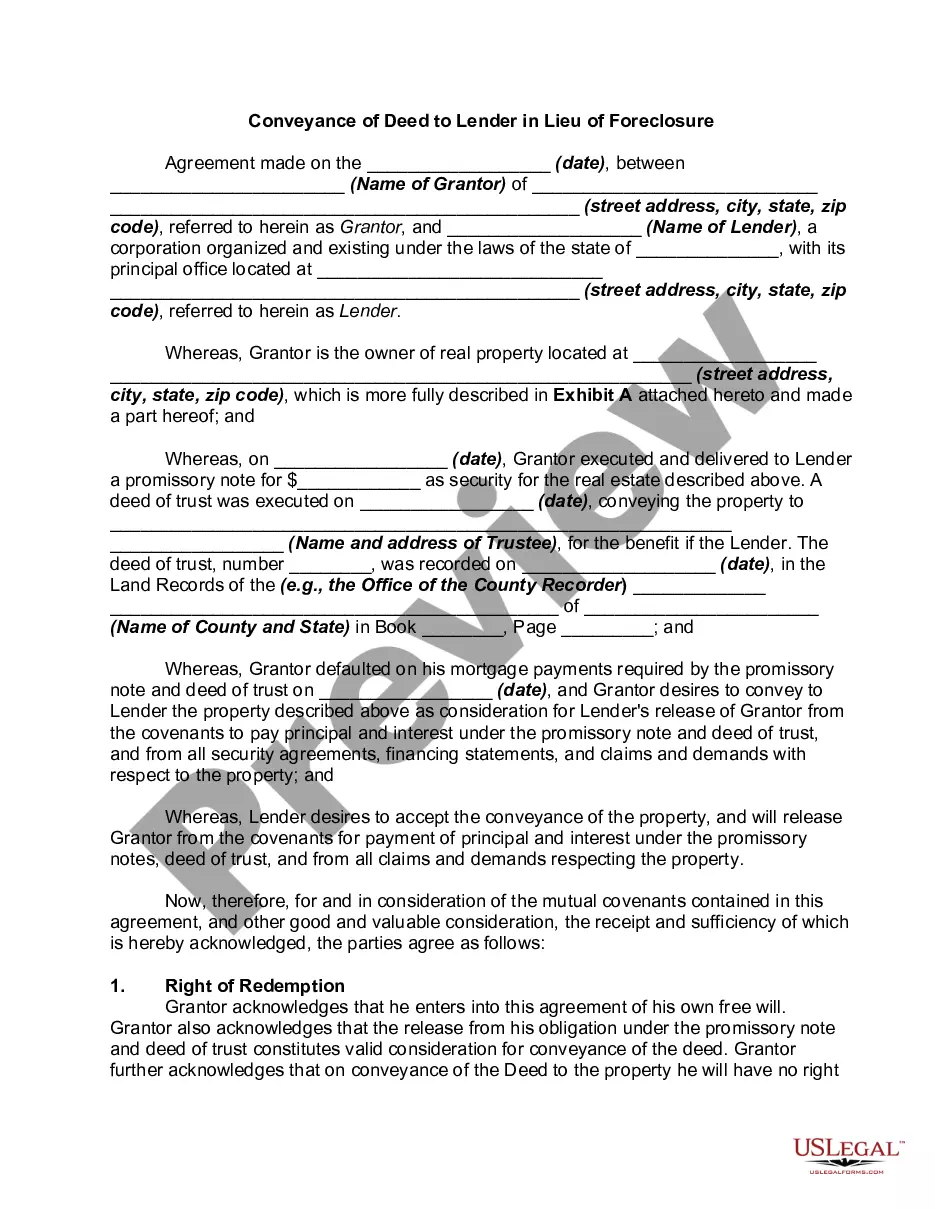
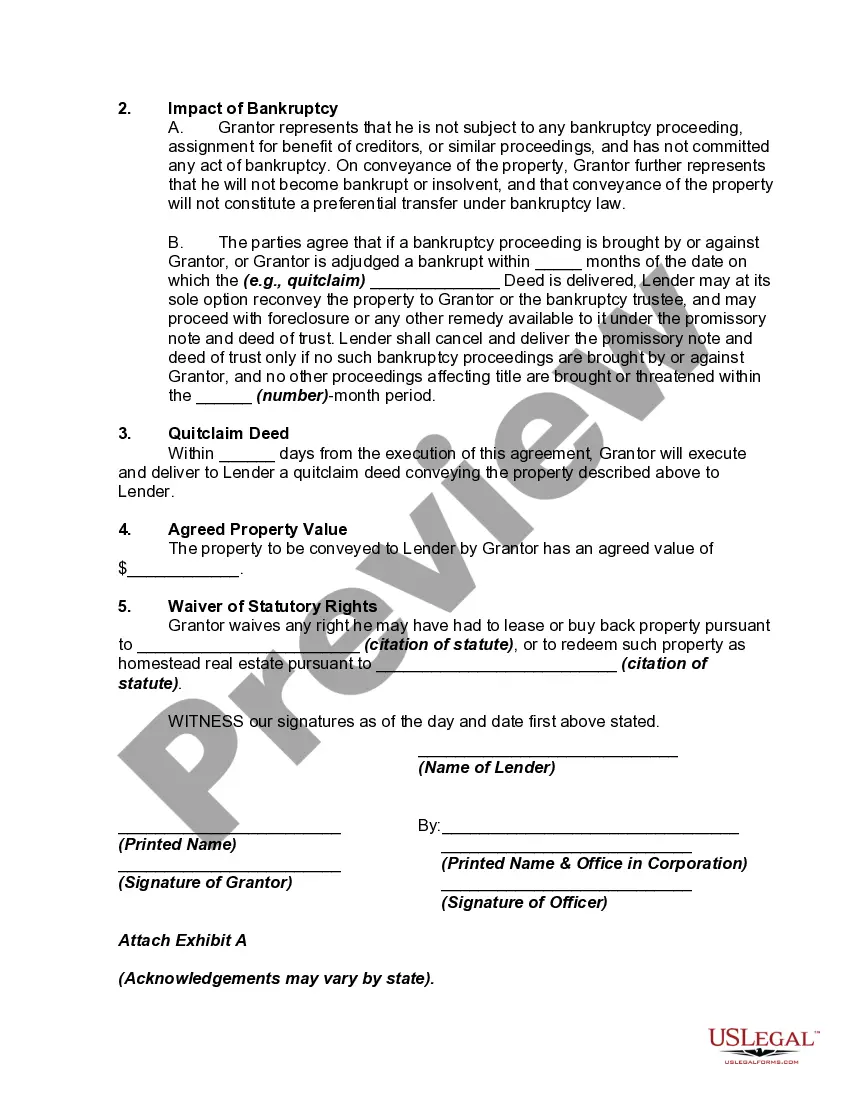
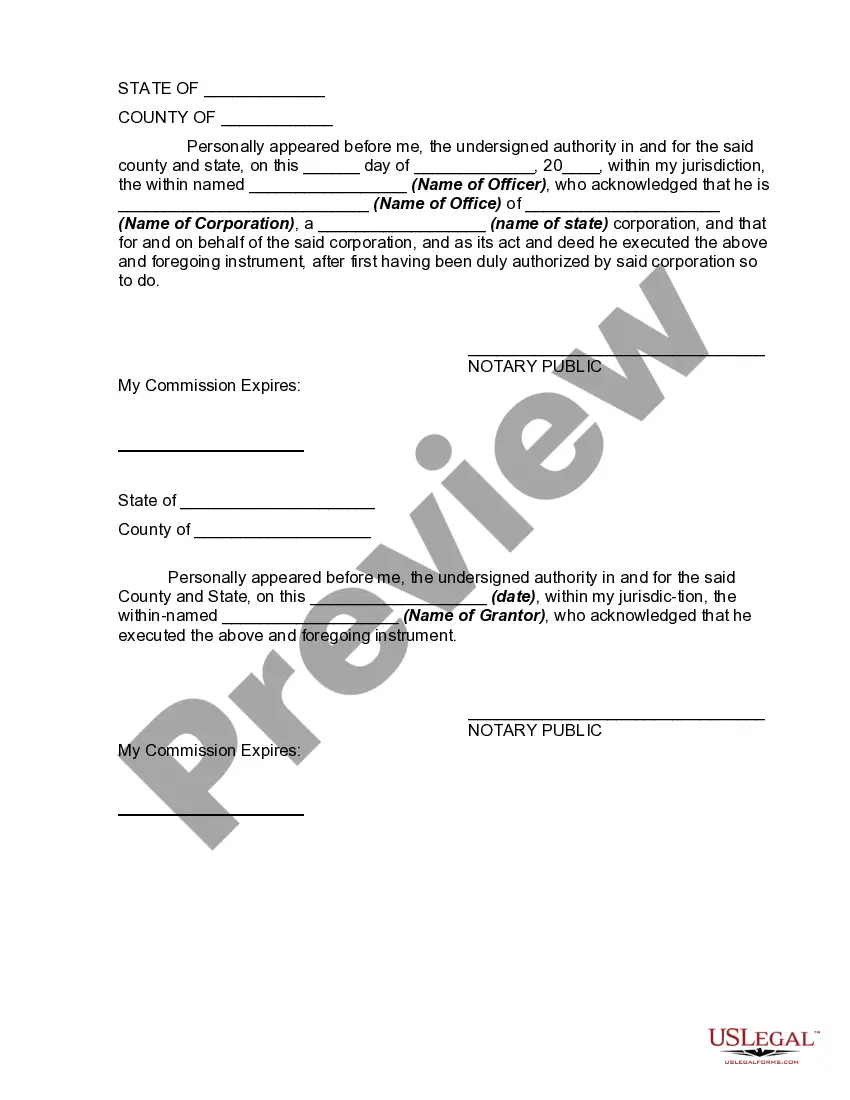
How to fill out Conveyance Of Deed To Lender In Lieu Of Foreclosure?
- If you're a returning user, log in to your account and locate the template you need using the Download button, ensuring your subscription is active.
- For new users, start by exploring the Preview mode and form descriptions, making sure to select the correct document that fits your local jurisdiction requirements.
- If you need a different template, utilize the Search tab at the top to find the right one. Once you confirm it meets your needs, move forward.
- Purchase your selected document by clicking the Buy Now button, choosing your preferred subscription plan, and registering for an account.
- Complete your transaction using credit card or PayPal to gain access to the forms you need.
- Finally, download your completed form to your device and find it easily in the My documents section whenever necessary.
With more than 85,000 customizable legal forms available, US Legal Forms offers a robust collection that exceeds competitors while ensuring users receive compliance with local laws.
Take control of your legal matters today—visit US Legal Forms and discover the efficient way to handle foreclosure with tenants.
Form popularity
FAQ
The duration of the foreclosure process in Washington State can vary significantly, typically taking anywhere from three months to over a year. Factors influencing this timeline include the lender's policies and any legal challenges raised by the homeowner. In cases involving foreclosure with tenants, it's essential to understand both your rights and the intended timeline. Using services like uslegalforms can help clarify legal obligations and provide assistance throughout the foreclosure process.
In Washington State, lenders usually begin the foreclosure process after the homeowner misses three consecutive mortgage payments. This means that if you are facing financial difficulty, it's important to act quickly to negotiate or seek assistance. Addressing missed payments early can often help prevent foreclosure and protect tenants from displacement. Platforms like uslegalforms provide valuable resources to navigate these situations effectively.
The timeline for foreclosure in Washington State typically ranges from a few months to over a year. In most cases, after a borrower misses mortgage payments, the lender will initiate a non-judicial foreclosure process, which can take about 90 days to complete. However, if the homeowner contests the foreclosure or if complications arise, the process may extend significantly. For those dealing with foreclosure with tenants, it's crucial to understand your rights and resources available.
A foreclosure on your record can make it challenging to secure rental housing. Many landlords check credit histories, and a foreclosure with tenants can signal potential risks. However, it is not an insurmountable barrier. If you can provide strong references and demonstrate your commitment to maintaining rental obligations, you may still find suitable housing despite past foreclosure issues.
Foreclosure comes with several significant disadvantages, particularly when it involves tenants. Firstly, landlords may experience a loss of income due to the inability to collect rent during this period. Additionally, a foreclosure with tenants can lead to legal disputes and complications, hindering the overall process. Ultimately, landlords must consider the impact of foreclosure not only on themselves but also on the tenants who rely on their housing.
The 120 day rule for foreclosure provides a specific timeline during which a lender must notify tenants of the impending foreclosure. This rule allows tenants to stay in the property for 120 days after the foreclosure notice, ensuring they have time to find alternative housing. Understanding this rule is crucial, especially for those facing a foreclosure with tenants. Knowledge of their rights can empower both landlords and tenants during this challenging time.
The Protecting Tenants Against Foreclosure Act provides safeguards for tenants living in properties facing foreclosure. This law mandates that tenants receive proper notification and allows them to stay during a transition period. It aims to alleviate the stress of eviction, particularly for those experiencing foreclosure with tenants. Learning about this act can empower you as a tenant.
When a landlord defaults on a mortgage, the lender may initiate foreclosure, which can affect tenants living in the property. You may have to vacate the premises, depending on local laws and the Protecting Tenants at Foreclosure Act. Understanding your rights and negotiating with your landlord could provide options during this uncertain time. Staying informed can help tenants navigate potential challenges.
Foreclosed properties can sometimes be rented, but the process involves specific legalities. If you are living in a home undergoing foreclosure with tenants, your rights depend on the jurisdiction and applicable laws. It is crucial to stay informed about your status as a tenant, especially if there are changes in property ownership. Consulting legal resources can help you understand your options.
The Protecting Tenants at Foreclosure Act is a federal law that gives certain protections to tenants living in foreclosed properties. This law requires that tenants be given at least 90 days' notice before being evicted after a foreclosure. The act aims to ensure that tenants are treated fairly during the challenging time of foreclosure with tenants. Familiarizing yourself with this law can provide peace of mind as a renter.