Deed In Lieu Of Foreclosure Form For Reverse Mortgage
Description
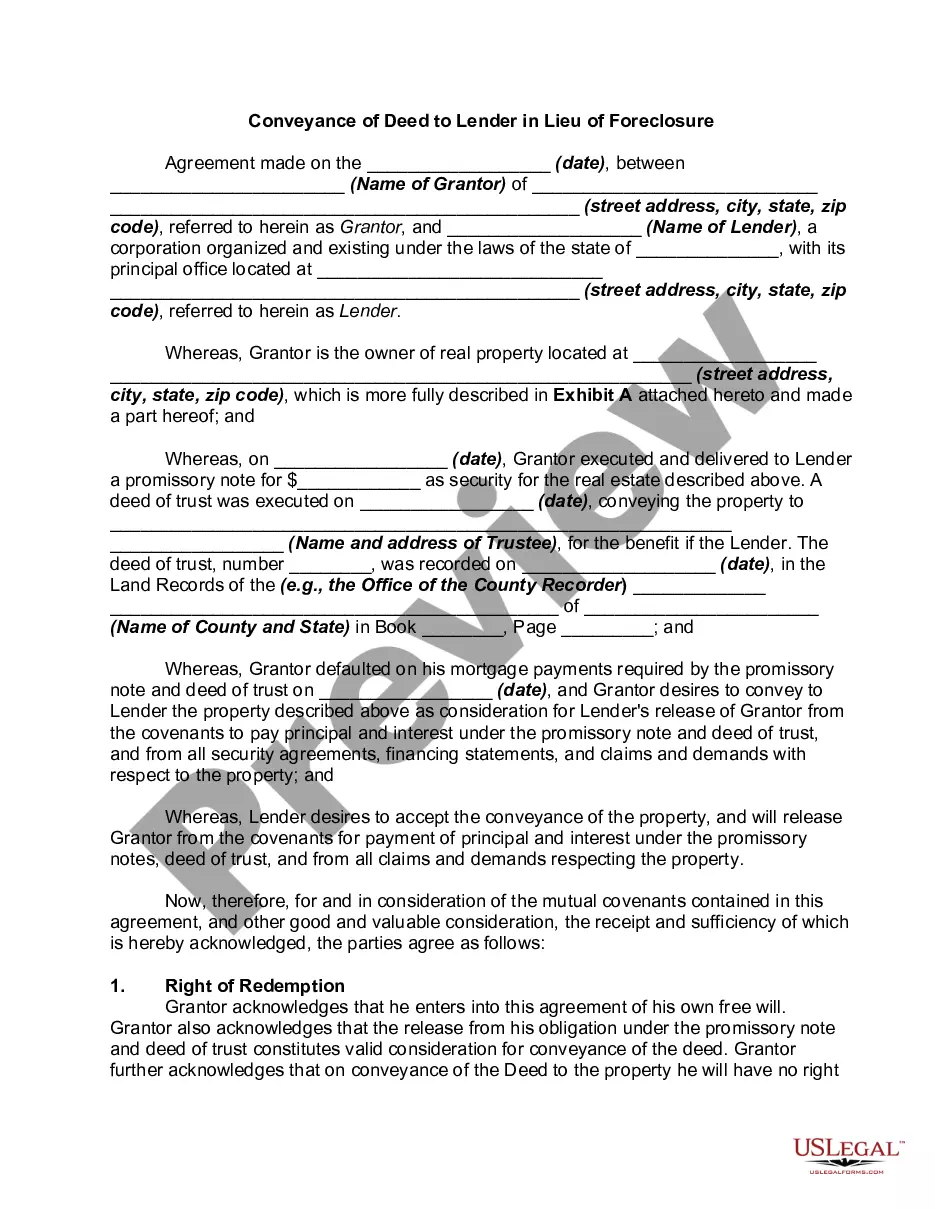
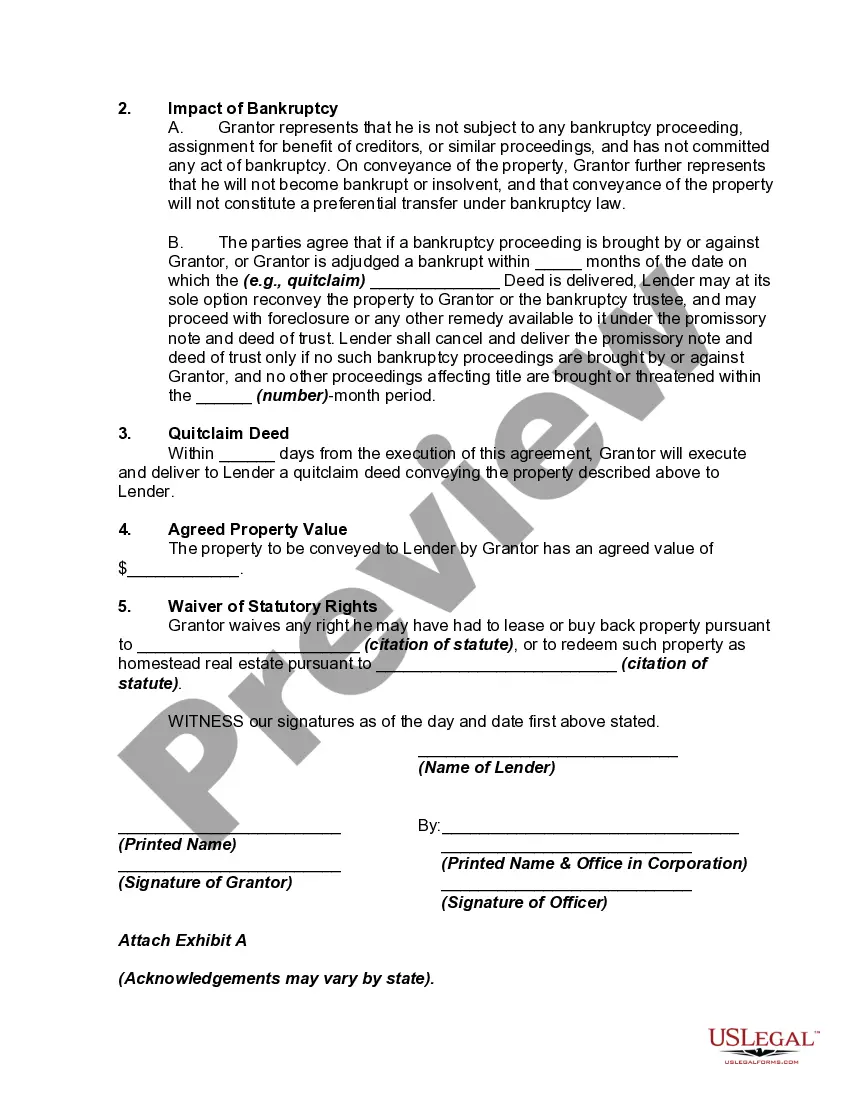
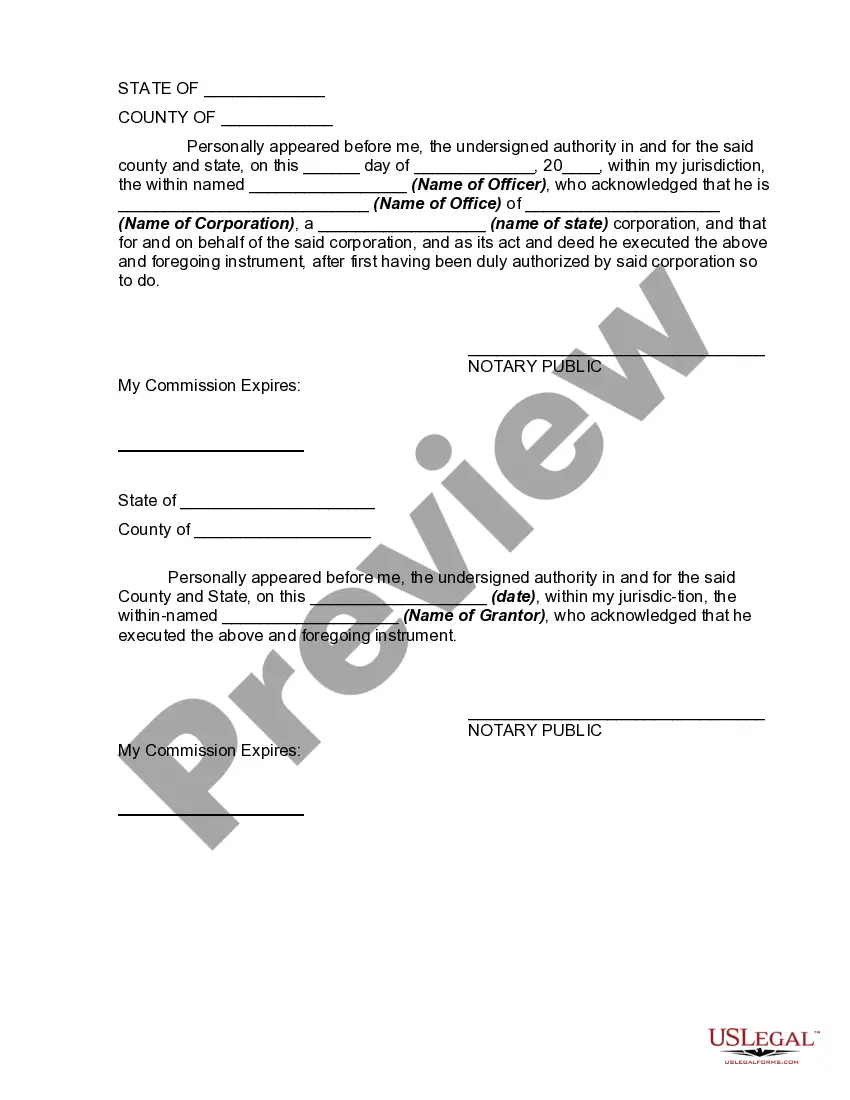
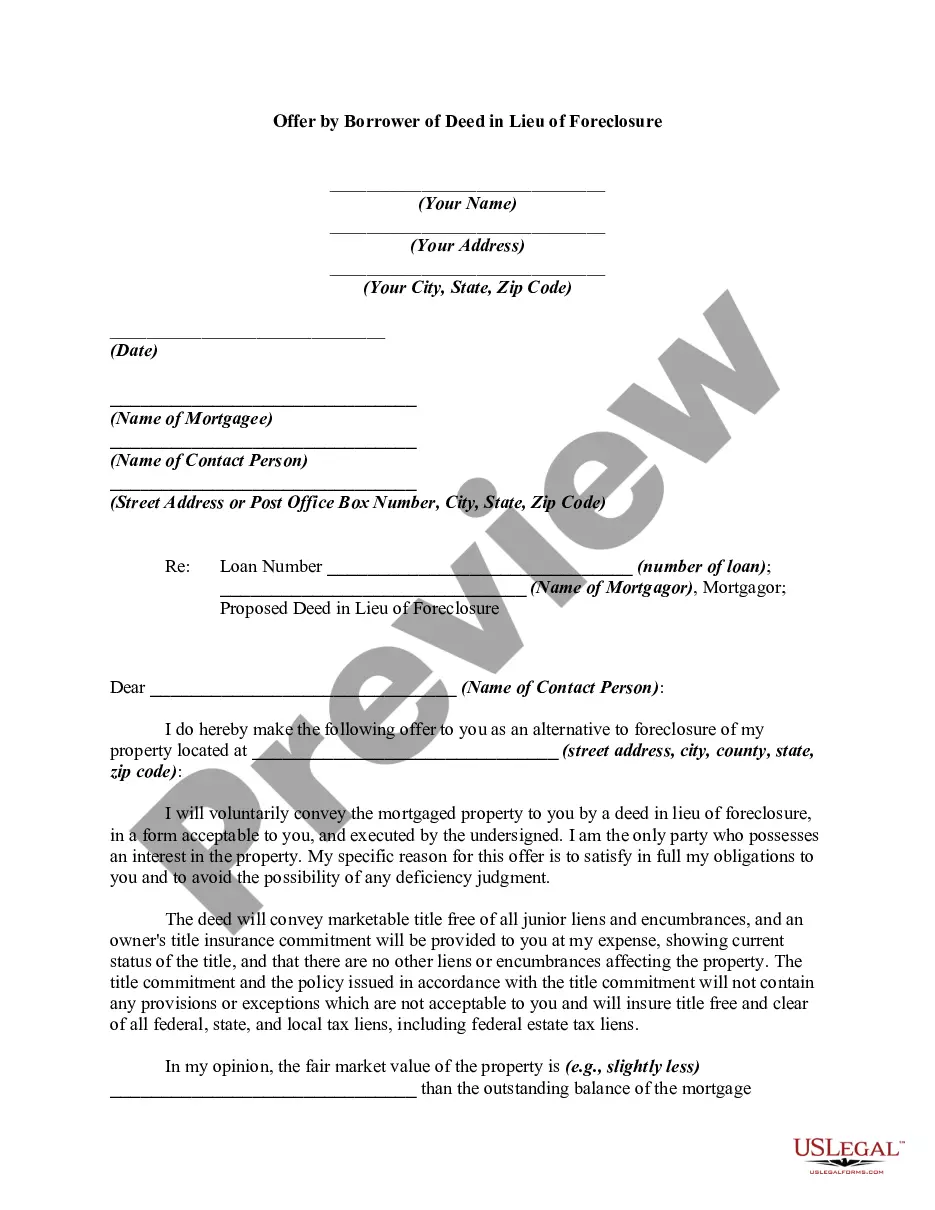

Get your form ready online
Our built-in tools help you complete, sign, share, and store your documents in one place.
Make edits, fill in missing information, and update formatting in US Legal Forms—just like you would in MS Word.
Download a copy, print it, send it by email, or mail it via USPS—whatever works best for your next step.
Sign and collect signatures with our SignNow integration. Send to multiple recipients, set reminders, and more. Go Premium to unlock E-Sign.
If this form requires notarization, complete it online through a secure video call—no need to meet a notary in person or wait for an appointment.
We protect your documents and personal data by following strict security and privacy standards.

Make edits, fill in missing information, and update formatting in US Legal Forms—just like you would in MS Word.

Download a copy, print it, send it by email, or mail it via USPS—whatever works best for your next step.

Sign and collect signatures with our SignNow integration. Send to multiple recipients, set reminders, and more. Go Premium to unlock E-Sign.

If this form requires notarization, complete it online through a secure video call—no need to meet a notary in person or wait for an appointment.

We protect your documents and personal data by following strict security and privacy standards.
Looking for another form?
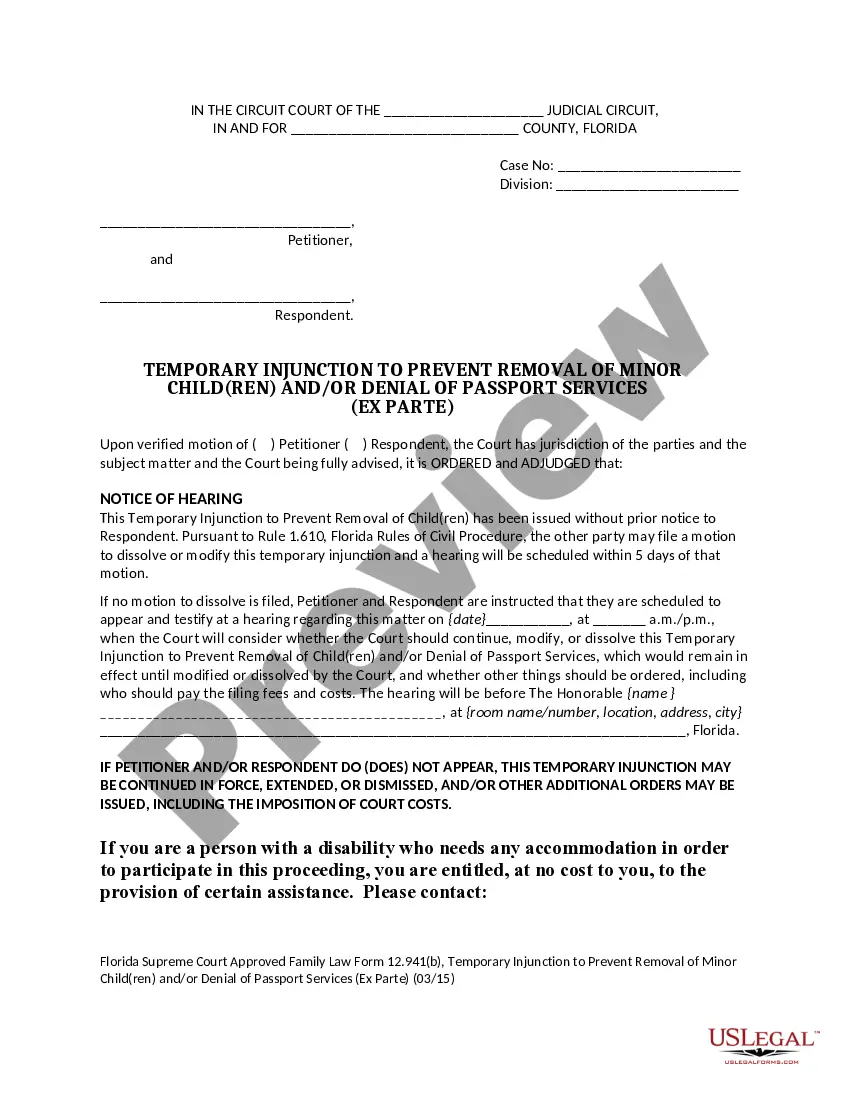
How to fill out Conveyance Of Deed To Lender In Lieu Of Foreclosure?
Handling legal documents can be perplexing, even for the most seasoned professionals.
If you are seeking a Deed In Lieu Of Foreclosure Form For Reverse Mortgage but lack the time to search for the correct and current version, the process can become overwhelming.
Utilize innovative tools to fill out and manage your Deed In Lieu Of Foreclosure Form For Reverse Mortgage.
Access a wealth of articles, guides, and resources relevant to your circumstances and requirements.
Confirm that the template is approved in your state or county and select Buy Now when ready. Choose a subscription plan, find your preferred format, and Download, fill out, sign, print, and send your document. Experience the US Legal Forms online library, supported by 25 years of expertise and trustworthiness. Transform your routine document management into a seamless and user-friendly process today.
- Save time and energy looking for the forms you need and take advantage of US Legal Forms’ advanced search and Preview tool to locate and download your Deed In Lieu Of Foreclosure Form For Reverse Mortgage.
- If you have a membership, Log In to your US Legal Forms account, search for the form, and download it.
- Check your My documents tab to review the documents you have saved previously and organize your folders however you prefer.
- If it’s your first experience with US Legal Forms, create a free account to gain unlimited access to all platform features.
- After obtaining the desired form, ensure it is the right one by previewing it and reviewing its description.
- A robust online form repository can revolutionize how individuals manage these situations efficiently.
- US Legal Forms stands out as a leader in online legal document provision, offering over 85,000 state-specific legal forms accessible whenever needed.
- With US Legal Forms, users can access a comprehensive range of state or county-specific legal and business documents all in one location.
Form popularity
FAQ
To execute a deed in lieu of foreclosure, start by discussing your options with your lender. Once both parties agree, fill out the deed in lieu of foreclosure form for reverse mortgage accurately. After signing, make sure to record the deed with the appropriate county office to ensure that the transfer is legally recognized. Keep a copy for your records as proof of the transaction.
Filing a deed in lieu of foreclosure requires a few key steps. First, you should contact your lender to discuss your intention and obtain their approval. Next, complete the deed in lieu of foreclosure form for reverse mortgage, ensuring all information is accurate. Finally, sign the document and submit it to your local government office for recording, which typically concludes the process.
A deed in lieu of foreclosure is a legal document where a homeowner voluntarily transfers ownership of their property to the lender to avoid foreclosure. For instance, if a homeowner with a reverse mortgage struggles to make payments, they might sign a deed in lieu of foreclosure form for reverse mortgage. This process helps eliminate their mortgage debt and may potentially relieve them from additional financial stress. Using a reliable platform like USLegalForms can simplify the process of obtaining this form.
To be eligible for a deed in lieu of foreclosure on a reverse mortgage, you must demonstrate that you are facing financial hardship and can no longer maintain the mortgage payments. Lenders often require proof of hardship and may conduct a review of your financial situation. Completing a deed in lieu of foreclosure form for reverse mortgage ensures you communicate your circumstances effectively. Using these forms through platforms like USLegalForms can help you navigate the eligibility process with confidence.
One disadvantage of a deed in lieu of foreclosure is that it may not release you from all mortgage obligations, especially if there are outstanding debts. This means that even after transferring the property, you could still face financial responsibilities related to the reverse mortgage. It's vital to understand all terms outlined in the deed in lieu of foreclosure form for reverse mortgage before proceeding. Consulting with a legal or financial advisor can clarify potential impacts on your financial future.
A deed in lieu of foreclosure on a reverse mortgage is a legal agreement where the homeowner voluntarily transfers their property to the lender to avoid foreclosure. This process can be beneficial, as it allows homeowners to settle their mortgage obligations without going through a long foreclosure process. When you use a deed in lieu of foreclosure form for reverse mortgage, you can potentially protect your credit rating and simplify the transition away from the property. Additionally, it can help lenders expedite their ability to sell the home.
A deed in lieu of foreclosure generally stays on your credit report for about seven years. This impact may affect your credit score, but the extent can vary based on your overall credit history. After this period, you can work on rebuilding your credit, which can lead you back to homeownership. Using a deed in lieu of foreclosure form for reverse mortgage may help streamline this process, making it easier for you to move forward.
Yes, you can buy a house after a deed in lieu of foreclosure. However, it may take some time before you can qualify for a mortgage again. Lenders typically require a waiting period, often ranging from two to four years, depending on their policies and your overall financial situation. Utilizing a deed in lieu of foreclosure form for reverse mortgage can help facilitate your next steps.
One disadvantage of a deed in lieu of foreclosure is that it may impact your credit score negatively, similar to a foreclosure. Additionally, you might still be responsible for any deficiency if the home's sale does not cover the mortgage balance. Understanding these implications is vital before making this decision. Accessing a reliable deed in lieu of foreclosure form for reverse mortgage can help clarify your responsibilities.
A deed in lieu of foreclosure for a reverse mortgage allows homeowners to voluntarily transfer their property back to the lender to avoid foreclosure. This option can help protect credit scores and provide a quicker resolution to financial issues. It’s crucial to understand the terms and consequences before proceeding. Utilizing a deed in lieu of foreclosure form for reverse mortgage can simplify this process.