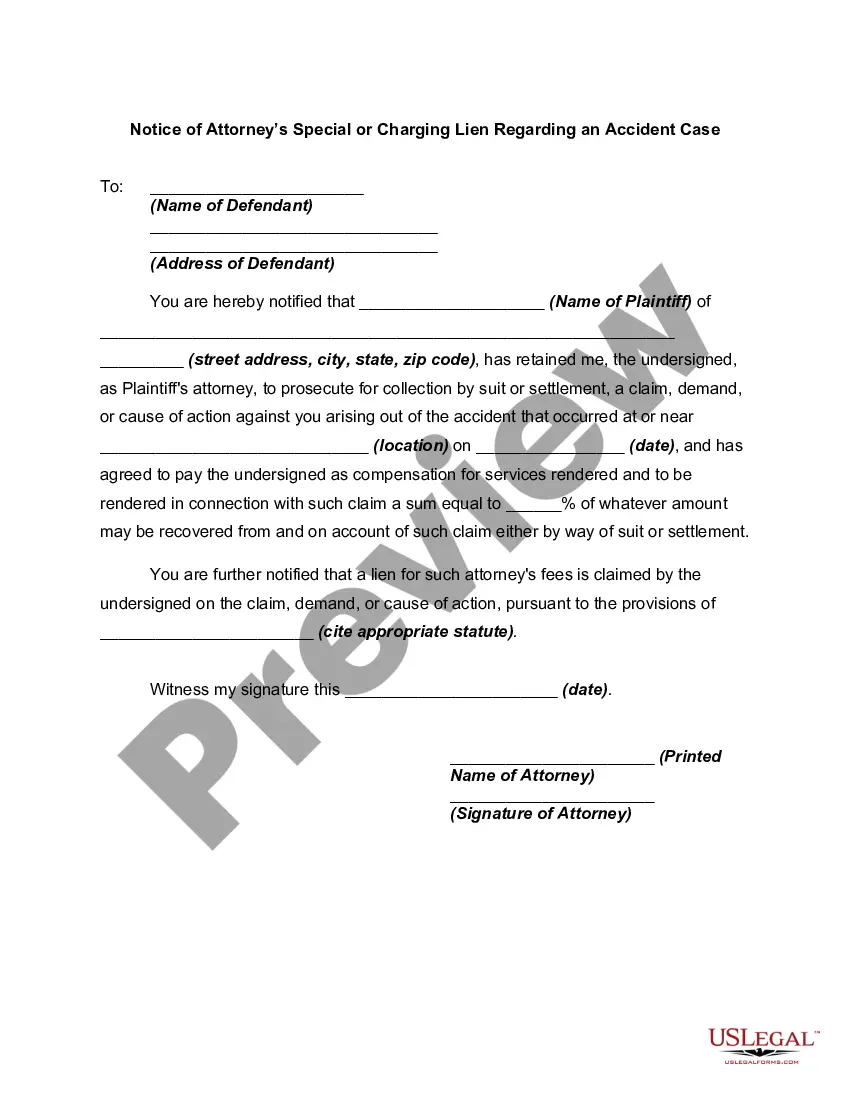
Attorney Court
Description
Get your form ready online
Our built-in tools help you complete, sign, share, and store your documents in one place.
Make edits, fill in missing information, and update formatting in US Legal Forms—just like you would in MS Word.
Download a copy, print it, send it by email, or mail it via USPS—whatever works best for your next step.
Sign and collect signatures with our SignNow integration. Send to multiple recipients, set reminders, and more. Go Premium to unlock E-Sign.
If this form requires notarization, complete it online through a secure video call—no need to meet a notary in person or wait for an appointment.
We protect your documents and personal data by following strict security and privacy standards.

Make edits, fill in missing information, and update formatting in US Legal Forms—just like you would in MS Word.

Download a copy, print it, send it by email, or mail it via USPS—whatever works best for your next step.

Sign and collect signatures with our SignNow integration. Send to multiple recipients, set reminders, and more. Go Premium to unlock E-Sign.

If this form requires notarization, complete it online through a secure video call—no need to meet a notary in person or wait for an appointment.

We protect your documents and personal data by following strict security and privacy standards.
Looking for another form?









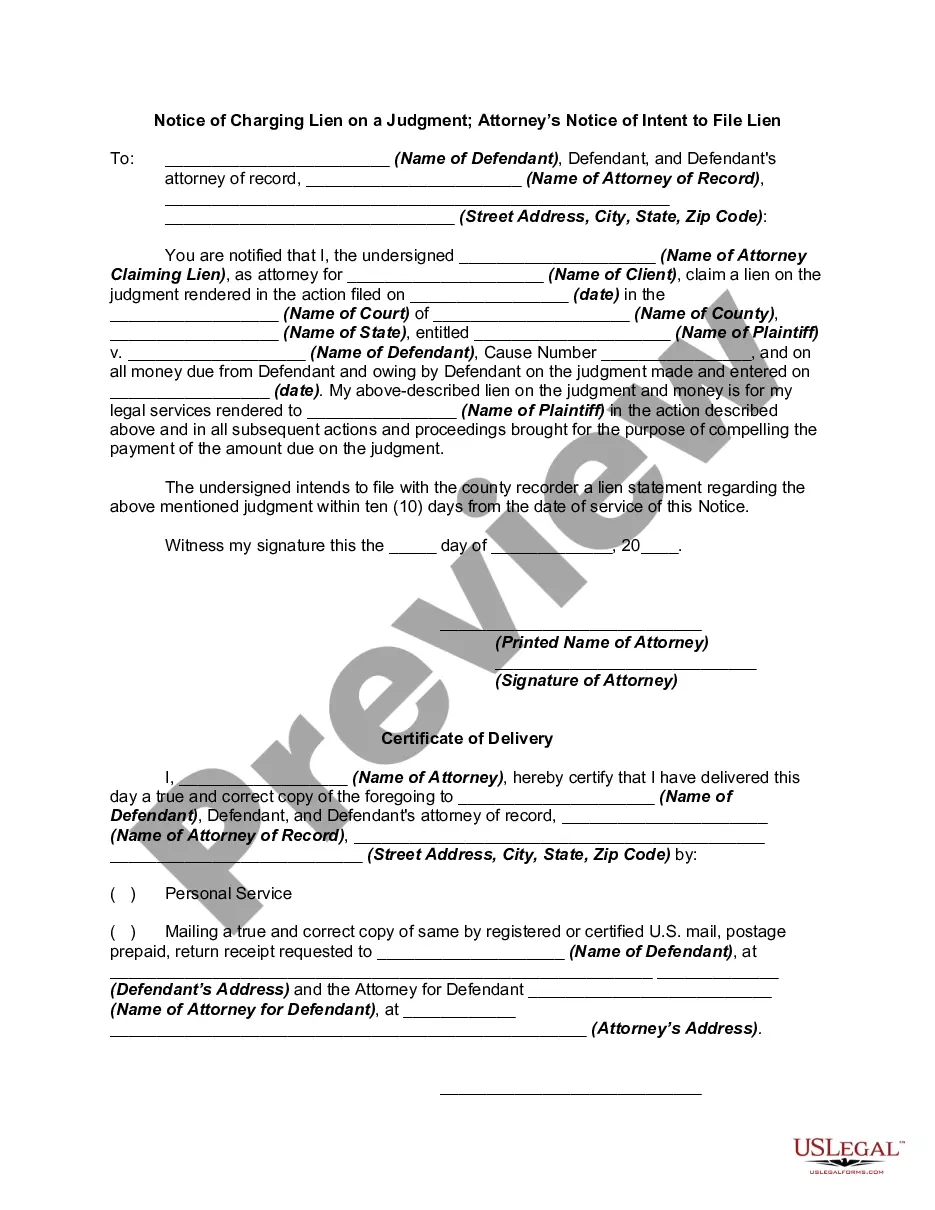
How to fill out Notice Of Attorney's Special Or Charging Lien Regarding An Accident Case?
- If you're a returning user, log in to your account and download the necessary form by clicking the Download button. Ensure your subscription is current.
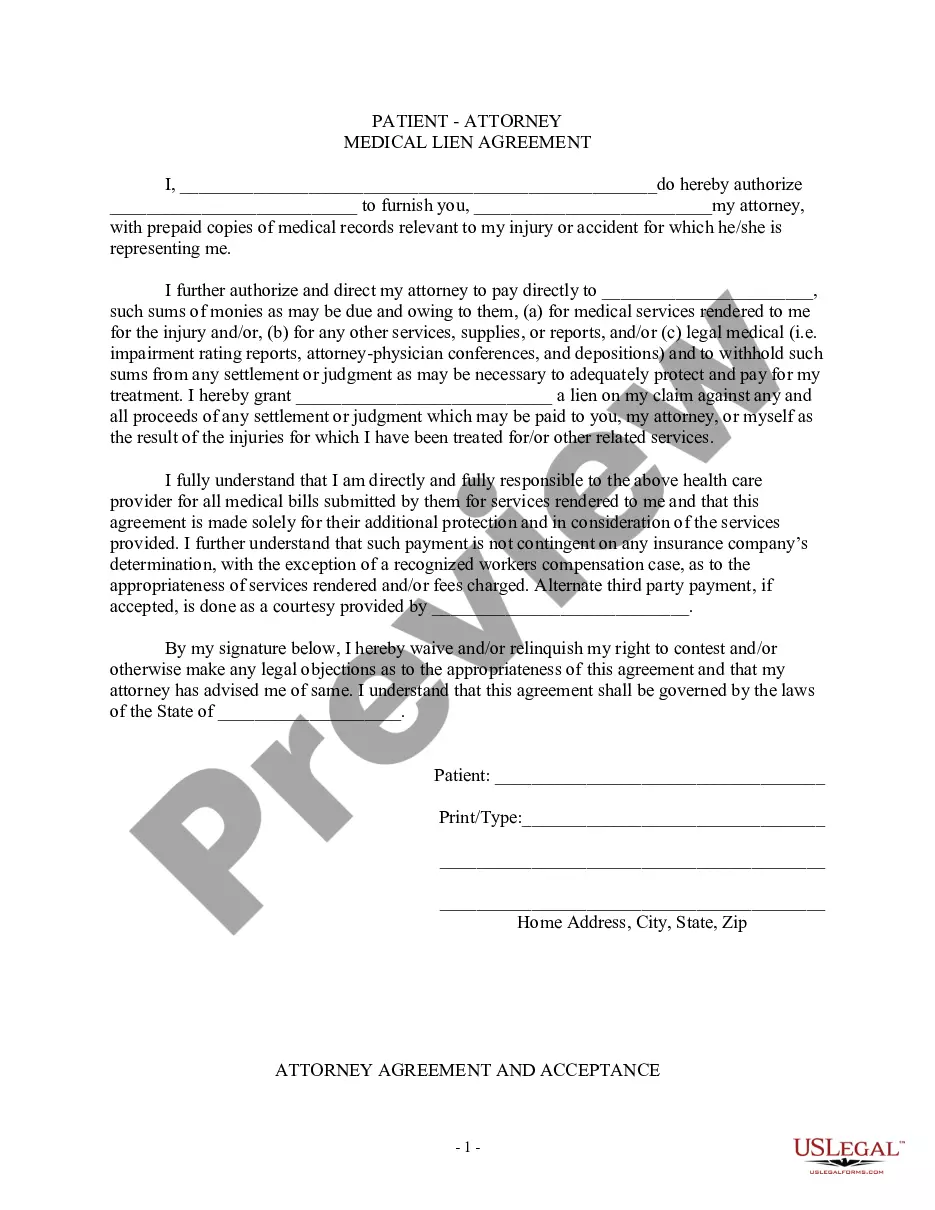
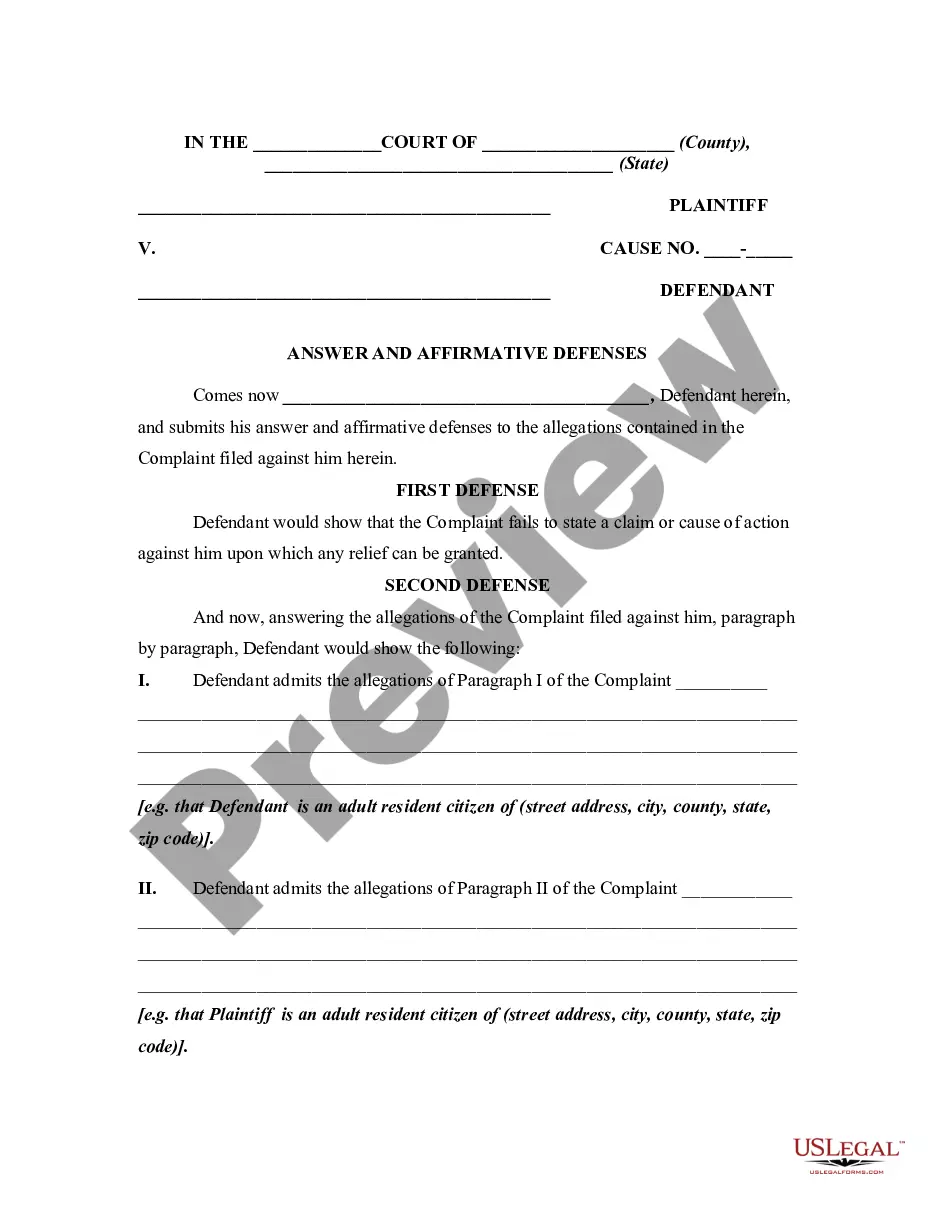
- For first-time users, start by exploring the form description and Preview mode to verify its suitability for your local jurisdiction.
- If you find discrepancies, search for alternative templates using the Search tab to pinpoint the correct form.
- Select your document by clicking on the Buy Now button and choose your preferred subscription plan. Registration is required to access the library.
- Complete your purchase by entering your credit card details or using your PayPal account.
- Finally, download the form to your device, ensuring you can conveniently access it later in the My Forms section of your profile.
US Legal Forms stands out with a robust collection of over 85,000 fillable and editable legal forms, more than competitors provide at similar costs. Additionally, users can access premium experts for guidance, ensuring all documents are accurate and legally binding.
In conclusion, accessing attorney court documents is simple with US Legal Forms. Leverage their extensive resources today and ensure your legal paperwork is handled efficiently. Start your journey by exploring our library now!
Form popularity
FAQ
In Wisconsin, individuals qualify for a public defender based on their financial circumstances and the nature of their charges. If your income is below a certain level and you face criminal charges, you likely qualify for assistance. The determination also considers your family size and expenses. If you want to learn more about this eligibility process or need help with forms, consider checking resources like USLegalForms.
When you need to ask for a lawyer in court, politely request this from the judge during your hearing. You can state your need for legal representation, and the judge will guide you through the process. It is important to be clear about your situation and why you require an attorney. Utilizing USLegalForms can help you prepare any necessary documents for your request.
In Michigan, to qualify for a public defender, you must demonstrate financial need by completing an application form. This form assesses your income, expenses, and any dependents. After evaluating your application, the court decides whether you qualify for a public defender. If you need assistance navigating this process, resources like USLegalForms can help you find the necessary forms.
Several factors may render you ineligible for a court-appointed attorney. For instance, if your income exceeds the established limits or if you own significant assets, you may not qualify. Additionally, if you have hired a private attorney, that can also disqualify you from receiving court-appointed legal representation. Assessing your situation with guidance from a legal service can help clarify your eligibility.
Eligibility for a court-appointed attorney often depends on your income level and financial situation. Generally, if your income falls below a certain threshold, you may qualify. This threshold varies by state and county, so it is essential to check with your local court. Using resources like USLegalForms can help you understand the specific financial criteria in your area.
To request a court-appointed attorney, you typically need to fill out a form provided by the court. This form usually requires you to provide information about your financial situation to demonstrate your need. Once you submit the form, the judge will review your application and make a decision. If approved, the court will assign an attorney to assist you.
Unethical attorney behavior may include lying to clients, failing to disclose important case developments, or having conflicts of interest without proper disclosure. Such actions are detrimental to the attorney-client relationship and can lead to serious repercussions. Addressing these issues through an attorney court is vital for maintaining a fair legal environment.
The most common complaint against attorneys in California involves poor communication with clients. Clients often feel left in the dark about their cases, which leads to frustration and mistrust. Highlighting these issues in attorney court ensures that legal representatives are held accountable for their responsibilities.
Examples of unethical attorney behavior in California include taking on cases without proper qualifications, misusing client funds, or failing to communicate effectively with clients. Such actions not only harm clients but also damage the reputation of the legal profession. Reporting these practices to the attorney court helps uphold ethical standards.
Unethical behavior by an attorney typically includes actions that betray client trust or violate legal ethics codes. Examples may include conflicts of interest, failure to disclose essential facts, or representing clients without adequate preparation. Addressing these concerns is important to maintain integrity in the attorney court.