Trust Spendthrift Sample Withdrawal
Description
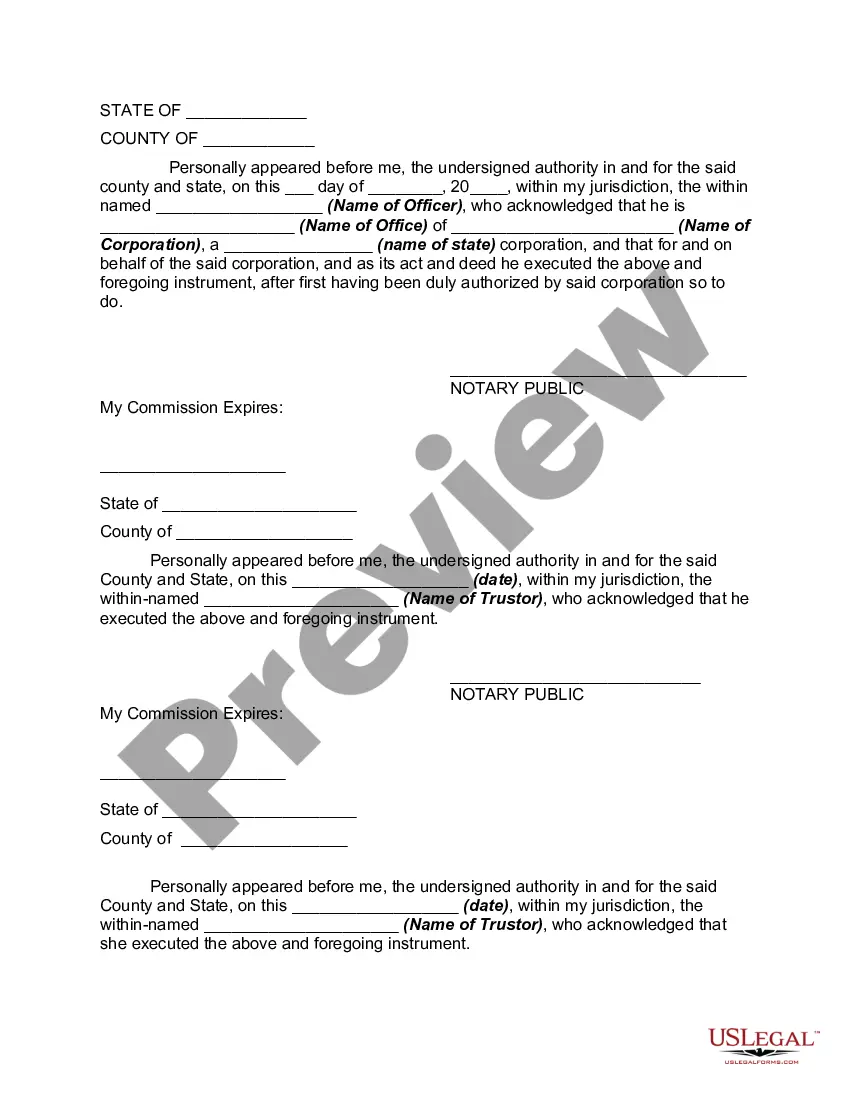

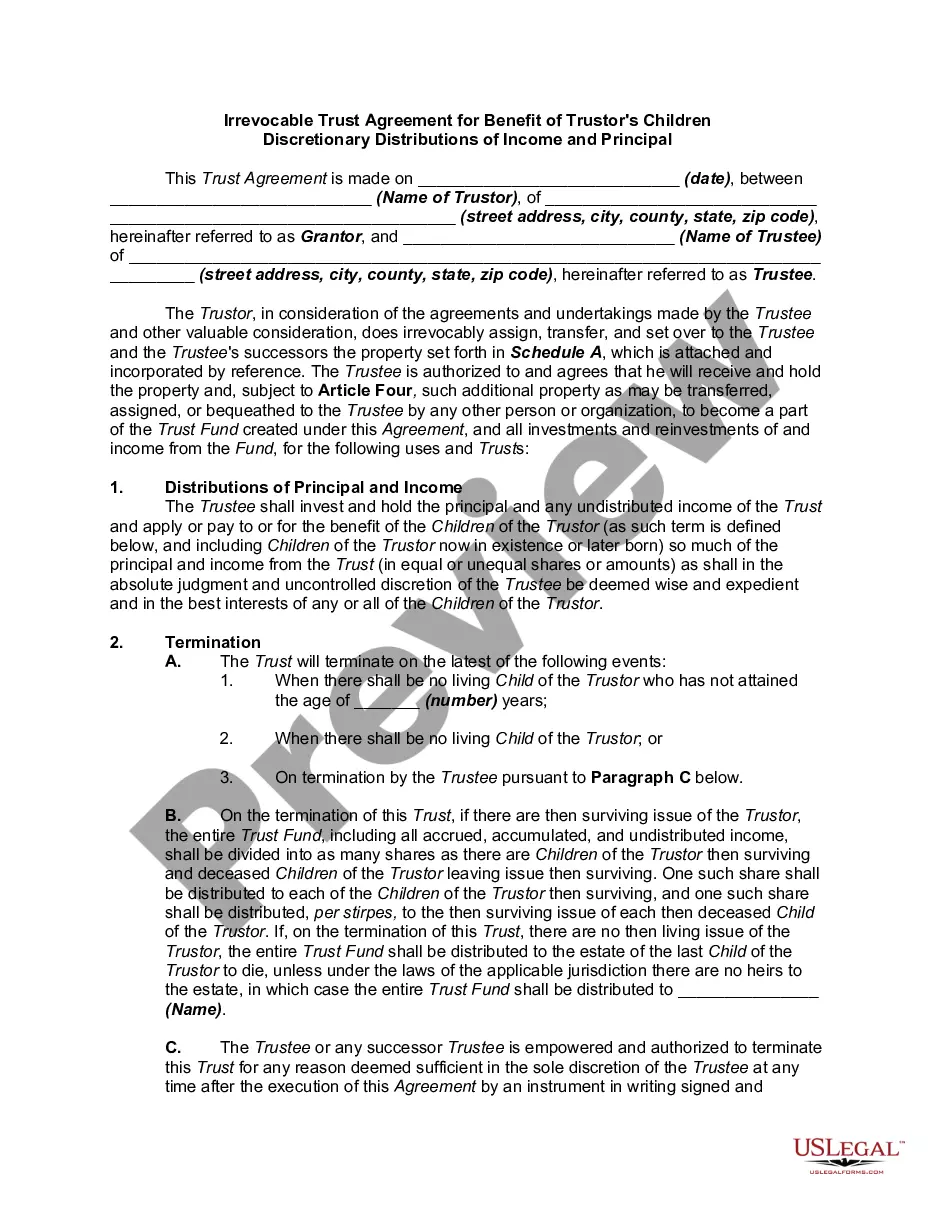
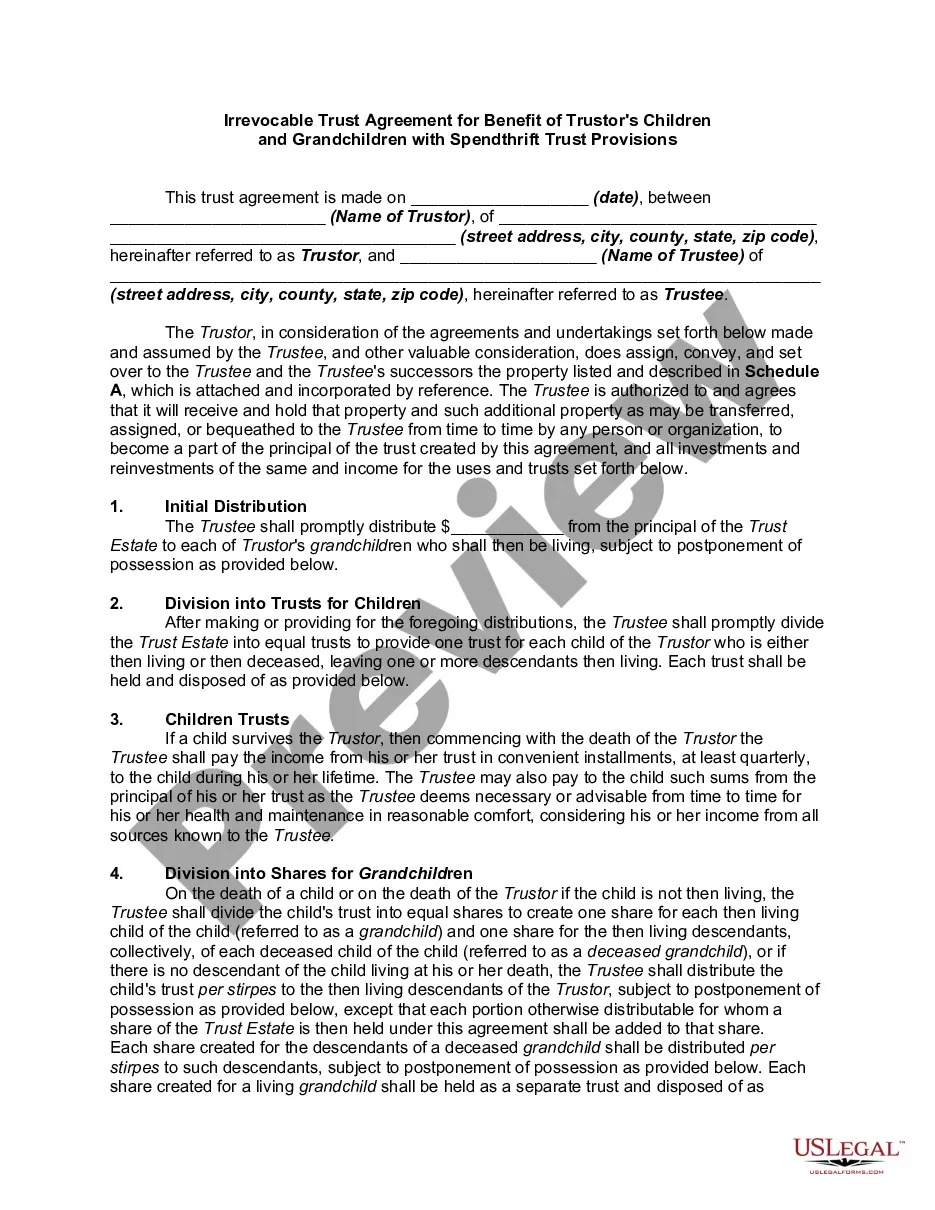
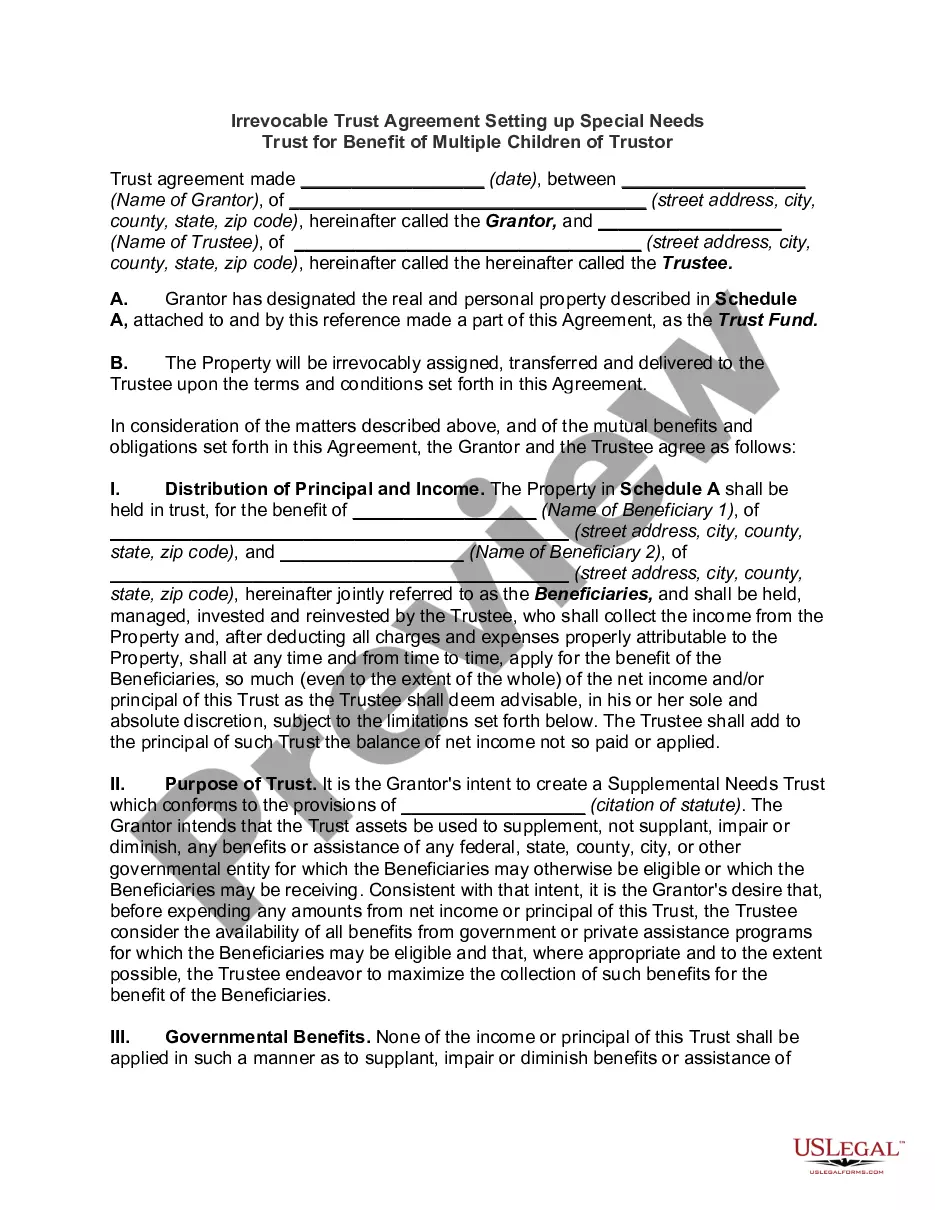
Get your form ready online
Our built-in tools help you complete, sign, share, and store your documents in one place.
Make edits, fill in missing information, and update formatting in US Legal Forms—just like you would in MS Word.
Download a copy, print it, send it by email, or mail it via USPS—whatever works best for your next step.
Sign and collect signatures with our SignNow integration. Send to multiple recipients, set reminders, and more. Go Premium to unlock E-Sign.
If this form requires notarization, complete it online through a secure video call—no need to meet a notary in person or wait for an appointment.
We protect your documents and personal data by following strict security and privacy standards.

Make edits, fill in missing information, and update formatting in US Legal Forms—just like you would in MS Word.

Download a copy, print it, send it by email, or mail it via USPS—whatever works best for your next step.

Sign and collect signatures with our SignNow integration. Send to multiple recipients, set reminders, and more. Go Premium to unlock E-Sign.

If this form requires notarization, complete it online through a secure video call—no need to meet a notary in person or wait for an appointment.

We protect your documents and personal data by following strict security and privacy standards.
Looking for another form?





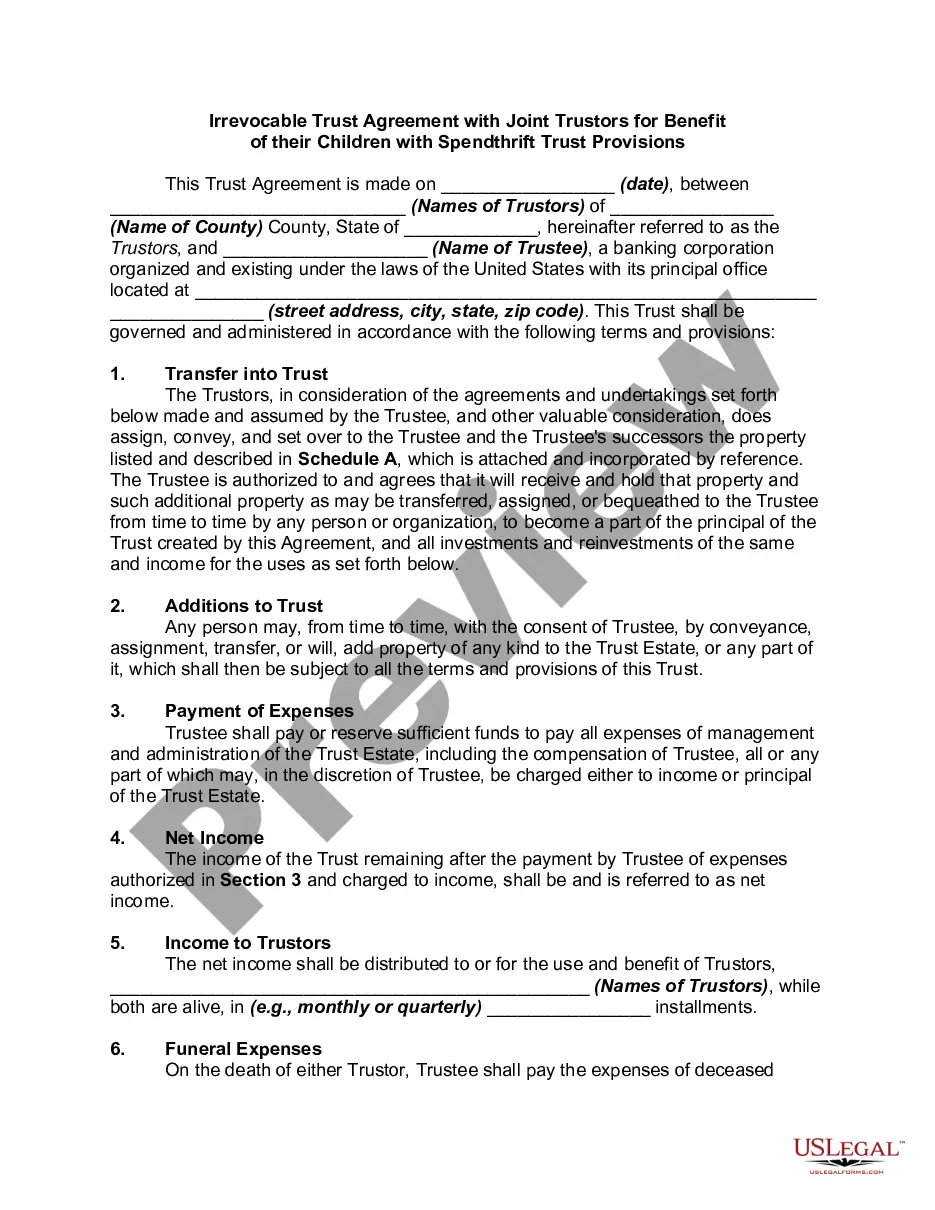
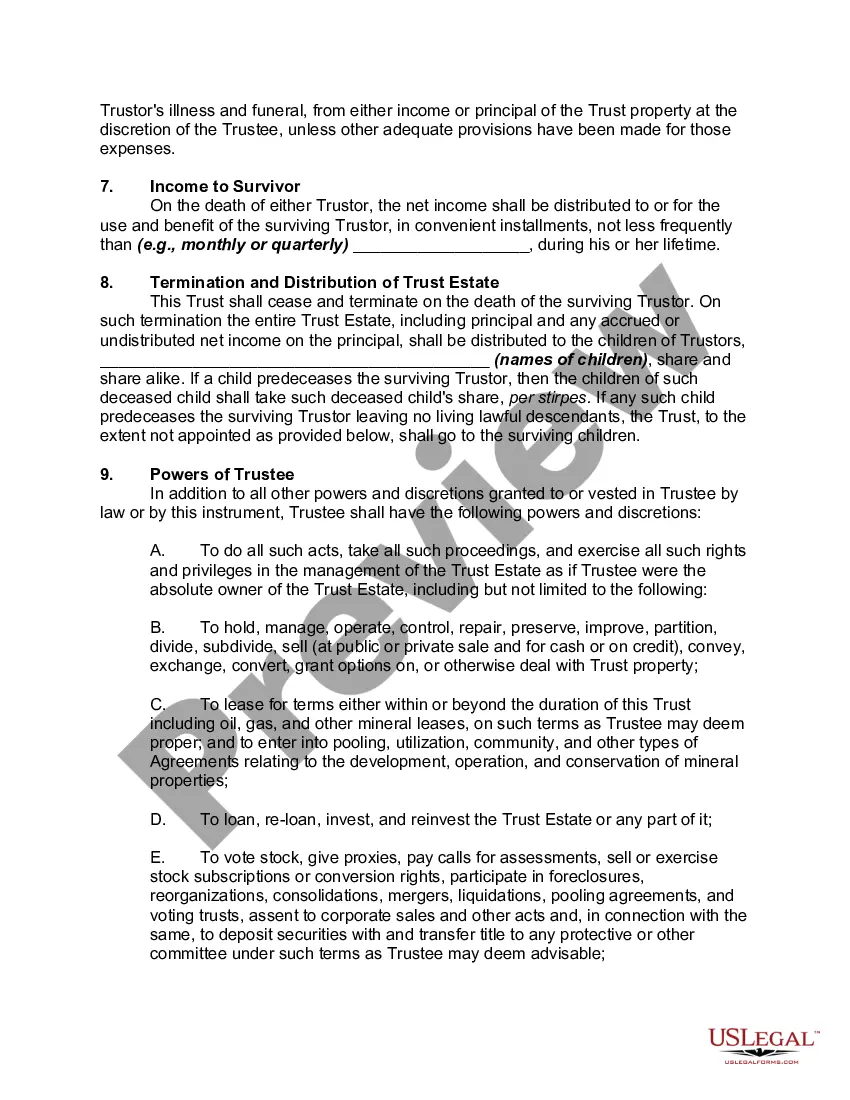
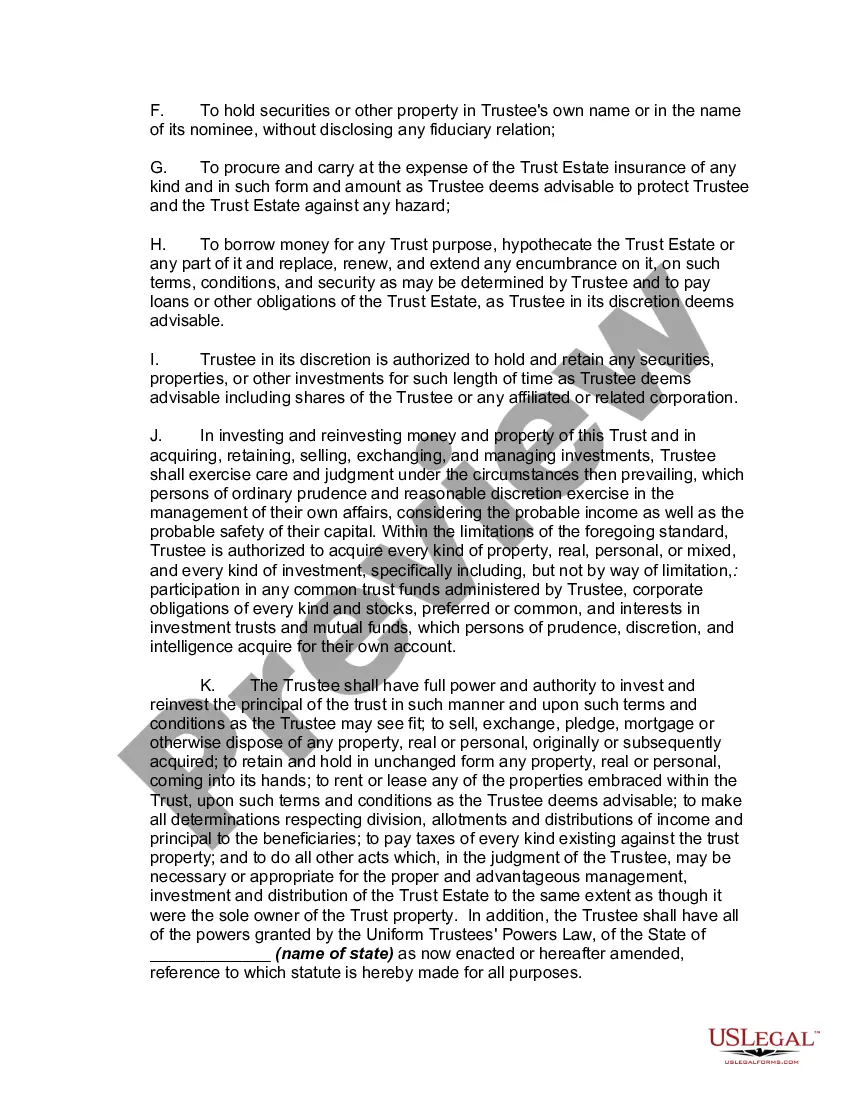
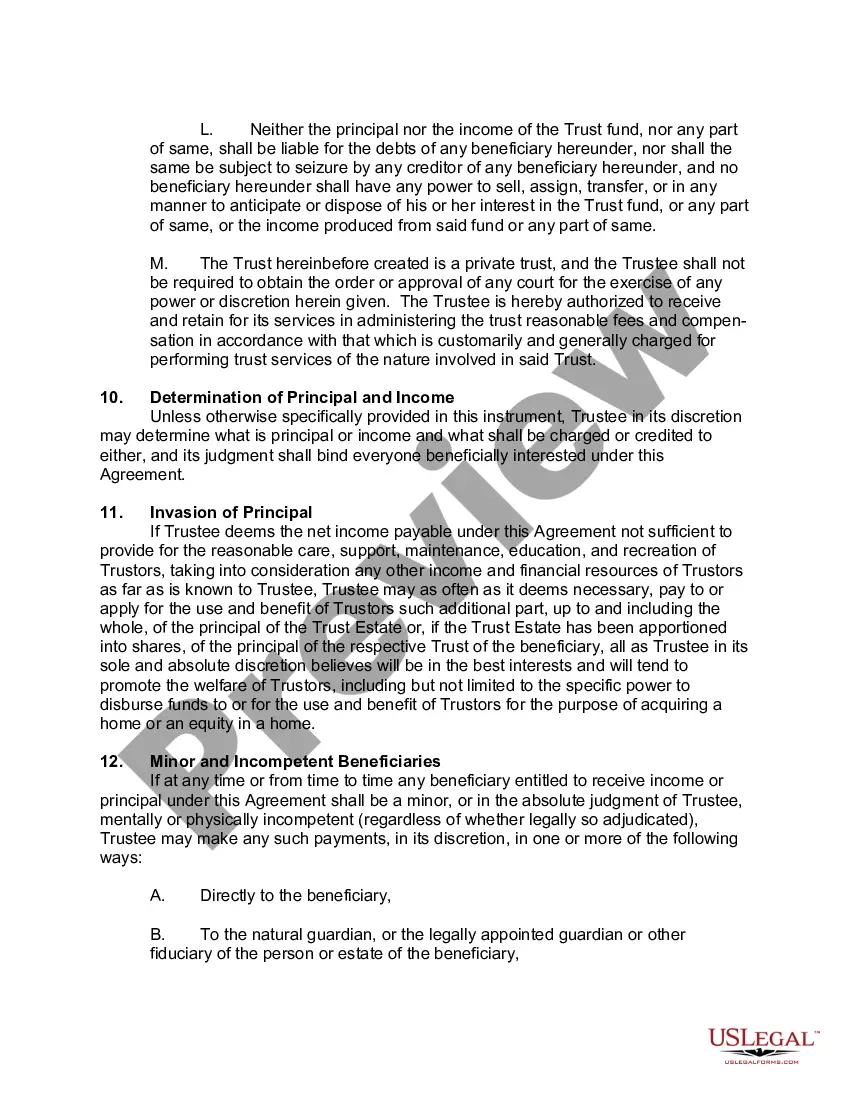
How to fill out Irrevocable Trust Agreement With Joint Trustors For Benefit Of Their Children With Spendthrift Trust Provisions?
Whether for professional reasons or personal matters, everyone must handle legal issues at some point in their lives.
Completing legal documents requires meticulous attention, starting from selecting the appropriate form template.
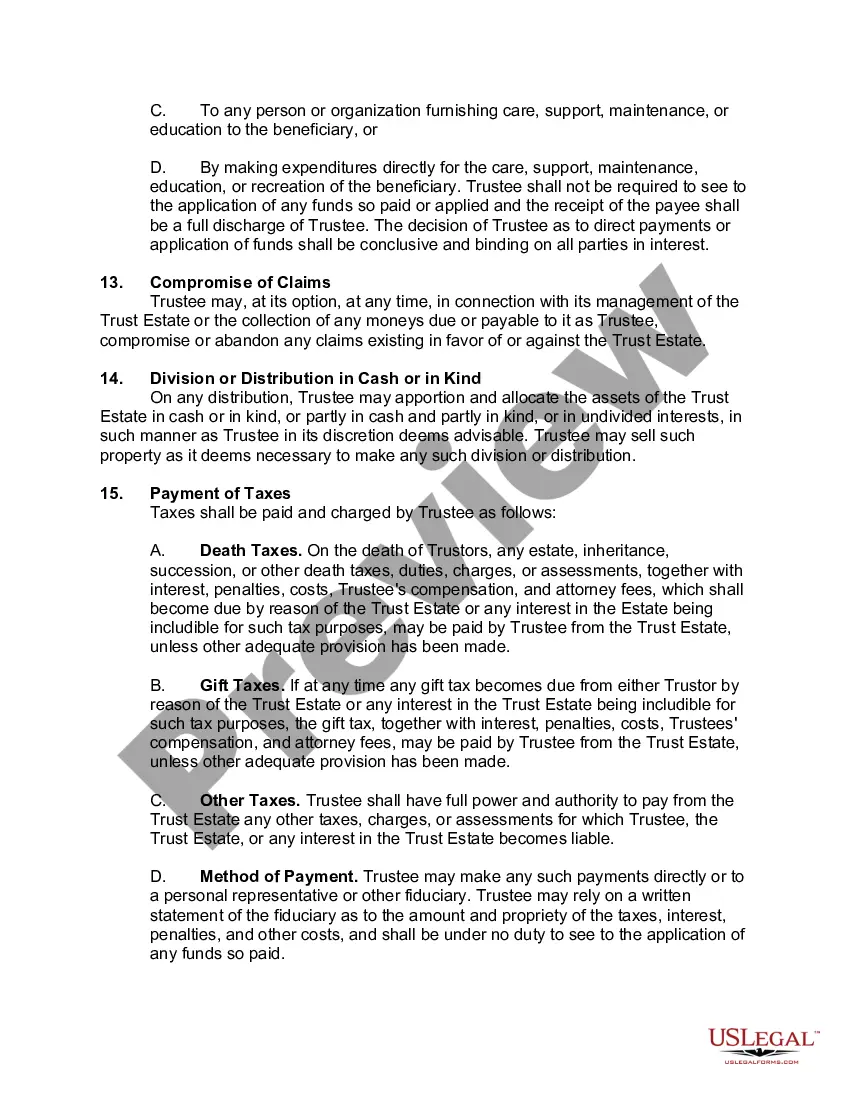
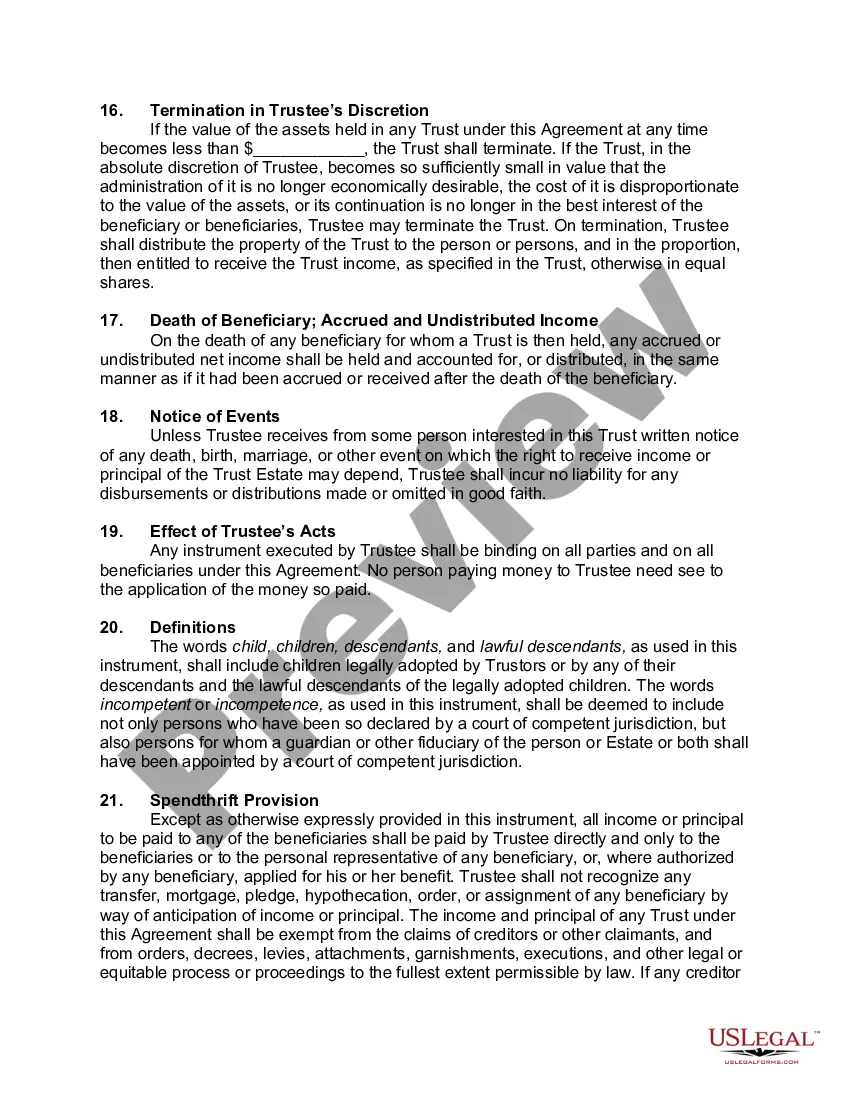
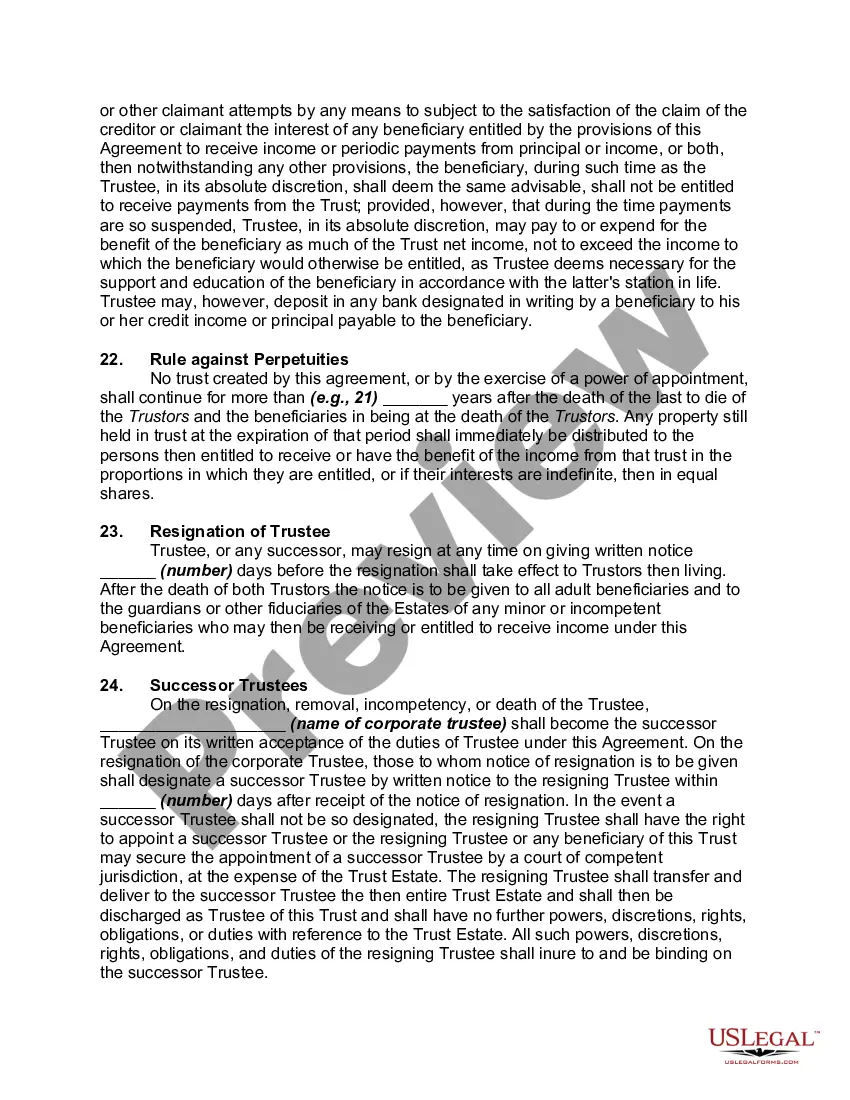
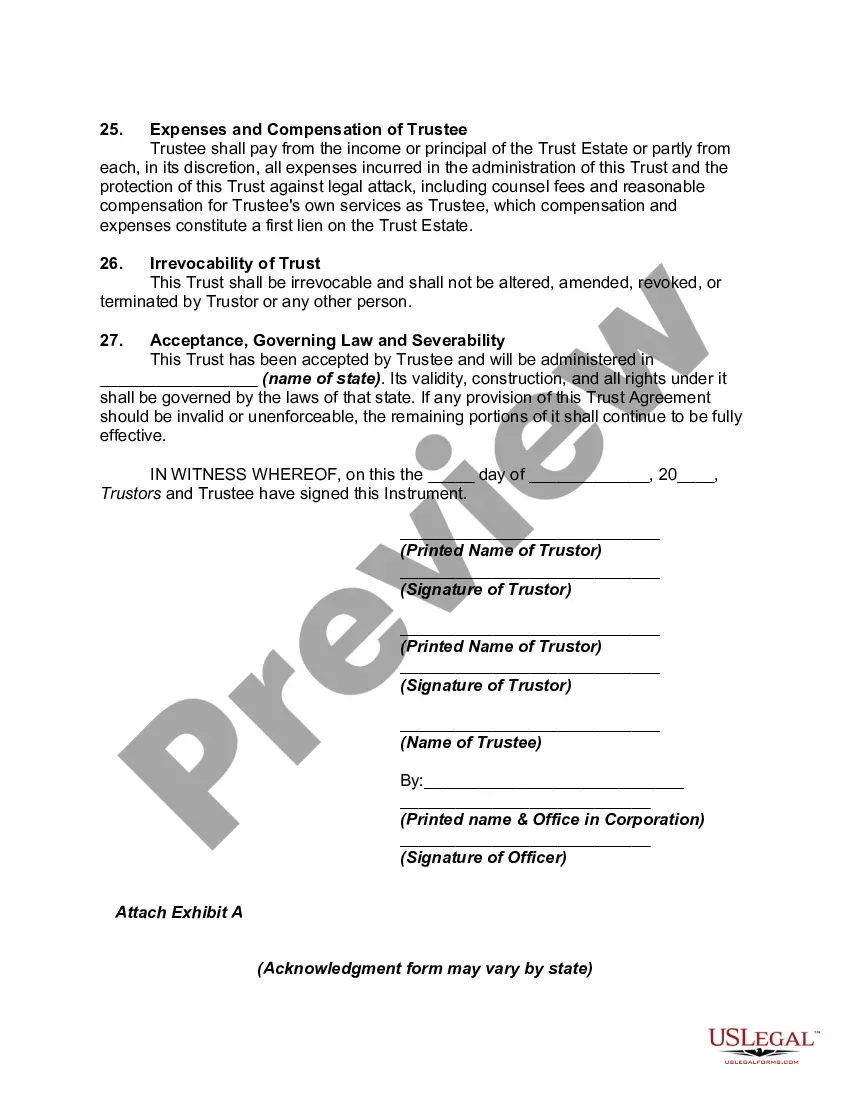
Complete the profile registration form, select your payment method: you can utilize a credit card or PayPal account, select the document format you prefer, and download the Trust Spendthrift Sample Withdrawal. After downloading, you can fill out the form using editing software or print it and complete it manually. With an extensive US Legal Forms catalog available, you won’t need to waste time searching for the right template online. Use the library’s straightforward navigation to find the correct document for any circumstance.
- For example, if you select an incorrect version of the Trust Spendthrift Sample Withdrawal, it will be rejected upon submission.
- Thus, it's crucial to have a trustworthy source of legal paperwork like US Legal Forms.
- If you need to acquire a Trust Spendthrift Sample Withdrawal template, follow these simple steps.
- Obtain the template you require using the search bar or catalog navigation.
- Review the form’s description to ensure it aligns with your case, state, and county.
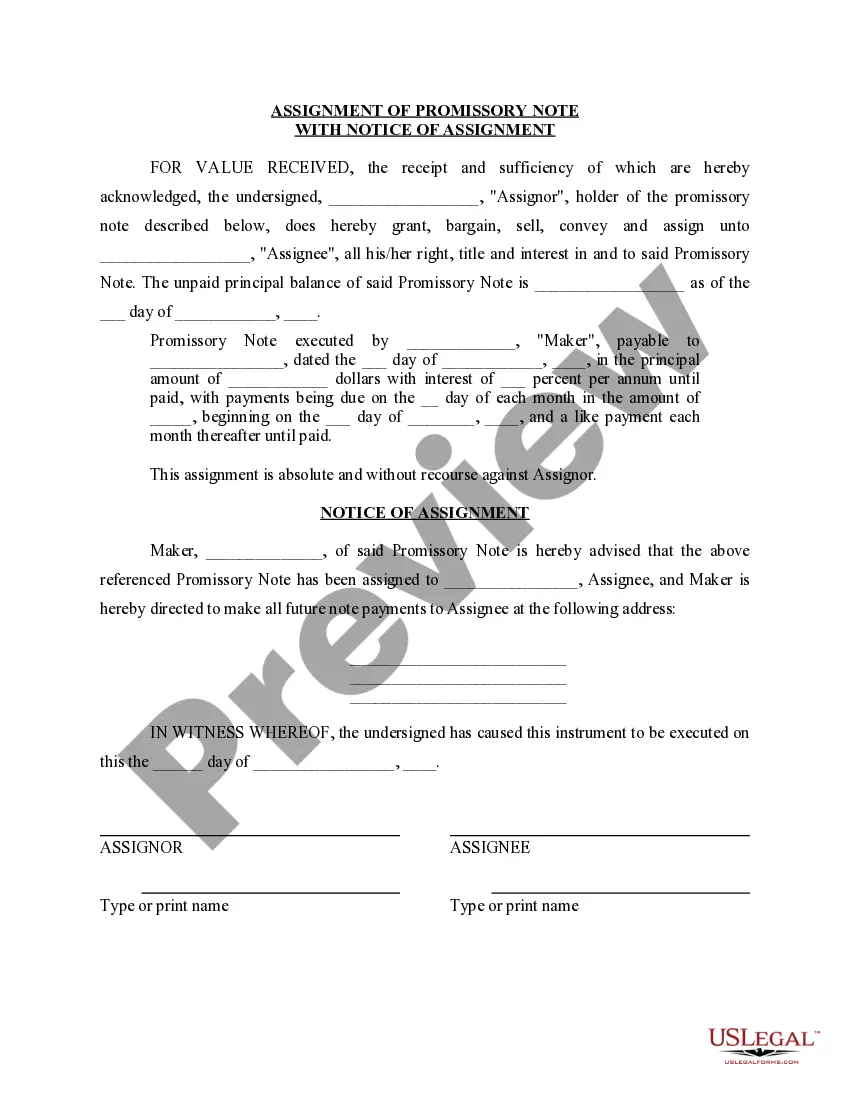
- Click on the form’s preview to view it.
- If it is the incorrect form, return to the search feature to find the necessary Trust Spendthrift Sample Withdrawal template.
- Download the template once it meets your criteria.
- If you already possess a US Legal Forms account, click Log in to access previously saved documents in My documents.
- If you don’t yet have an account, you can obtain the form by clicking Buy now.
- Choose the appropriate pricing option.
Form popularity
FAQ
The Fair Debt Collection Practices Act (FDCPA) prohibits debt collectors from using abusive, unfair, or deceptive practices to collect debts from you, including: Misrepresenting the nature of the debt, including the amount owed. Falsely claiming that the person contacting you is an attorney.
After the 3-6 year period passes, can the creditor still collect these debts from debtors? The lender or collection agency can still attempt to negotiate with the debtor, but they don't have much to work with. They are not legally able to bring any legal action against the debtor, so these actions usually fall flat.
The Fair Debt Collection Practices Act (FDCPA) is the main federal law that governs debt collection practices. The FDCPA prohibits debt collection companies from using abusive, unfair, or deceptive practices to collect debts from you.
To take legal action to collect a debt, the creditor (the person or company owed money) files a lawsuit against the debtor (the person who owes the money). Once a debt collection lawsuit is filed with the court, the creditor must give the debtor notice of the lawsuit (service).
Illinois statute of limitations on ?unwritten debt,? which includes credit cards, is five years. Written debt ? a loan or contract to buy something ? is 10 years; secured debt, like an auto loan, is four years. The statute of limitations is the window for a creditor to take a debtor to court to force them to pay.
Under the Fair Credit Reporting Act, debts can only appear on your credit report for 7 years. After that period is up, the debt can no longer be reported. Also, if you've had a delinquent account on your credit report, creditors can hold the debt against you.
A collector can contact you in person, by mail, telephone, telegram or email. However, a collector may not contact you at unreasonable times or places, such as before 8 a.m. or after 9 p.m., unless you agree. A debt collector also may not contact you at work if the collector knows that your employer disapproves.
Most states or jurisdictions have statutes of limitations between three and six years for debts, but some may be longer. This may also vary depending, for instance, on the: Type of debt.