Bylaws For Nonprofit Sports Organizations
Description
Get your form ready online
Our built-in tools help you complete, sign, share, and store your documents in one place.
Make edits, fill in missing information, and update formatting in US Legal Forms—just like you would in MS Word.
Download a copy, print it, send it by email, or mail it via USPS—whatever works best for your next step.
Sign and collect signatures with our SignNow integration. Send to multiple recipients, set reminders, and more. Go Premium to unlock E-Sign.
If this form requires notarization, complete it online through a secure video call—no need to meet a notary in person or wait for an appointment.
We protect your documents and personal data by following strict security and privacy standards.

Make edits, fill in missing information, and update formatting in US Legal Forms—just like you would in MS Word.

Download a copy, print it, send it by email, or mail it via USPS—whatever works best for your next step.

Sign and collect signatures with our SignNow integration. Send to multiple recipients, set reminders, and more. Go Premium to unlock E-Sign.

If this form requires notarization, complete it online through a secure video call—no need to meet a notary in person or wait for an appointment.

We protect your documents and personal data by following strict security and privacy standards.
Looking for another form?
How to fill out Bylaws Of A Nonprofit Organization - Multistate?
Creating legal documents from the ground up can frequently feel somewhat daunting.
Certain situations may necessitate extensive research and significant expenditure.
If you’re looking for a simpler and more cost-effective method of drafting Bylaws For Nonprofit Sports Organizations or any other forms without the hassle, US Legal Forms is always accessible.
Our digital library of over 85,000 current legal documents encompasses nearly every facet of your financial, legal, and personal concerns.
However, before diving into downloading Bylaws For Nonprofit Sports Organizations, consider these tips: Review the form preview and descriptions to confirm that you are looking for the correct form. Ensure the template you select adheres to the regulations and laws of your state and county. Choose the most appropriate subscription option to acquire the Bylaws For Nonprofit Sports Organizations. Download the form, then complete, certify, and print it out. US Legal Forms has a pristine reputation and over 25 years of experience. Join us today and simplify the document execution process!
- With just a few clicks, you can quickly obtain state- and county-compliant templates meticulously prepared by our legal experts.
- Utilize our platform whenever you require a dependable and trustworthy service through which you can easily find and download the Bylaws For Nonprofit Sports Organizations.
- If you’re familiar with our website and have set up an account previously, simply Log In to your account, select the template, and download it or re-download it anytime from the My documents section.
- Not registered yet? No problem. It only takes a few minutes to register and browse the catalog.
Form popularity
FAQ
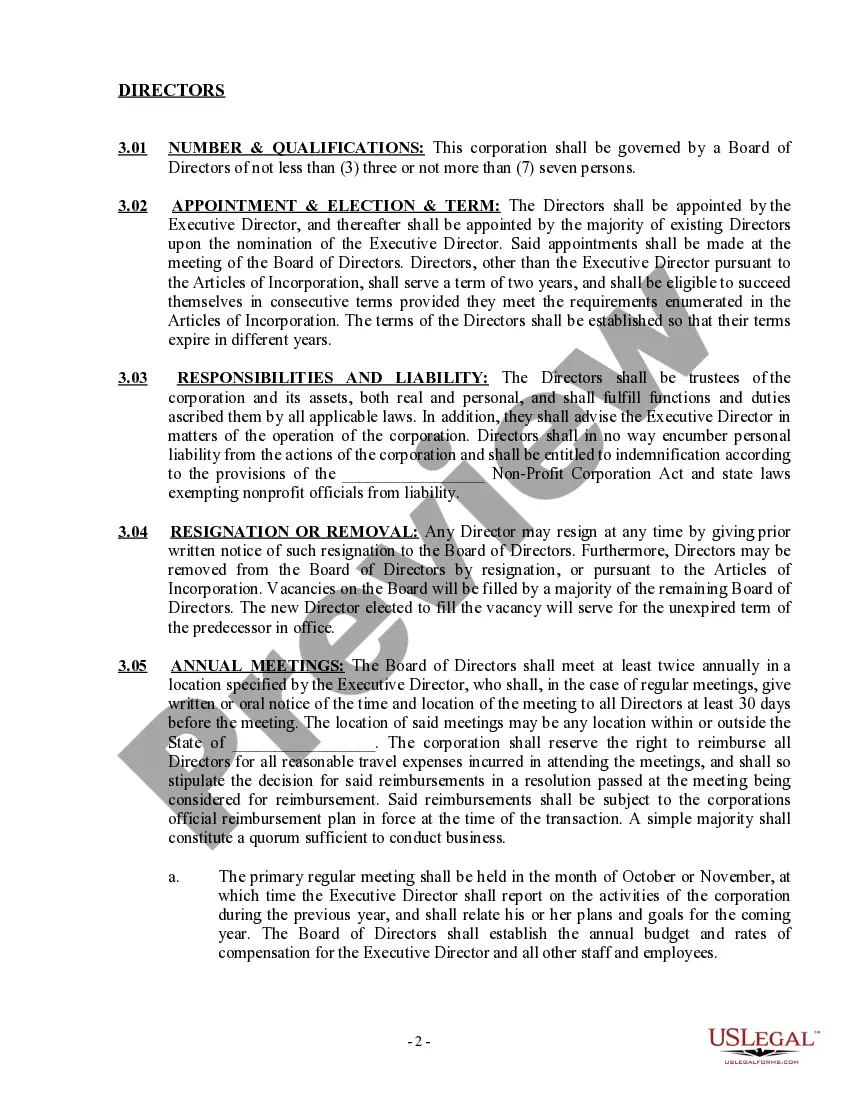
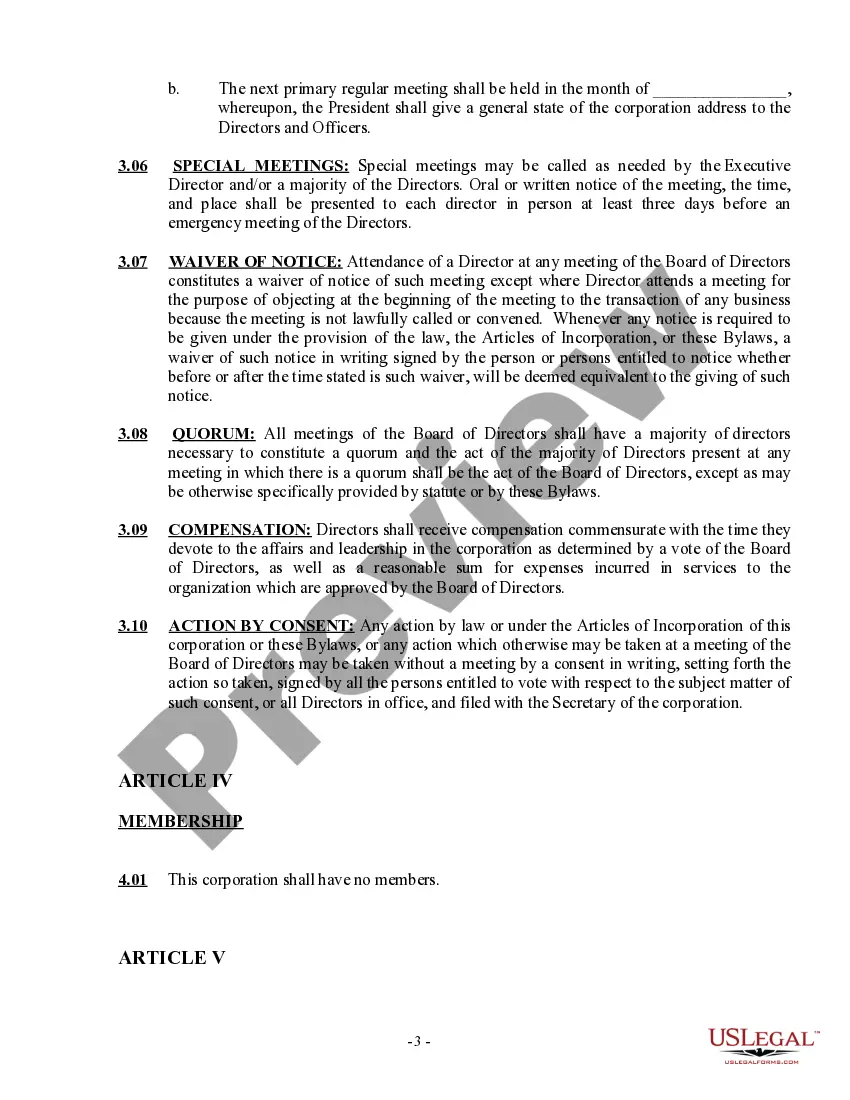
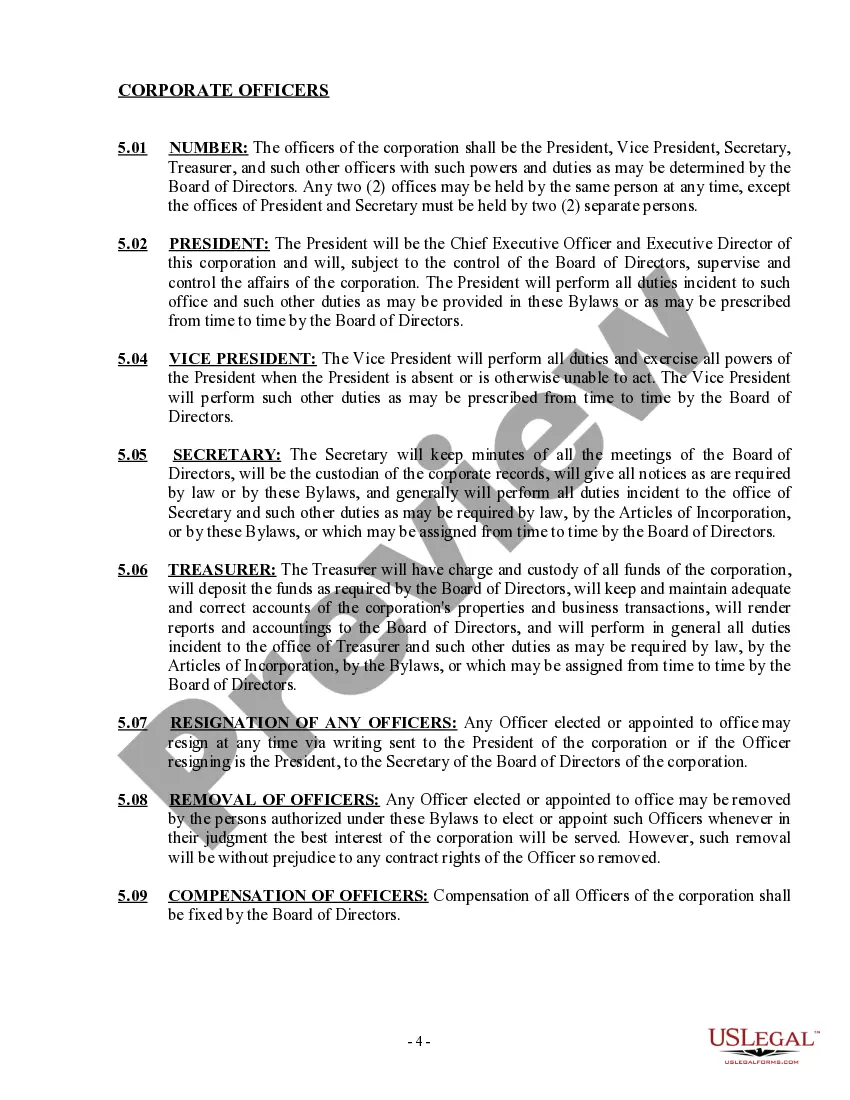
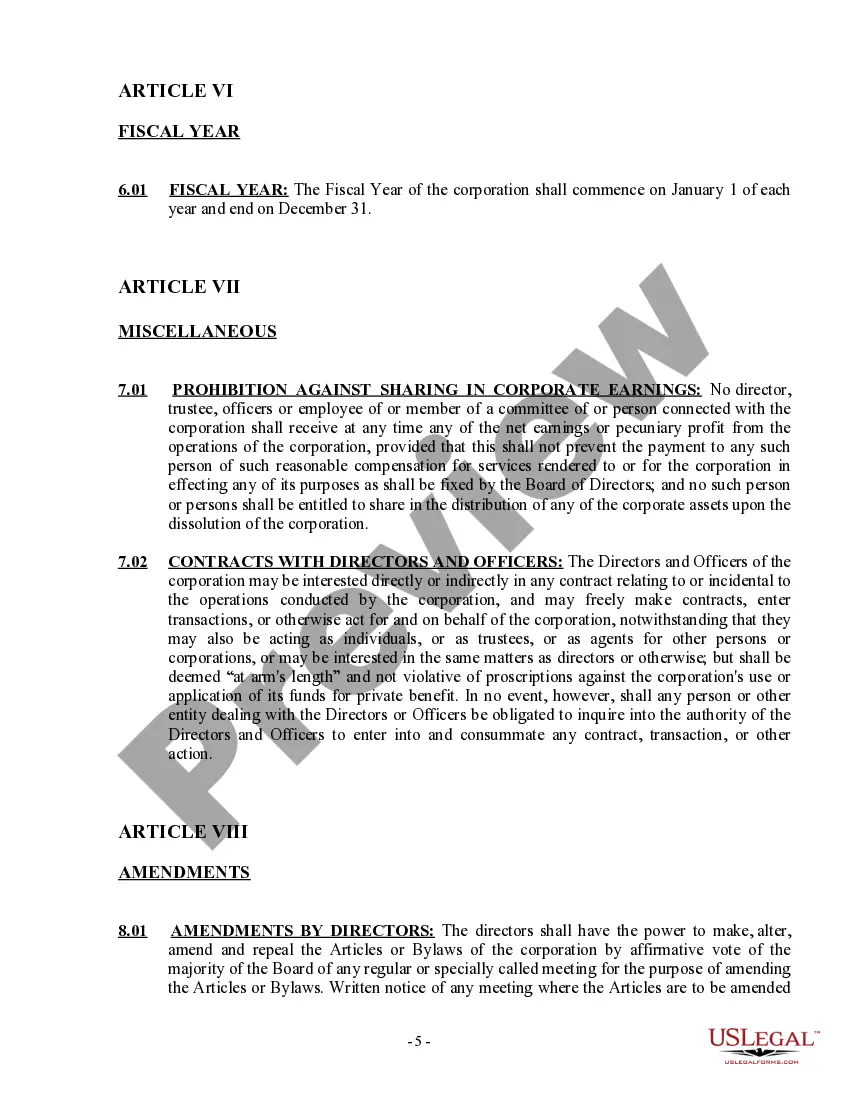
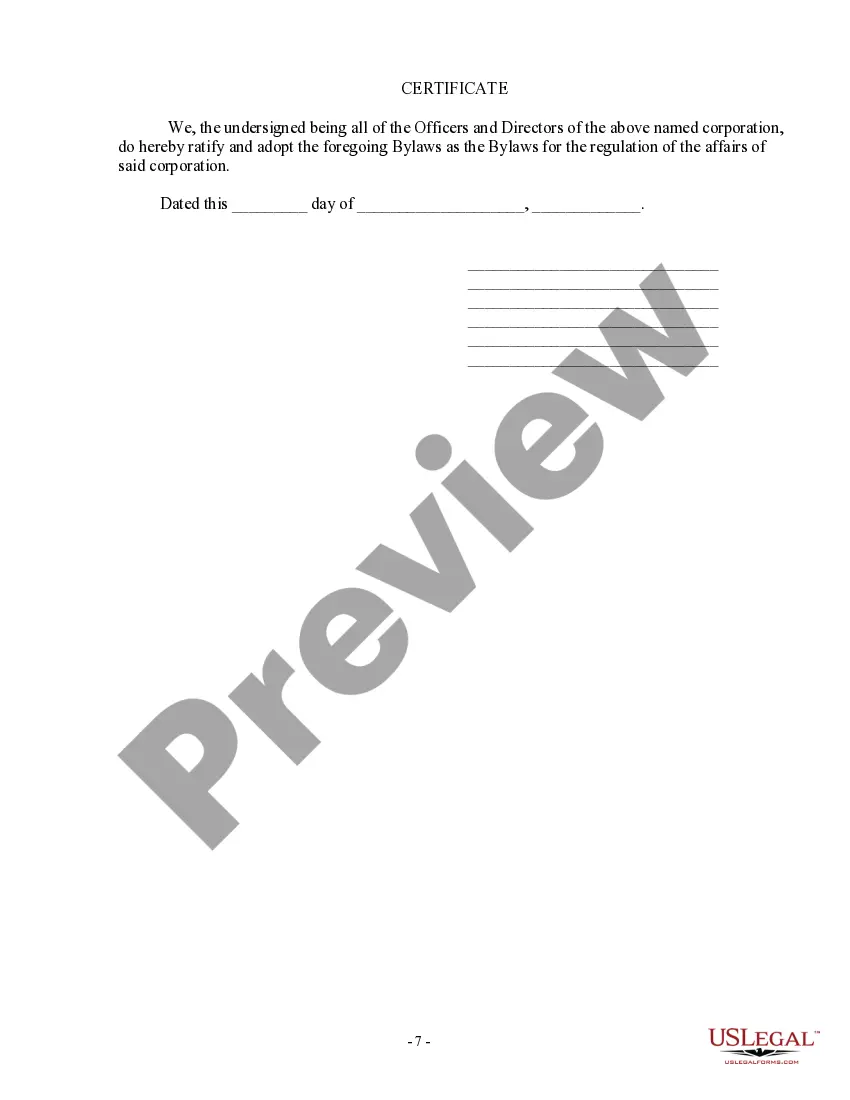
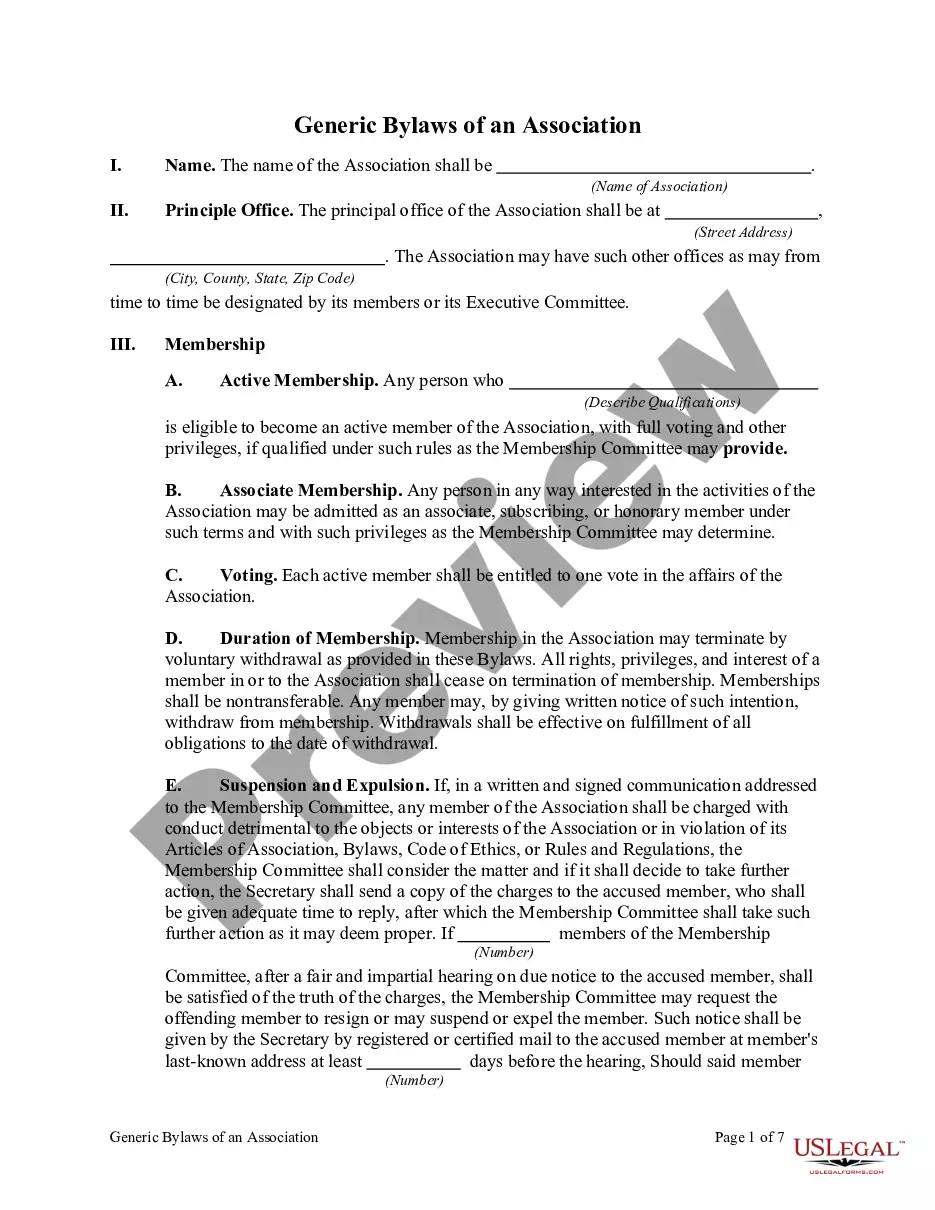
Bylaws often include the organization’s purpose, membership requirements, board composition, and meeting protocols. Additionally, they typically cover voting procedures and processes for amending the bylaws. By clearly outlining these components, bylaws for nonprofit sports organizations provide a framework that promotes transparency and accountability. Having well-defined bylaws enhances the organization’s credibility and fosters trust among members.
Writing bylaws for nonprofit sports organizations requires careful planning and a systematic approach. Begin by researching existing bylaws for similar organizations to understand common practices. Draft each section thoughtfully, incorporating essential elements like governance structure and operational guidelines. Use templates from platforms like US Legal Forms to streamline the process, ensuring compliance and professionalism in your bylaws.
Bylaws for nonprofit sports organizations should include essential information such as the organization's mission statement, member rights, board structure, and duties of officers. It's important to define the process for holding meetings, voting procedures, and how to amend the bylaws. Including clear guidelines ensures all members understand their roles and responsibilities. This clarity helps your organization operate smoothly and efficiently.
When drafting bylaws for nonprofit sports organizations, avoid including excessive details that might quickly become outdated. Steer clear of local laws, financial projections, and matters that can be adjusted by simple board policy or resolutions. Additionally, do not include personal opinions or lengthy explanations; bylaws should remain focused and concise. Keeping your bylaws clear of unnecessary information helps maintain their relevance over time.
The 49 rule pertains to the governance of nonprofit organizations, particularly in ensuring diversity among board members. It suggests that no individual or group should control more than 49% of the board to encourage varied perspectives. This rule fosters inclusivity and helps maintain a balanced decision-making process. By adhering to guidelines like the 49 rule, bylaws for nonprofit sports organizations can promote fair representation.
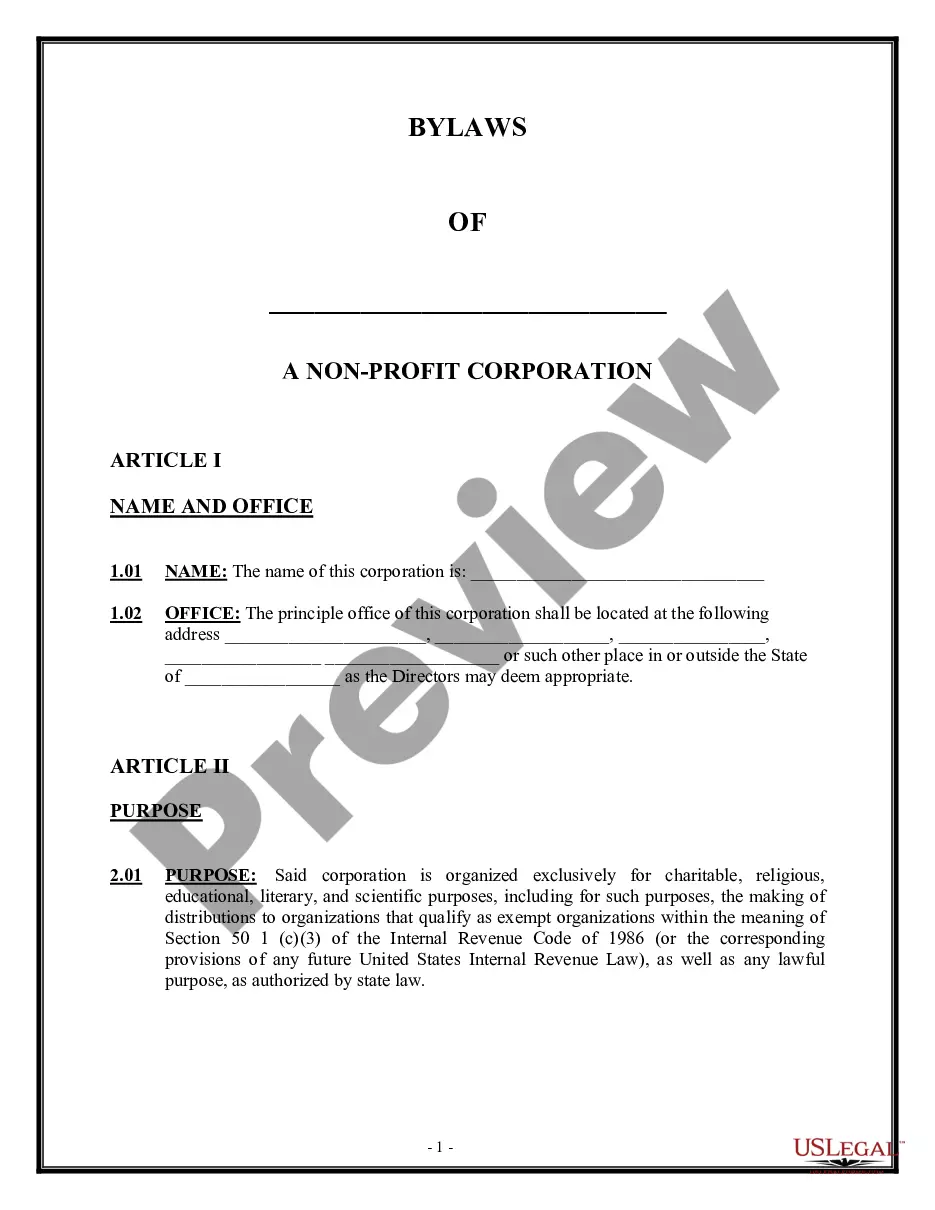
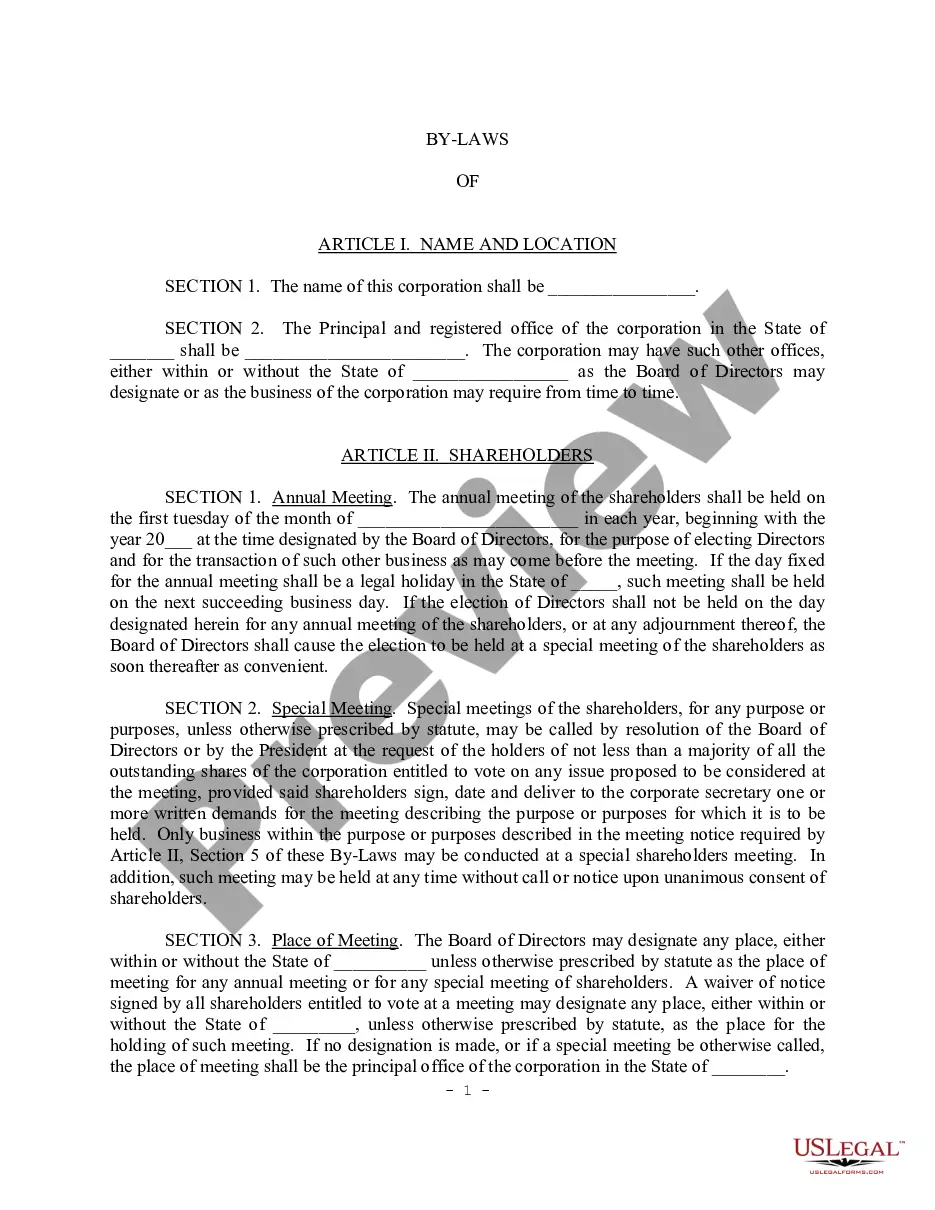
Bylaws for nonprofit sports organizations should be formatted clearly and logically. Start with a title page that includes the organization's name, followed by a table of contents for easier navigation. Use headings and subheadings to separate different sections, and consider numbering articles for reference. This format helps ensure that all members can easily understand and follow the bylaws.
Bylaws are the rules and regulations governing the operation of a nonprofit organization, such as nonprofit sports organizations. They define key aspects like organizational structure, member roles, and election processes. For example, bylaws might stipulate the frequency of board meetings or the rights of members, establishing a clear framework for governance.
Writing bylaws for a nonprofit organization begins with researching existing models and templates that fit your needs. Start by defining your organization’s purpose, membership criteria, and board structure. Remember to include procedures for meetings, voting, and amending the bylaws, ensuring clarity and compliance with applicable laws.
To find bylaws for a nonprofit organization, check public access resources like the state’s Secretary of State website where many nonprofits file their documents. Additionally, many organizations publish their bylaws on their websites for transparency. You can also explore sample bylaws specifically tailored for nonprofit sports organizations online.
Bylaws are not the place for extensive operational guidelines or day-to-day procedures. Avoid intricate financial policies and disciplinary measures, as these can change and may clutter the foundational document. Focus instead on the overarching structure and governance principles of your nonprofit sports organization.