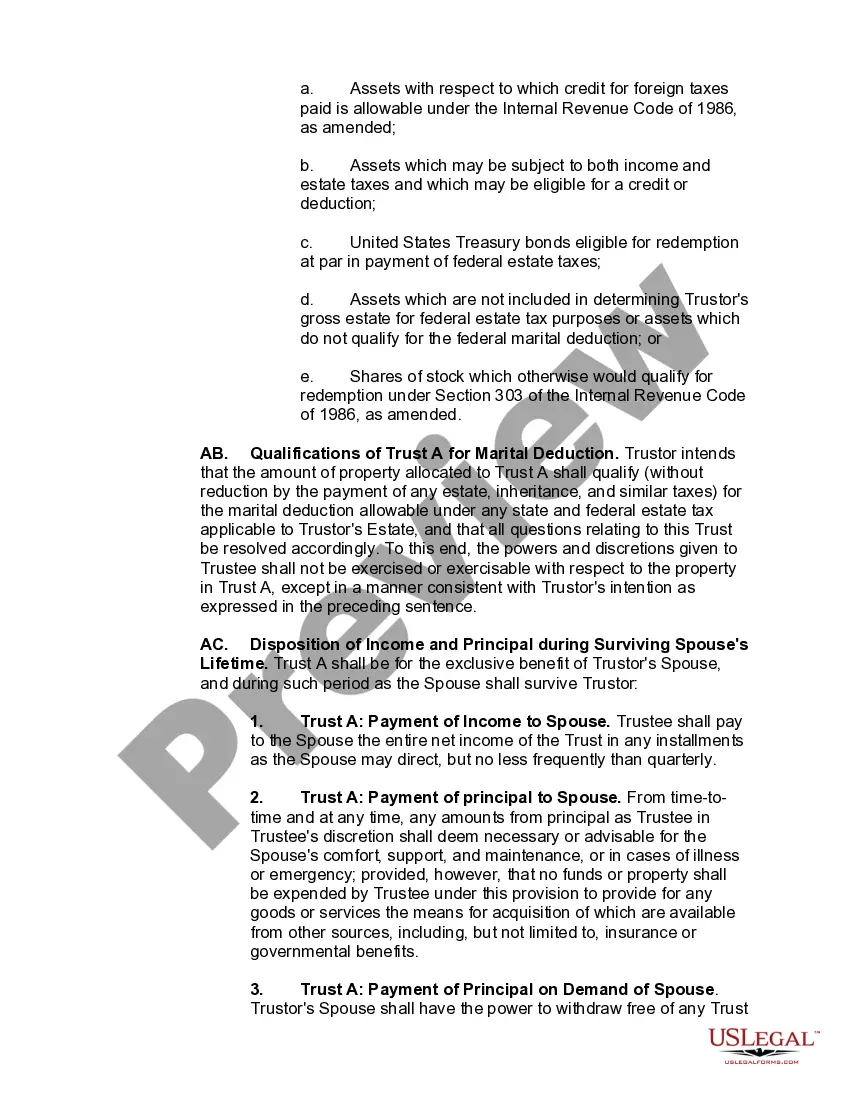
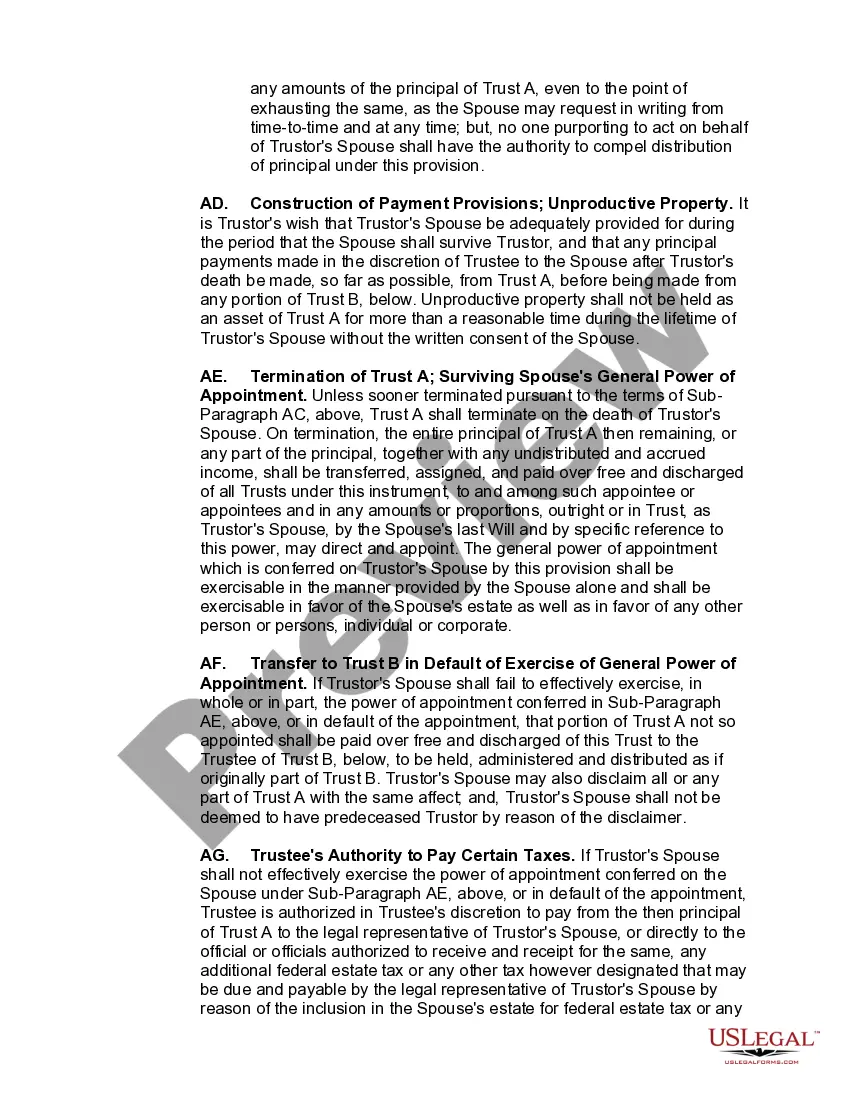
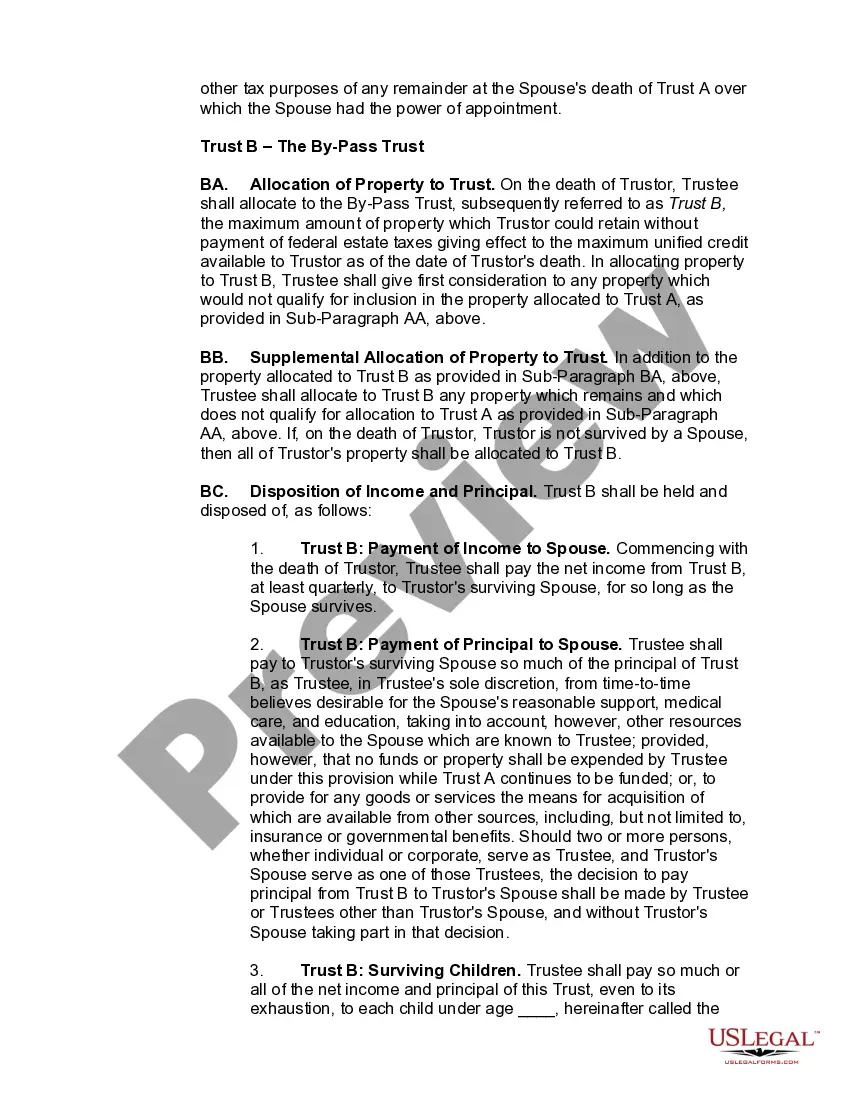
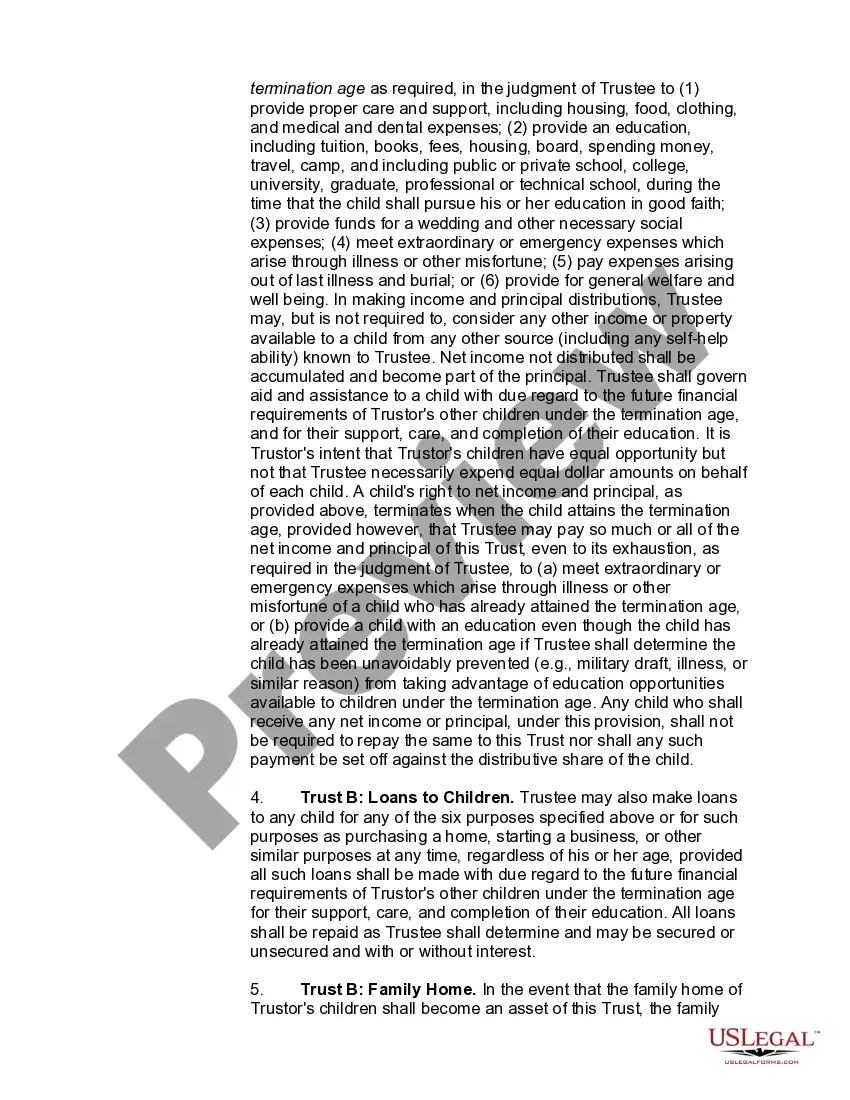
Trust A Trust B Force
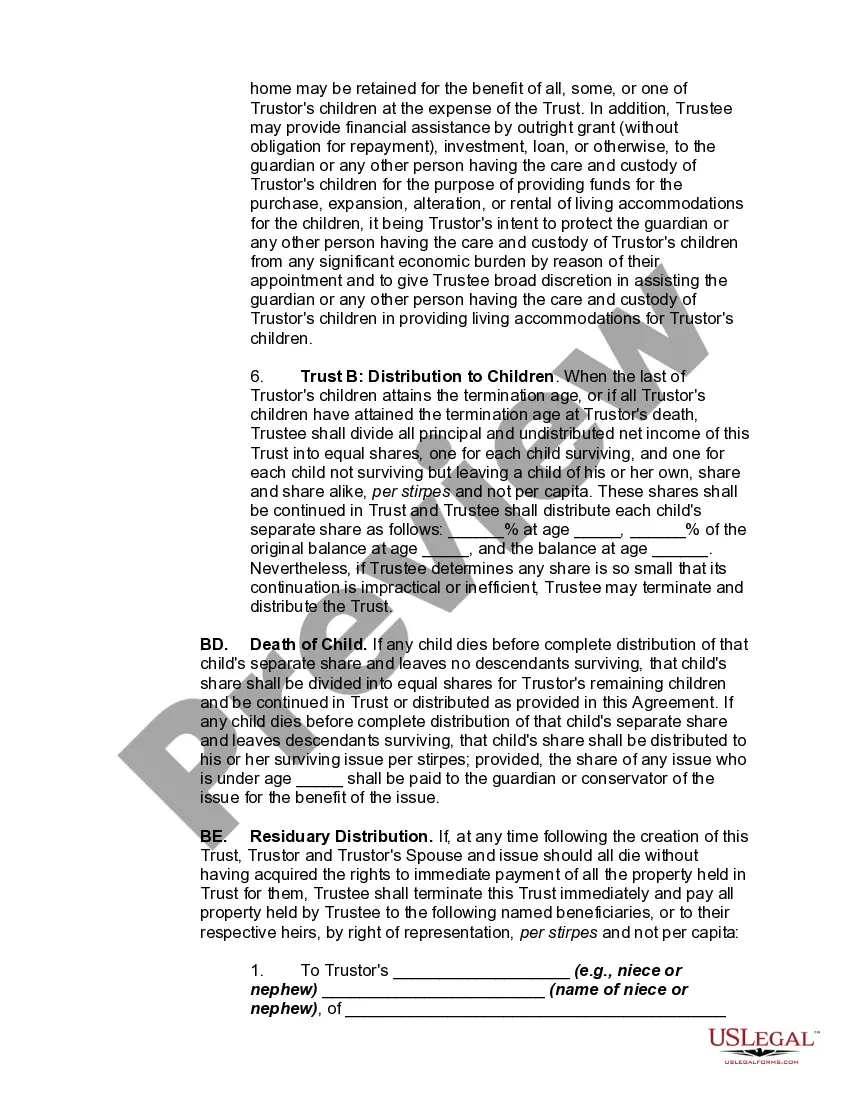
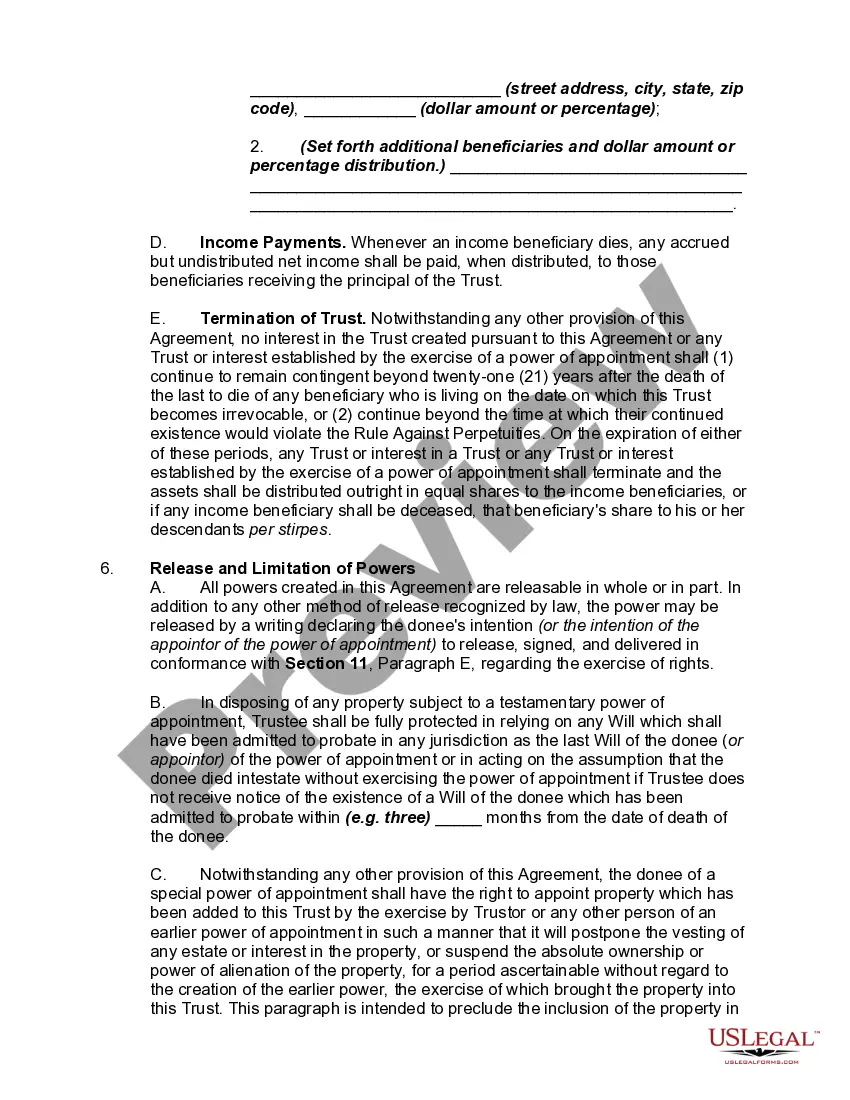
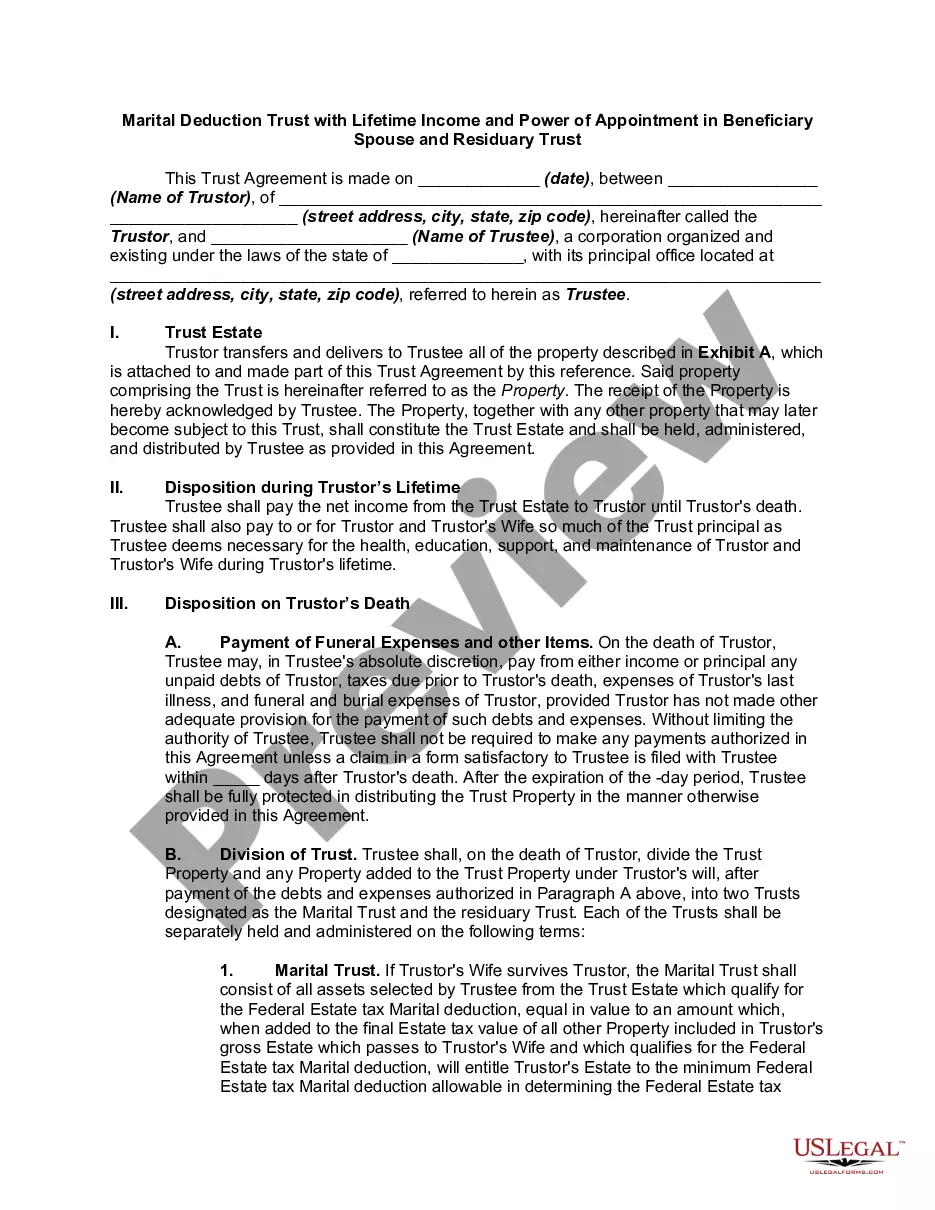
Description
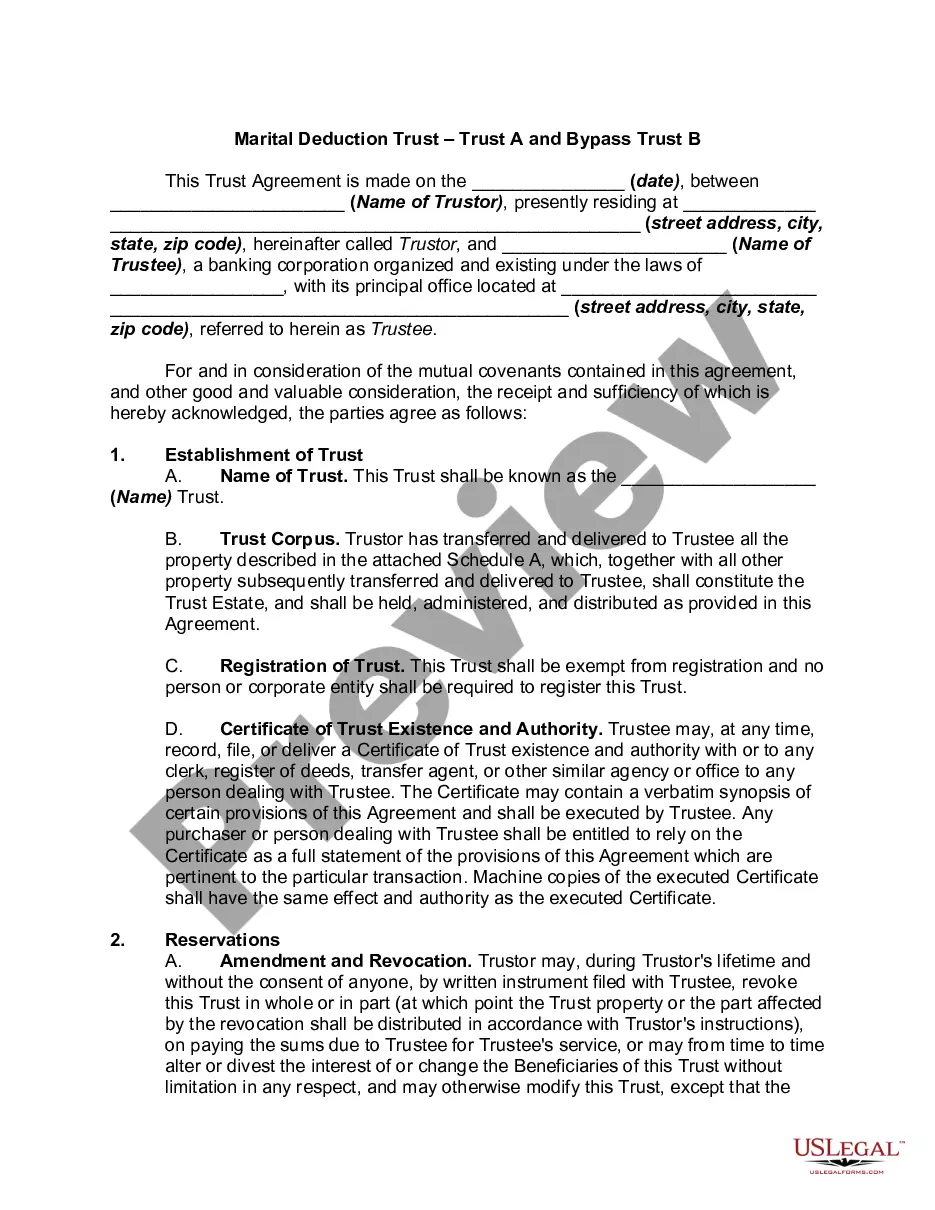
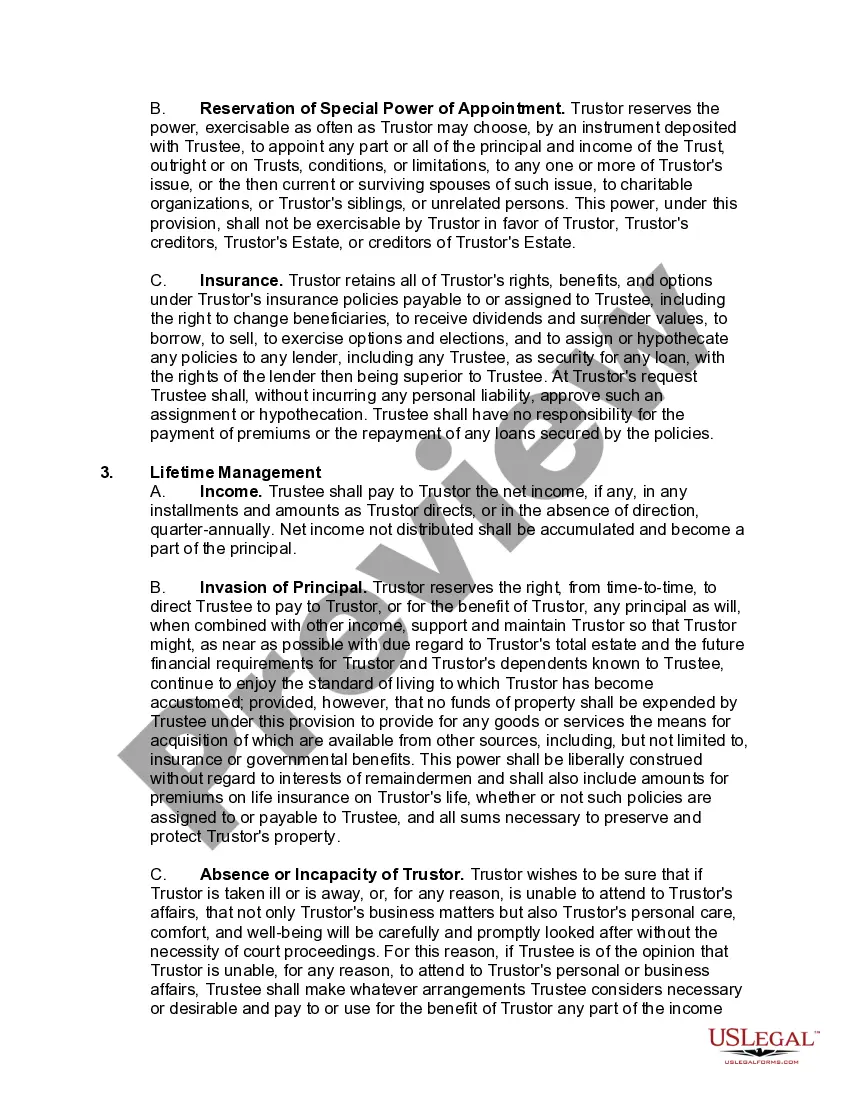
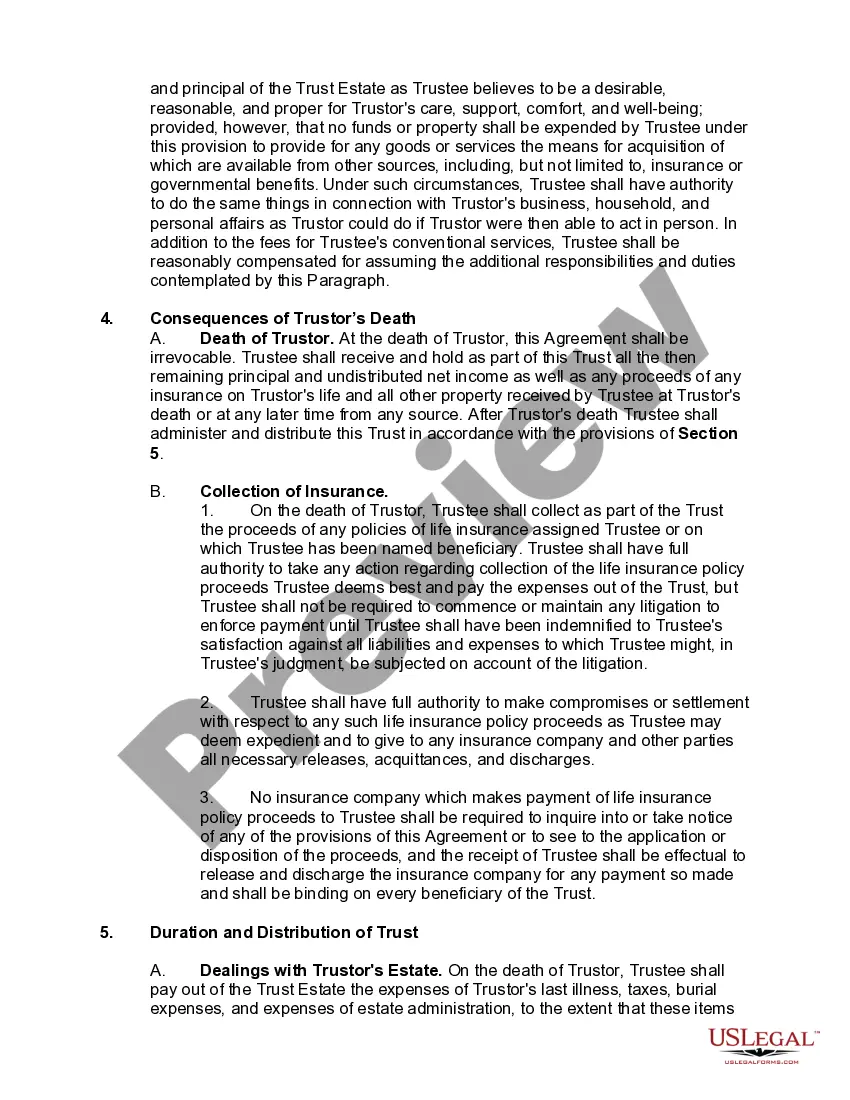
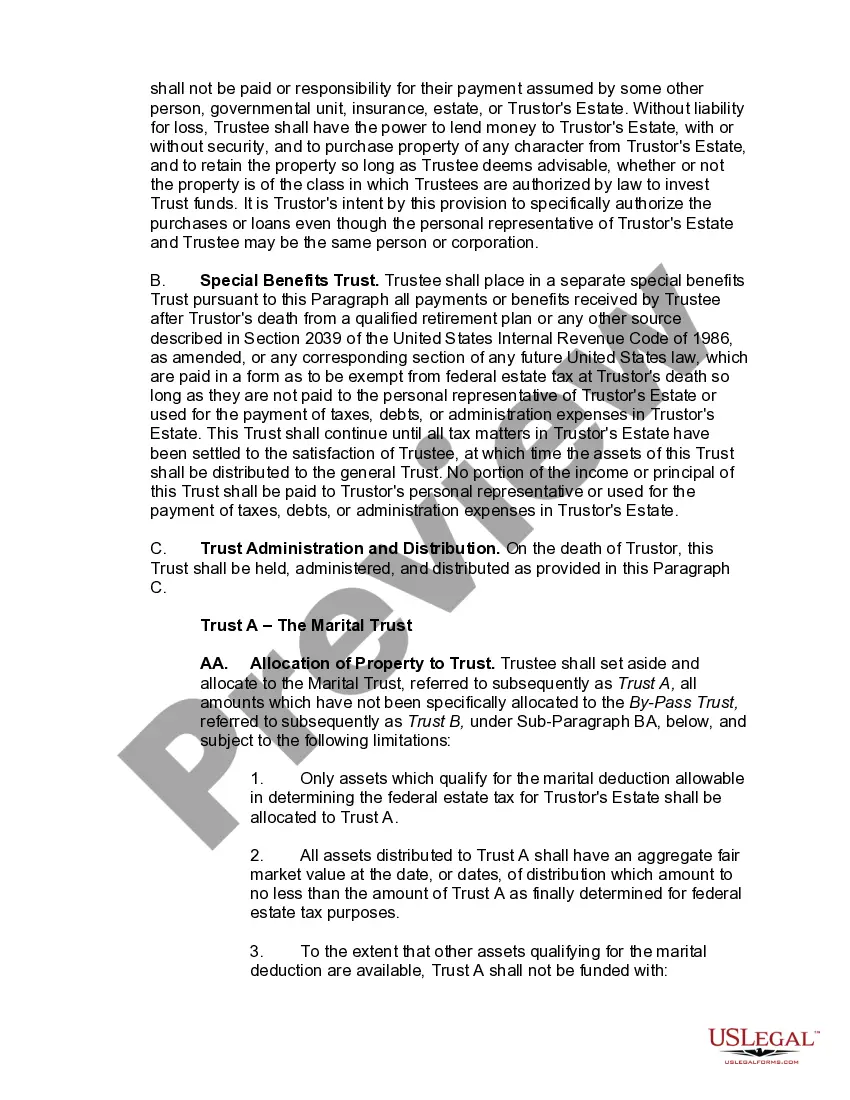


Get your form ready online
Our built-in tools help you complete, sign, share, and store your documents in one place.
Make edits, fill in missing information, and update formatting in US Legal Forms—just like you would in MS Word.
Download a copy, print it, send it by email, or mail it via USPS—whatever works best for your next step.
Sign and collect signatures with our SignNow integration. Send to multiple recipients, set reminders, and more. Go Premium to unlock E-Sign.
If this form requires notarization, complete it online through a secure video call—no need to meet a notary in person or wait for an appointment.
We protect your documents and personal data by following strict security and privacy standards.

Make edits, fill in missing information, and update formatting in US Legal Forms—just like you would in MS Word.

Download a copy, print it, send it by email, or mail it via USPS—whatever works best for your next step.

Sign and collect signatures with our SignNow integration. Send to multiple recipients, set reminders, and more. Go Premium to unlock E-Sign.

If this form requires notarization, complete it online through a secure video call—no need to meet a notary in person or wait for an appointment.

We protect your documents and personal data by following strict security and privacy standards.
Looking for another form?

How to fill out Marital Deduction Trust - Trust A And Bypass Trust B?
Locating a reliable source to obtain the latest and pertinent legal templates constitutes a significant portion of managing bureaucracy.
Selecting the appropriate legal documents requires accuracy and meticulousness, which is why it is crucial to obtain samples of Trust A Trust B Force exclusively from trustworthy providers, such as US Legal Forms. An incorrect template will squander your time and delay your current situation. With US Legal Forms, you have minimal worries.
Once you have the form on your device, you can adjust it using the editor or print it out and fill it in manually. Remove the stress associated with your legal documentation. Explore the extensive US Legal Forms library where you can discover legal templates, assess their applicability to your situation, and download them immediately.
- Utilize the catalog navigation or search bar to find your sample.
- Examine the form’s description to determine if it meets the criteria of your state and county.
- Check the form preview, if available, to confirm that the form is indeed the one you seek.
- Return to the search and find the appropriate template if the Trust A Trust B Force does not fulfill your needs.
- If you are confident about the form’s applicability, download it.
- As a registered user, click Log in to verify and access your selected templates in My documents.
- If you have yet to create a profile, click Buy now to acquire the template.
- Select the pricing option that aligns with your preferences.
- Proceed with the registration to complete your purchase.
- Finalize your transaction by choosing a payment method (credit card or PayPal).
- Select the document format for downloading Trust A Trust B Force.
Form popularity
FAQ
Requirements for Trust Registration A trust must be formed by at least two or more individuals. The trust must be established in ance with the provisions outlined in the Indian Trusts Act of 1882. None of the parties involved should be disqualified under any prevailing law in India.
Here's an AB trust example. John and Mary are married and set up an AB living trust. If John dies first, his share of the trust turns into a living irrevocable trust. Mary is allowed to access the income from the trust during her life, but not the principal.
The A trust contains the surviving spouse's property interests, but they have limited control over the assets in the deceased spouse's trust; however, this limited control over the B trust will still enable the surviving spouse to live in the couple's house and draw income from the trust, provided these terms are ...
Bypass trust ? The ?B Trust? in A-B trust planning that is sheltered from the federal estate tax by the decedent's estate tax exemption amount. Because this trust ?bypasses? the estate tax in the decedent's estate and at the surviving spouse's death, this trust often is called a bypass trust.
An A-B trust is a joint trust created by a married couple for the purpose of minimizing estate taxes. It is formed with each spouse placing assets in the trust and naming as the final beneficiary any suitable person except the other spouse.