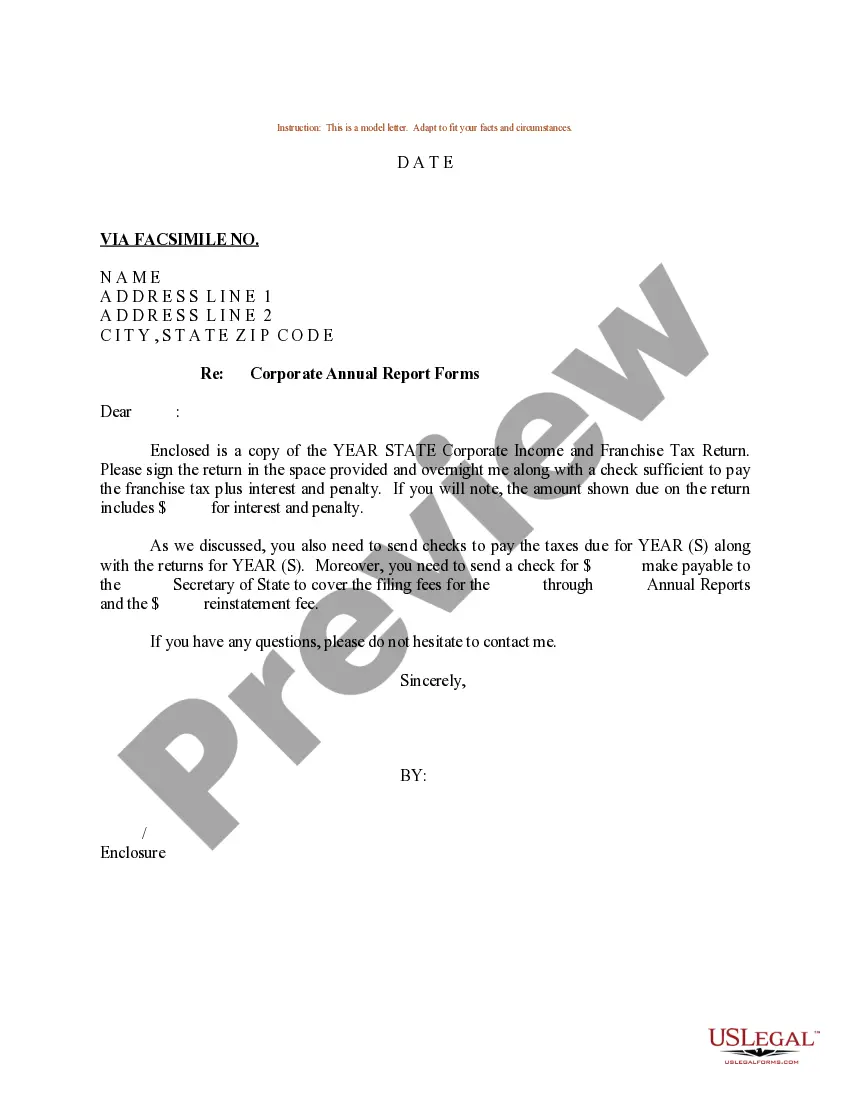
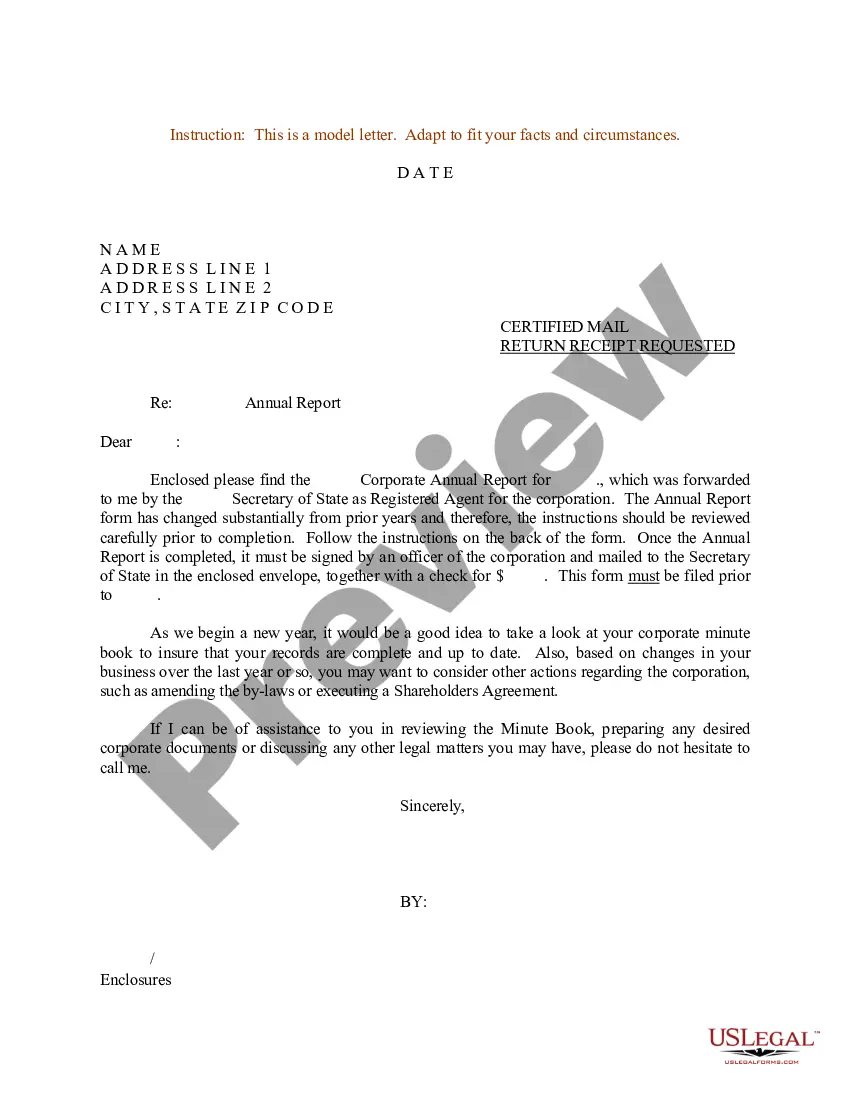
Sample Letter To Franchise Tax Board With Mail
Description

Get your form ready online
Our built-in tools help you complete, sign, share, and store your documents in one place.
Make edits, fill in missing information, and update formatting in US Legal Forms—just like you would in MS Word.
Download a copy, print it, send it by email, or mail it via USPS—whatever works best for your next step.
Sign and collect signatures with our SignNow integration. Send to multiple recipients, set reminders, and more. Go Premium to unlock E-Sign.
If this form requires notarization, complete it online through a secure video call—no need to meet a notary in person or wait for an appointment.
We protect your documents and personal data by following strict security and privacy standards.

Make edits, fill in missing information, and update formatting in US Legal Forms—just like you would in MS Word.

Download a copy, print it, send it by email, or mail it via USPS—whatever works best for your next step.

Sign and collect signatures with our SignNow integration. Send to multiple recipients, set reminders, and more. Go Premium to unlock E-Sign.

If this form requires notarization, complete it online through a secure video call—no need to meet a notary in person or wait for an appointment.

We protect your documents and personal data by following strict security and privacy standards.
Looking for another form?
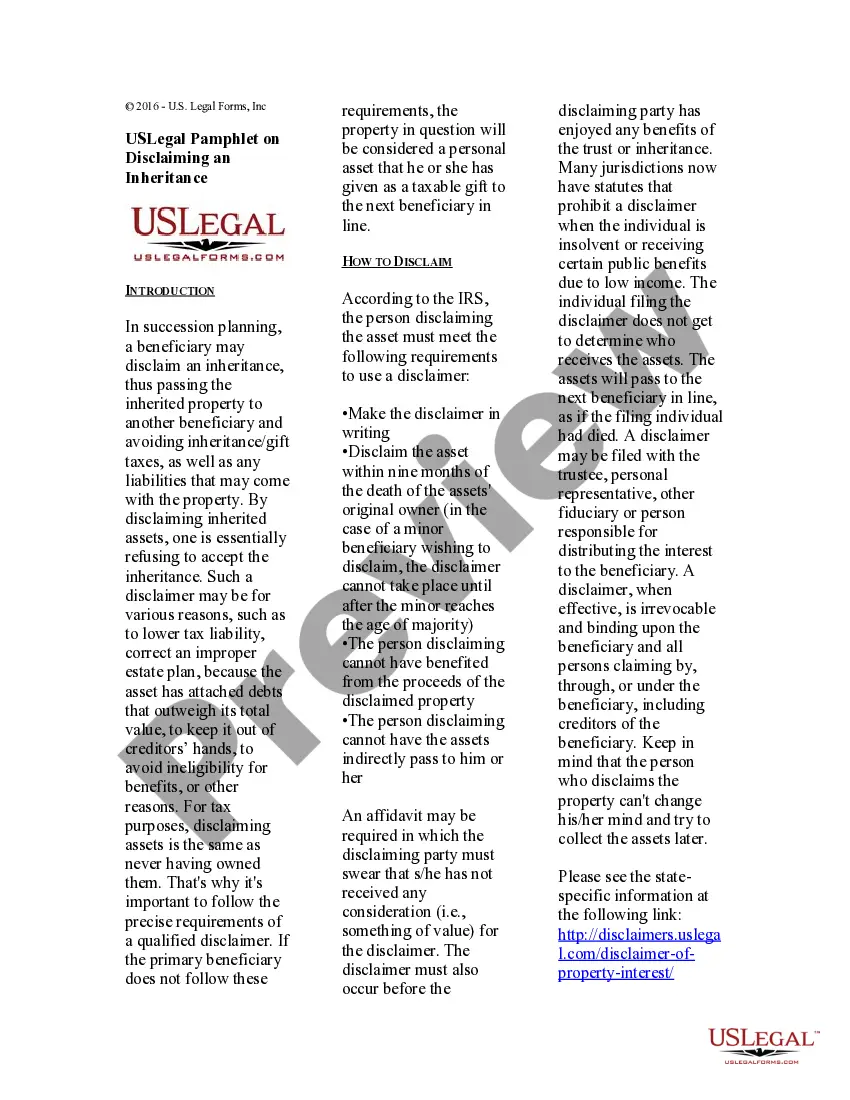
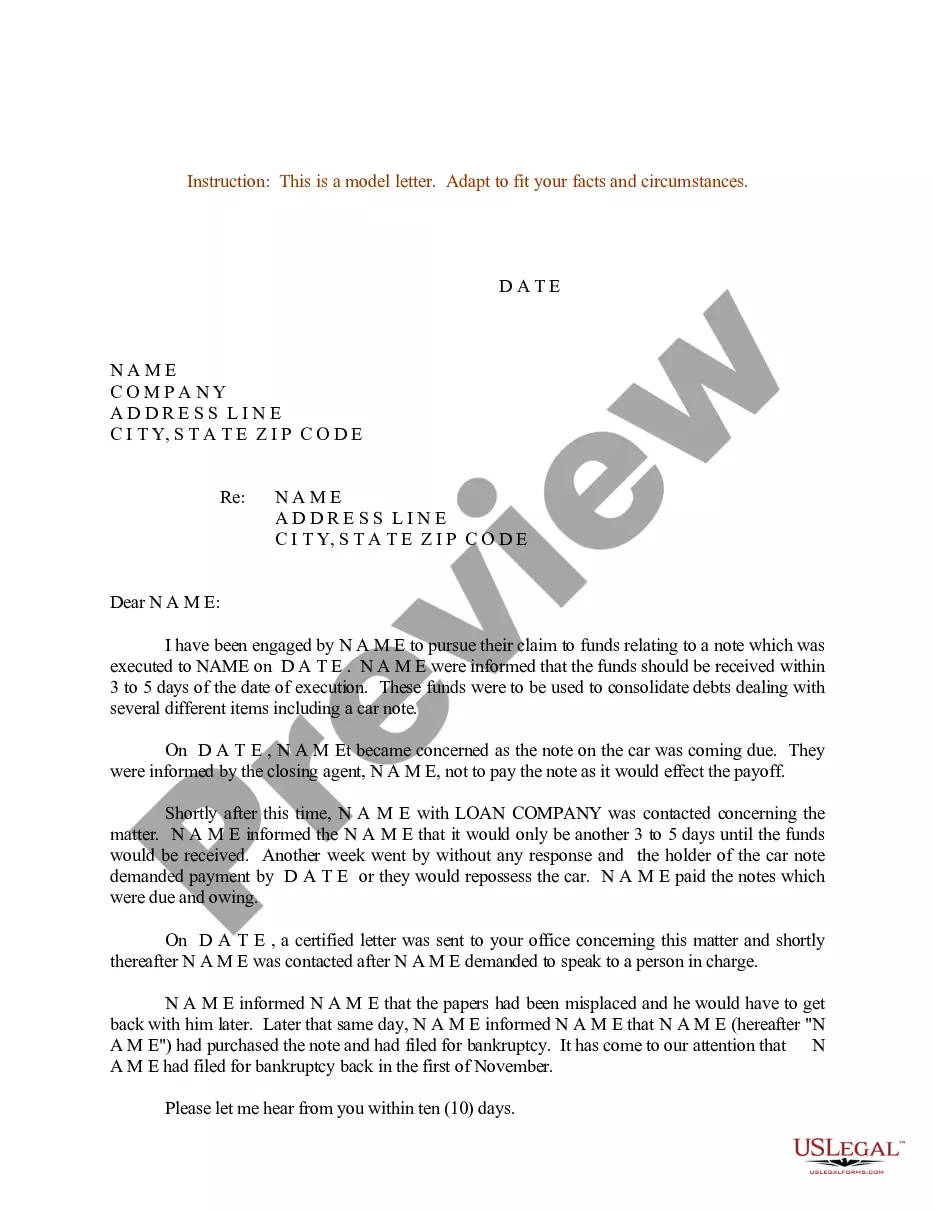
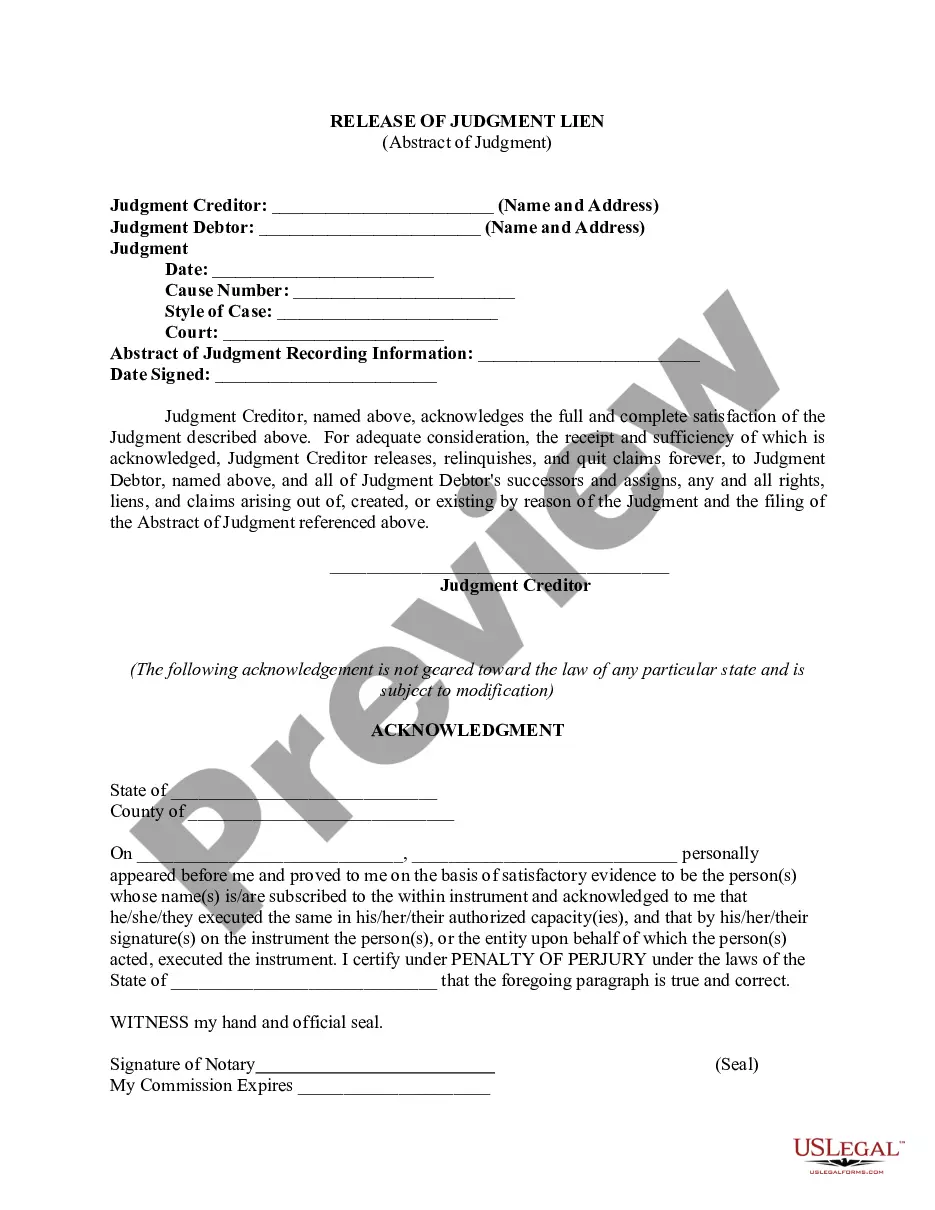
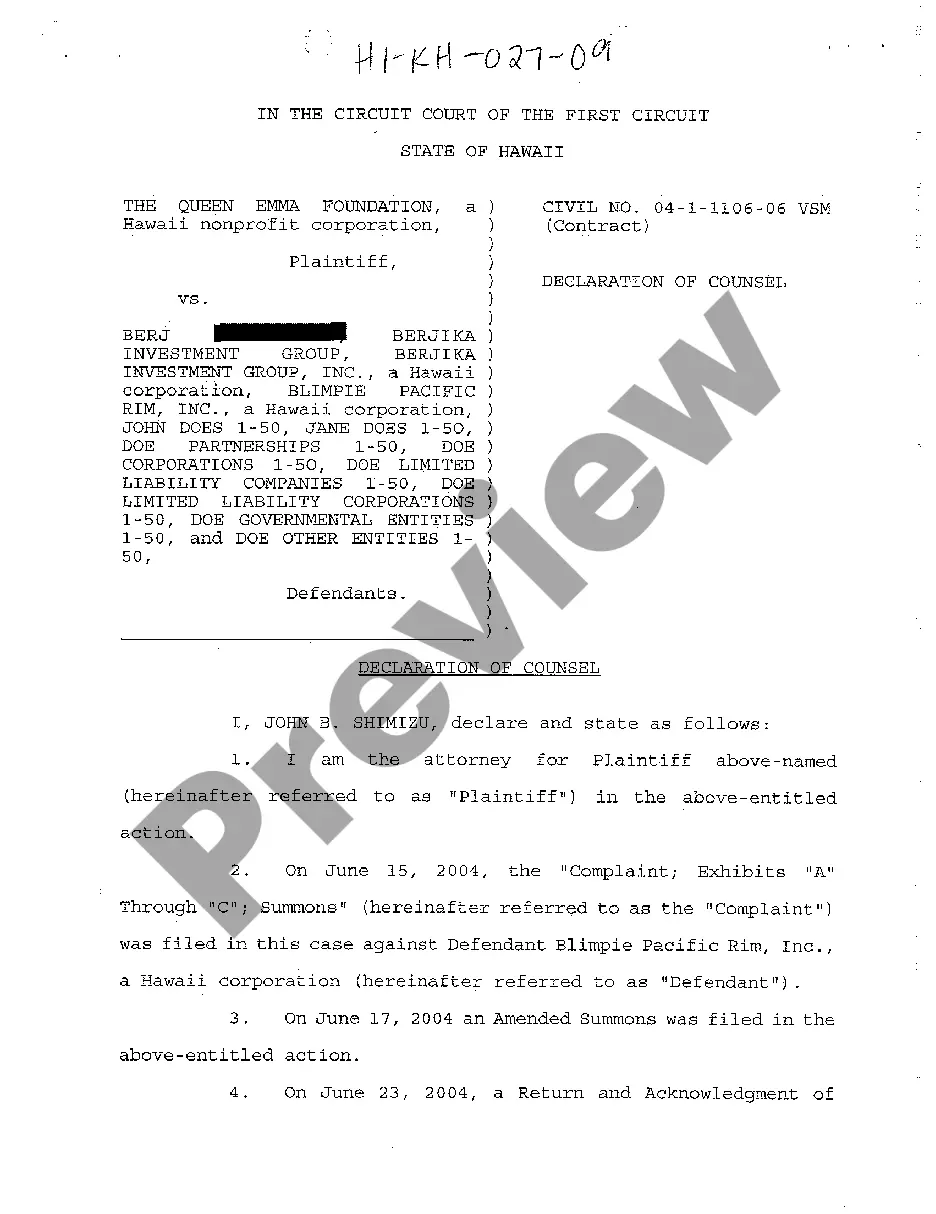
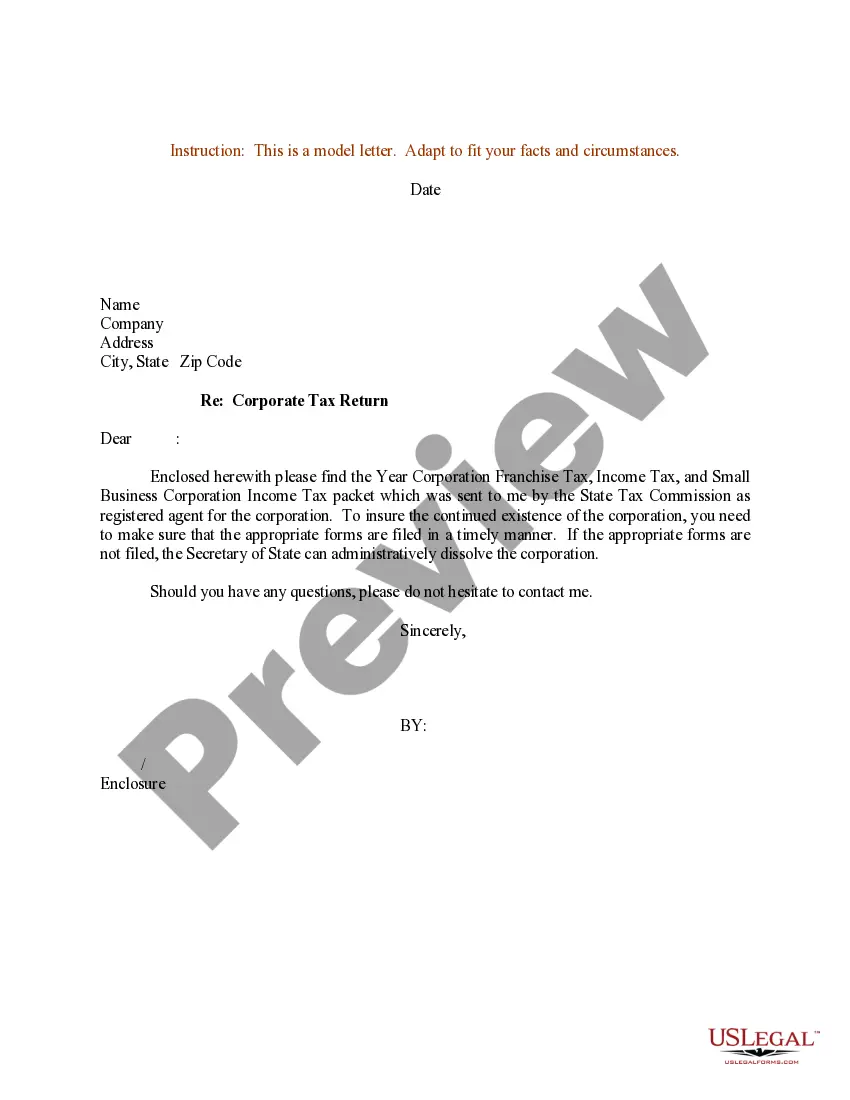
How to fill out Sample Letter For Payment Of Corporate Income And Franchise Taxes And Annual Report Filing Fees?
Whether for commercial objectives or for personal issues, everyone eventually needs to handle legal matters in their lifetime.
Completing legal documents demands meticulous focus, starting from selecting the correct form template.
Once it is saved, you can finish the form with editing tools or print it and complete it by hand. With a vast US Legal Forms library at your disposal, you never have to waste time searching for the appropriate template across the web. Utilize the library’s intuitive navigation to find the right template for any situation.
- Obtain the template you require using the search box or catalog browsing.
- Review the form’s description to confirm it matches your situation, state, and locality.
- Click on the form’s preview to view it.
- If it is the incorrect form, return to the search function to locate the Sample Letter To Franchise Tax Board With Mail template you need.
- Acquire the template when it satisfies your needs.
- If you already possess a US Legal Forms account, simply click Log in to access previously saved documents in My documents.
- If you do not have an account yet, you can obtain the form by clicking Buy now.
- Select the appropriate pricing option.
- Complete the profile registration form.
- Choose your payment method: use a credit card or PayPal account.
- Select the document format you desire and download the Sample Letter To Franchise Tax Board With Mail.
Form popularity
FAQ
Types of Liens in North Carolina The three most common types of liens are tax, mechanic, and judgement. Each one has specific guidelines to follow in order to file and enforce the lien.
To secure your property, you must first understand the property rights laws in that state. North Carolina is a pure race state, which means that the first person to record a deed or lien against a property has priority over all subsequent guarantees or lien holders.
The claim of lien on real property must be filed within 120 days from the date when labor or materials were last furnished to the project. The claim of lien must comply with the form that is set forth in NCGS 44A-12, which includes a certification that the lien has been served on all necessary parties.
The Lien on Funds attaches to any funds that the Obligor owes to the contractor whom the lien claimant contracted with. For example, a first-tier subcontractor has a direct lien on the funds for amounts it is owed to the extent and amount that the project Owner owes to the General Contractor.
In North Carolina, a lien claimant has 120 days from the date of last furnishing to complete these 3 steps: Fill out a mechanics lien form that meets NC requirements. ... File the lien with the county recorder's office. ... Serve a copy of the lien on the property owner.
? All claims of lien on real property must be filed in the office of the clerk of superior court in each county where the real property subject to the claim of lien on real property is located.
A lien is a claim or legal right against assets that are usually used as collateral to satisfy a debt. The creditor may be able to seize the asset that is the subject of the lien. Bank, real estate, and tax are three types of liens.
Mortgage Liens If the property has clear title, you'll likely sign a mortgage or deed of trust (or similar document) to provide security for the debt. The lender will then record the mortgage, which is called a "first mortgage," in the public land records to put a lien on the property.