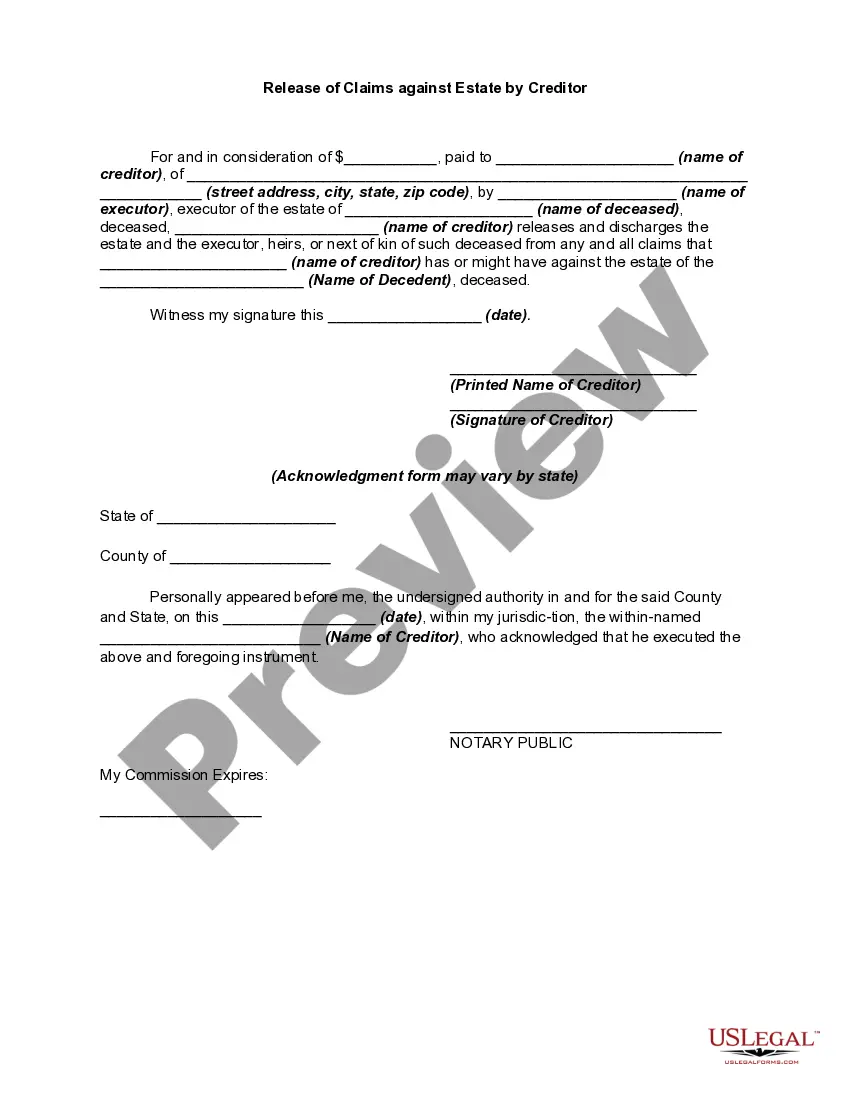
Estate State Deceased Without Will
Description
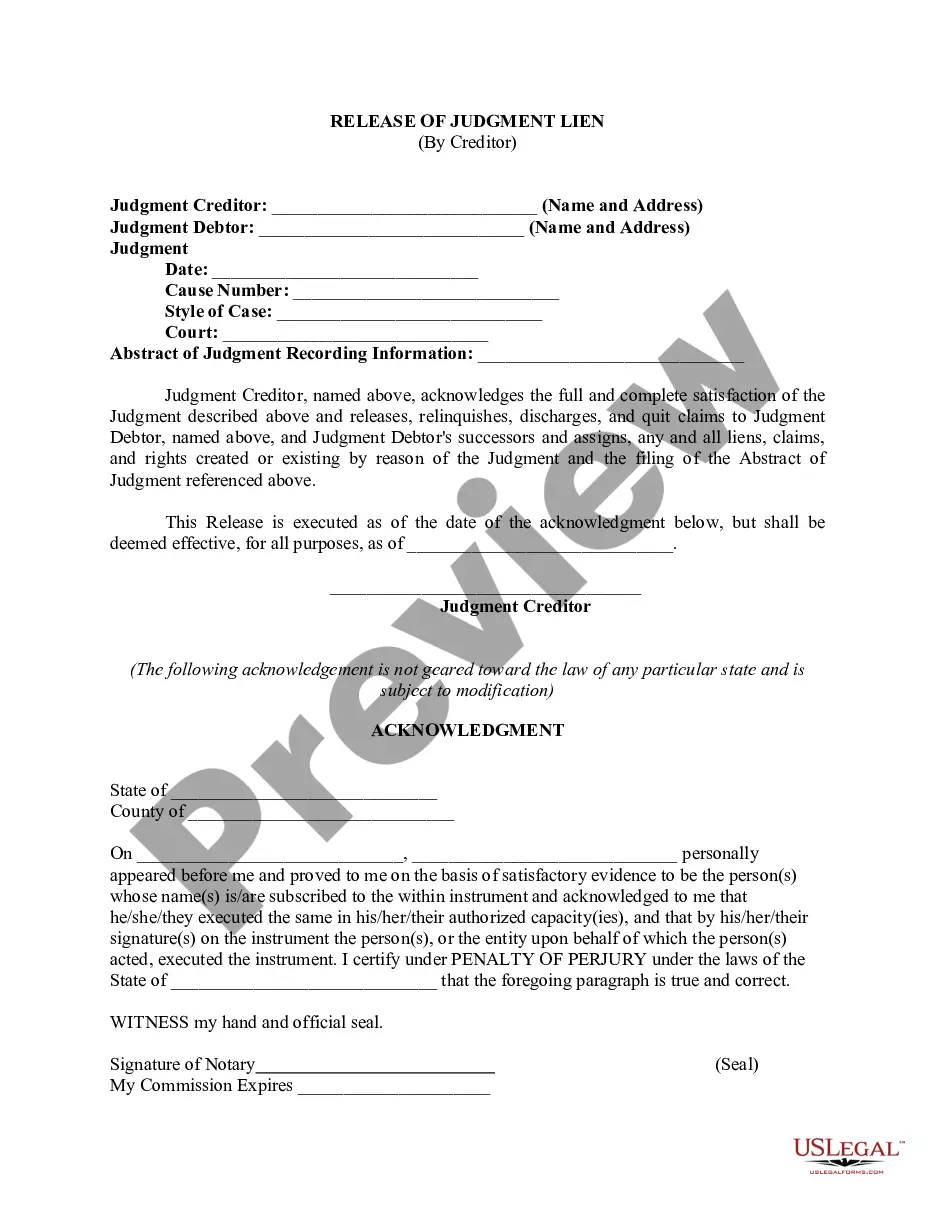
Get your form ready online
Our built-in tools help you complete, sign, share, and store your documents in one place.
Make edits, fill in missing information, and update formatting in US Legal Forms—just like you would in MS Word.
Download a copy, print it, send it by email, or mail it via USPS—whatever works best for your next step.
Sign and collect signatures with our SignNow integration. Send to multiple recipients, set reminders, and more. Go Premium to unlock E-Sign.
If this form requires notarization, complete it online through a secure video call—no need to meet a notary in person or wait for an appointment.
We protect your documents and personal data by following strict security and privacy standards.

Make edits, fill in missing information, and update formatting in US Legal Forms—just like you would in MS Word.

Download a copy, print it, send it by email, or mail it via USPS—whatever works best for your next step.

Sign and collect signatures with our SignNow integration. Send to multiple recipients, set reminders, and more. Go Premium to unlock E-Sign.

If this form requires notarization, complete it online through a secure video call—no need to meet a notary in person or wait for an appointment.

We protect your documents and personal data by following strict security and privacy standards.
Looking for another form?




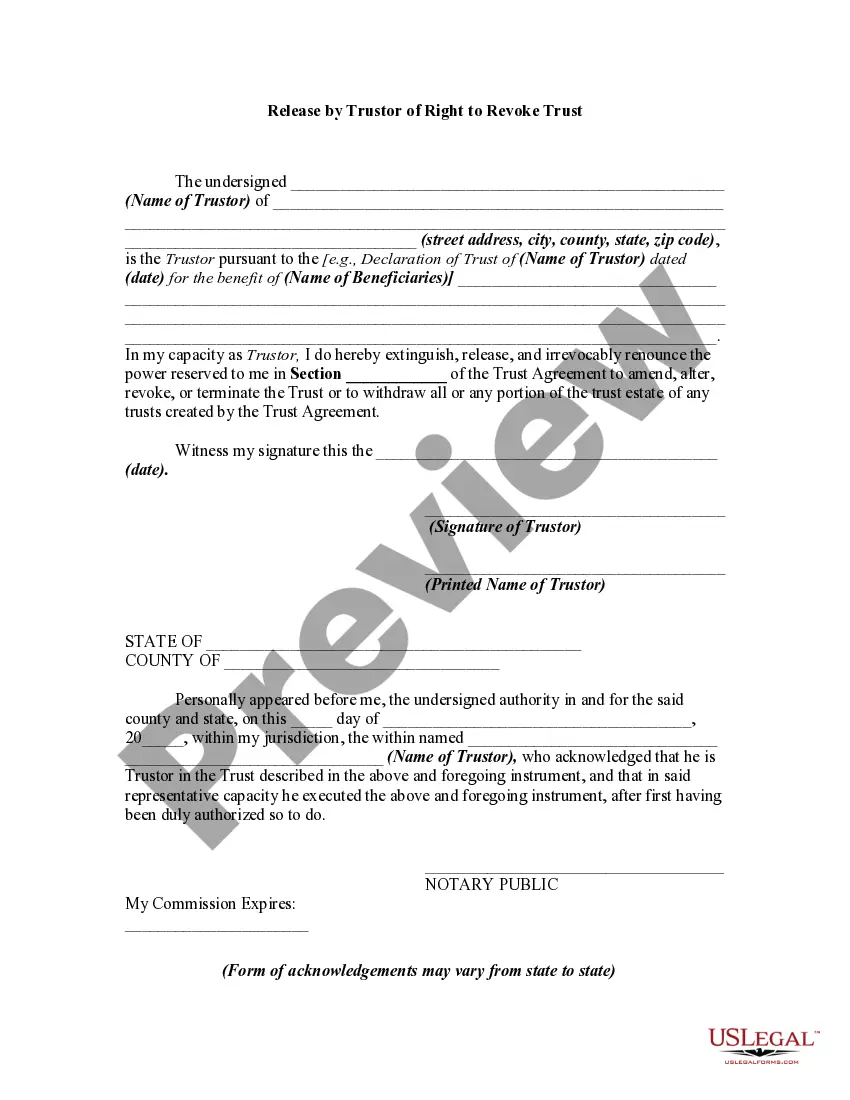
How to fill out Release Of Claims Against Estate By Creditor?
It’s well-known that you cannot instantly become a legal authority, nor can you swiftly create an Estate State Deceased Without Will without possessing a specialized skill set.
Assembling legal documents is a lengthy endeavor that demands specific training and abilities. So why not entrust the creation of the Estate State Deceased Without Will to the professionals.
With US Legal Forms, one of the most comprehensive legal document repositories, you can discover anything from court forms to templates for in-office correspondence.
If you need any other template, start your search again.
Create a free account and select a subscription plan to purchase the form. Click Buy now. After the transaction is completed, you can download the Estate State Deceased Without Will, complete it, print it, and send it by mail to the necessary parties or organizations.
- We understand how crucial it is to comply with and adhere to federal and state regulations and laws.
- That’s why, on our platform, all templates are location-specific and current.
- Here’s how to begin with our platform and acquire the form you need in just a few minutes.
- Locate the document you require using the search bar at the top of the page.
- Preview it (if this option is available) and review the supporting description to determine if Estate State Deceased Without Will is what you’re looking for.
Form popularity
FAQ
In Arizona, if someone dies and their estate state deceased without a will, the court will distribute the assets according to state intestacy laws. Generally, the assets will pass to the deceased's closest relatives, such as children or parents. This process can be complicated, and using services like US Legal Forms can simplify the necessary legal steps involved.
To claim an estate state deceased without a will, you need to follow the probate process. Start by filing a petition with the probate court in your county. You will also need to gather important documents, like the death certificate, and identify potential heirs. It may help to consult with an attorney or use platforms like US Legal Forms to navigate the process smoothly.
When an estate state deceased without a will, distribution is governed by intestacy laws in your state. The estate is typically divided among surviving family members, with priority given to spouses and children. If there are no immediate family members, the estate may be distributed to more distant relatives. Knowing how these laws work can help ensure your assets are handled according to your desires.
If you die without a will, your estate will be distributed according to state intestacy laws, determining who inherits your assets. Usually, the estate goes to your spouse and children first, followed by other relatives if no direct heirs exist. This distribution may not align with your personal wishes, making it crucial to understand these laws. Consider using platforms like UsLegalForms to help with estate planning.
When an estate state deceased without a will exists, inheritance typically follows state laws. Generally, the estate will pass to your closest relatives, such as a spouse, children, or parents. In the absence of immediate family, more distant relatives may inherit your assets. Understanding this process can guide you in planning for your estate effectively.
In Alabama, if an estate state deceased without a will, the estate is distributed according to state intestacy laws. The assets primarily go to the surviving spouse and children, with specific shares allocated based on family circumstances. If there are no direct heirs, the estate may pass to more distant relatives. Knowing these laws can help you navigate the process more smoothly.
In Virginia, when an estate state deceased without a will occurs, the state's intestacy laws dictate how the estate is divided. Typically, the deceased's assets will go to their closest relatives, starting with a spouse and children. If there are no immediate family members, the estate may pass to more distant relatives. It's essential to understand these laws, as they may not reflect the deceased's wishes.
If there is no will, the estate state deceased without will will be distributed according to state intestacy laws. These laws dictate how assets are divided among surviving relatives, usually prioritizing immediate family. The probate court will oversee the process, ensuring that the distribution is fair and legal.
To file to be an executor of an estate without a will, you will need to submit a petition to the probate court. This petition explains your relationship to the deceased and explains why you should be appointed. The court will review your application and may require additional information to ensure the estate is handled properly.
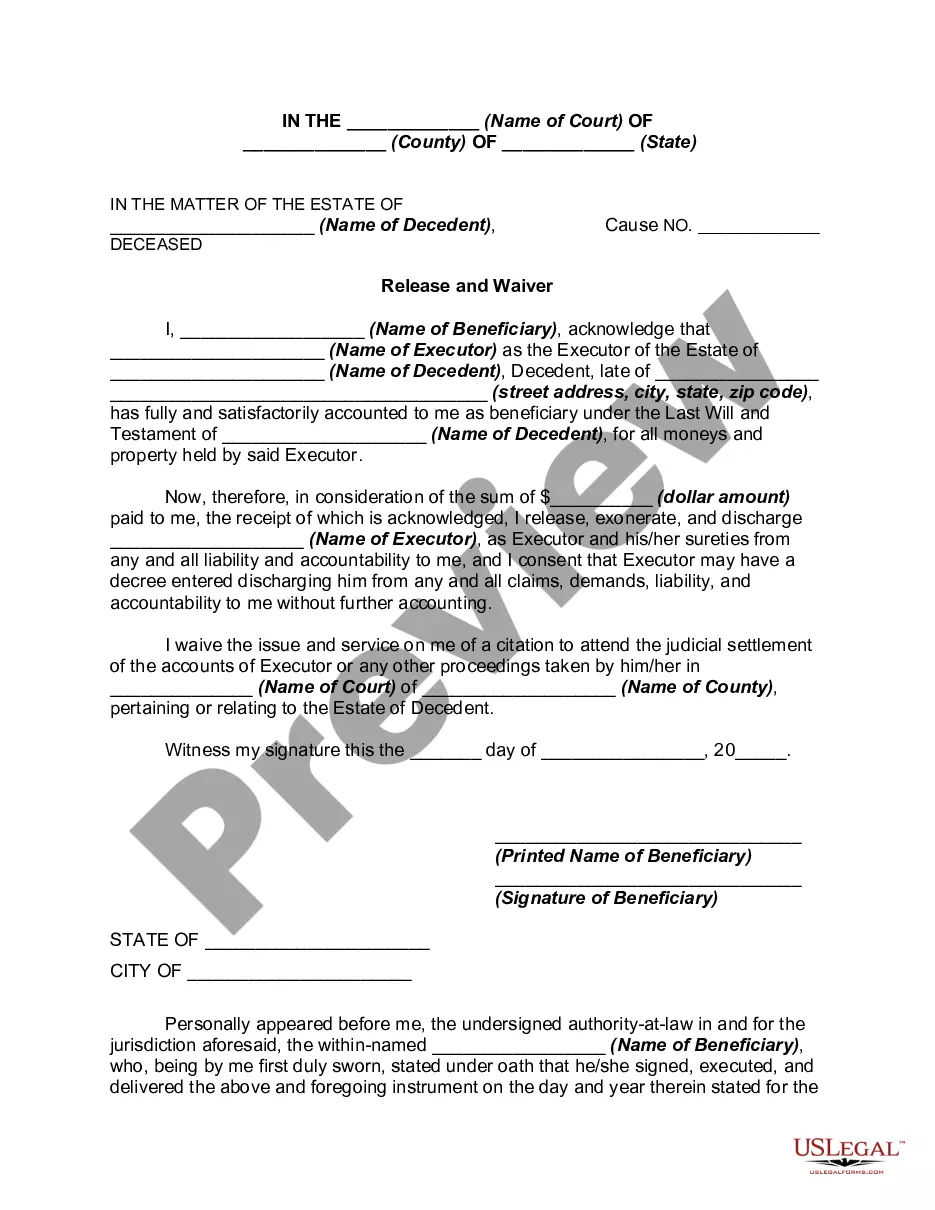
Proof of executor is a legal document that confirms an individual's authority to act on behalf of a deceased person's estate. This document is typically required by financial institutions, property managers, and other entities when settling an estate. If the estate state deceased without will, the court may issue letters of administration to appoint an administrator.