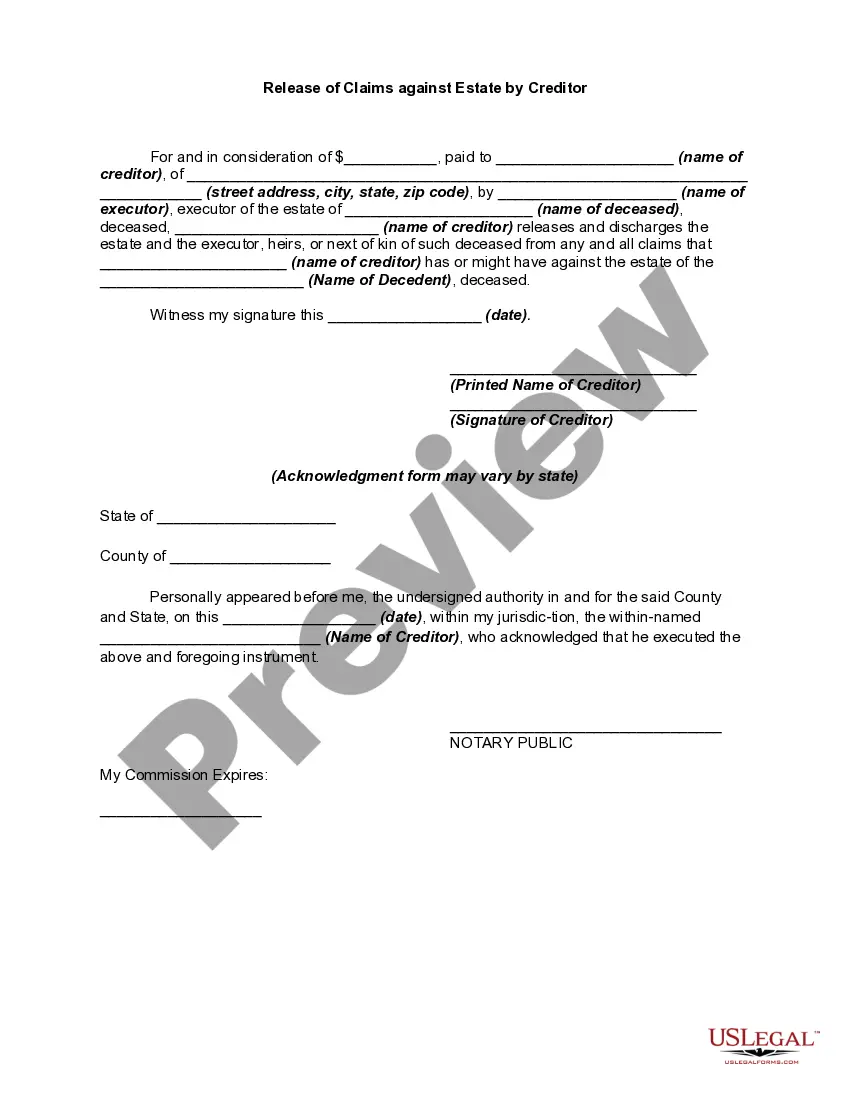
Estate Creditor For Harassment
Description
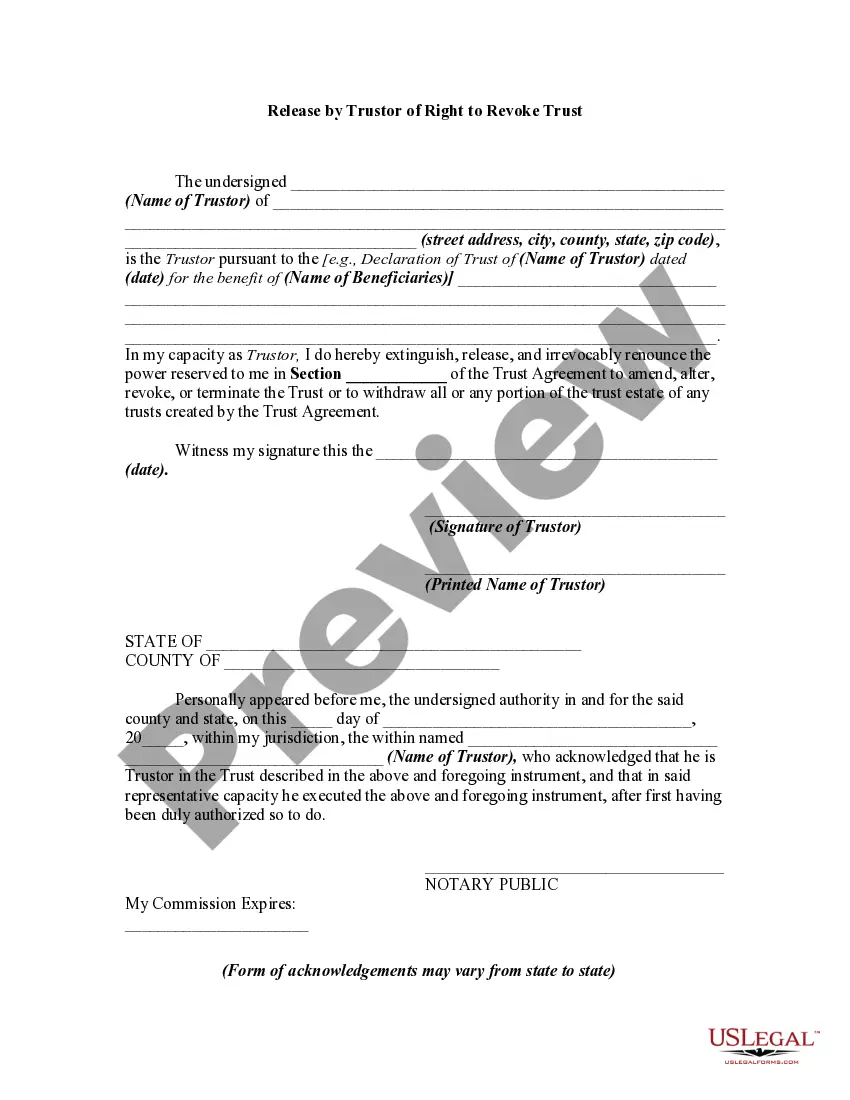
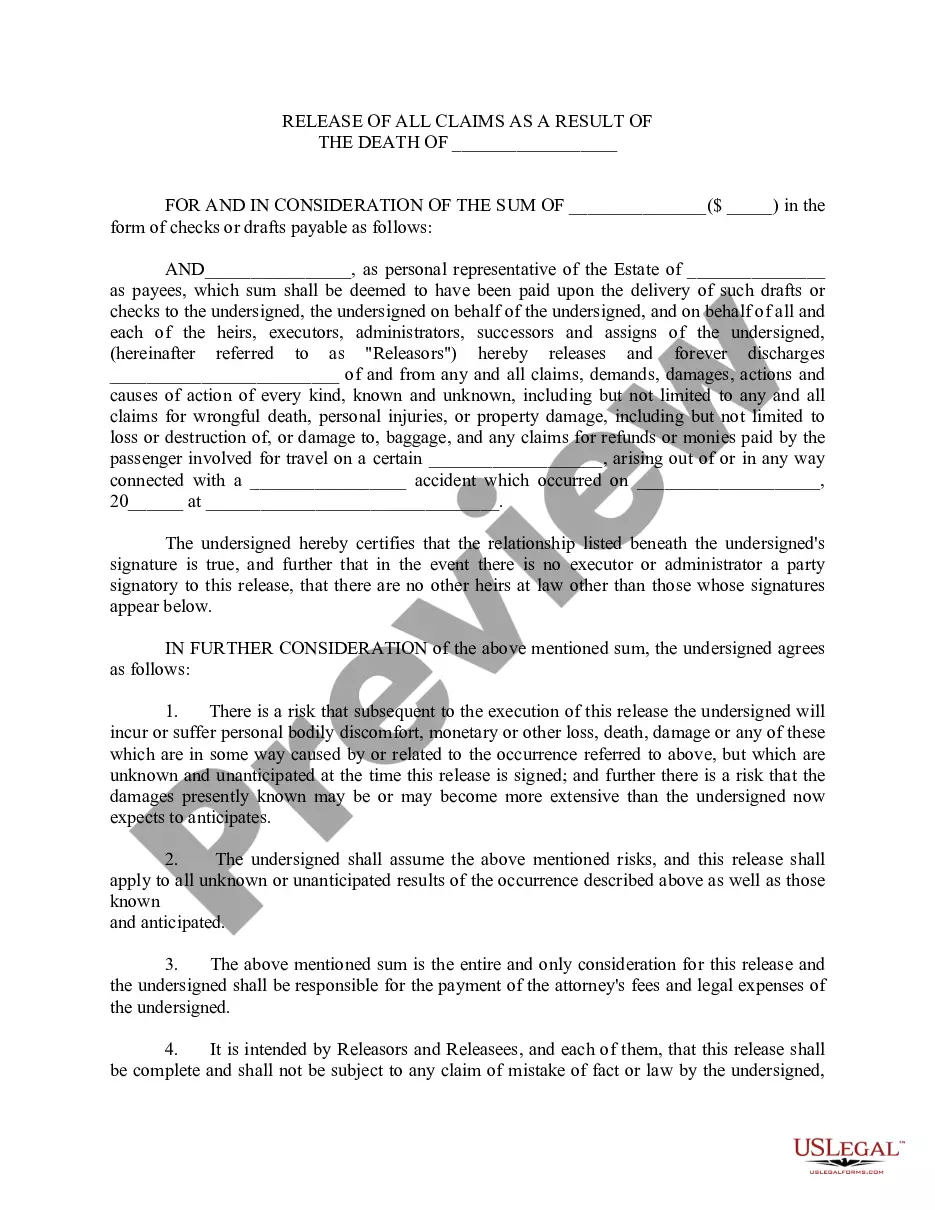
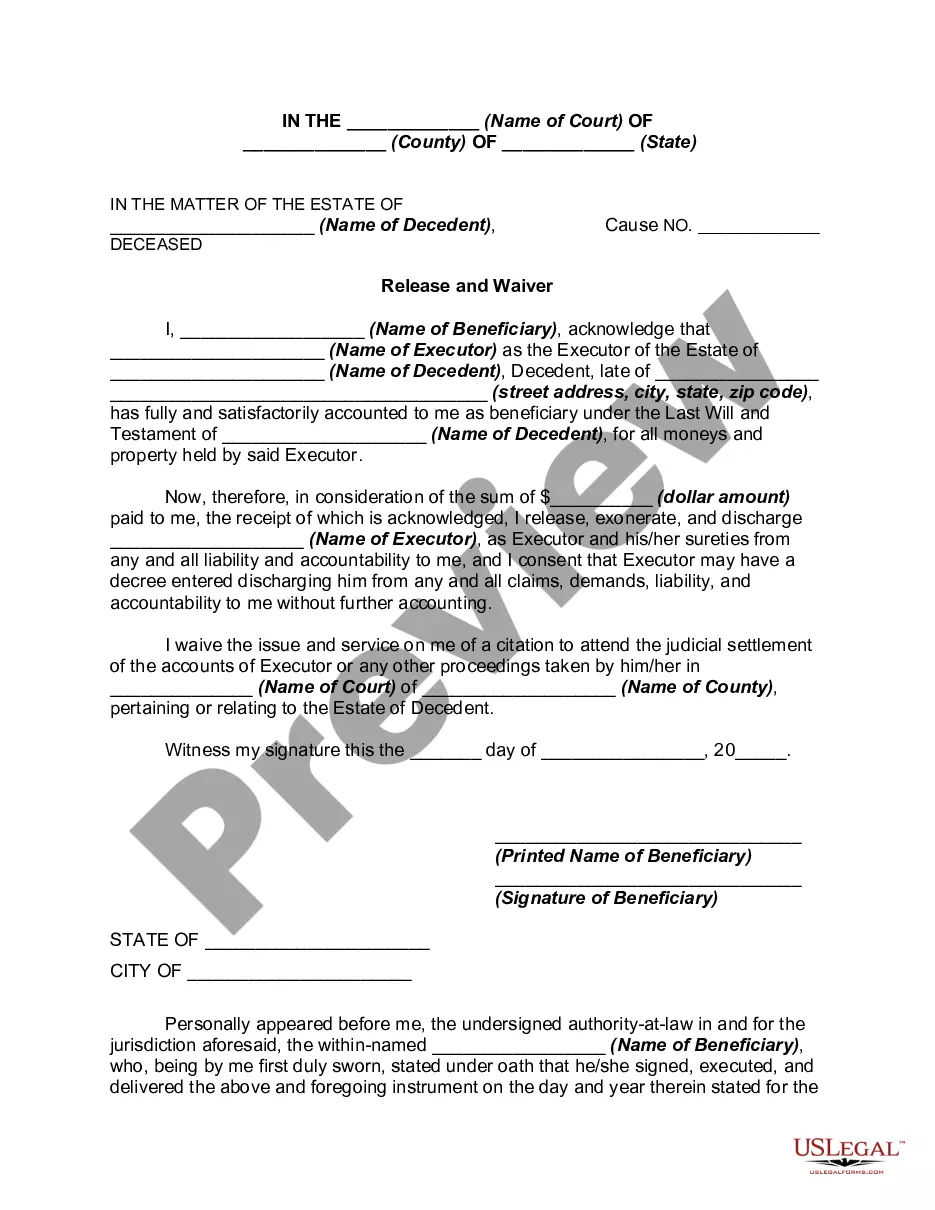
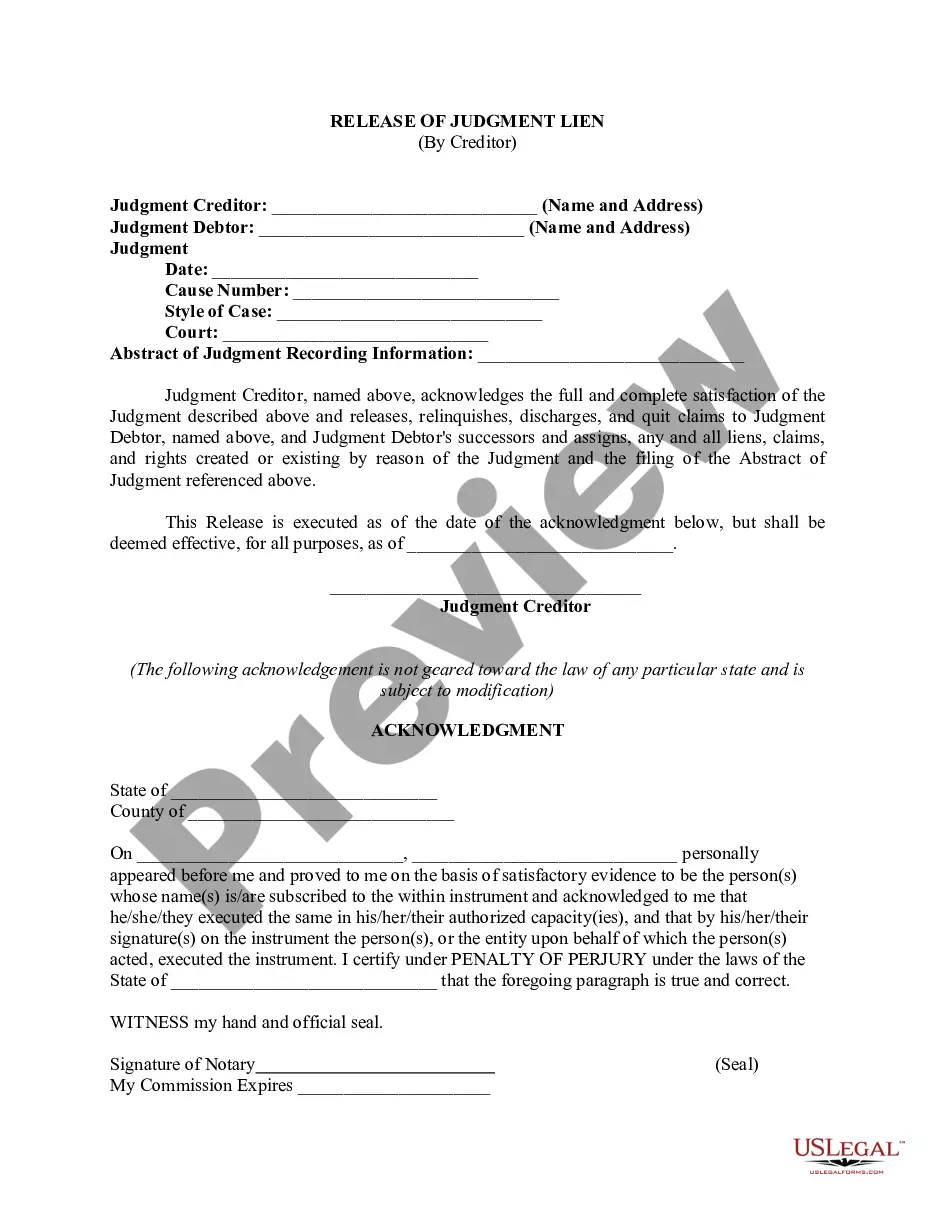
Get your form ready online
Our built-in tools help you complete, sign, share, and store your documents in one place.
Make edits, fill in missing information, and update formatting in US Legal Forms—just like you would in MS Word.
Download a copy, print it, send it by email, or mail it via USPS—whatever works best for your next step.
Sign and collect signatures with our SignNow integration. Send to multiple recipients, set reminders, and more. Go Premium to unlock E-Sign.
If this form requires notarization, complete it online through a secure video call—no need to meet a notary in person or wait for an appointment.
We protect your documents and personal data by following strict security and privacy standards.

Make edits, fill in missing information, and update formatting in US Legal Forms—just like you would in MS Word.

Download a copy, print it, send it by email, or mail it via USPS—whatever works best for your next step.

Sign and collect signatures with our SignNow integration. Send to multiple recipients, set reminders, and more. Go Premium to unlock E-Sign.

If this form requires notarization, complete it online through a secure video call—no need to meet a notary in person or wait for an appointment.

We protect your documents and personal data by following strict security and privacy standards.
Looking for another form?

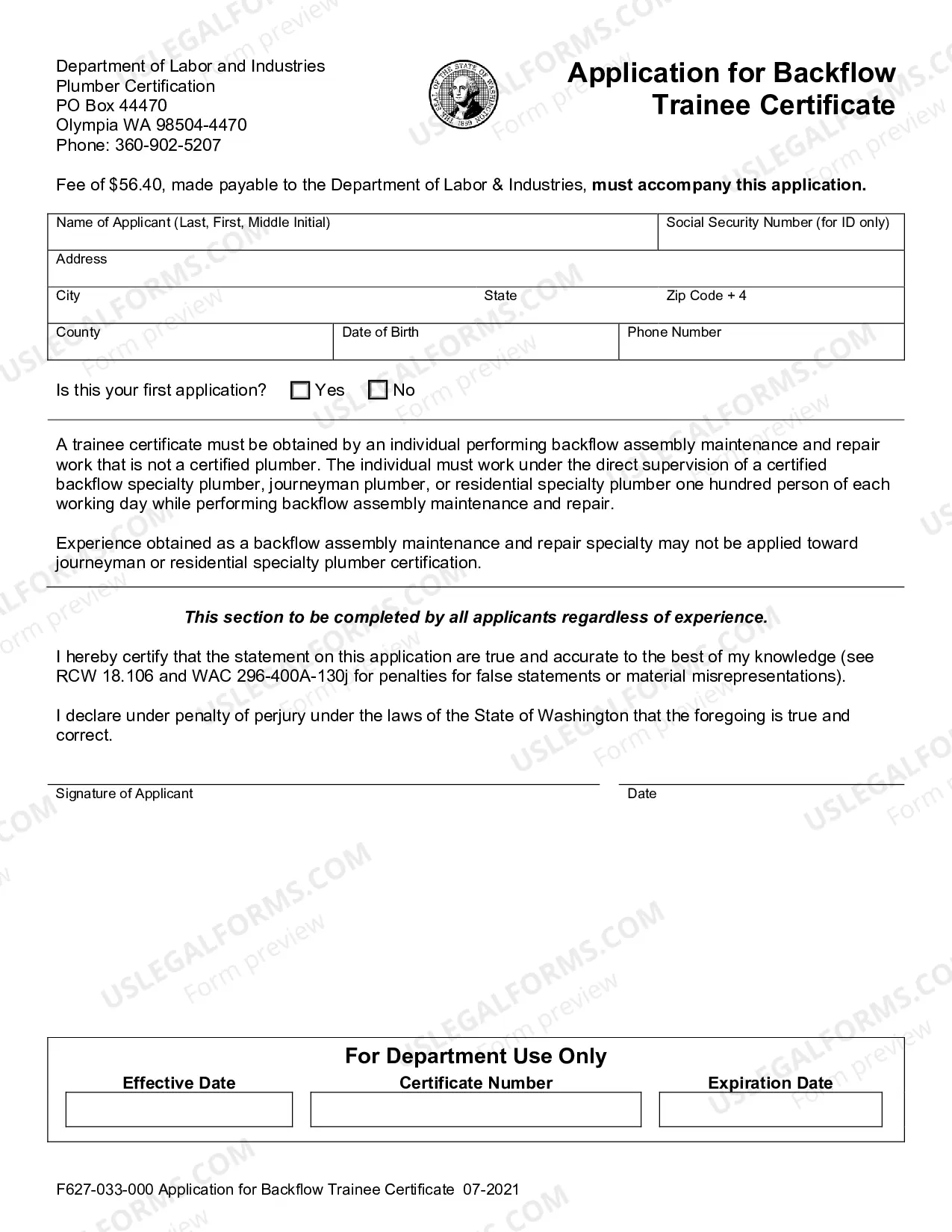
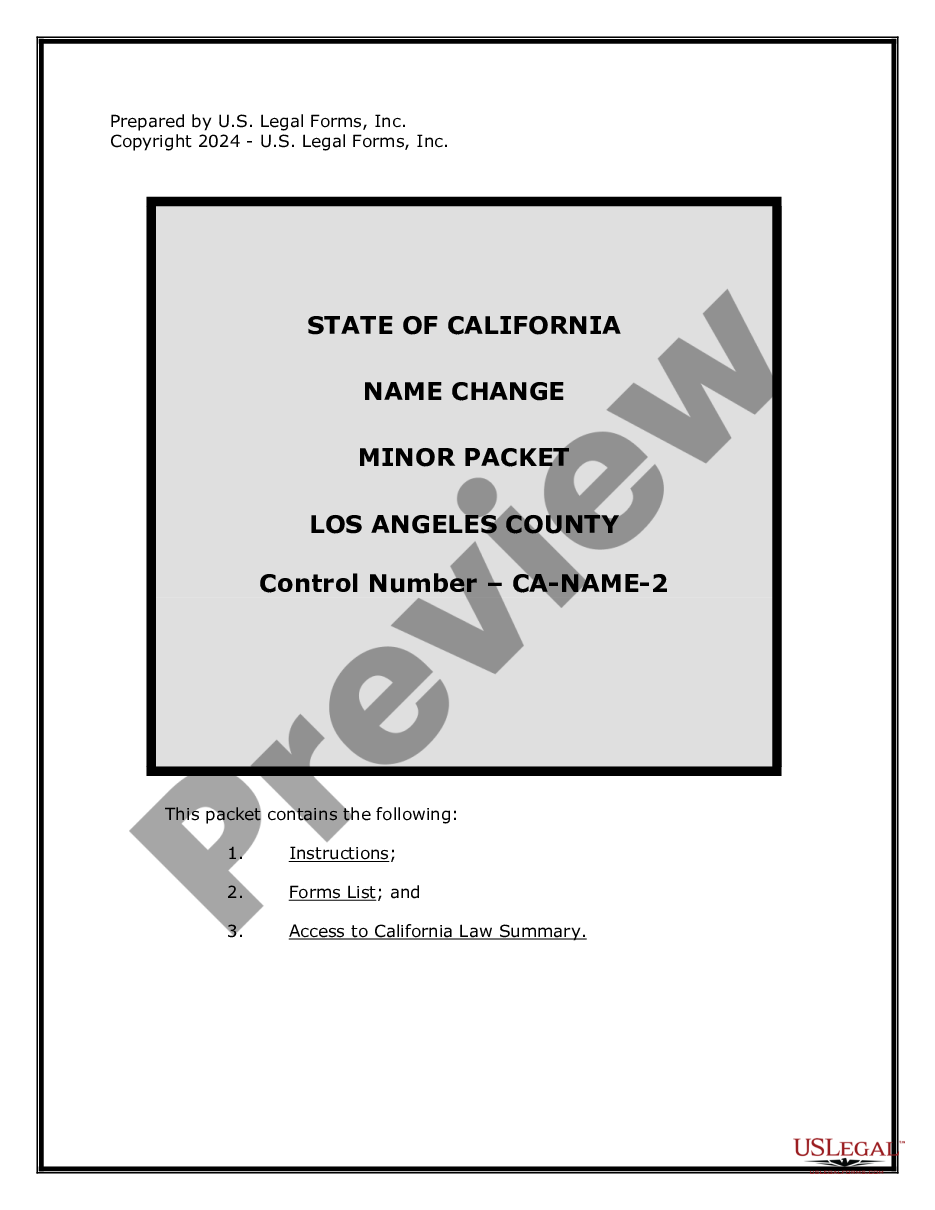
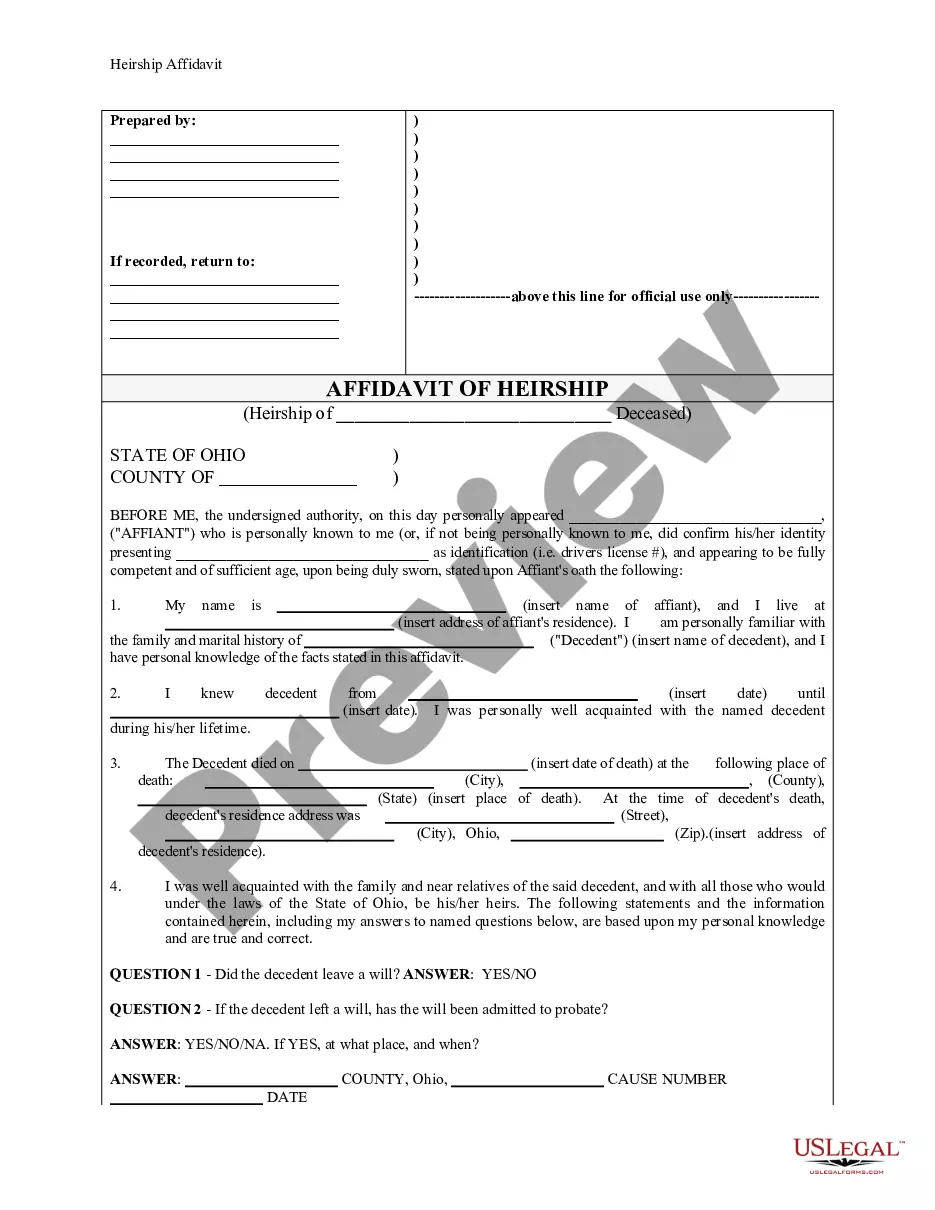




How to fill out Release Of Claims Against Estate By Creditor?
Managing legal documents can be perplexing, even for experienced professionals.
If you're looking for an Estate Creditor For Harassment and lack the time to dedicate to finding the correct and updated version, the process can become overwhelming.
US Legal Forms meets any requirements you might have, ranging from personal to commercial paperwork, all in one location.
Leverage advanced tools to complete and oversee your Estate Creditor For Harassment.
Here are the steps to follow after acquiring the form you need: Verify it is the correct document by previewing it and reviewing its details. Ensure that the template is recognized in your state or county. Click Buy Now when you're ready. Select a subscription plan. Choose the format you need, and Download, complete, sign, print, and send your document. Make the most of the US Legal Forms online directory, backed by 25 years of experience and reliability. Streamline your daily document management in a straightforward and user-friendly manner today.
- Access a collection of articles, guides, and resources relevant to your situation and requirements.
- Save time and effort in finding the documents you need, and utilize US Legal Forms’ advanced search and Preview feature to locate Estate Creditor For Harassment.
- If you have a subscription, Log In to your US Legal Forms account, search for the form, and obtain it.
- Check the My documents tab to view the documents you've previously downloaded and to organize your folders as needed.
- If this is your first experience with US Legal Forms, create an account to gain unlimited access to all the benefits of the library.
- An effective online form directory can be transformative for anyone wanting to handle these matters proficiently.
- US Legal Forms is a leading provider of online legal documents, with more than 85,000 state-specific legal forms available to you at any time.
- With US Legal Forms, you can access state or county-specific legal and business documents.
Form popularity
FAQ
To stop estate creditors from harassing you, it is essential to understand your rights under the Fair Debt Collection Practices Act. You can send a written request to the creditors, asking them to cease communication. Additionally, consider consulting with a legal professional who can provide guidance tailored to your situation. Using platforms like US Legal Forms can help you find the necessary documents and resources to effectively manage creditor communications.
When facing harassment from a creditor, you have several options to take control of the situation. You can file a complaint with the Consumer Financial Protection Bureau or your state’s attorney general. Seeking legal representation can also strengthen your case, especially against an estate creditor for harassment. Platforms like US Legal Forms provide resources to help you understand your rights and navigate the legal system effectively.
If a creditor is harassing you, the first step is to document every interaction, including dates, times, and the nature of the communication. You can then send a written request to cease contact, which can help stop further harassment. Consulting with a legal expert can provide you with advice tailored to your situation, especially if you are dealing with an estate creditor for harassment. Tools like US Legal Forms can offer guidance on how to draft the necessary letters.
The 7 7 7 rule for collections refers to the timing of communication that debt collectors must follow. It states that a creditor can contact you only once every seven days, and if you request no contact, they must cease communication within seven days. This rule aims to protect consumers from harassment by estate creditors for harassment. Understanding this rule will empower you to recognize when your rights are being violated.
If you experience harassment from a debt collector, you can sue for damages under the Fair Debt Collection Practices Act. Typically, you can claim up to $1,000 in statutory damages, along with actual damages for emotional distress or lost wages. Additionally, if you win your case, the court may award attorney fees. Engaging with an estate creditor for harassment can help you understand your rights and potential compensation.
The truth is that there are no magic words to stop a debt collector from collecting the debt. In case you are wondering what the 11 word phrase to stop debt collectors is supposed to be its ?Please cease and desist all calls and contact with me immediately.?
A debt collector is also not allowed to harass, oppress, or abuse you or anyone else they contact. This includes repetitious phone calls with the intent to harass, use of obscene or profane language, and threats of violence or harm.
The first thing to do is to write the debt collector a letter telling them to stop calling you. You can use the sample letter language here. Under the FDCPA, they must follow your written request for no contact. If they do not, you can report them to the Federal Trade Commission (FTC).
If you are struggling with debt and debt collectors, Farmer & Morris Law, PLLC can help. As soon as you use the 11-word phrase ?please cease and desist all calls and contact with me immediately? to stop the harassment, call us for a free consultation about what you can do to resolve your debt problems for good.
There are laws to prohibit debt collectors from placing repeated or continuous telephone calls to annoy, abuse, or harass you or others who share your phone number. They're also prohibited from communicating with you at times or places that are inconvenient for you.