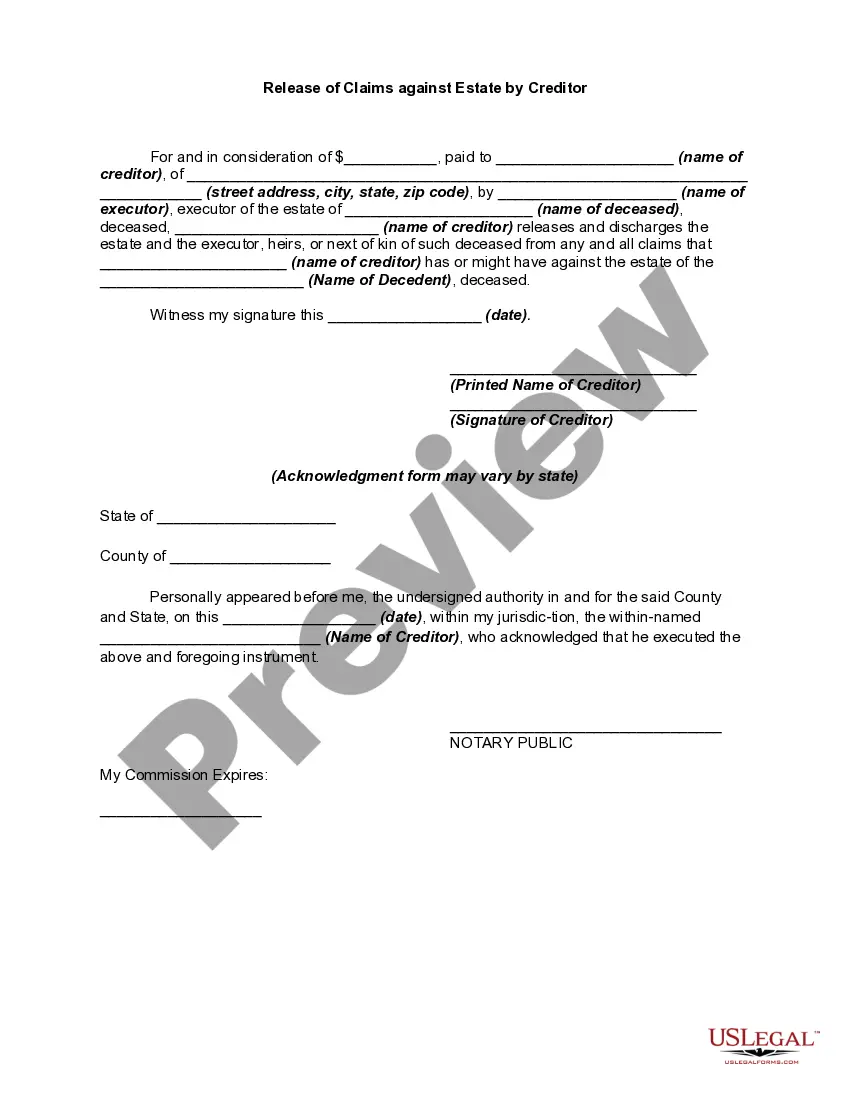
Estate Creditor For False Reporting
Description
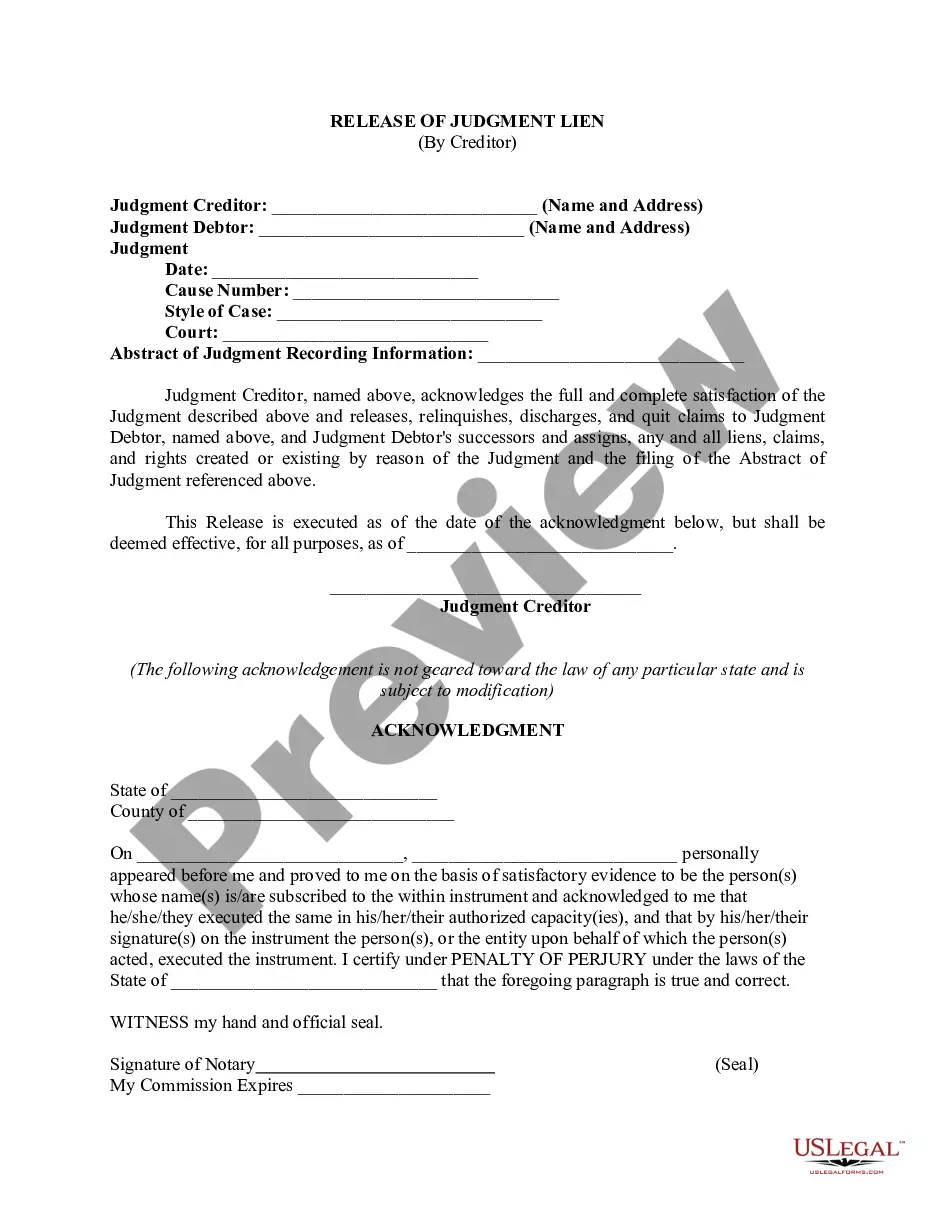
Get your form ready online
Our built-in tools help you complete, sign, share, and store your documents in one place.
Make edits, fill in missing information, and update formatting in US Legal Forms—just like you would in MS Word.
Download a copy, print it, send it by email, or mail it via USPS—whatever works best for your next step.
Sign and collect signatures with our SignNow integration. Send to multiple recipients, set reminders, and more. Go Premium to unlock E-Sign.
If this form requires notarization, complete it online through a secure video call—no need to meet a notary in person or wait for an appointment.
We protect your documents and personal data by following strict security and privacy standards.

Make edits, fill in missing information, and update formatting in US Legal Forms—just like you would in MS Word.

Download a copy, print it, send it by email, or mail it via USPS—whatever works best for your next step.

Sign and collect signatures with our SignNow integration. Send to multiple recipients, set reminders, and more. Go Premium to unlock E-Sign.

If this form requires notarization, complete it online through a secure video call—no need to meet a notary in person or wait for an appointment.

We protect your documents and personal data by following strict security and privacy standards.
Looking for another form?




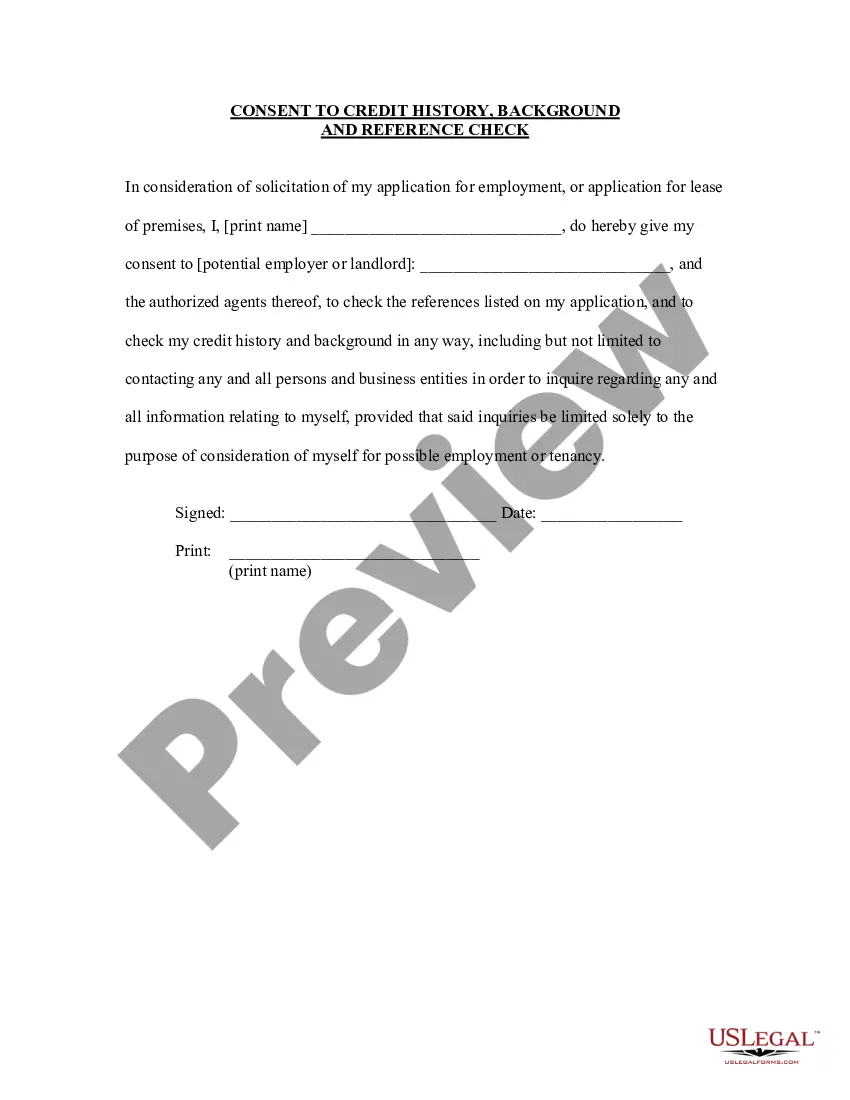


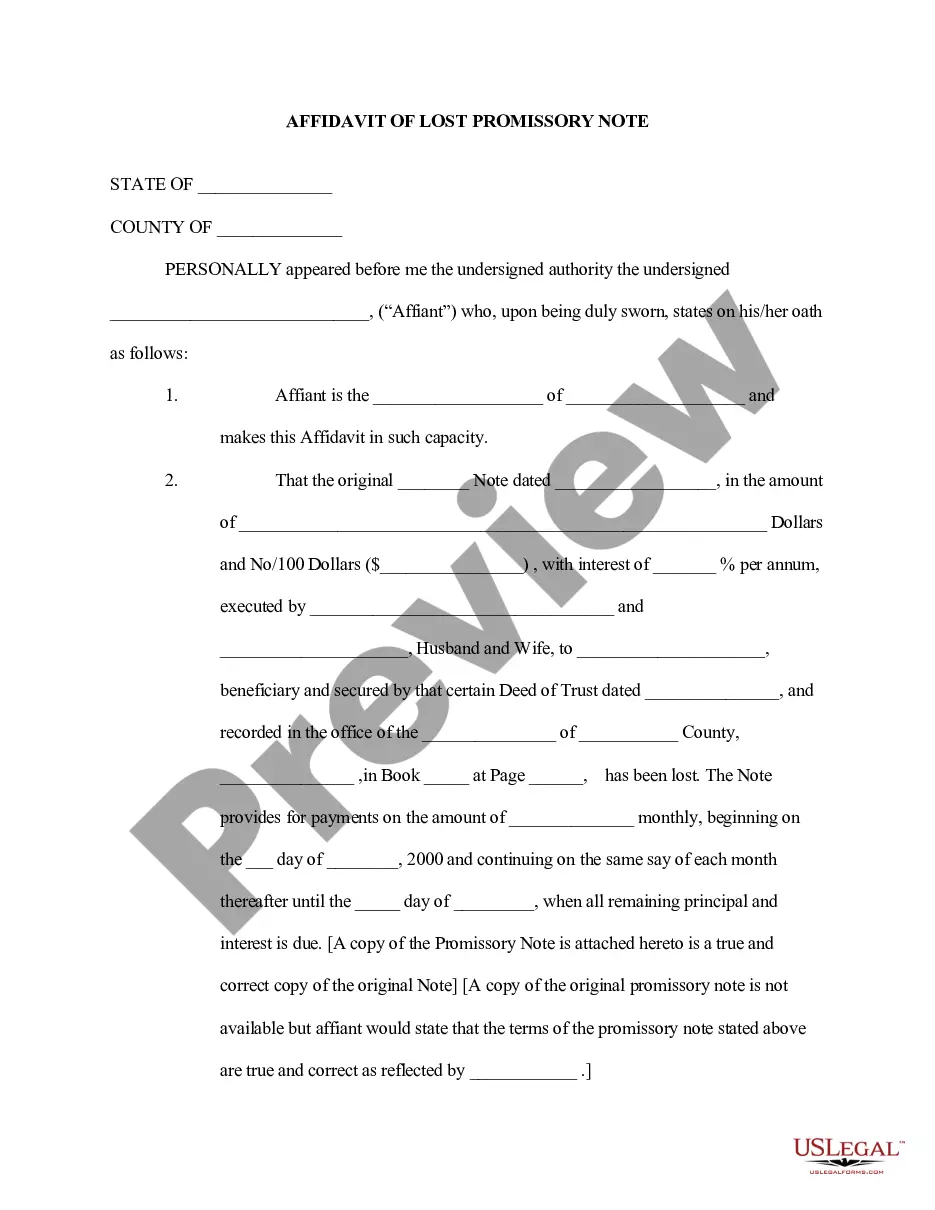
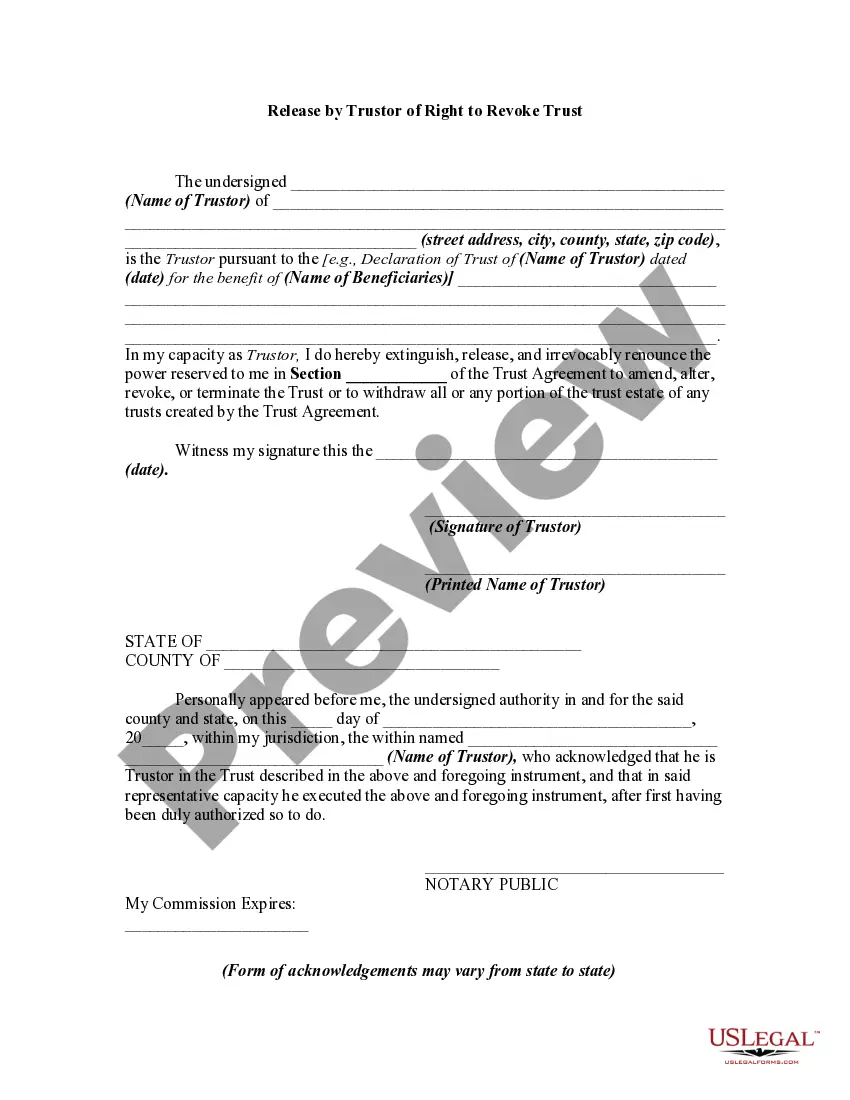
How to fill out Release Of Claims Against Estate By Creditor?
Handling legal documentation and processes may be a lengthy addition to your routine.
Estate Creditor For False Reporting and similar forms generally require you to locate them and comprehend how to fill them out efficiently.
Consequently, whether you are managing financial, legal, or personal issues, having a comprehensive and useful online directory of forms readily available will assist greatly.
US Legal Forms is the leading online source of legal templates, offering over 85,000 state-specific documents and various resources to help you finalize your paperwork swiftly.
Is this your first time using US Legal Forms? Sign up and create your account in a few minutes and you’ll gain access to the form directory and Estate Creditor For False Reporting. Then, follow the steps below to fill out your form: Ensure you have the correct form using the Preview feature and reviewing the form details. Select Buy Now when ready, and choose the monthly subscription plan that fits you. Click Download then complete, sign, and print the form. US Legal Forms has twenty-five years of experience assisting users with their legal documentation. Acquire the form you need today and simplify any process effortlessly.
- Examine the directory of relevant documents accessible to you with just one click.
- US Legal Forms grants you access to state- and county-specific forms available for download at any time.
- Safeguard your document management processes with superior support that enables you to prepare any form in a matter of minutes without any extra or concealed charges.
- Simply Log In to your account, search for Estate Creditor For False Reporting, and obtain it immediately from the My documents section.
- You can also access previously saved documents.
Form popularity
FAQ
The 777 rule refers to the process where debt collectors must follow specific guidelines when contacting you about debts. It emphasizes that collectors cannot harass you or use misleading information. Understanding this rule is crucial, especially if you face issues with an estate creditor for false reporting. USLegalForms offers resources to help you navigate these regulations and protect your rights.
Yes, you can sue a creditor for inaccurate reporting. If an estate creditor provides false information that negatively impacts your credit, you have the right to take legal action. You can seek damages for any harm caused by this false reporting. Additionally, using a platform like USLegalForms can help you understand your rights and provide the necessary documents for your case.
A 609 Dispute Letter is often billed as a credit repair secret or legal loophole that forces the credit reporting agencies to remove certain negative information from your credit reports.
Apart from stating why the application has been denied, the report should also contain some other information. Some of the most important pieces of information that must be included in one of these letters are: Name, Address, and Phone of the consumer reporting agency. The credit score that was used.
Under the Fair Credit Reporting Act (FCRA) (15 U.S.C. § 1681 and following), you may sue a credit reporting agency for negligent or willful noncompliance with the law within two years after you discover the harmful behavior or within five years after the harmful behavior occurs, whichever is sooner.
If you get an adverse action notice, you don't have to respond in any way. But if you disagree with the action and want to dispute or appeal the decision, you may have an opportunity to do so.
Damages for a Willful Violation statutory damages between $100 and $1,000 (to get these you don't have to prove that the violation harmed you).