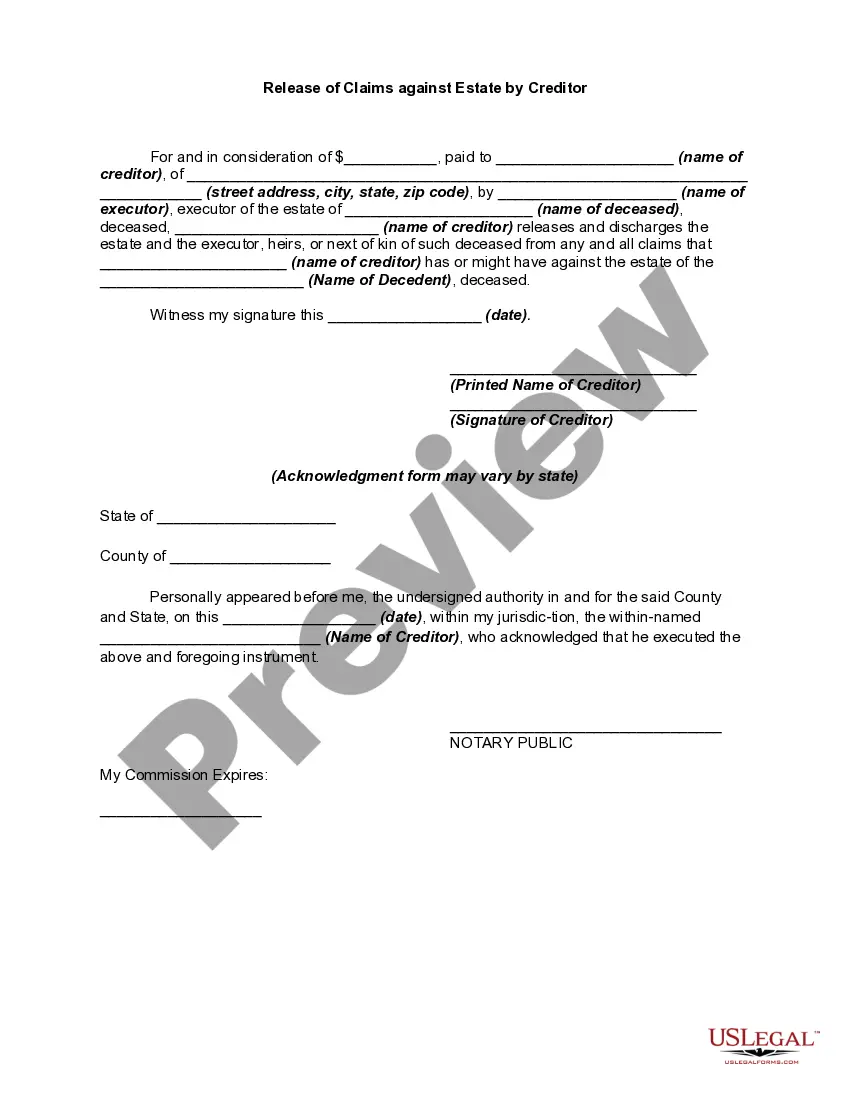
Claim Pleito
Description
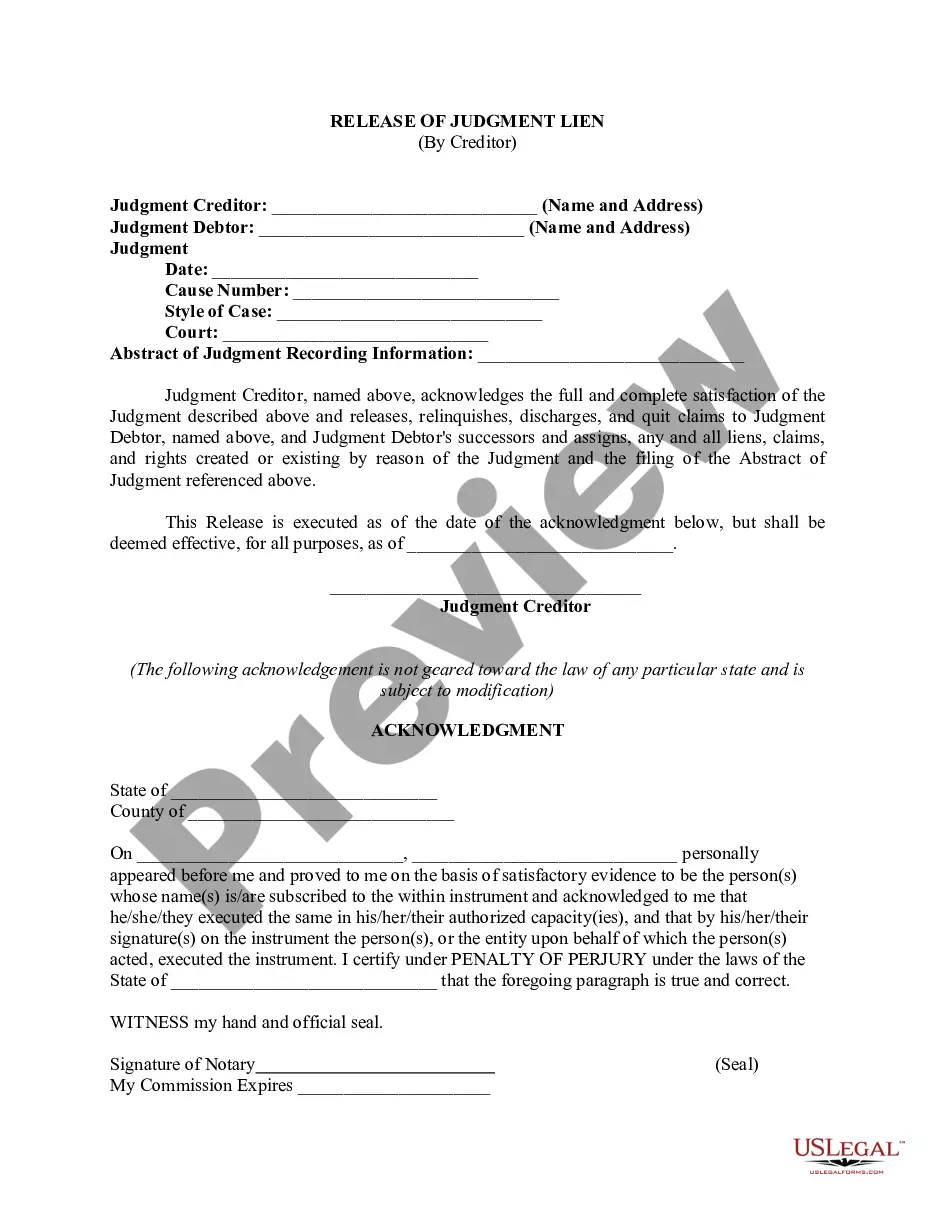
Get your form ready online
Our built-in tools help you complete, sign, share, and store your documents in one place.
Make edits, fill in missing information, and update formatting in US Legal Forms—just like you would in MS Word.
Download a copy, print it, send it by email, or mail it via USPS—whatever works best for your next step.
Sign and collect signatures with our SignNow integration. Send to multiple recipients, set reminders, and more. Go Premium to unlock E-Sign.
If this form requires notarization, complete it online through a secure video call—no need to meet a notary in person or wait for an appointment.
We protect your documents and personal data by following strict security and privacy standards.

Make edits, fill in missing information, and update formatting in US Legal Forms—just like you would in MS Word.

Download a copy, print it, send it by email, or mail it via USPS—whatever works best for your next step.

Sign and collect signatures with our SignNow integration. Send to multiple recipients, set reminders, and more. Go Premium to unlock E-Sign.

If this form requires notarization, complete it online through a secure video call—no need to meet a notary in person or wait for an appointment.

We protect your documents and personal data by following strict security and privacy standards.
Looking for another form?



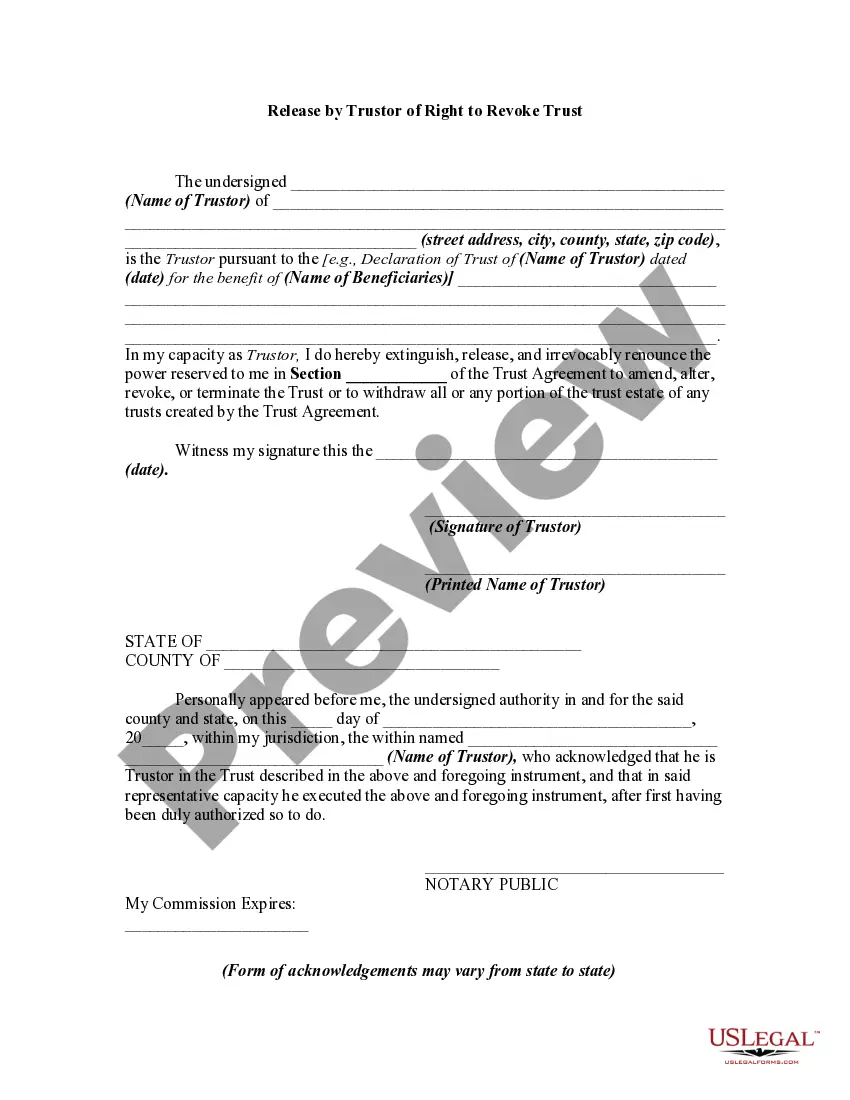
How to fill out Release Of Claims Against Estate By Creditor?
- Log in to your US Legal Forms account if you're an existing user, or create a new account to start your journey.
- Browse through our extensive library and preview the legal documents available. Ensure you select a form that suits your requirements.
- If you encounter any discrepancies, utilize the Search function to locate the correct template. Verify its compatibility with your local jurisdiction.
- Once you've found the right form, click on the 'Buy Now' button and choose a subscription plan that works for you.
- Complete your purchase using a credit card or PayPal, ensuring you have access to all resources.
- Download the completed form to your device. You can easily access it anytime in the 'My Forms' section of your profile.
By following these steps, you can ensure that your claim pleito is well-documented and legally sound with the assistance of US Legal Forms. Our service simplifies the legal process significantly.
Start your journey towards a successful claim today. Visit US Legal Forms and take the first step toward securing your legal documents!
Form popularity
FAQ
To enter claims processing, begin by educating yourself about the insurance and legal industries, as well as the technologies involved in claims management. Consider pursuing relevant courses or certifications that focus on claims and compliance. Engaging with platforms like uslegalforms can provide tools and resources beneficial for those starting to navigate processes related to Claim pleito.
Claims-based identity enables applications to authenticate users via claims rather than simple username/password combinations. This approach enhances security and can provide more context about users during interaction. If you're dealing with situations involving Claim pleito, understanding claims-based identity is crucial for leveraging identity management effectively.
To retrieve claims from a ClaimsPrincipal, first, you will need to access the Claims collection associated with the principal. Use methodologies provided in coding frameworks, like , to access these claims programmatically. Familiarity with this allows for better management of user identities in legal environments as it pertains to Claim pleito.
Claim authorization is the process in which an insurer approves a claim before payments are made, ensuring compliance with policy terms. This step helps both the insurer and the claimant manage expectations and ensures that the claim is legitimate. Understanding this process is key when navigating claims, especially in contexts surrounding Claim pleito.
To obtain proof of no claims, you typically need to request a claims history report from your insurance provider. They will review your policy and inform you if there have been any claims filed against it. This documentation can be essential when dealing with legal matters or showing your history related to Claim pleito.
A ClaimsPrincipal represents a user or a service with specific claims, while a ClaimsIdentity contains the actual claims and the authentication method used. Think of the ClaimsPrincipal as the overall entity that may hold multiple identities, where the ClaimsIdentity is the detailed representation of one identity. Understanding this distinction is vital for effective claims management in any legal context relating to Claim pleito.
Filling out a statement of claim form requires you to provide detailed information about your case related to the claim pleito. Start by accurately filling in your personal details, followed by a clear description of your claim, including facts that support your case. If you're unsure, consider using uslegalforms to simplify the process and ensure accuracy.
A good debt settlement letter should clearly outline the debt in question and the reasons for your settlement offer related to the claim pleito. Include details about your financial situation to support your request and express a willingness to negotiate. Always maintain a respectful and professional tone to foster cooperation.
Making a final settlement offer involves clearly stating your best proposal regarding the claim pleito. Ensure that this offer reflects a sincere attempt to settle the matter and includes all relevant details, such as the rationale behind your offer and any deadlines for acceptance. This demonstrates your commitment to resolving the issue.
To write a settlement claim, outline the specifics of the disagreement and provide evidence for your position. Make sure to include a clear statement of what you're requesting, related to your claim pleito. Use a respectful and professional language to encourage dialogue.