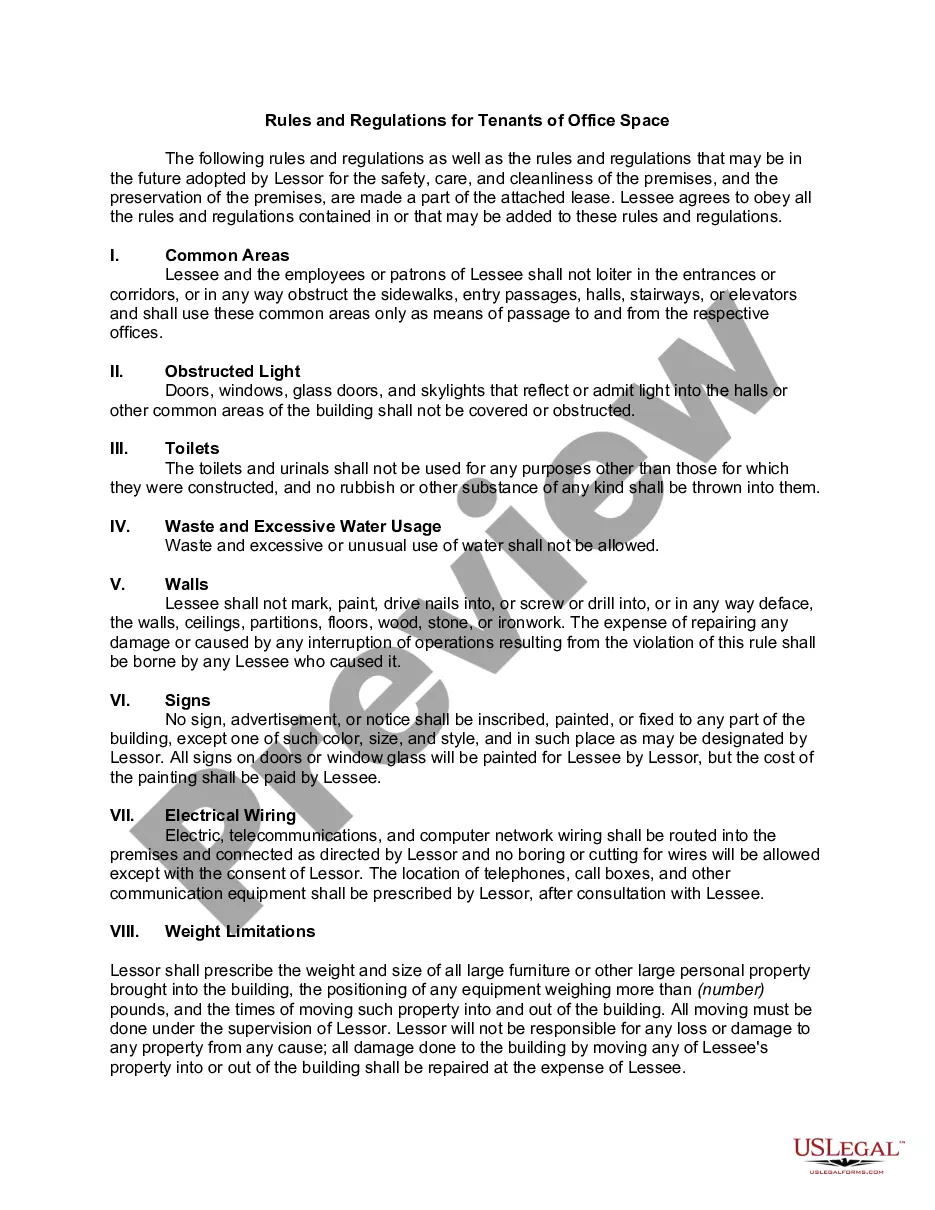
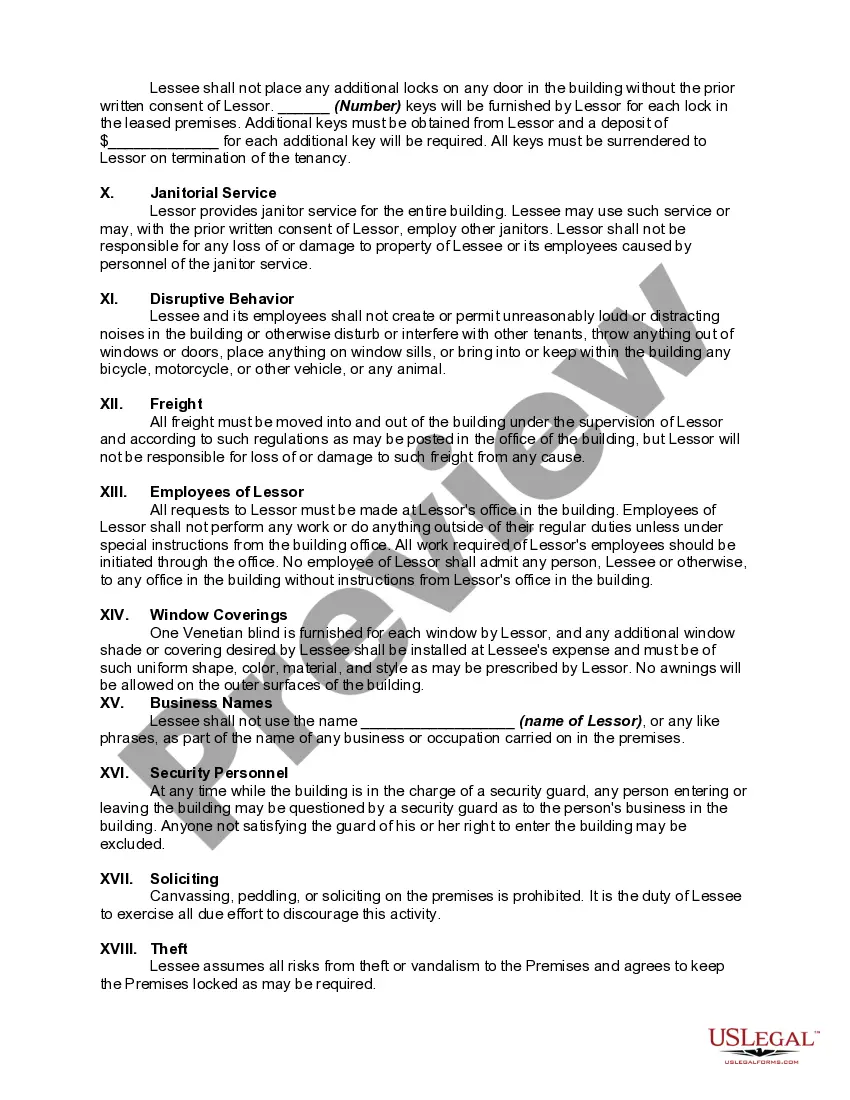
Tenants Rules Of Conduct
Description
Get your form ready online
Our built-in tools help you complete, sign, share, and store your documents in one place.
Make edits, fill in missing information, and update formatting in US Legal Forms—just like you would in MS Word.
Download a copy, print it, send it by email, or mail it via USPS—whatever works best for your next step.
Sign and collect signatures with our SignNow integration. Send to multiple recipients, set reminders, and more. Go Premium to unlock E-Sign.
If this form requires notarization, complete it online through a secure video call—no need to meet a notary in person or wait for an appointment.
We protect your documents and personal data by following strict security and privacy standards.

Make edits, fill in missing information, and update formatting in US Legal Forms—just like you would in MS Word.

Download a copy, print it, send it by email, or mail it via USPS—whatever works best for your next step.

Sign and collect signatures with our SignNow integration. Send to multiple recipients, set reminders, and more. Go Premium to unlock E-Sign.

If this form requires notarization, complete it online through a secure video call—no need to meet a notary in person or wait for an appointment.

We protect your documents and personal data by following strict security and privacy standards.
Looking for another form?
Form popularity
FAQ
In Illinois, the notice period a landlord must provide varies depending on the lease agreement and the reason for termination. Typically, landlords must give a minimum of 30 days' notice. This requirement supports the tenants rules of conduct, ensuring that tenants have adequate time to find new housing. Always review your lease for specific terms and consult US Legal Forms for complete guidelines.
When communicating with a landlord, it's best to avoid aggressive or confrontational language. Saying phrases that express discontent without constructive feedback can lead to misunderstandings. Being respectful, even when expressing concerns, aligns with the tenants rules of conduct and fosters better communication. A well-crafted message can help resolve issues amicably.
In Illinois, tenant rights include the right to a habitable living space, protection from discrimination, and the right to privacy. Understanding these tenant rights is crucial for asserting your interests and ensuring a safe environment. These rights form part of the tenants rules of conduct, which help maintain a fair relationship between landlords and tenants. You can refer to legal resources or US Legal Forms for detailed information.
Common area rules for tenants typically include guidelines for cleanliness, quiet hours, and proper use of shared facilities. These rules are part of the tenants rules of conduct, ensuring that everyone respects their neighbors and maintains a pleasant living environment. It is essential for tenants to understand and follow these rules to avoid conflicts. Always check with your lease or property management for specifics.
Filling out a landlord statement requires you to detail all financial transactions concerning the tenant's rental agreements along with adherence to tenants rules of conduct. Begin by listing all rent payments, security deposits, and any fees incurred during the rental period. Make sure to keep your records clear and concise, which can help in maintaining harmonious relations with your tenants.
To fill out a landlord application, start by collecting necessary information about your rental property, including its location, size, and amenities. Be sure to include personal details like your contact information and any previous landlord references to comply with tenants rules of conduct. This information helps prospective tenants understand your expectations and ensures a smoother renting process for everyone involved.
Writing a rent statement involves outlining specific details such as the total amount due, due dates, and payment methods according to tenants rules of conduct. Start by specifying the rental period, then itemize any additional charges or adjustments. Finally, include contact information for any questions to ensure smooth communication between you and the tenant.
A landlord's statement is a document summarizing a tenant's account, detailing all charges and payments throughout the rental period. It is essential to adhere to tenants rules of conduct by including accurate data about rent, fees, and due dates. This statement acts as a financial record for both landlords and tenants, promoting transparency and helping avoid potential disputes.
In Massachusetts, the maximum allowable rent increase can vary based on local regulations; typically, it follows the guidelines set for rent stabilization. However, as a general rule, landlords must provide written notice well in advance, complying with tenants rules of conduct for proper communication. To ensure compliance, check local laws or consult professional resources for the specific details regarding your area.
A landlord statement should provide a clear summary of financial transactions related to the rental property according to tenants rules of conduct. Include details such as rent charges, security deposits, and any fees for services or repairs. Keeping this statement organized and transparent helps tenants understand their obligations and supports all parties in maintaining a good rental relationship.
