Building Lease For Restaurant
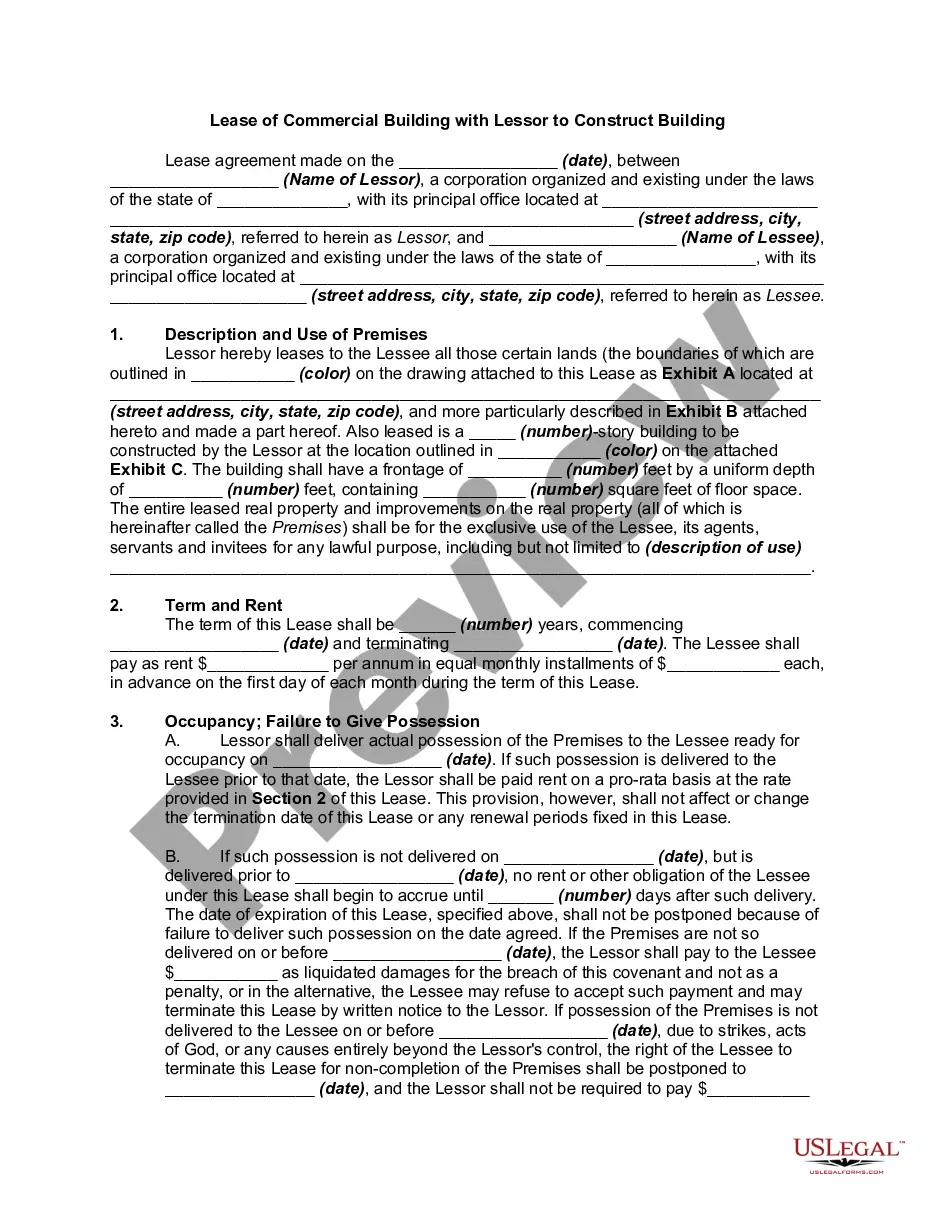
Description
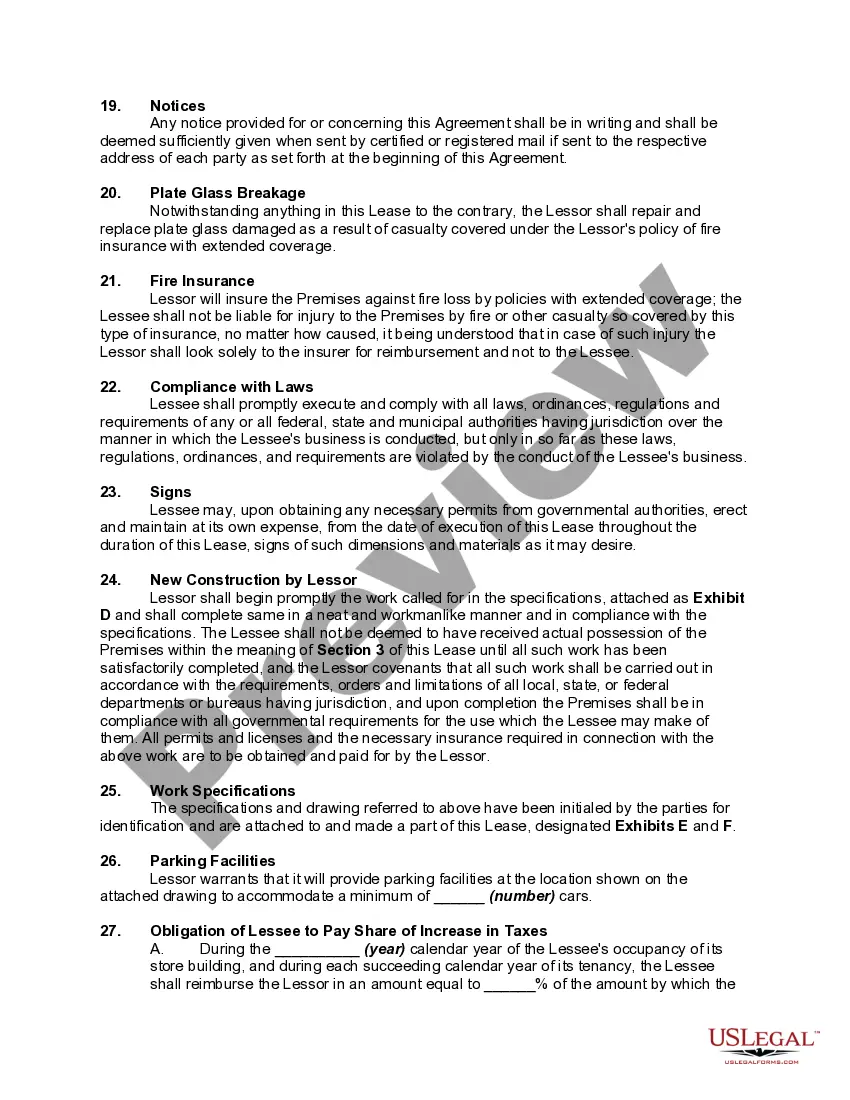
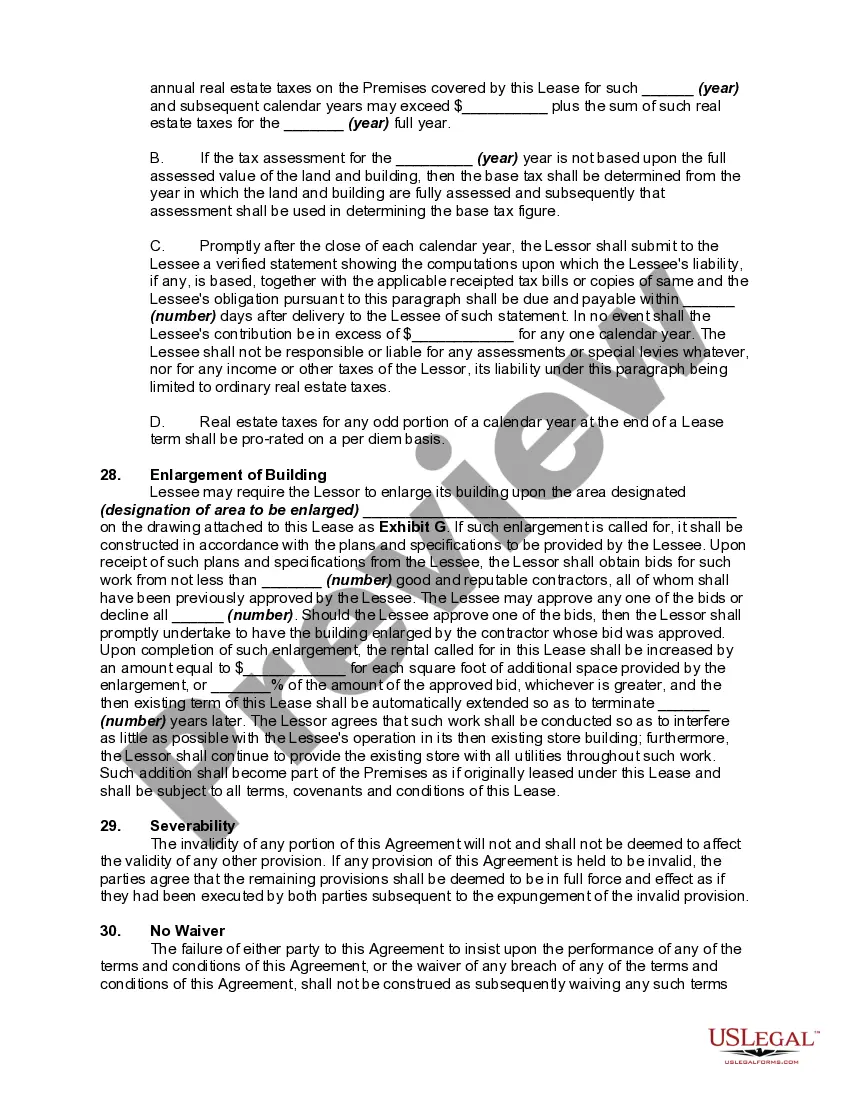
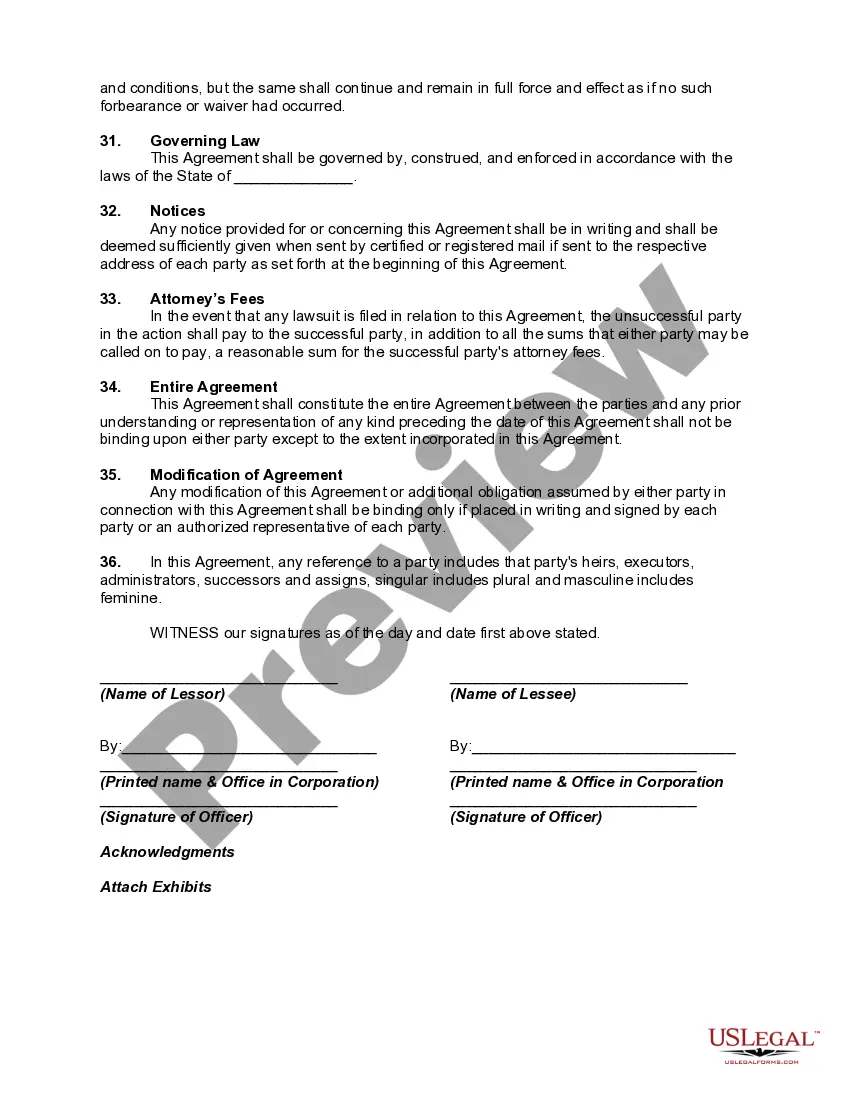
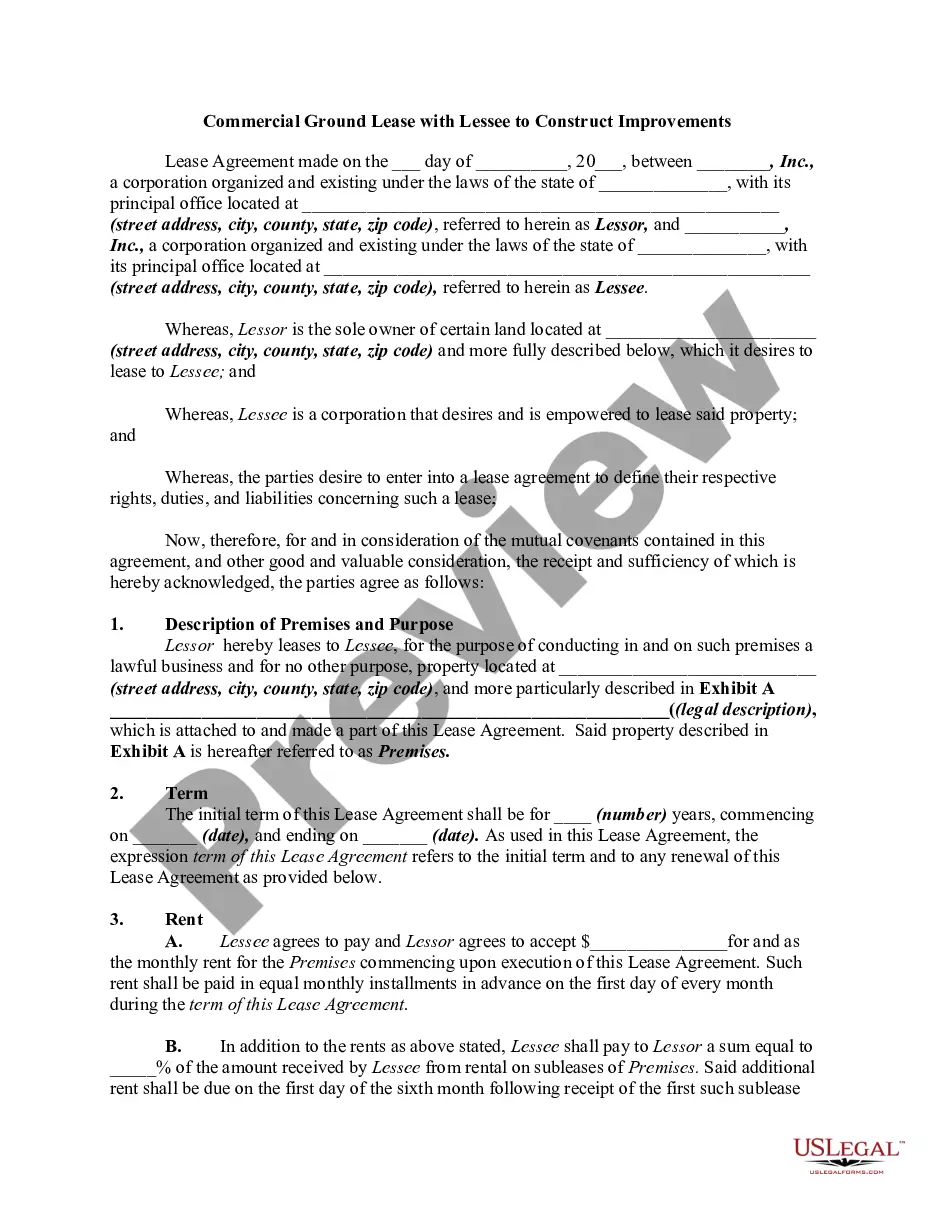
Get your form ready online
Our built-in tools help you complete, sign, share, and store your documents in one place.
Make edits, fill in missing information, and update formatting in US Legal Forms—just like you would in MS Word.
Download a copy, print it, send it by email, or mail it via USPS—whatever works best for your next step.
Sign and collect signatures with our SignNow integration. Send to multiple recipients, set reminders, and more. Go Premium to unlock E-Sign.
If this form requires notarization, complete it online through a secure video call—no need to meet a notary in person or wait for an appointment.
We protect your documents and personal data by following strict security and privacy standards.

Make edits, fill in missing information, and update formatting in US Legal Forms—just like you would in MS Word.

Download a copy, print it, send it by email, or mail it via USPS—whatever works best for your next step.

Sign and collect signatures with our SignNow integration. Send to multiple recipients, set reminders, and more. Go Premium to unlock E-Sign.

If this form requires notarization, complete it online through a secure video call—no need to meet a notary in person or wait for an appointment.

We protect your documents and personal data by following strict security and privacy standards.
Looking for another form?









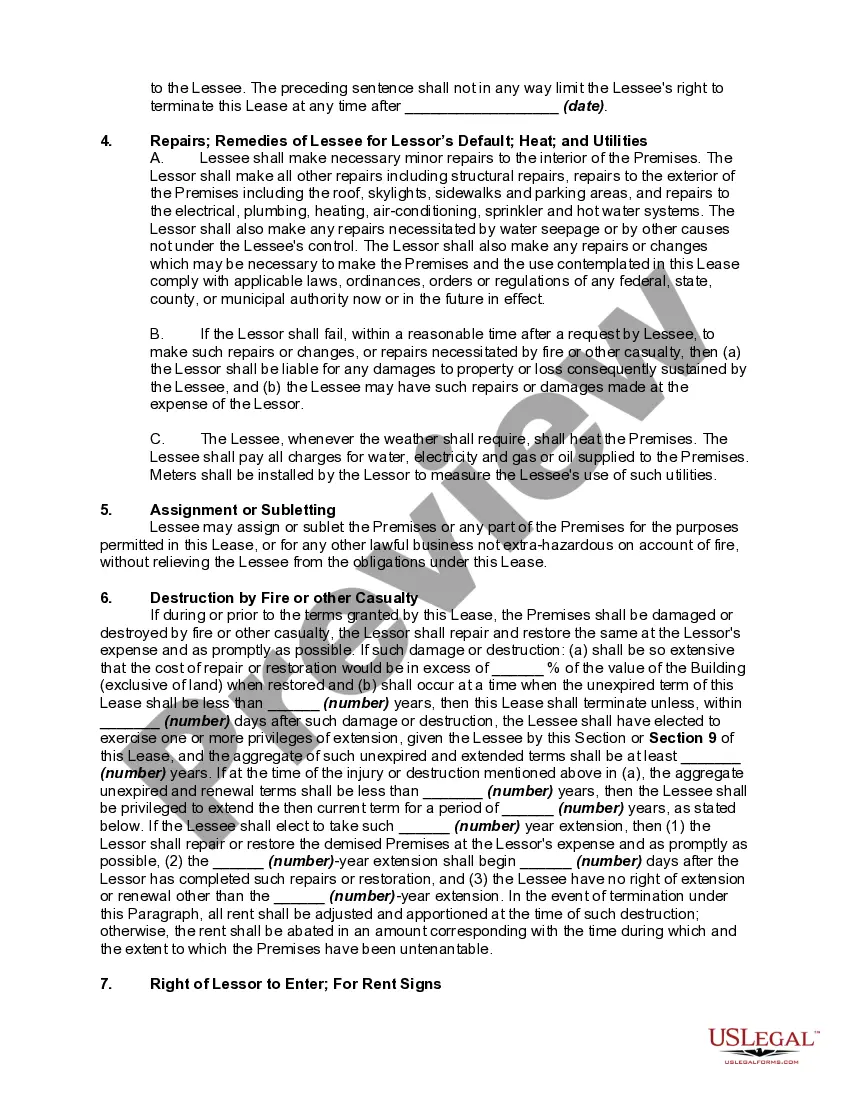
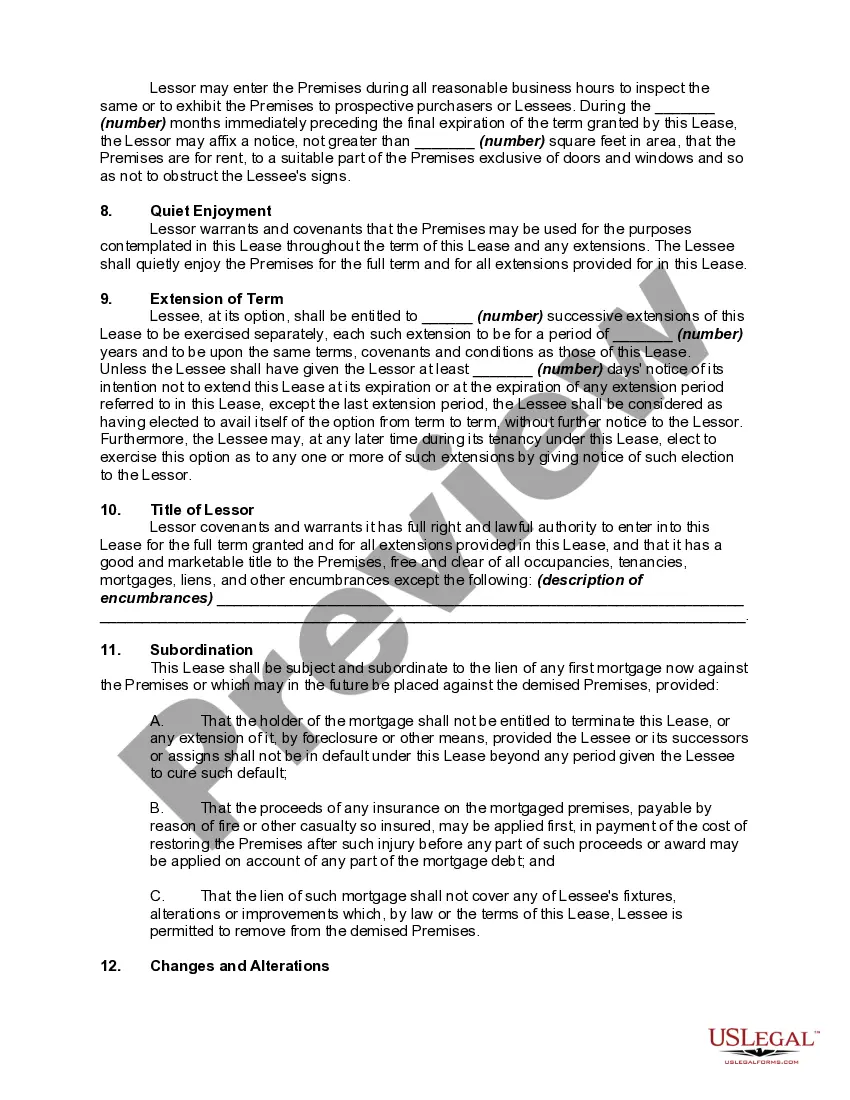
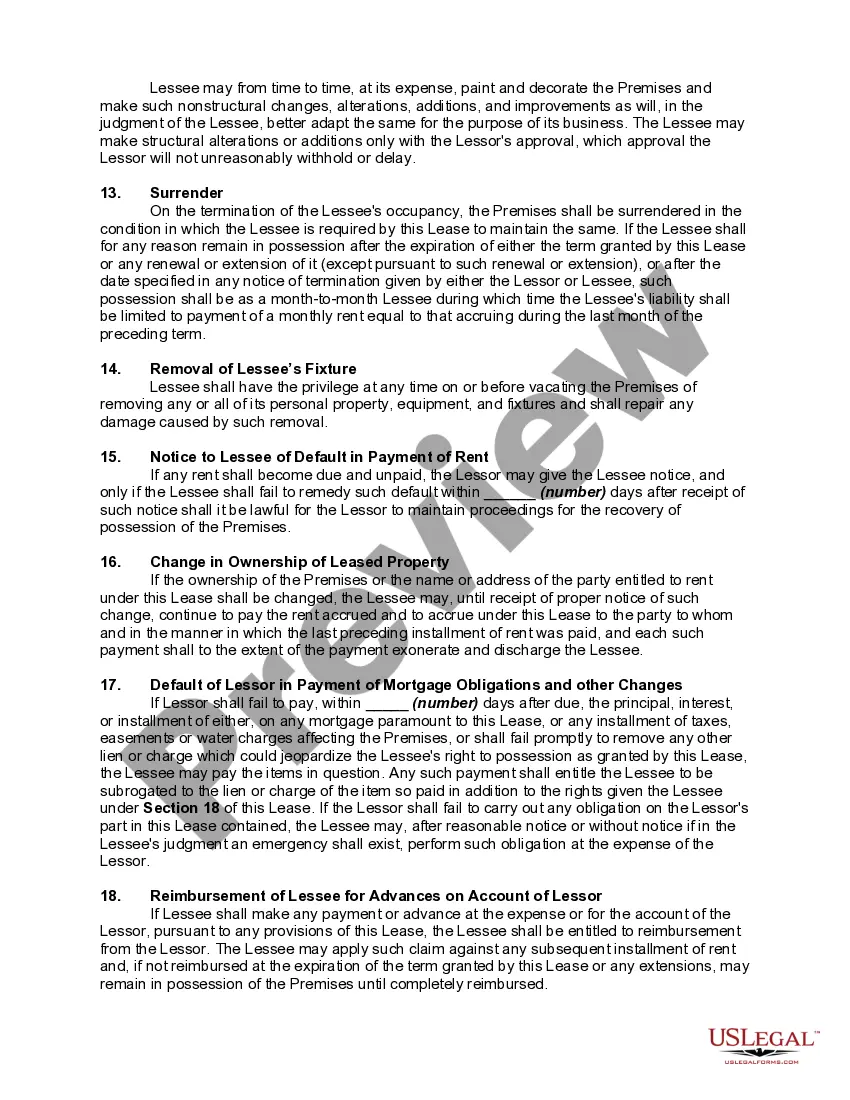
How to fill out Lease Of Commercial Building With Lessor To Construct Building?
- Log into your US Legal Forms account if you're a returning user and download the required lease template by clicking the Download button. Ensure your subscription is active; renew if necessary.
- For new users, begin by reviewing the Preview mode and description of the lease template. Confirm it's appropriate for your specific needs and complies with local regulations.
- If adjustments are needed, utilize the Search feature to find alternative templates that meet your requirements. Select the appropriate one to continue.
- Choose your subscription plan by clicking the Buy Now button. You'll need to create an account to access the complete library of forms.
- Complete your purchase by entering your payment information, using either a credit card or PayPal account.
- Download the building lease template to your device. You can access this document anytime through the My Forms section in your profile.
In conclusion, leveraging US Legal Forms simplifies the process of obtaining a building lease for your restaurant. With an extensive library at your fingertips, you can access expertly crafted lease templates that cater to your legal needs.
Start your free trial today to ensure your restaurant launch is successful with the right lease in place!
Form popularity
FAQ
Typically, the average rent percentage for a restaurant ranges between 6% to 10% of your gross sales. However, this can vary based on your restaurant’s concept and location. Ensuring that your rent is manageable in proportion to sales is crucial for your overall profitability. Consulting with US Legal Forms can guide you through crafting a building lease for restaurant under the right financial terms.
Determining rent for a restaurant can depend on various factors, including location, size, and the local market. A good starting point is to evaluate comparable properties in your area. You want to ensure the rent aligns with your budget while enabling you to provide quality service. Using tools and resources from platforms like US Legal Forms can help you draft a fair and compliant building lease for restaurant.
Leasing a building for your business involves several steps, including defining your business needs and budget. Begin by researching available spaces that suit your requirements, then contact real estate agents or landlords for viewings. Once you find the right place, ensure to carefully review the lease terms for your building lease for restaurant before signing. Platforms like USLegalForms can provide valuable resources and templates to guide you through the leasing process, making it easier to secure your ideal restaurant space.
Most restaurant leases range from three to ten years, although terms can vary. A longer lease may provide stability and security for your business, while a shorter lease offers flexibility to adapt to market changes. In any case, ensure your building lease for restaurant includes options for renewal to protect your investment and future plans.
Leasing a restaurant typically begins with finding a commercial space that fits your needs. You'll need to negotiate terms in the building lease for restaurant that suit both parties, covering rent, duration, and any other specific clauses. Once finalized, you sign the lease, allowing you to operate your business in the space for the agreed-upon term, subject to the conditions stated in the contract.
Leasing a restaurant can be an excellent decision for many entrepreneurs. It offers flexibility and lower upfront costs compared to buying property. Additionally, a building lease for restaurant can provide you with prime locations that might otherwise be unaffordable. Always evaluate your business plan and conduct thorough market research before committing.
Leasing a commercial building involves several steps. First, identify a suitable property that meets your business needs. Next, negotiate the terms of the building lease for restaurant to ensure they align with your financial plans and operational goals. Finally, consult with legal experts to review the lease agreement and make sure it protects your interests.
A restaurant lease outlines terms between the landlord and tenant regarding property use, duration, and payment. Typically, the tenant pays rent regularly, while the landlord maintains the building and infrastructure. A clear understanding of this process can simplify your planning and operations, making it crucial to negotiate favorable terms in your building lease for restaurant activities.
Yes, you can write your own lease agreement, but caution is essential to avoid pitfalls. A well-structured building lease for restaurant use must adhere to state laws and include critical components like rent, duration, and maintenance responsibilities. It’s often beneficial to use templates from platforms like uslegalforms to guide you and ensure all necessary legal provisions are included.
A restaurant typically operates under a commercial lease, which can be structured as a gross lease or a net lease. A gross lease simplifies expense management, as the landlord shoulder most costs, while a net lease often includes additional expenses like property taxes and maintenance. Understanding these differences can help you negotiate a favorable building lease for restaurant operations.