Lease Apartment Rules For Landlords
Description
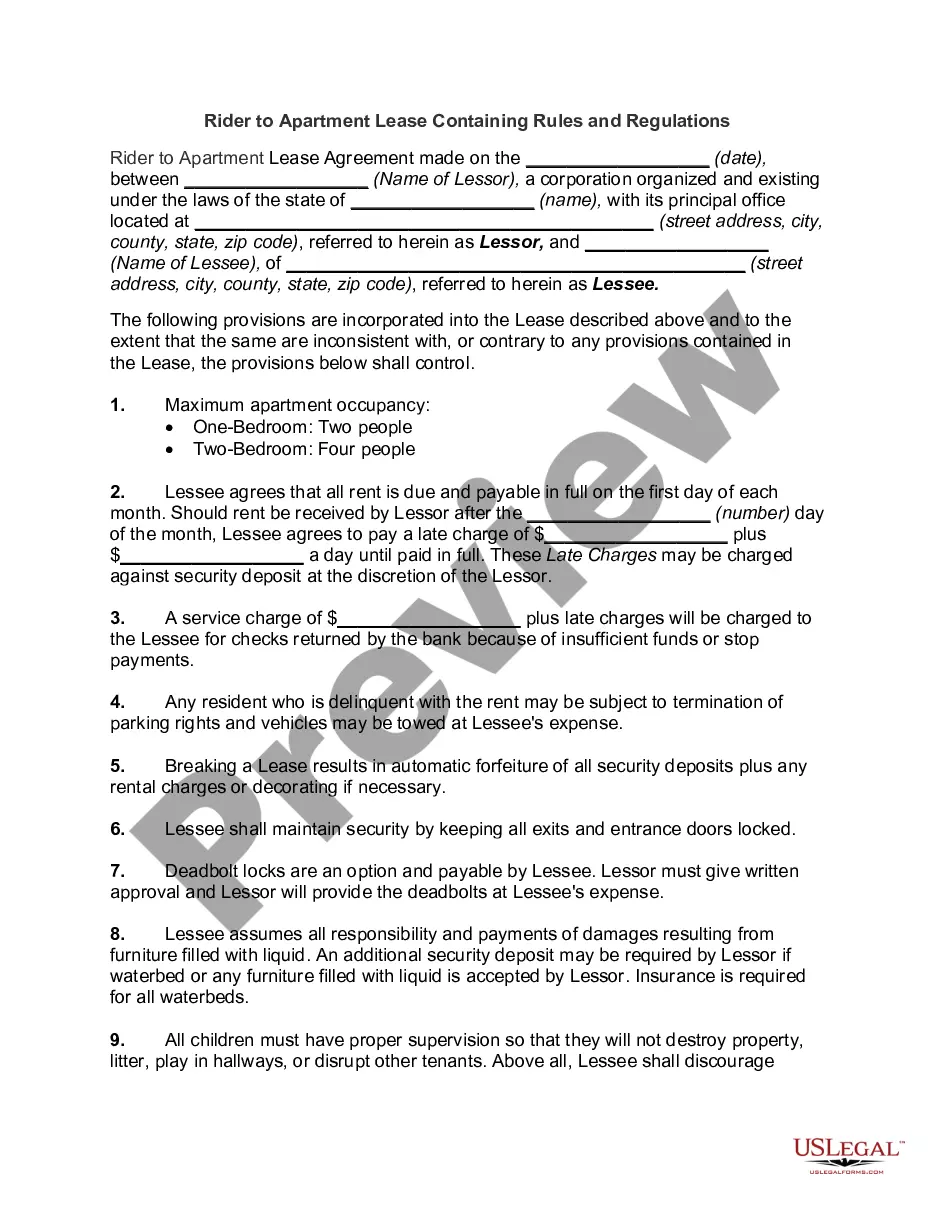
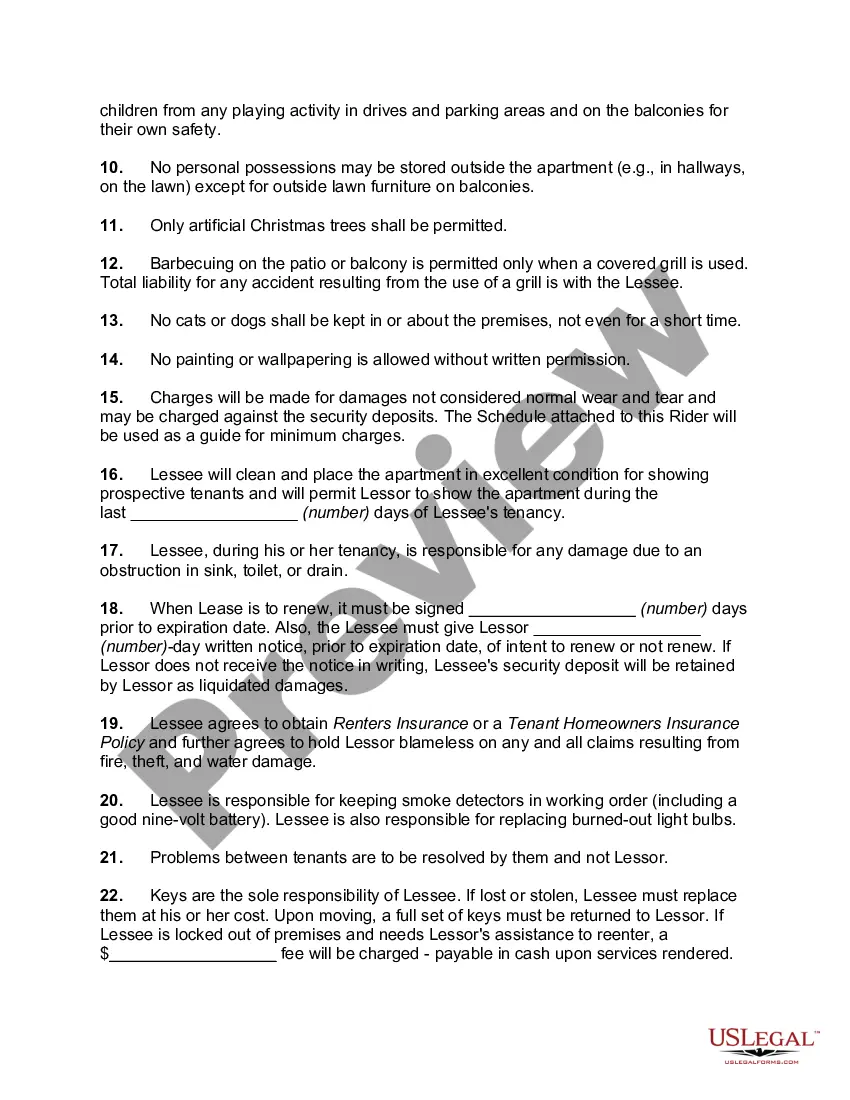
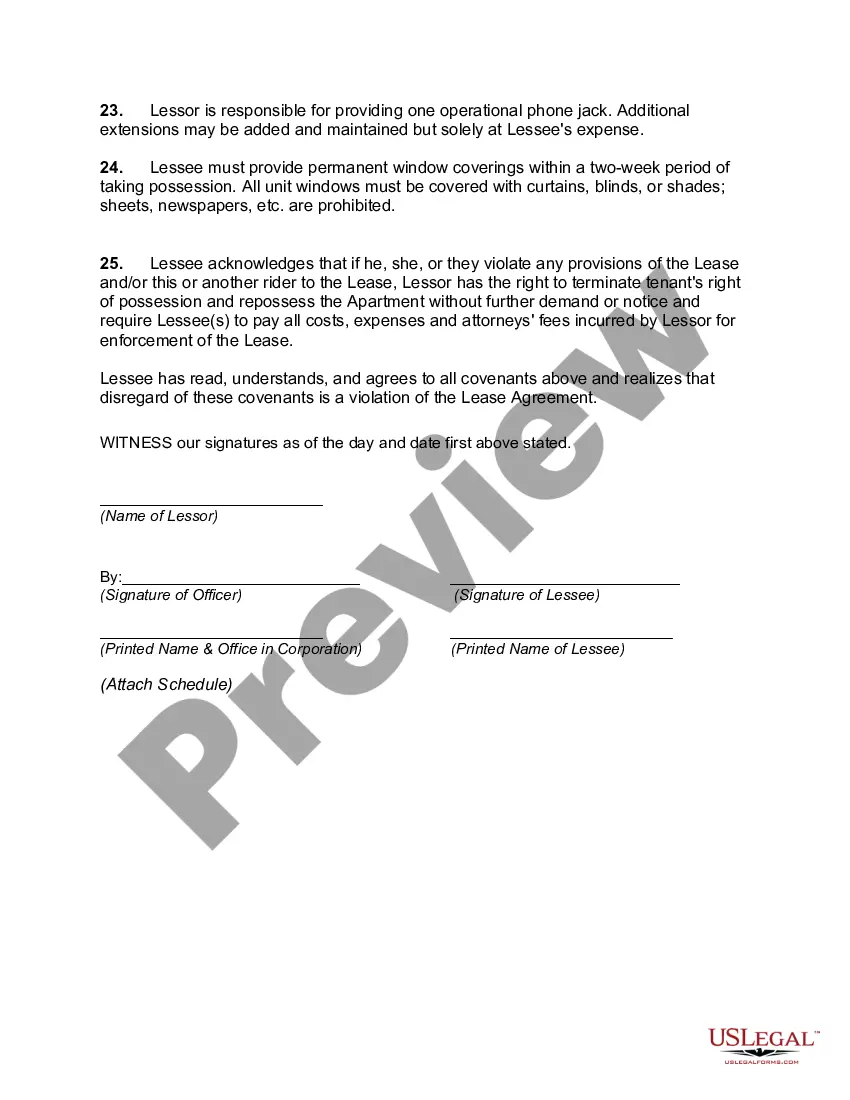
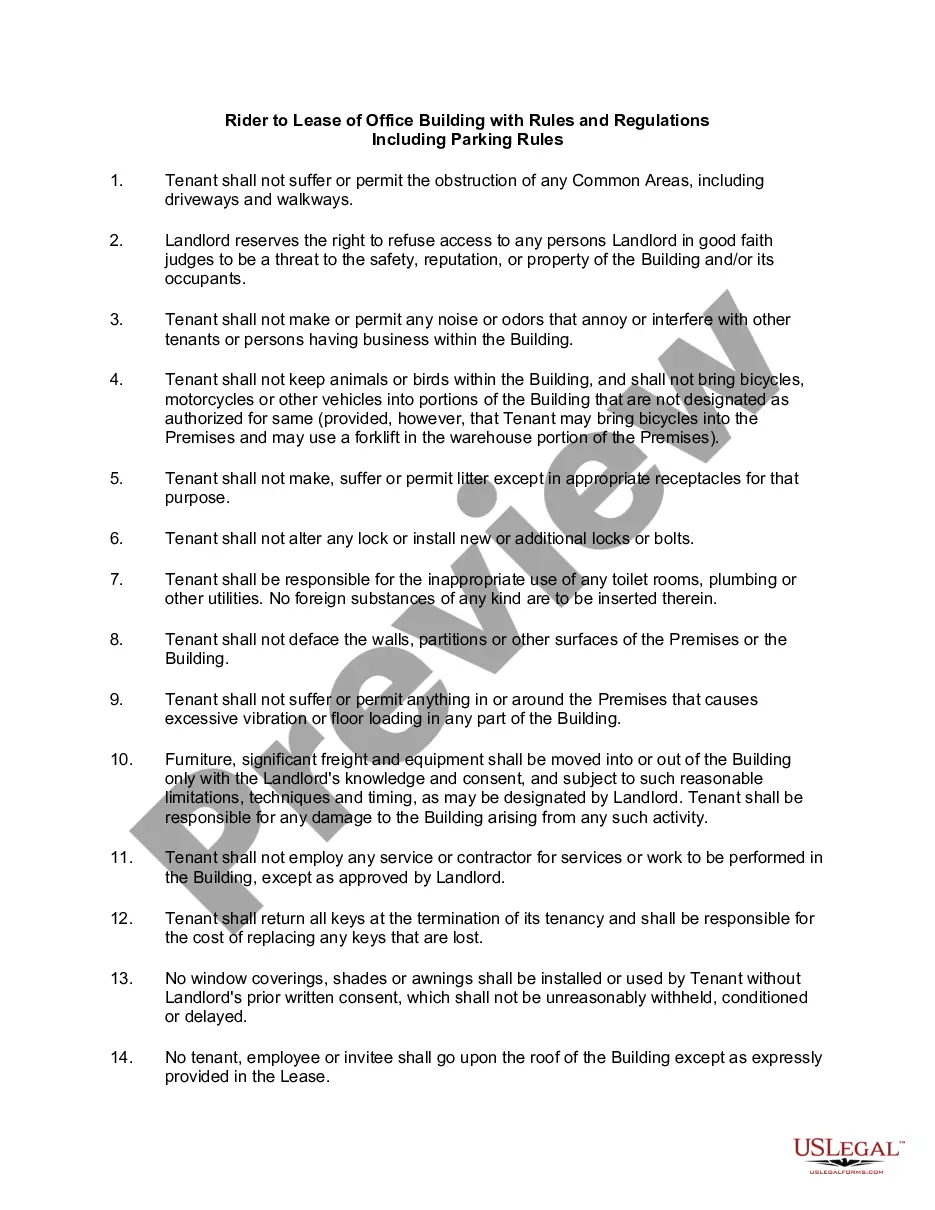
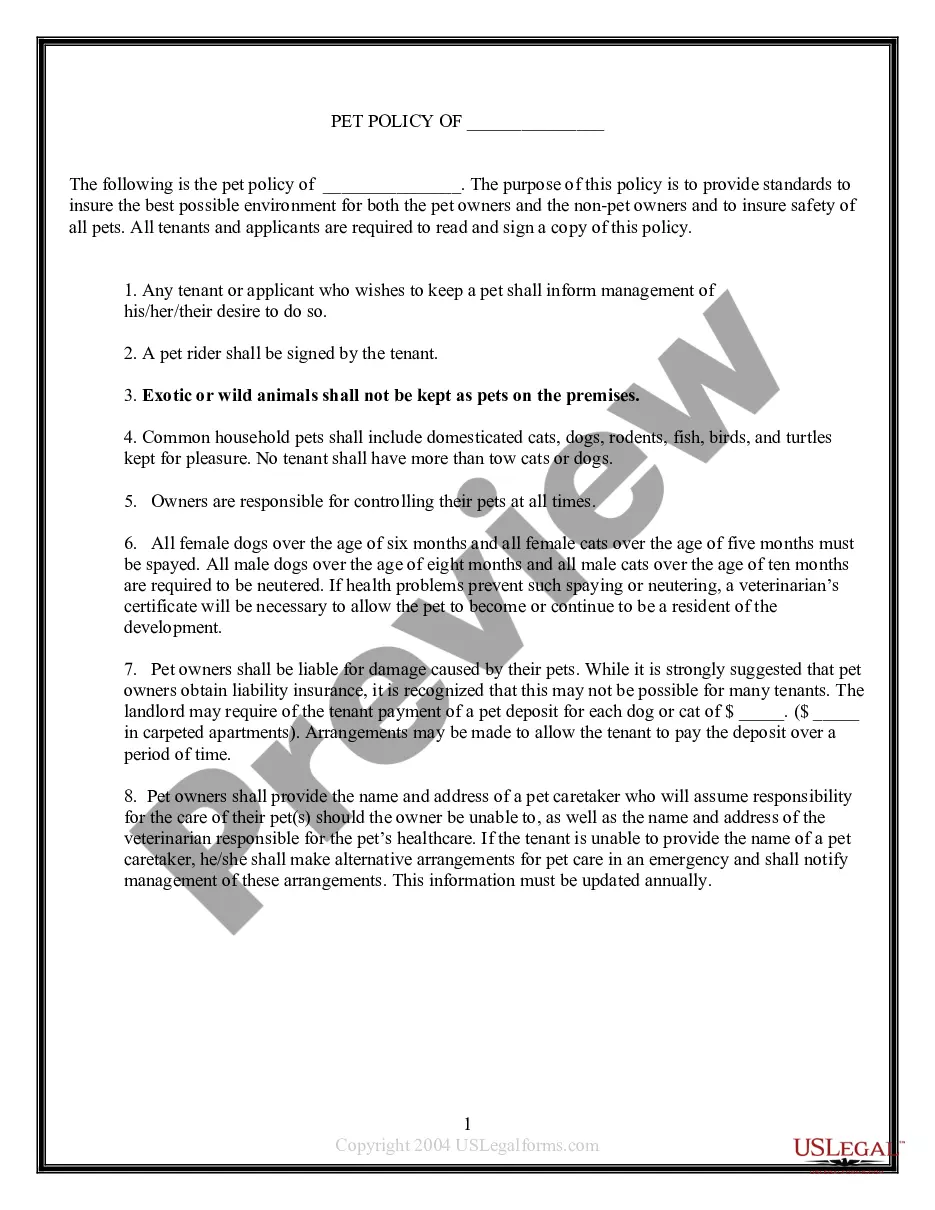
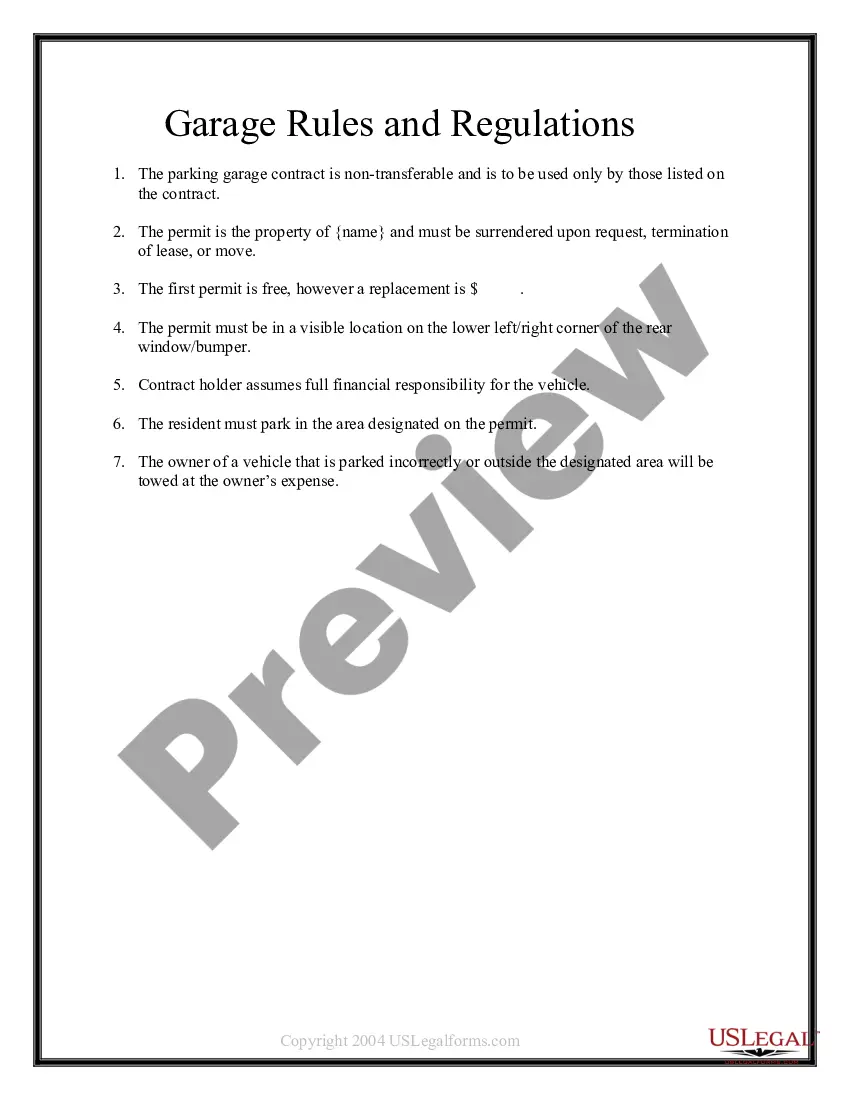
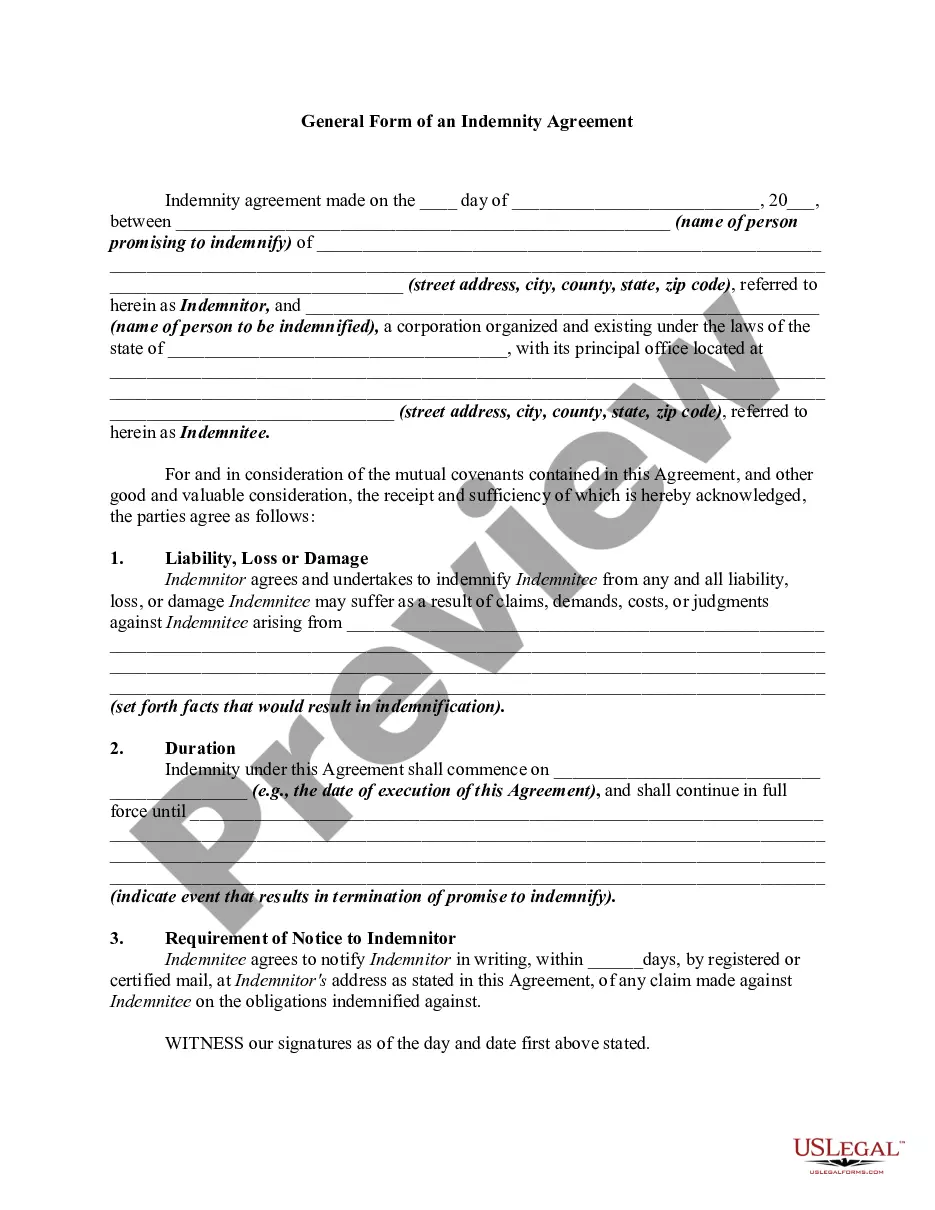

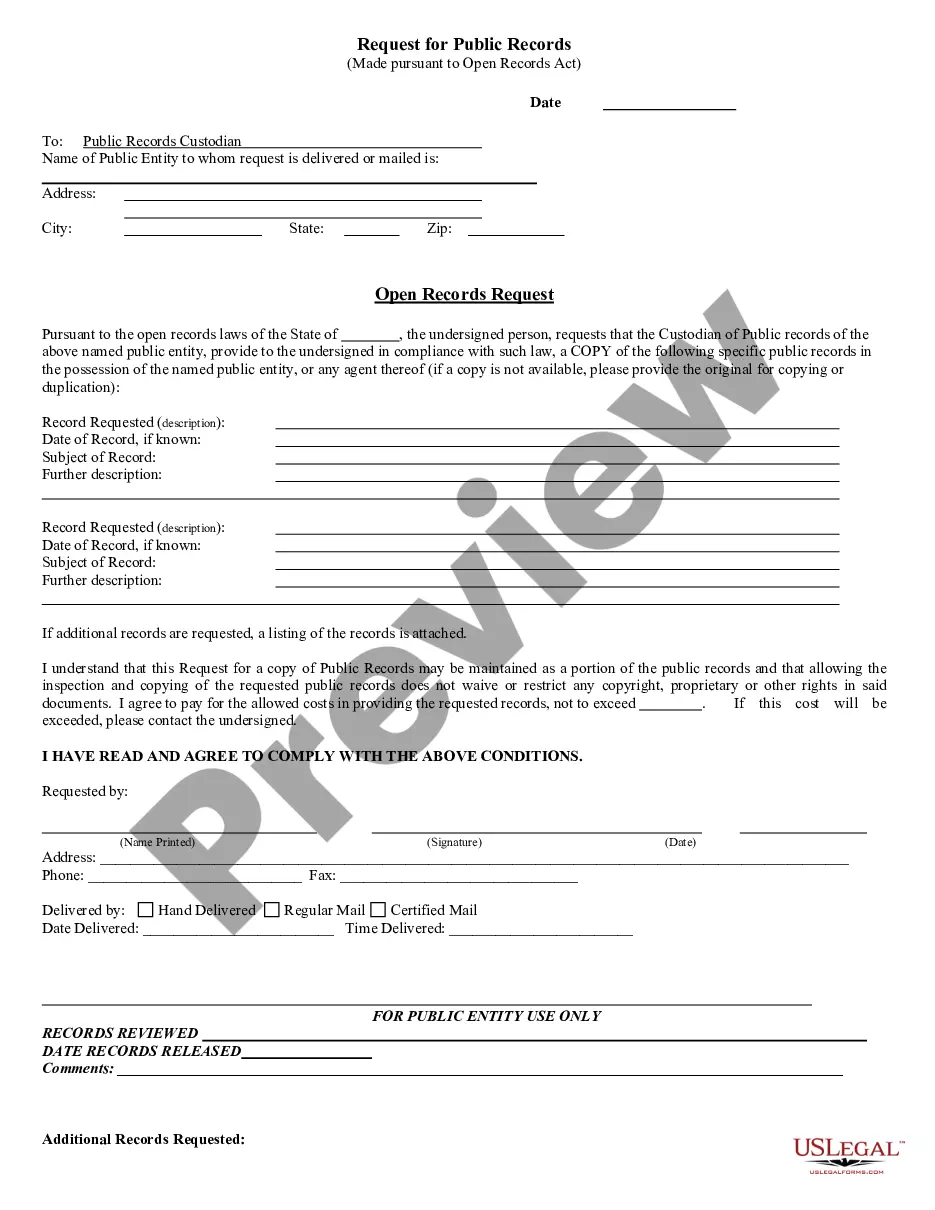


How to fill out Rider To Lease Of Apartment With Rules And Regulations?
Discovering a reliable location to obtain the most up-to-date and pertinent legal templates is half the battle of managing bureaucracy.
Selecting the appropriate legal documents demands accuracy and careful attention, which is why it is crucial to acquire samples of Lease Apartment Rules For Landlords exclusively from trustworthy sources, such as US Legal Forms.
Eliminate the stress associated with your legal documents. Explore the comprehensive US Legal Forms collection to discover legal templates, assess their relevance to your situation, and download them immediately.
- Utilize the library navigation or search bar to find your sample.
- Examine the form’s description to ensure it meets the criteria of your state and county.
- Check the form preview, if available, to confirm the form is the one you are interested in.
- Return to the search and find the correct template if the Lease Apartment Rules For Landlords does not meet your needs.
- If you are confident about the form’s relevance, download it.
- If you are a registered customer, click Log in to verify and access your chosen templates in My documents.
- If you do not have an account yet, click Buy now to obtain the template.
- Select the pricing option that fits your requirements.
- Continue with the registration to complete your purchase.
- Complete your transaction by selecting a payment method (credit card or PayPal).
- Choose the file format for downloading Lease Apartment Rules For Landlords.
- Once you have the form on your device, you can modify it using the editor or print it and fill it out manually.
Form popularity
FAQ
In Arkansas, you cannot withhold rent from the landlord for any reason. If you withhold rent, you will be evicted and the landlord may attempt to keep your property. If you think your home has health and safety problems, contact the city-housing inspector to find out if your home meets city building codes.
Landlords must give the tenant their property as it currently is. Generally, landlords are not responsible for making any kind of repairs, unless it's stated in the lease agreements. It's important to note that an Arkansas tenant may not pursue legal action if their repair request doesn't get honored.
The North Carolina Office of Administrative Hearings and the Fair Housing Act prohibit landlords from discriminating against potential tenants because of their race, religion, familial status, sex, gender, etc.
A landlord may not evict a tenant without a court order. The landlord may begin eviction proceedings if a tenant: Damages property. Fails to pay rent.
The landlord cannot increase the rent, decrease the services provided, or evict a tenant for asking that repairs be made or for notifying Code Enforcement of defects in the property. 3. The right to a rental unit that is habitable and compliant with all building and housing codes (KRS 383.595).